

Our complete range of feed pellet machine systems represents the pinnacle of ring die technology, engineered to handle the specific friction and moisture requirements of different raw materials. From small-scale starters to large turnkey industrial complexes, we have supplied robust lines across North America, Asia, Africa, South America, and Europe. We don't just sell a machine; we provide the process guarantees that come from having solved feed production challenges in over 140 countries.
Scroll to Discover More
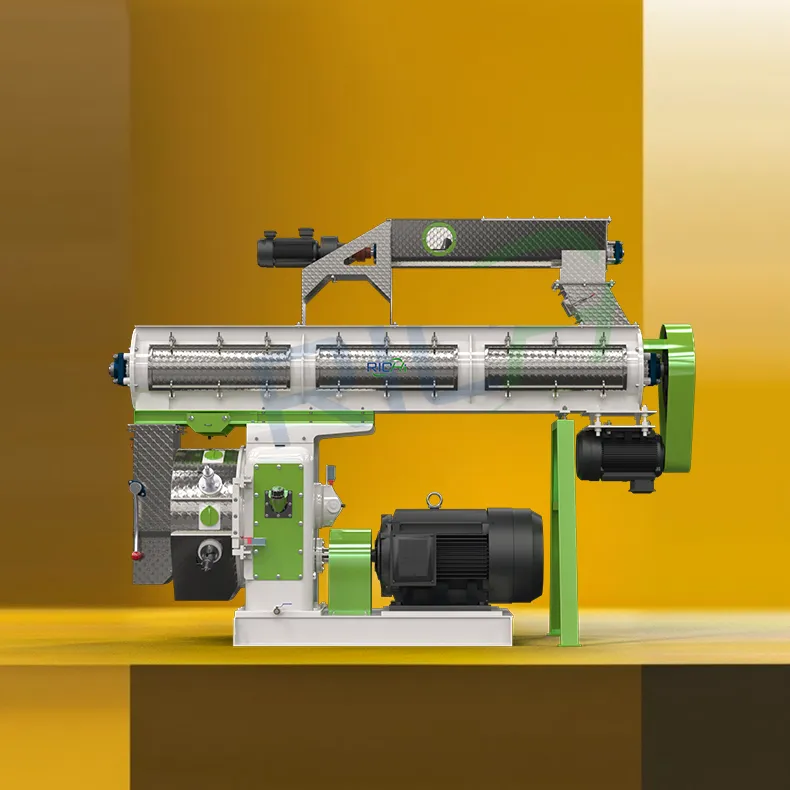
Our heavy-duty ring die feed pellet machine series is built for the operator who demands consistency—whether you are targeting a specific PDI (Pellet Durability Index) for poultry or the water stability required for shrimp feed. We bridge the gap between mechanical durability and biological necessity, offering models with capacities ranging from 1 t/h to over 40 t/h. If you are looking to lower your energy consumption per ton while increasing throughput, let’s talk about configuring a solution that fits your specific raw material matrix.
← Drag to Explore →
○ RICHI MACHINERY
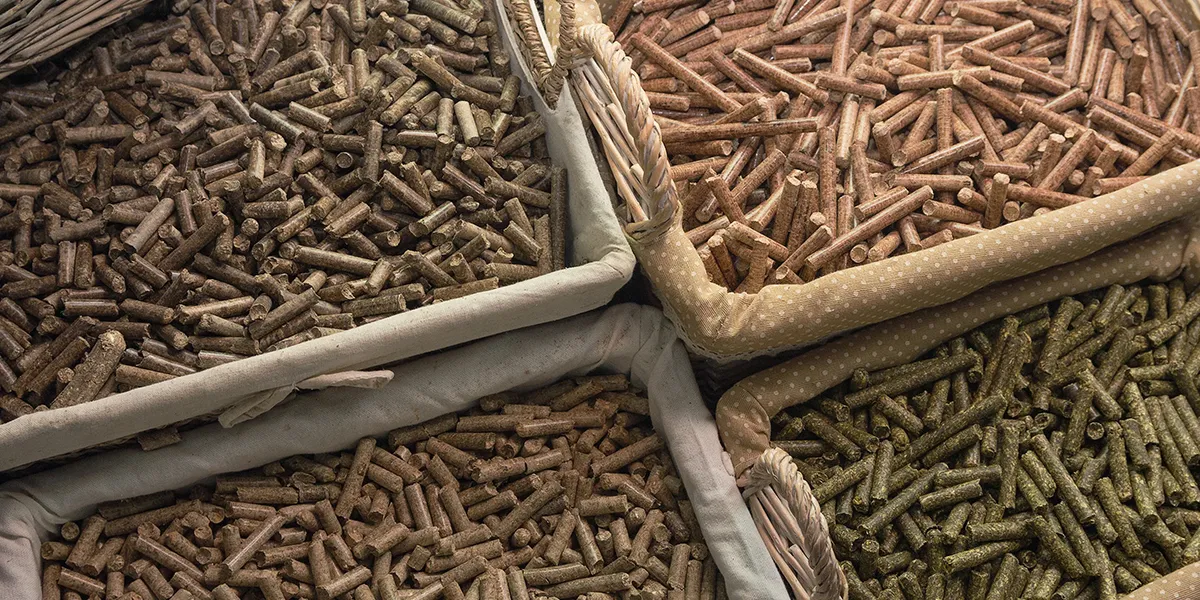
A feed pellet machine is not a one-size-fits-all piece of equipment. The difference between a successful feed operation and one plagued by downtime often comes down to matching the machine's mechanics to the raw material's biology. Whether you are compressing high-fiber alfalfa for ruminant, creating a sterile, high-starch diet for piglets, or engineering a water-stable sinking feed pellet, the compression ratio and die specifications must be precise. Below, we break down our specialized feed pellet machine range by application, ensuring the equipment variables—from conditioning time to roller speed—are optimized for your specific protein conversion goals.
● High-Density Poultry Feeds
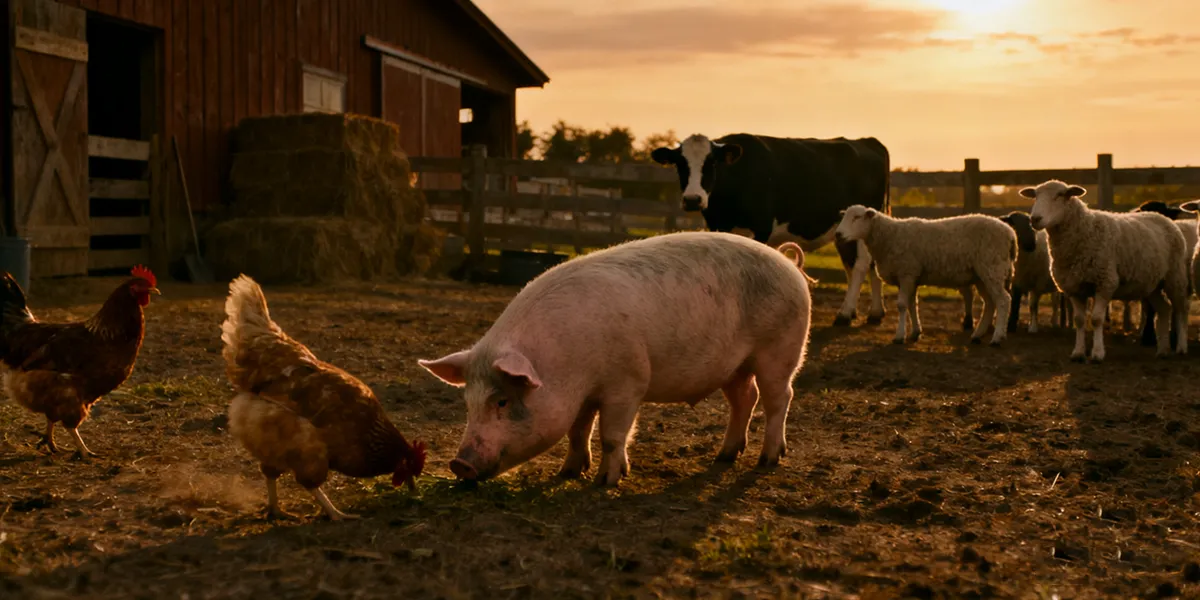
● Livestock Nutrition
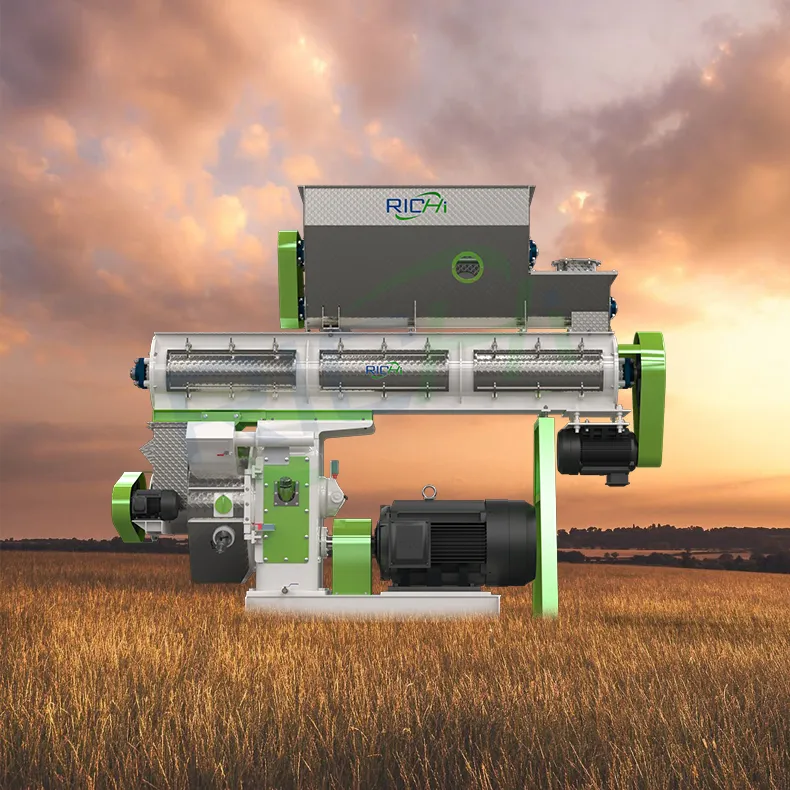
● High-Fiber Compression Technology
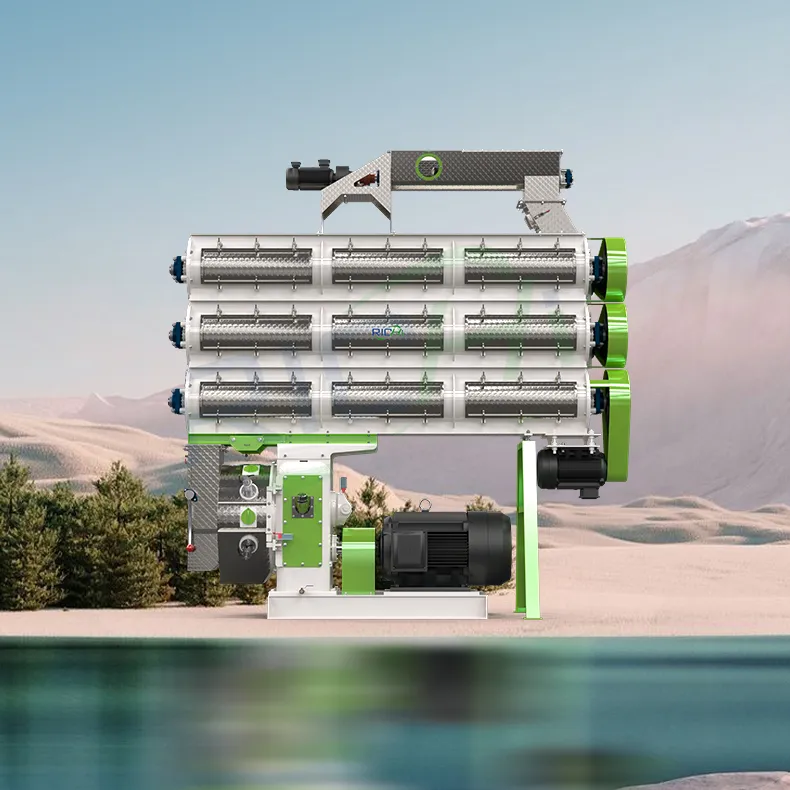
● Dense & Water-Stable Pellets
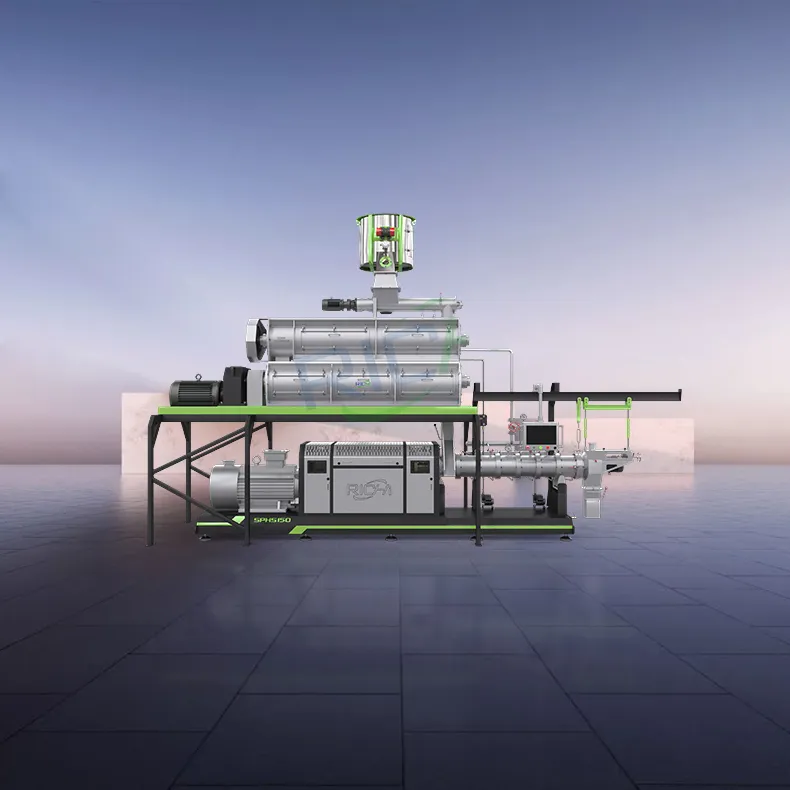
● Multi-Shape & Recipe Flexibility
○ RICHI MACHINERY
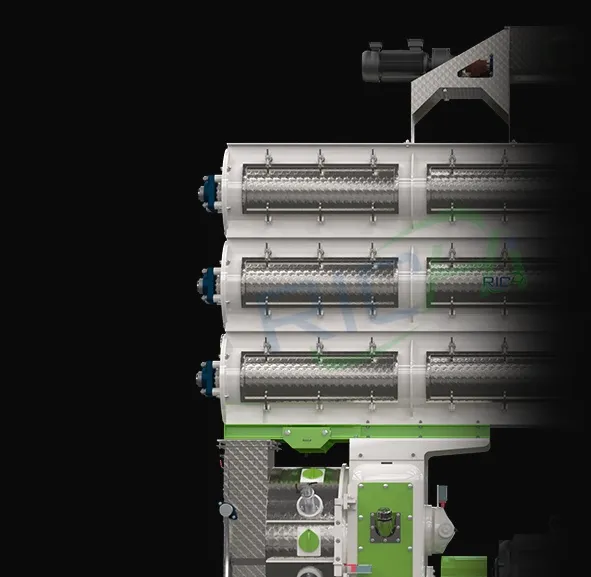
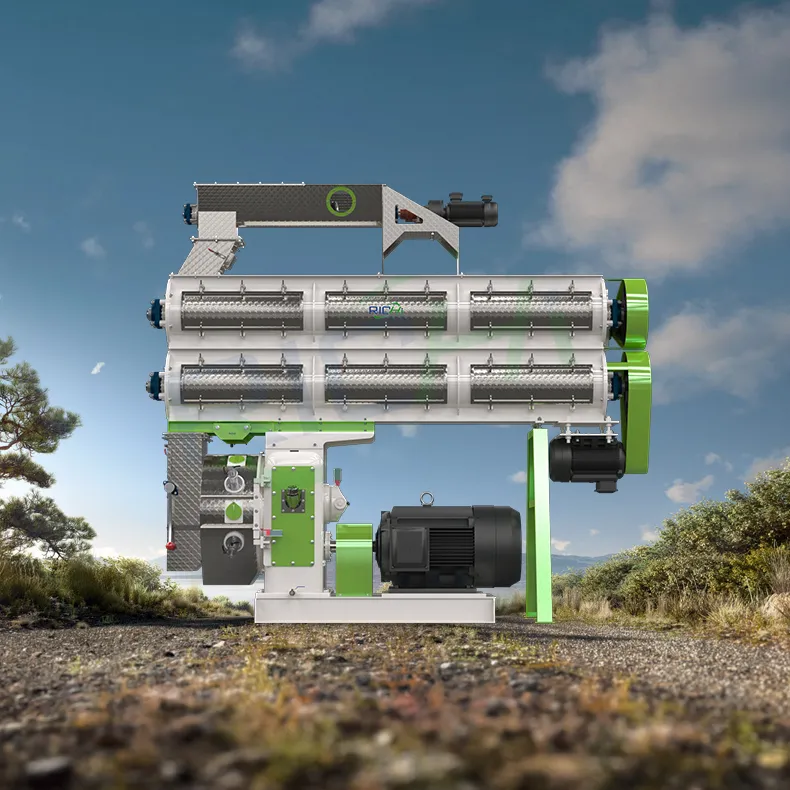
Features fully stainless steel conditioner, designed to resist corrosion from steam, molasses, and acidic raw materials. The paddle and shaft assembly is engineered for maximum residence time, ensuring steam penetrates every particle to achieve optimal starch gelatinization before compression.
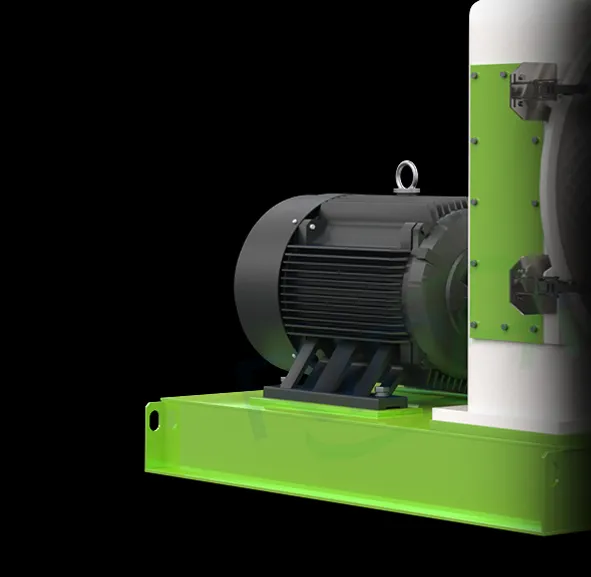
At the heart of every feed pellet machine we build sits a Siemens motor, selected for its ability to handle variable loads without efficiency drop. The Siemens drive maintains consistent power delivery, reducing energy consumption per ton while providing the starting torque needed to clear die jams.
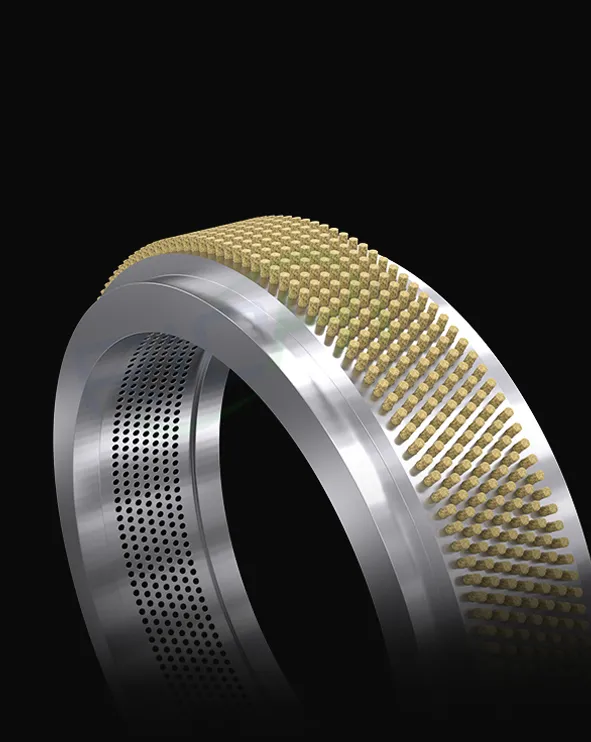
The ring die is where raw material becomes feed. Our feed pellet machine uses dies forged from stainless steel, with compression ratios calculated specifically for your raw material—whether high-fiber forage or high-oil content feeds.
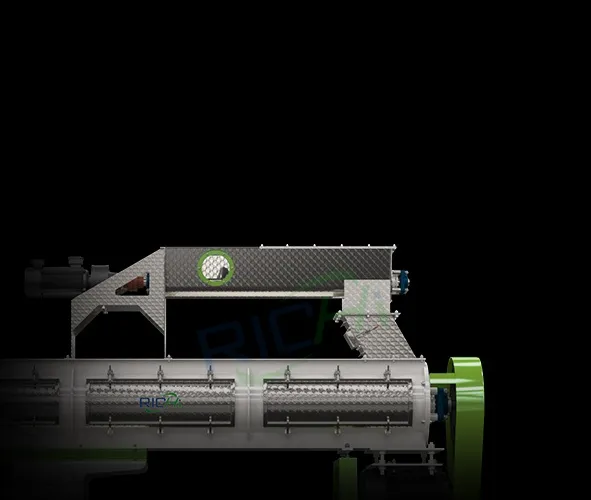
Utilizes a variable frequency drive (VFD) on the feeder screw, allowing the operator to match infeed rate precisely to the conditioning and die speed.
What separates a standard feed pellet machine from a true industrial workhorse is the integration of its systems. We incorporate oversized bearings with centrifugal lubrication systems to handle the high temperatures of continuous operation. Furthermore, the quick-release clamp design on the conditioner allows for rapid maintenance access, while the optional automatic roller gap adjustment system ensures that as the die wears, compression force remains constant. This is not just a machine; it is a fully integrated processing platform built for the demands of 24/7 feed production.
○ RICHI MACHINERY
○ RICHI MACHINERY
Feed Pellet Machine For Poultry Feed In Oman
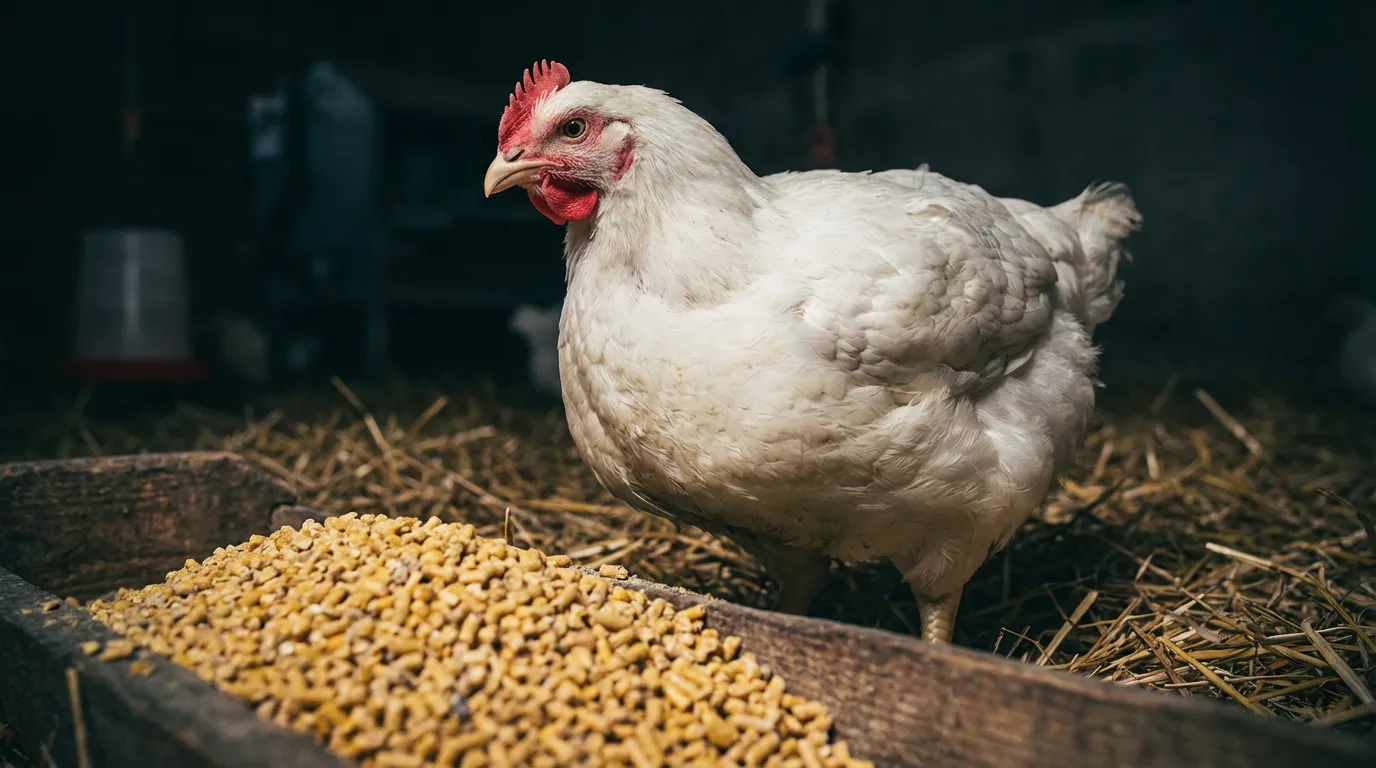
Feed Pellet Machine For Pig Feed In Zimbabwe
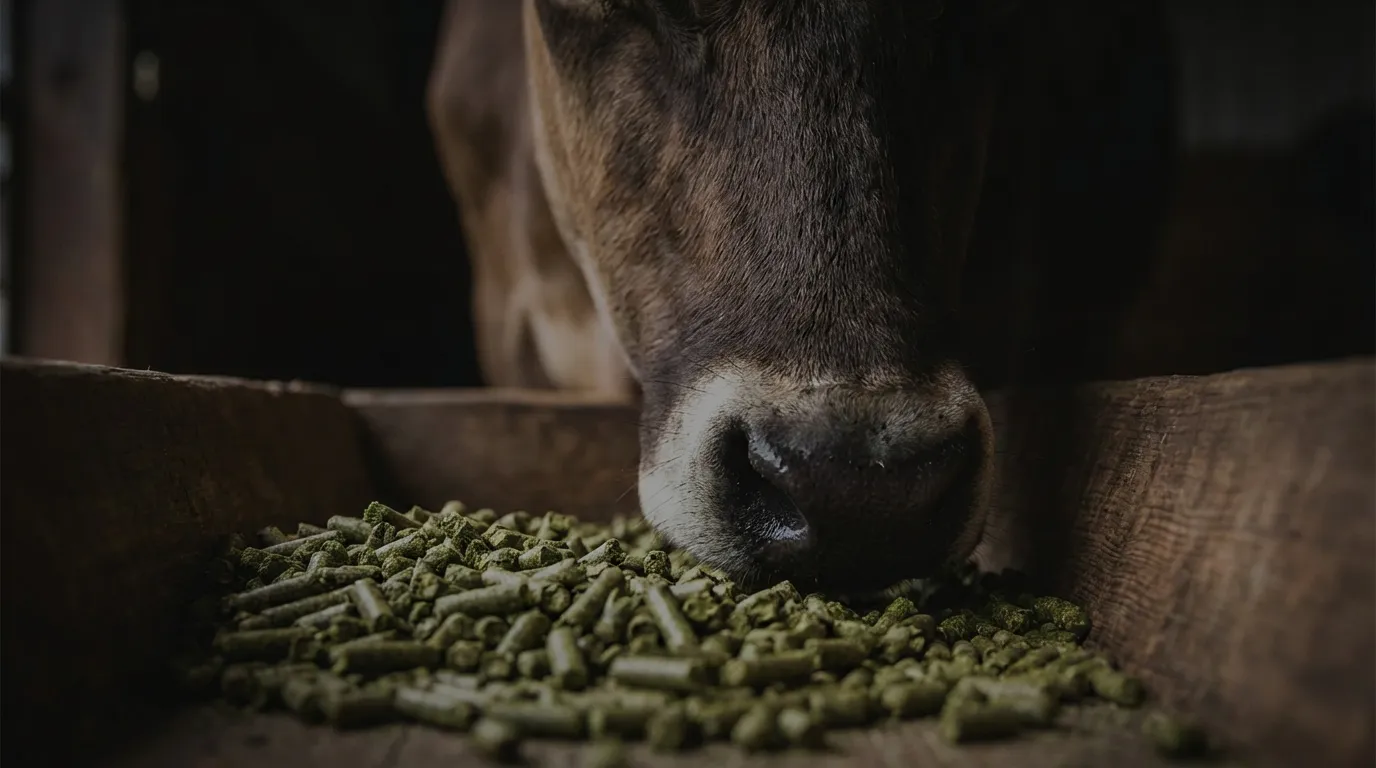
Feed Pellet Machine For Cattle Feed Pellets In Argentina
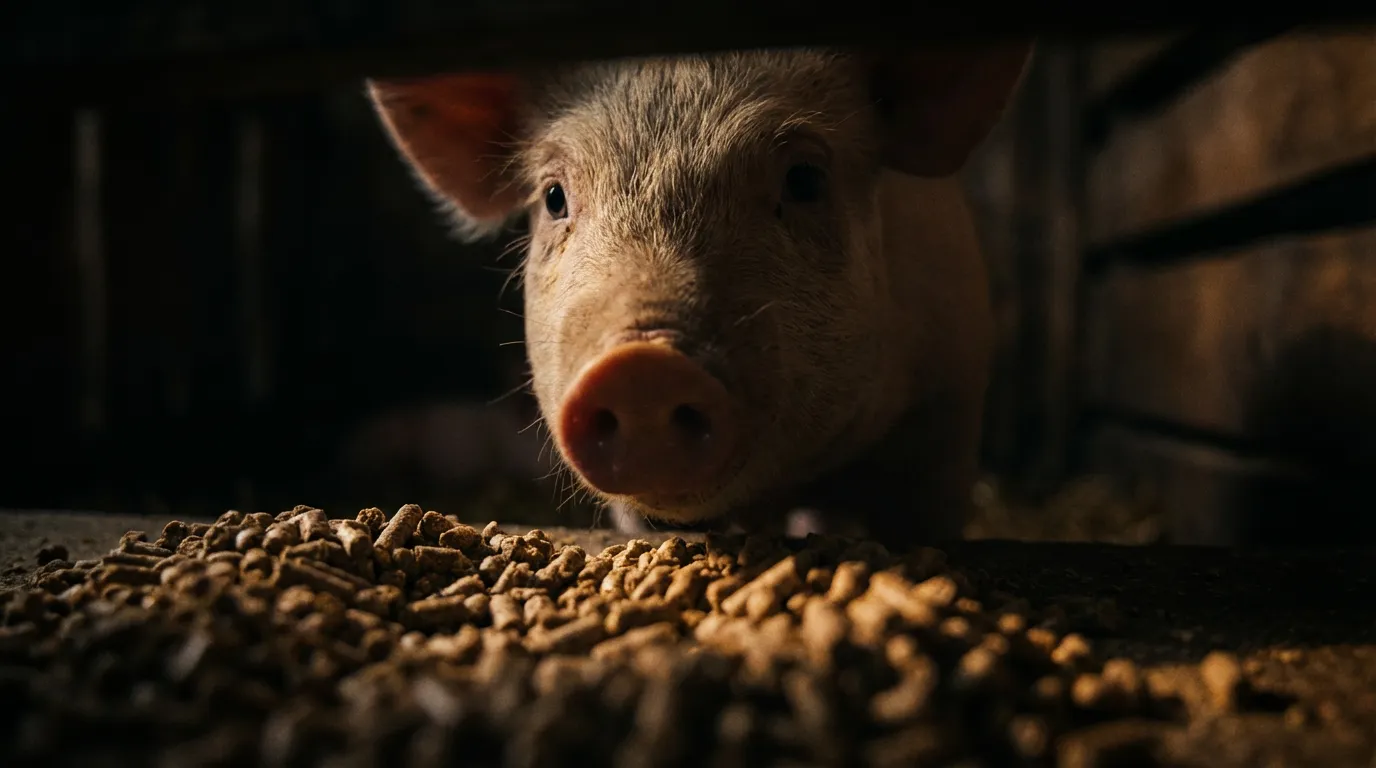
Feed Pellet Machine For Shrimp Feed Pellets In Indonesia
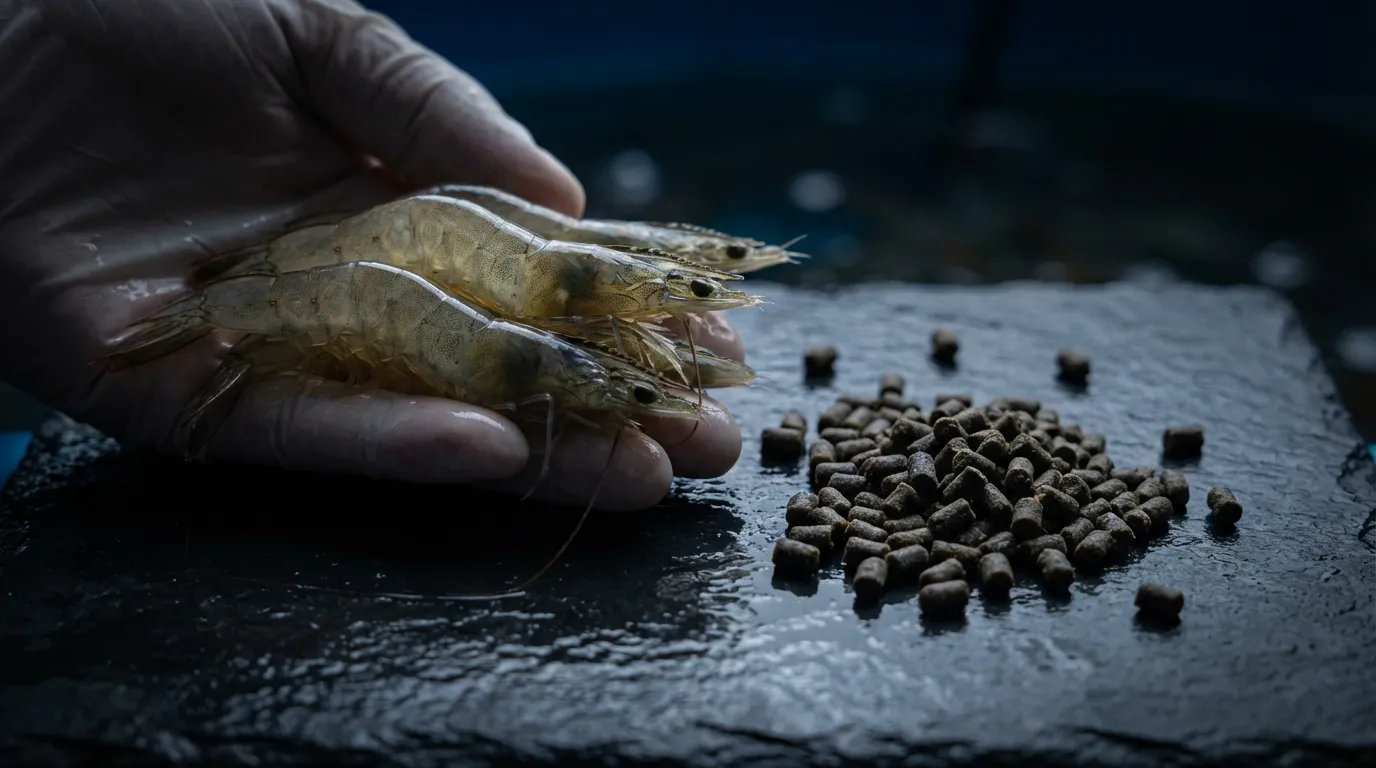
Feed Pellet Machine For Hay Grass Pellets In Uzbekistan

Feed Pellet Machine For Broiler Feed Pellets In Peru
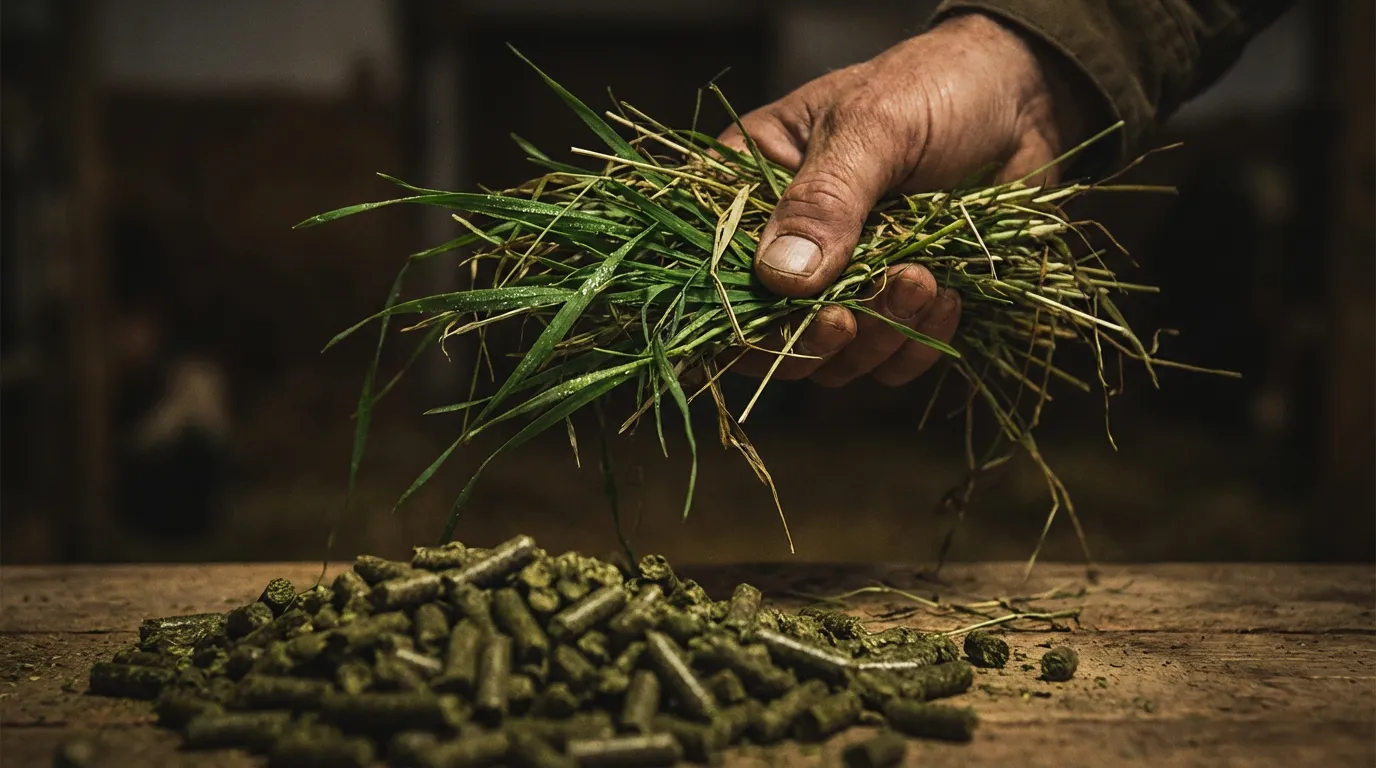
Feed Pellet Machine For Fish & Pet Food Pellets In Russia

Watching a feed pellet machine run tells you more about its build quality than any specification sheet ever could. The way it handles a sudden surge of raw material, the consistency of the pellet sheen at the discharge, the stability of the vibration levels at full load—these are the details that separate reliable equipment from problematic installations. The above are real production videos from our customers across six continents. Each clip showcases a different feed pellet machine configuration, processing everything from high-fiber hay in Central Asia to high-oil shrimp feed in Southeast Asia. We are a specialized feed machinery manufacturer, and these are the results we deliver daily.
○ RICHI MACHINERY
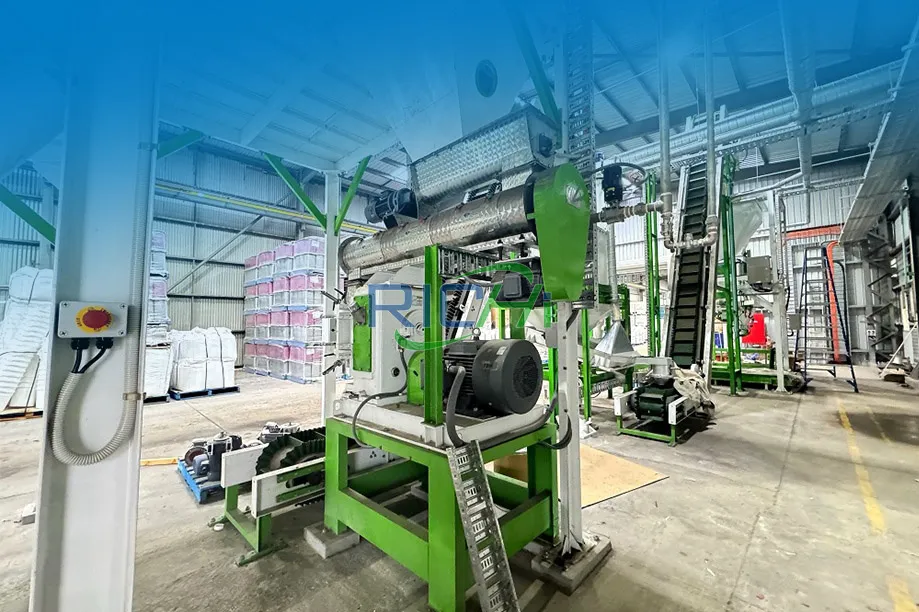
● Australia
A family-owned grazing operation in Queensland needed to reduce supplement costs by processing their own forage and grains.
“
We supplied a feed pellet machine configured with a high-compression ratio die to handle straight barley and oaten hay. The system allows them to produce hard, 8mm pellets during the dry season when pasture quality drops, ensuring their livestock maintain condition without purchasing expensive imported concentrates.
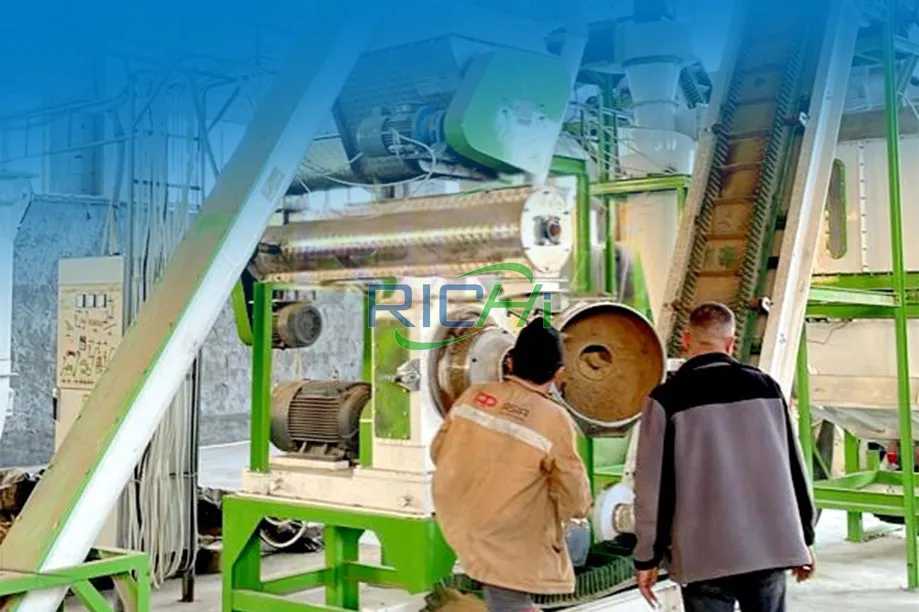
● Kazakhstan
A cooperative of alfalfa farmers sought to add value to their hay crop by entering the export animal feed market.
“
This project utilized a feed pellet machine with a dedicated pre-conditioner to handle the high fiber and low starch content of pure alfalfa. The resulting 6mm pellets are now shipped across the Caspian region, providing a consistent roughage source for dairy operations where fresh forage is scarce.
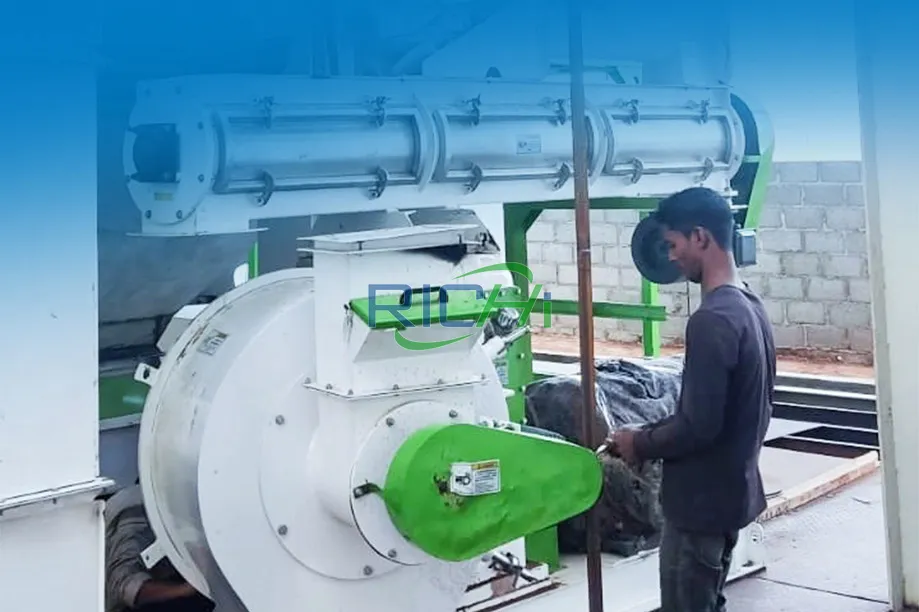
● Oman
A regional integrator needed to supply multiple farms with a uniform broiler ration to improve FCR across their network.
“
Centered around a heavy-duty feed pellet machine, this plant includes a mash pre-mixing system and crumbler rollers. It produces 2.5mm pellets for chicks and 4mm pellets for finishers, with the entire system automated for single-operator control.
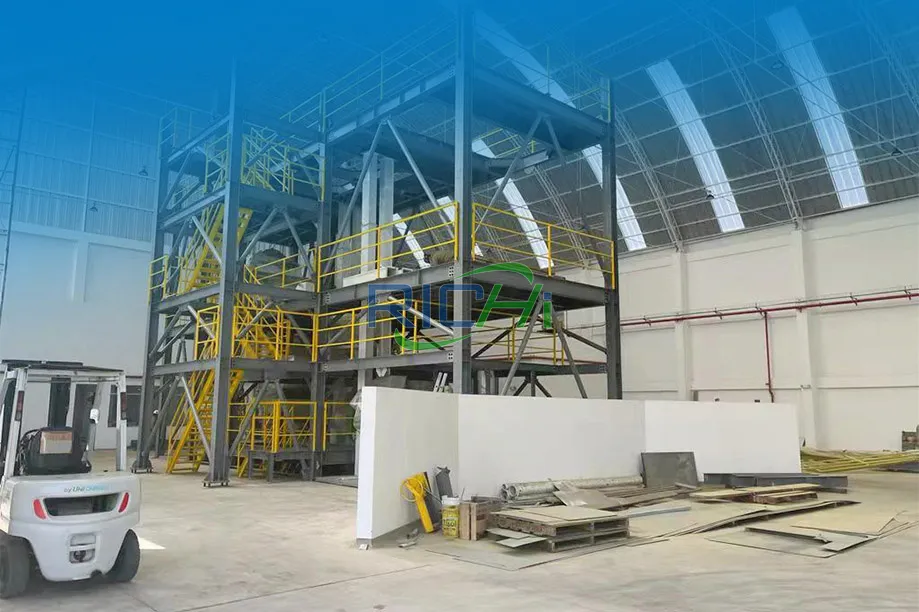
● Peru
A feed distributor in the Lima region wanted to diversify from reselling into actual production.
“
The client started with a feed pellet machine producing 3.5mm layer pellets. The machine's ability to handle high calcium formulations (for eggshell strength) without blocking the die was the deciding factor. They now run two shifts and supply over 50 local farms.
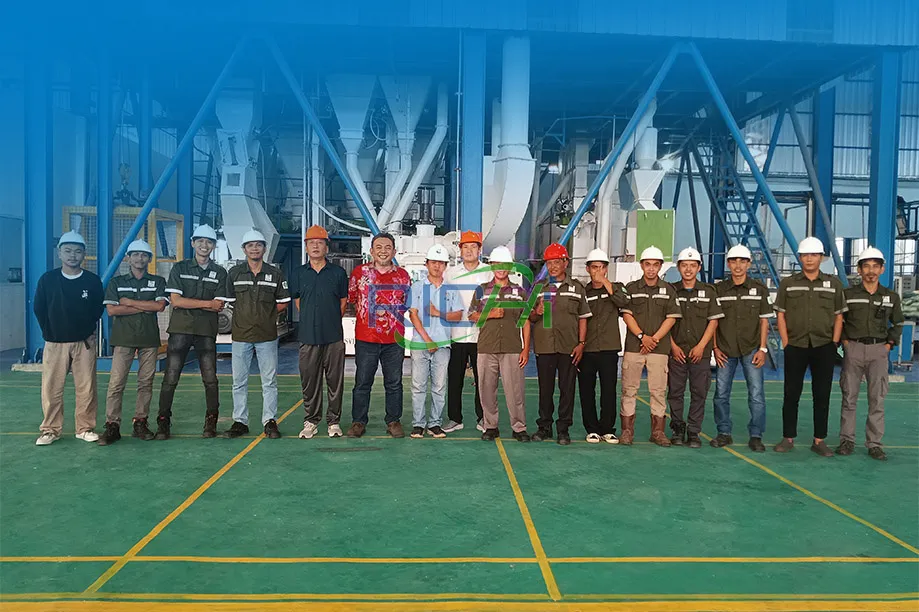
● Indonesia
An aquaculture farm in East Java was losing profits to imported floating feed and wanted to produce their own sinking pellets.
“
We provided a specialized feed pellet machine with a stainless steel conditioner to resist the corrosive effects of shrimp feed ingredients. It produces dense, 2mm sinking pellets with high water stability, reducing feed waste and improving pond water quality.
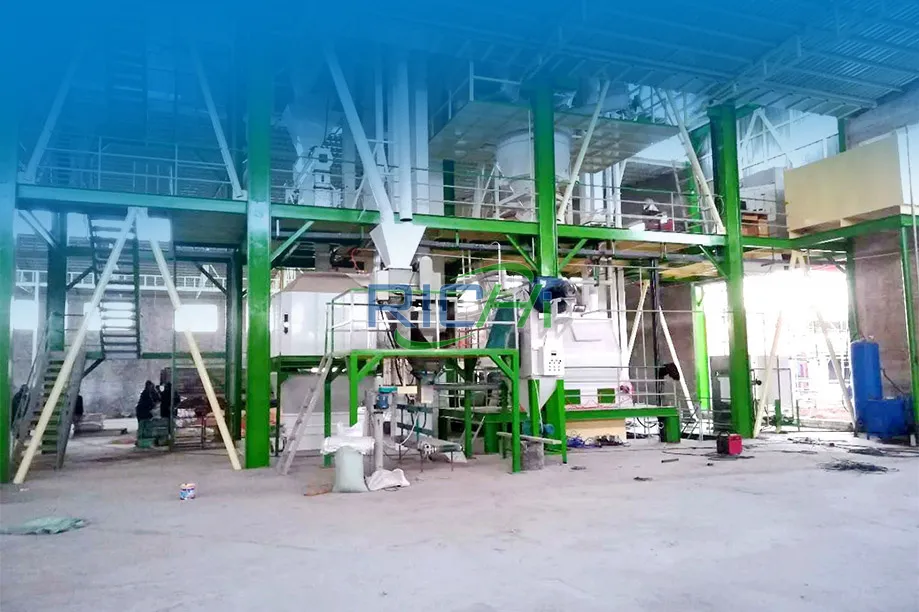
● Afghanistan
A large poultry operation in Kabul needed to secure its supply chain against border disruptions.
“
The heart of this project is a ring die feed pellet machine producing 3mm starter crumbles and 4.5mm finisher pellets. We also supplied the hammer mill, mixer, and control panel, creating a fully independent feed mill capable of supporting over 500,000 birds.
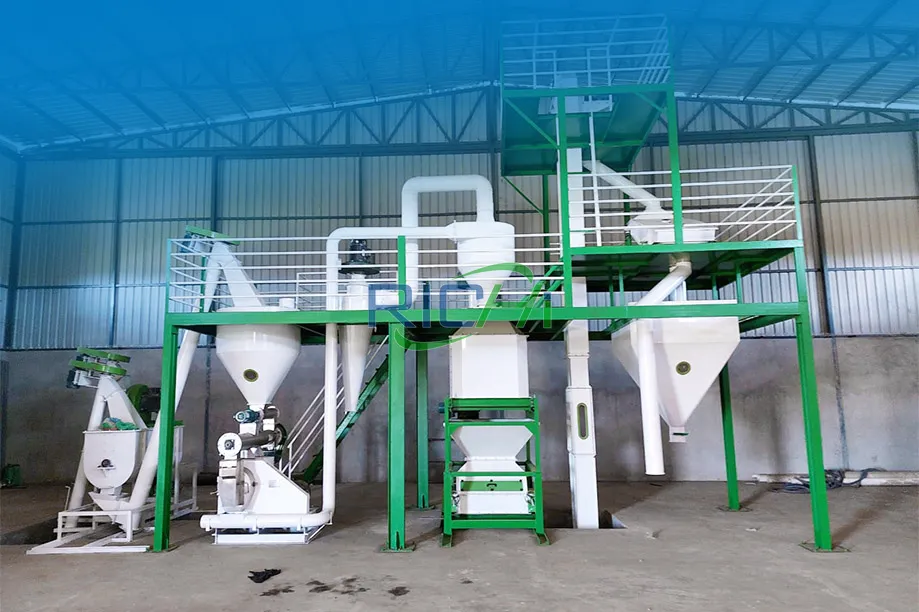
● India
An equestrian center near Mumbai required a dust-free, molasses-coated pellet for performance horses.
“
This small but precise feed pellet machine setup includes a vertical cooler and a molasses mixer. It allows the stable to produce fresh, custom batches every week, avoiding the rancidity issues of stored feeds in the humid Indian climate.
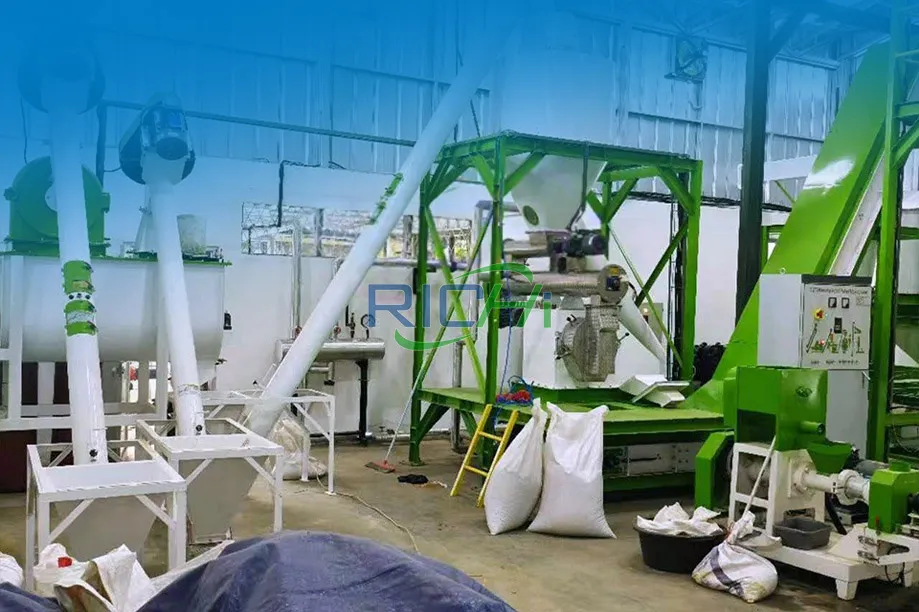
● Philippines
A municipal government program aimed to support smallholder farmers by providing affordable, mixed rations.
“
This mobile feed pellet machine setup is designed for simplicity. It processes local rice bran, copra meal, and corn into 4mm pig and chicken pellets. The program rotates the machine between barangays, training farmers to produce their own feed.
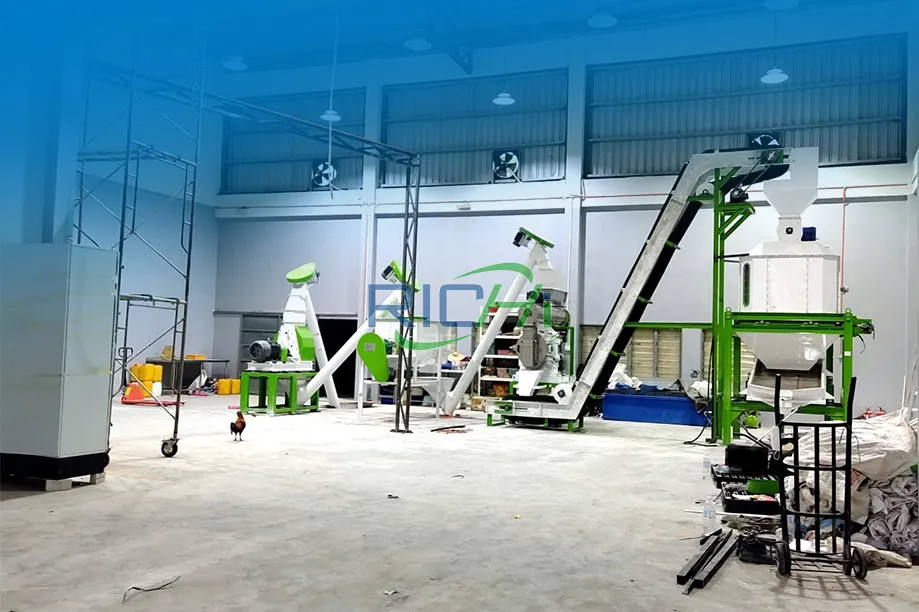
● Malaysia
An existing feed trader wanted to backward-integrate into production to capture more margin.
“
We supplied a complete feed pellet machine line including a cooler and screener. The client runs primarily layer mash and 3.5mm pellets, with the ability to switch to swine rations during market fluctuations, proving the versatility of the equipment.
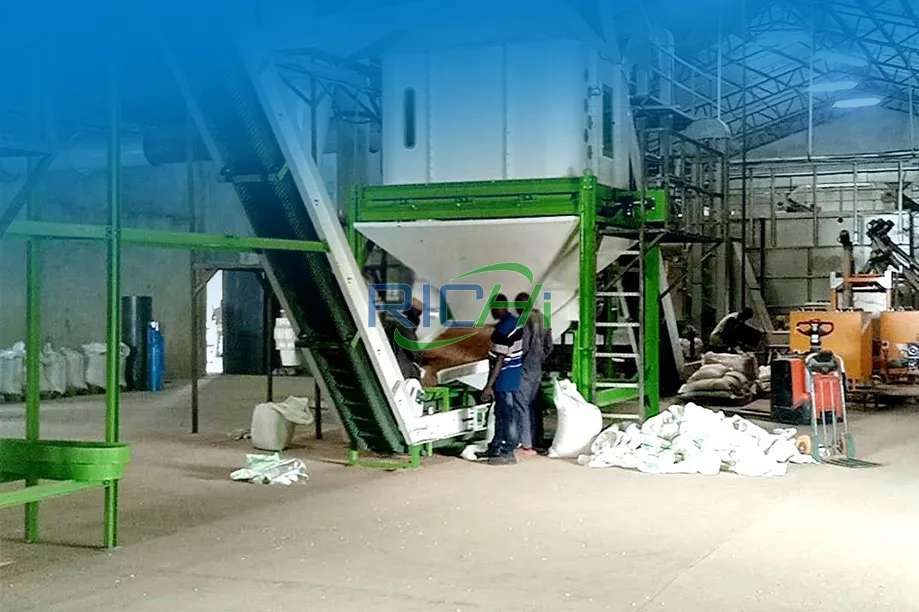
● Uganda
A large-scale dairy and beef operation needed to standardize nutrition across their ranches.
“
This feed pellet machine is part of a larger industrial complex that includes grain storage and pre-cleaning. It produces 6mm and 8mm cattle pellets using local cassava, maize bran, and cottonseed cake, significantly lowering the operation's feed costs.
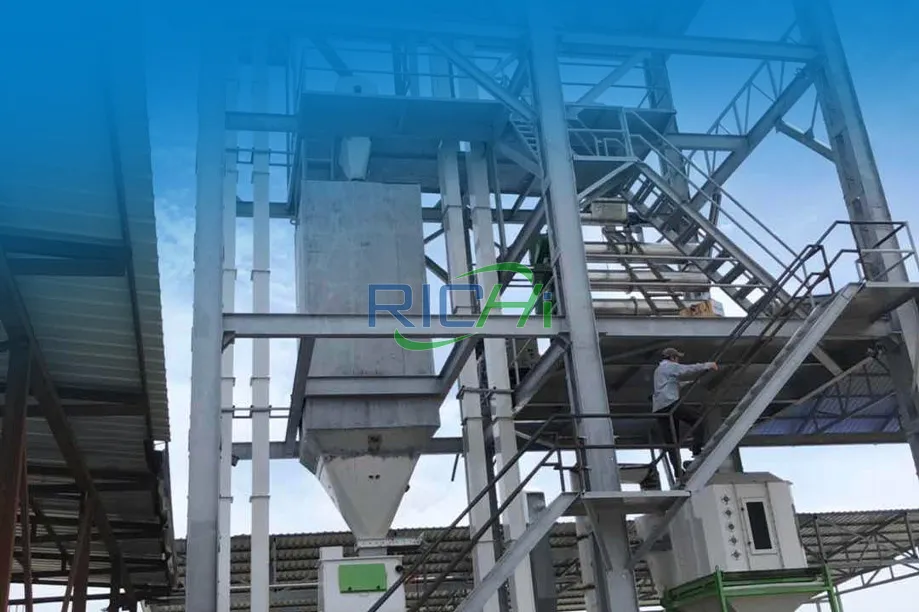
● Uzbekistan
A collective of carp farmers sought to replace expensive Russian imports with local production.
“
Unlike floating extruders, this feed pellet machine focuses on producing high-density, slow-sinking pellets. The 3mm and 4mm pellets are ideal for bottom-feeding species common in Central Asian aquaculture, and the lower production cost has boosted the farmers' profitability.
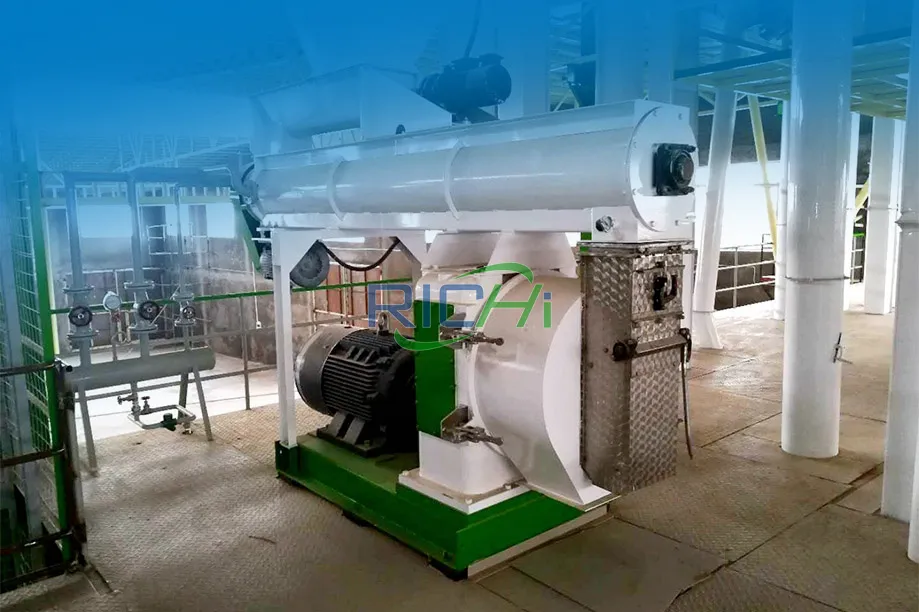
● Iran
A family-owned business expanded from a small feed store to a full production facility.
“
The client chose this feed pellet machine for its reputation for handling abrasive ingredients. They run a mix of wheat, barley, and corn, producing 3.5mm pellets for layers. The machine has run for three years without a major bearing replacement.
● Vietnam
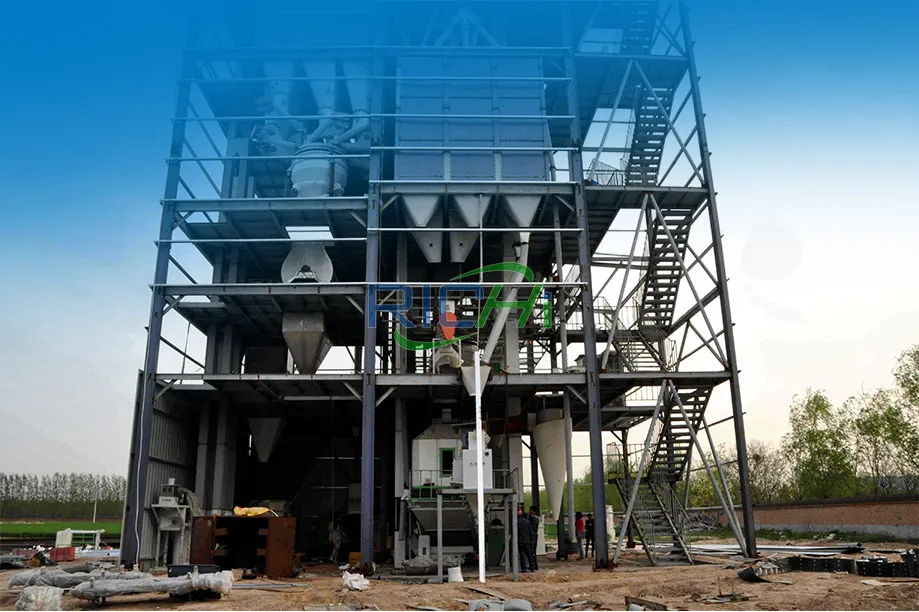
A major pork producer in Dong Nai province needed to eliminate reliance on third-party mills.
“
This large-scale feed pellet machine is integrated with a continuous flow conditioner to ensure every pellet is cooked and sterilized—critical for biosecurity in the Vietnamese swine industry. The plant produces 3mm pellets for weaners and 4.5mm for finishers.
● Angola
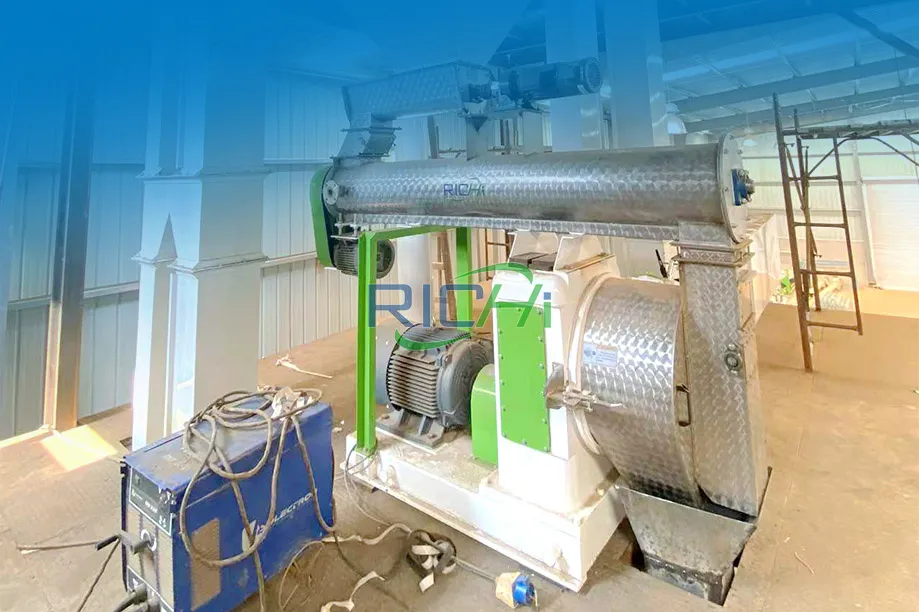
A new agricultural development zone required a centralized feed source for surrounding settlements.
“
We provided a containerized feed pellet machine solution for rapid deployment. The plant produces 3mm starter crumbs and 4mm grower pellets, with the capacity to expand as the local poultry population grows.
● Iraq
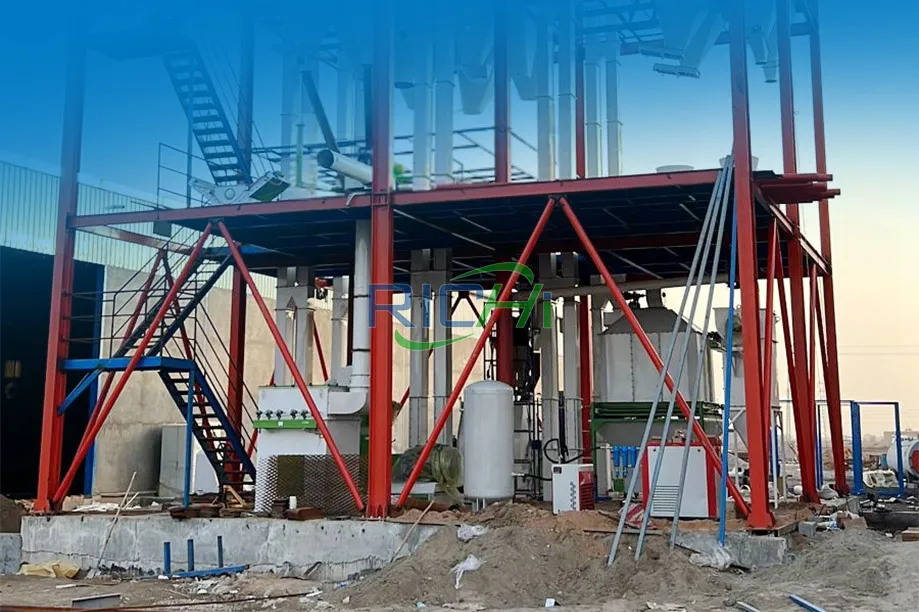
A diversified agricultural company needed one line capable of serving both poultry and ruminant sectors.
“
This feed pellet machine is equipped with variable frequency control to adjust compression speed between high-starch poultry feed and high-fiber cattle rations. The flexibility allows the mill to serve the local community regardless of which livestock sector is in season.
● Mexico
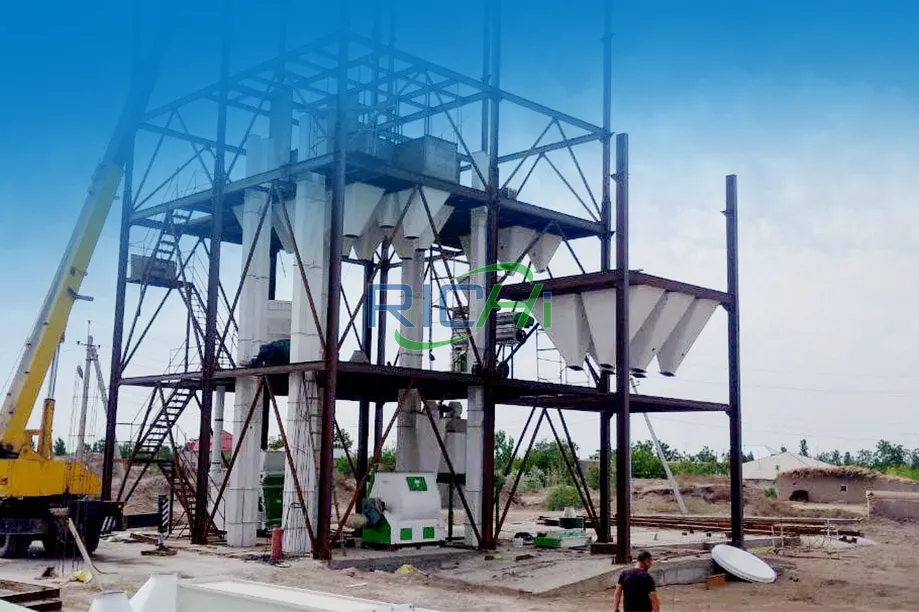
A feed cooperative in Jalisco serves members raising chickens, pigs, and cattle.
“
The client required a feed pellet machine that could switch between formulations without mechanical reconfiguration. We supplied a model with a quick-release die and roller assembly, allowing them to run poultry pellets in the morning and cattle cubes in the afternoon.
A feed pelletizer machine is often the centerpiece of a larger operational goal. Over the past three decades, we have shipped thousands of individual pellet mills and complete feed production lines to every corner of the world. But our expertise extends far beyond the grinder and the die. We design and manufacture mash feed production lines, premix plants, and multi-purpose feed mills capable of producing pellets, crumbles, and expanded feeds all on the same platform. Whether you need a single dedicated line for broilers or a flexible system that switches between cattle pellets and aqua feed, our engineering team builds for your future. The above are just a few of the recent projects where a single feed pellet machine—or an entire factory—has helped a feed mill, farmer, a distributor, or a government program achieve feed security.
○ RICHI MACHINERY
A feed pellet machine does not operate in isolation. It is one component within a carefully balanced sequence of receiving, grinding, mixing, conditioning, cooling, and screening. However, the exact configuration of that sequence depends entirely on what you are feeding, where you are located, and how you plan to grow. A rabbit farmer processing sunflower husks requires a different process flow than a shrimp producer using imported fishmeal. A poultry integrator producing mash feed needs different equipment than a cattle feedlot compressing high-fiber pellets.

We provide more than just a feed pellet machine. We deliver complete, custom-engineered feed production lines—from initial site survey to installation, operator training, and lifelong spare parts support.
Depending on your raw materials (whole grains vs. grass vs. by-products), your target diet (mash vs. pellets vs. crumbles vs. extruded feeds), your moisture levels, your building height, and your investment timeline, we add, remove, or upgrade stages to build a line that fits your exact reality.Some stages are essential for every line; others are optional based on your specific formulation and local conditions.
Throughout every stage, we remain your partner. Our team handles site surveying, plant design, equipment fabrication, shipping logistics, installation supervision, and operator training.
We stock spare parts for every feed pellet machine and component we manufacture, ensuring your line runs as efficiently on year five as it did on day one. Whether you need a single grinding stage upgrade or a complete turnkey feed mill capable of switching between poultry pellets, cattle cubes, and floating aqua feeds, we engineer for your specific raw materials, your building constraints, and your growth trajectory.
○ RICHI MACHINERY
A feed pellet machine is defined by the raw materials it can compress and the species it can nourish. Below is a breakdown of the species we regularly formulate for, along with the typical pellet size and the preferred equipment type—whether a standard ring die feed pellet machine for dense, compressed pellets or an extruder for floating and highly digestible feeds. Whatever your target market, we have the process knowledge to match the machine to the mouth.
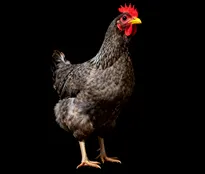
Pre-starter crumbles (1-2mm) and grower pellets (3-4mm) ensure uniform intake and prevent selective feeding in large flocks.
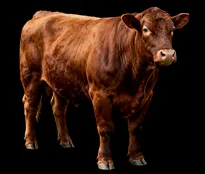
Dense maintenance pellets (6-8mm) compress high-fiber roughage to improve intake rates in feedlot operations.
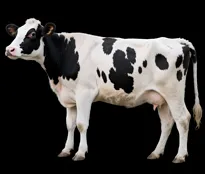
Balanced ration pellets (4-8mm) incorporate grains, proteins, and minerals without degrading rumen-healthy fiber length.

Uniform grower pellets (2.5-4mm) with fine-grind capability improve digestibility and reduce dust in swine housing.
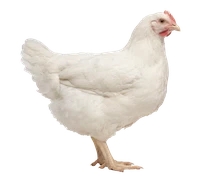
High-energy finisher pellets (2-6mm) with steam conditioning maximize starch gelatinization for rapid weight gain.
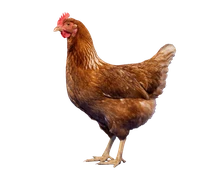
Calcium-rich pellets (2-5mm) with corrosion-resistant dies handle high limestone content required for strong eggshells.

High-fiber pellets (4-8mm) handle hay, straw, and agricultural by-products common in extensive grazing systems.

Mineral-enriched pellets (4-6mm) prevent separation of fine additives from coarse forage particles.
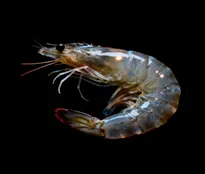
Micro-pellets (1-2.5mm) with high water stability are tailored for sinking or slow-sinking feeding behavior.
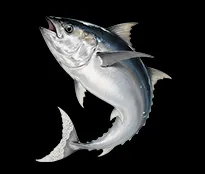
Sinking pellets (2-8mm) produced on feed pellet machines achieve the water stability aquaculture requires.
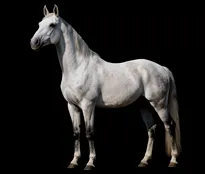
Dust-free pellets (5-8mm) with low-heat conditioning preserve volatile nutrients and prevent respiratory issues.

High-fiber maintenance pellets (3-5mm) compress alfalfa and grass meals into palatable, digestible nuggets.

Highly digestible kibble (8-12mm) produced on extruders for optimal texture, palatability in companion animal diets.
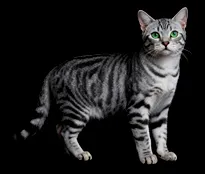
Palatable kibble (5-10mm) produced on extruders achieves the texture and digestibility cats require.
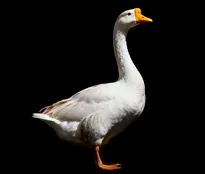
Coarse maintenance pellets (4-7mm) handle fresh grass meals and high-moisture ingredients in waterfowl diets.

Water-stable pellets (3-5mm) with extended conditioning improve integrity in wet feeding environments.
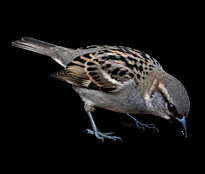
Multi-species maintenance pellets (2-4mm) switch easily between high-oil and high-fiber formulations.
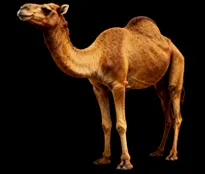
Large-format pellets (8-12mm) densify coarse desert forages and date by-products common in arid regions.

High-fiber maintenance pellets (5-8mm) formulated for wild game with lower starch than domestic livestock feeds.

Small-grain pellets (2-3mm) with fine dies create uniform granules suitable for racing and show birds.

Micro-pellets (1-2mm) with specialized setups prevent fines and ensure complete nutrition for every bird.
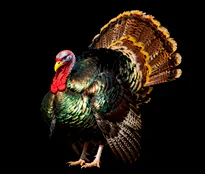
High-density finisher pellets (4-6mm) with precise die speed control ensure uniform hardness across large runs.
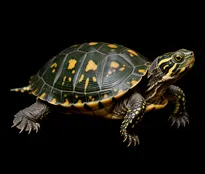
Calcium-fortified sinking pellets (3-6mm) match surface or bottom feeding behavior of different species.

Whole-prey substitute pellets produced on specialized extruder lines for captive reptile feeding programs.
○ RICHI MACHINERY
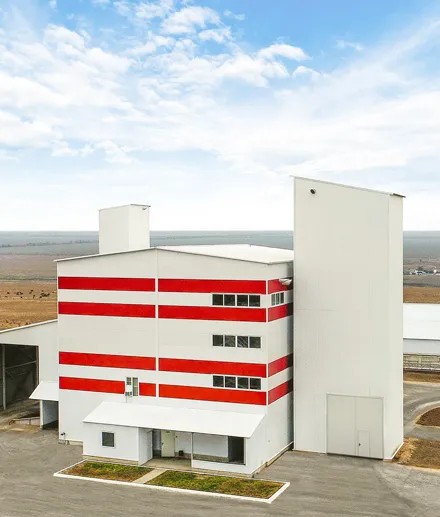
Capacity: 1-2 T/H
A complete entry-level system for family farms, small cooperatives, or emerging feed producers wanting to control their own quality. Package includes feed pellet machine, hammer mill, mixer, and basic cooling. Investment ranges from $30,000 to $60,000 depending on automation choices and building requirements.
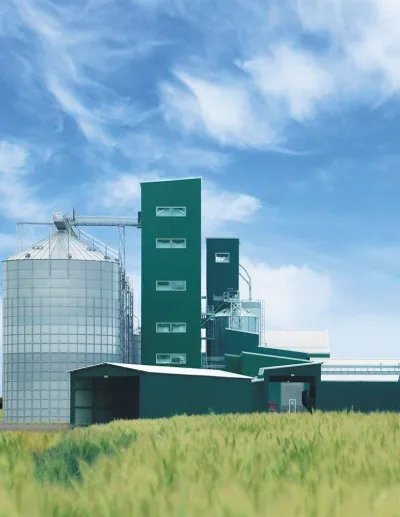
Capacity: 3.0-4.0 T/H
Ideal for expanding feed businesses transitioning from farmgate sales to local distribution. Design includes larger feed pellet machine, heavier-duty grinding, and steam conditioning options. Investment typically ranges from $60,000 to $200,000 based on bagging and control system choices.
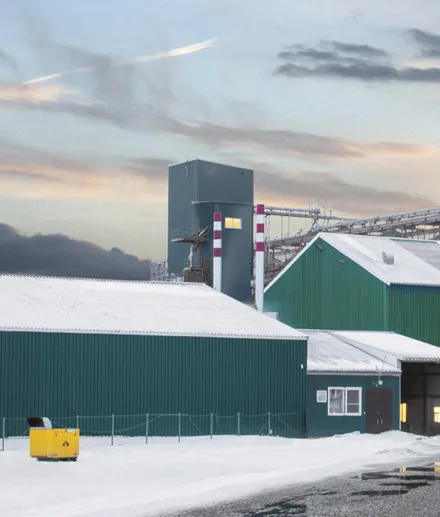
Capacity: 5.0-6.0 T/H
Suited for regional feed mills supplying multiple districts and diverse customer bases. Centers on a mid-sized feed pellet machine with enhanced conditioning and post-pelleting application options. Investment ranges from $80,000 to $250,000 depending on material handling complexity and automation level.
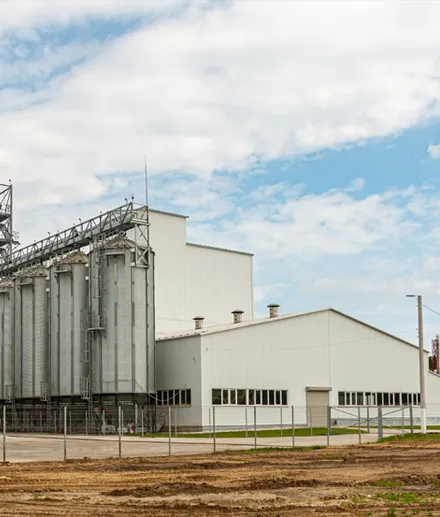
Capacity: 8.0-10 T/H
Designed for established feed manufacturers with consistent demand and quality requirements. Includes fully automated feed pellet machine, continuous conditioning, and dedicated control rooms. Investment ranges from $170,000 to $320,000 based on liquid addition systems and ingredient handling needs.
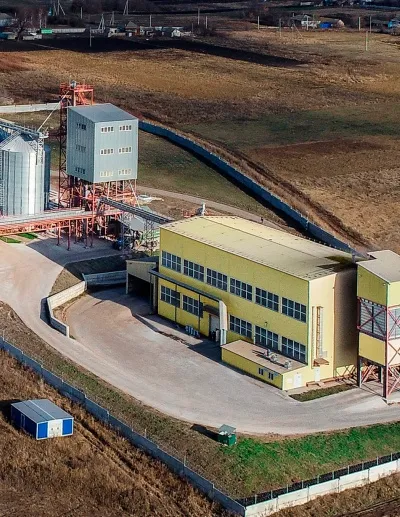
Capacity: 10-15 T/H
Built for large-scale operations serving broad geographic areas with consistent product lines. Features heavy-duty feed pellet machine with larger die area for continuous operation. Investment ranges from $240,000 to $400,000 depending on raw material diversity and finished product specifications.
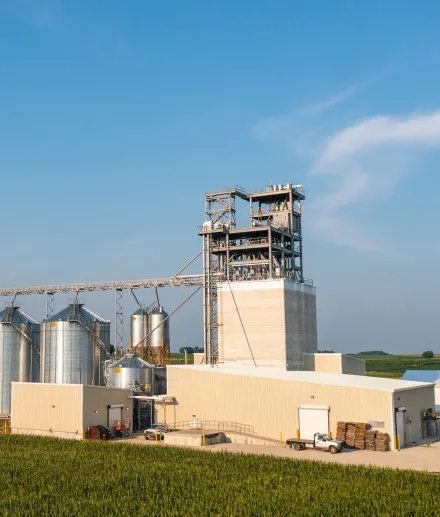
Capacity: 20 T/H
Serves major agricultural corporations with high-volume production requirements and quality control standards. Includes redundant feed pellet machine capacity, advanced automation, and comprehensive intake and load-out systems. Investment ranges from $440,000 to $600,000 based on storage capacity and traceability requirements.
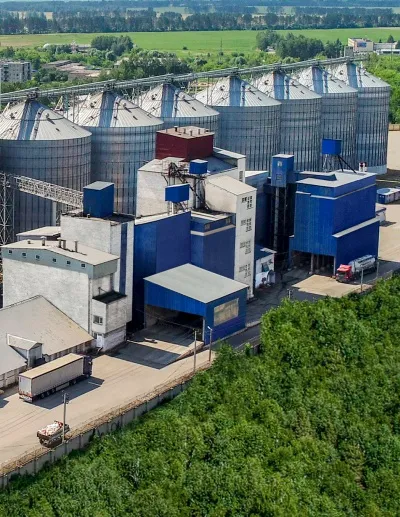
Capacity: 30 T/H
Designed for large-scale producers supplying national distribution networks or export markets. Pairs dual conditioning and automated die lubrication with high-volume feed pellet machine. Investment ranges from $600,000 to $700,000 for standardized high-output production.
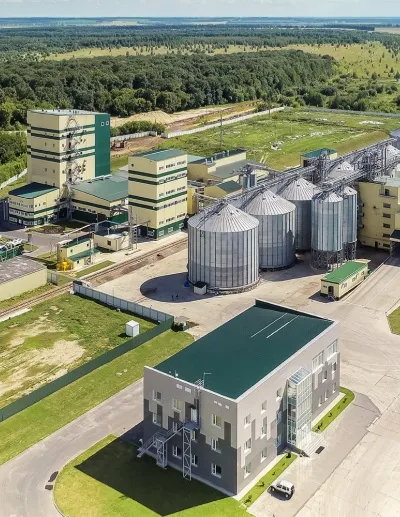
Capacity: 40 T/H
Engineered for high-volume operations where minimizing downtime between recipe runs is critical. Features high-efficiency drives and rapid-change feed pellet machine configurations. Investment ranges from $700,000 to $800,000 with focus on throughput reliability and operational efficiency.
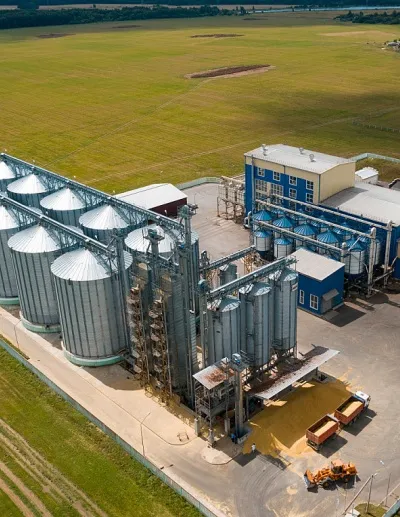
Capacity: 60+ T/H
Custom-engineered for large-scale producers serving national or international markets. Includes multiple feed pellet machine lines, fully integrated automation, and complete lifecycle monitoring. Investment exceeds $1,100,000 with site-specific quotations based on production goals.
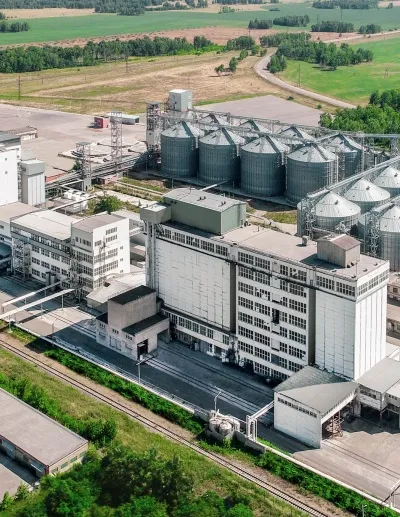
Capacity: 120+ T/H
Serves the largest animal protein producers with multiple production trains and comprehensive processing networks. Each feed pellet machine operates within a complex system of intake, storage, grinding, batching, and load-out. Custom quotation only, engineered to specific raw material supply chains and finished product requirements.
Every animal feeding operation starts somewhere. A smallholder cooperative may begin with a single feed pellet machine, while a multinational integrator may require a fully automated 120-ton-per-hour campus. The equipment list, the level of automation, and the investment required sit on a sliding scale. The aboves are typical capacity ranges and the price brackets we see most often—based on thousands of actual proposals we have delivered across six continents. These figures represent complete ring die feed pellet machine lines, including weighing systems, hammer mills, mixers, conditioners, coolers, and control panels. However, the exact design changes based on your feed ingredients and formulation, your building height, and your recipe complexity. Use these ranges as a starting point, then let us refine the scope to match your specific production reality.
○ RICHI MACHINERY
Cleaning
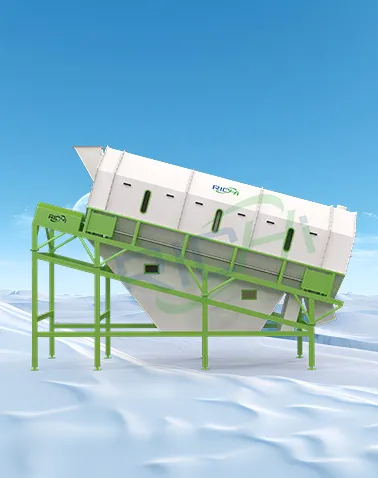
Before any material reaches your feed pellet machine, it must be free of metal, stone, and debris that damage downstream equipment. This system protects your investment by ensuring only clean, safe ingredients enter the production flow.
Crushing
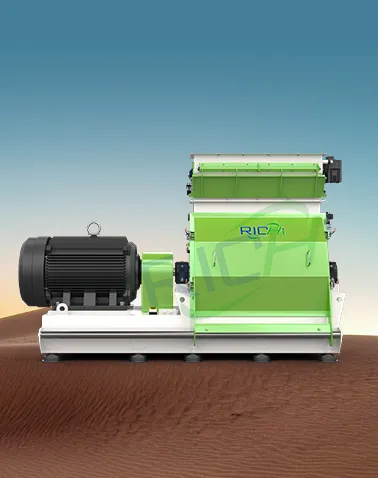
Different animals require different particle sizes—fine for poultry, coarser for cattle, and ultra-fine for aquatic species. This system reduces raw materials to the optimal size for uniform mixing and efficient pelleting.
Mixing
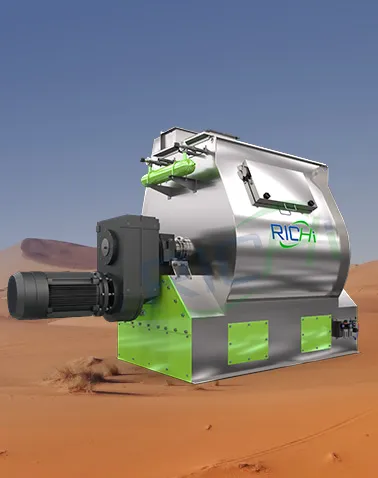
A feed pellet machine compresses whatever it receives—if your mix is inconsistent, your pellets will be inconsistent. This system ensures every ingredient is accurately weighed and thoroughly blended before reaching the pellet mill.
Drying
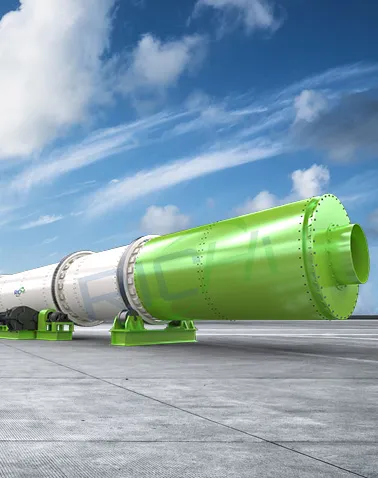
Some formulations require moisture adjustment before or after pelleting. This system removes excess moisture to prevent spoilage and ensure stable, long-lasting finished products.
Cooling
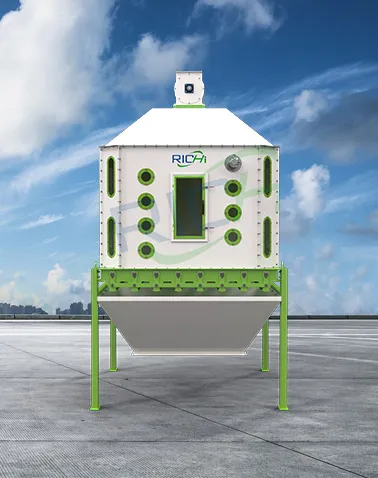
Pellets leaving your feed pellet machine are hot and pliable. Cooling hardens them for storage, prevents spoilage, and ensures they maintain their shape and durability during handling and transport.
Coating
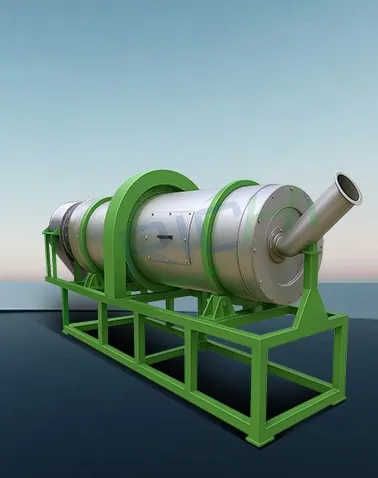
Some nutrients and additives—such as fats, oils, enzymes, or molasses—are best applied after the feed pellet machine to preserve their activity or improve pellet palatability. This system sprays precise amounts of liquid onto finished pellets, ensuring uniform coating without over-saturation that could weaken pellet structure.
Bagging
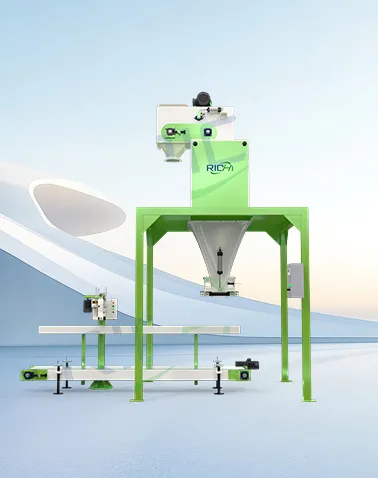
This system handles your finished pellets at the end of the line, weighing and bagging them efficiently for sale or preparing them for bulk loading directly into customer trucks.
Conveying
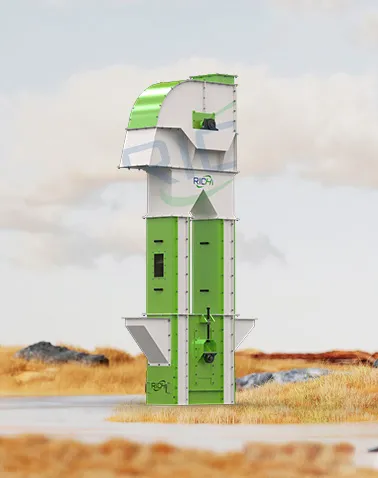
Moving material efficiently between cleaning, grinding, mixing, and pelleting stages keeps production flowing smoothly. This system transfers ingredients and finished products without degradation or dust generation.
Storage
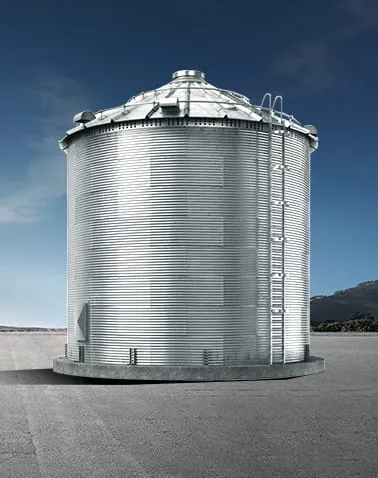
Reliable production requires buffer storage between your feed pellet machine and every upstream stage. This system provides temporary holding for raw ingredients and finished pellets, ensuring continuous operation even when downstream processes pause.
○ RICHI MACHINERY
A single ring die feed pellet machine typically ranges from approximately $7,500 for our entry-level SZLH250 (1-2 tons/hr) up to $80,000 for our flagship SZLH768 (40 tons/hr), FOB Qingdao. This includes the main motor, gearbox, control cabinet, and basic commissioning parts. The final price depends on the die specifications, conditioning requirements, and whether you need stainless steel components for corrosive ingredients like shrimp feed. We publish transparent price bands because we want you to budget realistically from the start.
Yes, many feed mills operate multi-species lines. A feed pellet machine set up for poultry (fine grind, 2-4mm pellets) can run cattle rations if you adjust the die and roller gap. However, dedicated cattle feed producers often prefer a heavier-duty machine with higher compression ratios to densify fibrous materials. We supply dual-purpose mills to commercial operations serving diverse livestock sectors.
You can process most grains (corn, wheat, barley), forages (alfalfa, hay, grass), protein meals (soybean, cottonseed, sunflower), and by-products (rice bran, peanut shells, cassava). If your material contains high moisture or high oil, we may recommend a preconditioner or an extruder rather than a standard feed pellet machine. Tell us what ingredients are available in your region, and we will engineer accordingly.
If you produce dense, slow-sinking pellets for cattle, pigs, poultry, or sheep, a standard ring die feed pellet machine is the right choice. If you need floating fish feed, high-fat pet food, or fully cooked ingredients for specialty markets, you need an extruder. Many aquaculture feed producers start with a pellet mill for sinking feed and later add an extruder line for floating formulations. We can design hybrid plants that do both.
All our feed pellet machine models carry CE certification for the European market, ISO9001:2000 for quality management, and SGS verification for manufacturing standards. We have shipped to over 140 countries and understand the documentation required for customs clearance worldwide. We provide full technical files with every shipment to ensure smooth importation.
For a standard feed pellet machine like the SZLH350 or SZLH420, we typically ship within 10-20 working days. Customized machines with special metallurgy or non-standard conditioning may take 25-35 days. Complete feed mills (grinding, mixing, pelleting, cooling) require 45-90 days depending on the complexity. We work with major freight forwarders to secure space even during peak shipping seasons.
Our standard terms are 40% deposit by T/T to begin production, with the 60% balance paid before the feed pellet machine leaves our factory. For larger orders or established relationships, we can discuss L/C at sight. We keep this straightforward so feed millers can invest capital in production capacity rather than complicated financing.
A single feed pellet machine with a conditioner requires approximately 15-20 square meters of floor space and 3-4 meters of clearance for the pellet discharge and cooler. If you are installing a full line with grinders, mixers, and bins, we will send a site survey checklist or visit in person to verify your dimensions. We have designed plants in warehouses, converted barns, and purpose-built factories—we work with your existing structure.
We maintain a comprehensive spare parts inventory at our Qingdao headquarters and ship critical components (dies, rollers, bearings) within 48 hours. For major feed milling markets, we have regional agents or service technicians who can assist. More importantly, we design our feed pellet machine drivetrains with generous safety factors to prevent unplanned stops in commercial operations.
Standard ring die feed pellet machines produce sinking pellets. For true floating feed, you need an extruder that cooks and expands the starch. However, many commercial aquafeed operations use dense sinking pellets successfully for bottom-feeding species like carp and shrimp. We can supply either technology depending on your target species and market requirements.
Yes. For every feed pellet machine and complete line we sell, we provide on-site commissioning and operator training. Our engineers stay until your team can run the line confidently, adjust the dies for different recipes, and perform routine maintenance. We have trained feed mill operators across multiple continents, often working through translators to ensure clear communication.
The SZLH420 (110kW, 10 tons/hr) suits regional feed mills supplying a concentrated area. The SZLH508 (160kW, 15 tons/hr) is for larger operations with wider distribution networks. We guide clients based on their five-year growth plan: if you expect to double volume within three years, the 508 saves you from buying a second feed pellet machine later. We run capacity analysis with your target recipes.
Daily greasing of main bearings, weekly inspection of roller clearance, and monthly wear checks on the die and rollers. A well-maintained feed pellet machine die lasts 800-1,200 hours depending on abrasiveness. We provide a detailed maintenance log with every machine and offer remote support to help your maintenance team stay on schedule.
Alfalfa is fibrous and can be challenging for standard feed pellet machine configurations. Generally, for alfalfa processing, we recommend a dedicated alfalfa pellet mill. Unlike standard feed pellet machines, these mills are equipped with a forced feeder and an arch-breaking feeder to handle the fluffy, fibrous nature of alfalfa.
Hardened stainless steel dies with larger relief angles ensure consistent compression, and we often pair these with vertical coolers to manage the textured output. We have supplied complete alfalfa processing lines to various regions, each engineered specifically for high-fiber compression in commercial production.
Power consumption is roughly 10-15 kWh per ton for most feed pellet machine applications, but this varies with material hardness and die thickness. Our SZLH series uses Siemens motors and precision gearboxes to maintain efficiency across the load range. Lower energy costs per ton are a major reason commercial feed millers choose our equipment.
We maintain a demonstration facility in Qingdao where you can run your own raw materials through various feed pellet machine models. For clients who cannot travel, we provide video calls showing live production with similar ingredients. We also have dozens of commercial feed mill installations we can connect you with for testimonials.
Our smallest ring die feed pellet machine starts at 1 ton per hour with the SZLH250 model. If you are processing grass, straw, or high-fiber materials, we generally recommend staying above 500kg/hr to avoid bridging and consistency issues. Many smallholder cooperatives in East Africa and Southeast Asia start with this size and scale up as their membership grows.
We design and manufacture everything from the intake pit to the bagging line. While the feed pellet machine is often the centerpiece, we build hammer mills, mixers, coolers, crumbler, screens, and control systems. Many commercial feed mills start with a single machine and expand with us over decades. We are a top-tier manufacturer, not a trading company.
○ RICHI MACHINERY
As a global leader in pelletizing solutions, RICHI represents a fully integrated technology partner that masters every dimension of modern production systems. From pioneering research in material science to precision engineering and industrial-scale manufacturing, we build complete production ecosystems that transform raw materials into high-value pellets. Our holistic approach ensures each project is founded on three pillars: engineering precision that guarantees operational efficiency, continuous innovation that adapts to evolving market demands, and uncompromising reliability that sustains production for decades. With vertically controlled manufacturing and end-to-end project management, we deliver not just equipment, but fully optimized production assets that drive profitability across industries worldwide.
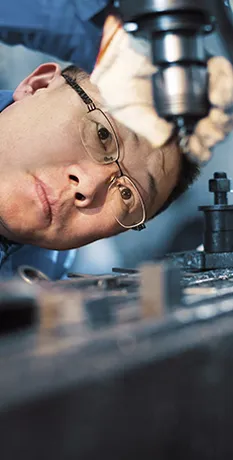
Engineering & Manufacturing
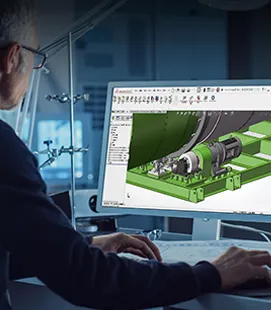
Research & Development
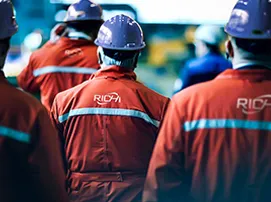
Technical Services
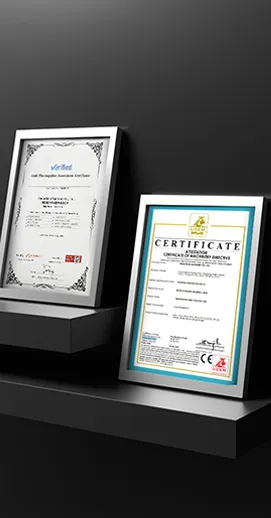
Patents & Certifications
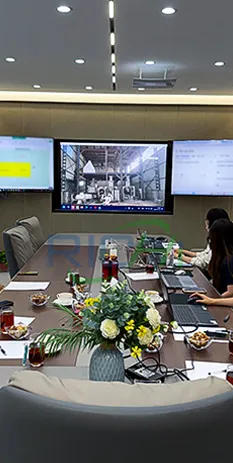
Global Partnerships
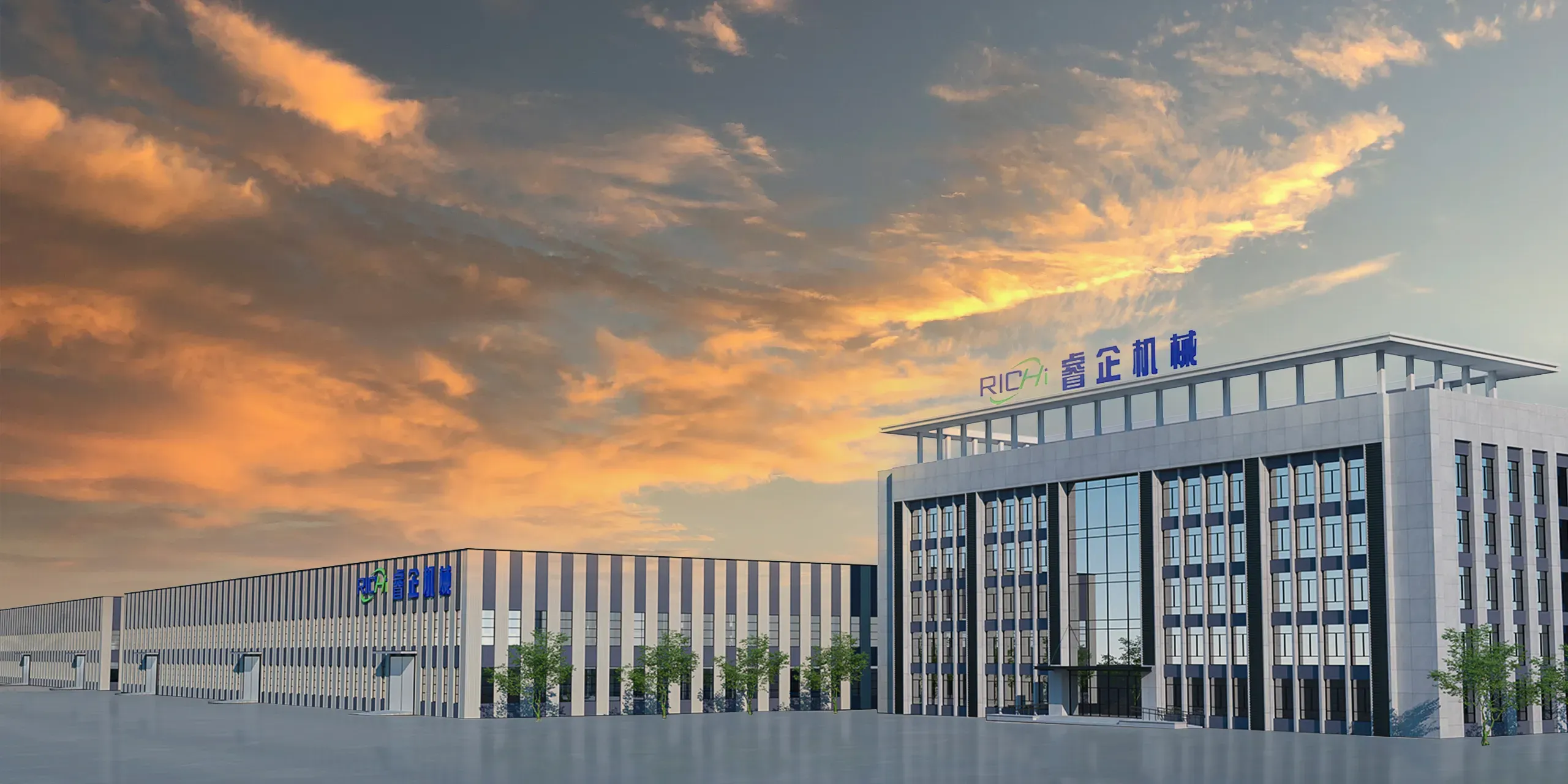
Global Headquarters
○ RICHI MACHINERY
Founded in 1995, RICHI Machinery has evolved from a specialized manufacturer into a global engineering provider for complete pelletizing systems. With two major manufacturing bases spanning over 60,000 m², we control every step from design to delivery, ensuring unmatched quality and depth of production. Our commitment to excellence is reflected in our global impact, serving clients in over 140 countries with more than 2,000 successful projects and 10,000+ equipment units delivered worldwide.
Production Area
Countries Served
Global Projects
Equipment Delivered
○ RICHI MACHINERY
For nearly three decades, RICHI has mastered the complexities of diverse materials across global industries. We provide end-to-end pelletizing systems, delivering the complete technological and engineering support needed to transform raw materials into high-value products. From initial concept to operational plant, we are your single partner for launching and scaling a successful pellet processing business.
○ RICHI MACHINERY
○ RICHI MACHINERY
Keeping in touch with us is an effective way to solve all your problems. If you have any needs or questions, please leave your contact information, then RICHI technical consultants will send design, quotation, videos to your mailbox. You can also contact us directly via WhatsApp: +86 13838389622
Copyright©2015-2026 by HENAN RICHI MACHINERY CO., LTD. All rights reserved.