From chicken manure in Southeast Asia to municipal sludge in Europe, the raw materials feeding today's organic fertilizer lines are anything but uniform — and that's exactly what shapes how we design our fertilizer granulator machines. Over the years, we've commissioned pellet production projects across more than 60 countries, and the one thing every successful plant has in common is equipment matched to the actual feedstock, moisture content, and output target of that specific site.
Scroll to discover
Our fertilizer granulator machine range was built around exactly practical decisions: output volume, pellet density, raw material consistency, and what the end market demands. Whether you're running a 500 kg/h composting operation or planning a 20 t/h commercial organic fertilizer facility, the equipment configuration looks very different. Browse through our full product series below — models, specs, application examples, and real project references are all here.
Drag to Explore
○ RICHI MACHINERY
Our fertilizer granulator machine lineup is organized by raw material type, because that's how real production decisions get made. Whether you're processing fresh livestock waste, municipal sludge, fermentation residues, or crop stalks, NPK, the machine configuration, die spec, and moisture handling requirements are all different. Below is a breakdown of our main product categories, the materials they're designed for, and the customers who typically run them.
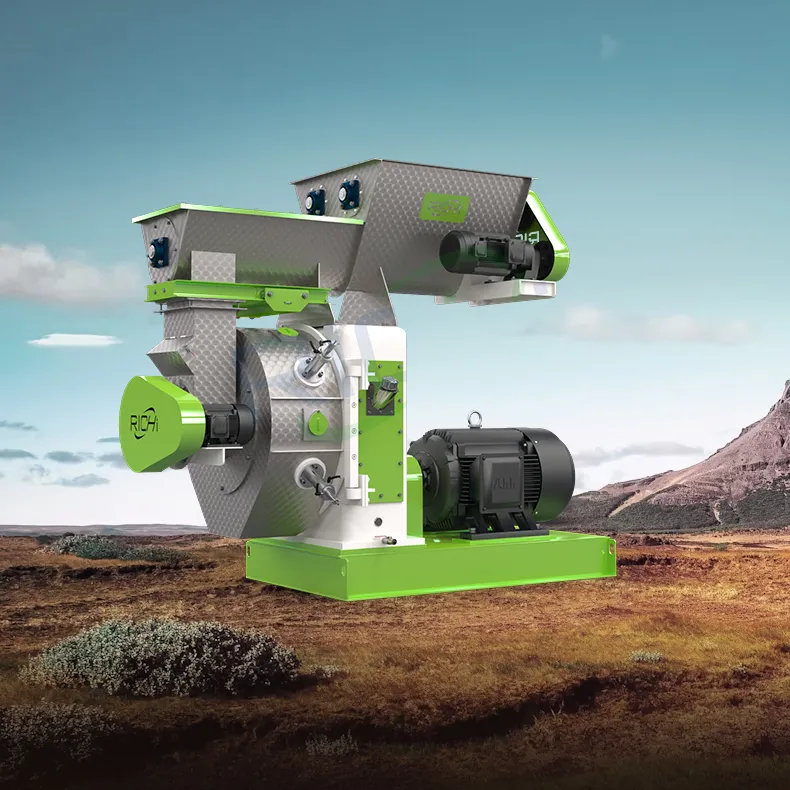
● Livestock & Poultry Waste
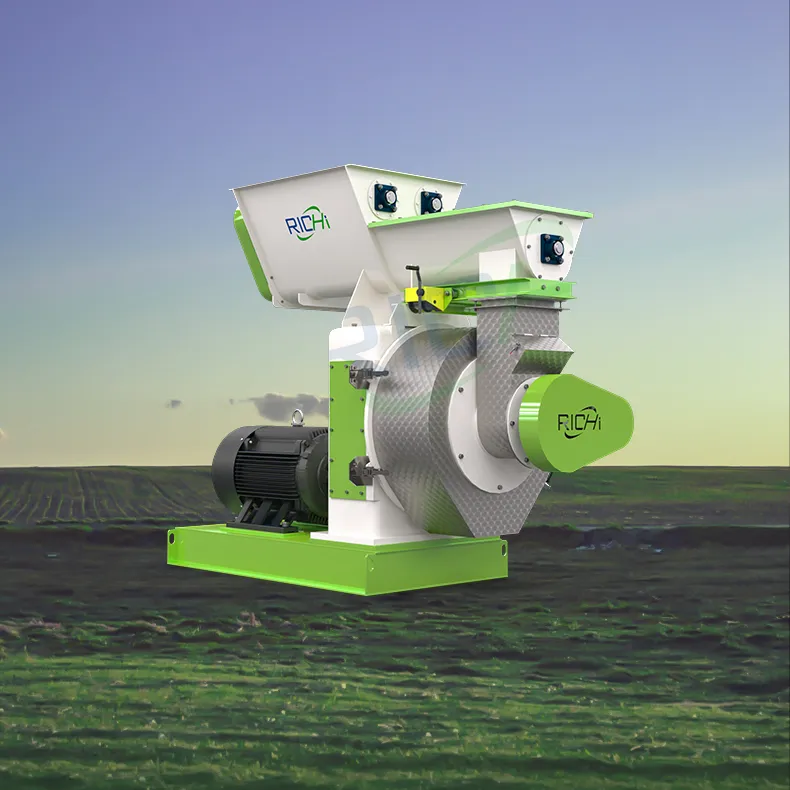
● Municipal & Industrial Wastewater Byproducts
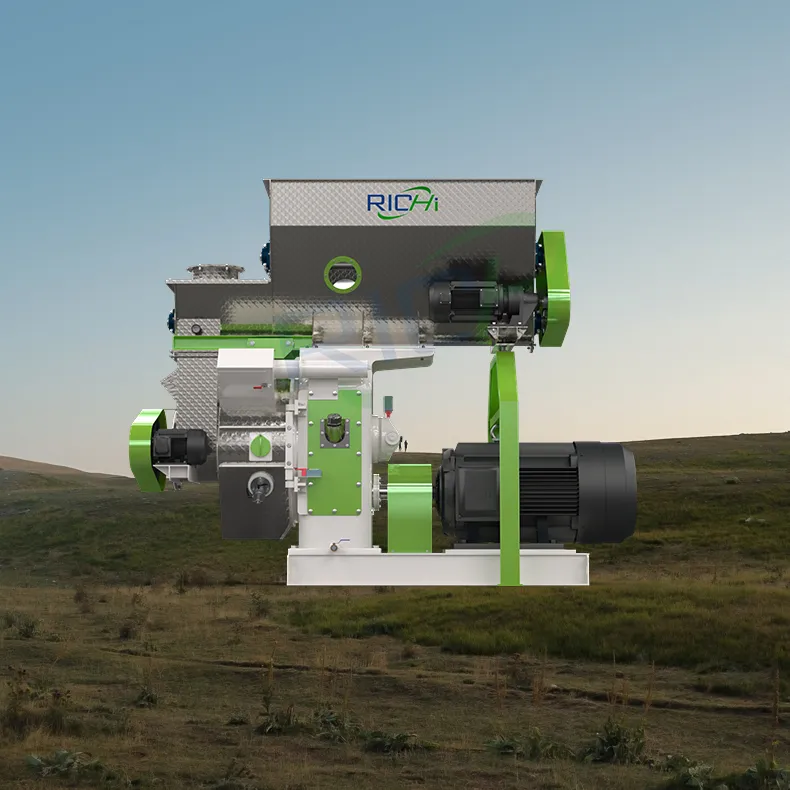
● Mixed Organic Waste Streams
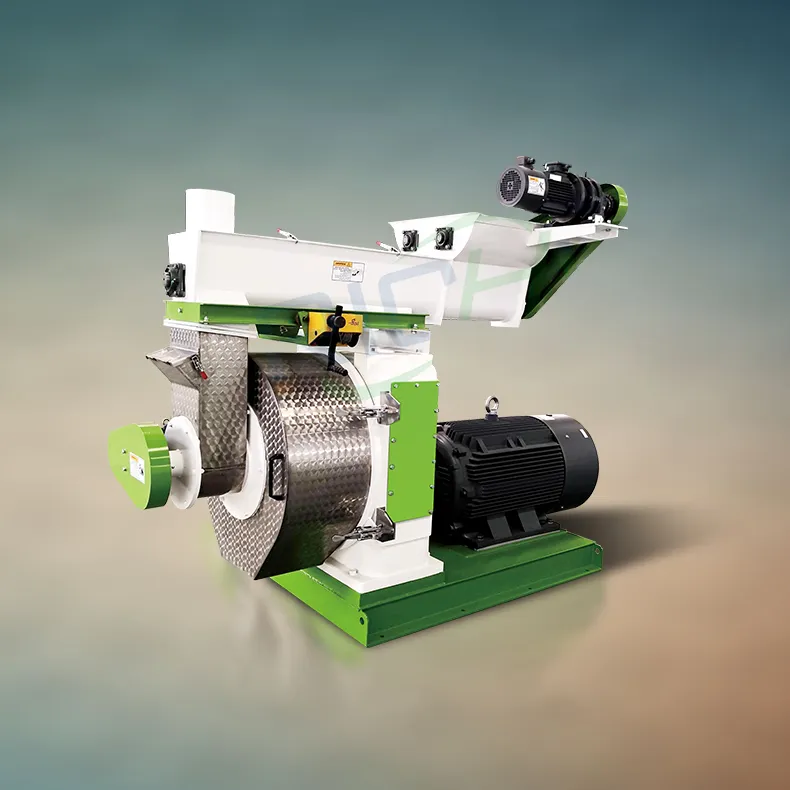
● Mineral-Enhanced Organic Blends
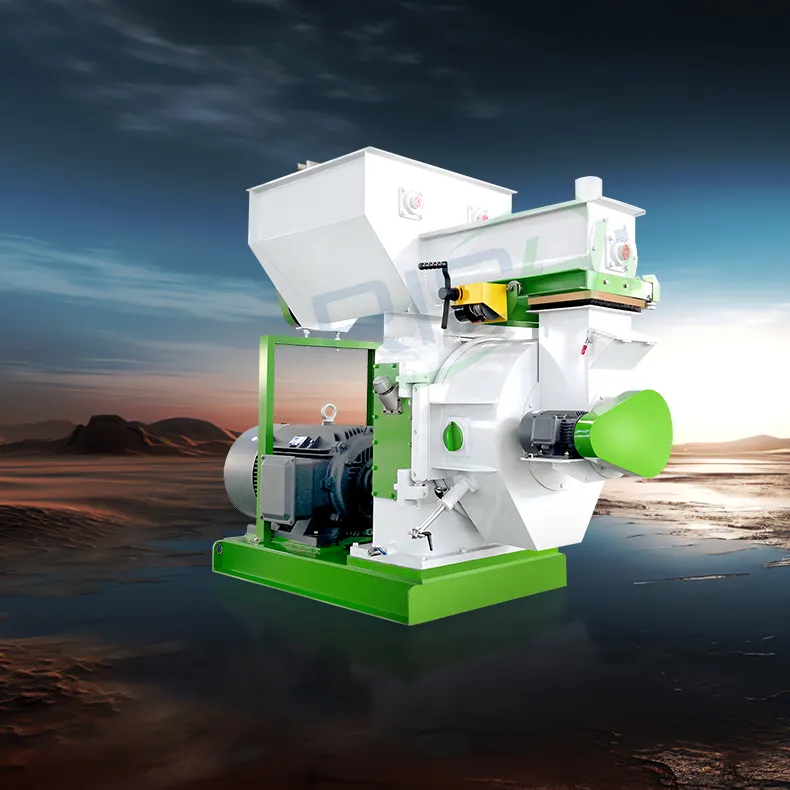
● Mixed & Blended Nutrients
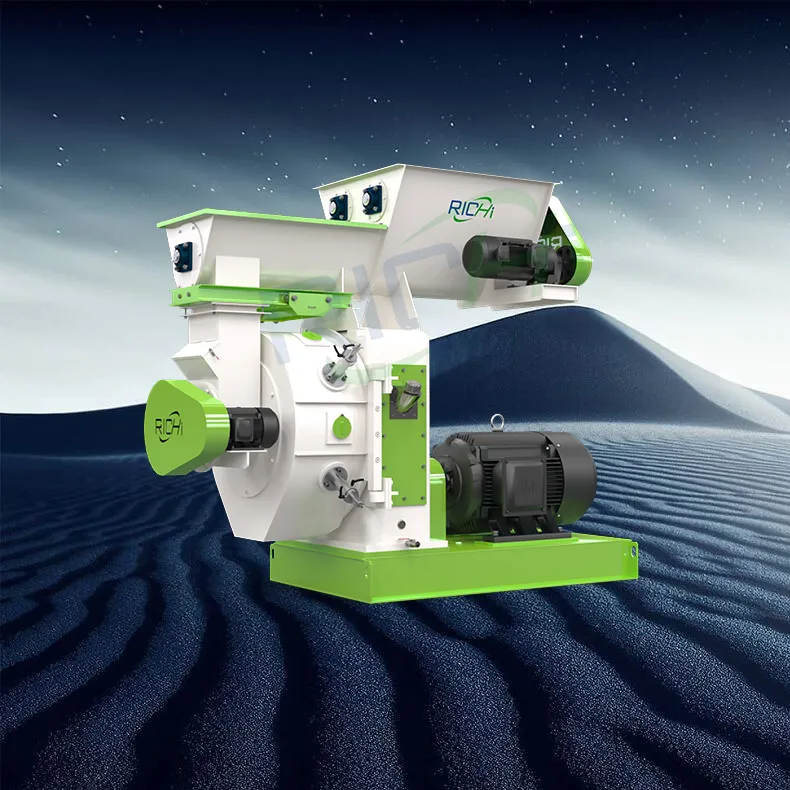
● Crop Residues & Plant-Based Byproducts
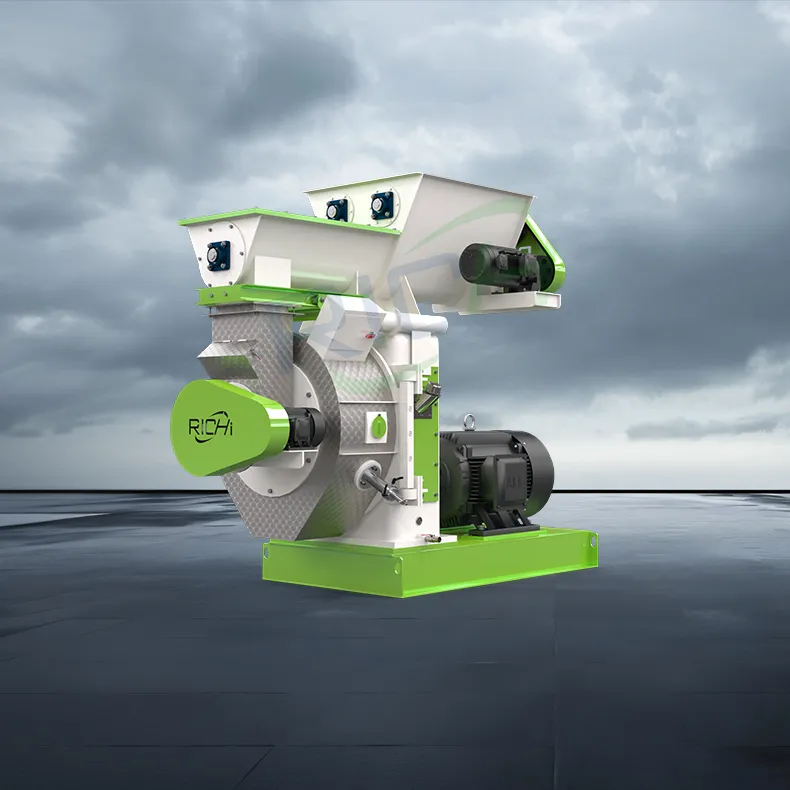
● Fermentation Byproducts & Processing Residues
○ RICHI MACHINERY
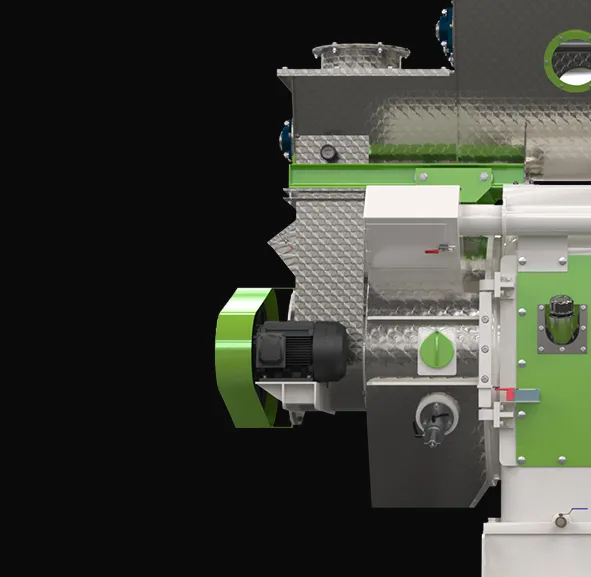
The ring die runs under continuous radial load. Bearings here are sized for that specific stress pattern, not generic replacements. Typical service intervals run 2,000–3,000 hours under normal organic material loads.
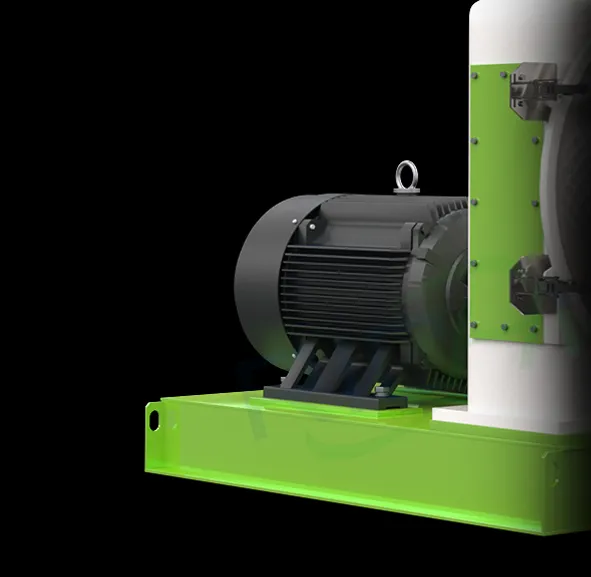
Torque stays consistent even when feedstock moisture shifts mid-run. Less thermal buildup, fewer unexpected stops during long production shifts.
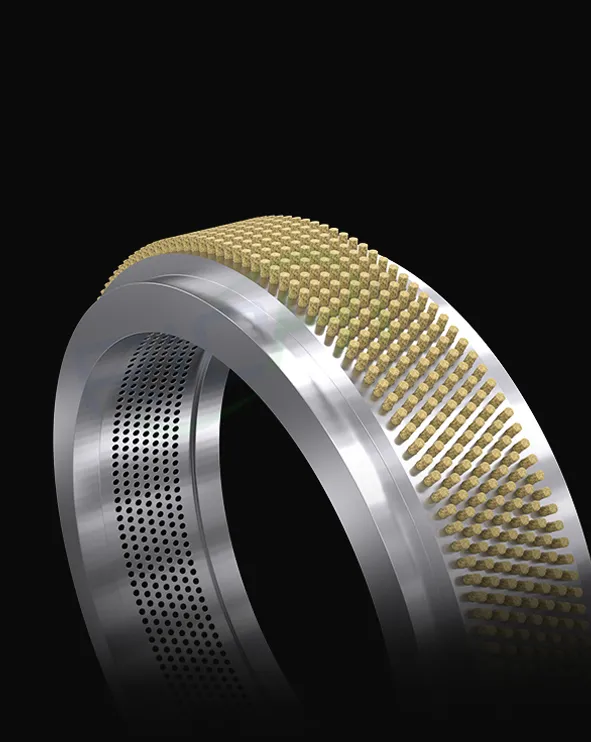
Machined from alloy steel with compression ratios selected by material type. Die hole geometry directly affects pellet density and surface hardness — not something to standardize across all feedstocks.
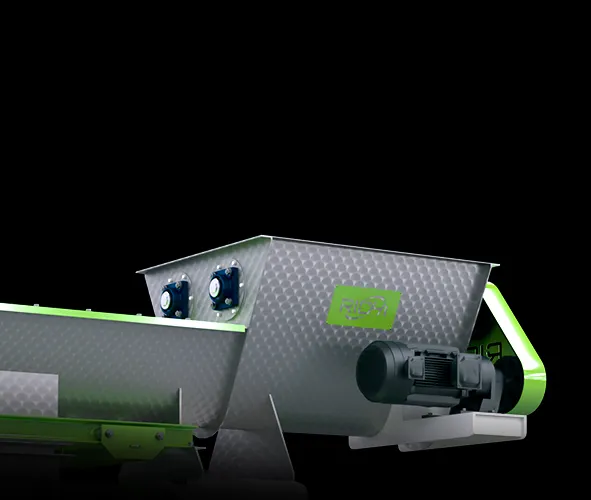
A screw feeder pushes material into the die chamber at a controlled rate. The arch-breaking device above it prevents compacted or sticky organic material from bridging in the hopper and blocking feed flow.
Most ring die failures in organic fertilizer applications come down to three things: wrong die spec for the material, drive systems that can't handle load variation, and bearings that were never rated for continuous heavy-duty use. Each fertilizer granulator machine we build is configured around the actual feedstock — compression ratio, die thickness, and motor sizing are not fixed defaults. Customers processing high-fiber agricultural residues need a different die geometry than someone running composted sludge at 35% moisture. We've worked through enough of these combinations across projects in South Asia, Africa, and Eastern Europe to know which configurations hold and which ones don't make it past the first 500 hours.
○ RICHI MACHINERY
○ RICHI MACHINERY
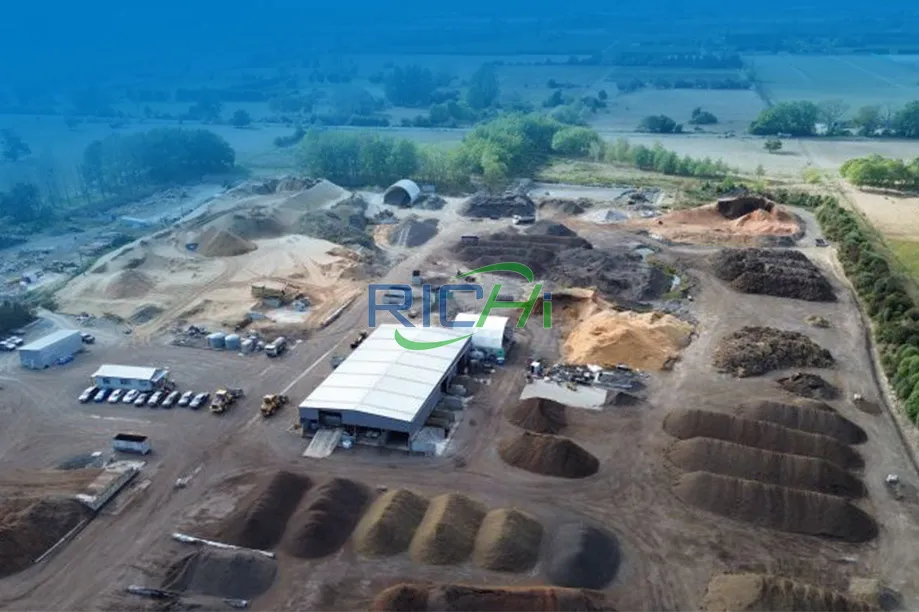
Chicken Manure & Winery Waste Fertilizer Granulation Plant in Germany
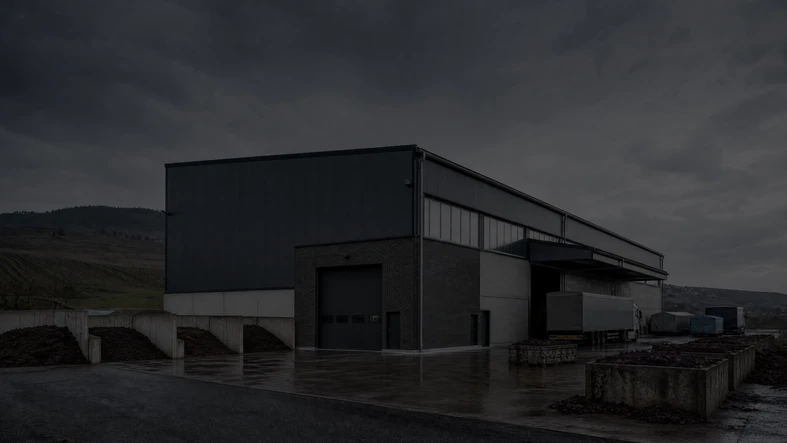
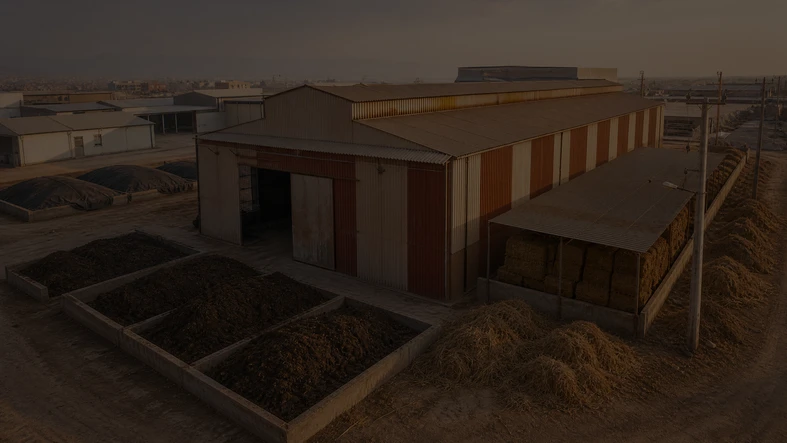
Livestock Manure & Straw Waste Fertilizer Processing Plant in Turkey
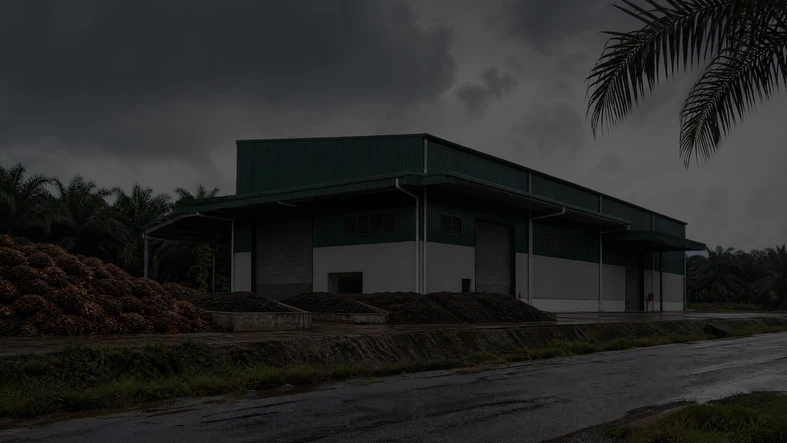
Poultry Manure & Palm Waste Fertilizer Granulation Plant in Malaysia
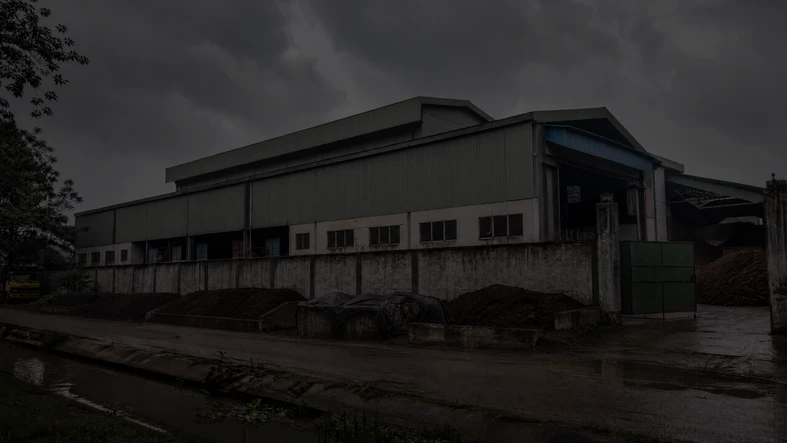
Cattle Dung & Sewage Sludge Fertilizer Granulation Plant in Bangladesh
Reading spec sheets only tells part of the story. These two videos show actual fertilizer granulator machine installations — different countries, different raw materials, different plant scales. One plant in Germany processing chicken manure and winery waste, another in Russia handling livestock manure mixed with straw. Both built and commissioned by our team. If you're planning a similar project or working with comparable feedstocks, these are worth watching before you start specifying equipment.
○ RICHI MACHINERY
● Paraguay
A livestock operation running mixed poultry and pig manure needed a processing system that could handle variable feedstock composition without constant die changes. The client had been stockpiling manure with no viable outlet — this line converted that waste stream into bagged granular organic fertilizer sold to local crop farms.
“
The complete system included pretreatment, drying, a fertilizer granulator machine, cooling, screening, and bagging. Output runs at 8 t/h on granular product. This project is a typical example of a mid-sized farm operation transitioning from waste disposal to fertilizer sales.
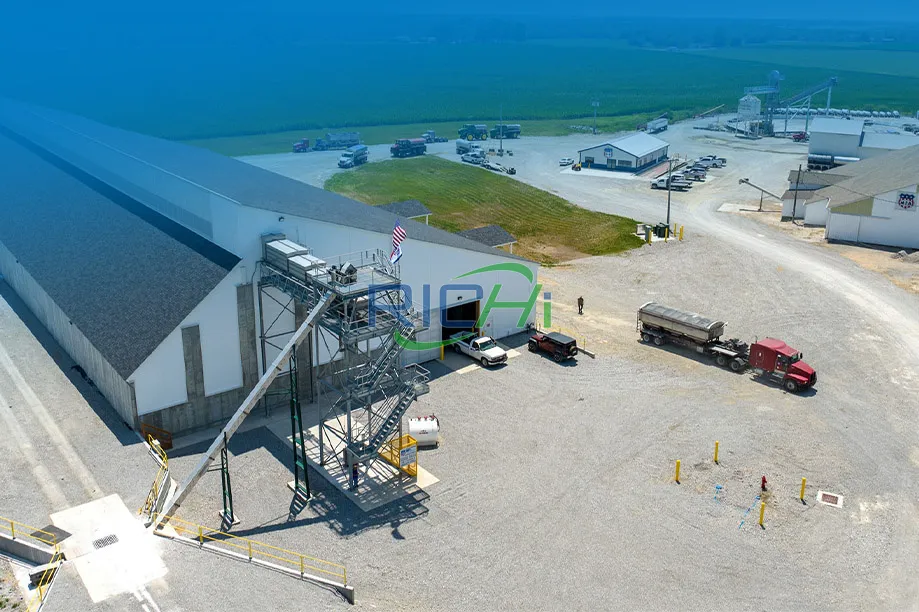
● USA
A large-scale poultry producer in the US was generating volumes of chicken manure that exceeded local land application limits. The solution was a commercial fertilizer line producing dried, granulated organic fertilizer for broader market distribution.
“
Raw material is fresh chicken manure at 60–70% moisture, processed through a full drying and granulation system. The fertilizer granulator machine in this line handles post-drying material at controlled moisture levels. Final product is sold through agricultural distributors across multiple states.
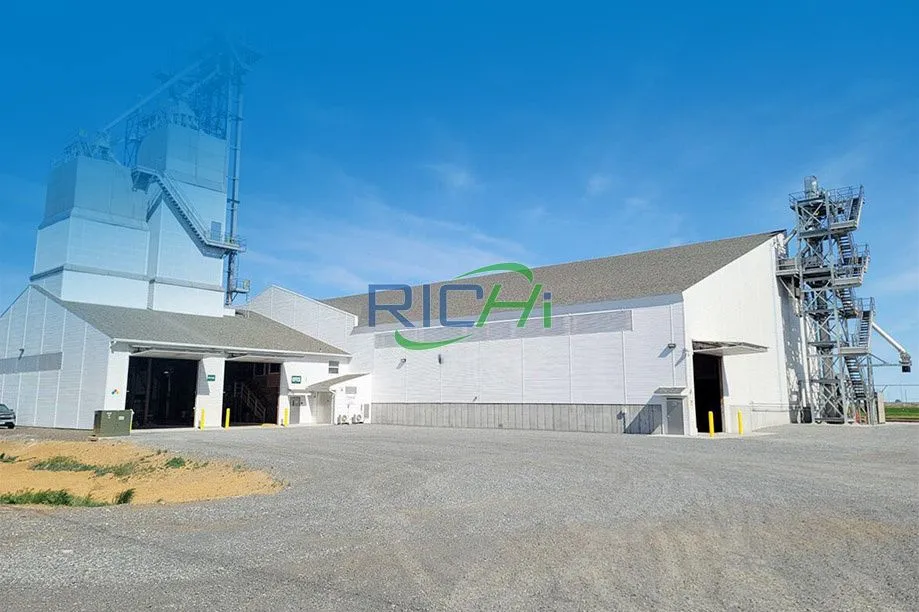
● Australia
An Australian agricultural business processing mixed organic waste — including animal manure and composted plant material — needed a compact line that could run with a small on-site team. The client's priority was pellet consistency for retail packaging.
“
The line runs at 5–6 t/h and produces uniform granular organic fertilizer for the retail garden and farm supply market. Equipment footprint was kept compact to fit within an existing shed structure, with minimal civil work required.
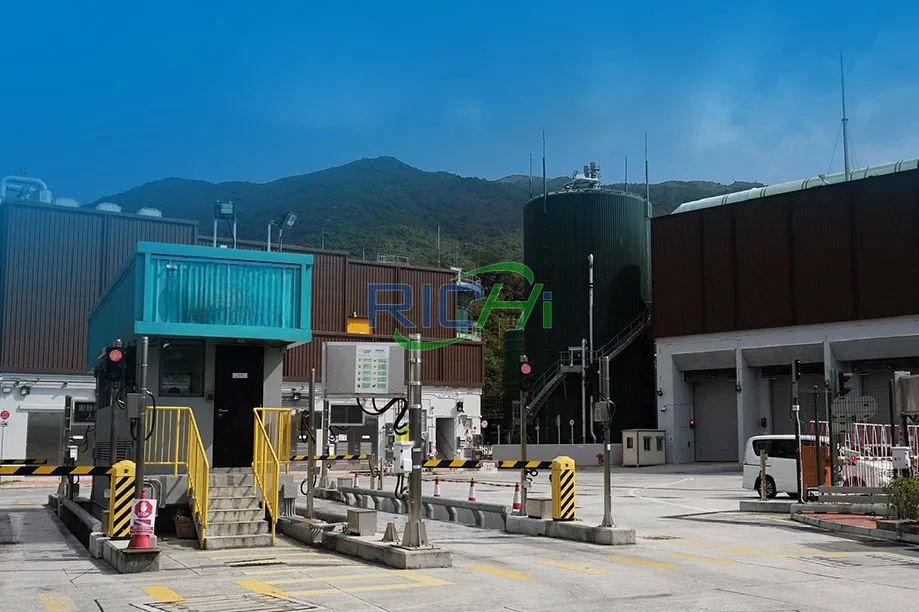
● Romania
A Romanian cattle farm with a herd of over 2,000 head was managing slurry disposal as a cost center. Converting that material into sellable fertilizer pellets changed the economics significantly — the processing line paid back within the first two seasons based on fertilizer sales alone.
“
Raw material is cow dung at 65–75% moisture, processed through solid-liquid separation, composting, drying, and granulation. The fertilizer granulator machine is configured for the lower fiber content typical of cattle manure. Output is sold to neighboring crop farms under a simple supply agreement.
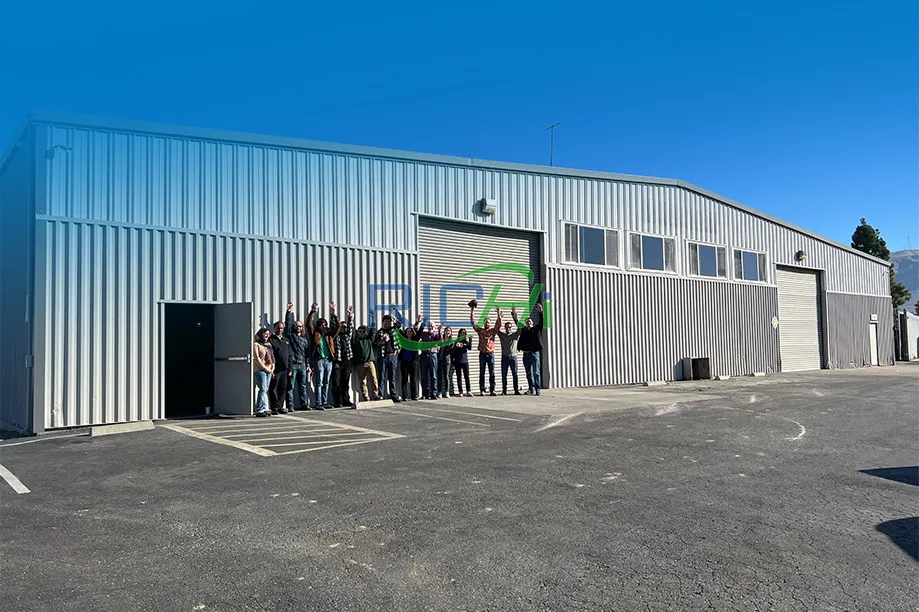
● New Zealand
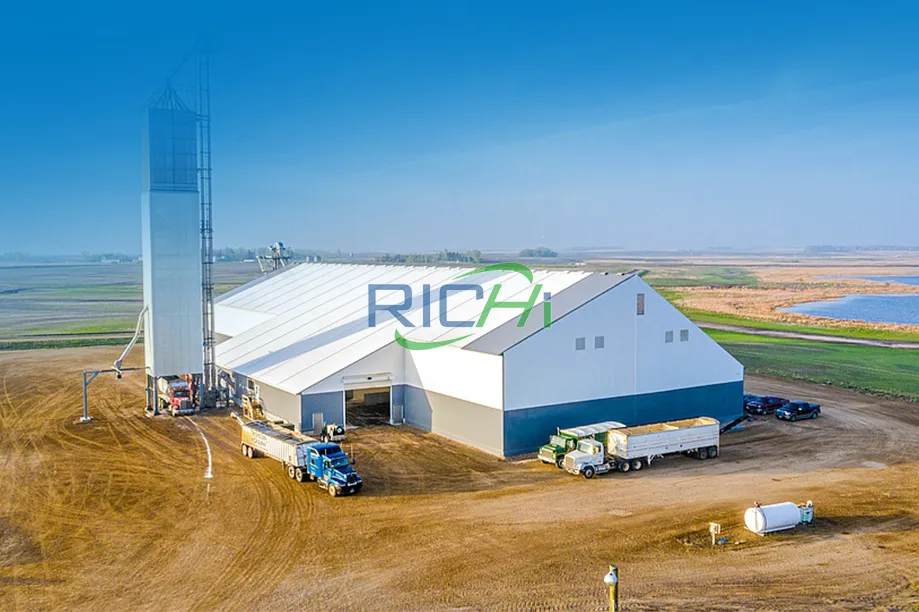
This New Zealand client runs a mixed farming operation with poultry, sheep, and cattle — three manure types with different moisture levels, fiber content, and nutrient profiles. The line was designed to process them either separately or as a blended feedstock depending on seasonal availability.
“
At 10 t/h, the system produces both granular and powder organic fertilizer. The fertilizer granulator machine handles the blended input after composting and drying. This kind of multi-feedstock configuration is something we've done across several projects where farms manage more than one livestock type.
● Argentina
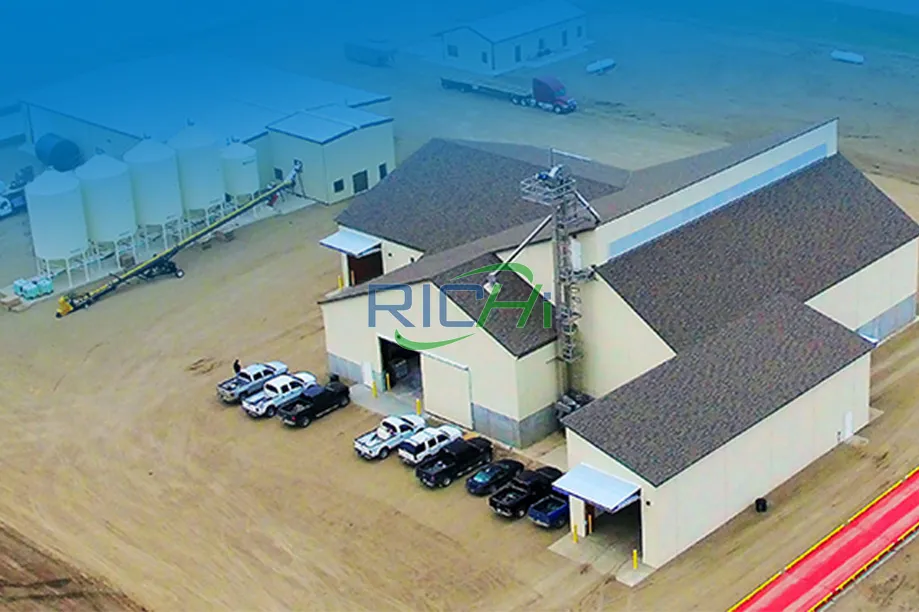
A waste management company in Argentina secured a contract to process municipal sludge alongside cow dung from nearby feedlots. The challenge was blending two materials with very different moisture and nutrient profiles into a consistent granular product.
“
The line runs at 9–10 t/h and includes sludge dewatering, blending with cow dung, fermentation, drying, and granulation. The fertilizer granulator machine here is set up for blended organic inputs with moderate fiber content. End product is sold to soy and corn farms in the surrounding agricultural zone.
● Russia
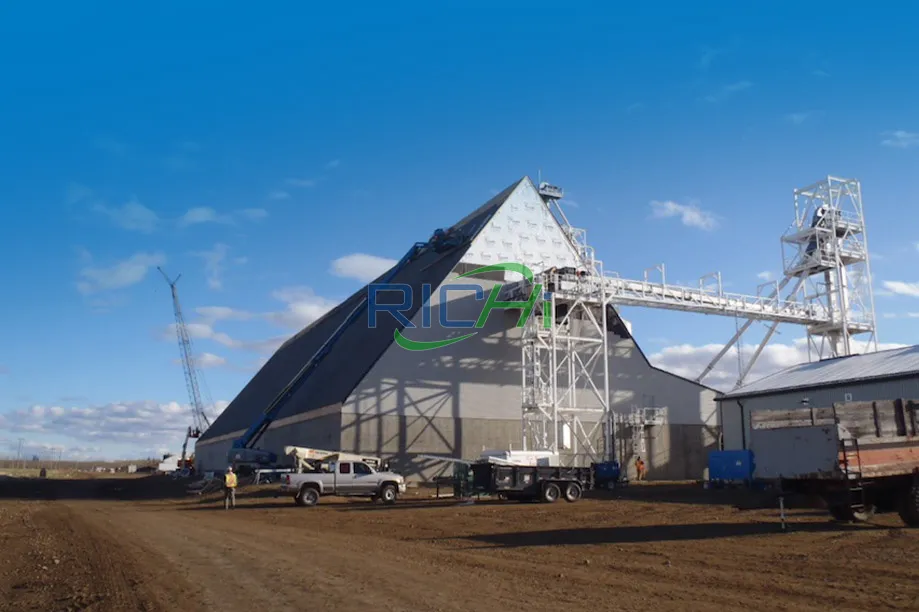
A Russian pig farming group wanted a powder fertilizer line rather than granular — lower capital cost, simpler process, faster route to market. The output is bagged compost powder sold directly to local farms and garden centers.
“
Raw material is composted pig manure processed through crushing, screening, and drying. No granulation stage on this line — powder product only. At 10 t/h this is one of the larger powder-only organic fertilizer lines we've supplied, and it demonstrates that not every project needs a fertilizer granulator machine — sometimes powder output is the right commercial decision.
● Ecuador
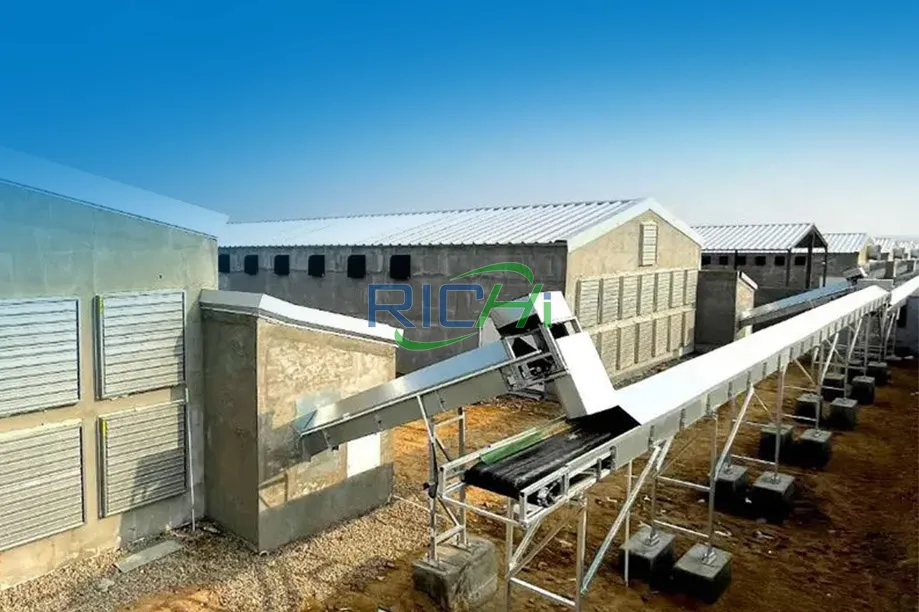
An Ecuadorian agricultural cooperative processing banana plantation waste and animal manure needed a line sized for cooperative-scale output — enough to serve member farms and generate surplus for external sale.
“
The plant runs at 10–12 t/h producing granular organic fertilizer. Raw materials include composted banana residues blended with poultry manure, which required specific die selection to handle the mixed fiber and moisture profile. Product is distributed to cooperative members at subsidized rates, with surplus sold commercially.
● Afghanistan
A poultry operation in Afghanistan running laying hens was looking for a small, low-maintenance fertilizer line that local operators could run without specialized technical staff. Machine simplicity and spare parts availability were the main selection criteria.
“
The line processes fresh hen manure through drying and granulation at 3 t/h. The fertilizer granulator machine in this project is the FZLH350 model, selected for its straightforward operation and accessible maintenance. Granulated product is sold to vegetable farmers in the surrounding region.
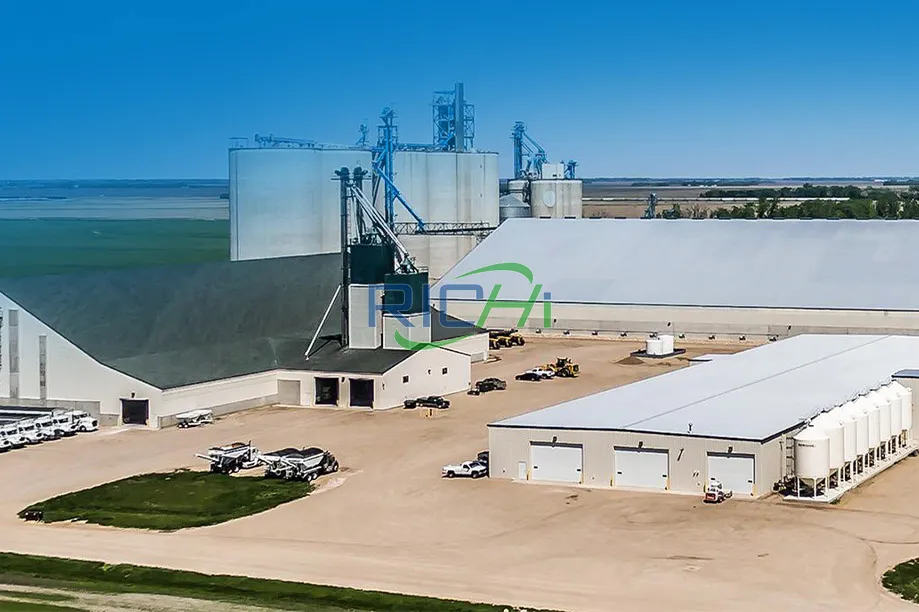
● Brazil
A Brazilian environmental services company processing organic municipal waste — food scraps, market waste, and green cuttings — needed a line that could handle inconsistent feedstock composition. Material quality varies week to week depending on collection routes.
“
The line is designed with buffer composting capacity before granulation, which stabilizes the feedstock before it reaches the fertilizer granulator machine. Output is 8 t/h of granular organic fertilizer certified for use in organic agriculture. The client sells under contract to certified organic farms in São Paulo state.
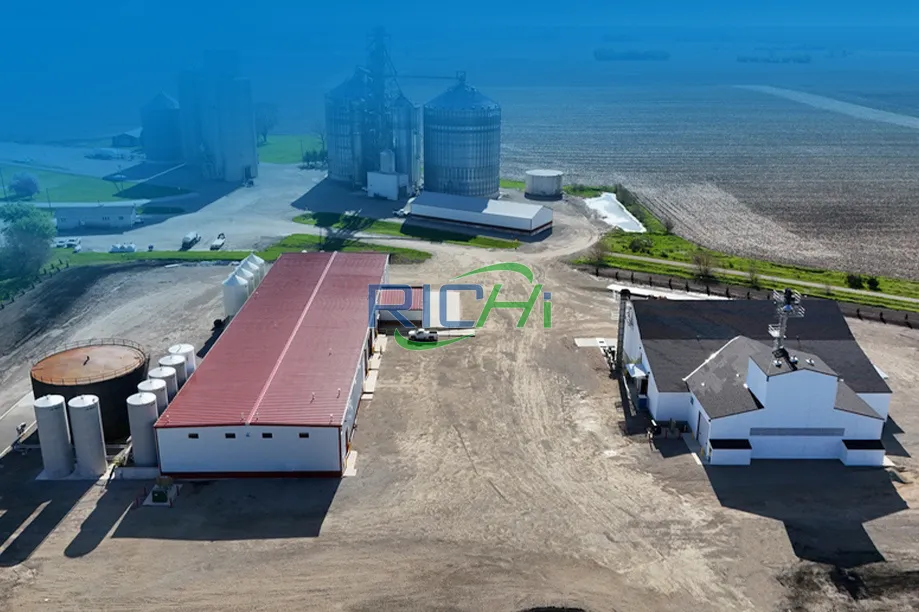
● Ukraine
A Ukrainian agribusiness processing wheat straw and mixed livestock manure from its own farming operations runs both powder and granular product lines on the same site. Powder goes to bulk buyers, granular to retail-packaged sales.
“
The system handles straw at 15–20% moisture blended with composted manure. High fiber content in the straw required specific ring die configuration on the fertilizer granulator machine to maintain pellet integrity. At 6 t/h the plant is mid-sized but produces two product formats, which broadens the client's sales channels considerably.
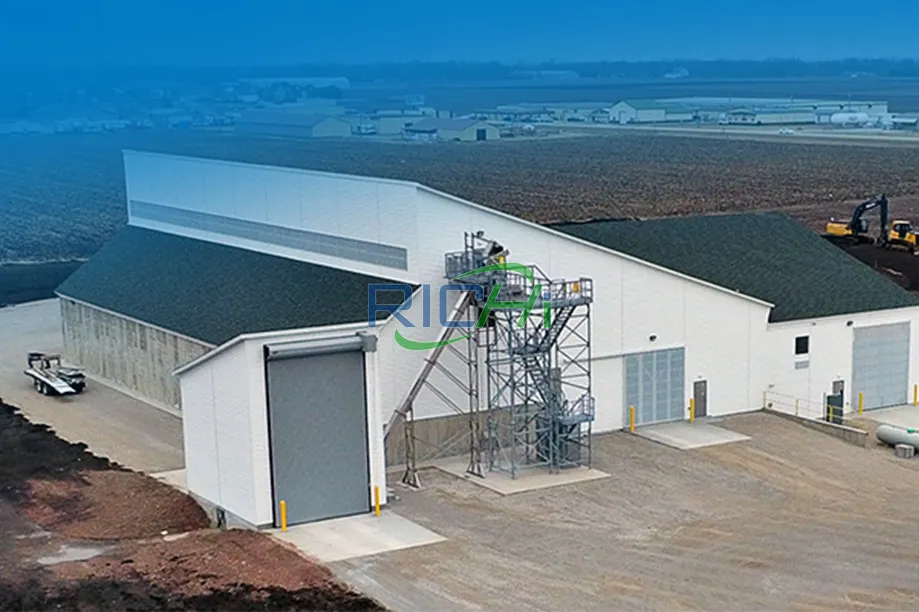
● Netherlands
A Dutch company operating in the circular agriculture space processes digestate from a nearby biogas plant into granular organic fertilizer. The feedstock is nutrient-dense but high in moisture, requiring significant drying capacity before granulation.
“
The line runs at 4 t/h of granular output. Given Netherlands regulatory requirements for organic fertilizer composition and labeling, the process includes nutrient testing integration at the screening stage. Product is sold to Dutch and Belgian horticulture operations.
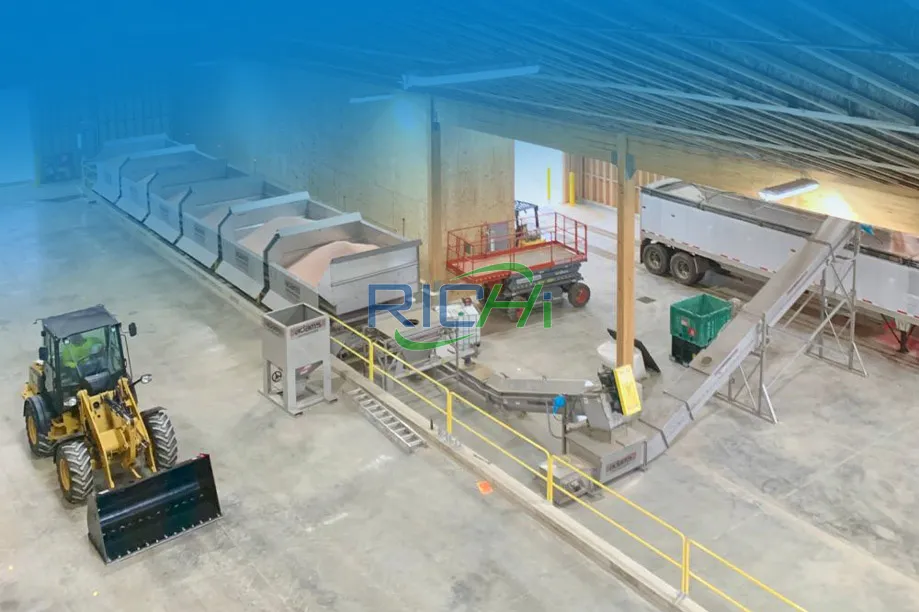
● Thailand
A Thai fertilizer manufacturer wanted to add an NPK compound fertilizer line alongside its existing organic product range. Raw materials include potassium chloride, urea, and monoammonium phosphate blended with organic matter at varying ratios depending on crop-specific formulations.
“
The line runs at 5–6 t/h producing compound fertilizer pellets for rice, sugarcane, and cassava cultivation. NPK processing requires different die pressure settings compared to pure organic material — the fertilizer granulator machine configuration on this line is calibrated for the denser, more abrasive compound inputs.
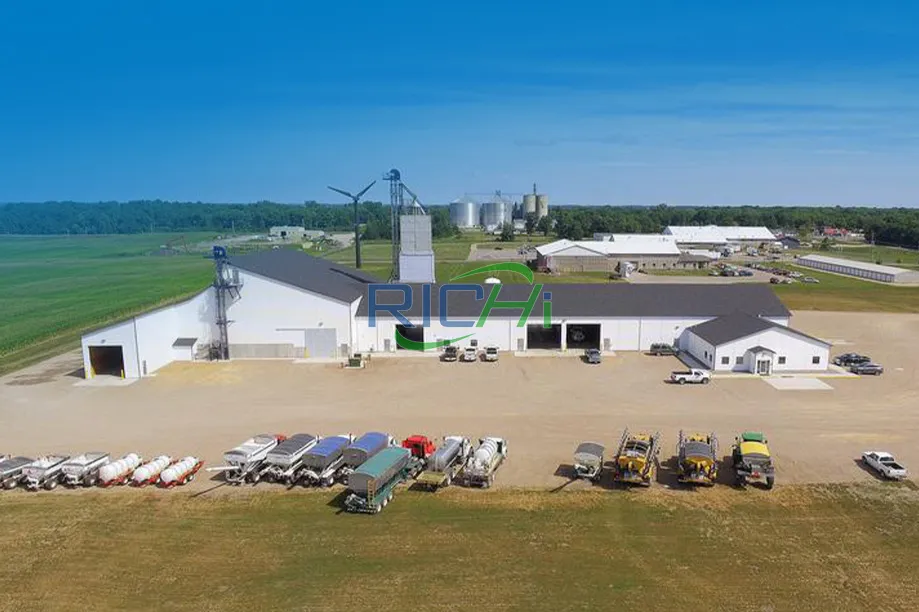
● France
A French waste processing contractor handling manure collection from pig farms and poultry houses across a regional area built this line to consolidate processing in one location. Raw material arrives from multiple sources, so feedstock consistency management was built into the process design.
“
The plant processes pig manure and poultry litter at 6 t/h, producing granular organic fertilizer sold through agricultural input distributors. Odor control and enclosed processing were required under French environmental permitting, which shaped the plant layout and equipment selection.
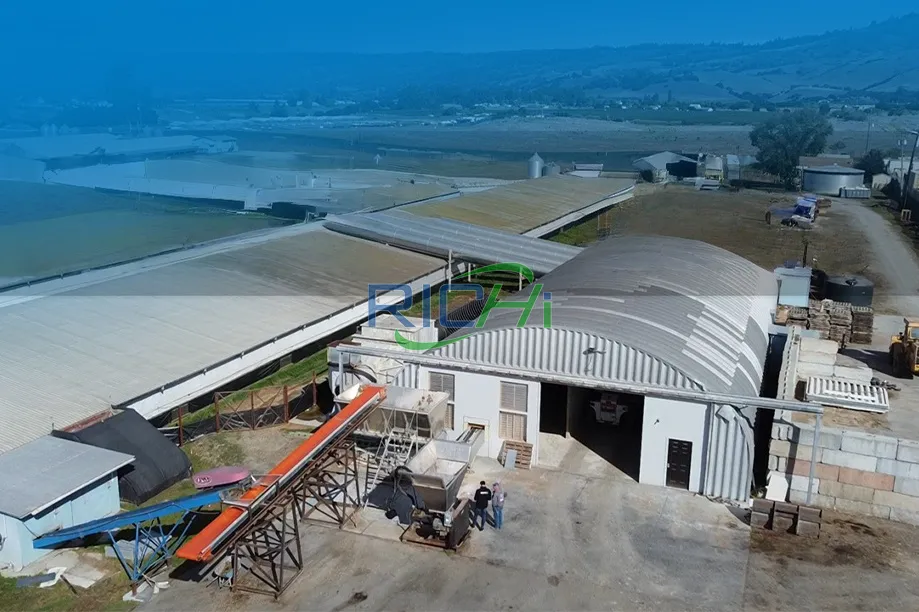
● Poland
“
The process routes high-moisture manure through biological fermentation before mechanical drying, which reduces the thermal load significantly. The fertilizer granulator machine receives material at controlled moisture after drying. Final product is certified bio-organic fertilizer sold to Polish and German crop producers.
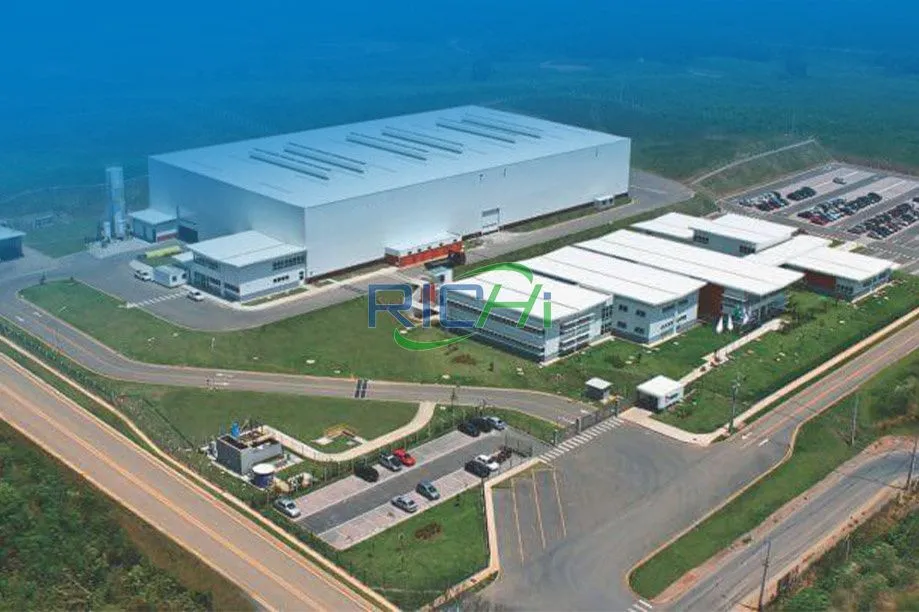
● Indonesia
One of the larger organic fertilizer plants we've supplied in Southeast Asia, this Indonesian facility processes municipal organic waste and agricultural residues for a regional waste management operator. Both granular and powder product lines run simultaneously.
“
At 15–20 t/h combined output, the plant supplies granular fertilizer to plantation companies and powder product to bulk buyers in the local farming sector. Two fertilizer granulator machines run in parallel on the granular line to achieve target capacity while maintaining maintenance flexibility.
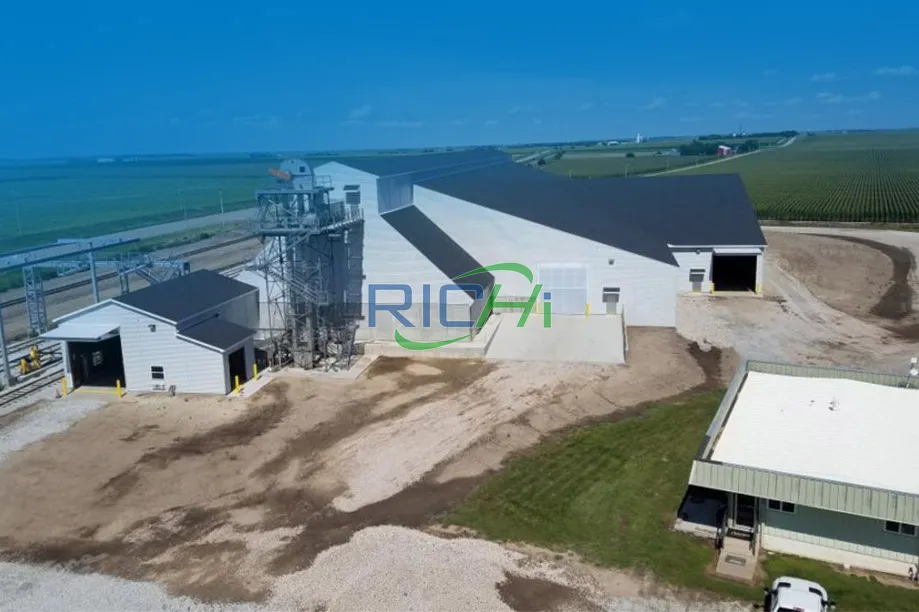
● Spain
A bamboo manufacturer expanded into renewable energy production. Our engineered biomass pellet machine line processes tough bamboo fiber into high-calorific pellets for export and industrial use.
“
Even the most challenging materials can become profitable products - our technical solutions handle unique biomass characteristics.
Across more than 60 countries, we've supplied complete fertilizer production lines to livestock farms, municipal waste operators, food processing companies, and agricultural cooperatives. In most of these projects, the fertilizer granulator machine is one part of a larger system — we typically deliver full granular or powder fertilizer lines covering organic fertilizer, compound fertilizer, and NPK processing. The cases above are a cross-section of what we've built: different raw materials, different output targets, different industries, but the same core question every client started with — what do I do with this material, and can I turn it into something sellable?
○ RICHI MACHINERY
The fertilizer granulator machine is one part of the process. What goes before and after it determines whether the whole line actually works. We supply complete fertilizer production lines — granular organic fertilizer lines, powder organic fertilizer lines, NPK compound fertilizer lines, and modular systems for drying, batching, and blending. Every line is configured around the client's actual raw material, moisture content, plant dimensions, and budget. Some process stages are fixed. Others depend entirely on what you're processing and what product you need at the end.
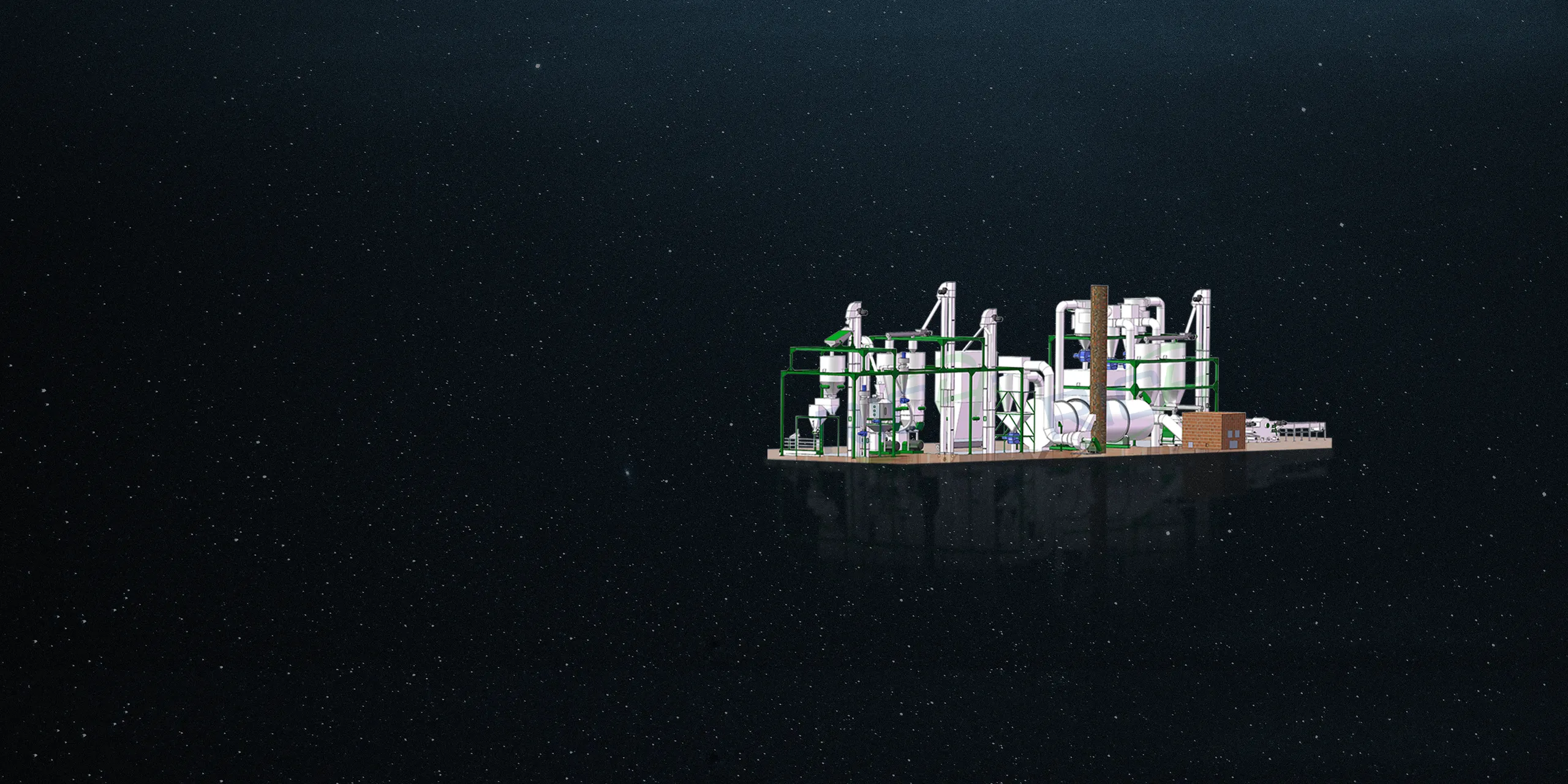
A complete line typically runs through crushing, mixing, composting, drying, granulation, cooling, screening, and packaging — but which stages your line actually needs depends on what you're starting with. Fresh chicken manure at 65% moisture follows a completely different process path than dry straw blended with composted cow dung, and the equipment at each stage changes accordingly.
From initial consultation through equipment manufacturing, installation, commissioning, operator training, and spare parts supply — we cover the full working life of the line.
○ RICHI MACHINERY
Most organic waste streams and a wide range of mineral inputs can be processed into fertilizer pellets — single-source or blended. Our fertilizer granulator machine handles materials from livestock farms, food processing plants, municipal waste treatment, agricultural residues, and industrial fermentation byproducts. Below is a reference list of commonly processed materials.
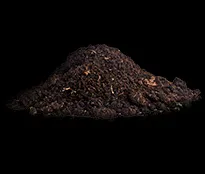
High nitrogen, widely available from poultry farms. Works standalone or blended with dry carbon materials to balance moisture before granulation.
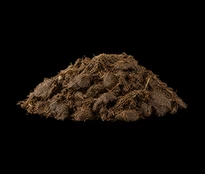
Higher fiber, lower nitrogen than poultry manure. Standard feedstock for dairy and beef operations converting waste into organic fertilizer.
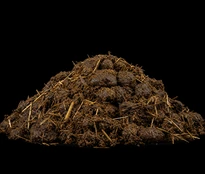
Moderate fiber and nutrient content, lower moisture than most poultry manure. Common among equestrian centers, horse farms, and racing stable operations.
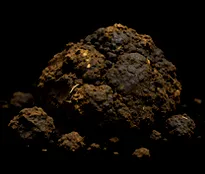
Nutrient-rich with moderate moisture. Suitable for hog farms processing on-site or supplying to centralized fertilizer production facilities.
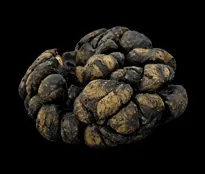
Dry, low-odor, easy to handle. Common among sheep ranches and small organic fertilizer producers targeting certified organic markets.
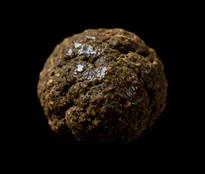
Low moisture, high nutrient density. Favored by rabbit farming operations for direct granulation with minimal pre-drying required.
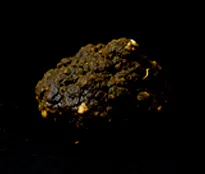
Moderate nutrient profile from waterfowl operations. Often blended with straw or crop residues to improve granulation consistency.
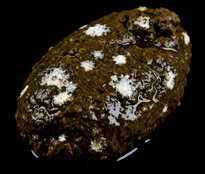
Similar handling profile to duck manure. Available from goose farming operations and mixed poultry facilities.
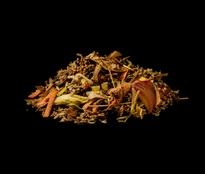
Collected from food processing plants, canteens, and markets. Requires composting or dewatering before entering the granulation line.
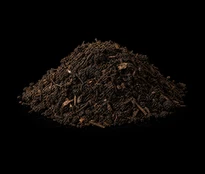
Pre-processed organic material with stable moisture and particle size. One of the most straightforward feedstocks for direct granulation.
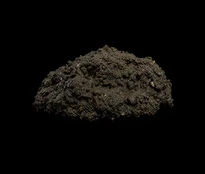
Generated by industrial wastewater treatment. High moisture requires mechanical dewatering and drying before granulation.
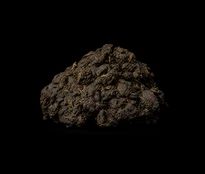
From urban wastewater plants. Nutrient-dense but requires odor control and enclosed processing depending on local regulations.
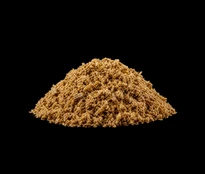
Spent grain and yeast residues from beer production. Moderate moisture, available in large volumes from brewing facilities.
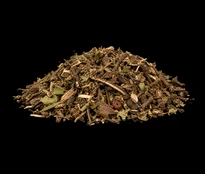
Pruning residues and fruit processing byproducts. Requires size reduction before blending into the fertilizer granulation process.
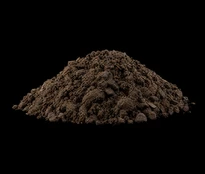
Treated sewage-derived material meeting land application standards. Used by municipal operators and environmental service companies.
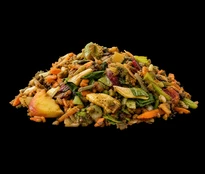
Generates biomass fuel for power plants and organic mulch.
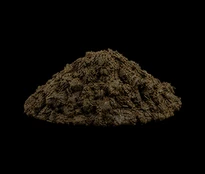
Byproduct of anaerobic digestion. Nutrient-rich but high moisture — dewatering is usually the first processing step.
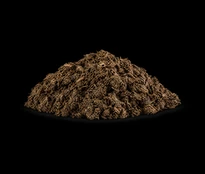
Similar to digestate, generated from biogas plant operations. Commonly processed by biogas operators adding a fertilizer revenue stream.
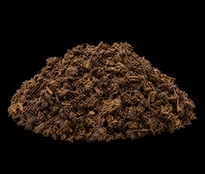
From pharmaceutical, food, or industrial fermentation processes. Composition varies — feedstock testing recommended before line design.
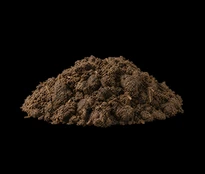
Sugarcane processing byproduct with high organic matter. Common in sugar-producing regions across Asia, Africa, and Latin America.
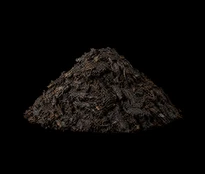
Palm oil mill effluent sludge from Southeast Asian palm processing facilities. High organic content, requires dewatering before granulation.
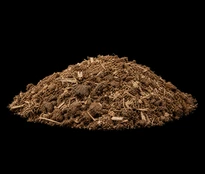
From meat chicken operations. Higher moisture and bedding content than layer manure, typically requires pre-drying or composting.
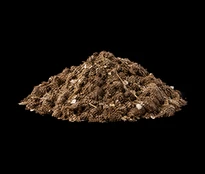
From egg-laying poultry houses. Drier and more consistent than broiler manure, often suitable for direct processing.
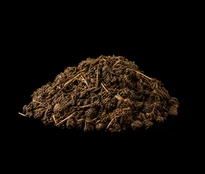
Available from turkey farms. Similar handling to broiler manure with moderate fiber and nutrient content.
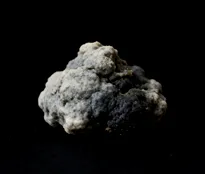
Manufactures feed pellets, or fuel pellets for gasifiers, construction materials, and soil conditioners.
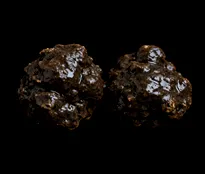
High nutrient density relative to volume. Collected from quail farming operations and small-scale poultry producers.
Dry, concentrated nutrient content. Sourced from pigeon farming and urban bird management operations.
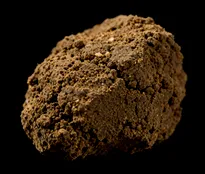
Byproduct of insect farming operations such as black soldier fly or mealworm production. Emerging feedstock for premium organic fertilizer.
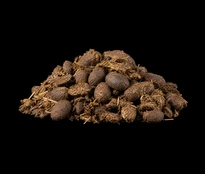
Dry, fibrous, low-odor. Available from camel farming regions in the Middle East, Central Asia, and North Africa.
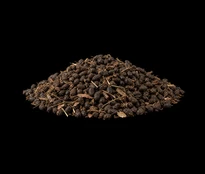
Low moisture, suitable for direct processing. Sourced from deer farms and wildlife management operations.
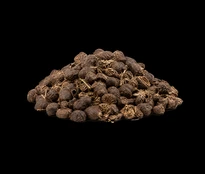
Dry pellet form, minimal pre-processing needed. Popular among alpaca farms producing small-batch premium organic fertilizer.
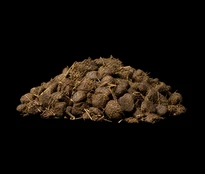
Similar to alpaca manure in form and nutrient profile. Available from llama farming operations in South America and North America.
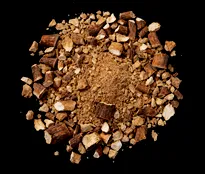
Starchy processing waste from cassava flour and starch factories. Common in tropical agricultural processing regions.
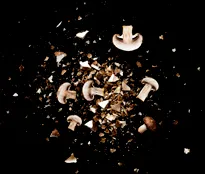
Spent substrate from mushroom cultivation. High organic matter, typically available in large volumes from commercial mushroom farms.
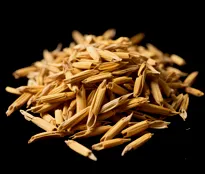
Agricultural residue from sunflower oil processing. Requires grinding before blending into fertilizer granulation lines.
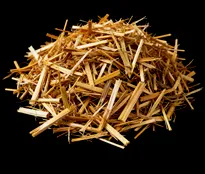
Wheat, rice, corn, and other crop straw. High fiber, requires hammer mill processing before mixing with other organic inputs.
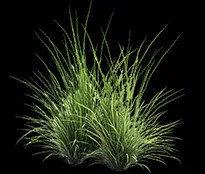
Field-collected plant material. Requires composting before granulation to eliminate viable seeds and pathogens.
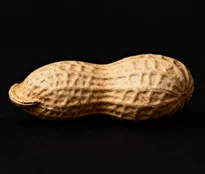
Hard, fibrous agricultural residue. Needs pre-crushing before use as a carbon source in organic fertilizer blends.
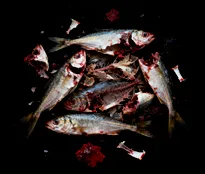
From fish processing plants and aquaculture operations. High nitrogen and phosphorus content, typically dried before granulation.
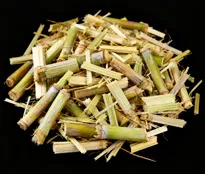
Sugarcane fiber residue after juice extraction. Available in large volumes from sugar mills across tropical regions.
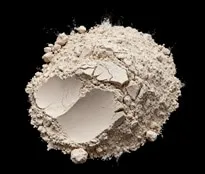
Mineral binder used as an additive in compound and organic-mineral fertilizer formulations to improve pellet hardness.
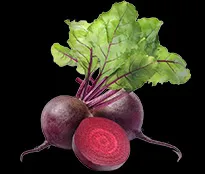
Residue from sugar beet processing. Moderate moisture, available from sugar factories in Europe and North America.
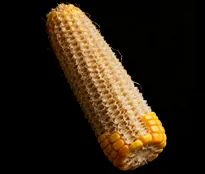
Agricultural residue from corn processing. Requires grinding, used as a carbon source or bulking agent in organic blends.

Fibrous residue from coconut processing. Requires shredding, used in tropical regions as an organic carbon input.
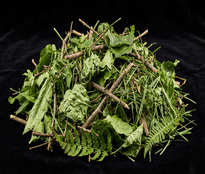
Garden and landscaping cuttings, leaves, and plant trimmings. Composted before granulation to reduce volume and stabilize nutrients.
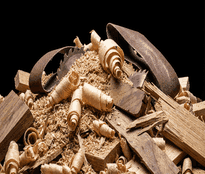
Sawdust, wood chips, and bark from timber processing. Used as a carbon source in high-nitrogen organic fertilizer blends.
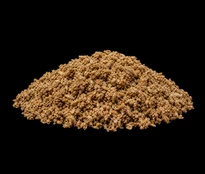
Solid residue from beer mashing. High protein and fiber, generated in large volumes by commercial breweries.
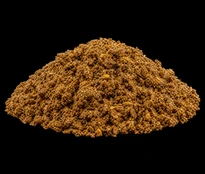
Byproduct of grain distillation. High nutrient content, available from whisky, ethanol, and grain spirits producers.
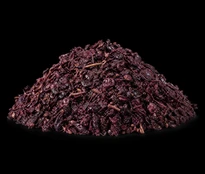
Grape marc, stems, and lees from wine production. Seasonal availability, common in European and South American wine regions.
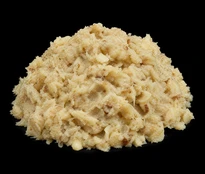
Processing residue from starch and potato product factories. High moisture, typically requires drying or blending with dry inputs.
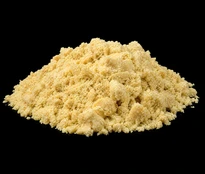
Byproduct of corn wet milling and starch extraction. Available from starch processing facilities in agricultural regions.
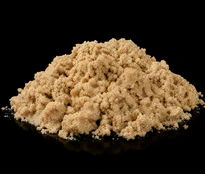
From brewing, baking, or fermentation industries. High protein content, used as a nitrogen source in organic fertilizer blends.
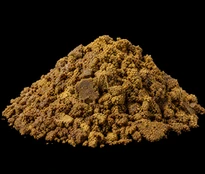
Byproduct of amino acid production facilities. Concentrated nutrient content suitable for premium organic fertilizer formulations.
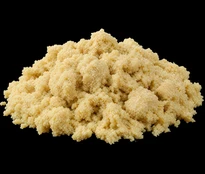
From soy processing and tofu manufacturing. High protein, commonly blended with other organic inputs before granulation.
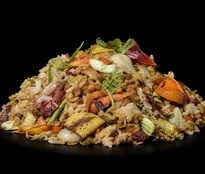
Food scraps from households, restaurants, and canteens. Requires sorting, composting, and dewatering before granulation.
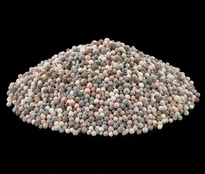
Blended nitrogen, phosphorus, and potassium inputs for compound fertilizer production. Processed on dedicated NPK granulation lines.
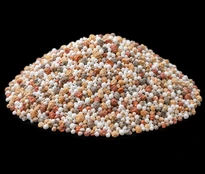
Bulk blended fertilizer mixture. Processed through batching and blending systems with or without granulation depending on product spec.
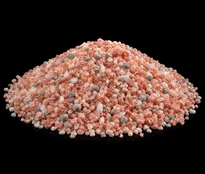
Potassium-based mineral inputs blended with organic or compound fertilizer formulations for specific crop nutrition requirements.
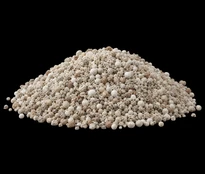
Phosphate rock or processed phosphate sources used in compound and organic-mineral fertilizer granulation lines.
○ RICHI MACHINERY
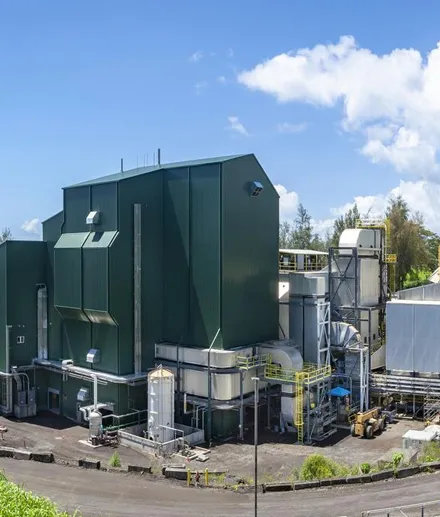
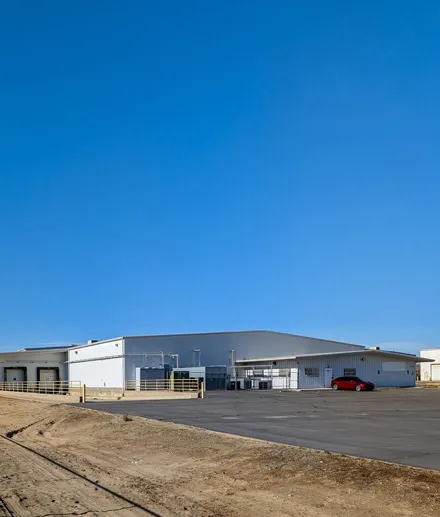
Capacity: 1–1.5 T/H
Entry-level organic fertilizer line suited for small livestock farms, backyard composting operations, family-run poultry units, and small agricultural cooperatives testing fertilizer production for the first time. Also common among research institutions and pilot project operators.
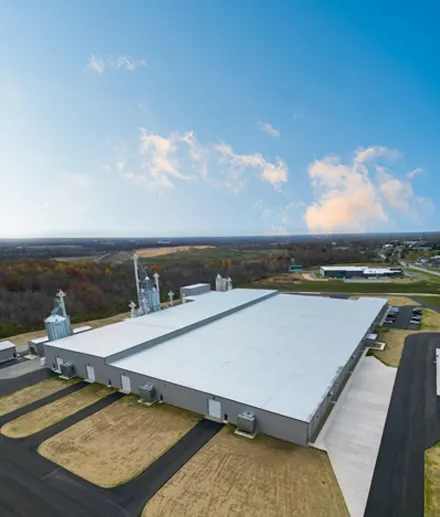
Capacity: 3–5 T/H
Fits regional organic fertilizer producers, medium livestock operations, and municipal composting facilities starting commercial output. This capacity range handles most single-farm processing needs while leaving room to supply neighboring farms or local distributors.
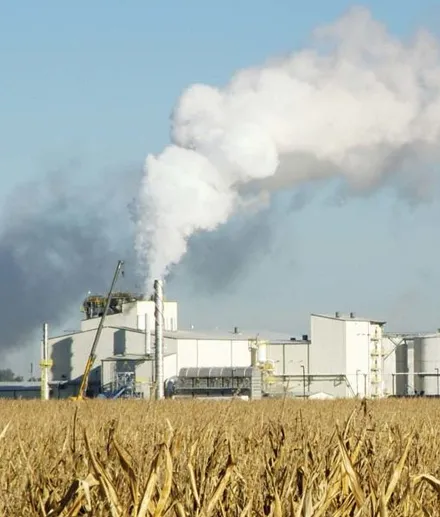
Capacity: 5–6 T/H
Targeted at established farm-based fertilizer businesses, mid-scale biogas digestate processors, and food processing companies converting organic waste into a marketable byproduct. A common capacity for buyers transitioning from powder to granular product output.
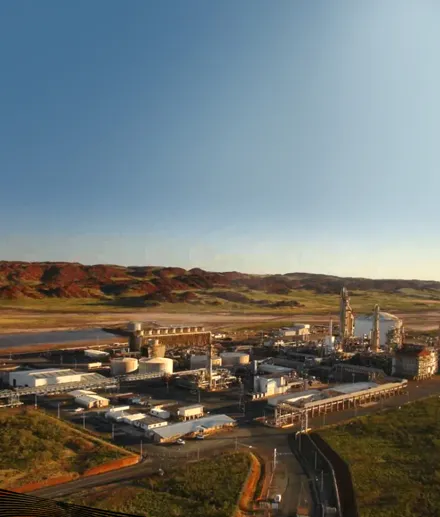
Capacity: 6–8 T/H
Suited for commercial organic fertilizer manufacturers, large dairy or hog complexes, and waste management contractors running dedicated fertilizer processing facilities. The fertilizer granulator machine at this scale typically runs one or two shifts daily under consistent feedstock supply.
Capacity: 20+ T/H
Industrial-scale lines for centralized fertilizer production hubs, large municipal organic waste treatment facilities, and export-grade fertilizer manufacturers. Lines at this scale typically include automated batching, full dust collection, and integrated storage systems.
Every line we quote is configured around the client's actual raw material, process requirements, and site conditions — so the price range for any given capacity reflects real variation, not a rough estimate. The figures below are based on thousands of design proposals and quotations we've completed across projects in more than 30 countries. Each range covers a complete equipment package including the fertilizer granulator machine, pre-treatment equipment, drying system, cooling, screening, and packaging — not individual machines. Where the number lands within that range depends on material type, automation level, and which optional stages the process requires.
○ RICHI MACHINERY
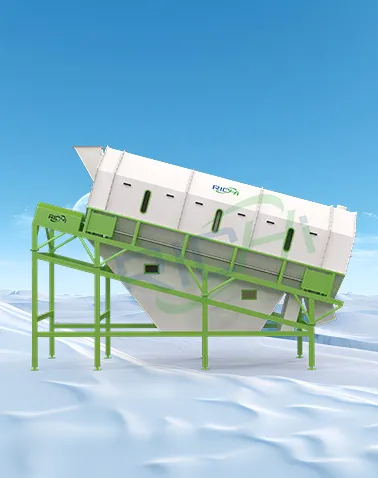
Removes stones, metal fragments, wire, plastic, and other contaminants from incoming organic material before processing begins. Skipping this stage is one of the most common causes of premature die wear on the granulation machine.
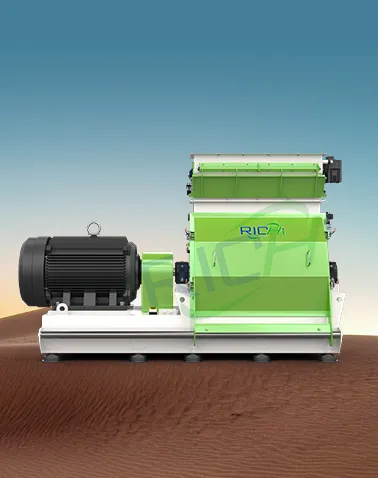
Reduces particle size of dry or semi-dry organic material to the range required for consistent mixing and granulation. Material hardness, moisture, and fiber content determine which crusher type fits.
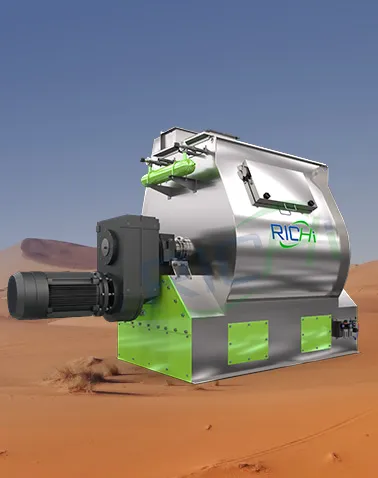
Handles fermentation and homogenization of raw organic inputs before drying or direct granulation. For high-moisture materials like fresh manure or food waste, this stage stabilizes the feedstock and reduces pathogen levels. For blended inputs, it homogenizes moisture and nutrient distribution.
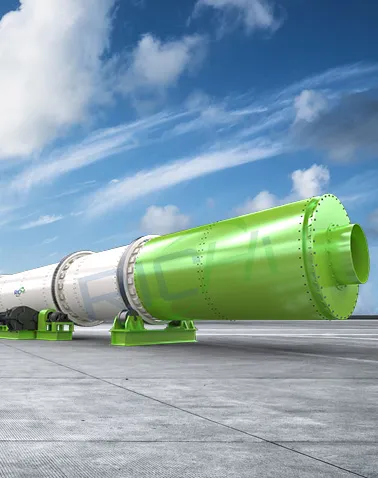
Controls moisture content before the material enters the fertilizer granulator machine — one of the most critical variables in pellet quality and die longevity. Target moisture at the granulator inlet is typically 12–18% depending on material type.
05/01
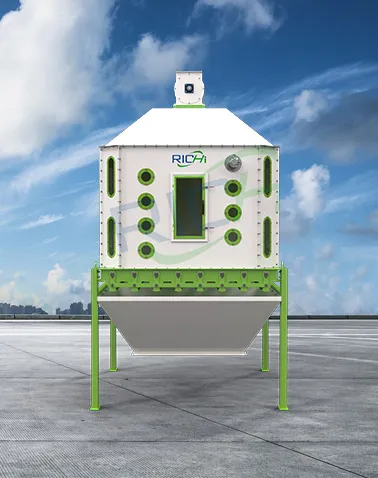
Granules exit the ring die at 70–90°C and need to be brought down to near ambient temperature before screening and bagging. Skipping cooling leads to pellet deformation, surface cracking, and moisture reabsorption during storage.
05/01
Applies a surface treatment to finished pellets to improve appearance, reduce dust, extend shelf life, or add functional coatings for slow-release formulations. Common in export-grade fertilizer production and premium retail product lines.
05/01
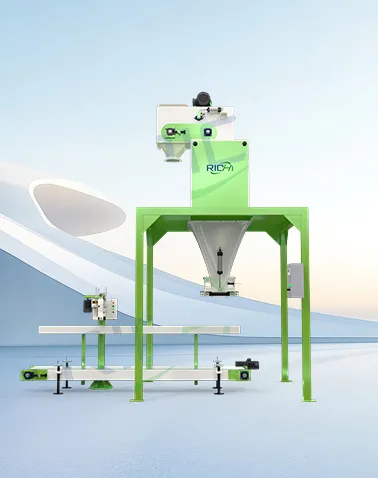
Packages finished fertilizer into bags for storage, transport, or retail sale. Bag format, fill weight, and automation level vary widely by market and client scale.
05/01
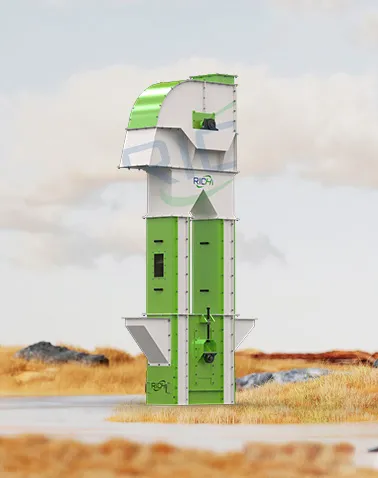
Moves material between every stage of the line — horizontal transfer, inclined elevation, and distribution to multiple processing points. Conveyor layout is designed around plant building dimensions and process flow sequence.
05/01
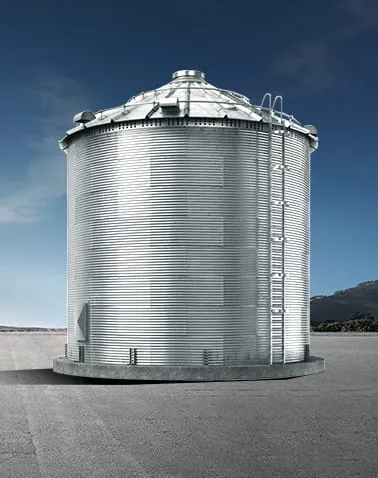
Stores raw materials, intermediate process materials, or finished fertilizer before bagging or dispatch. Particularly important for lines running continuous shifts where buffer capacity between stages prevents bottlenecks.
○ RICHI MACHINERY
Single machine prices FOB Qingdao, including anti-arching feeder, force feeder, pelletizer, and control cabinet:
Prices vary based on configuration and destination. Complete production line pricing starts from $39,000 depending on capacity and process requirements.
Most organic waste streams work — chicken manure, cow dung, pig manure, sewage sludge, biogas digestate, food waste, agricultural residues like straw and bagasse, and industrial fermentation byproducts. Mineral inputs including NPK blends, bentonite, and phosphate mixtures can also be granulated on dedicated compound fertilizer lines. Two or more materials are often combined before granulation. If you're unsure whether your feedstock is suitable, send us a material description and we'll give you a direct answer.
Output capacity is the starting point — our FZLH series runs from 1 t/h on the FZLH250 up to 22–26 t/h on the FZLH768. But model selection also depends on raw material type, moisture content going into the machine, and target pellet diameter. We've completed thousands of equipment proposals across projects in more than 30 countries. Tell us your material and daily output target and we'll recommend the right model with supporting data from comparable projects.
It depends on your raw material condition. If your feedstock is already dried and crushed to consistent particle size, a standalone fertilizer granulator machine can work. In most real-world situations, the material needs pre-treatment — drying, crushing, composting, or a combination — before it reaches the granulator. We supply both standalone machines and complete lines. If you're not sure what your process actually needs, we can walk through it based on your raw material specs.
Pellet diameter is adjustable between 4mm and 12mm across all FZLH models by changing the ring die. The right size depends on your target market — bulk farm application typically uses 4–6mm, while retail-packaged products often go to 6–8mm. Die hole geometry also affects pellet density and hardness, which we configure based on material type.
Under normal operating conditions with organic fertilizer inputs, a correctly specified ring die runs 800–1,200 hours before replacement is needed. Die life shortens significantly if moisture going into the machine is outside the 12–18% range, or if abrasive mineral content is higher than anticipated. We stock replacement dies for all FZLH models and can ship within a few days for most destinations.
We cover installation supervision, commissioning, operator training, and spare parts supply — from startup through the full working life of the line. Remote troubleshooting is available via video for most operational issues. For large projects, on-site engineers are arranged during the commissioning phase. Spare parts including ring dies, rollers, bearings, and wear components are stocked and available for dispatch from our facility in Henan, China.
Standard single machines ship in 15–25 days. Complete production lines take 30–60 days for manufacturing depending on line scale and configuration complexity. Delivery time to most destinations adds 20–35 days by sea freight. We provide a detailed production and delivery schedule at the time of order confirmation.
Yes — and most of our clients process more than one feedstock. A mixed livestock farm running chicken manure, cow dung, and pig waste in different seasons is a common example. The line is configured for the most demanding material in your feedstock range, and die selection can be adjusted when switching between materials. We've built multi-feedstock lines in New Zealand, Paraguay, Ukraine, and several other markets where seasonal material availability varies.
Start with your raw material — type, daily volume, and moisture content. That determines the process stages you need, which determines equipment selection, which determines line layout and civil requirements. We've taken hundreds of clients through this process from the first conversation to a commissioned plant. Share your material details and output target with our team and we'll put together a process flow and preliminary equipment list at no charge.
○ RICHI MACHINERY
As a global leader in pelletizing solutions, RICHI represents a fully integrated technology partner that masters every dimension of modern production systems. From pioneering research in material science to precision engineering and industrial-scale manufacturing, we build complete production ecosystems that transform raw materials into high-value pellets. Our holistic approach ensures each project is founded on three pillars: engineering precision that guarantees operational efficiency, continuous innovation that adapts to evolving market demands, and uncompromising reliability that sustains production for decades. With vertically controlled manufacturing and end-to-end project management, we deliver not just equipment, but fully optimized production assets that drive profitability across industries worldwide.
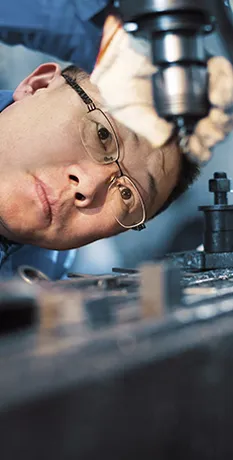
Engineering & Manufacturing
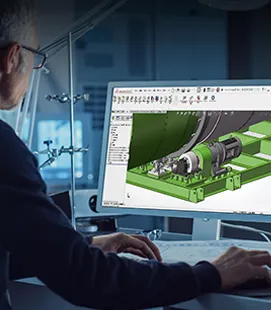
Research & Development
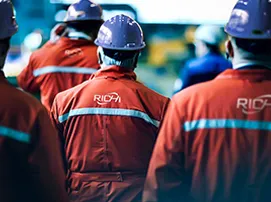
Technical Services
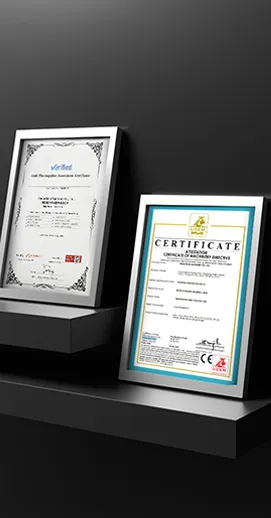
Patents & Certifications
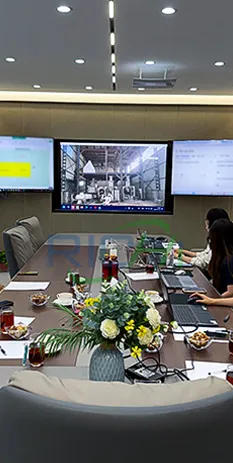
Global Partnerships
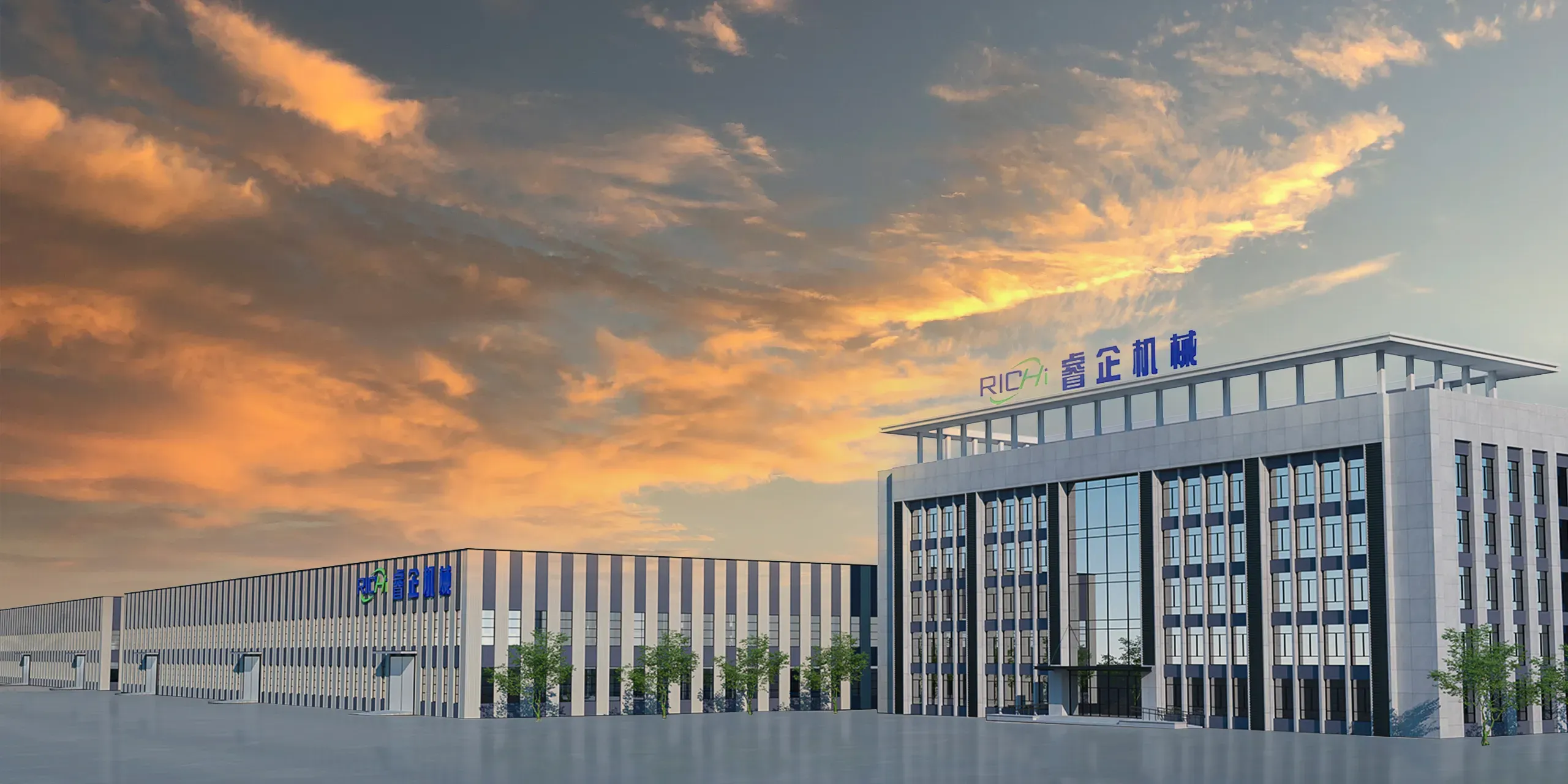
Global Headquarters
○ RICHI MACHINERY
Founded in 1995, RICHI Machinery has evolved from a specialized manufacturer into a global engineering provider for complete pelletizing systems. With two major manufacturing bases spanning over 60,000 m², we control every step from design to delivery, ensuring unmatched quality and depth of production. Our commitment to excellence is reflected in our global impact, serving clients in over 140 countries with more than 2,000 successful projects and 10,000+ equipment units delivered worldwide.
Production Area
Countries Served
Global Projects
Equipment Delivered
○ RICHI MACHINERY
For nearly three decades, RICHI has mastered the complexities of diverse materials across global industries. We provide end-to-end pelletizing systems, delivering the complete technological and engineering support needed to transform raw materials into high-value products. From initial concept to operational plant, we are your single partner for launching and scaling a successful pellet processing business.
○ RICHI MACHINERY