

A fish feed extruder isn't just a machine you plug in and hope for the best. Our product list covers everything from simple single-screw units for small farms to twin-screw fish feed extruder machine systems that handle 10+ tons per hour. Over the last fifteen years, one thing we learned early on is that a floating or sinking pellet line only works when the extruder matches your raw materials, local humidity, and target production volume.
Scroll to discover
We've done projects in Vietnam where the customer needed high-fat floating feed for pangasius, setups in Norway focused on cold-water salmon diets, and lines in Nigeria producing affordable sinking pellets for tilapia. Each time, the fish feed extruder configuration changed—different screw profiles, barrel lengths, and preconditioning stages. You won't find generic "one-size-fits-all" recommendations here. We actually ask about your fish species, your local starch sources, and your existing drying or coating equipment before we even talk about pricing.
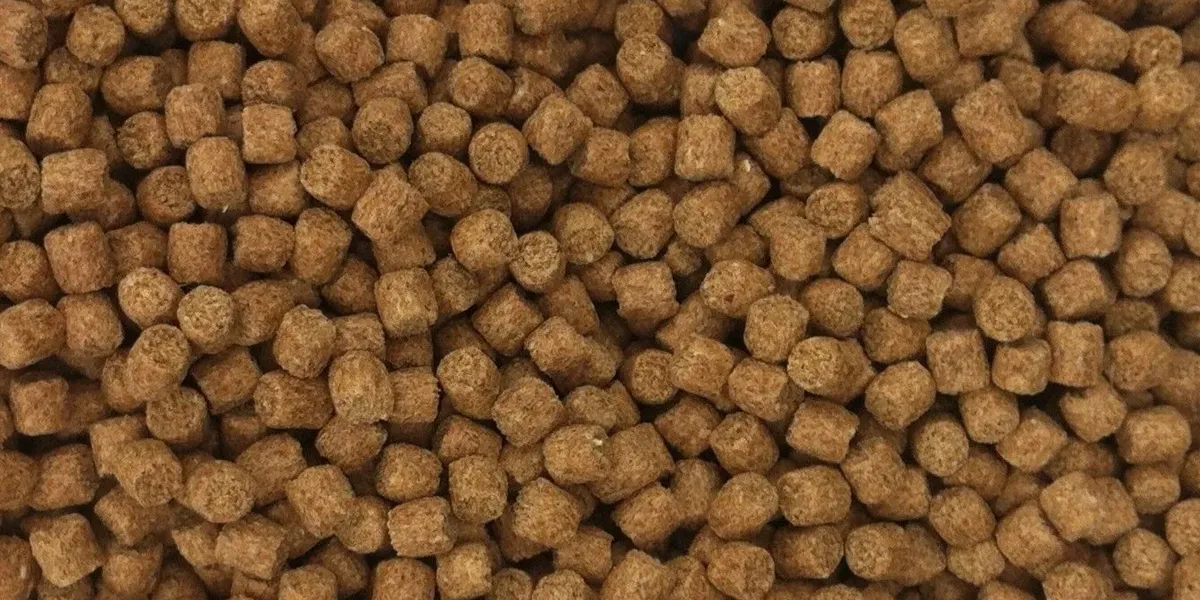
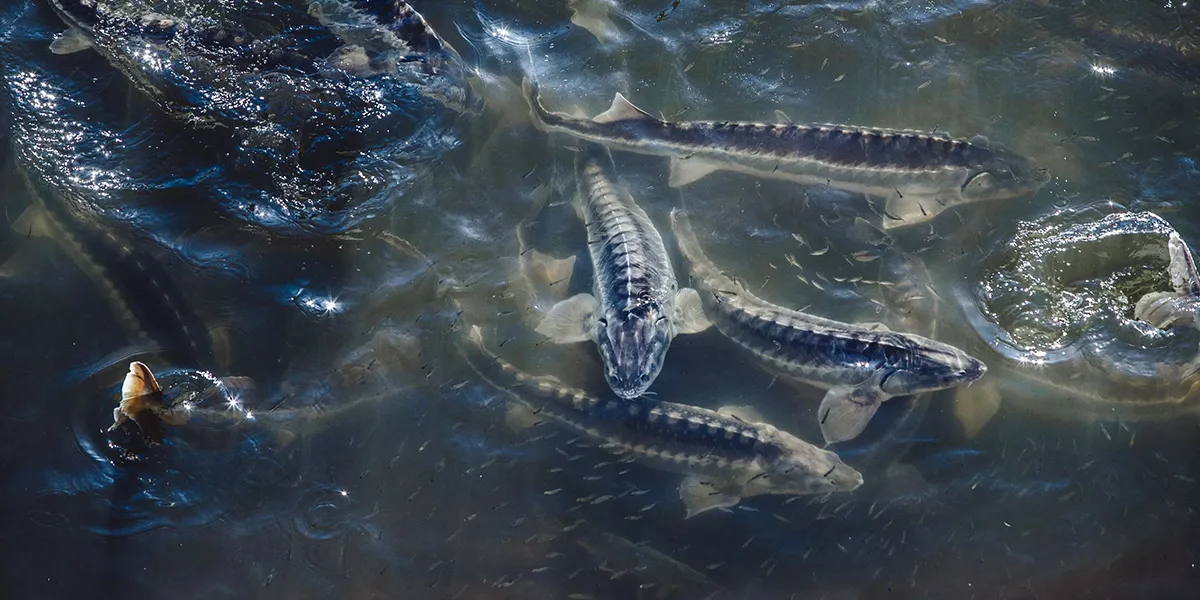
Drag to Explore
○ RICHI MACHINERY
You can’t just buy any machine and hope for the best. Different fish, different farms, and different budgets all point to a specific type of fish feed extruder. Some guys need a simple dry setup for floating carp pellets. Others need a complex wet system for high-density sinking feed. We supply them all. We group our machines into six real-world categories based on what actually matters: screw configuration, moisture control, and pellet density. Below is the breakdown of the main types we offer, so you can see which one actually fits your production floor.
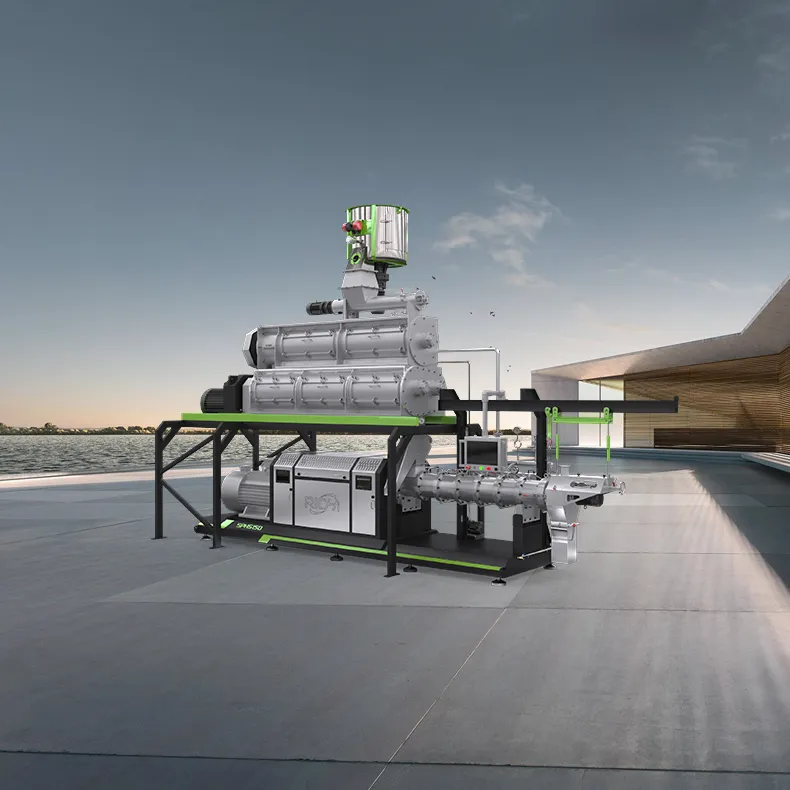
● SPHS Series
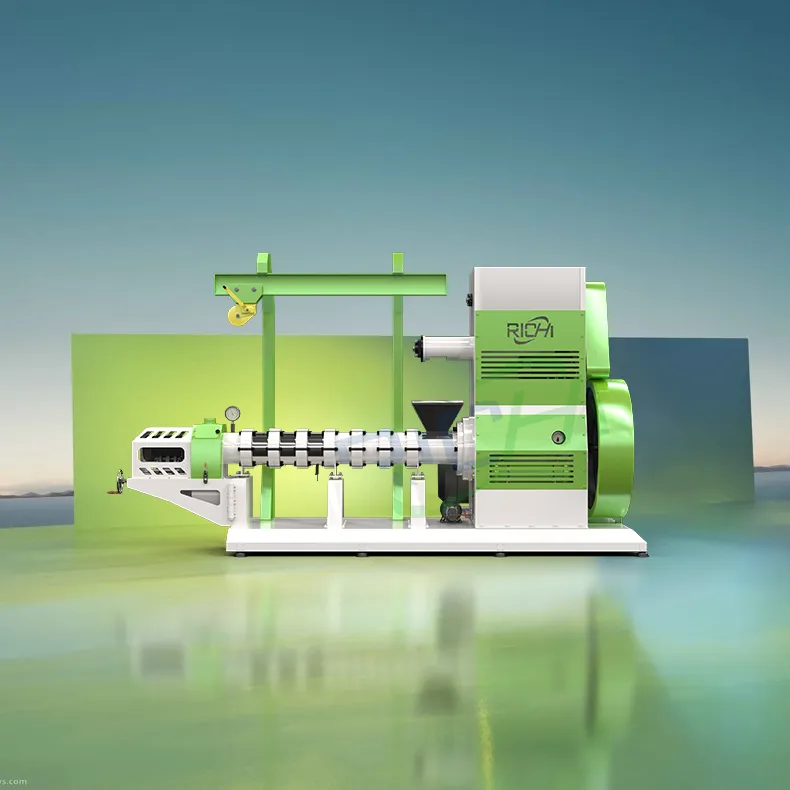
● The Plug-and-Play DGP-Series
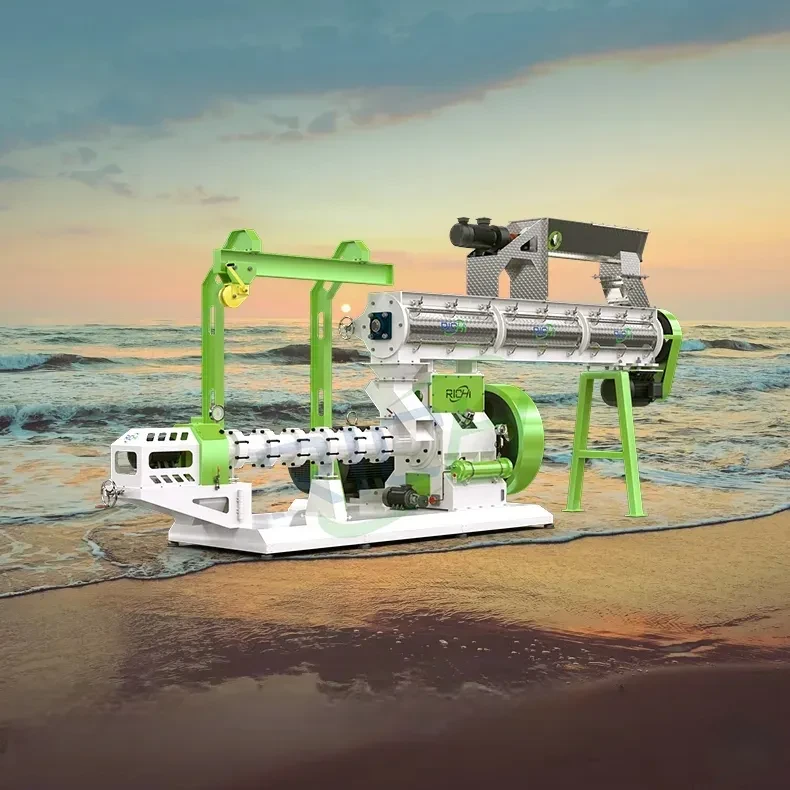
● The Precision DSP-Series
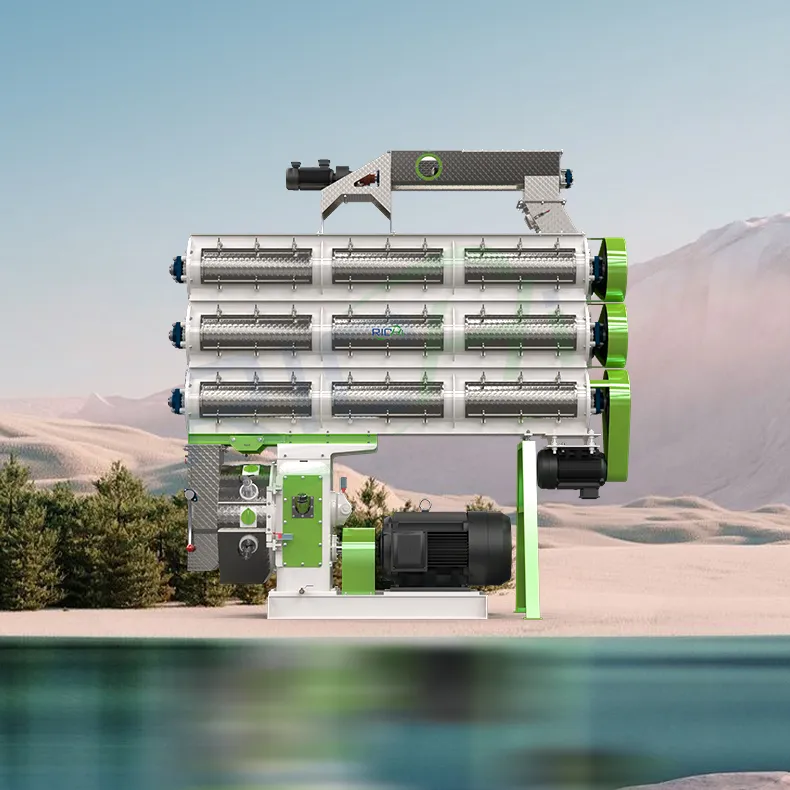
● The Ring Die SZLH-Series
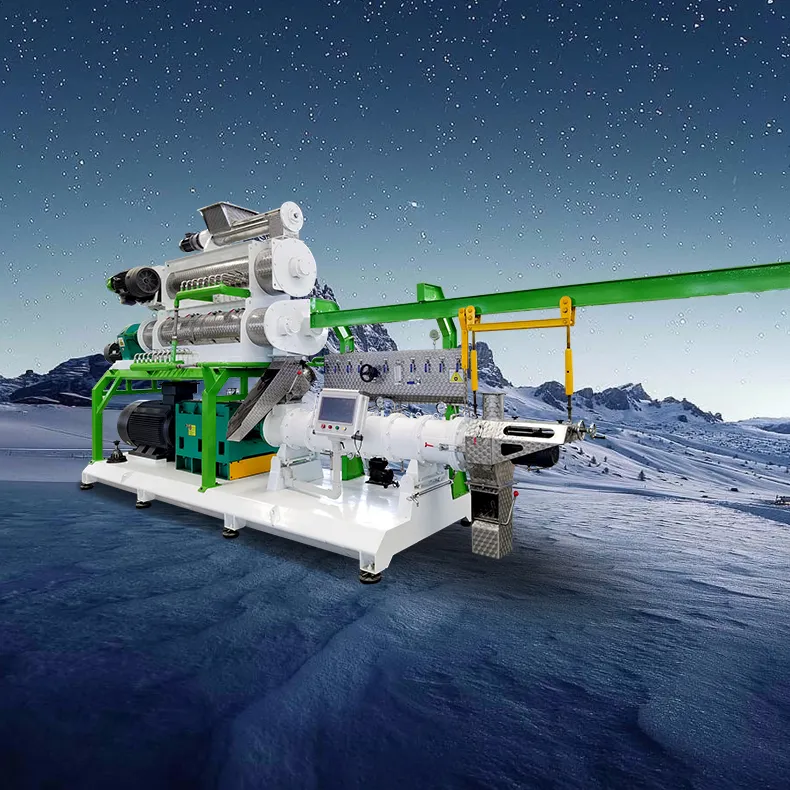
● The Floating King Series
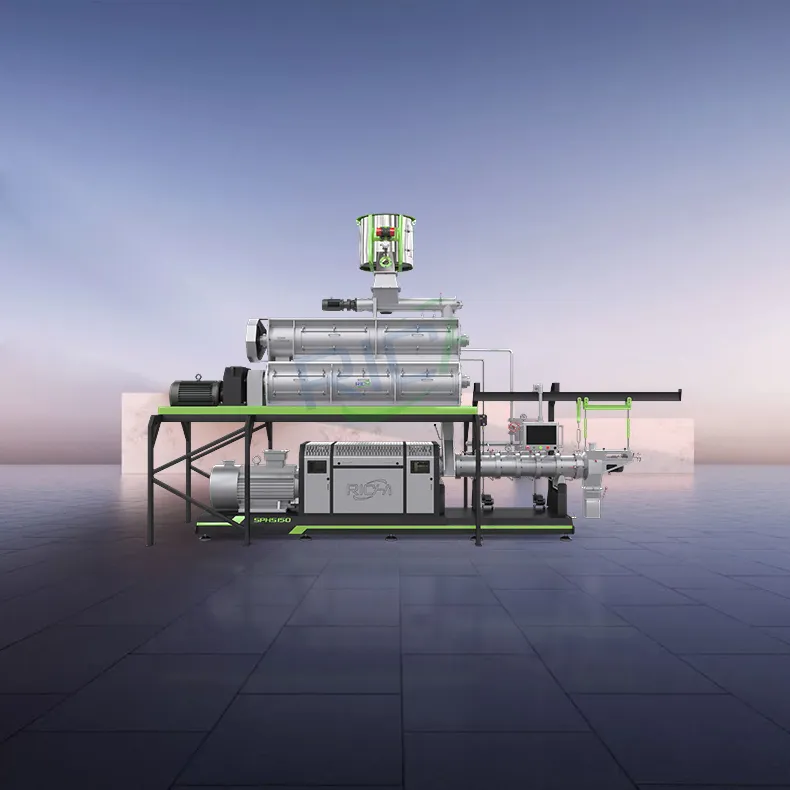
● Agricultural Waste Valorization
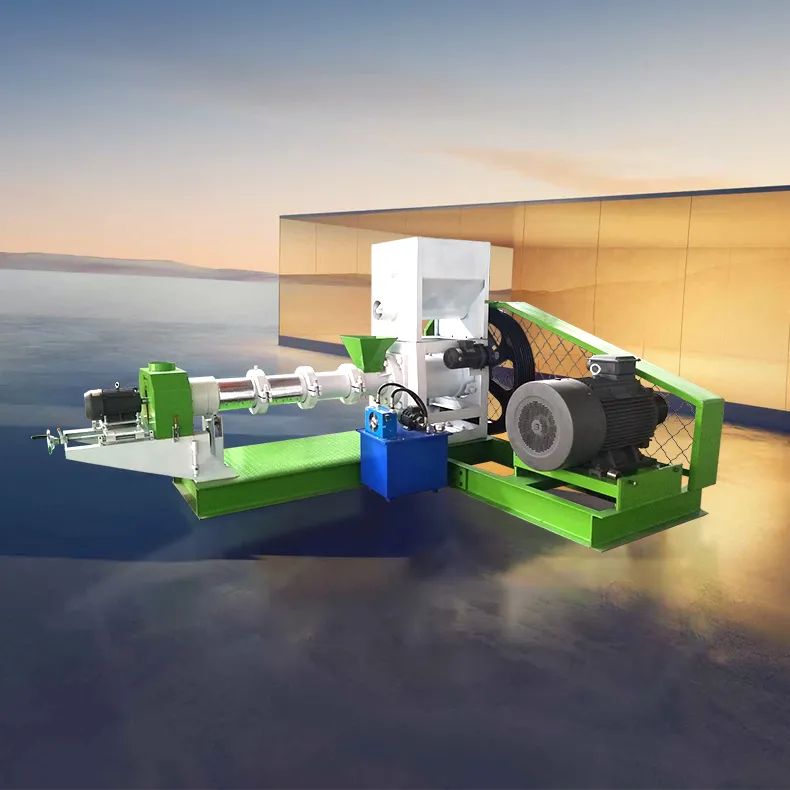
● Classic DGP/DSP Series
○ RICHI MACHINERY
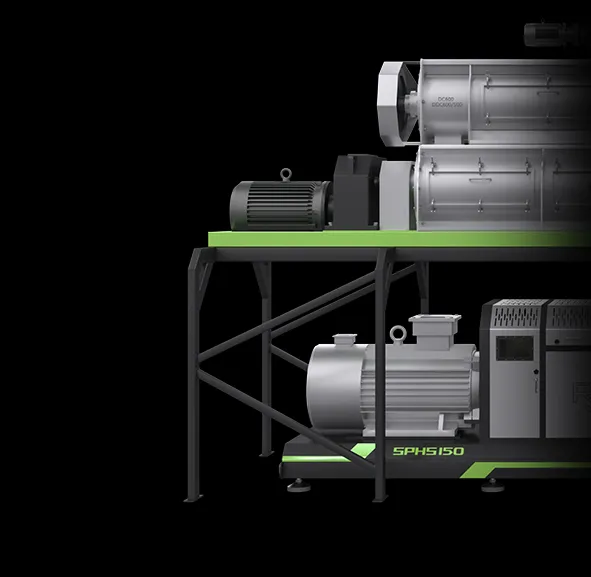
This is where gelatinization happens. Dual-shaft paddles mix steam evenly into your meal – no cold spots, no raw starch slipping through. Feed quality gets locked in right here.
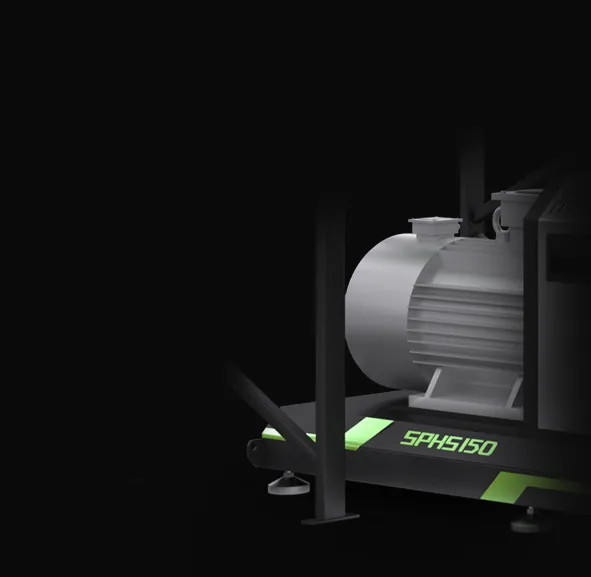
We don't skimp here. The Siemens motor keeps torque steady even when sticky dough tries to slow things down. Less heat, less noise, and it won't quit mid-shift.
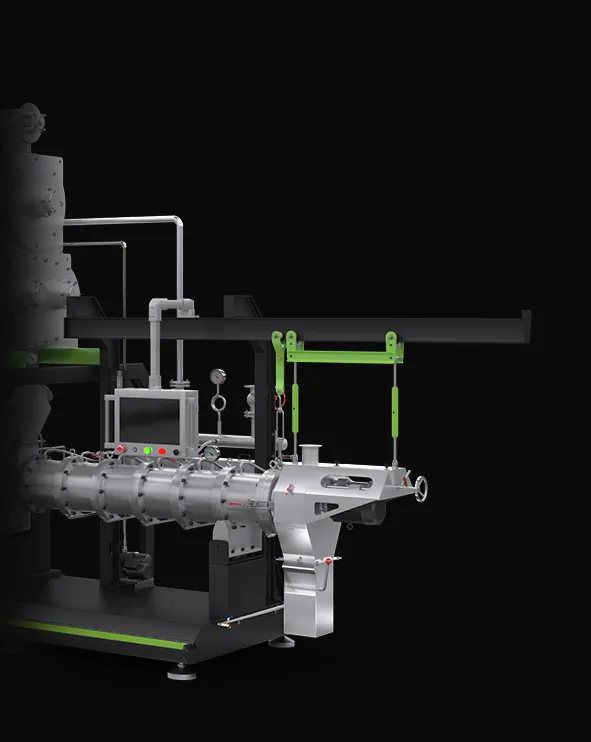
The new fully wear-resistant alloy (38CrMoAi) screw and the inner sleeve of the bimetal expansion cavity can effectively reduce the wear and tear and ensure the long-term stable operation.
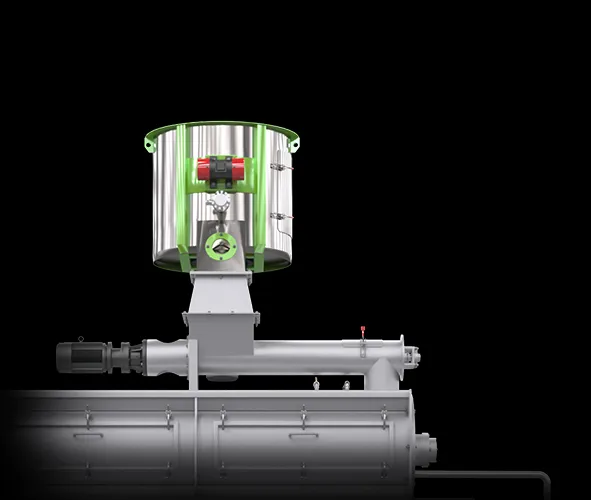
Overfeed and you'll choke the barrel. Underfeed and you'll burn the product. This unit talks to the main drive – ingredient flow stays locked to screw rpm hour after hour.
We've been in enough feed mills to know exactly where extruders start showing weakness after six months of hard running. So we overbuilt those spots. Heavier bearing housings. Thicker barrel walls on the high-wear zones. We also designed the barrel sections to be easier to open...That's not marketing. That's just how we protect our reputation. Your extruder should make you look good to your customers. We build it so it does.
○ RICHI MACHINERY
○ RICHI MACHINERY
Russia Fish Feed Extruder Plant Project
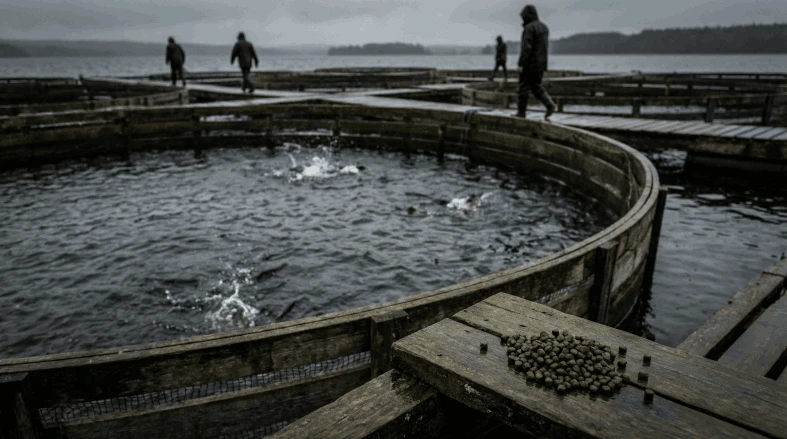
Indonesia Shrimp Fish Feed Plant Project
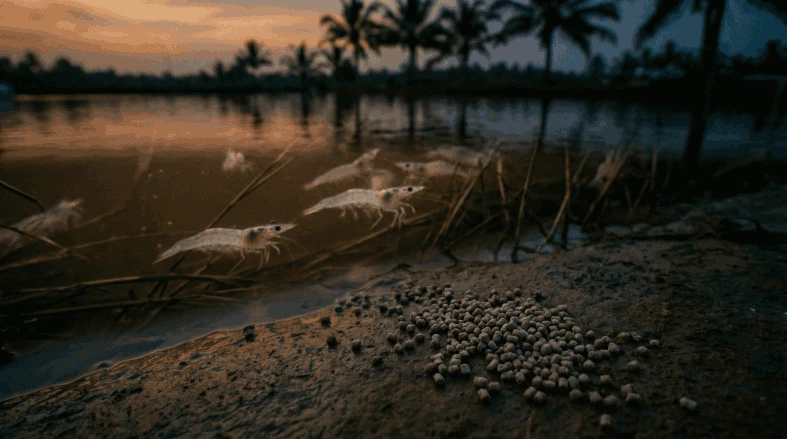
Kazakhstan Fish Feed Extrusion Plant Project
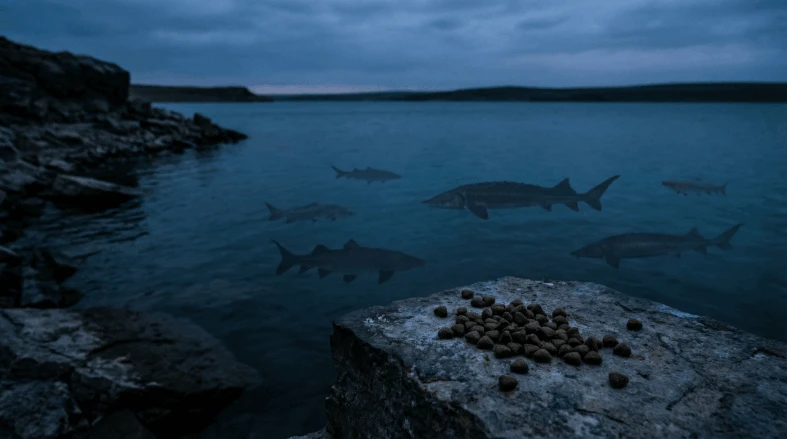
Iran Fish Feed Extruder Plant Project
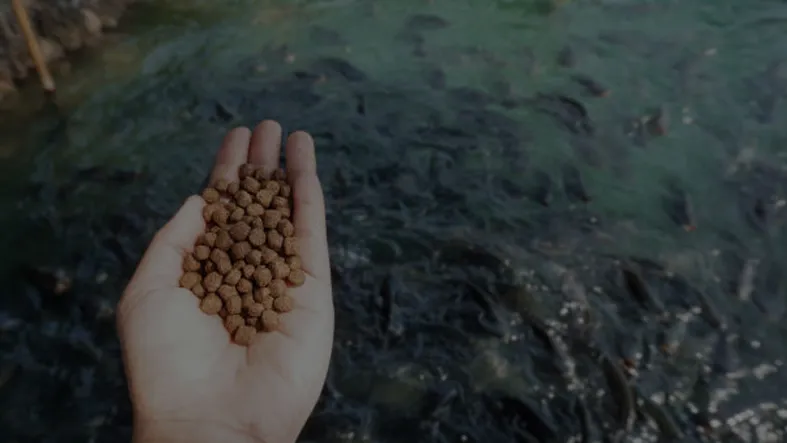
Bangladesh Poultry Fish Feed Extruder Project
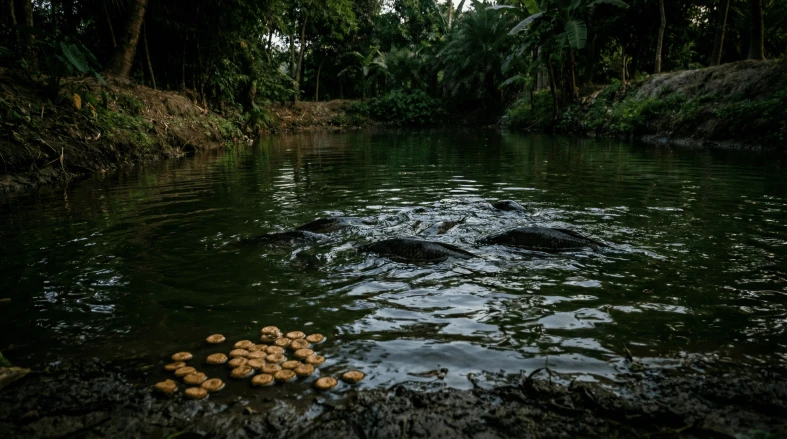
We're not just a factory that sells drawings. We're a professional extruder and production line manufacturer with over a decade of hands-on project experience. The best way to trust a fish feed extruder is to watch it run in someone else's plant first. Above are six real installations across three continents – from shrimp lines in Indonesia to floating feed plants in Russia. Hit play, see the layout, and notice the little details like how the conditioner sits relative to the operator platform.
○ RICHI MACHINERY
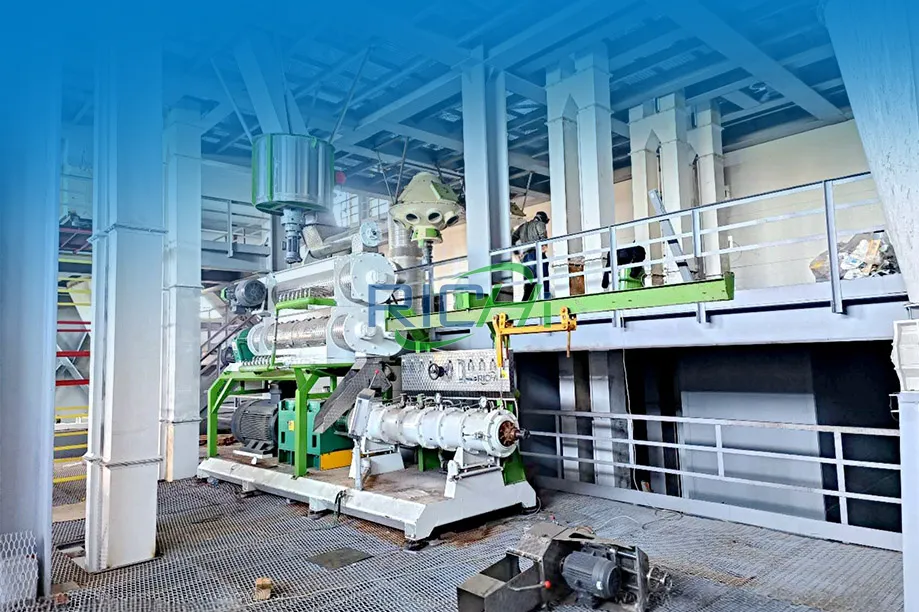
● Russia
The customer already had a small mill but no extrusion experience. They wanted to produce floating 3mm–6mm pellets for rainbow trout using local wheat, fishmeal, and fish oil from Murmansk.
“
We supplied a complete twin-screw fish feed extruder line with a preconditioner, belt dryer, and vacuum coater. The line now runs 20 hours a day during peak season. They've since added a second shift.
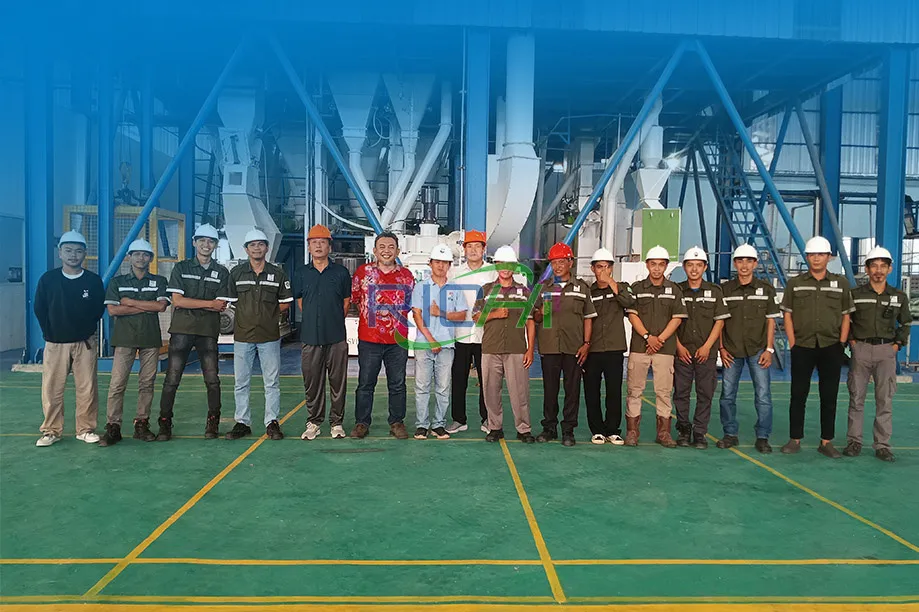
● Brazil
This buyer in Southeast Asia needed both extruded floating feed for tilapia and pelleted sinking feed for shrimp post-larvae. Two different technologies in one plant.
“
We supplied a complete twin-screw fish feed extruder line with a preconditioner, belt dryer, and vacuum coater. The line now runs 20 hours a day during peak season. They've since added a second shift.
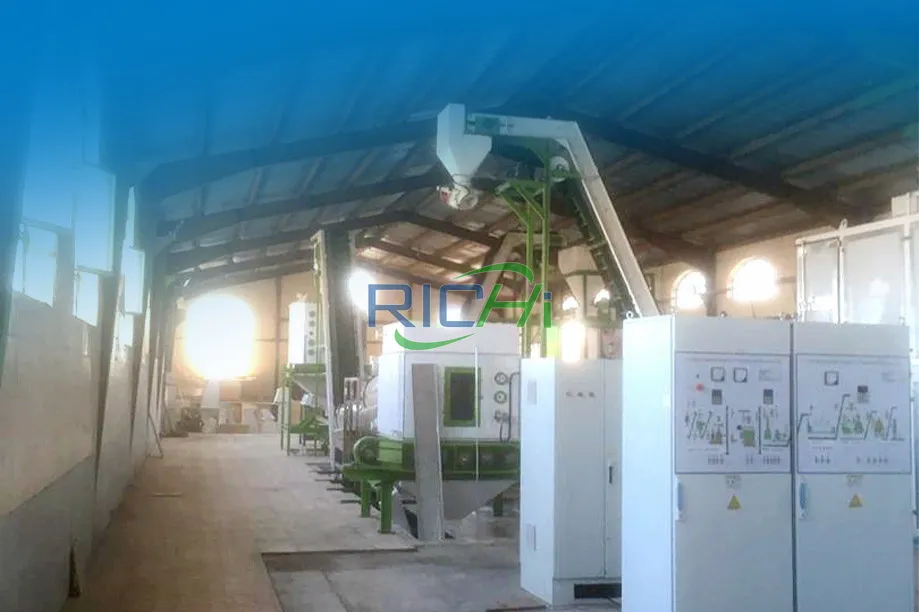
● Iran
The Iranian market was shifting from farm-made mash to commercial floating feed. This customer wanted to be the first local supplier of high-fat extruded feed for sea bream and carp.
“
We shipped a twin-screw fish feed extruder machine with a 1.5 t/h baseline capacity (up to 2 t/h on simple formulas). Added a plate dryer and manual oil coating drum. They started production in Qom and now supply three provinces.
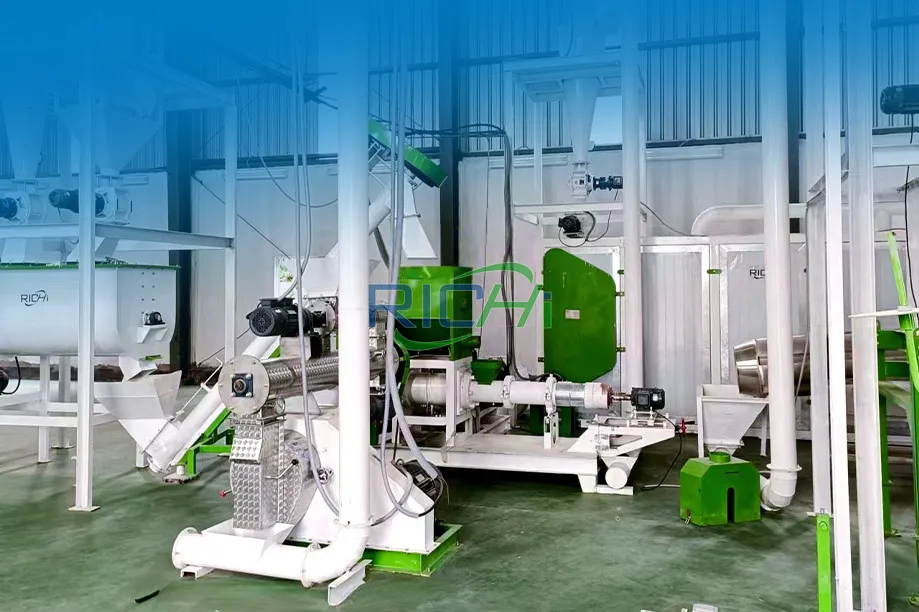
● Bangladesh
A cooperative of 40 small fish farmers pooled their money. They needed low-cost floating feed for pangasius and tilapia, plus pelleted feed for their village's broiler chickens.
“
We delivered a single-screw dry-type fish feed extruder (0.5 t/h for floating fish feed) plus an SZLH250 pellet mill (1 t/h for chicken feed). One diesel boiler serves both lines. They recouped their equipment cost in seven months.
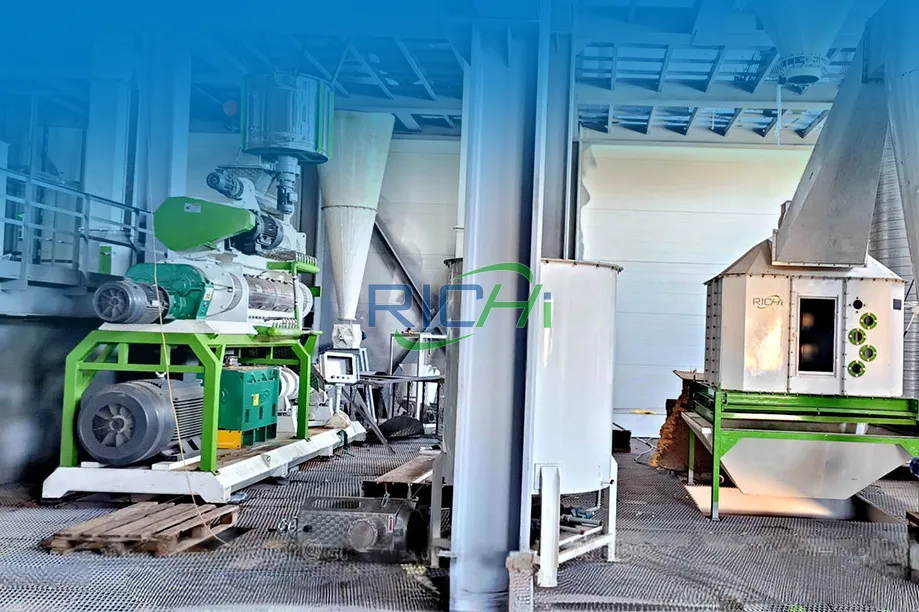
● Kyrgyzstan
This customer didn't want two separate lines. They needed one fish feed extruder machine that could produce trout feed in the morning and dog food in the afternoon.
“
We supplied a twin-screw extruder with quick-change die plates and a variable-speed preconditioner. Raw materials include barley, meat meal, and local legume flour. The line now runs 16 hours daily, switching between aqua and pet recipes without major cleanup.
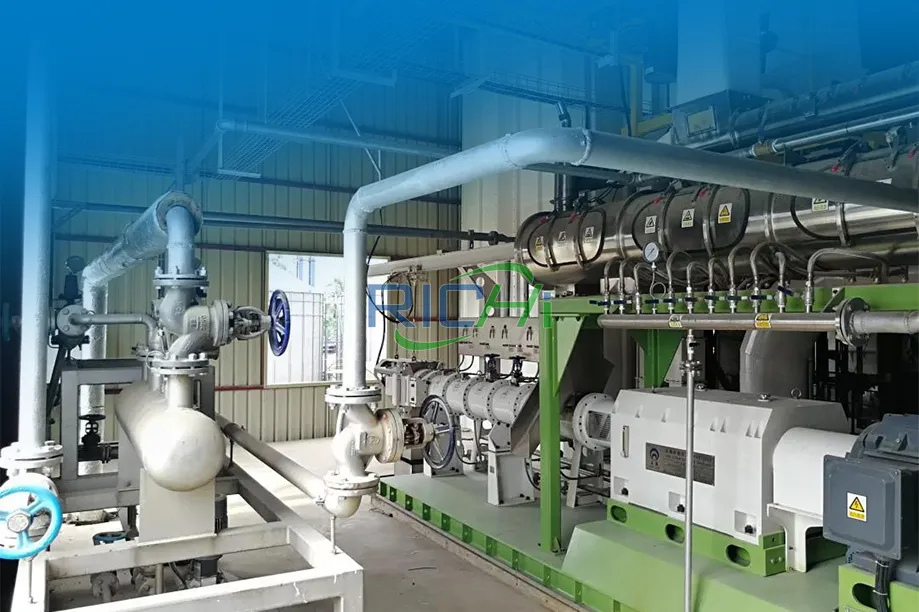
● India
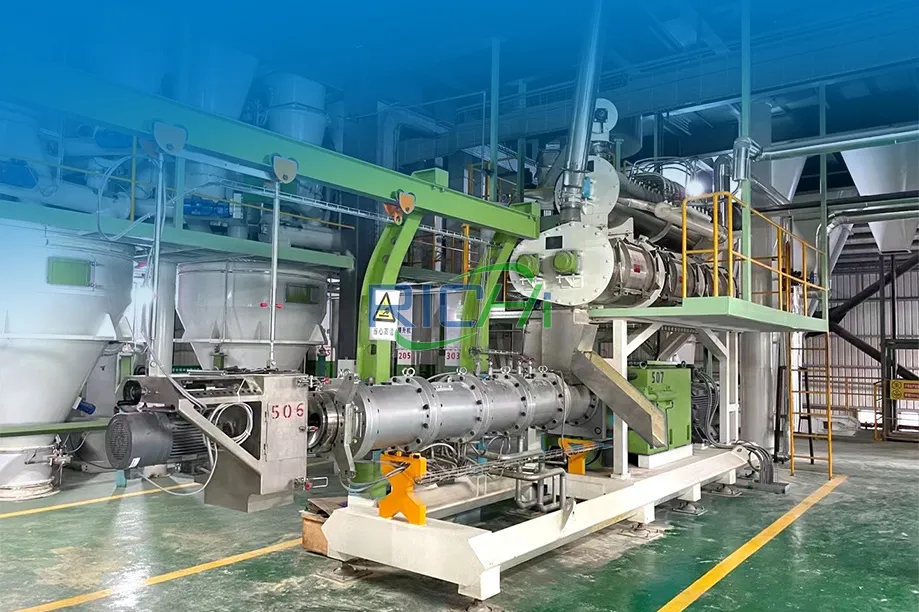
A large Indian feed mill already had drying and coating equipment. They just needed a high-capacity extrusion module to replace their old single-screw machine that kept surging.
“
One twin-screw fish feed extruder machine. 6 t/h on shrimp feed (2mm sinking). 7.5 t/h on carp feed (4mm floating). No preconditioner bypass needed because our screw design handles variable moisture. Installation took nine days.
● Malaysia
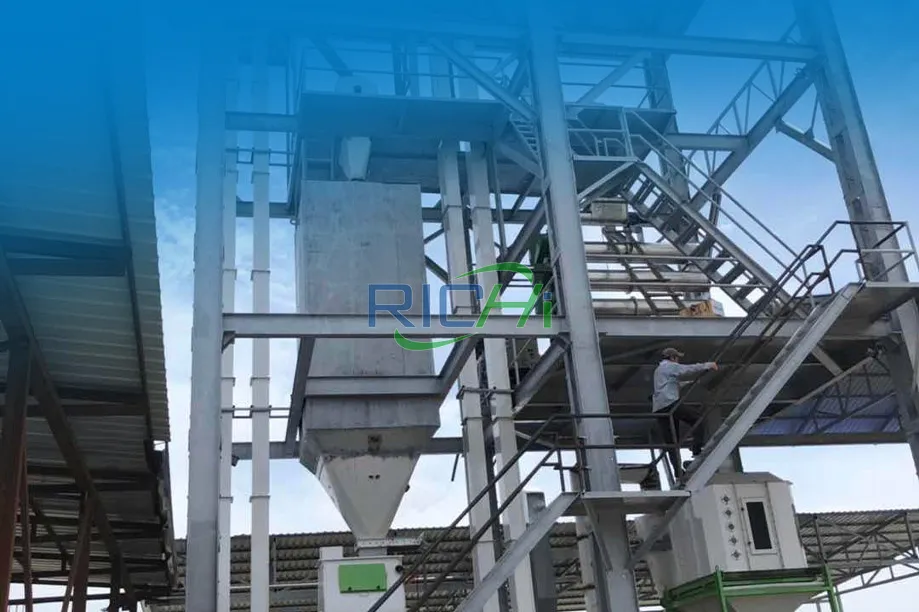
Most farms in Uzbekistan feed carp and sturgeon. Sinking pellets are the standard. The customer specifically wanted a pellet mill, not an extruder, because their local ingredients (cottonseed meal, wheat bran) don't gelatinize well.
“
We built a line around the SZLH420 pellet mill with a three-layer conditioner for better cooking. They press 4mm and 6mm sinking pellets. Not extruded, but perfectly stable in cold water. Different technology, same result.
● Uzbekistan
Most farms in Uzbekistan feed carp and sturgeon. Sinking pellets are the standard. The customer specifically wanted a pellet mill, not an extruder, because their local ingredients (cottonseed meal, wheat bran) don't gelatinize well.
“
We built a line around the SZLH420 pellet mill with a three-layer conditioner for better cooking. They press 4mm and 6mm sinking pellets. Not extruded, but perfectly stable in cold water. Different technology, same result.
● Qatar
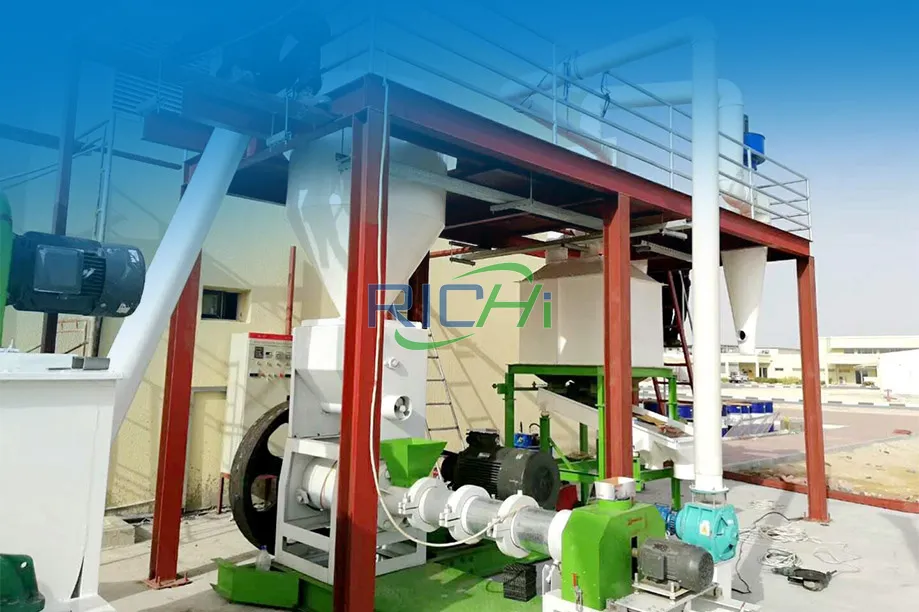
Yes, pigeons and camels. This Middle Eastern customer wanted a simple dry-type fish feed extruder machine to produce small 2mm pellets for racing pigeons and larger 10mm pellets for dairy camels.
“
We supplied a single-screw dry extruder with two die plates. They run barley, pea flour, and date pulp through it. No steam, no preconditioner. Just grind, mix, extrude, and dry in the sun. They now sell pigeon feed to local breeders.
● Ecuador
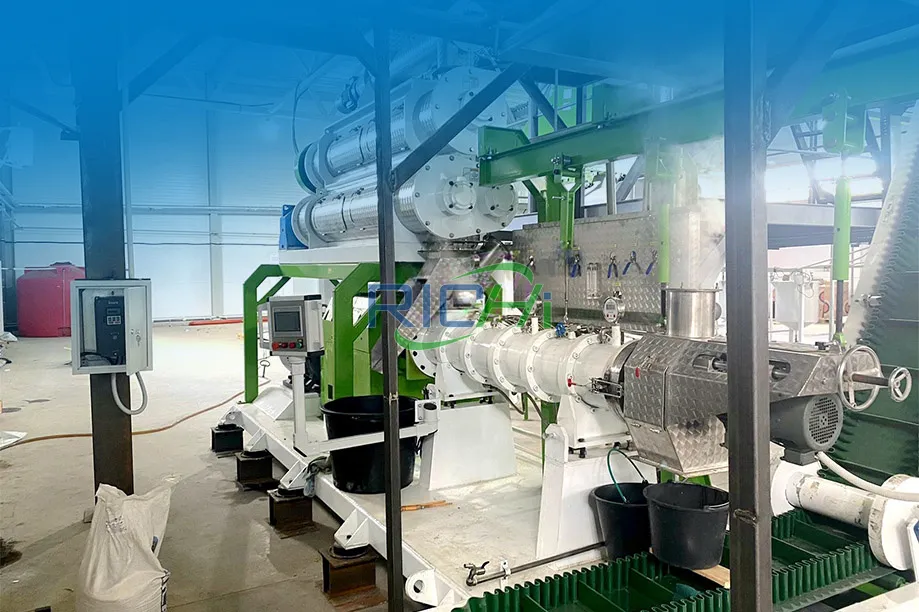
A shrimp farm wanted to diversify into tilapia feed. They already had a shrimp hatchery but no extrusion line for floating pellets.
“
We supplied a twin-screw fish feed extruder machine with a 2 t/h capacity on 3mm floating feed. Added a rotor dryer and an oil sprayer. They now produce their own tilapia feed and sell excess to neighboring farms. The extruder runs 14 hours a day.
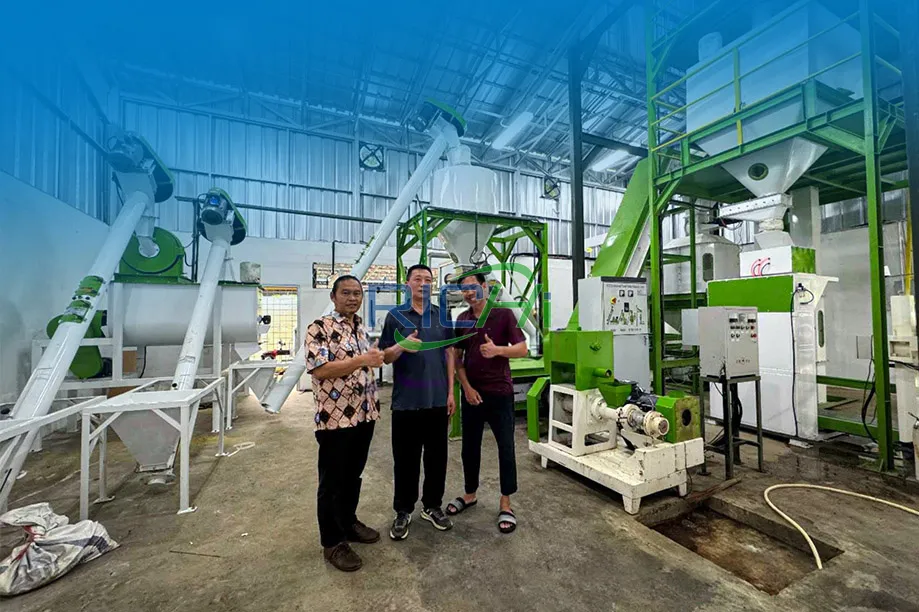
● Indonesia
Similar to the Bangladesh project but for a family-owned feed store in West Java. They needed a small fish feed extruder for floating catfish feed and a pellet mill for layer chicken feed.
“
We shipped a single-screw dry extrud
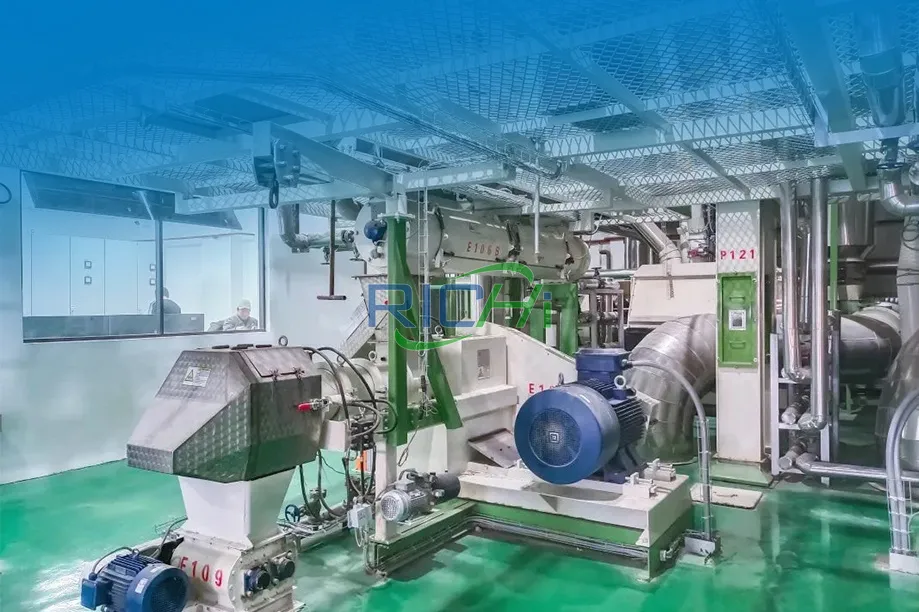
● South Africa
A startup feed mill in Gauteng wanted to serve both the ornamental fish market and the local pet food niche. Small volumes, but two completely different product types.
“
We supplied a 1 t/h twin-screw fish feed extruder machine with a compact dryer and a manual coating drum. They produce 1.5mm floating pellets for koi and 8mm extruded bites for dogs. The line fits in a 12m x 8m room. Perfect for entry-level commercial production.
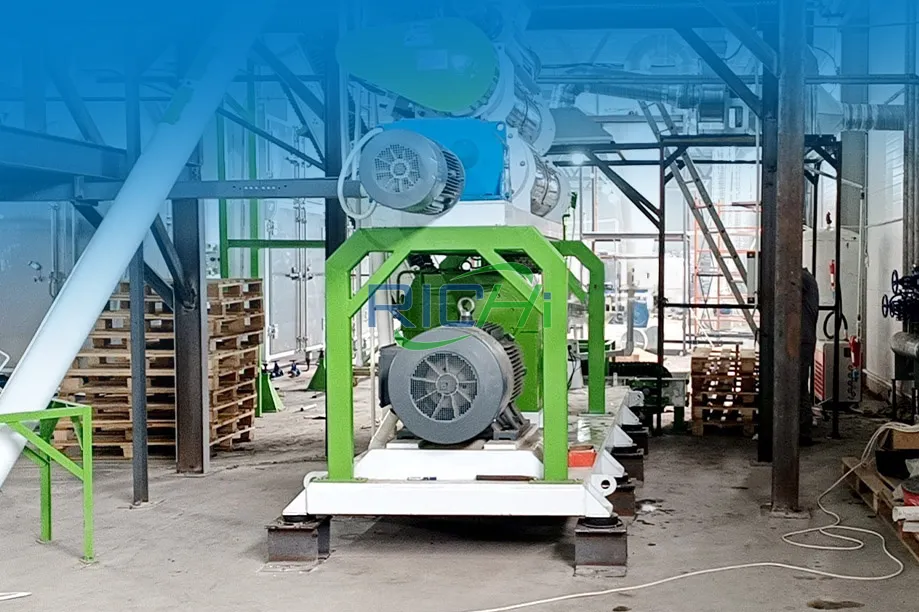
● South Africa
A startup feed mill in Gauteng wanted to serve both the ornamental fish market and the local pet food niche. Small volumes, but two completely different product types.
“
We supplied a 1 t/h twin-screw fish feed extruder machine with a compact dryer and a manual coating drum. They produce 1.5mm floating pellets for koi and 8mm extruded bites for dogs. The line fits in a 12m x 8m room. Perfect for entry-level commercial production.
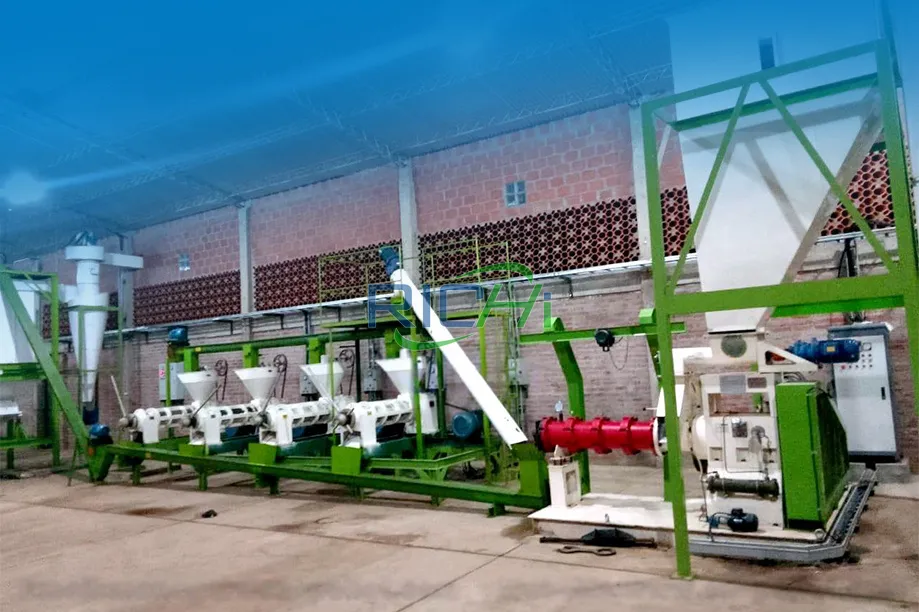
● Bolivia
A cooperative in the Amazon region wanted to process their own corn and sorghum into floating feed for native pacu fish. No boiler, no trained technician – just a simple machine.
“
We sent a single-screw dry-type fish feed extruder. They run whole grain through it (pre-ground) and produce 0.5 t/h of floating 4mm pellets. They also use the same machine to expand corn for human breakfast cereal. Two products, one extruder. Very resourceful.
We don't just sell machines. We design and install complete fish feed extruder lines for farms and feed mills across five continents. Below are real projects from the last three years – each with different species, different raw materials, and different capacity needs. Some customers bought a single fish feed extruder machine. Most bought a full extrusion line including dryer, coater, and grinder. Read through these. You'll probably see your own situation somewhere here.
○ RICHI MACHINERY
A fish feed extruder alone won't run your plant. You need the whole line sized correctly for your ingredients, your building, and your budget. We design complete extrusion systems for different raw materials (corn, wheat, tapioca, fishmeal, soybean meal, rice bran, blood meal) and different applications (floating fish feed, sinking shrimp feed, pet food, even grain expansion).

The standard process flow includes raw material receiving, grinding, batching, extrusion, drying, coating, cooling, screening, and bagging. But we constantly add or remove sections depending on the client's situation.
We handle the whole lifecycle – layout design, equipment fabrication, shipping, civil work guidance, installation, commissioning, team training, and wear parts supply for years to come. Every line we build is different, and that's exactly how we approach each project.
○ RICHI MACHINERY
We've lost count of how many species our customers are producing and feeding. The same fish feed extruder machine can produce sinking micro-pellets for abalone larvae one hour and 15mm floating rings for tuna the next. Below are the most common ones we've worked with. Each species has its own pellet size, density requirement, and fat level. Read through – you'll probably find your market here.
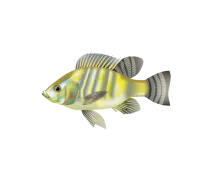
Floating 2mm–5mm pellets, 28–32% protein. Starch needs to be well gelatinized or pellets sink.
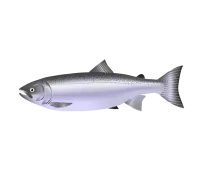
Floating or slow-sinking 3mm–6mm, high fat (18–22%). Needs good oil absorption after extrusion.
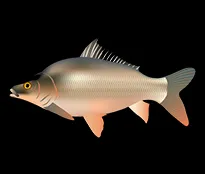
Floating or sinking 3mm–8mm, lower protein (25–28%). Very forgiving on ingredient quality.
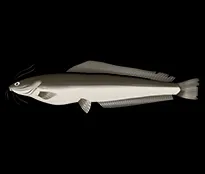
Floating 3mm–5mm, 28–32% protein. Requires durable pellet that holds up in warm water.
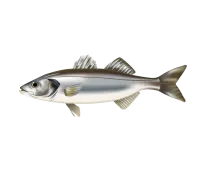
Sinking 3mm–6mm, high fat (15–18%). Needs precise expansion control.
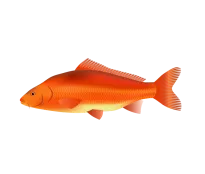
Floating 2mm–6mm, often with color enhancers. Pellets must stay intact for hours.
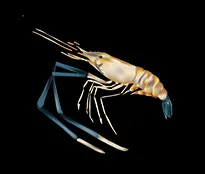
Sinking 0.5mm–2mm crumbles or micro-pellets. Very fine grinding needed.
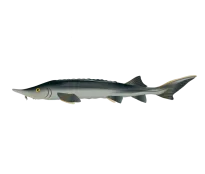
Sinking 4mm–10mm, high protein (40%+). Pellet must be dense, no floating allowed.
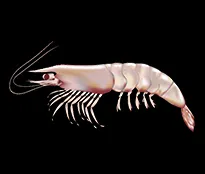
Sinking 0.8mm–2.2mm, 35–38% protein. Requires excellent water stability (90+ minutes).
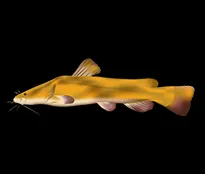
Sinking 2mm–4mm, 30–32% protein. Popular in Asia, needs consistent diameter.

Sinking 2mm–6mm, often with squid meal. Pellets must not disintegrate in saltwater.
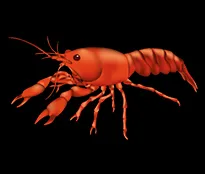
Sinking 2mm–5mm, lower protein (25–28%). Often produced as slow-sink or bottom pellets.
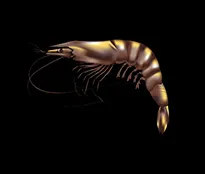
Sinking 1.5mm–3mm, high fat (8–10% added oil). Needs vacuum coating.
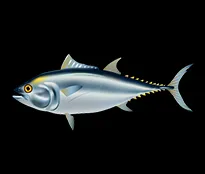
Floating or semi-floating 10mm–15mm, very high fat (20–25%). Large die openings required.
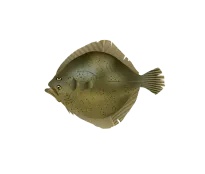
Sinking 3mm–8mm, high protein (45–50%). Bottom feeder, pellets must stay put.
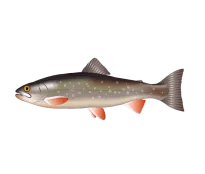
Floating or sinking 3mm–6mm, similar to trout but often higher fat.
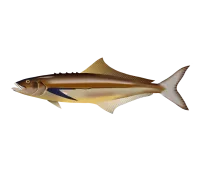
Floating 5mm–10mm, high fat (15–18%). Fast-growing species, needs high energy feed.

Sinking 4mm–8mm, high protein (40–45%). Pellets must be very water-stable.
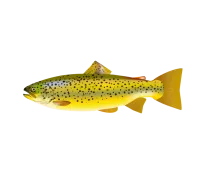
Floating 2mm–5mm, medium fat (12–15%). Good starter species for new farms.
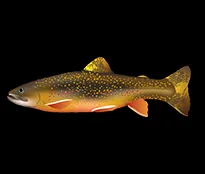
Floating 2mm–4mm, similar to rainbow but smaller pellet size preferred.

Floating 3mm–6mm, 38–42% protein, 18–22% fat. Industry standard species.
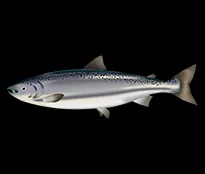
Floating or sinking 4mm–9mm, very high fat (25–30%). Needs large extruder capacity.
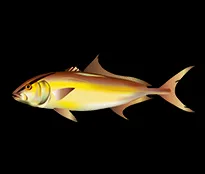
Floating 6mm–12mm, high energy feed. Popular in Japanese aquaculture.
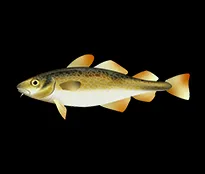
Sinking 4mm–8mm, high protein (50%+). Pellet must mimic natural prey density.
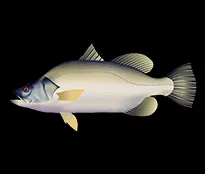
Floating 3mm–8mm, 40–45% protein. Fast grower, needs consistent pellet quality.
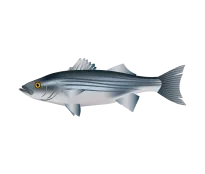
Floating 2mm–5mm, 40–45% protein. Hybrid striped bass is a growing market.
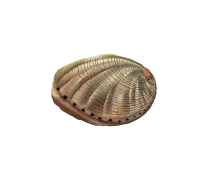
Sinking sheets or 2mm–4mm pellets, very low oil. Often uses seaweed-based ingredients.

Sinking 2mm–5mm, high protein. Flatfish, needs pellets that don't scatter.
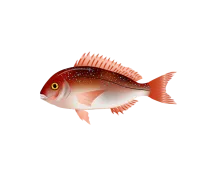
Sinking or floating 3mm–6mm, 45–50% protein. High-value species in Japan and Korea.
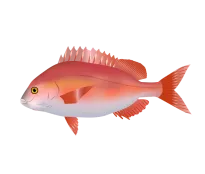
Sinking 2mm–4mm, similar to sea bream. Mediterranean species.
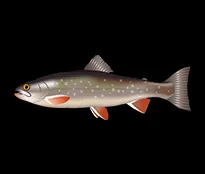
Floating or sinking 3mm–5mm. Cold water species, needs high energy formula.

Floating or sinking 0.1mm–0.3mm powder. Laboratory and ornamental use.

Floating 2mm–6mm, 30–35% protein. Often processed on same line as fish feed.
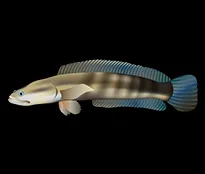
Floating or sinking 2mm–5mm, 35–40% protein. Air-breathing fish, prefers floating.
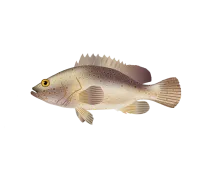
Sinking or slow-sinking 4mm–8mm, 45–50% protein. High value, needs very stable pellets.
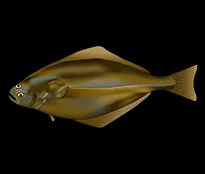
Sinking 4mm–12mm, 48–52% protein, moderate fat. Very large flatfish.
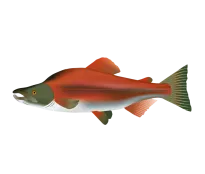
Floating or sinking 6mm–12mm, extremely high fat (28–32%). Premium market.
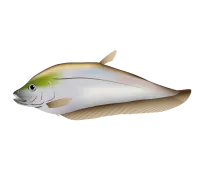
Floating 2mm–4mm, 35–40% protein. Ornamental species.
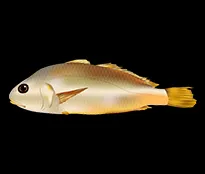
Sinking 2mm–6mm, 40–45% protein. Popular in Chinese marine farming.
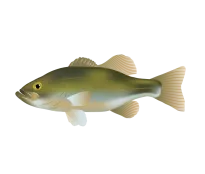
Floating 2mm–5mm, 40–45% protein. Sport fish, growing aquaculture market.
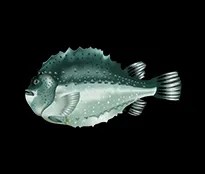
Sinking 2mm–4mm, high protein. Used as cleaner fish in salmon farms.
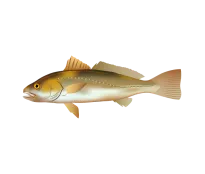
Floating 3mm–8mm, 42–48% protein. Mediterranean species, similar to sea bass.
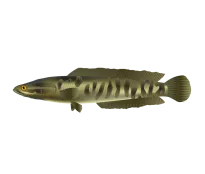
Floating or sinking 2mm–6mm, 38–42% protein. Invasive in some regions but farmed in Asia.
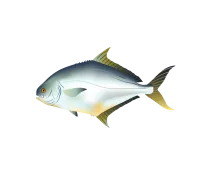
Floating 2mm–4mm, 35–40% protein. Fast growing, popular in recirculating systems.
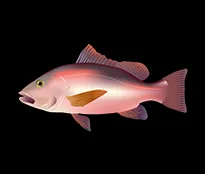
Sinking 3mm–6mm, 40–45% protein. High value marine species.
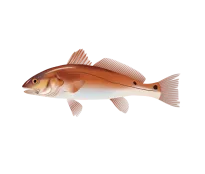
Floating 3mm–8mm, 35–40% protein. Popular in US and Chinese aquaculture.
○ RICHI MACHINERY
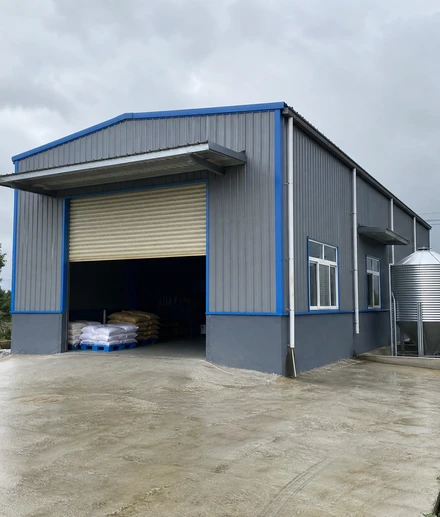
200-400kg/h – $20,000 to $80,000
Perfect for small fish farms, cooperatives of 10-20 farmers, hatcheries wanting their own feed, or startups testing the market. Also works for on-farm grain expansion. Examples: a tilapia farm in Uganda, a carp cooperative in Nepal, a catfish hatchery in Nigeria. Basic line includes hammer mill, ribbon mixer, dry-type extruder, plate dryer, manual coater, and bagging scale.
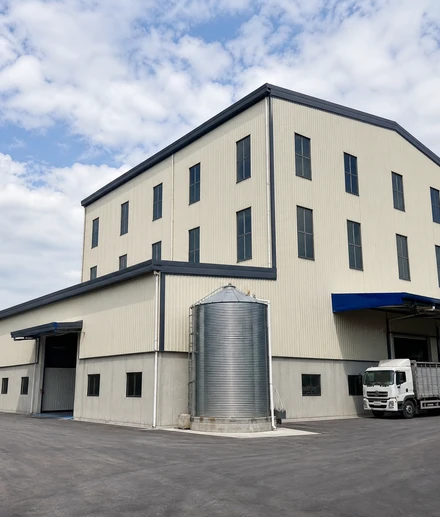
500-600kg/h – $40,000 to $100,000
Perfect for small commercial feed mills, larger cooperatives (50+ farmers), or farms expanding from mash to extruded feed. Common buyers include shrimp hatcheries in Vietnam, trout farms in Turkey, and small pet food startups. Adds a better dryer and optional steam preconditioner. Some customers add a second extruder later for different pellet sizes.
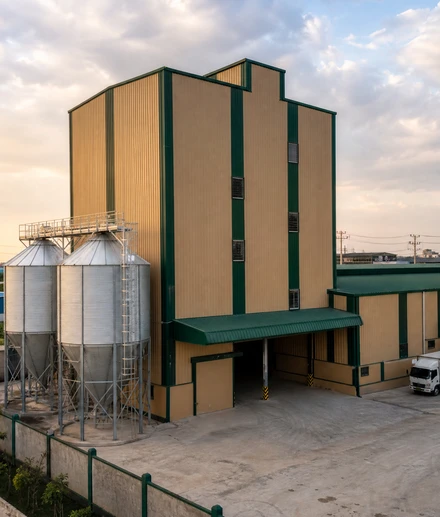
800-1000 KG/H – $50,000 to $170,000
Perfect for regional feed mills, established fish farms with multiple ponds, or farmers who previously bought feed and now want to produce their own. Real customers: a catfish feed mill in Mississippi, a tilapia operation in China, a trout farm in Chile. This line typically includes wet extrusion (steam preconditioner), belt dryer, vacuum coater for high-fat feeds, and PLC control panel.
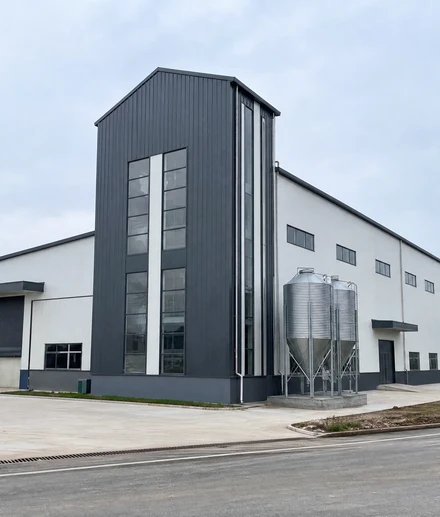
0.5-1.0 T/H – $80,000 to $200,000
Perfect for feed mills entering high-value species (shrimp, salmon, marine fish). Also suitable for pet food startups. Examples: a shrimp feed plant in Ecuador (whiteleg shrimp), a salmon smolt feed line in Scotland, a dog food startup in Australia. Includes twin-screw extruder, belt dryer, oil sprayer, and vibrating screener. Twin screws handle high-fat recipes that single screws cannot.
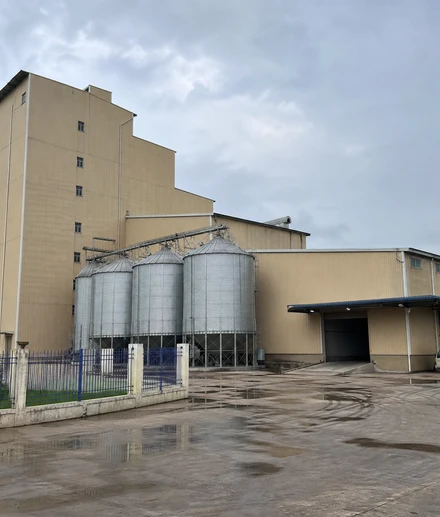
1.5-2.0 T/H – $220,000 to $560,000
Perfect for industrial feed mills, established aquaculture operations with 500+ tons annual output, or farmers supplying multiple neighboring farms. Real installations: a trout feed line in Iran (2 t/h), a shrimp feed plant in Indonesia (1.8 t/h), a pet food line in Poland (2 t/h). Adds preconditioner with variable speed, multi-stage dryer, and automated fat coating. Most customers at this level also add raw material silos and dust collection.
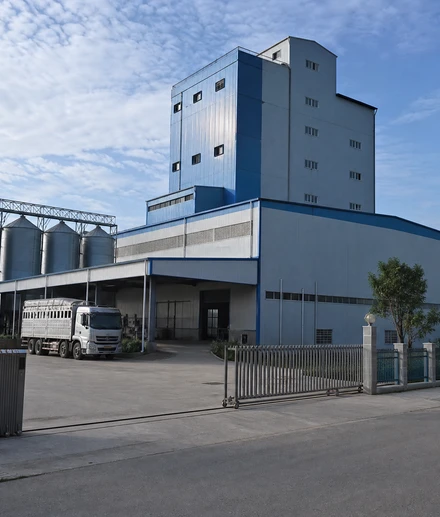
3.0-4.0 T/H – $300,000 to $650,000
Perfect for large commercial feed mills, exporters, or farms integrating backward to control feed costs. Typical buyers: a salmon feed mill in Norway (4 t/h), a tilapia feed exporter in Brazil (3.5 t/h), a shrimp feed manufacturer in Thailand (4 t/h). Includes all above plus centralized PLC with remote monitoring, larger dryer (multi-belt), and option for second oil coater. Many add a second extruder on the same line for production flexibility.
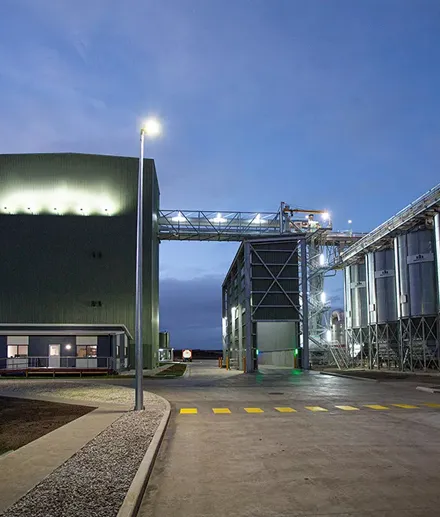
5.0-6.0 T/H – $400,000 to $840,000
Perfect for industrial-scale feed producers, multinational feed companies, or large aquaculture groups. Examples: a pangasius feed mill in Vietnam (6 t/h), a salmon feed plant in Chile (5.5 t/h), a tilapia feed factory in Egypt (6 t/h). This line runs 20+ hours daily. Features heavy-duty construction, oversized dryer, automatic bagging and palletizing, and full recipe storage for 50+ formulas. Twin-screw configuration handles both sinking and floating with die changes under 30 minutes.
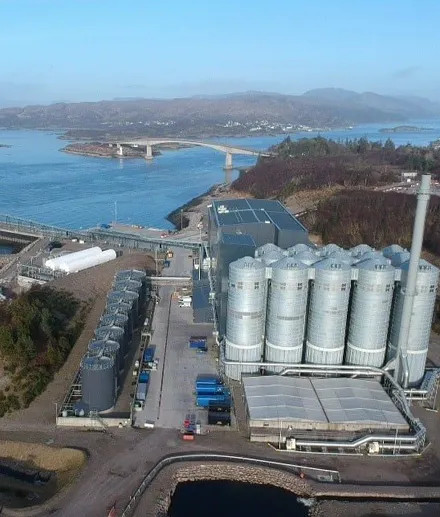
8-10 T/H – $500,000 to $1,200,000
Perfect for major feed manufacturers, export-focused producers, or operations supplying entire regions. Real projects: a shrimp feed mega-plant in India (10 t/h), a salmon feed line in Norway (9 t/h), a carp feed factory in China (8 t/h). Includes everything in the 5-6 t/h line plus dual extruders (redundancy), centralized lubrication, advanced process control (SCADA), and option for rail car loading. These lines usually run 24/7 with three shifts.
A fish feed extruder is only one piece. You need the whole line – grinder, mixer, dryer, coater, screener, bags. Below are complete production solutions we've priced and built for customers worldwide. The investment ranges come from thousands of actual quotes we've delivered, not guesswork. Each line is turnkey: equipment only (no civil works, no shipping). Your actual price depends on automation level, local voltage, material of construction, and add-ons like fat spray systems or extra silos. But these ranges will get you in the right ballpark – probably within 15% of your final number.
○ RICHI MACHINERY
05/01
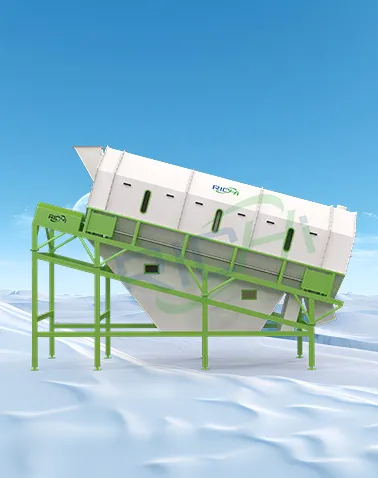
Gets rid of stones, magnetic metals, and dust before they wreck your hammer mill or damage extruder screws. Most common setup: a vibrating screen plus a magnetic separator.
05/01
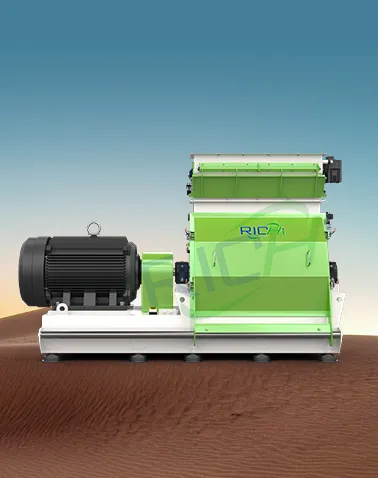
Reduces grains and meals to the right particle size. Shrimp feed needs powder under 0.5mm. Tilapia feed can handle 1.0mm. We offer coarse grinders and fine-grinding classifiers.
05/01
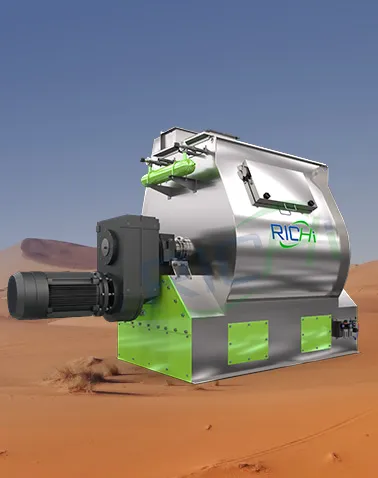
Weighs and blends your formula – fishmeal, soybean meal, wheat flour, oil, minerals. Manual or automatic batching. Ribbon mixers for general feed, paddle mixers for high-moisture or sticky formulas.
05/01
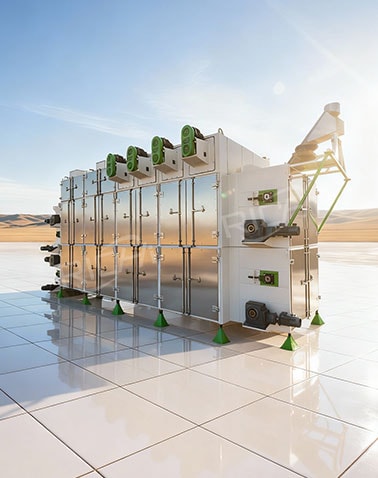
Fresh pellets right out of the extruder have 22–28% moisture. You need them down to 8–10% for storage. Belt dryers are the standard (gentle, even drying). Plate dryers are cheaper but less uniform.
05/01
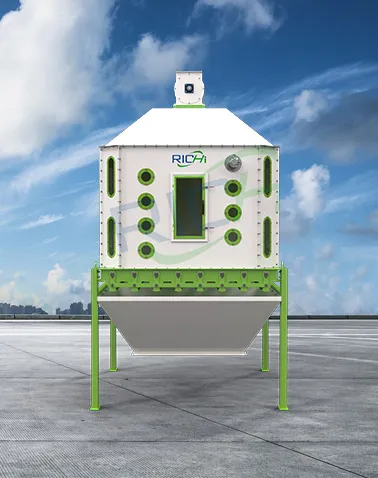
Hot pellets straight from the dryer will sweat inside the bag – mold follows. A counterflow cooler pulls room air through the pellets, dropping temperature to near-ambient before bagging.
05/01
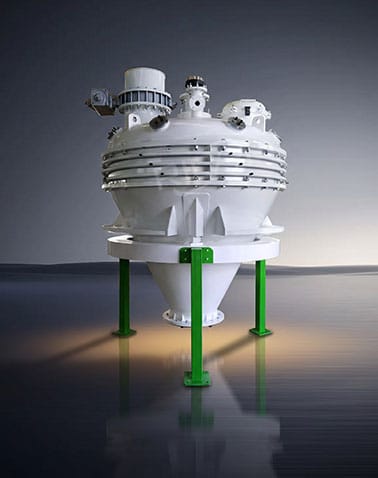
Adds fats, oils, or liquid vitamins after drying. Basic systems use a drum sprayer. High-end shrimp and salmon lines use a vacuum coater – pulls oil deep into the pellet instead of just coating the surface.
05/01
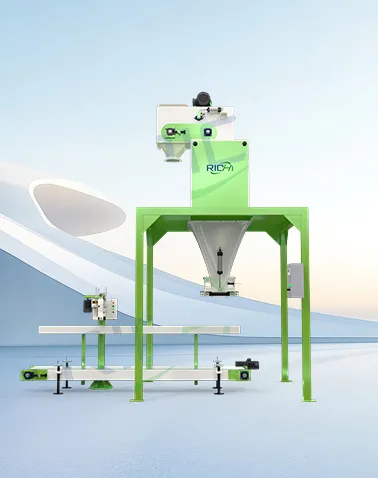
Weighs and fills your bags automatically. Manual or fully automatic with a sewing head or heat sealer. Most mid-size plants choose the semi-auto version – fast enough for 6–8 tons per hour without the complexity.
05/01
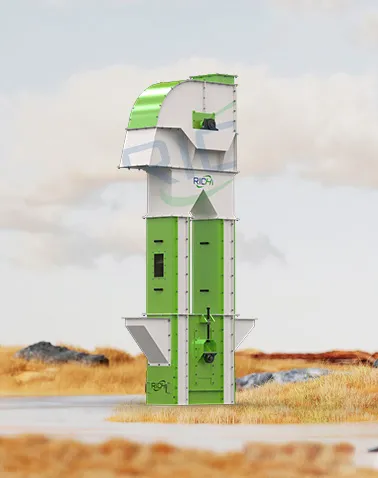
Moves material between machines. Bucket elevators for vertical lift. Screw conveyors for horizontal or inclined transfer. Belt conveyors for fragile pellets that break easily.
05/01
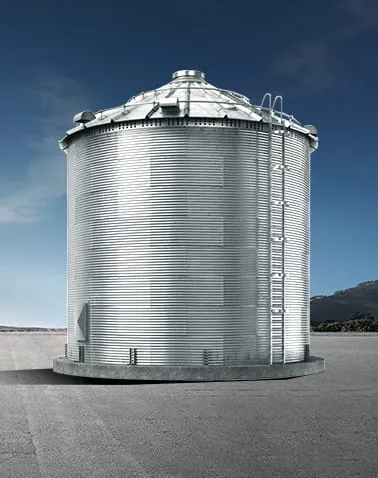
Stores raw grains or finished pellets. Flat-bottom silos for large volume, hopper-bottom silos for complete discharge. We also supply aeration floors and level sensors.
○ RICHI MACHINERY
Dry-type starter lines run from around $20,000. A fully equipped wet-type twin-screw line with dryer, coater, and controls sits between $80,000 and $1,200,000 — capacity is the biggest driver. Those numbers come from real orders, not catalog pages. Tell us your daily output target and we'll put an actual figure in front of you.
Yes — and we make sure of it before we leave. Our technicians stay on-site until your operators can run the line confidently on their own. We also hand over illustrated manuals and layout drawings in your language. Most teams are fully independent within a week. The machine isn't the hard part; setup and first batches are. That's exactly where we focus.
One line handles both. Screw configuration and die plate selection control pellet density and size — switching between species takes under 30 minutes on most twin-screw models. We've run tilapia, catfish, carp, and pangasius through the same line in the same week. Just tell us your full species list upfront so we configure correctly from the start.
Take your monthly feed consumption, add 20% for herd growth, divide by 300 operating hours. That gives your minimum required output. Then go one size up — we've seen too many farms hit capacity limits within 18 months. Upgrading mid-production is painful and expensive. If budget allows, size up now.
Cassava works well — it's high-starch and great for floating pellets. Corn is straightforward. Rice bran needs attention; too much oil content causes die slipping and inconsistent output. We test your actual ingredients before the machine ships. If a formula won't work as-is, we tell you and suggest blending ratios that will. No surprises after delivery.
We stock wear parts — screws, barrels, dies — for every model we've shipped in the past decade. Parts go out fast. For troubleshooting, 90% of issues get resolved over a WhatsApp video call with one of our engineers. If it needs a site visit, we can have a technician there within two weeks. The warranty is 12 months, but the support doesn't stop there.
Factory. 60000 square meters in China. We manufacture extruders, dryers, coaters, grinders, and pellet mills under one roof — the full line, not assembled from third-party components. You're welcome to visit and watch your machine being built. Customers from over 60 countries have done exactly that.
For saltwater species like shrimp and abalone, yes — but it requires the right setup. Fine particle sizes under 1mm, precise moisture control, and a properly configured binding ratio. We've built shrimp feed lines in Ecuador and abalone lines in South Africa. Water stability above 90 minutes is achievable; it's just not something a basic single-screw machine will deliver.
Small lines under 1 t/h: 25–35 days production, then 5–7 days installation. Medium lines: 40–60 days. Large lines up to 10 t/h: 70–90 days plus 3–4 weeks on-site. Every Friday we send production photos — you always know where things stand. Custom alloy or automation upgrades add 2–3 weeks on top.
Short answer: some of them are fine for low-volume, simple recipes. But if you're running high-fat salmon feed, shrimp pellets, or anything above 1 t/h, the cheaper units tend to cause problems — inconsistent pellet quality, frequent die clogging, short screw lifespan. We've had customers come to us after those experiences. Fixing it mid-production costs more than buying right the first time. We're not the cheapest option. We are the one that keeps running.
○ RICHI MACHINERY
As a global leader in pelletizing solutions, RICHI represents a fully integrated technology partner that masters every dimension of modern production systems. From pioneering research in material science to precision engineering and industrial-scale manufacturing, we build complete production ecosystems that transform raw materials into high-value pellets. Our holistic approach ensures each project is founded on three pillars: engineering precision that guarantees operational efficiency, continuous innovation that adapts to evolving market demands, and uncompromising reliability that sustains production for decades. With vertically controlled manufacturing and end-to-end project management, we deliver not just equipment, but fully optimized production assets that drive profitability across industries worldwide.
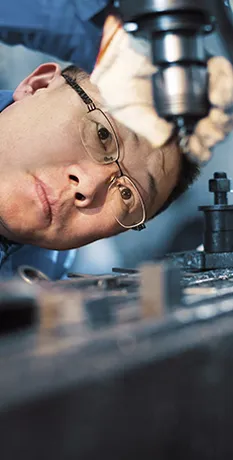
Engineering & Manufacturing
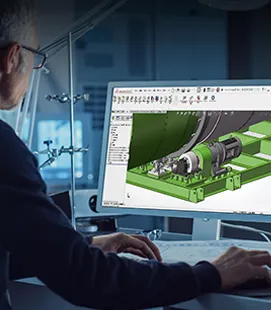
Research & Development
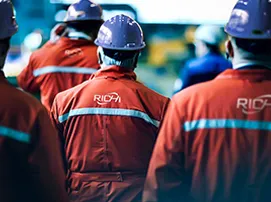
Technical Services
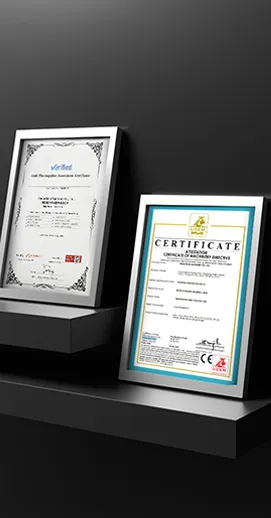
Patents & Certifications
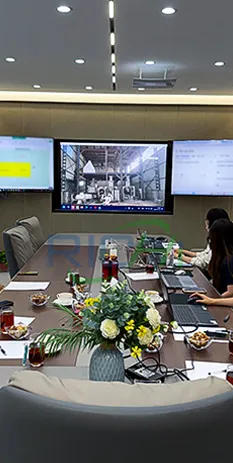
Global Partnerships
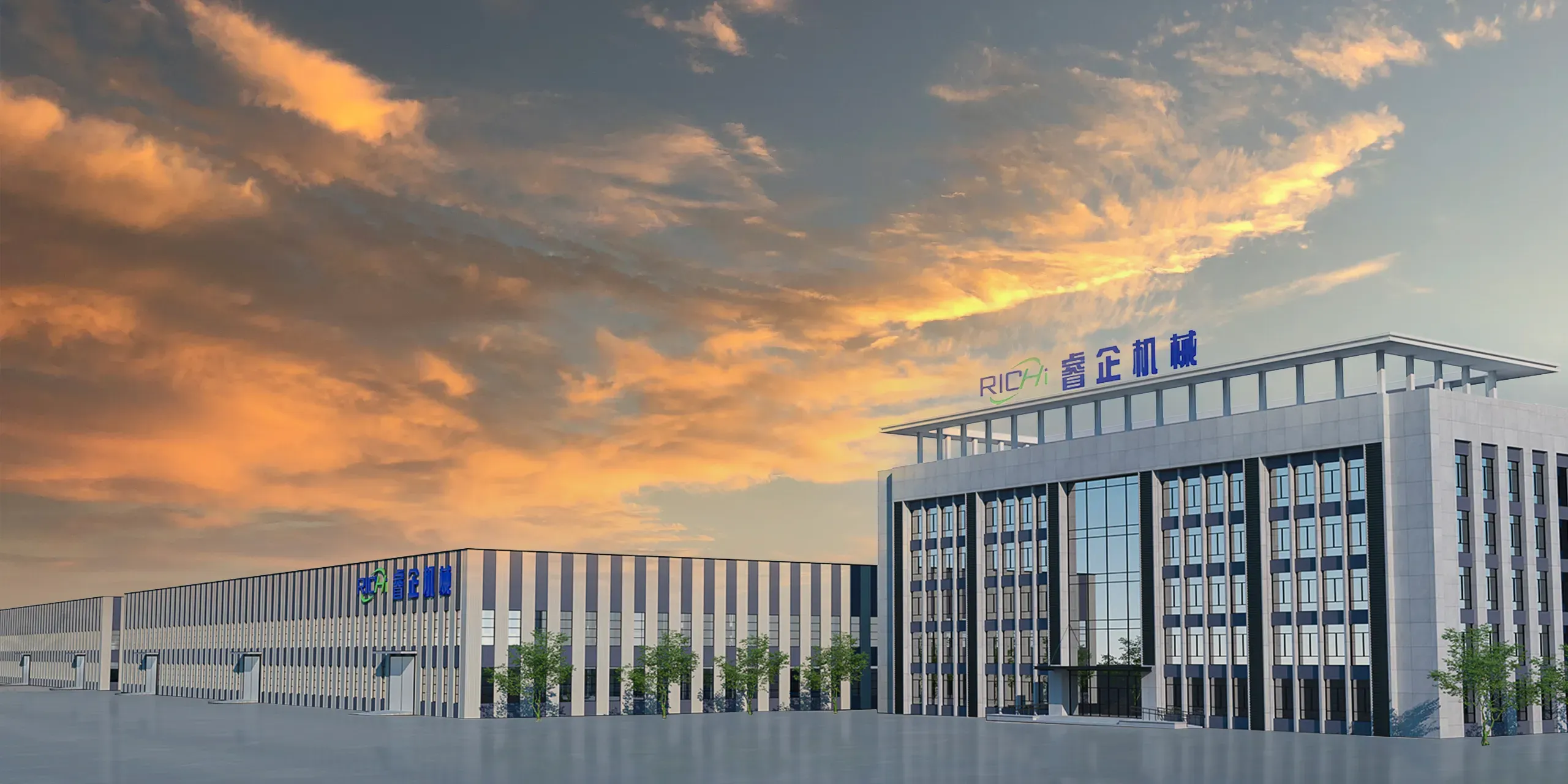
Global Headquarters
○ RICHI MACHINERY
Founded in 1995, RICHI Machinery has evolved from a specialized manufacturer into a global engineering provider for complete pelletizing systems. With two major manufacturing bases spanning over 60,000 m², we control every step from design to delivery, ensuring unmatched quality and depth of production. Our commitment to excellence is reflected in our global impact, serving clients in over 140 countries with more than 2,000 successful projects and 10,000+ equipment units delivered worldwide.
Production Area
Countries Served
Global Projects
Equipment Delivered
○ RICHI MACHINERY
For nearly three decades, RICHI has mastered the complexities of diverse materials across global industries. We provide end-to-end pelletizing systems, delivering the complete technological and engineering support needed to transform raw materials into high-value products. From initial concept to operational plant, we are your single partner for launching and scaling a successful pellet processing business.
○ RICHI MACHINERY
○ RICHI MACHINERY
As a global leader in pelletizing solutions, RICHI represents a fully integrated technology partner that masters every dimension of modern production systems. From pioneering research in material science to precision engineering and industrial-scale manufacturing, we build complete production ecosystems that transform raw materials into high-value pellets. Our holistic approach ensures each project is founded on three pillars: engineering precision that guarantees operational efficiency, continuous innovation that adapts to evolving market demands, and uncompromising reliability that sustains production for decades. With vertically controlled manufacturing and end-to-end project management, we deliver not just equipment, but fully optimized production assets that drive profitability across industries worldwide.
Engineering & Manufacturing
Research & Development
Technical Services
Patents & Certifications
Global Partnerships
Global Headquarters
○ RICHI MACHINERY
Founded in 1995, RICHI Machinery has evolved from a specialized manufacturer into a global engineering provider for complete pelletizing systems. With two major manufacturing bases spanning over 60,000 m², we control every step from design to delivery, ensuring unmatched quality and depth of production. Our commitment to excellence is reflected in our global impact, serving clients in over 140 countries with more than 2,000 successful projects and 10,000+ equipment units delivered worldwide.
Production Area
Countries Served
Global Projects
Equipment Delivered
○ RICHI MACHINERY
For nearly three decades, RICHI has mastered the complexities of diverse materials across global industries. We provide end-to-end pelletizing systems, delivering the complete technological and engineering support needed to transform raw materials into high-value products. From initial concept to operational plant, we are your single partner for launching and scaling a successful pellet processing business.
○ RICHI MACHINERY
○ RICHI MACHINERY
Keeping in touch with us is an effective way to solve all your problems. If you have any needs or questions, please leave your contact information, then RICHI technical consultants will send design, quotation, videos to your mailbox. You can also contact us directly via WhatsApp: +86 13838389622
Copyright©2015-2026 by HENAN RICHI MACHINERY CO., LTD. All rights reserved.