
An integrated poultry company in the Tashkent region uses one SZLH250 pellet mill to produce 3 mm parent pellets for 1.5–2.5 mm chick starter crumble.
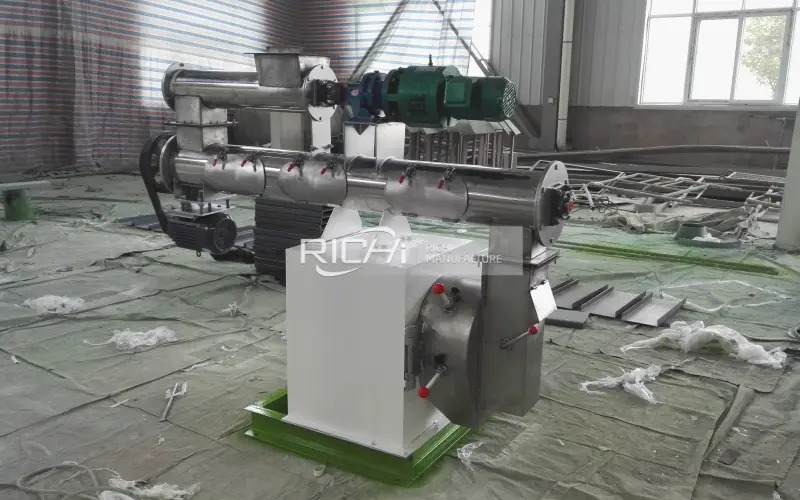
An integrated poultry company in the Tashkent region selected one SZLH250 Chick Feed Pellet Making Machine for Poultry Hatchery in Uzbekistan to support a hatchery producing about 500,000 chicks per month. The group already had grinding, batching, mixing and finished-feed handling equipment, so the project focused on a dedicated small ring-die section for early-stage feed supplied to company farms and contract growers.
The hatchery itself does not hold chicks through the full starter period. Feed is dispatched with the broiler program after placement, with this machine focused on the smallest early-stage product rather than all feed consumed through 21 days. The SZLH250 provides about 1.0–1.5 T/H reference capacity, giving the group a realistic platform without duplicating its larger grower and finisher pelleting capacity.
Name:
chick feed pellet mill
Country:
Uzbekistan
Date:
2026
Capacity:
1.0–1.5 T/H
Model:
SZLH250
Main Motor Power:
22 kW
Main Product:
chick starter feed
Pellet diameter:
3 mm
The customer uses the machine for early-stage broiler feed because starter products are physically different from normal grower and finisher pellets. Young chicks need a small, accessible feed particle, while later birds can handle larger pellets. Keeping a dedicated small machine lets the feed team schedule starter campaigns without interrupting the larger presses used for higher-volume broiler feeds.
The project is therefore linked to the hatchery business but the feed is consumed after chick placement, not inside the hatchery building. This distinction matters for capacity planning: the poultry feed pellet machine is sized around the number of chicks entering broiler production and the starter-feed program supplied to farms, rather than around incubator capacity alone or a headline annual feed figure unrelated to the machine.
Uzbekistan also suits a formulation based on cereals and oilseed meals, but the plant does not lock every batch to one national recipe. Wheat, maize where economical, soybean meal, sunflower meal, vegetable oil, minerals, vitamins and amino acids can all appear according to nutrient targets and procurement. The pellet mill forms the feed; it does not determine the nutritional specification.
| Project Parameter | Configuration |
|---|---|
| Equipment | Ring-die chick starter feed pellet mill |
| Model | SZLH250 |
| Quantity | 1 unit |
| Main Motor Power | 22 kW |
| Feeder Power | 1.1 kW |
| Conditioner Power | 1.5 kW |
| Ring Die Inner Diameter | 250 mm |
| Available Pellet Diameter | 2–12 mm |
| Main Parent Pellet Diameter | Approximately 3 mm before crumbling |
| Main Finished Starter Size | Approximately 1.5–2.5 mm crumble fraction |
| Reference Capacity | Approximately 1.0–1.5 T/H, formulation and die dependent |
| Installation Type | Standalone starter-feed pelleting section within an integrated feed mill |
The 1.0–1.5 T/H range is a machine reference, not a guarantee for every starter formula. Small die openings, higher fibre, fat level, mash fineness, conditioning quality and required pellet durability can all affect throughput. The plant therefore schedules starter production from observed tonnes per hour and effective operating time rather than assigning the machine an unrealistic annual output.
At roughly 2,000 effective pelleting hours per year, a machine operating within this range represents about 2,000–3,000 tonnes of forming capacity before allowing for maintenance, die service and formula effects. That scale is much more consistent with a dedicated starter-feed role than using one SZLH250 as if it were responsible for ten thousand tonnes of annual chick feed.
The main commercial product is a screened crumble fraction of approximately 1.5–2.5 mm for early broiler feeding. The SZLH250 chicken feed making machine first produces a parent pellet around 3 mm, which is cooled and then broken in a crumbler. Screening removes excessive fines and oversize pieces so the feed presented to young chicks is more uniform than a mix of whole pellets and uncontrolled powder.
This route is more credible than treating a 2.5 mm direct pellet as the universal feed for newly hatched chicks. Very young birds commonly receive crumble or fine starter particles, while larger starter or grower birds can move toward 3 mm and later 4 mm-class pellets. The exact transition depends on bird size, feeding system and nutrition program rather than a fixed age printed into the pellet-mill specification.
Particle size also remains separate from biological performance. A 2 mm crumble does not by itself reduce mortality, improve growth or guarantee feed conversion. Those outcomes depend on chick quality, formulation, disease control, housing, water, temperature and farm management. The equipment’s role is to provide a controllable physical feed form that matches the starter program.
The Chick Feed Pellet Making Machine for Poultry Hatchery in Uzbekistan performs the forming step only. It does not replace fine grinding, accurate batching, mixing, cooling, crumbling or screening. This is especially important for starter feed because a feed pellet machine can produce a strong parent pellet while the final chick product still fails if the crumbler or screen delivers an unsuitable particle distribution.
The existing animal feed hammer mill is checked against the starter formula rather than accepted automatically. Coarse cereal particles can create weak small pellets and uneven crumble, while excessive fine grinding raises power demand and can increase dust. The feed team therefore selects screens from the required mash distribution and verifies the result by sieve analysis instead of equating hammer-mill screen opening with final feed size.
The plant does not assign one permanent conditioning temperature, steam percentage or die compression ratio to every starter batch. Wheat-rich formulas, maize-rich formulas, higher-oil recipes and meals with different fibre levels respond differently to moisture and heat. Operators establish settings from pellet quality, motor load, mash condition and feed-safety requirements rather than copying one number across all formulations.
Pre-pellet oil is also managed carefully because higher fat can reduce die friction while weakening pellet durability. Where the nutrition program requires more liquid fat, the plant evaluates how much should enter before pelleting and whether part is better applied later. This keeps nutrition decisions and mechanical pellet quality in balance without claiming that one oil percentage is correct for every chick starter formula.
Steam quality matters as much as the temperature shown on a sensor. Wet steam, unstable pressure or condensate carryover can make mash moisture inconsistent and disturb pellet formation. The small SZLH250 section therefore needs a reliable steam interface even though the main motor is only 22 kW, and the conditioner setting is confirmed during production trials with the actual local ingredient mix.
The counterflow pellet cooler is matched to the instantaneous output of the SZLH250 rather than average daily feed demand. Parent pellets must lose process heat before crumbling so the structure is stable enough to break cleanly instead of smearing or generating excessive fines. The crumbler then needs an adjustable roll gap that can produce the desired fraction without crushing the entire batch into meal.
Screening closes the physical-size control loop. Oversize pieces can return to the crumbling step where the process design allows it, while fines are handled according to the plant’s rework and traceability rules. The finished starter feed is judged from the screened particle distribution, not simply from the 3 mm ring-die hole used to make the parent pellet.
Because the feed is intended for very young poultry, cleanout and cross-contact control are also important around the mixer, conditioner, cooler and crumble section. Medication programs, coccidiostats or other controlled additives require the plant to follow its feed-safety procedures and applicable regulations. The pellet mill does not remove cross-contact risk merely because batches are small.
Uzbekistan is landlocked, so machinery can move from China by rail and road through Central Asian corridors rather than requiring a sea route through Georgia. The final transport plan depends on carrier service, border procedures, package dimensions and the installation site. The project therefore avoids fixed transit days and focuses site preparation on foundations, electrical supply, steam, access and maintenance clearance.
More starter-feed capacity is considered only when the SZLH250 feed pellet mill is regularly utilized and the grinder, mixer, cooler, crumbler and screener still have reserve. If the crumble section is already full, a larger pellet mill would only move the bottleneck. The integrated poultry company first checks effective campaign hours and final screened tonnes before selecting another press or upgrading downstream equipment.
For another buyer evaluating a Chick Feed Pellet Making Machine for Poultry Hatchery in Uzbekistan, the key inputs are chicks placed per month, starter-feed supply period, mash particle distribution, formula fat and fibre, parent-pellet diameter, required crumble fraction, hourly demand, cooler and crumbler capacity, steam quality, electrical supply and available feed-mill space.
Having the right mix of reliable, high-quality pellet machine and pelletizing systems and expert support is essential to your success. Watch how our end-to-end feed pellet plant solutions have helped our customers optimize their performance.
Our customized and future-proofed turnkey pellet plant solutions is designed with you at the core. From vision to reality and beyond, our team stays connected with yours. Giving you peace-of-mind with an expert at your side.
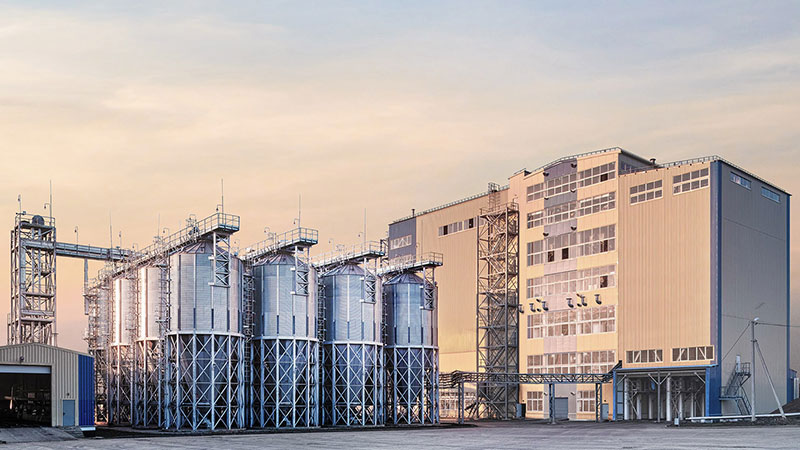
At RICHI, we go beyond project completion. With RICHI Servicee, we’re your dedicated partners in success. Count on us for expert guidance, minimal downtime, and optimized productivity. Choose RICHI for unmatched service and support.
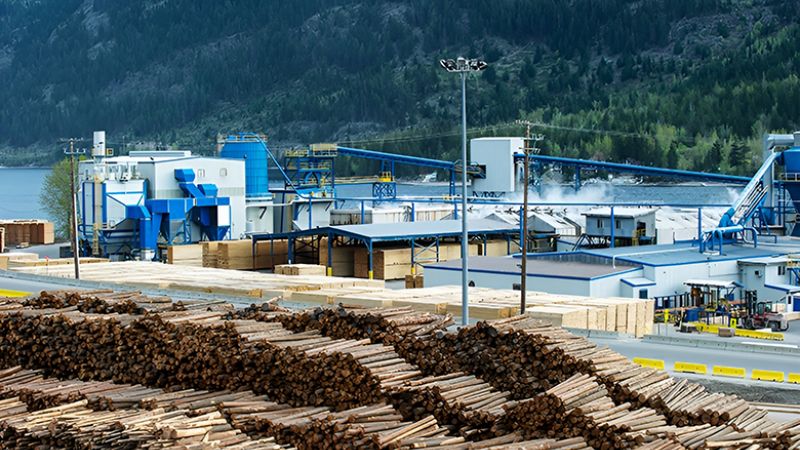


Meet global product demands and quality standards with industry-leading pellet plant design, engineering, equipment, and construction services for pellet processors.


Your Partner Beyond Project Completion
2000+ cases
RICHI is the leading designer, manufacturer and builder of pellet plants in the world, completing over 2000 projects in 140 countries across 6 continents.
Read More
Increase plant productivity, profitability, and safety by integrating high quality equipment into your pellet production line. Over the years, RICHI has become China's top pellet equipment manufacturer. At the same time, RICHI has established valuable partnerships with the world's leading component and raw material manufacturers to bring you the best there is in technology, automation, and efficiency in pelleting plant machinery.

For nearly 30 years, RICHI has been providing best-in-class pellet plant equipment and services to clients across a variety of industries, sizes, and needs. We pride ourselves on the knowledge and skill that each team member possesses – from our technical sales team to our process design engineers. You can count on RICHI Machinery to take your operation to the next level of innovation, quality, and success.
Need help with your pellet manufacturing plant project? Contact us today.
ANIMAL FEED
BIOMASS
WOOD
ORGANIC FERTILIZER
AQUA FEED
CAT LITTER
MUNICIPAL WASTE RECYCLING
SPECIAL PELLET PRODUCTION
RICHI Machinery continues to deliver world class pellet mill equipment, pellet plant engineering and project solutions that add value to our customers in the animal feed, wood waste, agriculture waste, organic fertilizer, cat litter and special pellet products industries. Throughout the years, we RICHI Machinery have built strong brand, becoming industry-leading pellet machine manufacturer. We value integrity, promise quality, and prioritize your success.
Learn MoreWith our expert team, we precisely implement your process engineering requirements in pellet mill and pelletizing plant systems. No matter which industry you’re in – we understand your needs and deliver solutions that meet the highest standards.
At RICHI, quality comes first. Our pellet making machine and related pellet line equipment undergo rigorous quality controls to ensure they meet the highest standards. Rely on products that are durable, safe, and efficient.
With decades of experience in pellet machine and pellet production line production, we have earned a reputation as a trusted partner in various industries. Our expertise allows us to cover a wide range of applications.
Not only do we offer premium pelleting equipment, but we are also experts at designing, building, installing, and maintaining facilities from the ground up. Our expertise is within pellt plant process design, discovering the most efficient, productive, and profitable way to handle your materials in an end-to-end cycle.
○ RICHI MACHINERY
Keeping in touch with us is an effective way to solve all your problems. If you have any needs or questions, please leave your contact information, then RICHI technical consultants will send design, quotation, videos to your mailbox. You can also contact us directly via WhatsApp: +86 13838389622
Copyright©2015-2026 by HENAN RICHI MACHINERY CO., LTD. All rights reserved.