
This is a project regarding a cattle pellet feed machine in Hungary. A mid-sized feed mill located near Szolnok in Hungary's Great Plain region faced growing challenges with an aging pellet mill. The facility supplies complete pelleted feed to local dairy and beef operations, and declining pellet consistency was beginning to affect customer satisfaction and animal performance.
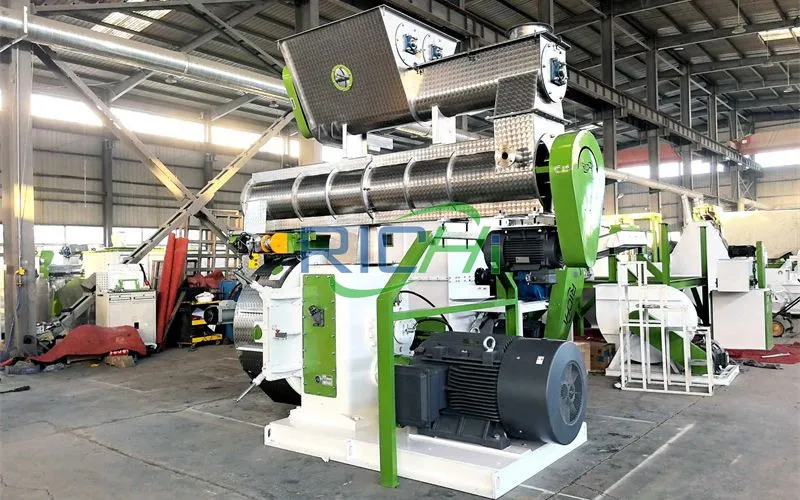
A mid-sized feed mill located near Szolnok in Hungary's Great Plain region faced growing challenges with an aging pellet mill. The facility supplies complete pelleted feed to local dairy and beef operations, and declining pellet consistency was beginning to affect customer satisfaction and animal performance.
After a thorough assessment of the client's raw material composition, throughput requirements, and existing production layout, the SZLH320 cattle pellet mill was selected. With a stable capacity of 3–4 tons per hour, this unit was integrated into the existing grinding, mixing, and drying lines, delivering an immediate and measurable improvement in pellet quality.
Name:
Cattle Pellet Food Machine
Country:
Hungary
Date:
2025
Capacity:
3–4 tons per hour
Model:
SZLH320
Main Motor Power:
37 kW
Conditioner motor power:
4 kW
Pellet diameter:
2–12 mm
Hungary occupies a strategic position in Central Europe, with a livestock sector that has deep historical roots. The Great Plain region east of the Danube, in particular, benefits from rich chernozem soil that produces high-quality maize, barley, and wheat in abundance. These grains form the backbone of the country's compound feed industry, supplying both intensive dairy operations and extensive beef grazing systems.
The feed milling sector in Hungary has evolved considerably over the past two decades. Many older facilities, built during the socialist era, still operate with equipment that struggles to meet modern standards for pellet durability, energy efficiency, and output consistency. At the same time, livestock producers have become more demanding, expecting feed that delivers measurable improvements in milk yield, weight gain, and overall herd health.
This creates a distinct market opportunity for feed mills willing to invest in targeted upgrades. Rather than undertaking expensive and disruptive full-line replacements, many Hungarian feed manufacturers are now pursuing a more pragmatic approach: replacing critical bottleneck equipment with modern, high-performance units that can integrate with existing infrastructure. The Szolnok project is a textbook example of this strategy in action.
The client operates a well-established feed milling business in Jász-Nagykun-Szolnok county, one of Hungary's most productive agricultural regions. The mill has been in operation for over twenty years, supplying a loyal customer base of dairy farms and beef finishing operations within a 150-kilometer radius.
Their product portfolio includes starter rations for calves, lactation diets for high-yielding dairy cows, and finishing pellets for beef cattle. Each formulation requires precise control over particle size, moisture content, and pellet hardness—variables that had become increasingly difficult to manage with their existing pellet mill.
The decision to upgrade was not taken lightly. The management team evaluated several options, including a complete line replacement, outsourcing pellet production to a third-party facility, and the eventual choice: a targeted investment in a single, high-capacity pelletizing machine. This approach offered the fastest return on investment and the least operational disruption.
The SZLH320 ring-die pellet mill was selected after a detailed comparison of available models. Its specifications align closely with the client's production profile and operational constraints.
| Parameter | Specification |
|---|---|
| Main motor power | 37 kW |
| Feeder motor power | 1.5 kW |
| Conditioner motor power | 4 kW |
| Ring die inner diameter | 320 mm |
| Finished pellet diameter range | 2–12 mm |
| Production capacity | 3–4 tons per hour |
Several factors influenced this choice. The 320mm ring die provides an optimal balance between throughput and die utilization, ensuring that the machine operates efficiently even during partial-load conditions. The 37 kW main motor delivers sufficient torque to handle the high grain content typical of Hungarian cattle diets, while the integrated conditioner allows for precise steam addition and temperature control—critical for starch gelatinization and pellet binding.
Perhaps most importantly, the SZLH320 feed pellet machine is designed for quick die changes and routine maintenance. This was a significant consideration for the client, whose production schedule leaves limited windows for equipment servicing. The machine's modular construction also facilitated its integration into the existing cattle feed production line, minimizing the need for extensive civil works or conveyor modifications.
Hungarian cattle feed formulations differ significantly from those used in other parts of Europe. The abundant local supply of maize and barley means that grain content in feed rations is often higher than in countries where forage constitutes a larger proportion of the diet.
The client's standard formulation for dairy pellets includes:
This high-grain formulation presents specific challenges for pellet production. Maize, in particular, has a high starch content that requires adequate conditioning and temperature control to achieve proper gelatinization. Without sufficient steam and mixing, the resulting pellets can be brittle, leading to excessive fines and reduced feed intake by the animals.
The SZLH320 cattle animal feed pellet machine's conditioning system was specifically configured to address this issue. The conditioner barrel was equipped with variable-speed drive and a steam injection system capable of achieving the required temperature and moisture levels for optimal starch processing. This detail, often overlooked in standard equipment packages, proved essential for the project's success.
One of the distinguishing features of this project was the level of engineering customization applied before the machine left the factory. Rather than shipping a standard unit, the RICHI engineering team conducted a series of pre-delivery tests using a sample of the client's actual feed formulation.
These tests, carried out at the manufacturing facility, allowed for fine-tuning of the die and roller gap settings, the conditioner retention time, and the feeder speed parameters. The result was a machine that arrived on-site with its operating parameters already calibrated for the specific raw materials it would process.
In addition, the dust extraction system was customized to meet Hungarian occupational safety regulations. The local authorities require strict control of airborne particulate matter in feed milling operations, and the standard dust collection hood was modified to interface seamlessly with the client's existing filtration unit. This attention to regulatory compliance is a hallmark of RICHI's approach to international projects.
The machine's control panel was also adapted to accommodate the client's preferred automation language and display units. While the core logic remains unchanged, the operator interface now displays temperatures in Celsius, pressures in bar, and throughput in metric tons—small adjustments that significantly reduce the potential for operator error during shift changes.
The SZLH320 was shipped in a modular configuration, with the main body, motor, feeder, and conditioner packed as separate crates. This approach offered several logistical advantages. First, it reduced the overall shipping volume, lowering freight costs and simplifying customs clearance at the Hungarian border. Second, it allowed for easier maneuvering through the mill's existing doorways and access points, which were not designed to accommodate oversized machinery.
Transport from the port of Koper in Slovenia to the Szolnok facility was coordinated by a local logistics partner with experience in heavy industrial shipments. The entire journey, including customs processing, was completed within ten days—a timeline that met the client's tight production schedule requirements.
Upon arrival, the modular packaging also facilitated a phased assembly process. The feed mill's maintenance team was able to prepare the installation site and complete the foundation work while the machine was still in transit, thanks to detailed pre-shipment drawings and installation manuals provided by RICHI.
A team of two RICHI engineers traveled to Hungary to oversee the installation and commissioning process. The on-site work was completed over a period of twelve working days, during which the new cattle feed pellet making machine was assembled, aligned, and connected to the existing utilities.
One of the key challenges during installation was the integration of the new machine with the older conveyor and elevator systems. The existing bucket elevators, while still in good working condition, had slightly different discharge heights than the new pellet mill's inlet. Rather than modifying the building structure or replacing the conveyors, the engineering team designed a custom transition chute that bridged the gap with minimal material degradation.
The electrical integration required careful attention as well. The mill's existing control panel used an older PLC standard, and a full replacement was not within the project scope. The engineers installed a standalone control module for the new pellet mill, with an interface that allows for future integration should the client decide to upgrade their entire control system down the line.
Commissioning was carried out in two phases. The first phase involved dry runs without feed material, verifying that all motors, drives, and safety interlocks were functioning correctly. The second phase involved live feed trials, starting with a small batch and gradually increasing the throughput to the design capacity of 3–4 tons per hour. During these trials, the engineers made fine adjustments to the conditioning temperature, the die clearance, and the feeder speed to achieve the optimal pellet quality.
A comprehensive training program was delivered to the client's production team over five days. The training covered not only the day-to-day operation of the new pellet mill but also preventive maintenance procedures, troubleshooting techniques, and die care best practices.
The training was conducted in a mix of English and Hungarian, with the client's senior production manager acting as a translator for the more junior operators. RICHI provided detailed training manuals in both languages, ensuring that all team members could access the reference materials independently after the engineers' departure.
Particular emphasis was placed on the die and roller replacement process, as this is the single most critical maintenance task affecting pellet quality and machine longevity. Operators were shown how to inspect dies for signs of wear, how to measure roller clearance accurately, and how to adjust the die-to-roller gap for different raw material recipes. These skills, often overlooked in standard training sessions, are essential for maintaining consistent pellet durability over time.
In addition to the hands-on training, the engineers provided a detailed troubleshooting guide covering the most common operational issues—from motor overload tripping to uneven pellet discharge. This guide has proven invaluable to the client's night-shift operators, who often have to address minor issues without immediate supervisory support.
Within the first month of operation, the new SZLH320 cattle pellet food machine in Hungary delivered measurable improvements across several key performance indicators.
The client's production manager noted that the most significant improvement was the ability to run a wider variety of formulations without adjusting the machine setup. Previously, changing the pellet diameter or the ingredient mix required substantial downtime for die changes and re-calibration. The SZLH320 cattle pellet food machine's quick-change die system and flexible conditioning parameters allow for recipe changes in under thirty minutes—a flexibility that has opened up new market opportunities for the mill.
Perhaps the most telling feedback came from the mill's owner, who had initially been skeptical about investing in equipment from a Chinese manufacturer. After seeing the machine in operation and reviewing the production data, he commented that the SZLH320 had exceeded his expectations in terms of both build quality and operational reliability. The mill has since placed a second order for a companion machine to handle their organic feed line.
RICHI's commitment to the project did not end with the commissioning and training. A structured after-sales support plan was established, including regular follow-up calls, remote diagnostic support, and a dedicated inventory of critical spare parts maintained at a European distribution hub.
The spare parts strategy was tailored to the client's specific needs. Consumables such as dies, rollers, and bearings were stocked at a warehouse in the Netherlands, ensuring delivery to the Szolnok facility within 48 hours of a request. This arrangement minimizes the risk of extended downtime due to parts unavailability—a common pain point for feed mills located far from major industrial centers.
In addition to the parts supply, RICHI offers a remote monitoring service that allows the engineering team to access the machine's operational data via a secure connection. This proactive approach enables early detection of potential issues, such as bearing wear or motor overload, before they lead to unplanned breakdowns. The client has opted for this service on a trial basis and is evaluating its benefits for full implementation.
The Szolnok project illustrates a broader capability that RICHI brings to the European feed milling market: the ability to deliver tailored solutions for specific regional conditions. Unlike manufacturers who offer a one-size-fits-all approach, RICHI's engineering team invests time in understanding the local raw materials, regulatory environment, and operational constraints of each client.
For Hungary, this meant adapting the machine to handle the high-starch, high-fiber mixes common in cattle feed, rather than the lower-starch, higher-protein formulations typical of poultry feed in other markets. The conditioning system, the die design, and even the feeder configuration were adjusted accordingly.
RICHI's experience with European projects also means familiarity with the CE certification requirements and local safety standards. The Szolnok machine was supplied with all necessary documentation, including a CE declaration of conformity, a comprehensive risk assessment, and operating instructions in Hungarian. This attention to regulatory detail saves clients significant time and costs compared to navigating the certification process independently.
Feed mill operators across Europe are increasingly turning to RICHI for their pelletizing needs. The reasons extend beyond the specifications of any single machine.
Building on the success of this animal feed factory project, the client is now exploring additional upgrades to their feed processing line. RICHI is currently providing consulting services for a potential feed hammer mill replacement and an automatic bagging system, demonstrating the trust established through the initial engagement.
Beyond equipment supply, RICHI offers a range of professional services designed to support feed mill operators throughout the lifecycle of their plant. These include:
The Szolnok cattle pellet mill project demonstrates that targeted equipment upgrades can deliver substantial improvements in feed quality, operational efficiency, and customer satisfaction. By selecting the right machine and engaging a manufacturer with the engineering expertise to customize it for local conditions, the client achieved results that exceeded their initial expectations.
For feed mills in Hungary—and across Europe—the message is clear: modern pelletizing technology, properly specified and expertly supported, offers a clear path to improved competitiveness in a demanding market. RICHI Machinery's combination of engineering depth, modular delivery capability, and long-term service commitment makes it a reliable partner for this journey.
Feed mill operators interested in exploring how a RICHI feed pellet mill can transform their production should contact the company directly. A conversation with the engineering team is the first step toward understanding the specific opportunities and solutions available for their unique circumstances.
Having the right mix of reliable, high-quality pellet machine and pelletizing systems and expert support is essential to your success. Watch how our end-to-end feed pellet plant solutions have helped our customers optimize their performance.
Our customized and future-proofed turnkey pellet plant solutions is designed with you at the core. From vision to reality and beyond, our team stays connected with yours. Giving you peace-of-mind with an expert at your side.
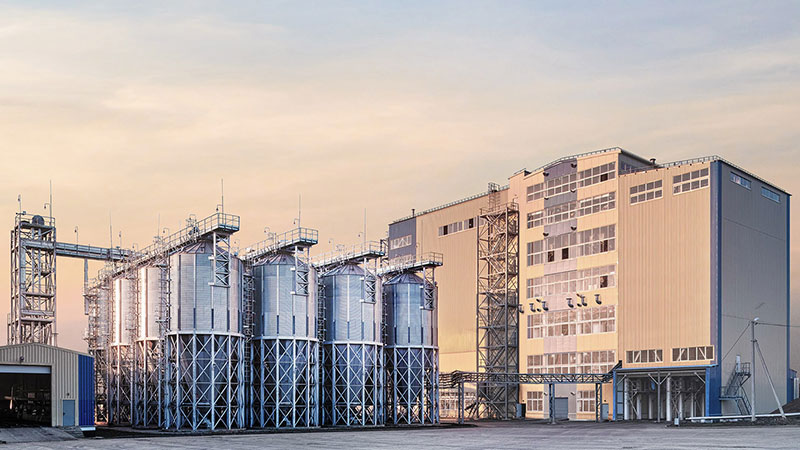
At RICHI, we go beyond project completion. With RICHI Servicee, we’re your dedicated partners in success. Count on us for expert guidance, minimal downtime, and optimized productivity. Choose RICHI for unmatched service and support.
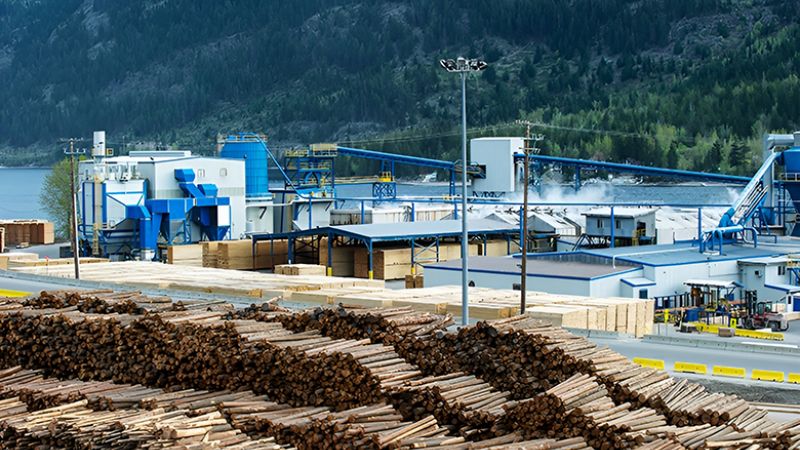


Meet global product demands and quality standards with industry-leading pellet plant design, engineering, equipment, and construction services for pellet processors.


Your Partner Beyond Project Completion
2000+ cases
RICHI is the leading designer, manufacturer and builder of pellet plants in the world, completing over 2000 projects in 140 countries across 6 continents.
Read More
Increase plant productivity, profitability, and safety by integrating high quality equipment into your pellet production line. Over the years, RICHI has become China's top pellet equipment manufacturer. At the same time, RICHI has established valuable partnerships with the world's leading component and raw material manufacturers to bring you the best there is in technology, automation, and efficiency in pelleting plant machinery.

For nearly 30 years, RICHI has been providing best-in-class pellet plant equipment and services to clients across a variety of industries, sizes, and needs. We pride ourselves on the knowledge and skill that each team member possesses – from our technical sales team to our process design engineers. You can count on RICHI Machinery to take your operation to the next level of innovation, quality, and success.
Need help with your pellet manufacturing plant project? Contact us today.
ANIMAL FEED
BIOMASS
WOOD
ORGANIC FERTILIZER
AQUA FEED
CAT LITTER
MUNICIPAL WASTE RECYCLING
SPECIAL PELLET PRODUCTION
RICHI Machinery continues to deliver world class pellet mill equipment, pellet plant engineering and project solutions that add value to our customers in the animal feed, wood waste, agriculture waste, organic fertilizer, cat litter and special pellet products industries. Throughout the years, we RICHI Machinery have built strong brand, becoming industry-leading pellet machine manufacturer. We value integrity, promise quality, and prioritize your success.
Learn MoreWith our expert team, we precisely implement your process engineering requirements in pellet mill and pelletizing plant systems. No matter which industry you’re in – we understand your needs and deliver solutions that meet the highest standards.
At RICHI, quality comes first. Our pellet making machine and related pellet line equipment undergo rigorous quality controls to ensure they meet the highest standards. Rely on products that are durable, safe, and efficient.
With decades of experience in pellet machine and pellet production line production, we have earned a reputation as a trusted partner in various industries. Our expertise allows us to cover a wide range of applications.
Not only do we offer premium pelleting equipment, but we are also experts at designing, building, installing, and maintaining facilities from the ground up. Our expertise is within pellt plant process design, discovering the most efficient, productive, and profitable way to handle your materials in an end-to-end cycle.
○ RICHI MACHINERY
Keeping in touch with us is an effective way to solve all your problems. If you have any needs or questions, please leave your contact information, then RICHI technical consultants will send design, quotation, videos to your mailbox. You can also contact us directly via WhatsApp: +86 13838389622
Copyright©2015-2026 by HENAN RICHI MACHINERY CO., LTD. All rights reserved.