
This project concerns a shrimp feed factory crumbler in Brazil. They make feed for Litopenaeus vannamei whiteleg shrimp – the main species farmed in Brazil. Their customers are small and medium farms within about 300km of the factory.
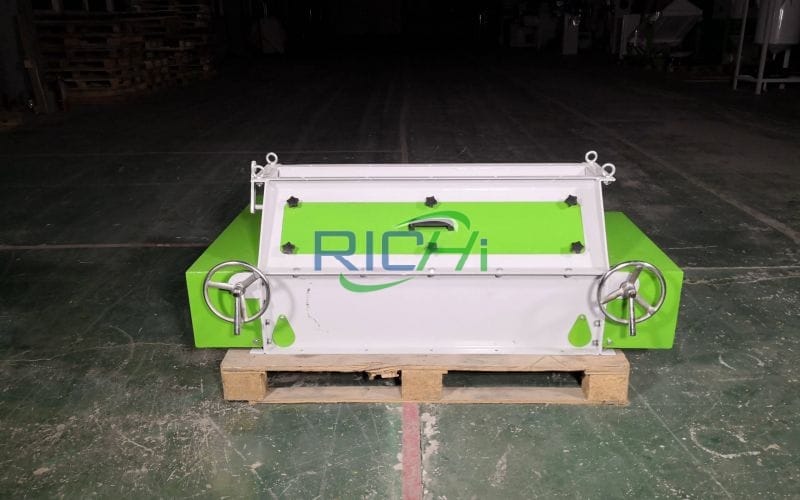
A shrimp feed factory crumbler in Brazil was the last thing I expected to sell to a customer who already owned a crumbler.
But that's exactly what happened in Fortaleza last year.
I got a call from a feed mill in the state of Ceará, up in northeast Brazil. They make shrimp feed – about 8,000 tons per year for farms in the region. They had a crumbling line. They had a crumbler. It was an Italian machine, bought new three years ago. And it was driving them crazy.
The production manager – let's call him Jorge – was blunt on the phone. "This machine makes too much dust. Our crumbles are 30% fines. The rolls wear out every 400 tons. And the Italian company takes two months to send spare parts."
He didn't want a new shrimp feed production line. He wanted a crumbler that worked. He asked if we could sell him just one machine – drop it into his existing line – and he'd scrap the Italian one.
That's the story I want to tell you. Not a greenfield project. Not a farmer buying his first machine. A real factory with a real problem, and how a single replacement crumbler fixed it.
Name:
shrimp feed crumbler
Country:
Brazil
Date:
2025
Capacity:
3T/H
Model:
SSLG20x140X
Main Motor Power:
11+1.1
Crumbling Roller Diameter:
20
Crumbling Roller Length:
140
Jorge's factory is in the shrimp farming region of Ceará, near the coast. They make feed for Litopenaeus vannamei whiteleg shrimp – the main species farmed in Brazil. Their customers are small and medium farms within about 300km of the factory.
The factory itself is decent. They have:
And they had a crumbler. An Italian brand. Three-roll, supposedly for shrimp feed. But from what Jorge described, it sounded like the wrong machine for the job. The rolls were too narrow only 1000mm wide, so they had to run it faster than designed to get the throughput they needed. The corrugations were coarse – more like a poultry crumbler than a shrimp crumbler. And the frame wasn't rigid enough, so the roll gap drifted during production.
They had been dealing with this for two years. They tried different roll gaps. They tried running the pellets warmer. They tried slowing down the feed rate. Nothing worked. The fines were always 25-30%, and the rolls needed resurfacing every 4-5 months.
Jorge finally got approval to replace it. His boss gave him a budget – not huge, but enough for a good machine. He started looking at options.
Here's what Jorge told me when I asked why he didn't just buy a complete new crumbling section:
"The rest of my line is fine. My extruder is good – it's a Brazilian brand, parts are easy to get. My dryer works. My screener works. Why would I spend $50,000 on a new feeder and conveyor when I just need a crumbler that doesn't make dust?"
He had a point. His existing setup was:
Extruder 3 t/h of 2.2mm pellets → Belt Dryer → Crumbler broken → Screener → Coater → Bagging
If he bought a new crumbler that had the same inlet height and discharge height as his old one, he could literally unbolt the Italian machine and bolt in ours. Same motor starter but he needed to check the amperage. Same chutes. Same everything.
We measured his existing crumbler footprint from photos he sent. It was close to our SSLG20x140X – similar width, similar mounting hole pattern. Not identical, but close enough that his maintenance team could make adapter plates.
He ordered just the pellet feed crumbler. No feeder. No control panel he reused his existing starter. No chutes he modified his old ones. Just the machine.
Brazil's shrimp feed industry uses a different mix of ingredients than Asia. Jorge's formula for juvenile crumbles 0.6-1.0mm looks like this:
His extruded pellets are 2.2mm diameter, 2.5:1 compression ratio. Hard pellets – the extrusion process gelatinizes the starch from the corn gluten meal, making them durable. Moisture after drying is about 8-9%.
Target crumble size: 0.6mm to 1.0mm for juvenile shrimp PL20 to PL40. He also makes a small amount of 1.2mm crumbles for larger juveniles.
The SSLG20x140X we recommended has 200mm diameter rolls not 250mm like the bigger X-type, 1400mm length. Why this model instead of the larger 25x170X? Because his extruder maxes out at 3 tons per hour. The 20x140X is rated for 2.5-3.5 t/h on shrimp feed – perfect match. The larger machine would have cost more and given him capacity he couldn't use.
The X-type fine corrugations are critical for his target crumble size. Standard rolls like on his old Italian machine would have produced larger, less uniform crumbles.
I wasn't there for the swap, but Jorge sent me photos and we talked on the phone during the process. Here's how it went.
Day 1: They shut down the line. Unbolted the old crumbler. Used a pallet jack to move it out of the way. Cleaned the area – there was shrimp feed dust everywhere. Found that the old machine's discharge chute was cracked and patched with silicone. They ordered a new chute from a local sheet metal shop.
Day 2: Our crumbler arrived. They used a forklift to lift it onto the existing platform. The mounting holes didn't line up perfectly – off by about 30mm in one direction. Their welder made four adapter plates from 10mm steel plate in about two hours. Bolted the crumbler down. Connected the inlet chute they had to modify it because our inlet is slightly taller. Connected the discharge chute the new one wasn't ready yet, so they used the old cracked one temporarily.
Day 3: Electrical hookup. His old crumbler had an 11kW motor same as our 20x140X main motor and a 1.1kW feeder motor same. He reused his existing contactors and overload relays. His electrician checked the amperage draw during a no-load test – all good. Then they ran a few kilos of pellets through by hand to check the crumble quality.
Day 4: First full production run. They started at 2 tons per hour conservative. The crumbles looked good – fines were about 12% based on a quick screen test. They increased to 2.5 t/h. Fines went up to 14%. They adjusted the roll gap from 0.6mm to 0.7mm, and fines dropped to 11%. They ran for four hours. No issues.
The only real problem was the V-belt tension. The belts stretched after about 8 hours of running, which is normal. But his maintenance guy didn't check them. The belts started slipping, and the crumbler slowed down. He called me, I told him to re-tension, and ten minutes later it was fine. Now they check belt tension every Monday morning.
I called Jorge last week for an update. Here's what he told me.
He also mentioned something interesting. The old Italian machine had a separate feeder motor that was hard to synchronize with the main rolls. Our X-type has an integrated feeder – the feeder roll is mechanically linked to the main rolls, so the speed ratio is fixed. That means less adjustment, fewer variables. He said: "I don't have to think about feeder speed anymore. I just set the main roll gap and go."
Jorge is not an easy guy to please. He's been in feed production for 20 years. He's seen a lot of equipment fail. So when he sent me this message on WhatsApp, I saved it.
Here it is, translated from Portuguese cleaned up slightly:
"Look, I was skeptical. Your machine cost about the same as the Italian one. I thought all crumblers were the same. But after six months, I can tell you – they're not.
The Italian machine made me check the roll gap every hour. It drifted constantly. Your machine, I check it in the morning and it stays where I set it all day. The frame is heavier. You can feel the difference.
The fines are half what they were. Half. That means I'm selling more feed and wasting less. My production cost per ton dropped by about 8% just from changing the crumbler.
The spare parts situation – I ordered a spare set of rolls with the machine. They arrived in the same container. I have them on the shelf. I don't have to wait two months like I did with the Italian company.
Would I buy another one? Yes. In fact, I'm talking to my boss about replacing the crumbler on our other line next year. That one is a different brand – also European – and it's starting to have the same problems."
That last part – that's the kind of feedback that tells you the machine is working. Not because the customer says nice things, but because he's planning to buy another one.
Let me explain why this machine worked for Jorge when his Italian crumbler didn't. This might help you if you're evaluating shrimp feed factory crumbler in Brazil or anywhere else.
Problem 1: Roll drift. The Italian machine had a single-point roll adjustment with no lock. Vibration would slowly open the gap during production. The SSLG20x140X has a screw-type adjustment with a positive lock nut. You set the gap, tighten the lock nut, and it stays. Jorge checks his once a day. That's it.
Problem 2: Coarse corrugations. The Italian machine had about 6 teeth per inch. Fine for poultry, not fine enough for shrimp. The X-type has 12 teeth per inch – much finer. This creates a shearing action rather than a crushing action. The pellets break along natural lines instead of shattering into dust.
Problem 3: Narrow rolls. The Italian machine had 1000mm wide rolls but was rated for 3 t/h. That meant the rolls had to run faster, which increased fines. Our 1400mm wide rolls run slower for the same throughput, which reduces fines. Simple physics.
Problem 4: Rigidity. The Italian machine's frame was made from welded steel plate, but it flexed under load. Our frame is cast iron – much stiffer. When the rolls are under load, the frame doesn't flex, so the roll gap stays constant across the entire width.
These aren't sexy features. They're boring engineering details. But they're the difference between a machine that works and a machine that makes you want to throw a wrench at it.
The crumbler shipped from Qingdao to Pecém Port, which is the main port for Fortaleza and the surrounding industrial zone. Pecém is about 60km west of Fortaleza – modern port, handles a lot of agricultural exports and imports.
Shipping time from Qingdao to Brazil is long – about 35-40 days. We put the machine in a 40-foot container with:
Customs clearance in Brazil took about two weeks. Brazilian import regulations are strict, but his broker knew how to classify the crumbler under the correct tariff code for feed machinery lower duty than general industrial equipment. Total landed cost was about 25% higher than the FOB price – mostly due to shipping and taxes.
He told me later: "The shipping cost was painful. But the machine works, so I stopped caring about the shipping cost after the first week."
If you're thinking about buying a shrimp feed factory crumbler in Brazil or anywhere, here are the lessons from this project.
Lesson 1: Don't assume all crumblers are the same. Jorge made that mistake when he bought the Italian machine. He assumed a three-roll crumbler is a three-roll crumbler. They're not. The roll material, corrugation pattern, frame rigidity, and gap adjustment mechanism all matter.
Lesson 2: Match the roll width to your throughput. If your rolls are too narrow, you have to run them faster, which increases fines. Our rule of thumb: for shrimp feed, roll speed should be below 400 RPM. Faster than that, and fines start to climb. Jorge's old machine ran at 550 RPM. Ours runs at 380 RPM.
Lesson 3: Buy spare rolls with the machine. Shipping to Brazil is expensive and slow. If you wait until you need spare rolls, you'll be down for two months. Jorge ordered spares with the machine. They cost him about $1,200 and took up very little space in the container. Cheap insurance.
Lesson 4: Check your belt tension. I know I've said this before, but it's the most common startup problem. New belts stretch. If you don't re-tension them after the first 50 hours, they slip, the crumbler slows down, and you get more fines. Jorge's team checks belt tension every Monday now. Takes five minutes.
Lesson 5: Don't forget the magnet. His old machine didn't have a magnetic plate. He found a small piece of metal in the feed stream about two weeks after installation – probably a broken screw from the dryer. The magnet caught it. Without the magnet, that screw could have damaged the roll corrugations.
Jorge had been burned by the Italian supplier. They sold him a machine, then disappeared when he needed support. So we approached this project differently.
First, we sent him a sample of the X-type roll corrugation – an actual 20cm section of roll material with the teeth cut in. He could see and feel the difference from his old rolls. That physical sample was more convincing than any spec sheet.
Second, we connected him with another shrimp feed factory in Mexico that uses the same SSLG20x140X. He called them. They spoke Spanish, he speaks Portuguese – close enough. They told him the machine had been running for 18 months with no problems. That conversation sealed the deal.
Third, we provided a detailed installation checklist in Portuguese – not just English. His maintenance team followed it step by step. He told me later: "The Italian company gave us a manual in Italian. We had to translate it. Your manual was in our language. Small thing, but it matters."
Fourth, we offered a remote video call during startup. I sat in Qingdao and watched on my phone while his team ran the first test. I could see the crumbles coming out, see the roll gap on the indicator, hear the motor sound. When the belts started slipping, I saw it happen and told him to stop and re-tension. That kind of support is hard to get from a supplier who's 15,000km away.
Here's my honest take.
If you already have a shrimp feed line and your crumbler is giving you problems – too many fines, uneven crumbles, constant adjustments – don't automatically assume you need a whole new line. A good crumbler can drop into an existing line and fix the problem.
But don't make the same mistake Jorge made the first time. Do your homework. Ask about roll material hardness Ni-Hard is what you want – 60-65 HRC. Ask about corrugation pattern X-type for shrimp, standard for poultry. Ask about frame construction cast iron is better than welded steel. Ask about lead time for spare parts.
And if you're in Brazil – or anywhere in South America – reach out. We've shipped enough of these machines to know what works and what doesn't. Send me your current pellet size, target crumble size, and hourly throughput. I can tell you if our X-type crumbler is a good fit for your factory.
You can contact RICHI Machinery through the website. Mention this article – the one about the factory in Ceará that replaced their Italian crumbler – and I'll make sure you talk to someone who actually knows shrimp feed production. Not a general salesperson. Someone who's been inside a shrimp feed factory and seen the problems firsthand.
Having the right mix of reliable, high-quality pellet machine and pelletizing systems and expert support is essential to your success. Watch how our end-to-end feed pellet plant solutions have helped our customers optimize their performance.
Our customized and future-proofed turnkey pellet plant solutions is designed with you at the core. From vision to reality and beyond, our team stays connected with yours. Giving you peace-of-mind with an expert at your side.
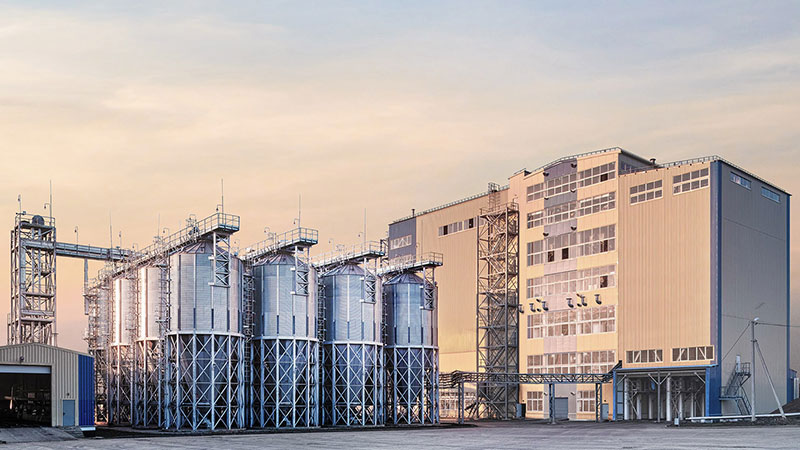
At RICHI, we go beyond project completion. With RICHI Servicee, we’re your dedicated partners in success. Count on us for expert guidance, minimal downtime, and optimized productivity. Choose RICHI for unmatched service and support.
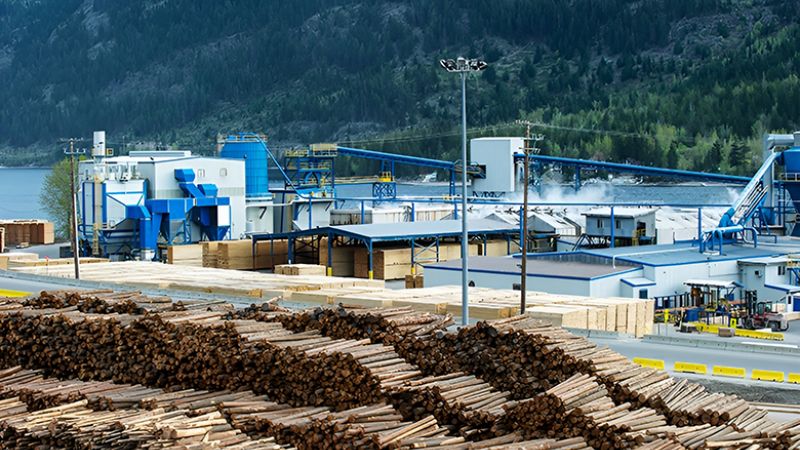


Meet global product demands and quality standards with industry-leading pellet plant design, engineering, equipment, and construction services for pellet processors.


Your Partner Beyond Project Completion
2000+ cases
RICHI is the leading designer, manufacturer and builder of pellet plants in the world, completing over 2000 projects in 140 countries across 6 continents.
Read More
Increase plant productivity, profitability, and safety by integrating high quality equipment into your pellet production line. Over the years, RICHI has become China's top pellet equipment manufacturer. At the same time, RICHI has established valuable partnerships with the world's leading component and raw material manufacturers to bring you the best there is in technology, automation, and efficiency in pelleting plant machinery.

For nearly 30 years, RICHI has been providing best-in-class pellet plant equipment and services to clients across a variety of industries, sizes, and needs. We pride ourselves on the knowledge and skill that each team member possesses – from our technical sales team to our process design engineers. You can count on RICHI Machinery to take your operation to the next level of innovation, quality, and success.
Need help with your pellet manufacturing plant project? Contact us today.
ANIMAL FEED
BIOMASS
WOOD
ORGANIC FERTILIZER
AQUA FEED
CAT LITTER
MUNICIPAL WASTE RECYCLING
SPECIAL PELLET PRODUCTION
RICHI Machinery continues to deliver world class pellet mill equipment, pellet plant engineering and project solutions that add value to our customers in the animal feed, wood waste, agriculture waste, organic fertilizer, cat litter and special pellet products industries. Throughout the years, we RICHI Machinery have built strong brand, becoming industry-leading pellet machine manufacturer. We value integrity, promise quality, and prioritize your success.
Learn MoreWith our expert team, we precisely implement your process engineering requirements in pellet mill and pelletizing plant systems. No matter which industry you’re in – we understand your needs and deliver solutions that meet the highest standards.
At RICHI, quality comes first. Our pellet making machine and related pellet line equipment undergo rigorous quality controls to ensure they meet the highest standards. Rely on products that are durable, safe, and efficient.
With decades of experience in pellet machine and pellet production line production, we have earned a reputation as a trusted partner in various industries. Our expertise allows us to cover a wide range of applications.
Not only do we offer premium pelleting equipment, but we are also experts at designing, building, installing, and maintaining facilities from the ground up. Our expertise is within pellt plant process design, discovering the most efficient, productive, and profitable way to handle your materials in an end-to-end cycle.
○ RICHI MACHINERY
Keeping in touch with us is an effective way to solve all your problems. If you have any needs or questions, please leave your contact information, then RICHI technical consultants will send design, quotation, videos to your mailbox. You can also contact us directly via WhatsApp: +86 13838389622
Copyright©2015-2026 by HENAN RICHI MACHINERY CO., LTD. All rights reserved.