
Freshwater Fish Feed Extruder Machine in Uganda for Nile tilapia and freshwater aquaculture feed production. Explore a 55 kW twin screw extruder with up to 1 T/H capacity.
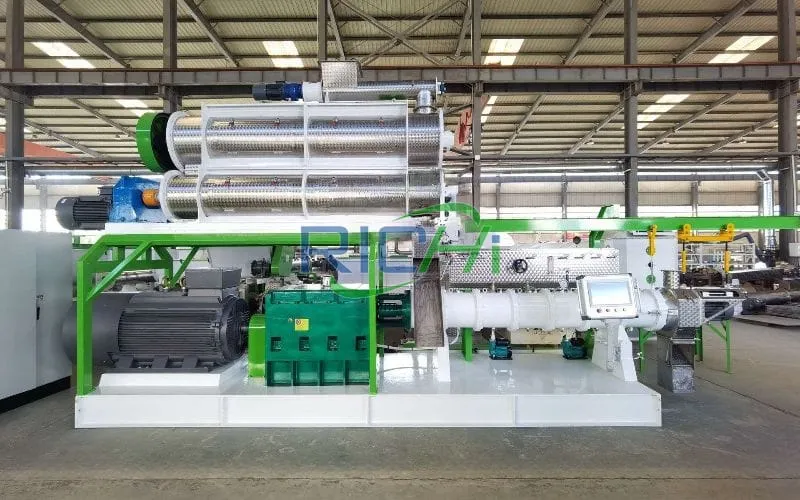
A freshwater fish feed producer near Kampala, Uganda, had spent three years dealing with an unreliable single-screw extruder. The machine had been purchased second-hand through an equipment dealer in Nairobi, but it consistently struggled to produce floating feed with stable expansion. Some pellets remained on the water surface, while others sank shortly after entering the water. For a mill supplying Nile tilapia farmers around Lake Victoria, this inconsistency was becoming a serious commercial problem.
The owner decided to replace the old extruder rather than continue spending money on repairs. However, a complete fish feed production line was unnecessary. The factory already had a hammer mill, mixer, and dryer in operation. What it needed was a more capable extrusion machine that could improve cooking, expansion, and pellet floatability while working with the existing equipment.
Name:
Tilapia Feed Extruder
Country:
Uganda
Date:
2026
Capacity:
1 T/H
Model:
SPHS75×2
Power:
55 kW
Main application:
Floating Nile tilapia feed
Pellet diameter:
1.5/3/4.5mm
After discussing the raw materials, production target, and operating conditions with RICHI Machinery, the customer selected one SPHS75×2 twin screw extruder. Equipped with a 55 kW main motor and a differential-speed conditioner, the machine was configured for floating tilapia feed and small batches of freshwater prawn feed. The investment allowed the mill to replace its problematic extrusion equipment without rebuilding the entire factory.
The customer operates a mid-sized feed mill near Kampala, supplying small and medium-sized aquaculture farms in the Lake Victoria region. Its main commercial product is floating Nile tilapia feed, with different pellet sizes for fry, fingerlings, and grow-out fish.
The previous single-screw extruder had several recurring problems. It overheated after approximately two hours of operation, accumulated burned material around the die, and produced pellets with inconsistent density and buoyancy. Operators frequently stopped the machine for cleaning, making it difficult to maintain a predictable production schedule.
The customer therefore prioritized three improvements:
The new machine was selected as a standalone equipment replacement. Existing grinding, mixing, and raw-material drying equipment remained in use, while the post-extrusion cooling arrangement was improved during commissioning.
| Project Item | Details |
|---|---|
| Project location | Near Kampala, Uganda |
| Main application | Floating Nile tilapia feed |
| Additional application | Freshwater prawn feed |
| Equipment supplied | 1 twin screw extruder |
| Selected model | SPHS75×2 |
| Main motor | 55 kW |
| Rated capacity | Up to 1 T/H, depending on formulation |
| Annual production target | Approximately 500 tons |
| Existing equipment retained | Hammer mill, mixer, and dryer |
Floating fish feed requires more than simply forcing a wet mixture through a die. The extrusion process must provide sufficient cooking, starch gelatinization, moisture control, and expansion to produce pellets with the required density and water stability.
Compared with the customer's previous single-screw equipment, the SPHS75×2 fish feed extruder provides two intermeshing screws that convey, mix, and compress the material through the extrusion barrel. The screw configuration can be adjusted for different formulations, making it particularly useful when the factory changes between maize-based tilapia feed and higher-protein aquatic feed.
| Parameter | Specification |
|---|---|
| Model | SPHS75×2 |
| Machine type | Twin screw fish feed extruder |
| Screw configuration | Two screws |
| Screw diameter | 75 mm |
| Main motor power | 55 kW |
| Rated production capacity | Up to 1 T/H |
| Conditioning system | Differential-speed conditioner |
| Primary products | Floating fish feed and selected freshwater aquafeed products |
The 55 kW configuration was selected to meet the mill's current production requirements without unnecessarily moving to a larger extrusion system. The customer was also concerned about electricity expenditure and the reliability of its local power supply. Keeping the investment appropriately sized was therefore an important part of the equipment selection.
Another important consideration was the differential-speed conditioner. Its two shafts operate at different speeds, improving material movement, mixing, and conditioning before extrusion. This provides greater control over the preparation of starch-containing formulations and helps operators manage different recipes.
The mill's formulation strategy is closely connected to the agricultural and fish-processing resources available in Uganda. Maize is sourced from farms and grain suppliers around the Kampala region, while rice bran is purchased from a milling operation in Jinja. Soybean meal is imported from Tanzania, and fishmeal is produced from fish-processing by-products.
One distinctive ingredient is Nile perch processing residue. The customer purchases fresh trimmings from a fish processing facility near Entebbe, dries the material using a solar dryer, and subsequently grinds it into fishmeal for feed production.
| Raw Material | Source | Function in the Formula |
|---|---|---|
| Maize flour | Ugandan agricultural suppliers | Main starch and energy source |
| Rice bran | Rice mill in Jinja | Energy and supplementary nutrients |
| Soybean meal | Imported from Tanzania | Plant-based protein |
| Fishmeal | Dried Nile perch processing residues | Animal protein and amino acids |
| Wheat flour | Purchased ingredient | Additional starch and natural binding contribution |
The customer's reported base formulation is:
| Ingredient | Inclusion Rate |
|---|---|
| Maize flour | 45% |
| Rice bran | 20% |
| Soybean meal | 20% |
| Fishmeal | 10% |
| Wheat flour | 5% |
| Total | 100% |
This formulation provides a practical starting point for the mill's locally sourced ingredient system. Actual commercial tilapia diets need to be adjusted according to fish size, protein and energy requirements, amino acid balance, ingredient digestibility, and feed conversion targets.
The customer does not rely on artificial binders in this base formulation. Maize and wheat starch contribute to pellet binding during conditioning and extrusion. The mill adjusts the moisture content before the conditioner to approximately 24–26%, depending on the recipe and operating conditions.
Because locally produced fishmeal can vary in fat content, moisture, and raw-material composition, regular ingredient testing remains important. Consistent incoming material quality helps the extruder maintain stable pressure and produce pellets with more predictable physical characteristics.
The mill produces three principal floating feed sizes to serve different stages of Nile tilapia development. Instead of using one die for every product, the operator changes the die according to fish size and feeding requirements.
| Feed Category | Pellet Diameter | Main Application |
|---|---|---|
| Fry feed | 1.5 mm | Small tilapia fry |
| Fingerling feed | 3 mm | Growing fingerlings |
| Grow-out feed | 4.5 mm | Market-size production stages |
The 4.5 mm grow-out pellet is the mill's main commercial product because larger tilapia farms around Lake Victoria purchase substantial quantities of this feed. Its target is to remain afloat for at least five minutes, allowing farmers to observe feeding activity and reduce uneaten feed settling at the bottom of ponds or cages.
During the customer's bucket tests, most of the 4.5 mm pellets remained floating after eight minutes. This was a reported operating result under the mill's test conditions rather than a guaranteed flotation period for every formulation.
Smaller pellets have different water-interaction characteristics. Their surface-area-to-volume ratio is higher, so water penetration can occur more quickly. For fry feed, the customer prioritizes appropriate particle size, accessibility, and nutritional suitability rather than requiring exactly the same floating duration as grow-out feed.
One of the main differences between the new machine and the previous extruder is the conditioning arrangement. Before the material reaches the extrusion barrel, the conditioner distributes moisture and steam through the feed mixture and prepares the starch-containing ingredients for cooking.
For this Ugandan project, the conditioner is particularly important because the formulation contains maize flour, wheat flour, rice bran, soybean meal, and fishmeal. These ingredients have different moisture absorption and processing characteristics.
The differential-speed shafts help move and mix the material through the conditioning chamber. Operators can adjust the operating conditions according to the recipe, moisture content, and required pellet characteristics.
The first month of operation revealed that the mill was not supplying enough steam. The material was insufficiently cooked, resulting in crumbly pellets with inadequate binding strength.
The operators addressed the problem by adjusting the steam valve and increasing the conditioner temperature from approximately 80°C to 95°C. Following this adjustment, starch gelatinization and pellet formation improved.
This experience also demonstrated why fish feed extrusion cannot be optimized through screw speed alone. Steam quality, moisture distribution, conditioning time, screw configuration, and die design all influence the finished pellet.
The SPHS75×2 uses segmented screw elements, allowing the processing configuration to be adjusted for different ingredient characteristics. This is particularly useful for a mill that produces both conventional tilapia feed and smaller quantities of higher-protein aquatic feed.
The mill also benefits from the differential-speed conditioner because it provides additional control over material preparation before the feed enters the screws.
The quick-die-change arrangement has shortened product changeovers. Previously, changing the die on the old extruder took approximately 90 minutes. With the SPHS75×2, the reported changeover time is around 25 minutes when performed by trained operators using the appropriate safety procedures.
The SPHS75×2 has a rated output of up to 1 T/H, but the customer's actual production demand is considerably lower than the machine's maximum capacity. The mill currently produces approximately 15 tons of finished feed per week and operates one shift, five days per week.
The original annual production target was approximately 500 tons. At the reported weekly production rate, this annual target corresponds to approximately 34 production weeks. Actual annual output therefore depends on the number of weeks the factory operates and its market demand.
| Operating Item | Customer-Reported Data |
|---|---|
| Weekly finished feed output | Approximately 15 tons |
| Annual planning target | Approximately 500 tons |
| Working schedule | 1 shift per day, 5 days per week |
| Screw speed setting | Approximately 70% |
| Reported motor power draw | Approximately 48 kW |
| Reported electricity expense | UGX 180,000 per 8-hour shift |
At the reported operating point, the 48 kW power draw is below the 55 kW main motor rating. Actual consumption varies with screw configuration, feed moisture, ingredient composition, and production load.
The owner considers the electricity expense manageable for the current production scale. The machine also provides additional production capacity if demand from surrounding aquaculture farms increases.
The old single-screw machine had become increasingly difficult to operate. Material overheated after approximately two hours, burned residue accumulated around the die, and the operators had to stop frequently for cleaning.
The twin-screw configuration has improved material movement through the extrusion barrel. The new machine can reportedly operate for an eight-hour production period without requiring a die change, although operators still clean and inspect the die face regularly.
The mill's operating routine includes cleaning the die face approximately every two hours, with each cleaning taking around ten minutes. This is a planned maintenance activity rather than an indication that the machine must stop for a complete die replacement.
Die wear was another issue during the initial production period. The first die showed significant wear after approximately 300 operating hours. Small stones were identified in the rice bran supply, indicating that raw-material cleaning needed improvement.
Magnetic separators are useful for removing ferrous metal contamination, but they cannot reliably remove non-magnetic stones. A suitable screening or destoning step is therefore necessary to protect the die and other processing components. Following die replacement and attention to incoming material quality, the mill reported approximately 700 hours of service from the subsequent die.
Another commissioning challenge involved pellet cooling. Freshly extruded pellets were discharged at approximately 90°C and remained soft immediately after leaving the die. Packaging them too early would increase the risk of deformation, moisture condensation, and product-quality problems.
Rather than purchasing an entirely new downstream system, the customer constructed a simple belt conveyor with fans installed underneath. The arrangement allowed ambient air to pass through the moving pellet layer and remove heat before the product reached the bagging station.
This modification was suitable for the customer's current production volume and investment plan. However, airflow, pellet-bed depth, residence time, and final moisture should be checked to ensure that the cooling arrangement provides consistent results as output increases.
For higher production volumes, RICHI can also configure a dedicated fish feed counter-flow cooler or other suitable cooling equipment according to the required throughput and finished-product specifications.
Although Nile tilapia feed remains the mill's primary product, the customer also produces a small volume of feed for freshwater prawns raised by several farms around Lake Victoria.
The prawn formulation differs from the main tilapia recipe because it uses a higher proportion of fishmeal and soybean meal.
| Ingredient | Inclusion Rate |
|---|---|
| Fishmeal | 30% |
| Soybean meal | 25% |
| Maize flour | 20% |
| Rice bran | 15% |
| Wheat flour | 10% |
| Total | 100% |
The mill produces approximately 1 mm pellets for post-larvae and 2 mm pellets for juvenile prawns. The twin-screw system provides flexibility when processing these higher-protein formulations, although the final water stability, sinking behavior, and physical quality must be established through product-specific testing.
This additional application gives the mill more flexibility in serving local aquaculture customers without investing in a separate extrusion machine.
Uganda is a landlocked country, so the equipment was shipped by sea from Qingdao, China, to the Port of Mombasa in Kenya. The SPHS75×2 was loaded into a 20-foot container in September.
The reported sea freight period was approximately 28 days. Following arrival, customs clearance at Mombasa took another ten days before the equipment continued by truck to the customer's facility near Kampala.
Minor transit damage was noted during delivery. RICHI's distributor in Nairobi assisted the customer with documenting the issue and coordinating a claim with the shipping line.
The shipment route required coordination between the Chinese manufacturer, shipping company, regional distributor, and Ugandan customer. This was particularly important because the equipment needed to pass through a second country before reaching its final destination.
Installation took approximately three weeks. Before delivery, RICHI provided foundation drawings so the customer could prepare the concrete base for the machine.
The SPHS75×2 weighs just under three tons, making foundation strength, machine leveling, and vibration control important installation considerations.
The existing electrical arrangement had originally served the smaller single-screw extruder. The new 55 kW motor required a review of the electrical supply, starting method, protective devices, and cable sizing.
A soft starter was incorporated to limit starting-current peaks. The final electrical configuration needs to be matched to the motor nameplate, local supply conditions, and the electrician's protection and cable calculations. A soft starter does not reduce the motor's normal full-load current requirement.
After mechanical installation and electrical preparation, operators received training covering:
Following the installation, the mill began supplying floating tilapia feed to a growing group of local aquaculture customers.
“The old extruder was a constant problem. We spent too much time cleaning burned material and trying to get the pellets to float. The new twin-screw machine is much more stable. We can run a full production period, change dies faster, and produce different pellet sizes for our customers.
The 4.5 mm tilapia feed has been particularly successful. Farmers want pellets that remain on the water surface long enough for them to observe feeding. We are now able to supply a much more consistent product.”
A cooperative representing approximately 50 small tilapia farms near Lake Victoria also reported encouraging results. According to the cooperative's feedback, fish reached harvest size in approximately six months rather than seven, while the reported feed conversion ratio improved from 1.8 to 1.6.
The farmers also estimated that their feed expenditure had decreased by approximately 15%. These are customer-reported production results and are influenced by feed formulation, stocking density, fish health, water quality, and farm management, not extrusion equipment alone.
The mill subsequently gained approximately 30 new customers over a four-month period, strengthening its position as a local supplier of floating aquaculture feed.
With the new extruder operating successfully, the mill is considering another improvement: installing a small vacuum coater for post-extrusion oil application.
Oil is an important energy source in fish feed, but excessive oil addition before extrusion can affect material friction, screw loading, expansion, and pellet formation. Applying additional oil after extrusion can help increase the finished feed's fat content while maintaining better control over the extrusion process.
The customer's proposed target is a final oil content of approximately 6–8%, subject to nutritional formulation and process validation. A vacuum coating system would allow oil to penetrate the porous extruded pellets more uniformly than simple surface spraying.
This remains a planned upgrade rather than part of the current equipment supply. The mill does not currently plan to purchase a second extruder because one SPHS75×2 is sufficient for its present production demand.
For feed manufacturers entering the floating fish feed market, the most important consideration is matching the extrusion equipment to the actual production target, raw materials, and local infrastructure.
The Kampala project demonstrates several practical advantages of a standalone twin-screw extruder investment:
The machine is particularly relevant to producers working with maize flour, rice bran, soybean meal, and fishmeal. However, the actual output and pellet quality must always be evaluated against the formulation, moisture, die design, and desired floating characteristics.
This project near Kampala demonstrates how replacing one unreliable extrusion machine can improve the production capabilities of an existing aquafeed mill. The customer retained its working upstream equipment, introduced the SPHS75×2 twin-screw extruder, and developed a more consistent floating feed production process for Nile tilapia farmers around Lake Victoria.
RICHI Machinery manufactures twin-screw fish feed extruders, single-screw extruders, hammer mills, mixers, dryers, coolers, and complete aquafeed production systems. We provide equipment selection and process configuration according to raw materials, feed types, pellet diameters, required capacity, and site conditions.
Whether you are producing tilapia feed, catfish feed, freshwater prawn feed, or other aquatic feed products, our engineering team can help identify an appropriate extrusion configuration.
If you are looking for a freshwater fish feed extruder machine in Uganda, contact RICHI Machinery to discuss your feed formulation, target output, existing equipment, and investment requirements.
Having the right mix of reliable, high-quality pellet machine and pelletizing systems and expert support is essential to your success. Watch how our end-to-end feed pellet plant solutions have helped our customers optimize their performance.
Our customized and future-proofed turnkey pellet plant solutions is designed with you at the core. From vision to reality and beyond, our team stays connected with yours. Giving you peace-of-mind with an expert at your side.
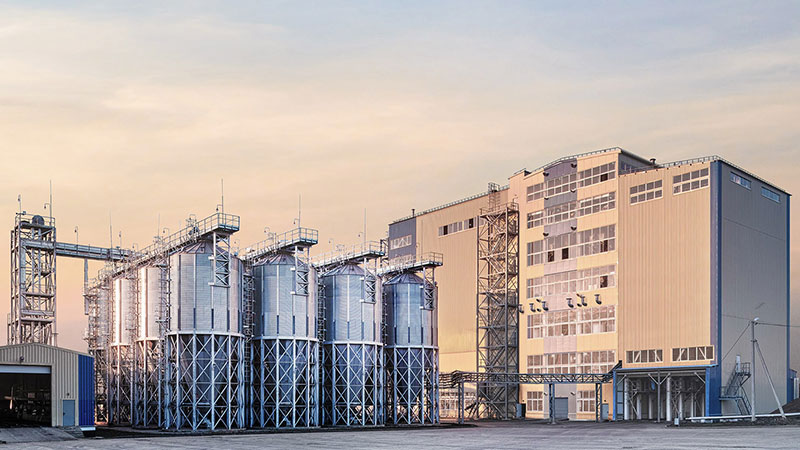
At RICHI, we go beyond project completion. With RICHI Servicee, we’re your dedicated partners in success. Count on us for expert guidance, minimal downtime, and optimized productivity. Choose RICHI for unmatched service and support.
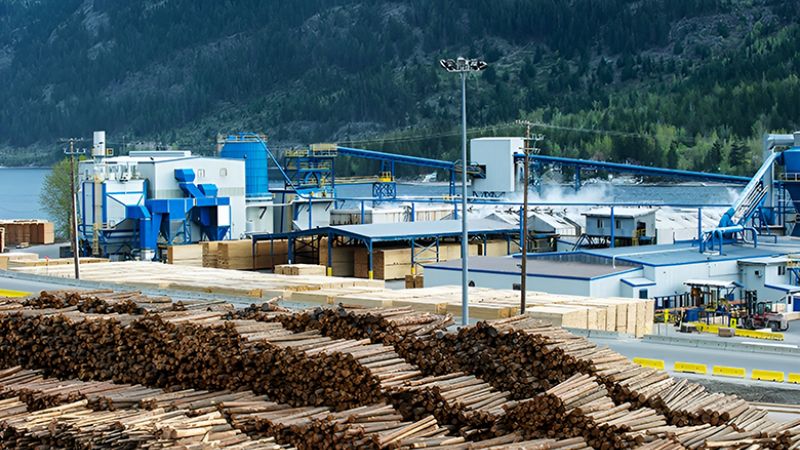


Meet global product demands and quality standards with industry-leading pellet plant design, engineering, equipment, and construction services for pellet processors.


Your Partner Beyond Project Completion
2000+ cases
RICHI is the leading designer, manufacturer and builder of pellet plants in the world, completing over 2000 projects in 140 countries across 6 continents.
Read More
Increase plant productivity, profitability, and safety by integrating high quality equipment into your pellet production line. Over the years, RICHI has become China's top pellet equipment manufacturer. At the same time, RICHI has established valuable partnerships with the world's leading component and raw material manufacturers to bring you the best there is in technology, automation, and efficiency in pelleting plant machinery.

For nearly 30 years, RICHI has been providing best-in-class pellet plant equipment and services to clients across a variety of industries, sizes, and needs. We pride ourselves on the knowledge and skill that each team member possesses – from our technical sales team to our process design engineers. You can count on RICHI Machinery to take your operation to the next level of innovation, quality, and success.
Need help with your pellet manufacturing plant project? Contact us today.
ANIMAL FEED
BIOMASS
WOOD
ORGANIC FERTILIZER
AQUA FEED
CAT LITTER
MUNICIPAL WASTE RECYCLING
SPECIAL PELLET PRODUCTION
RICHI Machinery continues to deliver world class pellet mill equipment, pellet plant engineering and project solutions that add value to our customers in the animal feed, wood waste, agriculture waste, organic fertilizer, cat litter and special pellet products industries. Throughout the years, we RICHI Machinery have built strong brand, becoming industry-leading pellet machine manufacturer. We value integrity, promise quality, and prioritize your success.
Learn MoreWith our expert team, we precisely implement your process engineering requirements in pellet mill and pelletizing plant systems. No matter which industry you’re in – we understand your needs and deliver solutions that meet the highest standards.
At RICHI, quality comes first. Our pellet making machine and related pellet line equipment undergo rigorous quality controls to ensure they meet the highest standards. Rely on products that are durable, safe, and efficient.
With decades of experience in pellet machine and pellet production line production, we have earned a reputation as a trusted partner in various industries. Our expertise allows us to cover a wide range of applications.
Not only do we offer premium pelleting equipment, but we are also experts at designing, building, installing, and maintaining facilities from the ground up. Our expertise is within pellt plant process design, discovering the most efficient, productive, and profitable way to handle your materials in an end-to-end cycle.
○ RICHI MACHINERY
Keeping in touch with us is an effective way to solve all your problems. If you have any needs or questions, please leave your contact information, then RICHI technical consultants will send design, quotation, videos to your mailbox. You can also contact us directly via WhatsApp: +86 13838389622
Copyright©2015-2026 by HENAN RICHI MACHINERY CO., LTD. All rights reserved.