
Floating Fish Feed Fine Grinder in Vietnam: SWFL110 application for pangasius feed, with dry-blend preparation, particle-size targets and extrusion interfaces.
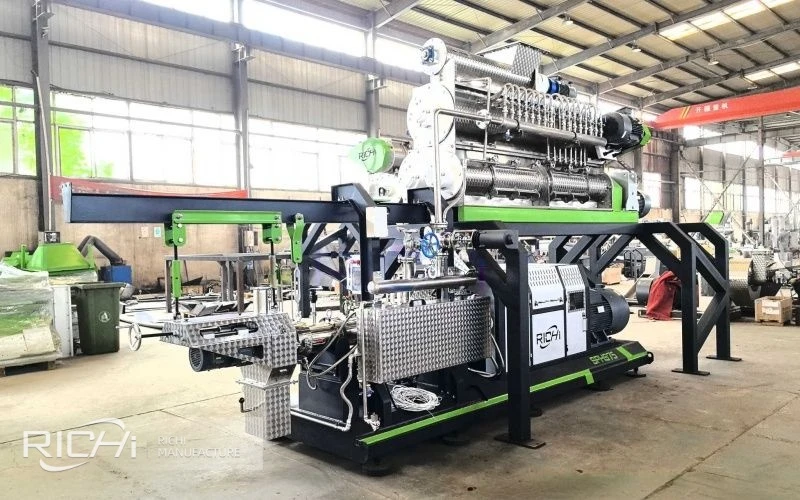
The purchasing brief starts with two products: 3 mm floating grower pellets and 4 mm pellets for larger striped catfish. Both need a consistent dry meal that the feed mill's existing extruder can process predictably. The concern is the coarse fraction hidden among otherwise fine ingredients.
This illustrative application for a floating fish feed fine grinder in Vietnam concerns a regional aquafeed mill near Can Tho, supplying striped catfish (Pangasianodon hypophthalmus) farms in the Mekong Delta. The buyer already has batching, an animal feed hammer mill, mixing, extrusion, drying, coating and bagging equipment. Its proposed purchase is one SWFL110 fine grinder, integrated with a suitable collection circuit.
The upgrade addresses variation between ingredient deliveries. Changing rice-bran suppliers can change fibre content, while fishmeal may bring harder particles. A stable recipe on the batching screen can therefore behave differently at the fish feed extruder.
Name:
Fish Feed Fine Grinder
Country:
Vietnam
Date:
2026
Capacity:
2–3 t/h
Model:
SWFL110
Main Motor Power:
110 kW
Classifying wheel motor:
7.5 kW
Final product size:
250 µm
The starting trial specification is at least 90% passing a 250 µm laboratory sieve by mass. The retained fraction also needs examination: a few long fibres or mineral fragments can matter even when the measured pass rate looks satisfactory. Sampling location, sieve procedure and test duration must stay consistent between runs.
This is a commissioning target for the proposed blend. Trials should establish whether a coarser setting delivers the required pellet quality with less grinding work, or whether particular ingredients need further reduction. Pursuing the finest possible flour would make the comparison less useful.
The finished-feed brief calls for approximately 3 mm diameter by 3–5 mm length for the smaller grower product, and 4 mm diameter by 4–6 mm length for larger fish. Selection depends on fish size and feeding response. Extruder die selection must allow for expansion; cutter speed controls length. Dimensions are checked after drying.
Fine grinding supports more even hydration and cooking. Floating performance also depends on starch availability, conditioning moisture, screw configuration, extrusion energy and final density. The finished pellets therefore need their own flotation and water-stability tests.
The proposed grinding trial uses 40% soybean meal, 35% broken rice, 20% defatted rice bran and 5% fishmeal, weighed as received. These percentages define a machinery test blend; the nutritionist develops the complete feed formula separately. Rice by-products fit the Mekong Delta supply base, while soybean meal can be sourced through Vietnam's established feed-ingredient trade.
Broken rice supplies a starch-bearing fraction. Soybean meal contributes protein and fibrous particles. Defatted rice bran limits the oil entering this grinding stage, although fibre, ash and remaining fat still vary by supplier. Fishmeal requires checks for moisture, salt, ash and foreign material.
For initial trials, the dry blend is prepared at approximately 10–12% moisture. It must be free-flowing, with no damp lumps. The existing hammer mill pregrinds coarse ingredients through a trial 2 mm screen before fine grinding. That aperture describes the pregrinding screen; the actual particle distribution still needs measurement.
Cleaning and magnetic separation precede the grinder. Added oil, water and steam enter downstream, and vitamin and mineral premixes are incorporated during final mixing. Keeping these additions out of the fine-grinding circuit makes material flow and sampling easier to control.
The SWFL110 Ultrafine Pulverizer is the candidate for a 2 t/h net ground-meal requirement. Its published reference capacity is 2–3 t/h, subject to material and fineness. Retaining the existing hammer mill lets it handle preliminary reduction while the SWFL110 controls the finer fraction.
| Item | Proposed specification |
|---|---|
| Fine grinder | One SWFL110 |
| Main motor | 110 kW |
| Classifying wheel motor | 7.5 kW |
| Feeder motor | 1.5 kW |
| Combined listed motor power | 119 kW; collection and conveying equipment additional |
| Published reference capacity | 2–3 t/h |
| Planning throughput | 2 t/h of accepted ground meal, subject to trials |
| Initial fineness target | At least 90% by mass passing 250 µm |
At 2 t/h and eight net grinding hours per day, the circuit would supply 16 tonnes of ground meal daily. Across 300 operating days, the planning total is 4,800 tonnes. Cleaning, stoppages and changeovers require additional scheduled time. Finished-feed output needs a separate mass balance covering formulation additions and drying.
The grinder combines impact reduction with air classification. Coarse material returns internally for further grinding; accepted fines travel to the collection system. Feed rate, classifier speed and airflow are adjusted together. Operators should compare collected product against the agreed sieve test while recording motor load and product temperature.
Fan selection must account for the grinder, duct layout, cyclone and filter resistance. Existing aspiration can be reused only after checking its available duty. Filter condition and discharge airlocks affect collection performance. A receiver with level control buffers the batch mixer, while interlocks stop feeding if collection fails or the receiver fills.
The installation review covers support loads, inlet height, duct routing and clearance for opening the grinding chamber. Vietnam uses a 50 Hz electrical system; motor voltage, starting method and spare transformer capacity need confirmation at the mill. Pulse-cleaned filters also require a defined compressed-air supply. The 119 kW figure covers only the three listed motors.
A proposed delivery route is Qingdao Port to Cat Lai Terminal in Ho Chi Minh City, followed by road transport to the Can Tho area. Packing configuration follows the approved equipment dimensions. Foundation and interface drawings, the electrical load list and lifting instructions should reach the mill before dispatch.
The acceptance run should use representative ingredient lots and compare grinding settings under controlled extrusion conditions. Useful records include accepted meal per hour, sieve results, total circuit electricity, extruder load, finished dimensions, flotation and handling fines. Fish growth or feed conversion requires separate feeding evidence.
The purchasing value lies in a repeatable meal specification and a grinding circuit that keeps the existing extruder supplied. RICHI's proposal should connect those requirements to sample testing, collection sizing, operator instruction and wear-part planning.
For a floating fish feed fine grinder in Vietnam, send RICHI Machinery a representative dry blend, its moisture and sieve results, target pellet dimensions, hourly meal demand and the existing layout. Those details allow the quotation to define both the machine scope and the acceptance test.
Having the right mix of reliable, high-quality pellet machine and pelletizing systems and expert support is essential to your success. Watch how our end-to-end feed pellet plant solutions have helped our customers optimize their performance.
Our customized and future-proofed turnkey pellet plant solutions is designed with you at the core. From vision to reality and beyond, our team stays connected with yours. Giving you peace-of-mind with an expert at your side.
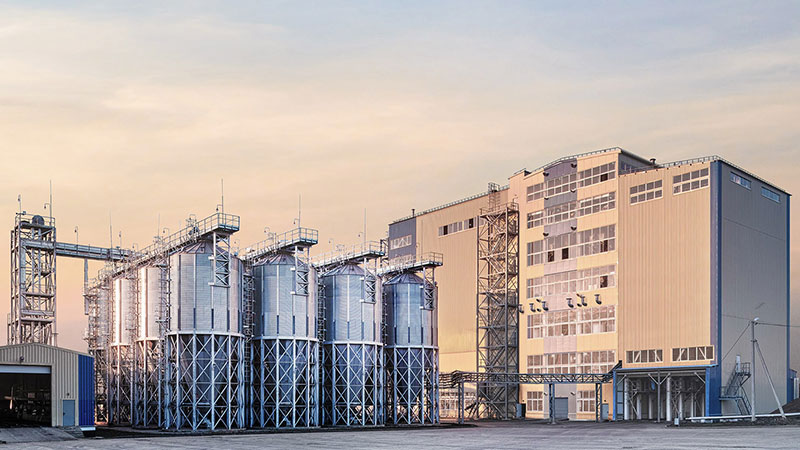
At RICHI, we go beyond project completion. With RICHI Servicee, we’re your dedicated partners in success. Count on us for expert guidance, minimal downtime, and optimized productivity. Choose RICHI for unmatched service and support.
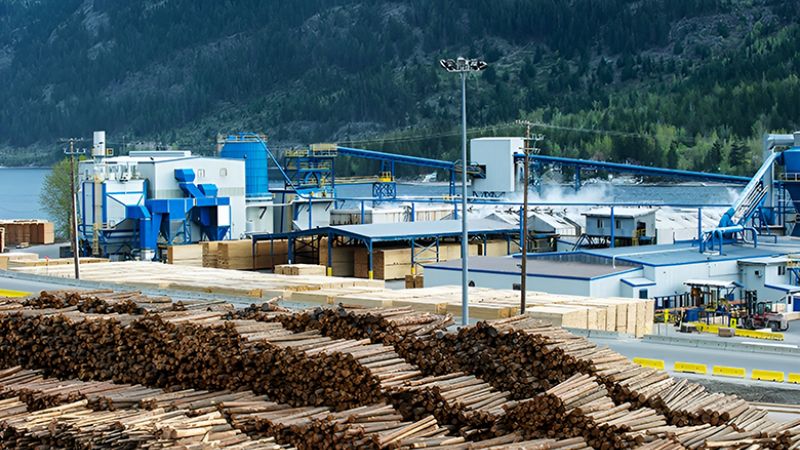


Meet global product demands and quality standards with industry-leading pellet plant design, engineering, equipment, and construction services for pellet processors.


Your Partner Beyond Project Completion
2000+ cases
RICHI is the leading designer, manufacturer and builder of pellet plants in the world, completing over 2000 projects in 140 countries across 6 continents.
Read More
Increase plant productivity, profitability, and safety by integrating high quality equipment into your pellet production line. Over the years, RICHI has become China's top pellet equipment manufacturer. At the same time, RICHI has established valuable partnerships with the world's leading component and raw material manufacturers to bring you the best there is in technology, automation, and efficiency in pelleting plant machinery.

For nearly 30 years, RICHI has been providing best-in-class pellet plant equipment and services to clients across a variety of industries, sizes, and needs. We pride ourselves on the knowledge and skill that each team member possesses – from our technical sales team to our process design engineers. You can count on RICHI Machinery to take your operation to the next level of innovation, quality, and success.
Need help with your pellet manufacturing plant project? Contact us today.
ANIMAL FEED
BIOMASS
WOOD
ORGANIC FERTILIZER
AQUA FEED
CAT LITTER
MUNICIPAL WASTE RECYCLING
SPECIAL PELLET PRODUCTION
RICHI Machinery continues to deliver world class pellet mill equipment, pellet plant engineering and project solutions that add value to our customers in the animal feed, wood waste, agriculture waste, organic fertilizer, cat litter and special pellet products industries. Throughout the years, we RICHI Machinery have built strong brand, becoming industry-leading pellet machine manufacturer. We value integrity, promise quality, and prioritize your success.
Learn MoreWith our expert team, we precisely implement your process engineering requirements in pellet mill and pelletizing plant systems. No matter which industry you’re in – we understand your needs and deliver solutions that meet the highest standards.
At RICHI, quality comes first. Our pellet making machine and related pellet line equipment undergo rigorous quality controls to ensure they meet the highest standards. Rely on products that are durable, safe, and efficient.
With decades of experience in pellet machine and pellet production line production, we have earned a reputation as a trusted partner in various industries. Our expertise allows us to cover a wide range of applications.
Not only do we offer premium pelleting equipment, but we are also experts at designing, building, installing, and maintaining facilities from the ground up. Our expertise is within pellt plant process design, discovering the most efficient, productive, and profitable way to handle your materials in an end-to-end cycle.
○ RICHI MACHINERY
Keeping in touch with us is an effective way to solve all your problems. If you have any needs or questions, please leave your contact information, then RICHI technical consultants will send design, quotation, videos to your mailbox. You can also contact us directly via WhatsApp: +86 13838389622
Copyright©2015-2026 by HENAN RICHI MACHINERY CO., LTD. All rights reserved.