Our ultrafine pulverizer turns pre-ground feed ingredients into fine, uniform powder for aquafeed, pet food and other demanding applications. SWFL models cover 80–200 mesh grinding and 1–10 t/h for secondary grinding duties.
A hammer mill can prepare the material, but some formulations need another level of particle control. The RICHI ultrafine pulverizer takes pre-ground ingredients into a high-speed grinding chamber, where repeated impact reduces particle size before an integrated air-classification process separates qualified fines and returns oversized particles for further grinding. This grinding-and-classifying cycle gives producers more control over final fineness instead of relying on a single pass through a small screen. It is particularly valuable for shrimp feed, fish feed, juvenile aquafeed, pet food and other formulations where a finer, more consistent powder is required before mixing, conditioning or extrusion.
○ RICHI MACHINERY
The ultrafine pulverizer is primarily used for pre-ground feed ingredients and formulated blends containing materials such as corn, wheat, soybean meal, fish meal and other suitable protein or cereal ingredients. It is particularly relevant when these materials are being prepared for shrimp feed, fish feed, micro-feed, pet food or other fine-feed formulations.
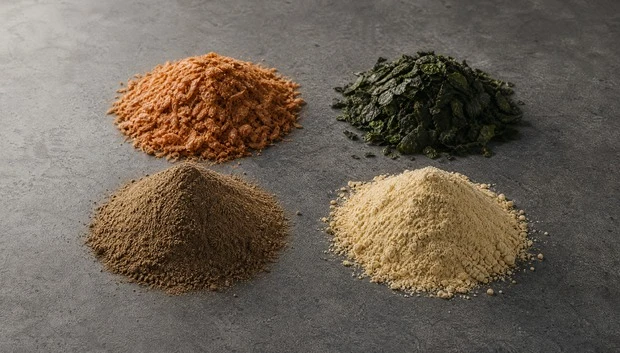
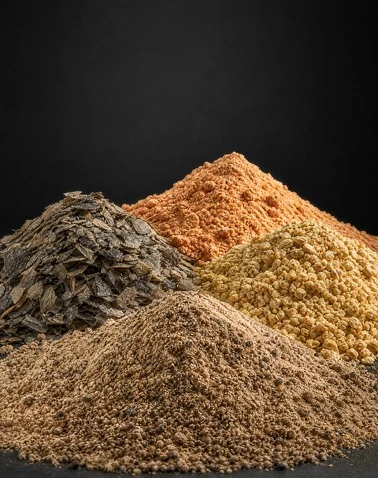
Specialty Aquafeed Ingredients
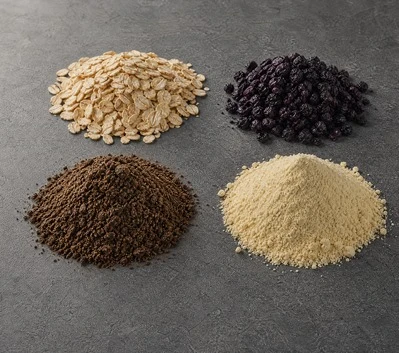
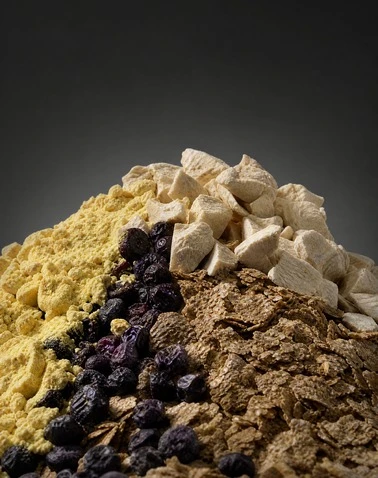
Pet Food Ingredients
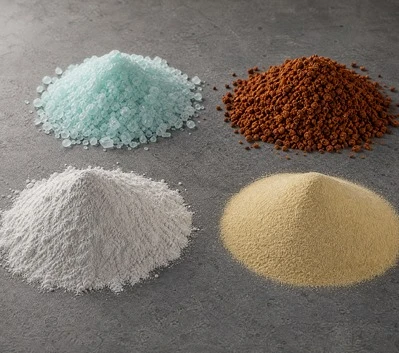
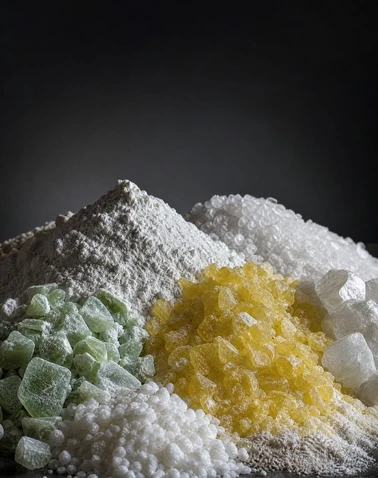
Feed Additives & Premixes
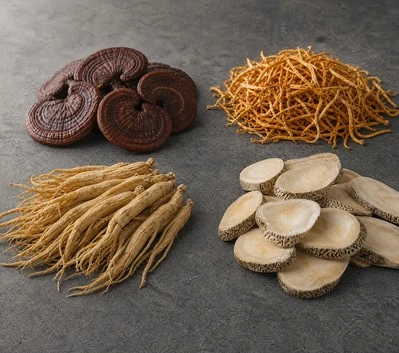
Chinese Herbal Materials
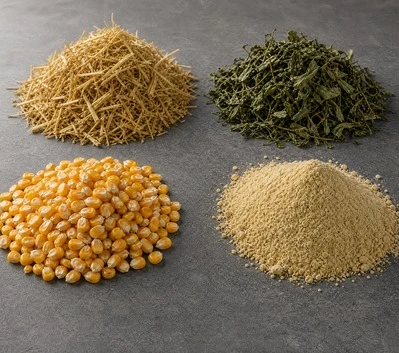
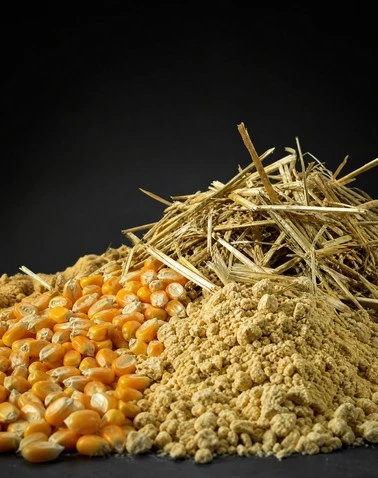
Ruminant Feed Ingredients
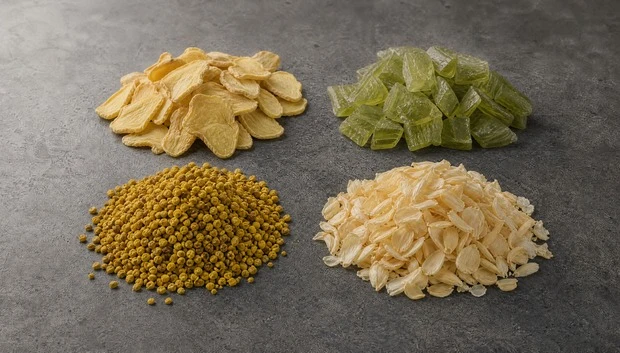
Food & Health Ingredients
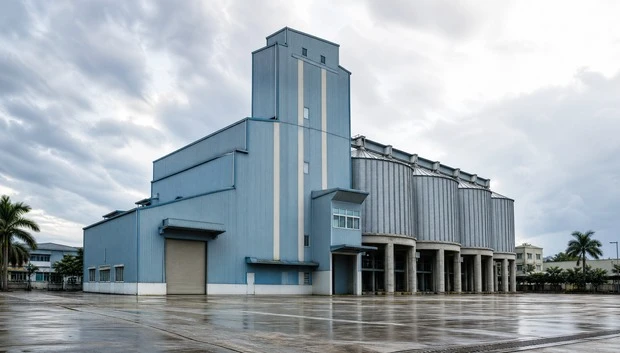
The strongest fit is aquafeed mills producing shrimp, eel, juvenile fish, marine fish or other small-pellet feeds, followed by pet food plants and specialized feed manufacturers with demanding particle-size targets. It is also suitable for existing mills adding a secondary grinding stage where ordinary hammer milling no longer meets the required fineness or particle distribution.
Specialty Aquafeed Mills

Pet Food Manufacturing Plants

Veterinary & Feed Additive Plants

Chinese Herbal Medicine Plants

Large-Scale Feed Manufacturing Plants
Ruminant Feed Mills
○ RICHI MACHINERY
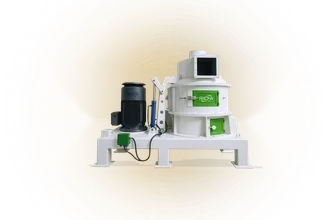
The SWFL is not simply a hammer mill fitted with a smaller screen. Its grinding rotor, impact surfaces, classifier, feeding section and airflow work together as one particle-size reduction system. These eight structural details explain how the machine controls material movement, repeated grinding and qualified powder discharge.
The grinding chamber, drive section and supporting structure are arranged on a rigid machine body built for continuous high-speed operation. Structural rigidity helps maintain rotor alignment and operating stability, while the enclosed housing provides a controlled space for grinding, classification and airflow.
A dedicated feeding mechanism meters pre-ground material into the pulverizing chamber instead of allowing irregular surges. Stable feeding is especially important in ultrafine grinding because sudden changes in material load can affect motor load, airflow balance, classification and final particle-size consistency.
The main motor drives the rotor at high speed, creating the intensive impact required for secondary fine grinding. The shaft, rotor and related rotating components must operate as a balanced assembly, since stability at high rotational speed directly affects vibration, wear and reliable continuous operation.
Inside the chamber, high-speed grinding elements repeatedly impact and accelerate the pre-ground material against the surrounding grinding surfaces. Particles remain under repeated mechanical action until they become fine enough to enter the classification stage rather than leaving after a single impact.
The classifier is one of the key differences between ultrafine grinding and conventional coarse crushing. Its rotating classification section separates particles according to aerodynamic behavior: qualified fines continue toward discharge, while oversized material remains in the grinding circuit for further size reduction.
Final fineness is controlled through the interaction of classifier operation, airflow, feed rate and material characteristics—not by installing an extremely small screen alone. This gives operators a practical means of adjusting the grinding condition when different formulas require different particle-size targets.
The chamber is designed to provide access to internal grinding and wear components for inspection, cleaning and replacement. This matters in fine-feed plants where formula changes, wear monitoring and planned maintenance must be carried out without treating the grinding chamber as a permanently closed unit.
Ultrafine grinding depends on stable air movement as well as mechanical impact. The machine is therefore engineered to work with the associated air system, while vibration monitoring and protective control can be incorporated to identify abnormal operating conditions before they develop into more serious mechanical problems.
○ RICHI MACHINERY
Ultrafine grinding is rarely specified in isolation—the required fineness depends on the formula and the product being made. RICHI has supplied ultrafine pulverizer equipment as part of complete aquafeed and pet food plants in different markets. These videos show how the grinding section fits into real production projects.
Installed in a complete 5 t/h trout feed plant, this ultrafine pulverizer prepares finely ground formula ingredients for the extrusion process and consistent feed production.

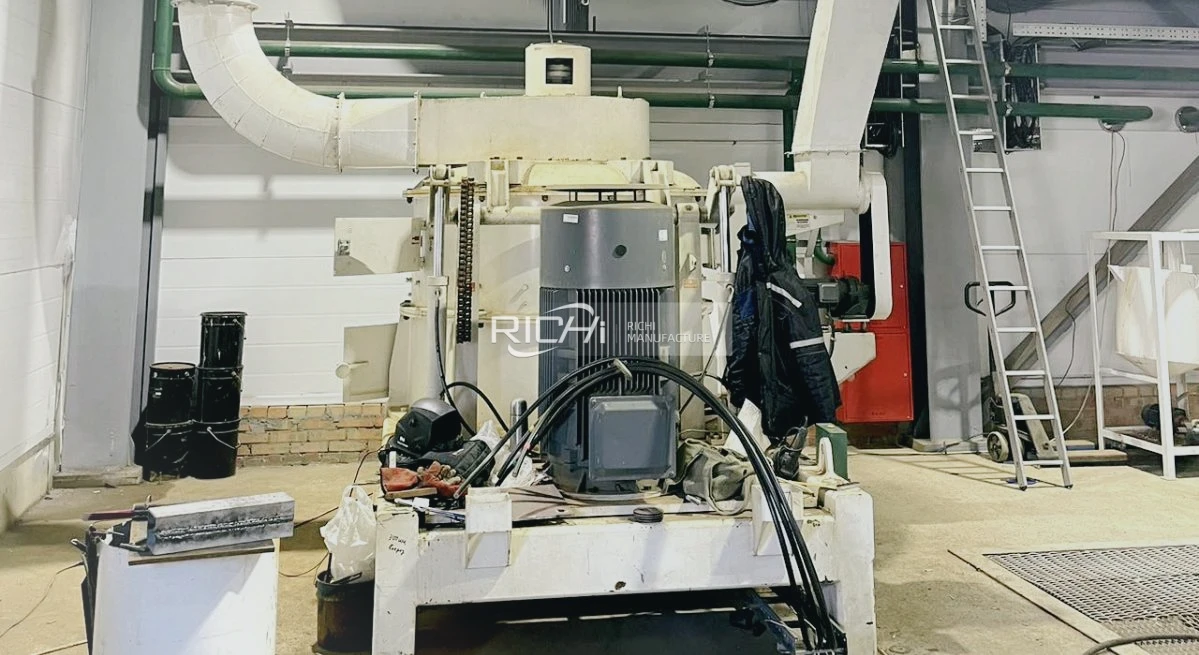
This Indonesian shrimp feed mill uses the ultrafine pulverizer for fine grinding before downstream feed processing. RICHI supplied the complete shrimp feed production line.
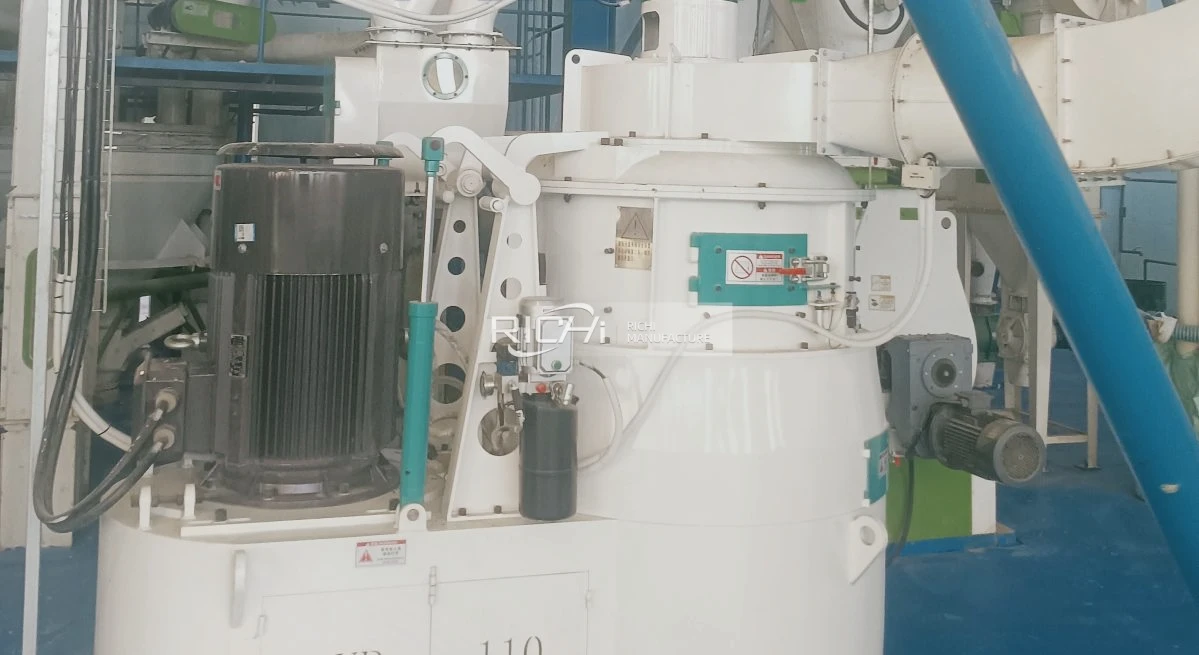
Built into a complete dry pet food production line in Poland, the ultrafine pulverizer prepares formula ingredients to the grinding specification required before further processing.
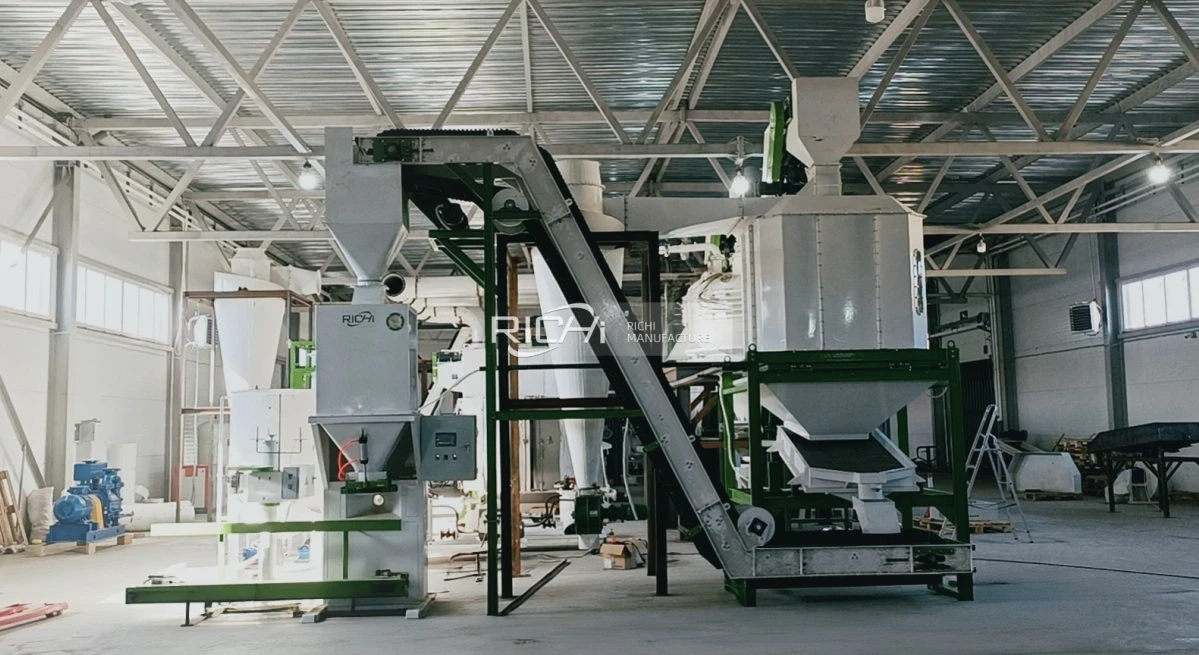
○ RICHI MACHINERY

We start with the particle-size requirement of your finished feed, not the highest mesh number the machine can reach. Species, feed size, formulation and downstream pelleting or extrusion are considered so you do not spend energy producing unnecessary fineness.

Ultrafine grinding capacity should never be separated from the required fineness. RICHI evaluates incoming particle size, formulation and target distribution together, helping select a machine that balances fine-powder quality with realistic hourly production.

A secondary grinding section can be engineered around your existing primary grinder, mixer, bins and downstream equipment. We check available space, elevations, material routes and production capacity before determining where the new ultrafine grinding stage should fit.

Shrimp feed, juvenile fish feed, other aquafeeds and pet food do not necessarily require identical grinding conditions. RICHI can configure the grinding section around your product range, allowing one plant to work with different validated fineness targets rather than one fixed setting.

For ultrafine grinding, the surrounding air circuit is part of the process. Air volume, classification, product collection and dust handling must work with the pulverizer, so RICHI sizes the grinding section as a coordinated system instead of treating auxiliary equipment as an afterthought.

RICHI also engineers complete aquafeed, pet food and feed production lines. That experience helps us consider what happens before and after ultrafine grinding—from primary size reduction and batching to mixing, conditioning, pelleting or extrusion—when developing your solution.
Finer is not automatically better. Every step toward a smaller particle size can change throughput, energy demand and downstream processing behavior. RICHI approaches the ultrafine pulverizer as part of the feed process, balancing the fineness you actually need with production capacity, formulation and plant conditions.
○ RICHI MACHINERY
Selecting an ultrafine pulverizer by motor power alone can lead to the wrong result. Start with the required particle size and formulation, then consider hourly output. RICHI offers five SWFL models for 80–200 mesh secondary grinding, covering approximately 1–10 t/h under the specified pre-grinding conditions.
| Model | Main Motor Power | Classifier Motor | Feeder Motor | Grinding Fineness | Reference Capacity* |
|---|---|---|---|---|---|
| SWFL90 | 90 kW | 7.5 kW | 1.5 kW | 80–200 mesh | 1–2 t/h |
| SWFL110 | 110 kW | 7.5 kW | 1.5 kW | 80–200 mesh | 2–3 t/h |
| SWFL130 | 132 kW | 11 kW | 1.5 kW | 80–200 mesh | 3–4 t/h |
| SWFL150 | 160 kW | 15 kW | 1.5 kW | 80–200 mesh | 4–5 t/h |
| SWFL170 | 220 kW | 18.5 kW | 2.2 kW | 80–200 mesh | 8–10 t/h |
○ RICHI MACHINERY
An ultrafine pulverizer performs the size reduction, but stable fine-powder production depends on what happens before, around and after it. RICHI engineers complete ultrafine grinding systems that prepare the feed, control material flow, classify and collect the ground product, manage process air, and transfer the finished powder to the next production stage. A system can be supplied for a new aquafeed or pet food plant, or fitted into an existing mill as a secondary grinding section. We determine the configuration from the incoming particle size, formula, target fineness, required throughput, available space and the equipment already operating on site.
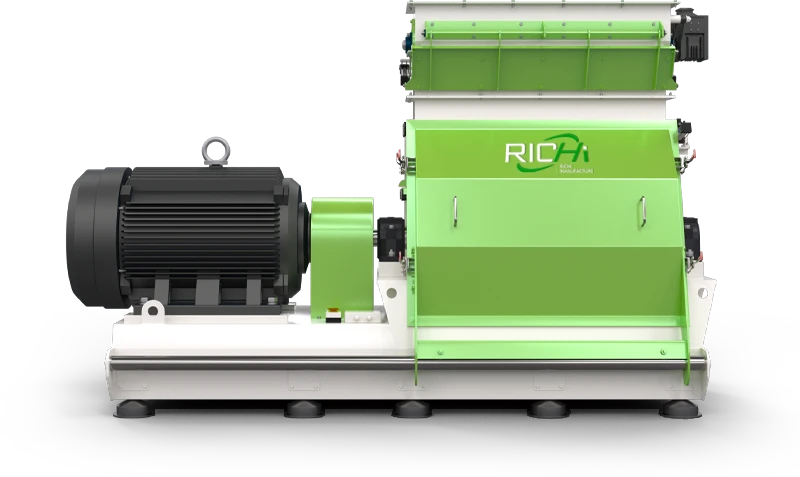
A primary hammer mill reduces coarse ingredients before ultrafine grinding. Magnetic separation and suitable screening or cleaning equipment can be added upstream where the raw material requires them.
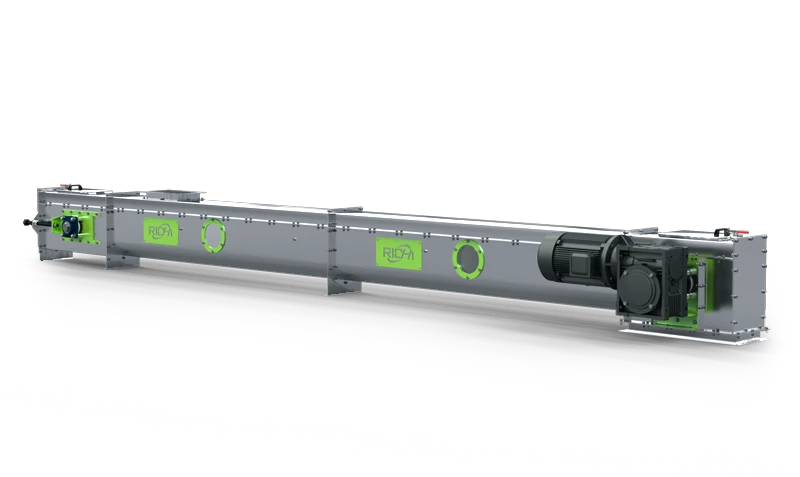
Bins, feeders, screw conveyors and suitable pneumatic or mechanical conveying equipment maintain controlled material movement between pre-grinding, ultrafine grinding and product collection.
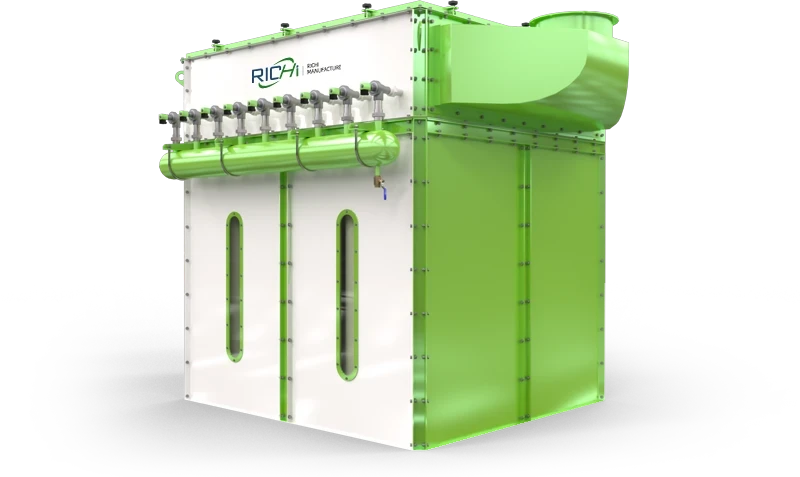
Fans, ducting, filters and related air-handling components maintain the required airflow and capture entrained fines, helping the ultrafine grinding section operate as a balanced process.
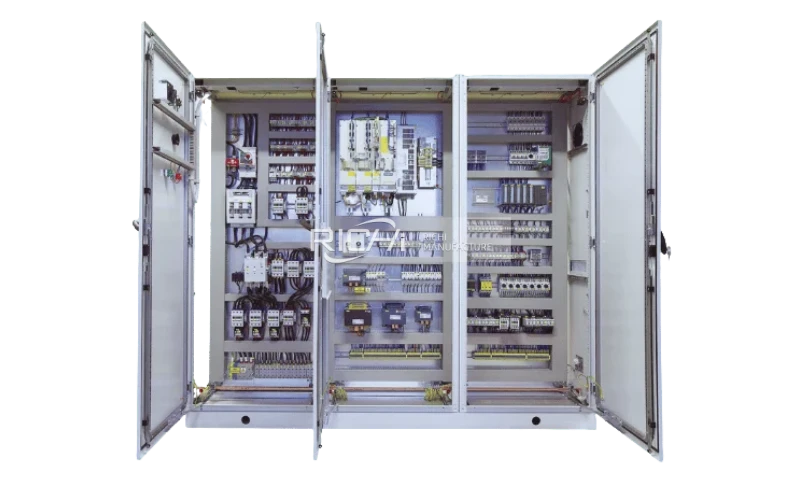
PLC-based control can be configured for centralized operation, status monitoring, alarms and fault protection, with the electrical design matched to the plant's voltage, frequency and automation requirements.
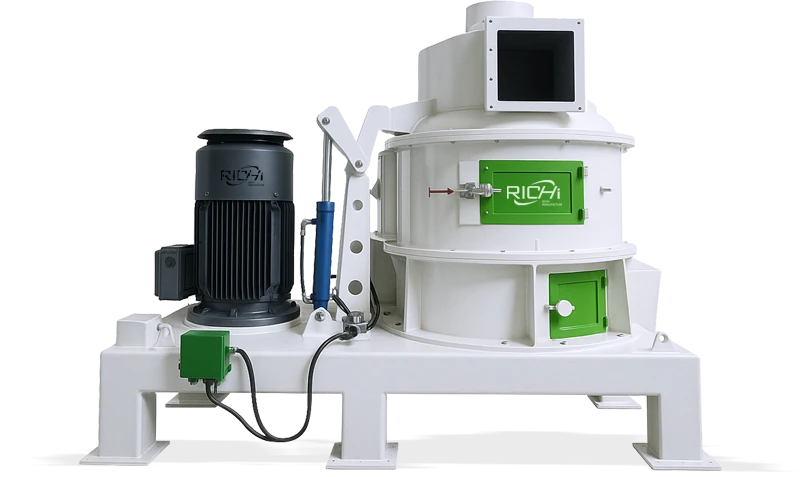
The ultrafine pulverizer is where intensive secondary size reduction takes place, but its performance cannot be separated from feed stability, air balance and product collection. RICHI matches the SWFL model with these surrounding conditions so the specified grinding duty can be approached as a complete process rather than a standalone motor-and-machine selection.
Configure My Ultrafine Grinding System○ RICHI MACHINERY
RICHI develops ultrafine pulverizer systems around the characteristics of each material and its downstream application. We provide material-specific process design, equipment customization, manufacturing, installation, and training, helping customers build grinding systems suited to their required fineness, throughput, and production process.
Shrimp, fish, eel and crab feed ingredients are finely ground for stable extrusion, micro-pellets and early-stage aquatic feed. Our ultrafine grinder provides controlled fine grinding for formulations where uniform particles are important for feed quality and water stability.
Meat meals, grain ingredients, plant powders and functional ingredients are ground for dry pet food and specialty formulations. The ultra fine powder grinder helps produce a more consistent ingredient powder, supporting uniform mixing and texture in demanding pet food formulations.
Minerals, trace-element carriers, yeast powders and functional additives are finely ground for accurate feed mixing. By controlling ingredient particle size, our ultra fine grinding mill helps improve dispersion of small-dose components throughout premix and feed formulations.
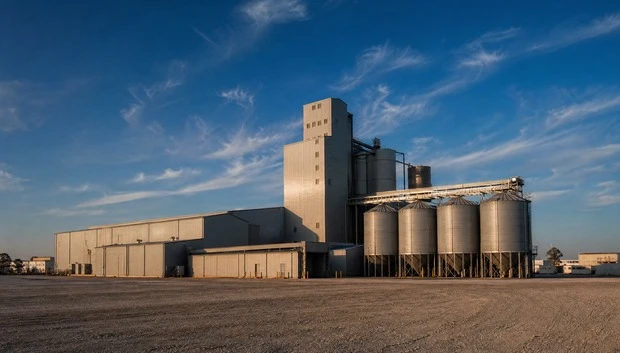
Corn, soybean meal, dried forage and selected crop residues are finely processed for cattle, sheep and goat feed formulations. RICHI configures the grinding process according to material structure, particularly when fibrous ingredients require additional size reduction before fine grinding.
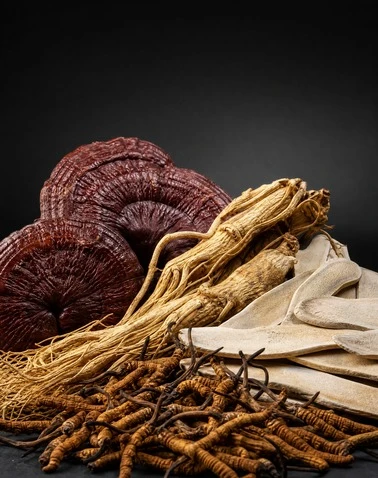
Ginseng, reishi, cordyceps and other dried herbal materials can be finely processed for herbal powders and veterinary applications. Our ultra fine powder grinding machine provides controlled fine processing for dried botanical materials where powder fineness and uniformity are important to the subsequent formulation.
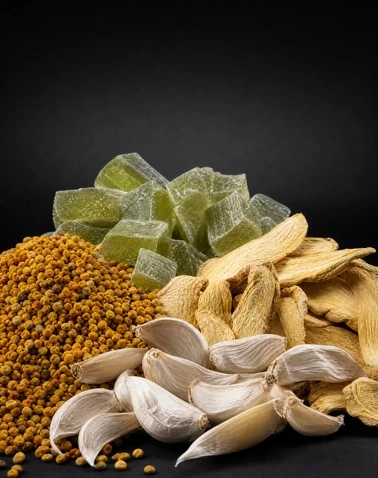
Garlic, ginger, dried roots and plant-based ingredients are processed into fine powders for nutraceutical and functional food products. The ultra fine grinding machine enables finer, more uniform botanical powders for products where particle texture and consistent ingredient distribution matter.
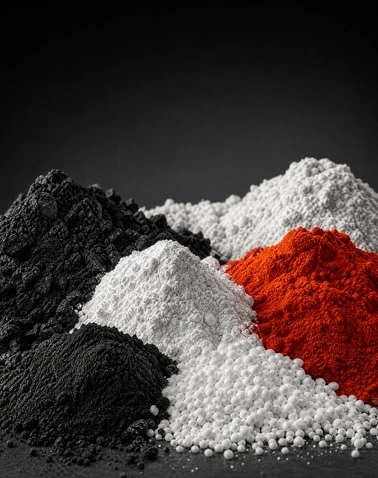
Selected pigments, carbon black, fillers and chemical powders can be finely processed when their physical and safety properties are suitable. RICHI evaluates material hardness, moisture, temperature sensitivity and dust characteristics before configuring the micro grinder for chemical powder processing.
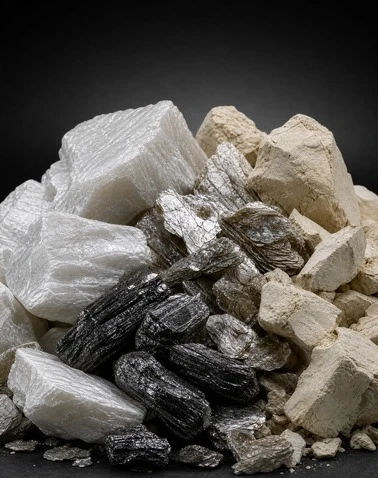
Talc, kaolin, mica, graphite and selected soft minerals can be processed into controlled fine powders for industrial applications. For suitable mineral materials, the micro pulverizer provides controlled size reduction for applications requiring finer and more consistent powder characteristics.
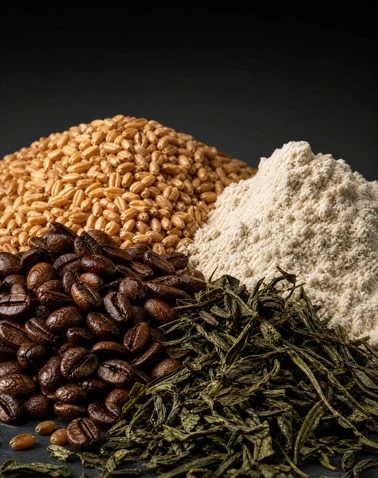
Wheat, coffee, tea, spices and selected food ingredients are finely ground for powders, premixes and specialty formulations. RICHI can configure the micro mill pulverizer around food-grade processing requirements where finer particle size and consistent powder quality are needed.
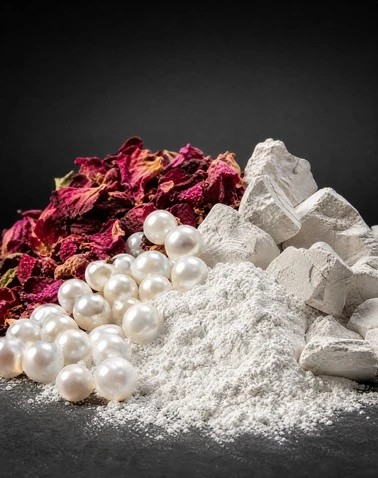
Pearl powder, talc and selected botanical materials are finely processed for cosmetics, masks and personal-care formulations. Our micro pulveriser can be configured for suitable cosmetic materials where fine particle size contributes to the required powder texture and formulation characteristics.
○ RICHI MACHINERY
80 mesh can be a practical starting specification for shrimp-feed fine grinding, but pellet diameter alone cannot determine whether it is sufficient. Shrimp size, formula and required particle-size distribution also matter. When requesting a proposal, specify both mesh and the required passing percentage rather than only saying “80 mesh.”
No. 200 mesh does not mean every particle leaving the system has exactly that size. A meaningful specification should include the percentage passing the nominated sieve or particle-distribution data such as D50/D90 where these are used by your plant.
Not before identifying where the coarse fraction comes from. Check the particle-size distribution after grinding, particularly the oversized tail, and inspect classifier settings, feed stability and upstream pre-grinding. Increasing the nominal mesh target may add energy consumption without solving poor classification or inconsistent feeding.
Do not design a 10 t/h plant on that assumption. The 8–10 t/h figure is a reference capacity under the stated secondary-grinding basis, while a demanding 200-mesh duty can reduce achievable throughput. The micro pulveriser machine model selection should use the required fineness and actual formula together with the production target.
Yes, 2.0 mm pre-ground material corresponds to the stated pre-grinding basis used for the SWFL micro crusher capacity references. We would still check the actual size distribution, moisture and presence of oversized particles because “2 mm screen” does not guarantee identical material condition from every hammer mill.
No. For the published SWFL secondary-grinding duty, whole corn should be pre-ground first. Primary grinding handles the coarse size reduction; the SWFL ultrafine pulverizer then performs the much finer secondary-grinding duty. Eliminating that first stage would change both throughput and energy requirements.
For a conventional aquafeed project, pre-grinding followed by fine grinding of an appropriately formulated or partially formulated stream is often the more practical starting design. However, ingredients that do not need the same grinding treatment should not automatically be forced through an energy-intensive ultrafine stage. We determine the route from the actual recipe and dosing sequence.
Where the process permits, substantial liquid oil addition is generally better placed after fine grinding rather than before it. Excess oil entering the ultrafine pulverizer can reduce flowability and increase material adhesion. What matters is the fat actually entering the grinding section, not only the final declared fat content of the feed.
Approximately 10–14% is a useful initial assessment range for many conventional dry feed ingredients. As moisture rises, fine grinding can become less efficient and material may become more adhesive. The acceptable upper condition still depends on the formula and required fineness, so normal and maximum seasonal moisture should both be provided.
No. Size the grinding duty against the realistic difficult-season condition, not only the annual average. If material enters at 11–12% for most of the year but regularly rises during the rainy season, that higher operating condition can become the real capacity constraint.
No. The target is an appropriate and consistent particle-size distribution, not the smallest powder the machine can produce. Grinding substantially finer than the feed process requires increases energy use and may reduce throughput without producing a corresponding commercial benefit.
Not necessarily. Different products can require different fineness targets, so classifier speed, airflow and feed rate may need adjustment between production campaigns. Capacity should also be evaluated separately because the same SWFL can produce different tonnes per hour at different fineness requirements.
Check the upper end of the particle-size distribution rather than relying on D50 alone. An acceptable median can hide an oversized fraction. Review D90 or sieve-retention data together with classifier operation, airflow, incoming size and feed stability.
Do not size the electrical supply from the 160 kW SWFL150 ultrafine pulverizer main motor alone. The classifier is 15 kW and feeder 1.5 kW, while fans, conveying, collection and other auxiliary equipment add further connected load. The complete equipment list and motor starting/control arrangement should be checked before confirming transformer capacity.
Yes—if 120 mesh already satisfies the product and downstream-process requirement, there is normally no economic reason to specify 200 mesh simply because the machine can achieve finer grinding. Finer grinding generally increases energy per tonne and can reduce throughput. Specify the least intensive grinding duty that reliably meets product requirements.
Some temperature rise is normal, but a progressive or unusually high increase during a long shift should be investigated. Check airflow, feed rate, material moisture, internal circulation and whether buildup is developing. Compare inlet and outlet conditions over time rather than judging temperature only by touching the micro crusher machine casing.
Not necessarily. A more demanding classification condition can keep more material circulating inside the grinding system before it is fine enough to leave, reducing tonnes per hour. Fineness and capacity therefore need to be optimized together rather than adjusted as independent settings.
Yes, but only if their airflow, pressure loss, filtration area and product-loading capacity suit the new circuit. Reusing an undersized air system can compromise collection and grinding performance. Send the existing fan, cyclone and filter specifications before including them in the retrofit design.
Start with feeding consistency and upstream material condition. Variations in feed rate, incoming particle size, moisture or formula can change the internal grinding load even when classifier settings remain unchanged. Airflow and product discharge should then be checked before assuming the ultrafine pulverizer itself is undersized.
Yes. A more abrasive formula can shorten the service life of wear components compared with conventional grain/soy-based formulations. Tell us the mineral ingredients and their inclusion rates before configuration; contamination by sand or other hard foreign material should also be controlled upstream rather than treated as normal feedstock.
It can. With six or seven daily changeovers, residual material and cleanout should be treated as part of production planning rather than an occasional maintenance issue. Batch size, formula sequence and cross-contamination tolerance determine whether the same ultrafine grinding route is practical for every product.
Only if your plant's cross-contamination controls and applicable regulatory requirements permit it. Fine powder can remain in conveying, collection and grinding surfaces, so production sequencing and validated cleanout procedures become important. This decision should be made from the plant's feed-safety program, not simply machine capability.
Potentially, yes. One SWFL can be considered where both ingredient streams fall within its grinding capability and production schedules do not create a capacity conflict. Fineness, sanitation requirements, ingredient differences, cleanout and cross-contamination controls must be reviewed for both products before sharing the section.
No. A continuous 2 t/h requirement sits at the top of the SWFL90 ultrafine grinder reference range. If the formula is difficult to grind or your fineness target is demanding, selecting entirely from the nominal 1–2 t/h figure leaves little operating margin.
SWFL150's 4–5 t/h reference range puts a continuous 5 t/h requirement at its upper boundary. For a fish feed extruder that must not be starved, I would evaluate the actual formula and fineness before choosing it; capacity margin or a different production arrangement may be more appropriate than designing permanently at the published maximum.
Often, yes. A retrofit can be designed around usable existing equipment if there is a workable route from primary grinding to the SWFL micro pulverizer and onward to the next process. Send elevations, bin positions, available L × W × H, existing conveying routes and downstream capacities before deciding what needs to be replaced.
It can be. Ultrafine grinding needs space not only for the pulverizer but also for feeding, air handling, collection, ducting and material transfer. A 5.5 m restriction should therefore be checked from an equipment-layout drawing before purchase rather than assuming adequate floor area means adequate installation space.
As a practical global market reference, an industrial ultrafine pulverizer for feed processing can range from roughly USD 20,000 to USD 100,000+ depending on capacity and configuration; a complete ultrafine grinding system costs more than the standalone machine. The final micro pulverizer price changes with the SWFL model, classifier, feeding, air system, collection, filtration, conveying, controls and whether primary grinding is included.
Select the two grinding stages as one capacity-matched process rather than purchasing either machine in isolation. The primary mill must continuously prepare suitable feed for the SWFL, while the ultrafine section must satisfy the downstream mixing, conditioning or extrusion demand. This avoids creating a bottleneck between two individually “correct” machines.
Not automatically. First determine whether the limitation comes from grinding capacity, classification, airflow, wear condition or the existing feed preparation. If the main machine still has adequate capacity, modifying the surrounding circuit or operating configuration may be more economical than replacing the entire grinding section.
○ RICHI MACHINERY
As a global leader in pelletizing solutions, RICHI represents a fully integrated technology partner that masters every dimension of modern production systems. From pioneering research in material science to precision engineering and industrial-scale manufacturing, we build complete production ecosystems that transform raw materials into high-value pellets. Our holistic approach ensures each project is founded on three pillars: engineering precision that guarantees operational efficiency, continuous innovation that adapts to evolving market demands, and uncompromising reliability that sustains production for decades. With vertically controlled manufacturing and end-to-end project management, we deliver not just equipment, but fully optimized production assets that drive profitability across industries worldwide.
Engineering & Manufacturing
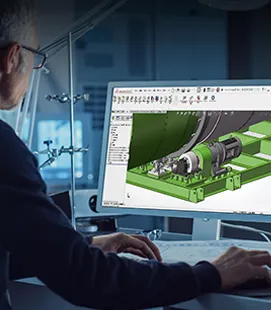
Research & Development

Technical Services
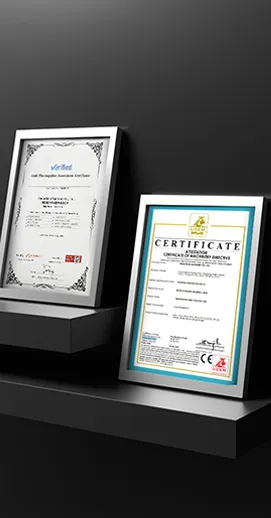
Patents & Certifications
Global Partnerships

Global Headquarters
○ RICHI MACHINERY
Founded in 1995, RICHI Machinery has evolved from a specialized manufacturer into a global engineering provider for complete pelletizing systems. With two major manufacturing bases spanning over 60,000 m², we control every step from design to delivery, ensuring unmatched quality and depth of production. Our commitment to excellence is reflected in our global impact, serving clients in over 140 countries with more than 2,000 successful projects and 10,000+ equipment units delivered worldwide.
Production Area
Countries Served
Global Projects
Equipment Delivered
○ RICHI MACHINERY
For nearly three decades, RICHI has mastered the complexities of diverse materials across global industries. We provide end-to-end pelletizing systems, delivering the complete technological and engineering support needed to transform raw materials into high-value products. From initial concept to operational plant, we are your single partner for launching and scaling a successful pellet processing business.
○ RICHI MACHINERY
○ RICHI MACHINERY
Keeping in touch with us is an effective way to solve all your problems. If you have any needs or questions, please leave your contact information, then RICHI technical consultants will send design, quotation, videos to your mailbox. You can also contact us directly via WhatsApp: +86 13838389622
Copyright©2015-2026 by HENAN RICHI MACHINERY CO., LTD. All rights reserved.