
Fine Grinding Equipment for Aquafeed in Sri Lanka: SWFL90 application with a 180 µm sieve target, dry-meal preparation and complete grinding-circuit sizing.
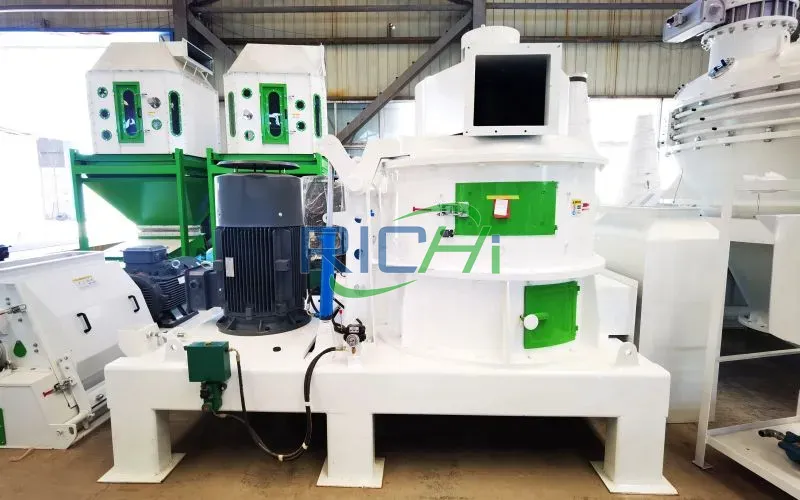
A flour that feels fine can still contain coarse bone fragments and fibre. Those particles matter when a mill is making small sinking pellets. The grinding specification needs a measurable particle distribution and an output rate achieved at that fineness.
This illustrative application for fine grinding equipment for aquafeed in Sri Lanka considers a regional processor in Puttalam District. Its main work is grow-out shrimp feed, alongside development batches of formulated mud crab feed. The requirement is one secondary pulverizer working after the existing hammer mill, with mixing, conditioning, pellet forming and drying retained downstream.
Name:
Fine Grinding Equipment
Country:
Sri Lanka
Date:
2026
Capacity:
1–2 tonnes/hour
Model:
SWFL90
Main Motor Power:
90 kW
Raw Materials:
fish meal, soybean meal
Final product size:
80-200 mesh
The proposed grinding stream contains dry fish meal, soybean meal and selected rice bran. Coarse meal and oilcake first pass through the existing animal feed hammer mill. A provisional pulverizer inlet specification of material passing a 1 mm sieve would be checked with the supplier and representative ingredient samples.
Fine wheat flour, starch and micro-ingredients can enter through a separate batching route where their condition permits. Liquid oil is added downstream. This avoids sending every ingredient through the pulverizer simply because it appears in the finished formula.
The starting moisture window for trials is 8–12% on a wet basis, subject to the blend’s behaviour. Fish meal needs checks for bone particles, ash and foreign material. Rice bran needs checks for freshness and residual oil. Coconut meal is considered only in limited, nutritionally suitable trial blends; its fibre and oil can restrict fine grinding.
Magnets and foreign-material removal protect the grinding chamber. Damp lumps, metal and stones require attention before the feeder. An air-swept system does not remove the need to control incoming moisture or fat.
The proposed flour acceptance target is at least 90% passing a 180 µm test sieve by mass. Residue on a 250 µm sieve is recorded separately to show the coarse tail. Sampling, sample preparation and the sieving procedure must be agreed before comparing results.
This specification describes a distribution. It does not mean every particle measures 150–200 µm. Laser particle analysis and sieve results also need their respective reporting methods identified. Changing the test method can change the apparent result without changing the flour.
The SWFL90 Ultrafine Pulverizer is the candidate for this duty. Its published general capacity is 1–2 tonnes per hour. Acceptance at the proposed fineness requires a material trial; the operating plan initially uses 1 tonne per hour.
| Item | Reference specification or application basis |
|---|---|
| Equipment | One SWFL90 ultrafine pulverizer |
| Main grinding motor | 90 kW |
| Classifier wheel motor | 7.5 kW |
| Feeder motor | 1.5 kW |
| Combined listed motor power | 99 kW; external circuit equipment additional |
| Published general capacity | 1–2 tonnes/hour |
| Initial planning rate | 1 tonne/hour of ground dry meal |
| Trial flour specification | At least 90% passing 180 µm by mass |
| Electrical design basis | 400 V, three-phase, 50 Hz; verify site conditions |
The selection gives the processor a defined secondary grinding stage while retaining useful upstream equipment. A larger model would require more electrical capacity, air handling and material supply. Its value depends on sustained demand for qualified fine meal.
Inside the ultrafine crusher machine, impact reduces the meal and the classifier separates particles in the air stream. Coarser material returns for further grinding. Product fineness depends on classifier speed, airflow, feed rate and ingredient properties together.
A fixed wheel speed cannot serve as a recipe for every fish-meal or bran delivery. Commissioning should record feed rate, motor current, classifier setting, airflow indicators and outlet temperature for each accepted blend. Finer settings can reduce throughput and increase heat generation.
The quotation needs an induced-draft fan, product collection, discharge airlock, dust filtration and ductwork sized as a circuit. Their motors are additional to the listed 99 kW. Filter resistance and duct losses affect the working airflow, so fan selection needs the actual layout.
Controls should establish extraction before feeding and stop material input if collection fails. Access for cleaning the classifier, inspecting wear parts and maintaining filter elements belongs in the installation drawings.
At the initial 1-tonne hourly planning rate, six productive hours daily over 220 operating days represent 1,320 tonnes of ground meal annually. This is the pulverizer stream. Ingredients bypassing grinding, subsequent additions and process losses must be included separately when calculating finished-feed output.
For the shrimp-feed application, the downstream product trial targets dry sinking pellets approximately 2 mm in diameter and 3–5 mm long. The existing forming equipment and cutter establish those dimensions. Mud crab development batches require their own agreed pellet presentation and feeding trial.
Fine grinding can support binding, but pellet water stability also depends on formulation, starch or binder choice, conditioning, forming and drying. The comparison should use split ingredient lots with the same downstream settings. Otherwise, an improvement cannot reasonably be assigned to grinding alone.
Water testing should document salinity, temperature, agitation and immersion time. Dry-matter retention provides more information than whether a pellet still looks intact. A two-hour observation can be part of an agreed trial, rather than a guaranteed result from selecting the SWFL90.
The electrical review covers the 90 kW main motor, classifier, feeder and all circuit auxiliaries, including starting demand and simultaneous plant loads. Breaker size, cables and starting method follow that assessment. Motor power alone is insufficient to specify the connection.
Foundation loads, collection equipment height and maintenance clearance require approved drawings. One trained operator is allocated to the grinding section, with shared ingredient-handling and laboratory support. Cleaning intervals follow inspection of deposits and product changes. Wear-part stock is planned from observed condition and replenishment time.
Shipment planning can assess Qingdao to Colombo, followed by road delivery to Puttalam. The packing list should identify the grinding unit, classifier, controls and every quoted collection component. Freight, unloading and commissioning responsibilities need to be explicit in the supply scope.
For fine grinding equipment for aquafeed in Sri Lanka, send RICHI Machinery representative meal samples, moisture and fat analyses, the required sieve specification and tonnes per hour. Include available electrical capacity and a layout of the collection area. Those details allow a proposal built around usable fine-meal output and a complete operating circuit.
Having the right mix of reliable, high-quality pellet machine and pelletizing systems and expert support is essential to your success. Watch how our end-to-end feed pellet plant solutions have helped our customers optimize their performance.
Our customized and future-proofed turnkey pellet plant solutions is designed with you at the core. From vision to reality and beyond, our team stays connected with yours. Giving you peace-of-mind with an expert at your side.
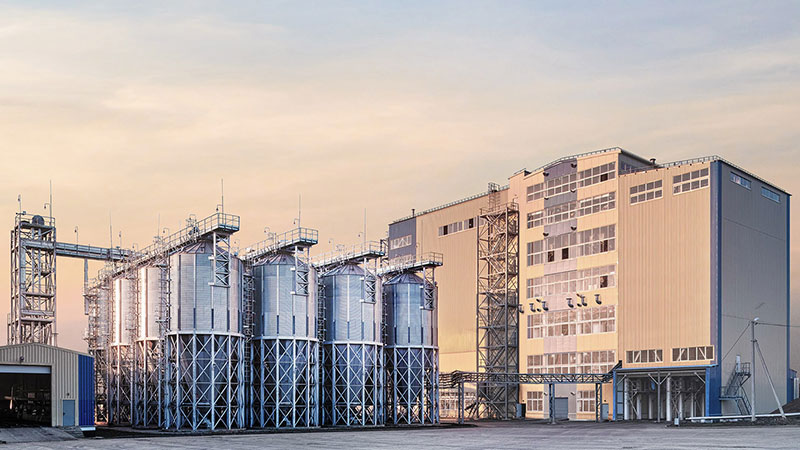
At RICHI, we go beyond project completion. With RICHI Servicee, we’re your dedicated partners in success. Count on us for expert guidance, minimal downtime, and optimized productivity. Choose RICHI for unmatched service and support.
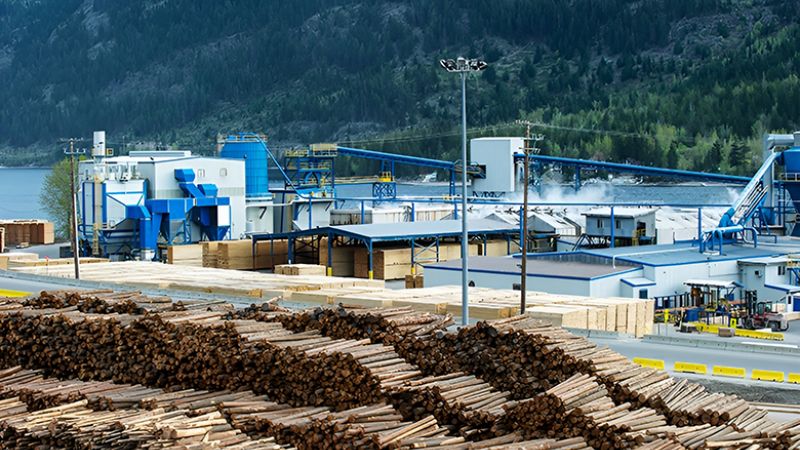


Meet global product demands and quality standards with industry-leading pellet plant design, engineering, equipment, and construction services for pellet processors.


Your Partner Beyond Project Completion
2000+ cases
RICHI is the leading designer, manufacturer and builder of pellet plants in the world, completing over 2000 projects in 140 countries across 6 continents.
Read More
Increase plant productivity, profitability, and safety by integrating high quality equipment into your pellet production line. Over the years, RICHI has become China's top pellet equipment manufacturer. At the same time, RICHI has established valuable partnerships with the world's leading component and raw material manufacturers to bring you the best there is in technology, automation, and efficiency in pelleting plant machinery.

For nearly 30 years, RICHI has been providing best-in-class pellet plant equipment and services to clients across a variety of industries, sizes, and needs. We pride ourselves on the knowledge and skill that each team member possesses – from our technical sales team to our process design engineers. You can count on RICHI Machinery to take your operation to the next level of innovation, quality, and success.
Need help with your pellet manufacturing plant project? Contact us today.
ANIMAL FEED
BIOMASS
WOOD
ORGANIC FERTILIZER
AQUA FEED
CAT LITTER
MUNICIPAL WASTE RECYCLING
SPECIAL PELLET PRODUCTION
RICHI Machinery continues to deliver world class pellet mill equipment, pellet plant engineering and project solutions that add value to our customers in the animal feed, wood waste, agriculture waste, organic fertilizer, cat litter and special pellet products industries. Throughout the years, we RICHI Machinery have built strong brand, becoming industry-leading pellet machine manufacturer. We value integrity, promise quality, and prioritize your success.
Learn MoreWith our expert team, we precisely implement your process engineering requirements in pellet mill and pelletizing plant systems. No matter which industry you’re in – we understand your needs and deliver solutions that meet the highest standards.
At RICHI, quality comes first. Our pellet making machine and related pellet line equipment undergo rigorous quality controls to ensure they meet the highest standards. Rely on products that are durable, safe, and efficient.
With decades of experience in pellet machine and pellet production line production, we have earned a reputation as a trusted partner in various industries. Our expertise allows us to cover a wide range of applications.
Not only do we offer premium pelleting equipment, but we are also experts at designing, building, installing, and maintaining facilities from the ground up. Our expertise is within pellt plant process design, discovering the most efficient, productive, and profitable way to handle your materials in an end-to-end cycle.
○ RICHI MACHINERY
Keeping in touch with us is an effective way to solve all your problems. If you have any needs or questions, please leave your contact information, then RICHI technical consultants will send design, quotation, videos to your mailbox. You can also contact us directly via WhatsApp: +86 13838389622
Copyright©2015-2026 by HENAN RICHI MACHINERY CO., LTD. All rights reserved.