
Cattle Feed Processing Equipment in South Korea: a 5–6 T/H dairy concentrate application with SZLH350, 6 mm pellets, 60 Hz drives and steam conditioning.
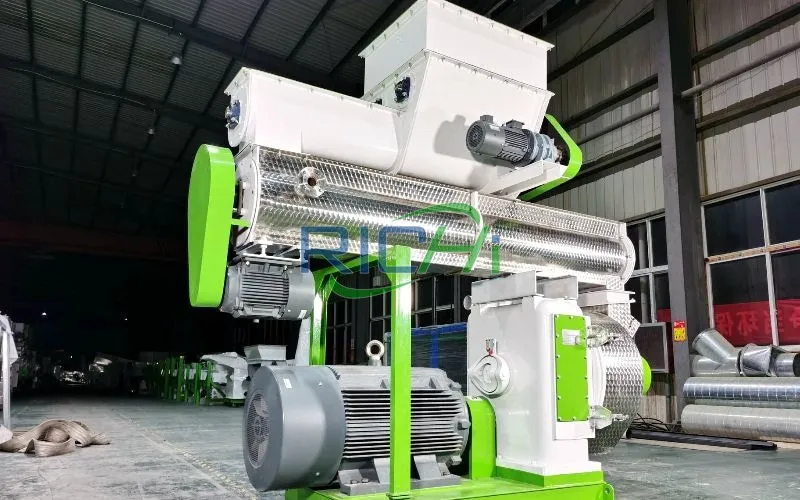
At a dairy feed mill in Gyeonggi Province, the pellet press has to keep pace with batches prepared for different farm orders. This application example of cattle feed processing equipment in South Korea focuses on replacing that single machine while retaining the existing grinder, mixer, cooler and bagging section.
The proposed duty is 5–6 T/H of dairy concentrate pellets, using one SZLH350 ring die feed pellet machine. The mill supplies regional dairy farms that combine purchased concentrate with forage. Its purchasing priority is dependable batch completion, with enough control to handle changes in grain, bran and protein ingredients.
Name:
Cattle Feed Pellet Equipment
Country:
South Korea
Date:
2026
Capacity:
5–6 T/H
Model:
SZLH350
Main Motor Power:
55 kW
Ring die inner diameter:
350 mm
Pellet diameter:
6 mm
The finished product is a 6 mm diameter concentrate pellet with a target length of 10–15 mm. It supplies part of the cow’s energy, protein and mineral requirements. Farms still need suitable forage and a balanced feeding programme; these pellets are not a complete substitute for hay, silage or other effective fibre.
The material supply includes imported maize and soybean meal, alongside wheat bran and quality-controlled rice bran. Minerals, salt and premixes are weighed according to the approved formulation. Ingredient percentages change with nutrient analysis, purchasing conditions and the farms’ forage supply, so one fixed recipe would not represent every order.
For this application, mixed mash entering the feeder is planned at 12–13% moisture, measured on a wet basis. Whole maize passes through the existing grinder. Meal ingredients are checked for lumps, foreign material and consistency before mixing.
Rice bran brings both fibre and residual oil into the formulation. Changes in oil content can alter die friction and pellet strength, even when the ingredient name on the batch sheet stays the same. Purchasing specifications therefore need to cover ingredient condition as well as price.
The initial grinding target for cereal ingredients is a mean particle size around 2–3 mm, checked by sieve analysis. The animal feed hammer mill’s screen aperture is selected to achieve that distribution; it is not presented as the finished particle size.
Wet brewer’s grain belongs to a different handling route. It cannot simply replace a dry ingredient in this mash without changing moisture control, storage and dosing arrangements. A dried brewing by-product can be evaluated through its own specification.
The 6 mm ring die’s effective working length is chosen through formulation trials. Increasing compression to strengthen one batch can raise resistance on another. The operating recipe therefore records the die, ingredient mix, moisture and feeder setting together.
The SZLH350 cattle feed pellet machine sits between smaller presses rated at 3–4 T/H and larger machines requiring substantially more power and downstream capacity. Its published reference output is 5–7 T/H. The proposed 5–6 T/H dairy-concentrate duty must be confirmed with representative formulas and the specified pellet dimensions.
| Equipment item | Selected reference configuration |
|---|---|
| Machine and quantity | One SZLH350 ring die feed pellet mill |
| Main motor | 55 kW |
| Metering feeder motor | 1.5 kW |
| Conditioner motor | 3 kW |
| Combined listed motor power | 59.5 kW, excluding existing auxiliary equipment |
| Ring die inner diameter | 350 mm |
| Published reference output | 5–7 T/H |
| Application output target | 5–6 T/H, subject to formula trials |
| Finished pellet dimensions | 6 mm diameter × 10–15 mm target length |
| Site electrical design basis | 380 V, 60 Hz, three-phase; supply verified before manufacture |
Seven productive hours within an eight-hour shift would give 35–42 tonnes at the target rate. At 250 operating days, that corresponds to 8,750–10,500 tonnes before rejected product and other losses. These are scheduling calculations, not recorded production results.
A machine prepared for a 50 Hz installation cannot be assumed suitable merely because the voltage looks familiar. Motor ratings, transmission ratio, ring die speed, feeder control and conditioner speed all need checking for the Korean supply. The 60 Hz configuration must preserve the intended mechanical operating speeds.
The electrical review also covers starting current, available transformer capacity and protection settings. The listed 59.5 kW is connected motor power for the selected assembly; electricity consumption per tonne requires a loaded production test.
Installation drawings check the mash-bin outlet, conditioner height and hot-pellet discharge into the existing cooler. Foundation loads and space for removing the ring die, motor and roller assembly are confirmed before the replacement shutdown.
Freight planning can start with Qingdao departure and a Korean discharge port suitable for the Gyeonggi truck delivery. Incheon is an option to evaluate with the forwarder. Packing dimensions, lifting points and current cargo service determine the booking.
Initial conditioning trials can examine mash temperatures around 75–80°C, adjusted for the formula and additive requirements. Steam quality, mash moisture and actual residence time are checked together. A temperature reading alone cannot confirm suitable conditioning.
The existing boiler must have spare capacity while other steam users are operating. The connection includes appropriate pressure control, drainage and condensate removal. Steam consumption is measured per tonne during trials, allowing the mill to assess utility cost from its own operating conditions.
Downstream, the cooler and screen must handle the proposed output while achieving the agreed discharge conditions. A finished moisture target of no more than 13% is used for initial assessment, then checked against feed specifications and storage conditions.
For 20 kg bags, 5–6 T/H requires 250–300 filled bags per hour before allowances for interruptions. The weighing, closing and pallet-handling arrangements must support that pace. One trained operator can supervise the pelletizing station, while packing labour depends on the existing automation.
A useful acceptance run includes contrasting approved formulas, rather than only the easiest grain-rich batch. Records cover saleable output, motor load, steam use, pellet dimensions, fines and durability after cooling. Samples taken after conveying and bagging show whether handling breaks otherwise satisfactory pellets.
RICHI Machinery’s quotation can include the formula review, die specification, interface drawings, commissioning support and an agreed spare-parts list. Installation responsibilities, documentation language and support coverage are defined in the supply agreement.
When evaluating cattle feed processing equipment in South Korea, send the formulas that cause the most difficulty, current batch times, steam conditions and cooler capacity. Include the electrical supply and available installation drawings. That gives RICHI a practical basis for pricing the replacement pellet mill and identifying any supporting work needed before shutdown.
Having the right mix of reliable, high-quality pellet machine and pelletizing systems and expert support is essential to your success. Watch how our end-to-end feed pellet plant solutions have helped our customers optimize their performance.
Our customized and future-proofed turnkey pellet plant solutions is designed with you at the core. From vision to reality and beyond, our team stays connected with yours. Giving you peace-of-mind with an expert at your side.
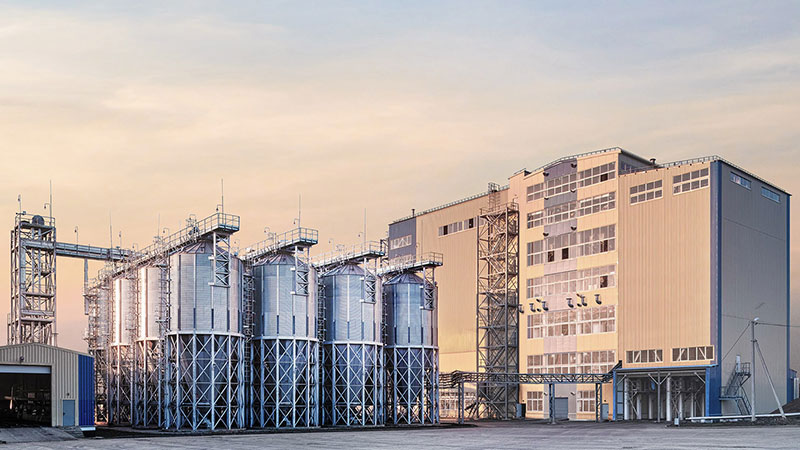
At RICHI, we go beyond project completion. With RICHI Servicee, we’re your dedicated partners in success. Count on us for expert guidance, minimal downtime, and optimized productivity. Choose RICHI for unmatched service and support.
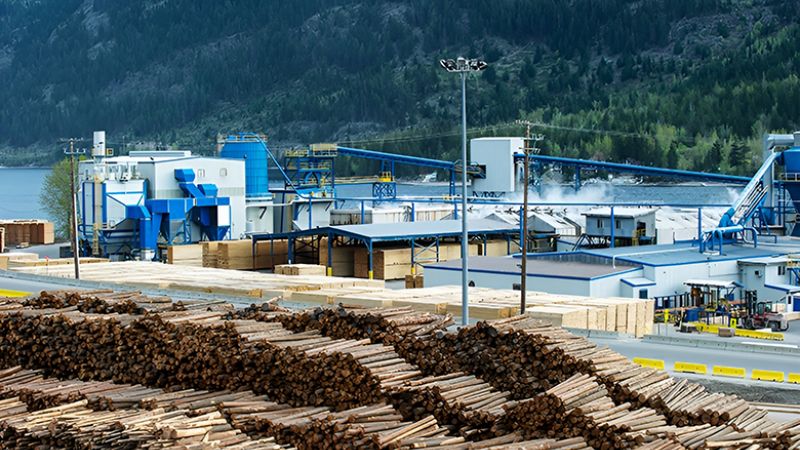


Meet global product demands and quality standards with industry-leading pellet plant design, engineering, equipment, and construction services for pellet processors.


Your Partner Beyond Project Completion
2000+ cases
RICHI is the leading designer, manufacturer and builder of pellet plants in the world, completing over 2000 projects in 140 countries across 6 continents.
Read More
Increase plant productivity, profitability, and safety by integrating high quality equipment into your pellet production line. Over the years, RICHI has become China's top pellet equipment manufacturer. At the same time, RICHI has established valuable partnerships with the world's leading component and raw material manufacturers to bring you the best there is in technology, automation, and efficiency in pelleting plant machinery.

For nearly 30 years, RICHI has been providing best-in-class pellet plant equipment and services to clients across a variety of industries, sizes, and needs. We pride ourselves on the knowledge and skill that each team member possesses – from our technical sales team to our process design engineers. You can count on RICHI Machinery to take your operation to the next level of innovation, quality, and success.
Need help with your pellet manufacturing plant project? Contact us today.
ANIMAL FEED
BIOMASS
WOOD
ORGANIC FERTILIZER
AQUA FEED
CAT LITTER
MUNICIPAL WASTE RECYCLING
SPECIAL PELLET PRODUCTION
RICHI Machinery continues to deliver world class pellet mill equipment, pellet plant engineering and project solutions that add value to our customers in the animal feed, wood waste, agriculture waste, organic fertilizer, cat litter and special pellet products industries. Throughout the years, we RICHI Machinery have built strong brand, becoming industry-leading pellet machine manufacturer. We value integrity, promise quality, and prioritize your success.
Learn MoreWith our expert team, we precisely implement your process engineering requirements in pellet mill and pelletizing plant systems. No matter which industry you’re in – we understand your needs and deliver solutions that meet the highest standards.
At RICHI, quality comes first. Our pellet making machine and related pellet line equipment undergo rigorous quality controls to ensure they meet the highest standards. Rely on products that are durable, safe, and efficient.
With decades of experience in pellet machine and pellet production line production, we have earned a reputation as a trusted partner in various industries. Our expertise allows us to cover a wide range of applications.
Not only do we offer premium pelleting equipment, but we are also experts at designing, building, installing, and maintaining facilities from the ground up. Our expertise is within pellt plant process design, discovering the most efficient, productive, and profitable way to handle your materials in an end-to-end cycle.
○ RICHI MACHINERY
Keeping in touch with us is an effective way to solve all your problems. If you have any needs or questions, please leave your contact information, then RICHI technical consultants will send design, quotation, videos to your mailbox. You can also contact us directly via WhatsApp: +86 13838389622
Copyright©2015-2026 by HENAN RICHI MACHINERY CO., LTD. All rights reserved.