

This is where you find all our press releases and news articles.
A 4 T/H chicken feed pellet line supplied by RICHI Machinery to Uzbekistan moved from supplier selection in China to equipment shipment and then on-site installation support. The project began in 2015, when the customer traveled to China and visited multiple feed machinery factories before making the final purchasing decision.
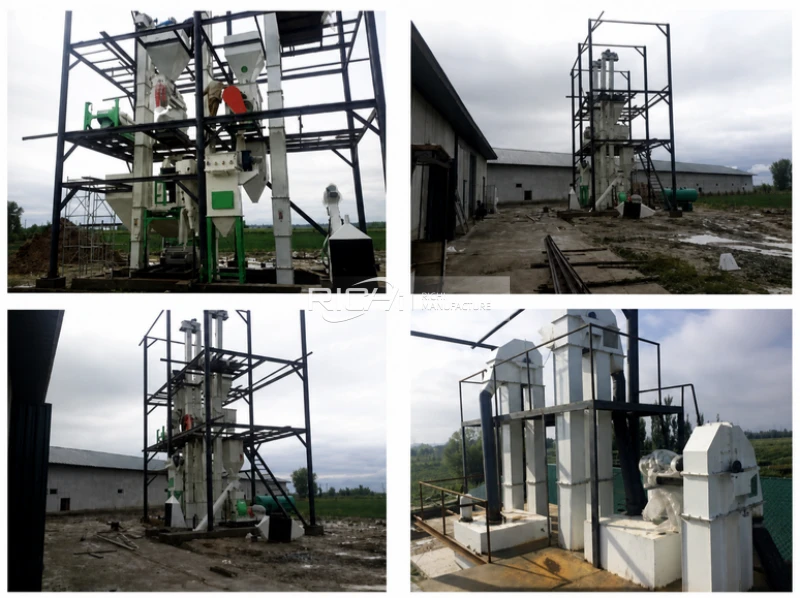
The equipment was shipped to Uzbekistan on March 12, 2016. In May, a RICHI engineer traveled to the project site to guide installation. Weather conditions affected the site schedule, extending the installation work to approximately 20 days.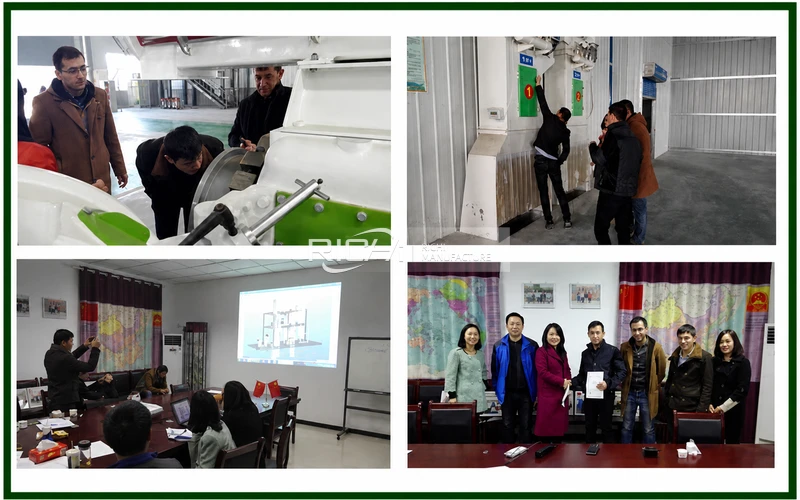
The purchasing process started before any equipment was manufactured. In 2015, the Uzbekistan customer was planning a chicken feed pellet production system with a target capacity of 4 tons per hour and traveled to China to evaluate potential equipment manufacturers.
Instead of visiting only one factory, the customer compared multiple suppliers. The evaluation covered several factors recorded in the original project information: equipment price, manufacturer capability, service and existing customer projects.
For an overseas buyer, this type of factory tour provides a different level of information from comparing quotations remotely. A customer can inspect actual manufacturing conditions, discuss the proposed feed process directly with the supplier and determine whether the company has the engineering and service capability to support the equipment after it leaves China.
The Uzbekistan customer ultimately selected RICHI Machinery for the 4 T/H chicken feed equipment project.
After the project moved through equipment preparation and manufacturing, RICHI shipped the chicken feed line to Uzbekistan on March 12, 2016.
At 4 T/H, the order represents a complete feed processing system rather than a single pelletizer. The equipment supplied for such a project needs to support the flow of feed materials through the required preparation, mixing and pellet production stages while maintaining a production rate consistent with the customer's target capacity.
The hourly capacity of this project is important because every major section of the line needs to support approximately the same production objective. A feed pellet mill rated for the required output cannot compensate for an undersized grinding, batching, mixing, cooling or conveying section.
At the nominal 4 T/H rate, eight operating hours correspond to approximately 32 tons of feed. A 10-hour production day corresponds to approximately 40 tons, while two eight-hour shifts would theoretically produce approximately 64 tons.
Actual production depends on formula, pellet specifications, changeovers, equipment utilization, maintenance and operating conditions. Nevertheless, these numbers illustrate the raw material and logistics scale behind a 4 T/H plant.
A customer planning to operate for eight hours per day, for example, needs enough major ingredients and additives to support around 32 tons of daily finished-feed production at nominal output. Raw material receiving, storage and finished-feed handling therefore need to be considered together with the pelletizing capacity.
The original project record confirms chicken feed production but does not preserve the customer's actual feed formula or detailed machine list. Those details should not be reconstructed as if they were confirmed historical facts.
What can be established is the engineering requirement behind this type of line. Chicken feed production normally combines energy ingredients, protein ingredients, minerals, premixes and other formula components. In Uzbekistan and the wider Central Asian feed market, grains such as wheat, maize and barley, together with meals, bran and other feed ingredients, can form part of poultry feed formulation depending on availability and nutritional requirements.
Whole grains requiring size reduction need to be ground before mixing. Major ingredients need to be proportioned according to the formula, while low-inclusion ingredients require more controlled dosing. After mixing, material intended for pellet feed moves through conditioning and pelletizing before the hot pellets proceed to downstream cooling and screening.
That creates a connected production route rather than a collection of unrelated machines:
Raw Material Receiving → Cleaning → Grinding → Batching → Mixing → Conditioning → Pelletizing → Cooling → Screening → Finished Feed Handling
The exact animal feed pellet production line configuration depends on the customer's ingredients, formula system, pellet specifications, operating schedule and required automation level.
Shipment was only the first international milestone. In May, RICHI sent an engineer to Uzbekistan to guide installation of the 4 T/H chicken feed line.
This stage moved the project from manufactured equipment to an actual production system inside the customer's site. Machines that were produced and transported separately needed to be positioned and connected according to the process arrangement.
For a feed mill installation, correct positioning affects more than appearance. Conveying distances, equipment elevations, maintenance space, material flow, electrical connections and access around wear components can all influence future operation.
The installation work lasted approximately 20 days. According to the original project record, rainy weather affected the construction schedule during this period.
This is a useful reminder that the schedule of an overseas feed mill cannot be calculated from machinery installation alone. Site readiness and local conditions can directly affect how quickly equipment installation progresses.
Before an installation team arrives, several conditions should normally be checked:
These conditions become particularly important for overseas projects because delays can affect not only the customer's construction plan but also the schedule of visiting engineers and other project resources.
A feed mill is not complete when the machines are simply placed inside the workshop. The individual processing sections have to be connected according to the material-flow design.
Grinding equipment must deliver prepared ingredients to the appropriate downstream section. Batching and mixing need to follow the intended formula sequence. The mixed material must reach the pelletizing system consistently, while cooling and screening equipment need to receive finished pellets without restricting upstream production.
Installation also needs to preserve maintenance access. Screens, hammers, pellet mill dies and rollers, bearings, drives and other service points eventually require inspection or replacement. A layout that saves space during construction but makes maintenance difficult can increase downtime later.
This is one reason RICHI's engineer support for an overseas feed mill extends beyond identifying where each machine should stand. The objective is to help implement the designed processing relationship between the machines at the actual site.
This Uzbekistan project was specifically identified as a chicken feed pellet line, which provides a more useful design basis than the generic term "animal feed equipment."
Poultry feed formulas can change according to bird type and growth stage. Particle size, formula composition and finished-feed form therefore need to be considered together.
A plant may produce pellets directly for some feeding stages while another production program may require crumbled feed. Where crumble production is required, the downstream equipment arrangement changes accordingly.
The customer also needs to decide how many formulas will be produced. A farm or feed business making only a limited number of products may use a relatively straightforward batching arrangement. A commercial producer frequently switching among multiple chicken feed formulas may require more ingredient bins and greater batching flexibility.
These differences are why two customers both requesting a 4 T/H chicken feed mill can receive different equipment configurations.
The preserved project information provides an unusually clear sequence from purchasing to installation. Rather than viewing shipment as the entire project, the Uzbekistan cooperation can be understood through four main milestones.
| Project Stage | Confirmed Progress | Why It Mattered |
|---|---|---|
| Supplier Evaluation | 2015: customer visited multiple factories in China | Compared price, manufacturers, service and customer projects before selection |
| Supplier Selection | Customer selected RICHI Machinery | Moved the 4 T/H chicken feed plan into equipment cooperation |
| Equipment Shipment | March 12, 2016 | Completed the transition from manufacturing to overseas delivery |
| On-Site Installation | May 2016; approximately 20 days | RICHI engineer guided installation while site weather affected the schedule |
This timeline is also representative of the decisions overseas buyers need to manage. Manufacturer selection, equipment production, international logistics and site installation are separate stages, and a problem at any one of them can influence the overall project schedule.
The Uzbekistan customer visited several Chinese manufacturers before choosing RICHI. For buyers following the same purchasing route today, a factory visit is most useful when it is treated as a technical evaluation rather than a simple workshop tour.
First, compare whether different suppliers are quoting the same equipment scope. A lower-priced 4 T/H proposal may omit batching bins, conveying systems, dust collection, packing equipment or other components included by another manufacturer.
Second, ask how the proposed capacities of the hammer mill, mixer, pelletizing section, cooler and supporting conveyors were selected. The answer should relate to complete-line material flow rather than only individual machine nameplate capacity.
Third, inspect manufacturing and assembly details. Equipment construction, component installation, maintenance access and workshop quality control provide useful information that cannot always be judged from a sales proposal.
Fourth, discuss what happens after shipment. For an overseas project, installation guidance, commissioning, operator familiarization and spare-parts support can materially affect how quickly the plant progresses from delivered machinery to stable production.
The distinguishing feature of this project is the continuity between purchasing and implementation. The customer did not select RICHI from a single online quotation. The purchasing team traveled to China, compared multiple manufacturers and evaluated price, service and existing project experience before making its decision.
RICHI subsequently shipped the 4 T/H chicken feed making machines on March 12, 2016 and sent an engineer to Uzbekistan in May to support the installation stage. Even when weather affected the schedule, the on-site work continued and the installation period was completed in approximately 20 days.
For customers currently comparing poultry feed machinery suppliers, the same project logic still applies: evaluate not only what equipment will be delivered, but also how the supplier will support the transition from process design and manufacturing to installation at the actual site.
If you are preparing for a feed machinery factory visit, send RICHI Machinery your planned capacity, chicken type, daily feed requirement, main ingredients, expected feed formulas, pellet or crumble specifications and workshop information before you arrive. Our team can prepare a project-specific process discussion so that your factory visit is spent comparing the engineering decisions that will actually affect your feed mill.
Having the right mix of reliable, high-quality pellet machine and pelletizing systems and expert support is essential to your success. Watch how our end-to-end feed pellet plant solutions have helped our customers optimize their performance.
Our customized and future-proofed turnkey pellet plant solutions is designed with you at the core. From vision to reality and beyond, our team stays connected with yours. Giving you peace-of-mind with an expert at your side.
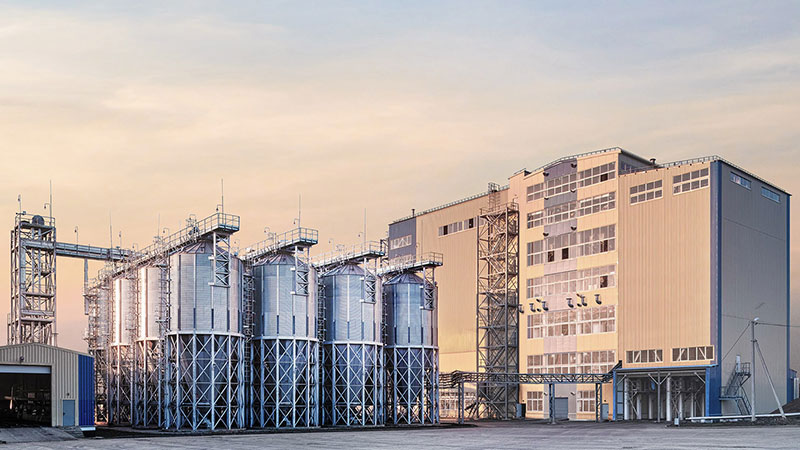
At RICHI, we go beyond project completion. With RICHI Servicee, we’re your dedicated partners in success. Count on us for expert guidance, minimal downtime, and optimized productivity. Choose RICHI for unmatched service and support.
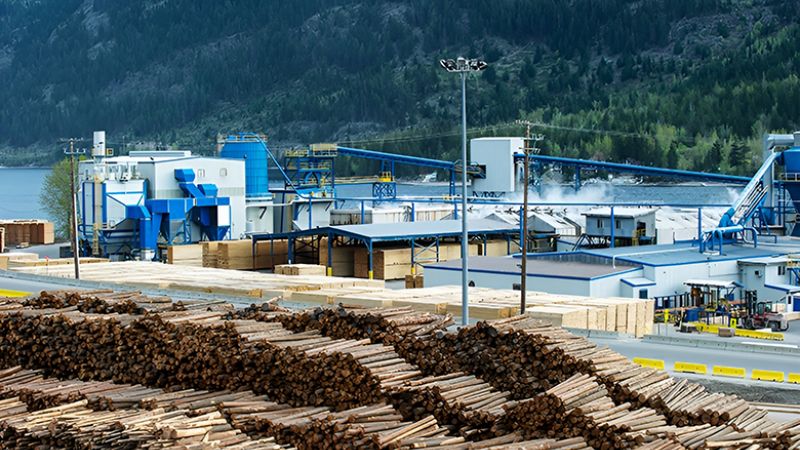


Meet global product demands and quality standards with industry-leading pellet plant design, engineering, equipment, and construction services for pellet processors.


Your Partner Beyond Project Completion
2000+ cases
RICHI is the leading designer, manufacturer and builder of pellet plants in the world, completing over 2000 projects in 140 countries across 6 continents.
Read More
Increase plant productivity, profitability, and safety by integrating high quality equipment into your pellet production line. Over the years, RICHI has become China's top pellet equipment manufacturer. At the same time, RICHI has established valuable partnerships with the world's leading component and raw material manufacturers to bring you the best there is in technology, automation, and efficiency in pelleting plant machinery.

For nearly 30 years, RICHI has been providing best-in-class pellet plant equipment and services to clients across a variety of industries, sizes, and needs. We pride ourselves on the knowledge and skill that each team member possesses – from our technical sales team to our process design engineers. You can count on RICHI Machinery to take your operation to the next level of innovation, quality, and success.
Need help with your pellet manufacturing plant project? Contact us today.
ANIMAL FEED
BIOMASS
WOOD
ORGANIC FERTILIZER
AQUA FEED
CAT LITTER
MUNICIPAL WASTE RECYCLING
SPECIAL PELLET PRODUCTION
RICHI Machinery continues to deliver world class pellet mill equipment, pellet plant engineering and project solutions that add value to our customers in the animal feed, wood waste, agriculture waste, organic fertilizer, cat litter and special pellet products industries. Throughout the years, we RICHI Machinery have built strong brand, becoming industry-leading pellet machine manufacturer. We value integrity, promise quality, and prioritize your success.
Learn MoreWith our expert team, we precisely implement your process engineering requirements in pellet mill and pelletizing plant systems. No matter which industry you’re in – we understand your needs and deliver solutions that meet the highest standards.
At RICHI, quality comes first. Our pellet making machine and related pellet line equipment undergo rigorous quality controls to ensure they meet the highest standards. Rely on products that are durable, safe, and efficient.
With decades of experience in pellet machine and pellet production line production, we have earned a reputation as a trusted partner in various industries. Our expertise allows us to cover a wide range of applications.
Not only do we offer premium pelleting equipment, but we are also experts at designing, building, installing, and maintaining facilities from the ground up. Our expertise is within pellt plant process design, discovering the most efficient, productive, and profitable way to handle your materials in an end-to-end cycle.
○ RICHI MACHINERY
Keeping in touch with us is an effective way to solve all your problems. If you have any needs or questions, please leave your contact information, then RICHI technical consultants will send design, quotation, videos to your mailbox. You can also contact us directly via WhatsApp: +86 13838389622
Copyright©2015-2026 by HENAN RICHI MACHINERY CO., LTD. All rights reserved.