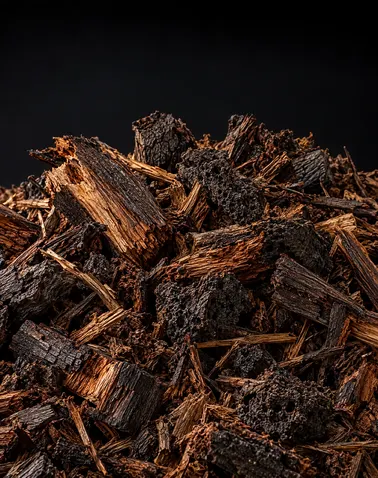
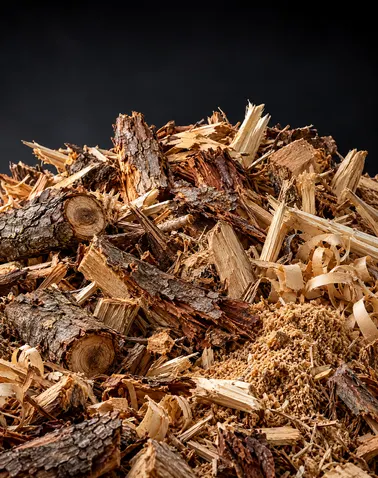
RICHI configures each sawdust dryer machine for wet sawmill fines or untreated solid wood dust. Incoming moisture and particle size guide feeding, rotary drying, airflow and fines recovery for pellets, briquettes or bedding preparation.
Fresh mill sawdust and purchased stock can have the same weight but different water loads. RICHI sizes each sawdust dryer machine against inlet moisture, the outlet target and required dried output. Heated air carries away moisture as the rotating drum lifts and tumbles the feed. We manufacture standalone units or a complete sawdust drying system for international projects, with installation support and training for the operating team.
○ RICHI MACHINERY
Mixed wood sawdust drying needs checks on species, storage history, fines and bark content. We match the sawdust dryer machine to the accepted feed and the site using it, whether the material comes from one mill or several suppliers.
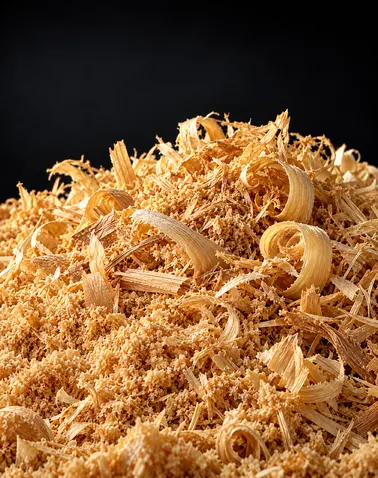
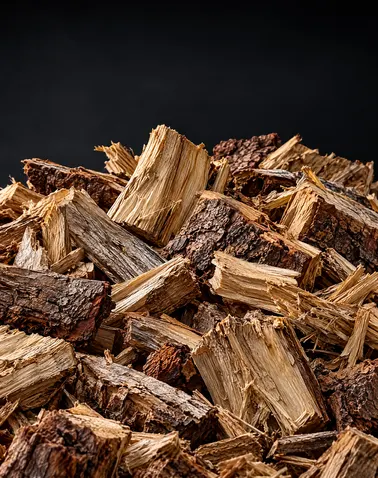
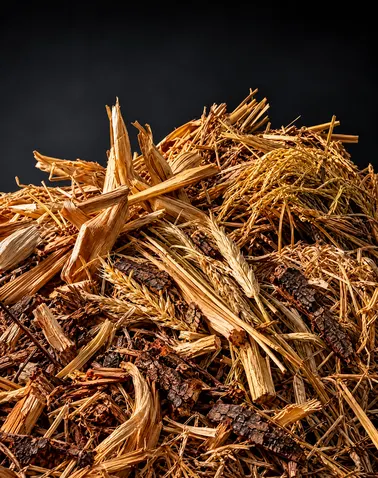
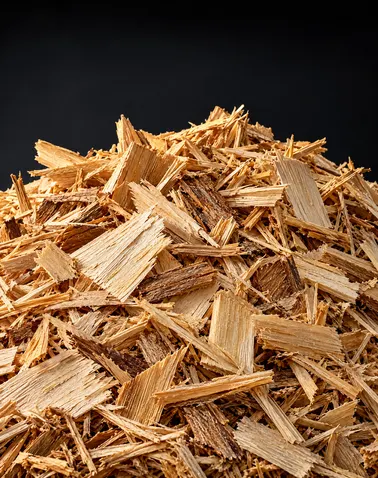
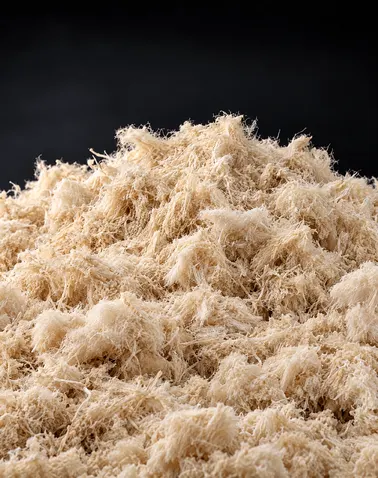
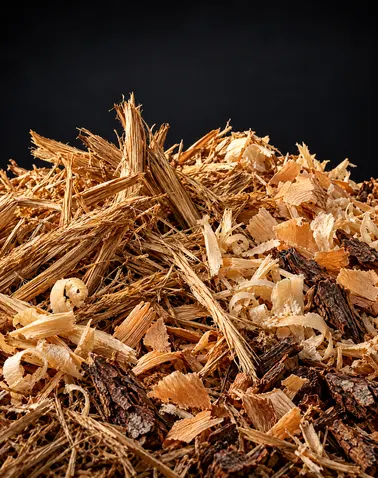
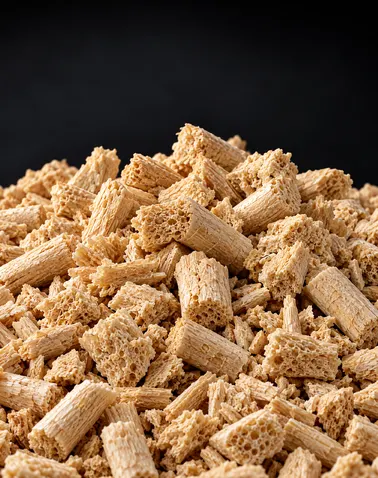
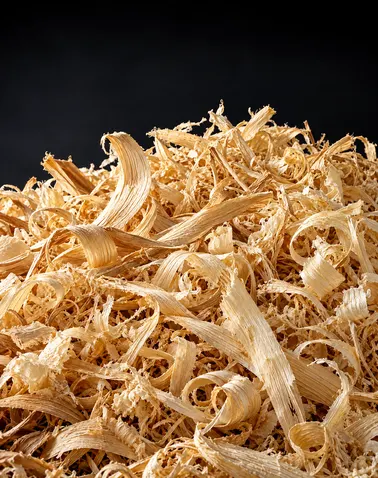
Our sawdust drying equipment handles pine, spruce, fir, oak, beech, eucalyptus and rubberwood sawdust, purchased blends, fresh or rewetted stock, untreated sanding dust and bark-rich fines. Only clean untreated wood is accepted; particle size and bark content guide screening, feeding and dust capture.
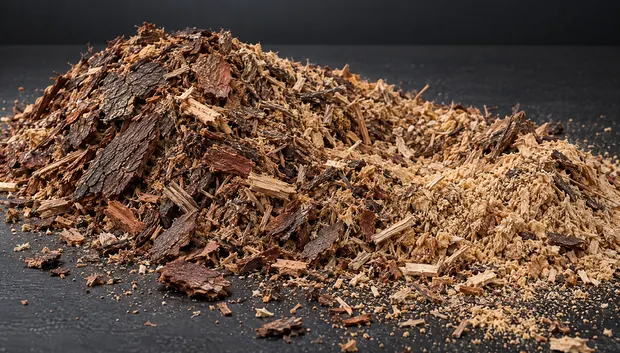
Bark and Wood Processing Fines
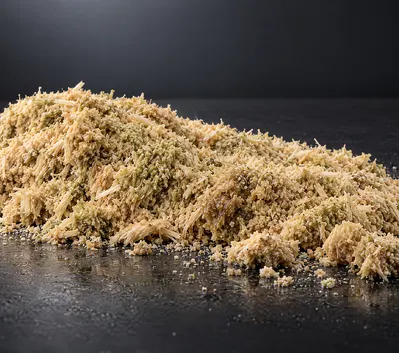
Stored and Rewetted Sawdust
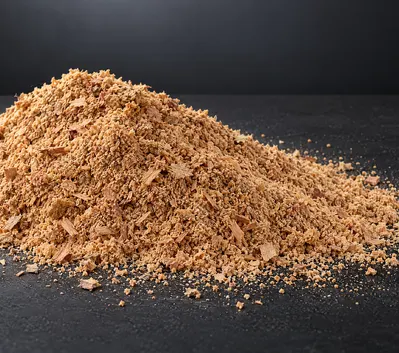
Green Hardwood Sawdust
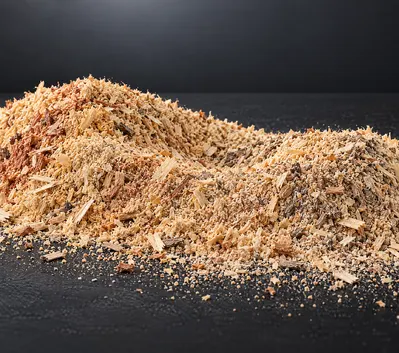
Purchased Mixed Sawdust
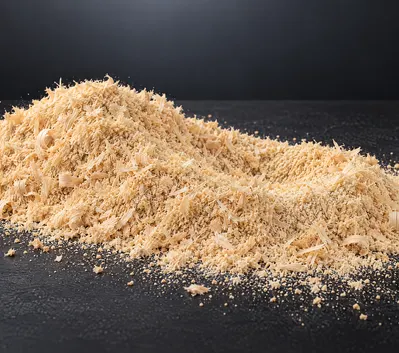
Green Softwood Sawdust
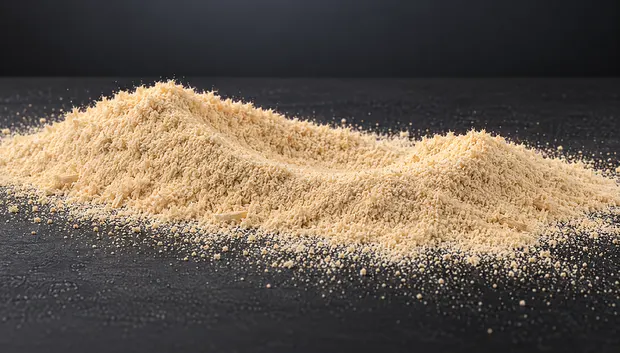
Untreated Woodworking Dust
Customers with wet sawdust include sawmills and sawdust suppliers, woodworking factories, pellet plants, biomass energy sites, panel mills and bedding or wood cat litter makers. As a sawdust dryer manufacturer, we check the feed, moisture target and correct processing stage before proposing equipment.
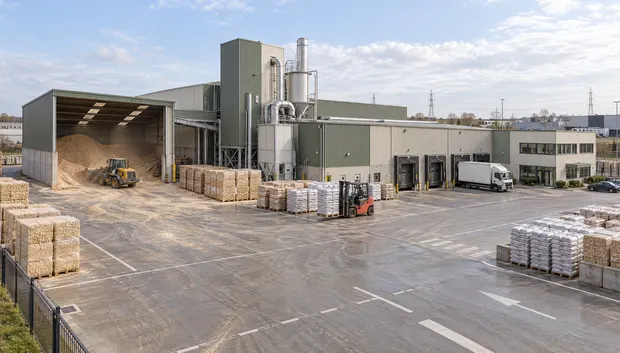
Pulp and Paper Mill Operators
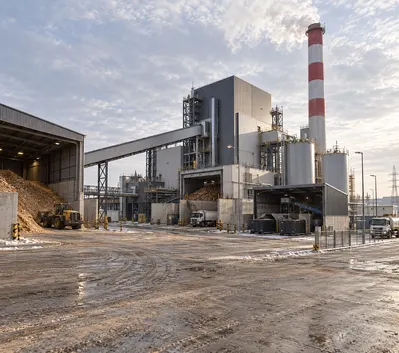
Biomass Power and Heating Plants
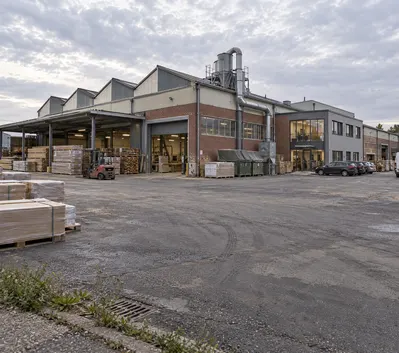
Forestry and Chipping Companies
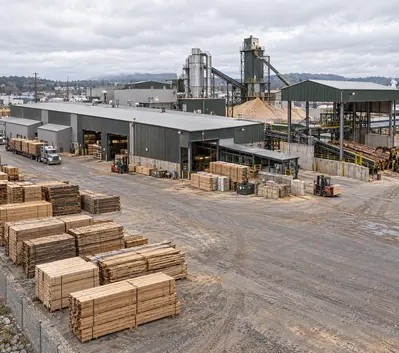
Sawmills and Timber Processors
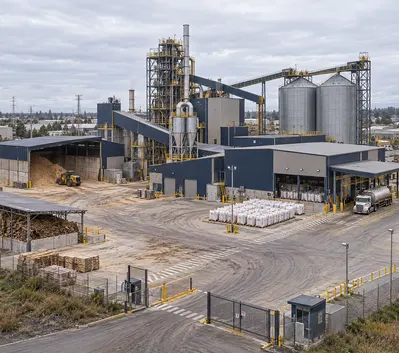
Wood Pellet Manufacturers
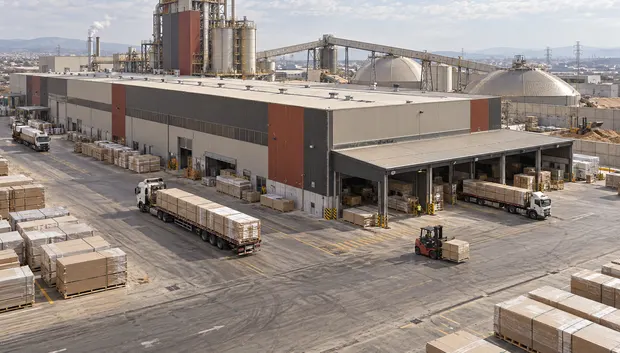
Wood-Based Panel Manufacturers
○ RICHI MACHINERY
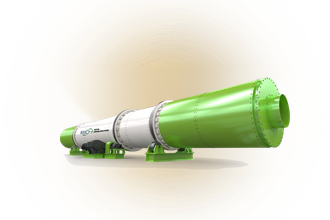
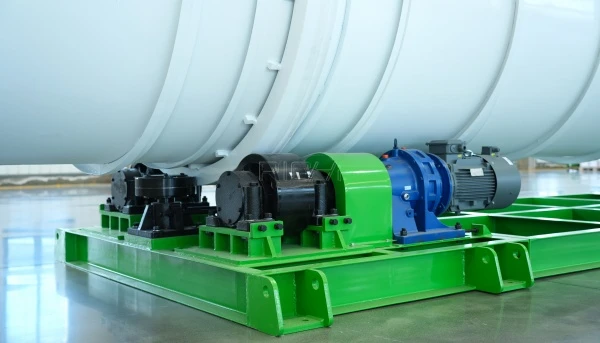
In our sawdust drum dryer, variable-frequency control sets rotation within 3–12 rpm. Rotation affects bed movement and the release of fines into the gas stream. We assess sawdust drying residence time alongside feed rate, airflow and drum loading, then use discharge moisture checks to select a working speed for the accepted material and moisture range.
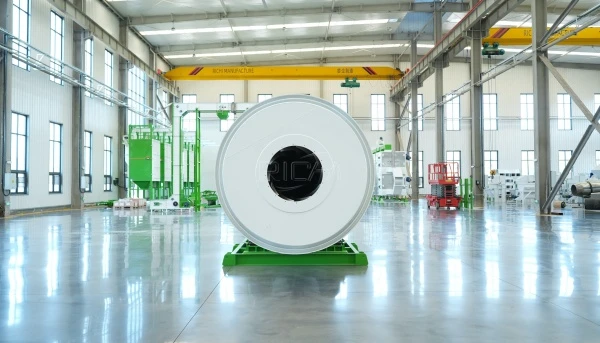
Entrained wood fines pass detection points before the sawdust dryer dust collection system. A controller links spark signals with water sprays, audible and visual alarms and equipment interlocks. Detector and nozzle spacing accounts for particle travel during the response time, while operating checks cover sensor condition and spray-water availability.

A continuous sawdust dryer needs a feed entry sized by loose volume as well as mass. Wet stock can arrive as compacted pockets, and coarse lots may contain long splinters. RICHI matches the feeder outlet and chute geometry to the accepted material; any oversize separation or lump breaking is specified before the drum to keep feed within that agreed range.
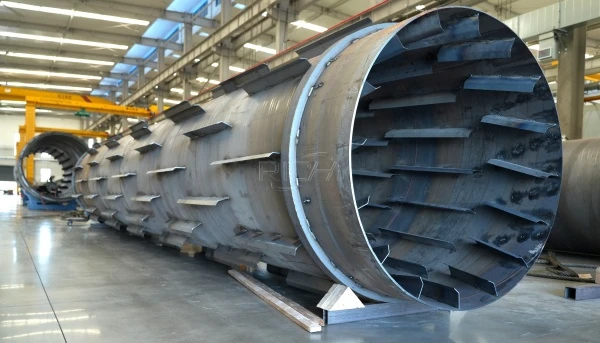
With a long drum, shell alignment matters at every support station. One-piece cast-steel riding rings and thrust-roller supports provide the load path and axial restraint. For a sawdust rotary drum dryer, we assess the shell and wet-bed weight together, then check roller contact across the face. This helps avoid concentrated loading at an edge.
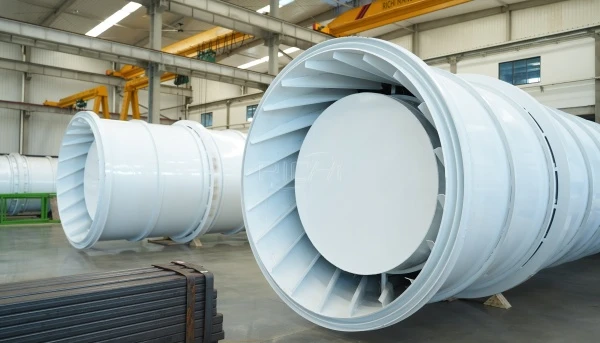
Air drawn through worn end joints can disturb the balance between useful drying gas and cooler leakage air. Flexible wear-resistant steel plates seal the stationary hoods against the rotating shell while accommodating normal movement. We check their contact condition when setting sawdust drying airflow, and arrange access for renewal of the wearing strips.
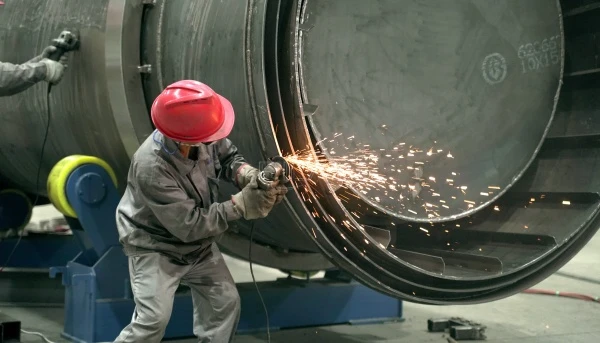
As moisture is removed, sawdust becomes lighter and its movement with the gas changes. Flight profiles and spacing are selected for the accepted particle mix and bed loading along the drum. We examine material hold-up and the falling curtain together, supporting sawdust drying uniformity while limiting damp deposits and excessive sawdust fines carryover.
○ RICHI MACHINERY
Fresh mill residues, weathered stock and purchased blends raise different drying questions. The five country videos below are part of RICHI’s wider collection of completed sawdust dryer machine projects. Compare the material and end-use points with your own requirements, then ask us for footage closer to your planned operation.
Stored eucalyptus sawdust can carry rain-wet pockets into South African briquette plants. Set sawdust drying before briquetting for the press’s moisture limit and incoming stock condition.


Keep treated fines out of the untreated rubberwood sawdust stream in Malaysia. For bulk supply, agree delivery moisture and particle limits before specifying rubberwood sawdust drying.
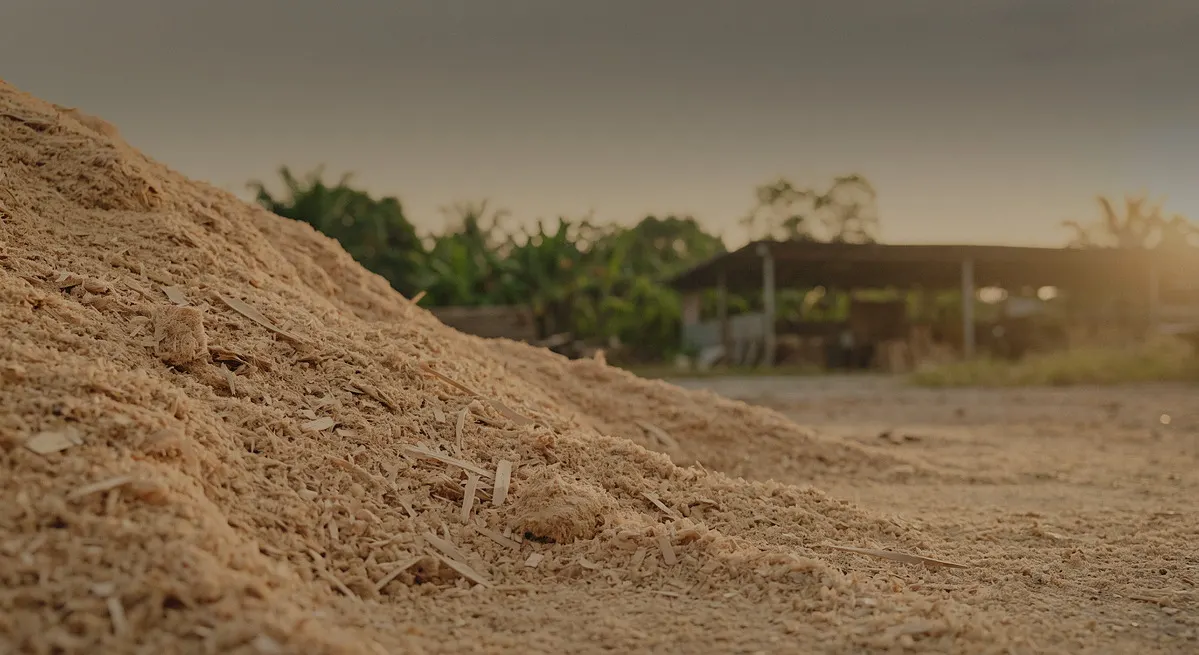
French wood-flour producers can dry wet oak and beech sawdust before fine milling. The grinder’s feed limit and the finished flour specification set the endpoint for hardwood sawdust drying.
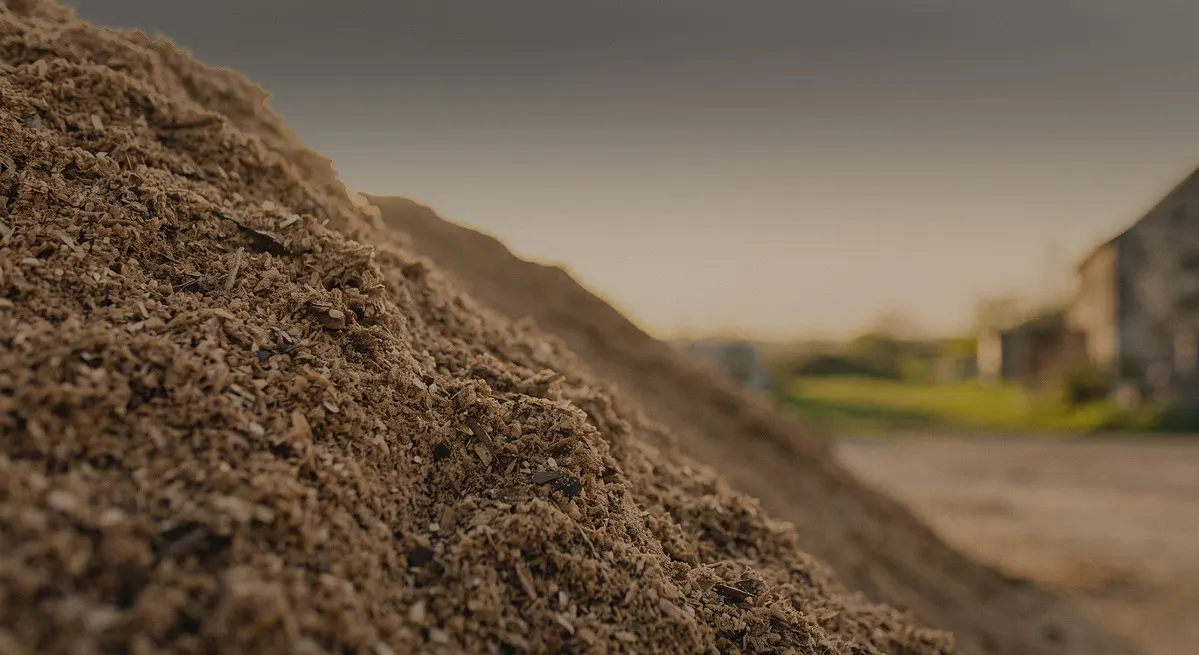
Sawdust drying for boiler fuel at German heat plants must suit the combustion system’s moisture range. Check whether the existing fuel feeder and enclosed transfer can handle light dried fines.
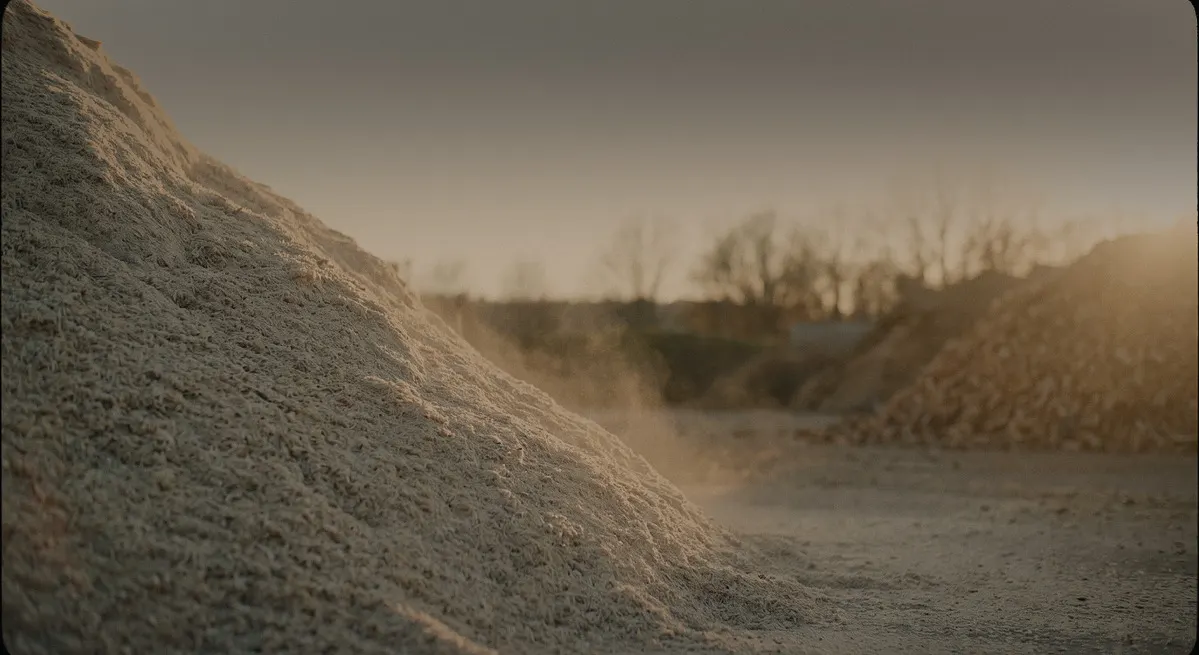
Turkey sawmills handling fresh pine and spruce residues need checks for wet or frozen feed. Softwood sawdust drying is matched to the pellet mill’s moisture specification.
○ RICHI MACHINERY

For a woodworking sawdust dryer, RICHI reviews the collection points first. The feed specification defines clean untreated wood and excludes residues from glued panels, coatings or preservatives.

Your proposal lists the sawdust water evaporation rate, wet-feed rate and usable dried output. Reusable fines and rejected material are accounted for separately when sizing the next process.

Hopper height, duct routes and maintenance access shape a sawdust dryer retrofit. RICHI customizes inlet and discharge connections, then checks the existing feeder and fan against the revised duty.

We define the sawdust final moisture content at an agreed sampling point. Transfers and buffer storage are reviewed with the dryer target, so the specification reflects what reaches your next process.

Heat and electricity are listed separately for sawdust dryer energy consumption. Each estimate states inlet and outlet moisture and usable output, so you can compare running costs on the same basis.

Sawdust dryer spare parts are identified against your build drawings and parts list. As your sawdust dryer supplier, we use these references to help your team order the correct service items.
Your next process needs usable sawdust, whether you sell it loose, mill it finer or feed a pellet press. RICHI manufactures the sawdust dryer machine in China and plans its connections to the rest of your plant. Feed acceptance, output definitions and site interfaces are agreed before the build, with operating documents and support included in the proposal.
○ RICHI MACHINERY
For a small sawdust dryer beside one mill or an industrial line using several suppliers, RICHI offers nine drum configurations. Loose bulk density and the proportion of fine dust help us specify feeding and airflow for each sawdust dryer machine. Drum internals and heating can also be customized. The dimensions below describe the drum, with extra space needed for the complete system.
| Model | Diameter (m) | Drum Length (m) | Drum Layers | Drum Speed (rpm) | Inlet Air (°C) | Outlet Air (°C) |
|---|---|---|---|---|---|---|
| φ0.6×6 | 0.6 | 6 | 1 | 3–12 | 400–500 | 70–80 |
| φ0.8×8 | 0.8 | 8 | 1 | 3–12 | 400–500 | 70–80 |
| φ1.2×12 | 1.2 | 12 | 1 | 3–12 | 400–500 | 70–80 |
| φ1.5×15 | 1.5 | 15 | 1 | 3–12 | 400–500 | 70–80 |
| φ1.8×18 | 1.8 | 18 | 1 | 3–12 | 400–500 | 70–80 |
| φ1.8×20 | 1.8 | 20 | 1 | 3–12 | 400–500 | 70–80 |
| φ1.8×36 | 1.8 | 36 | 1 | 3–12 | 400–500 | 70–80 |
| φ1.8×12×3C | 1.8 | 12 | 3 | 3–12 | 400–500 | 70–80 |
| φ1.8×24×3C | 1.8 | 24 | 3 | 3–12 | 400–500 | 70–80 |
○ RICHI MACHINERY
RICHI’s sawdust dryer machine projects include standalone drum replacements and drying sections connected with existing production equipment. We coordinate the agreed supply scope around material receiving, heat delivery, fines recovery and the next production stage. The projects below show different ways to fit drying into an operating business.
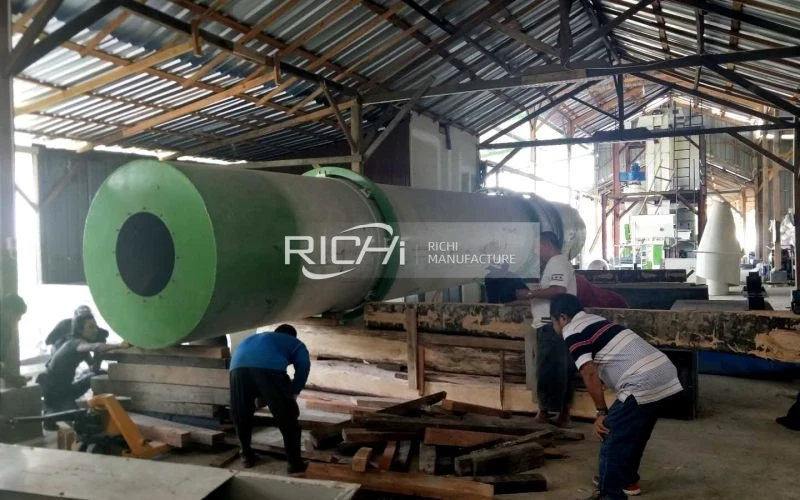
Sengon and rubberwood sawdust can differ in particle distribution and loose volume. RICHI supplied rotary drying equipment for its Indonesian sawdust project. When several suppliers feed a pellet line, separate moisture checks, an agreed blend and feeder matching are needed to keep the drying duty tied to the incoming material.

Our sawdust supply changes, so the feeding arrangement needs as much attention as the moisture target.
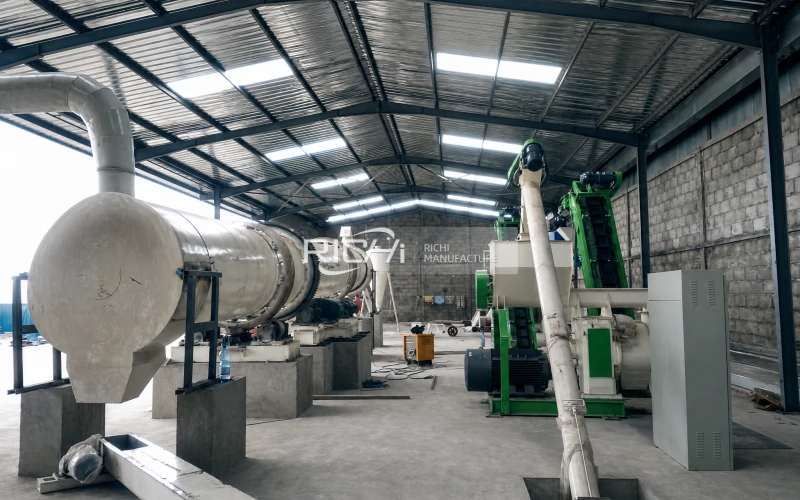
RICHI has supplied sawdust drying equipment to Austria. For sawmills handling fresh spruce and fir, a green sawdust dryer must suit the moisture range of accepted deliveries. Receiving, screening and pellet preparation need to work together, with wet-input capacity distinguished from the dry material available to the press.
What matters to us is matching the dryer to fresh sawdust, so the pellet press receives material it can use.
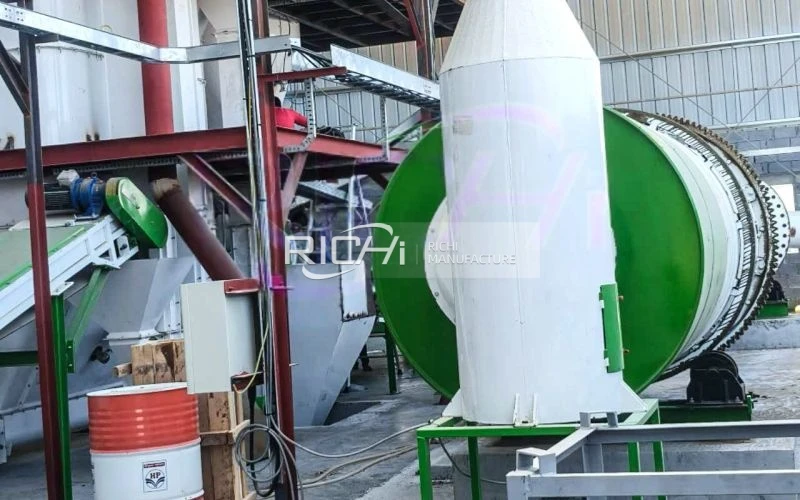
The Pacific Northwest project used one φ1.5×15 m rotary drum within an existing wood-pellet operation. The material brief covered 40–55% incoming moisture and a 10–12% target before pressing. Sawmill sawdust drying equipment must match the accepted softwood residue mix and the feed demand of the retained pellet section.
Keeping our existing pellet equipment made the new drying stage a practical upgrade for our plant.
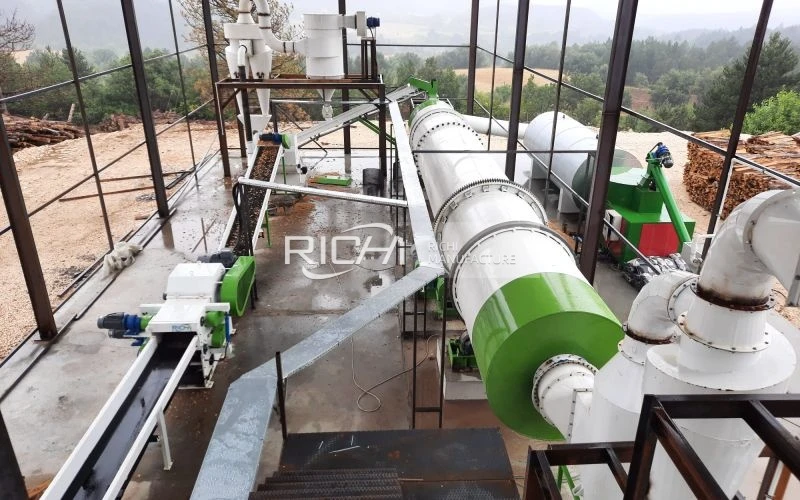
A commercial sawdust dryer supplied to Canada forms part of RICHI’s wood-residue drying work. For industrial absorbent sawdust, moisture, particle grading and fines limits belong in the sale specification. Classification, bagging and protected storage must preserve the material condition agreed with the buyer.
Our buyers look at moisture and particle size, so drying and grading both need to meet the agreed specification.
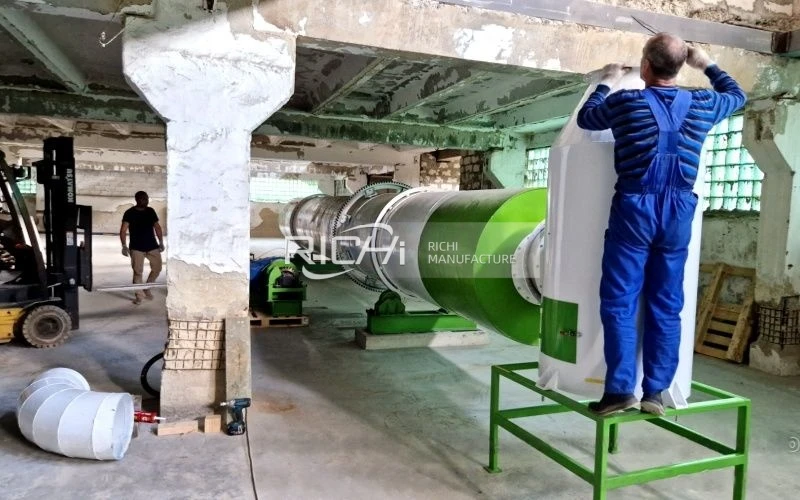
RICHI’s Brazilian sawdust-drying project sits within an established wood-panel and timber-processing market. For a sawdust drying plant preparing particleboard surface material, moisture and particle grading must suit resin blending. This raw-wood route is separate from drying refined fibres for MDF.
For us, the dryer has to fit the board-making process and prepare the material properly for resin blending.
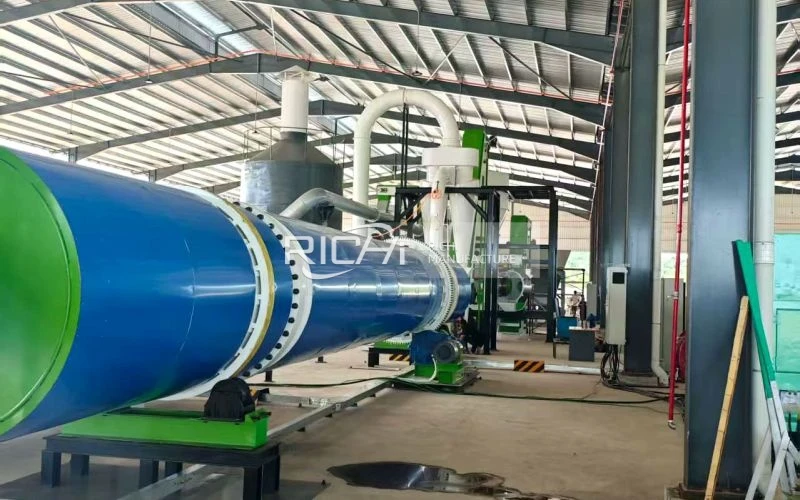
In Argentina, RICHI’s sawdust-drying work connects with wood-residue processing. Misiones sawmills supply loblolly pine sawdust. For a pine sawdust dryer feeding briquette production, delivery moisture, particle condition and covered storage must be coordinated with the press’s feed specification.
With sawdust coming from different mills, having a clear feed specification makes briquette preparation easier to manage.
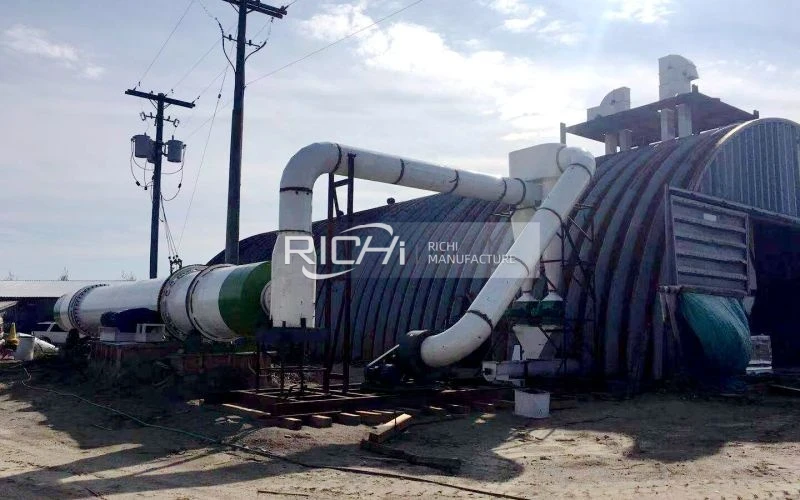
The Thailand project adds to RICHI’s sawdust-drying experience in a rubberwood-processing market. Untreated fines collected before preservation must stay separate from treated timber dust. A fine sawdust drying machine serving wood-flour production needs an endpoint coordinated with milling and the flour buyer’s specification.
We want a clear route from untreated rubberwood fines to wood flour, with the drying stage matched to that job.
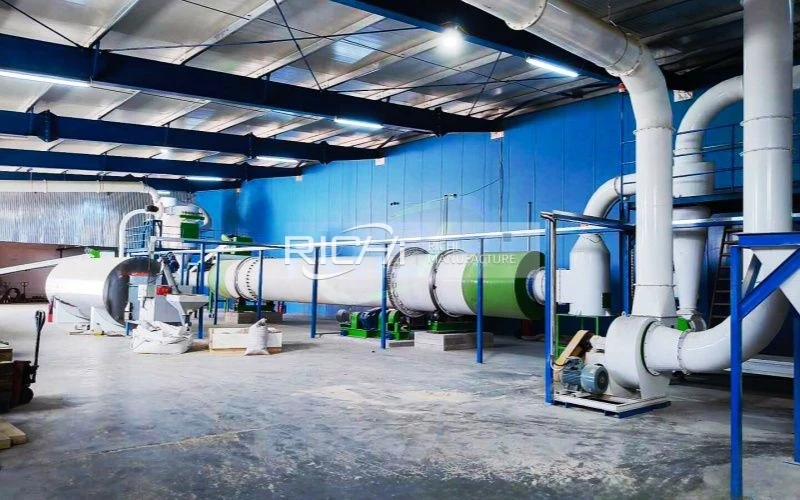
Ghana’s Ashanti project retained an existing pellet mill and used one φ1.2×12 m rotary dryer for native hardwood sawdust and sawmill residues. The purchase covered the drying stage. Connections to the feeder, heat supply and dried-material storage defined its integration with the retained pellet equipment.
We needed a separate dryer that would fit around the pellet mill already working in our plant.
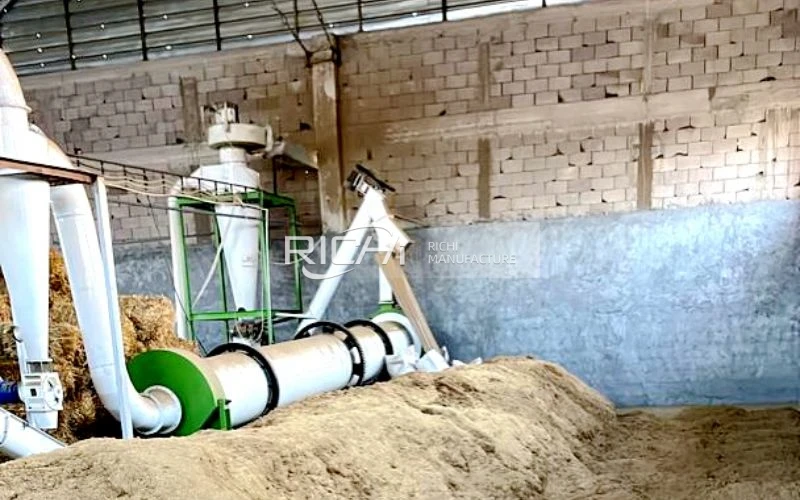
In Waikato, a fuel-pellet producer replaced an ageing dryer with one φ1.2×12 m rotary drum and retained its processing equipment. Radiata pine sawdust feeds the wood-fuel route. The sawdust drying line connects buffer storage with pressing; other biomass campaigns have their own feed preparation and operating checks.
Replacing the ageing dryer while keeping the rest of our equipment made sense for this upgrade.
○ RICHI MACHINERY
A complete sawdust drying system manages intake, heating, fines recovery and transfer to the next process. RICHI designs and manufactures hoppers, metering feeders, conveyors, heat equipment, fans, ductwork and controls around your sawdust dryer machine. Selection follows wet-feed rate, moisture, loose bulk density and usable dry output. The system can run separately or connect to an existing line, with buffer storage and any required milling arranged before the biomass pellet machine.
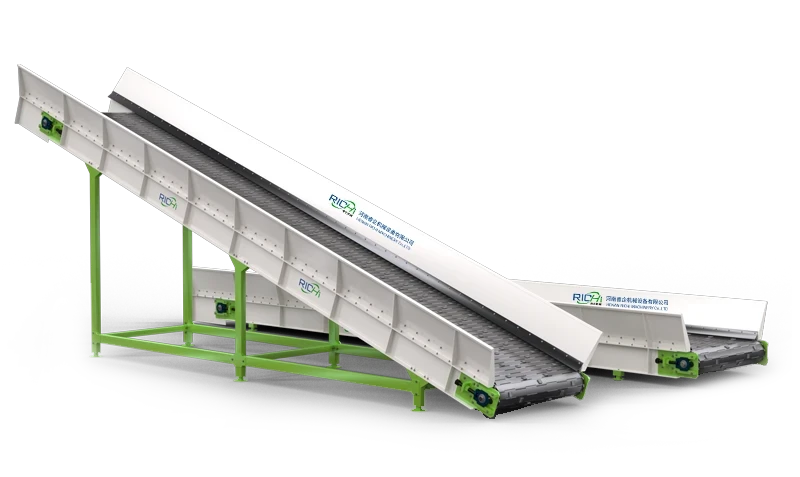
Screw, belt or scraper conveyors connect receiving, feed metering and dry discharge, sized for loose sawdust flow.
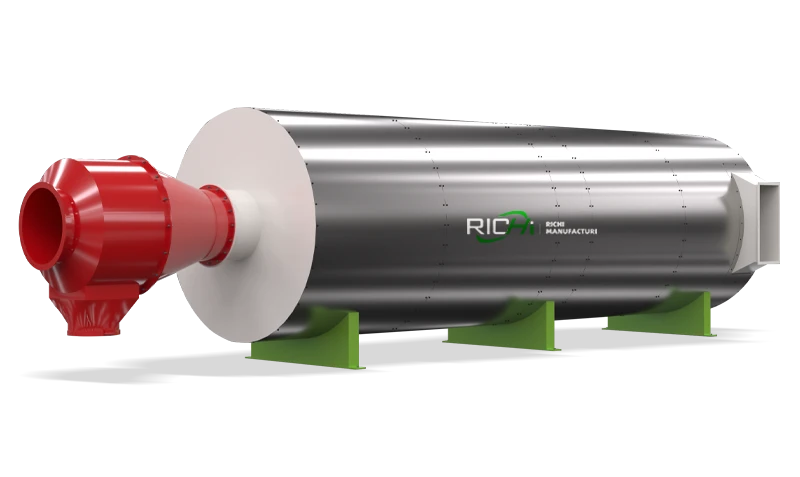
Match the sawdust dryer heat source to local wood fuel; the furnace package includes fuel feeding and ash handling.
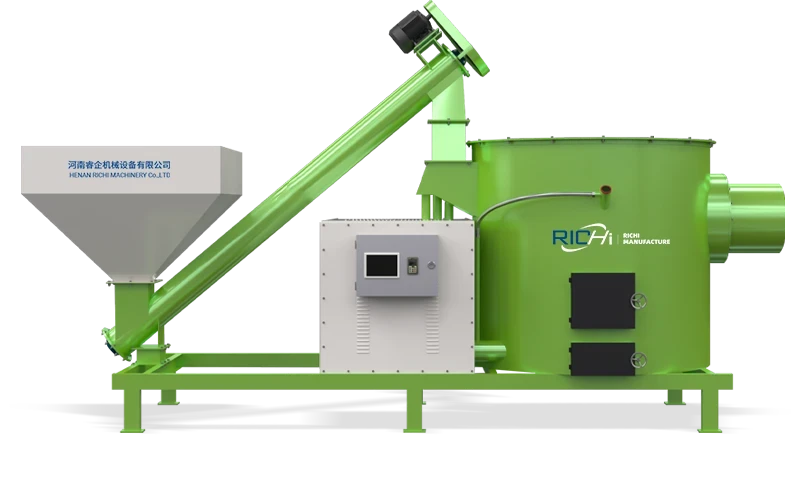
Gas or oil firing offers adjustable heat input; burner selection follows fuel type, pressure and required heat duty.
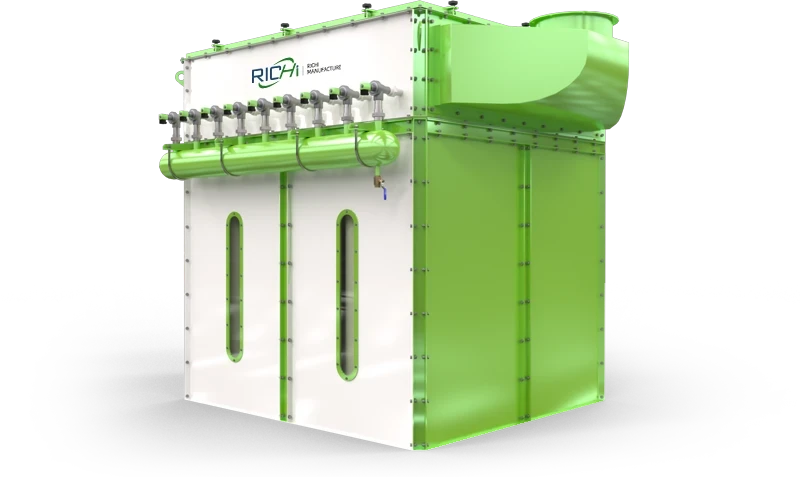
Cyclones separate entrained sawdust; suitable bag filters are chosen for exhaust temperature and moisture.
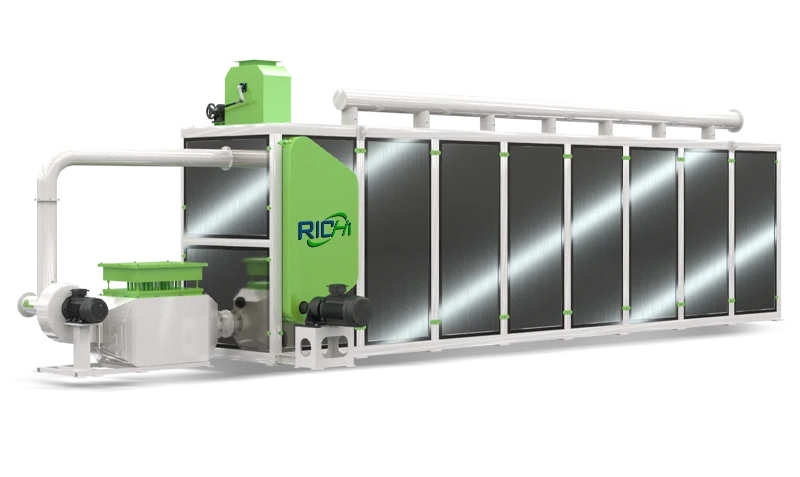
Sawmills and pellet producers with usable low-temperature heat can consider a sawdust belt dryer instead of a high-temperature drum layout. Hot water, steam or a suitable burner can heat its air. We check heat supply and floor space against output, then select a belt that holds your fine sawdust while allowing airflow. Sawdust drying with recovered heat also needs the source temperature, heat output and operating hours to match the drying duty.
Discuss My Custom Belt Drying System○ RICHI MACHINERY
Wood pellets, bedding and composite fillers place different demands on dried sawdust. RICHI sizes each sawdust dryer machine for your incoming material, required dry output and next process. Our scope covers system customization, equipment manufacturing, installation, commissioning and operator training, with screening or milling included where your product requires it.
○ RICHI MACHINERY
US$25,000–200,000 is an initial equipment allowance for a configured drum-drying section supplied from China. The sawdust drying machine price follows the water-removal duty and agreed supply scope: feeding, heating, fans, dust collection and controls.
A sawdust dryer machine for sale should have an itemized equipment list. Freight, import charges, foundations, buildings and site installation need separate allowances unless included. Larger duties and additional exhaust treatment require a separate assessment.
For 2 t/h of sawdust at 10% moisture, feed 4 t/h at 55% moisture and remove 2 t/h of water, before solids losses. State sawdust initial moisture content and the outlet target on a wet basis.
The sawdust dryer wet feed capacity and sawdust dryer dried product output must be stated separately. The sawdust dryer evaporation load determines the required heat and exhaust duty; the downstream pellet output has its own moisture and loss balance.
At 60% inlet and 10% outlet moisture, 1 t/h of dried sawdust requires 2.25 t/h of wet feed and 1.25 t/h of water evaporation, before solids losses. Your wet sawdust dryer must cover that duty to maintain the target.
For spruce sawdust drying, select fresh sawdust drying equipment against the wettest accepted delivery. Drying outdoor-stored sawdust requires samples from inside the pile, where wet pockets can remain beneath a dry surface. Wetter loads need a revised operating limit or feed-preparation route.
Blend to an agreed feed specification after checking each delivery's moisture and particle distribution. Record purchased sawdust moisture variation by supplier, then meter the accepted streams into a buffer rather than tipping alternating loads straight into the drum.
Acacia sawdust drying and mixed sawdust and wood fines drying need stable mass flow, not equal bucket volumes. Specify sawdust moisture reduction for each blend; an already-dry stream can bypass the drum when it meets the next-stage specification.
Yes, for identified untreated solid-wood dust within the accepted feed grade. A wood dust dryer machine must have separate feed acceptance for each collection source. Keep MDF, glued-panel, coated and preservative-treated dust outside this route; drying removes water rather than these chemicals.
Screen the load first; only material outside the accepted feed grade needs further size reduction. Grinding every fraction can create more airborne fines and increase losses.
Sawdust particle size for drying includes the fine fraction and the longest oversize pieces. Coarse sawdust drying equipment needs adequate exposure for larger particles, while a wood dust rotary dryer must limit fine-particle carryover and recover entrained material. We assess the complete size distribution before choosing the internal arrangement and airflow.
Compare a triple-pass arrangement where shell length restricts the installation, then check the complete heating and exhaust layout. For fir sawdust drying, assess both types of drum dryer at the same feed moisture and evaporation duty.
Sawdust drying time also depends on particle distribution, airflow and loading. The listed 3–12 rpm is drum speed, not retention time. We select sawdust drying technology with fine-particle carryover, cleaning access and the full installed footprint in view.
The 400–500°C figure describes inlet gas at a stated measuring point, not the sawdust temperature or a setting for every feed. The sawdust dryer working principle relies on heat transfer while water evaporates; dry fines and interrupted feeding require particular attention.
Sawdust drying temperature must be controlled alongside feed rate and airflow. The control design needs defined responses to feed loss, fan failure and excessive temperature, with suitable ignition detection and protective actions. We establish operating limits for your actual material.
If evaporation is 2 t/h, fuel-energy input is 5 GJ per tonne of water and as-fired fuel supplies 12 MJ/kg, the requirement is about 833 kg/h. We confirm your requirement using the actual fuel analysis and agreed thermal duty.
Sawdust dryer fuel consumption must use the fuel's as-fired heating value. For high moisture sawdust drying, confirm that the furnace accepts the available fuel moisture, particle size and ash. Reserve a suitable startup fuel supply rather than assuming wet production feed will burn reliably.
Drying removes water, so bark-related ash stays in the product. For eucalyptus sawdust drying, separate clean sawing residues from bark-rich or dirty material. Sawdust with bark drying can serve an agreed industrial-fuel outlet, while premium pellet feed needs the buyer's ash and contamination tests. Choose the outlet before sizing the dryer.
Start with one high capacity sawdust drying machine if it can meet the future duty and run stably at the initial rate. At 50% inlet and 10% outlet moisture, 12 t/h of dried sawdust requires 21.6 t/h of wet feed and 9.6 t/h of evaporation, before solids losses.
An industrial sawdust dryer needs heating, fans, feeding and discharge matched to that peak. Confirm stable operation at 8 t/h as well; one main machine keeps the heat, feeding and exhaust duties in a coordinated package.
Check volumetric feeding before enlarging the sawdust dryer machine. At a loose bulk density of 150 kg/m³, delivering 4 t/h requires about 26.7 m³/h; a feeder delivering 20 m³/h would supply only 3 t/h.
Sawdust bulk density and feeder sizing must be checked together. We assess hopper discharge, bridging and metering, then specify sawdust dryer feed surge control to keep the thermal input aligned with the material actually reaching the drum.
Specify below 1% at the agreed use point, such as the compounder inlet after milling and transfer. Wood dust drying equipment must be assessed against that endpoint and a suitable moisture test. For birch sawdust drying into wood flour, include milling, final moisture control and protected transfer in the process; the material can absorb moisture after the drum.
One drying section can serve both routes if the accepted raw material, combined dry-feed demand and required moisture bands are compatible. Where the targets differ, use controlled campaigns or separately managed buffers.
In this arrangement, a sawdust pellet dryer prepares raw sawdust before forming. Finished hot litter pellets normally need cooling and screening. Sawdust drying for wood pellet production likewise precedes pressing; a process that adds water or binders needs its own finishing assessment.
Treat 10% as a trial point, then confirm press load, pellet quality and moisture at the press inlet for the actual mixture. Pine sawdust moisture control is an operating practice, not a transferable species recipe.
For oak sawdust drying and beech sawdust drying, record moisture, particle grade and blending ratio together. Sawdust moisture conditioning for pellet mills must account for what happens during storage, milling and transfer, so the accepted moisture band belongs at a defined sampling point.
These are separate design duties. A suitable bag filter captures particles; gaseous wood emissions may need additional sawdust dryer exhaust gas treatment. The selected filter also has to suit temperature and moisture.
Sawdust drying dust explosion prevention needs a system risk assessment covering ignition sources, dust containment, isolation and appropriate protection measures. Spark detection and extinguishing can form part of that design, while the collector and connecting ducts need their own assessment.
Plan grading, fine-dust extraction and suitable cooling before packing; loose bedding needs no pellet mill. Specify the animal, accepted wood species, particle grade and hygiene requirements. Use clean untreated material, agree the product tests and protect it during storage. Drying alone does not establish hygiene or suitability for every animal.
They can stay only if their duties match the replacement system. Check furnace heat input and turndown, fan flow and pressure, dust loading, duct losses and the new feed range.
For a sawdust industrial dryer retrofit, we also review connections, maintenance access and the complete electrical load. The installation drawing must include the heater, collection equipment and service space, not just the drum length. An above-floor feeding arrangement can be assessed where a pit is unavailable.
Cold duct walls can fall below the exhaust dew point even when product moisture is 10%. Sawdust dryer dew point control therefore concerns the gas path as well as the product. For rain-wet sawdust drying, check vapour load, insulation, air leakage, cold duct sections and suitable condensate handling against the collector's temperature and moisture limits.
Agree the accepted feed, test duration, sampling points and mass-balance method before ordering. When comparing a sawdust dryer for sale, require those conditions to accompany its output rating.
An industrial sawdust drying machine should be checked with timed inlet and outlet weighing, representative moisture samples, recovered fines and recorded fuel and electricity use. The sawdust drying process must meet the agreed moisture range and usable dry output over the test period. Your sawdust dryer machine proposal should also define installation, commissioning and operator-training responsibilities.
○ RICHI MACHINERY
As a global leader in pelletizing solutions, RICHI represents a fully integrated technology partner that masters every dimension of modern production systems. From pioneering research in material science to precision engineering and industrial-scale manufacturing, we build complete production ecosystems that transform raw materials into high-value pellets. Our holistic approach ensures each project is founded on three pillars: engineering precision that guarantees operational efficiency, continuous innovation that adapts to evolving market demands, and uncompromising reliability that sustains production for decades. With vertically controlled manufacturing and end-to-end project management, we deliver not just equipment, but fully optimized production assets that drive profitability across industries worldwide.

Engineering & Manufacturing
Research & Development

Technical Services

Patents & Certifications

Global Partnerships

Global Headquarters
○ RICHI MACHINERY
Founded in 1995, RICHI Machinery has evolved from a specialized manufacturer into a global engineering provider for complete pelletizing systems. With two major manufacturing bases spanning over 60,000 m², we control every step from design to delivery, ensuring unmatched quality and depth of production. Our commitment to excellence is reflected in our global impact, serving clients in over 140 countries with more than 2,000 successful projects and 10,000+ equipment units delivered worldwide.
Production Area
Countries Served
Global Projects
Equipment Delivered
○ RICHI MACHINERY
For nearly three decades, RICHI has mastered the complexities of diverse materials across global industries. We provide end-to-end pelletizing systems, delivering the complete technological and engineering support needed to transform raw materials into high-value products. From initial concept to operational plant, we are your single partner for launching and scaling a successful pellet processing business.
○ RICHI MACHINERY
○ RICHI MACHINERY
Keeping in touch with us is an effective way to solve all your problems. If you have any needs or questions, please leave your contact information, then RICHI technical consultants will send design, quotation, videos to your mailbox. You can also contact us directly via WhatsApp: +86 13838389622
Copyright©2015-2026 by HENAN RICHI MACHINERY CO., LTD. All rights reserved.