
Looking for wood chipping equipment in Lithuania? Explore the XPJ500×500 drum wood chipper for processing logs, branches and timber residues into 20–40 mm wood chips for biomass and further wood processing.
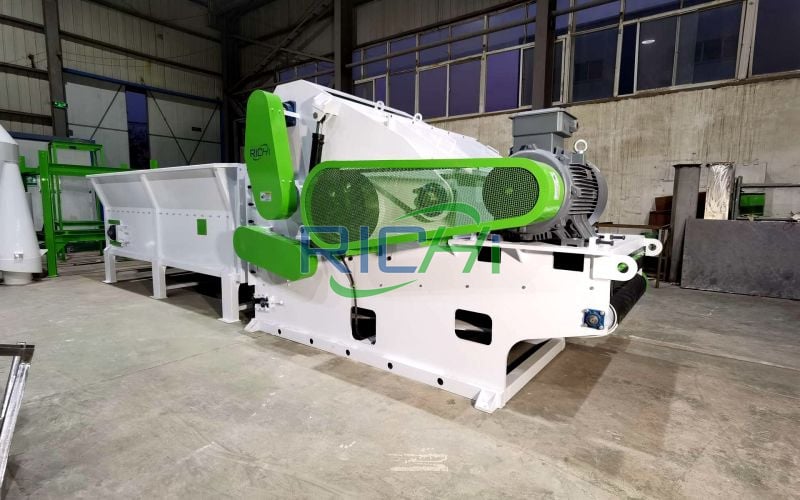
Wood Chipping Equipment in Lithuania is a practical investment for timber processors and biomass suppliers that need to turn irregular wood residues into uniform chips for further use. In this representative project scenario, a regional wood-processing and biomass feedstock supplier plans to add one XPJ500×500 drum wood chipper to its existing yard. The machine will process suitable pine, spruce, birch and other clean wood residues into nominally 20–40 mm wood chips for industrial biomass users.
The buyer is purchasing one machine rather than a complete wood chip production line. Its existing operation already includes a wheel loader, timber storage areas and equipment for moving incoming logs and finished chips. The missing step is controlled size reduction for larger and irregular timber pieces. A standalone drum chipper allows the operator to expand this part of the operation without replacing equipment that is already suitable for its daily work.
Name:
Wood Chipping Equipment
Country:
Lithuania
Date:
2026
Capacity:
Flexible
Model:
XPJ500×500
Power:
110 kW
Maximum feed diameter:
500mm
Final product size:
20–40mm
Lithuania has a substantial forestry resource and an established timber-processing sector. According to the Lithuanian State Data Agency and State Forest Service statistics, forest land covered approximately 2.21 million hectares in 2024. Sawmills, forestry contractors and other wood-processing businesses generate different types of residues, including short logs, branches, slabs and offcuts that may not be suitable for higher-value timber products.
For a regional biomass supplier, these materials can become difficult to manage when they arrive in mixed sizes. Long branches occupy considerable storage space, while crooked logs and short timber sections may be unsuitable for equipment designed to handle regular lumber. Sending every batch to an outside chipping contractor also means coordinating transport, scheduling and material availability.
The proposed buyer therefore needs a dedicated wood chipping machine that can be operated when sufficient material has accumulated. Rather than investing immediately in a complete processing line, the company can retain its existing handling arrangement and add the drum chipper as a separate production stage.
The business case is based on a straightforward operational need. Incoming timber must be reduced to a form that is easier to store, handle and deliver to customers who purchase wood chips for further processing or approved biomass applications. The machine is not intended to replace the sawmill or perform drying, fine grinding or pellet production.
The proposed raw-material mix consists primarily of clean pine and spruce residues, with suitable birch pieces included when the incoming batch and the intended customer's specification permit them. These are plausible materials for a Lithuanian forestry and timber-processing operation. The actual mix will depend on the supplier's contracts, collection area and seasonal availability rather than a fixed recipe.
Some loads may contain straight small-diameter logs, while others include crooked stems, branches and sawmill offcuts. The operator separates these materials before feeding and removes stones, metal and other foreign objects that could damage the cutting system. Soil-contaminated stumps and root material are not automatically suitable for this configuration; they require separate evaluation because dirt and embedded debris can accelerate knife wear.
Moisture also varies. Freshly harvested pine, spruce and birch can be significantly wetter than seasoned offcuts stored under cover. The drum chipper reduces particle size but does not remove moisture. If a customer requires a particular fuel moisture level, the operator must manage storage, seasoning or a separate drying process.
This distinction matters commercially. Some industrial users accept wood chips with a broader moisture range, while others specify tighter requirements for fuel handling, combustion or downstream manufacturing. The buyer therefore intends to confirm the finished-chip specification with its customers before finalizing the machine setup.
For this project, the proposed configuration is the XPJ500×500 drum wood chipper. Its 500 mm maximum feed diameter provides a larger feed opening than the smaller XPJ500×230 and XPJ680×300 models. This makes it a candidate for an operation that receives larger timber sections alongside branches and ordinary wood-processing residues.
| Item | XPJ500×500 specification |
|---|---|
| Equipment type | Drum wood chipper |
| Model | XPJ500×500 |
| Purchase quantity | 1 unit |
| Feed inlet dimensions | 500 × 500 mm |
| Maximum feed diameter | 500 mm |
| Feeding motor power | 4 + 3 kW |
| Main motor power | 110 kW |
| Hydraulic pump power | 1.5 kW |
| Discharge conveyor motor power | 2.2 kW |
| Flying knives | 6 |
| Fixed knives | 2 |
| Target chip size | 20–40 mm, subject to configuration and testing |
The manufacturer specifies that the drum chipper processes logs, branches and wood strips into approximately 20–40 mm wood chips. Screen or cutting specifications can be customized to suit the intended output. However, the final chip distribution also depends on the wood species, feed geometry, knife condition and operating settings.
The supplied specification does not state a rated hourly throughput for the XPJ500×500. A capacity figure should therefore not be assumed from the motor power or feed diameter alone. Before confirming the final configuration, RICHI can review representative raw materials, typical log dimensions, moisture conditions and the customer's required output.
The XPJ500×500 crusher machine is planned as an additional processing machine within the buyer's current yard. Incoming logs and branches are brought to a designated receiving area, checked for unsuitable material and fed into the machine using the appropriate handling equipment. The hydraulic feeding system helps the rollers grip and advance material toward the cutting chamber.
After chipping, the discharge conveyor directs the material to a collection or storage area. Keeping incoming timber and finished chips in separate zones helps the operator maintain traceability between different batches and meet the specifications of individual customers.
The final layout should provide enough space for the loader, feed table, discharge conveyor and maintenance access. Electrical supply, foundation conditions and lifting arrangements also need to be checked before installation. These details are particularly important when a new chipper is added to an operating yard rather than installed as part of a newly designed line.
The buyer's intention is to preserve its existing equipment wherever practical. The new machine performs the size-reduction task, while the loader and storage facilities continue to handle material movement. If demand later justifies additional processing, the yard can be assessed for conveyors, screening or downstream biomass equipment.
The main planned product is 20–40 mm wood chips supplied as an intermediate raw material. Depending on their properties and the receiving customer's requirements, these chips may be used as biomass fuel or as feedstock for further wood processing. The machine itself does not determine whether every batch is suitable for every application; material quality and end-use requirements remain decisive.
For biomass boilers, the customer may need to verify moisture content, particle dimensions, bark content and contamination limits. Fresh chips may require storage or drying before they meet the fuel specification. The acceptable moisture range depends on the combustion system and the fuel-handling equipment at the receiving facility.
For wood pellet production, chips of this size may serve as an intermediate material before further processing. A typical route may include drying where required, hammer milling or other fine grinding, pelletizing, cooling and screening. The exact sequence depends on the incoming wood, target pellet properties and the equipment already available at the pellet plant.
Wood chips may also be supplied to suitable industrial wood-processing users, but their specifications can differ significantly. Pulp and panel manufacturers, for example, may have requirements for wood species, bark content, chip geometry and cleanliness that are more restrictive than those of some biomass fuel users. These requirements should be confirmed before the operator commits a batch to a particular market.
The drum chipper uses a machine body fabricated from high-strength steel plate to support the cutting assembly during operation. The rotor carries the flying knives, which are secured using dedicated bolts and a pressure-fastening arrangement intended to prevent displacement during cutting.
Both flying and fixed knives are specified as 6GrW2Si steel with quenching treatment to improve hardness and wear resistance. Knife life will still depend on operating hours, wood characteristics, maintenance and the amount of abrasive contamination in the feedstock. Regular inspection and correct fastening are essential to safe operation.
The rotor is checked with dynamic balancing equipment to help maintain concentricity and stable high-speed rotation. Proper balancing can reduce avoidable vibration, but overall operating stability also depends on installation quality, foundation condition, correct assembly and routine maintenance.
The hydraulic auxiliary feeding system adjusts the feed rollers to accommodate different material diameters. This helps the rollers grip irregular wood and feed it into the cutting chamber, reducing the likelihood of slipping or backward movement. Operators must follow the manufacturer's feeding and safety procedures and keep clear of the cutting mechanism while the machine is running.
The buyer's requirement is to process wood residues already available through its timber-handling activities. It does not currently need a complete wood chip production line with additional drying, grinding or pelletizing machinery. Purchasing one machine keeps the project focused on the actual bottleneck while allowing the existing loading and storage arrangement to remain in service.
A standalone wood chipping machine is not automatically the best choice for every business. The buyer still needs sufficient incoming material, a workable feed arrangement and a reliable destination for the finished chips. The XPJ500×500 should be selected only after the actual timber dimensions and output requirements have been checked against the machine configuration.
For a future expansion into wood pellet manufacturing, RICHI can also supply the additional equipment required for a complete biomass pellet production line. Depending on the raw material and product specification, this may include drying, fine grinding, conveying, pelletizing, cooling and screening equipment. The process can be designed around the buyer's existing machinery so that suitable equipment is reused rather than unnecessarily replaced.
Before the order is finalized, the buyer can provide photographs or samples of the typical incoming timber, together with the largest expected diameter and the proportion of branches, straight logs and offcuts. This information helps the technical team assess whether the proposed feed opening and cutting configuration match the actual material.
RICHI can also review the target chip size, the intended end use and the arrangement of the receiving and discharge areas. If the chips are destined for a specific boiler or downstream manufacturing process, that customer's specification should be used as the reference for the final configuration.
Pre-shipment coordination can cover equipment dimensions, electrical requirements, installation clearances, maintenance access, operating documentation and recommended spare parts. These checks help the buyer prepare the site before the machine arrives and plan for normal inspection and servicing.
RICHI supplies individual machines as well as complete biomass processing and pellet production systems to international markets. The appropriate configuration is determined by the material and production objective, not simply by choosing the largest available motor or feed opening.
The proposed shipment will depart from Qingdao Port in China, with the Port of Klaipėda as the intended destination port in Lithuania. Klaipėda is the country's principal seaport and handles timber and forestry-related cargo, making it a relevant logistics option for this project.
The final shipping route, packing dimensions, cargo weight and delivery schedule should be confirmed with the freight forwarder. Before shipment, the buyer should also confirm the site unloading arrangement and the lifting equipment required for the machine.
For this representative project, the key priorities are straightforward. The machine must accept the operator's typical timber sizes, produce chips that match the receiving customer's specification and integrate with the existing yard without creating unnecessary handling steps.
The buyer's assessment should focus on feed consistency, the condition of the finished chips, knife maintenance and the practical relationship between the chipper and the existing loading equipment. Actual hourly throughput should be established using representative material and recorded operating conditions rather than inferred from the motor rating.
No verified customer quotation or measured production result is available for this project scenario, so no fabricated testimonial or performance claim is attributed to a named buyer. Once the equipment is installed and operated, the operator can document the raw-material mix, chip-size distribution, output and maintenance observations for a genuine project report.
The right wood chipping equipment is the machine that fits the timber dimensions, required chip size and downstream use. For a timber processor or biomass supplier in Lithuania, a standalone drum chipper can be a sensible option when the business already has suitable material-handling facilities and needs to add a dedicated size-reduction stage.
For Wood Chipping Equipment in Lithuania, the proposed XPJ500×500 configuration offers a 500 mm maximum feed diameter, a 110 kW main motor and a target output size of 20–40 mm wood chips. RICHI Machinery can review the buyer's raw materials, layout and intended application before confirming the final configuration, whether the requirement is for one drum chipper or a more extensive biomass processing system.
Having the right mix of reliable, high-quality pellet machine and pelletizing systems and expert support is essential to your success. Watch how our end-to-end feed pellet plant solutions have helped our customers optimize their performance.
Our customized and future-proofed turnkey pellet plant solutions is designed with you at the core. From vision to reality and beyond, our team stays connected with yours. Giving you peace-of-mind with an expert at your side.
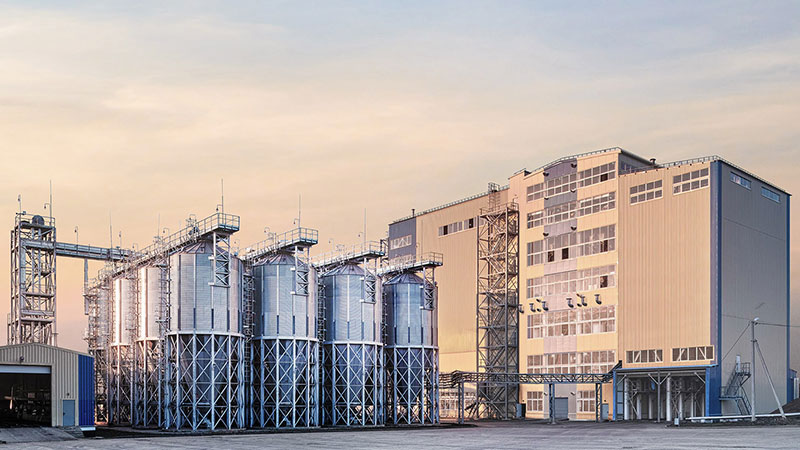
At RICHI, we go beyond project completion. With RICHI Servicee, we’re your dedicated partners in success. Count on us for expert guidance, minimal downtime, and optimized productivity. Choose RICHI for unmatched service and support.
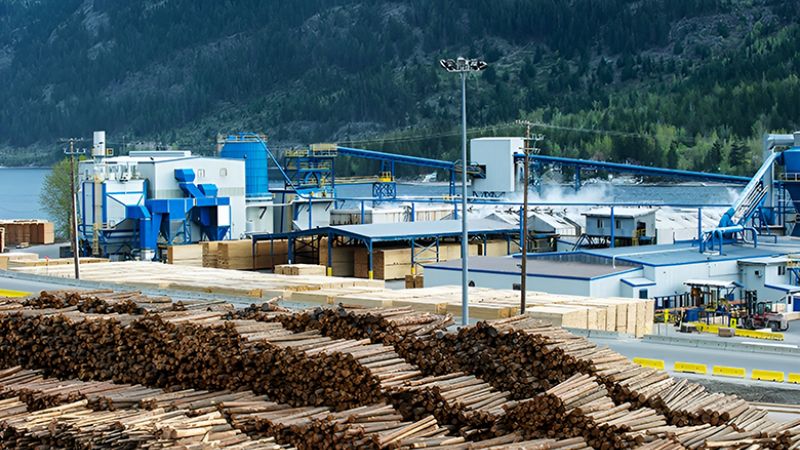


Meet global product demands and quality standards with industry-leading pellet plant design, engineering, equipment, and construction services for pellet processors.


Your Partner Beyond Project Completion
2000+ cases
RICHI is the leading designer, manufacturer and builder of pellet plants in the world, completing over 2000 projects in 140 countries across 6 continents.
Read More
Increase plant productivity, profitability, and safety by integrating high quality equipment into your pellet production line. Over the years, RICHI has become China's top pellet equipment manufacturer. At the same time, RICHI has established valuable partnerships with the world's leading component and raw material manufacturers to bring you the best there is in technology, automation, and efficiency in pelleting plant machinery.

For nearly 30 years, RICHI has been providing best-in-class pellet plant equipment and services to clients across a variety of industries, sizes, and needs. We pride ourselves on the knowledge and skill that each team member possesses – from our technical sales team to our process design engineers. You can count on RICHI Machinery to take your operation to the next level of innovation, quality, and success.
Need help with your pellet manufacturing plant project? Contact us today.
ANIMAL FEED
BIOMASS
WOOD
ORGANIC FERTILIZER
AQUA FEED
CAT LITTER
MUNICIPAL WASTE RECYCLING
SPECIAL PELLET PRODUCTION
RICHI Machinery continues to deliver world class pellet mill equipment, pellet plant engineering and project solutions that add value to our customers in the animal feed, wood waste, agriculture waste, organic fertilizer, cat litter and special pellet products industries. Throughout the years, we RICHI Machinery have built strong brand, becoming industry-leading pellet machine manufacturer. We value integrity, promise quality, and prioritize your success.
Learn MoreWith our expert team, we precisely implement your process engineering requirements in pellet mill and pelletizing plant systems. No matter which industry you’re in – we understand your needs and deliver solutions that meet the highest standards.
At RICHI, quality comes first. Our pellet making machine and related pellet line equipment undergo rigorous quality controls to ensure they meet the highest standards. Rely on products that are durable, safe, and efficient.
With decades of experience in pellet machine and pellet production line production, we have earned a reputation as a trusted partner in various industries. Our expertise allows us to cover a wide range of applications.
Not only do we offer premium pelleting equipment, but we are also experts at designing, building, installing, and maintaining facilities from the ground up. Our expertise is within pellt plant process design, discovering the most efficient, productive, and profitable way to handle your materials in an end-to-end cycle.
○ RICHI MACHINERY
Keeping in touch with us is an effective way to solve all your problems. If you have any needs or questions, please leave your contact information, then RICHI technical consultants will send design, quotation, videos to your mailbox. You can also contact us directly via WhatsApp: +86 13838389622
Copyright©2015-2026 by HENAN RICHI MACHINERY CO., LTD. All rights reserved.