
Discover a wood chip machine for MDF in Bulgaria using a RICHI RIBPC 1250×450 crusher for preliminary processing of suitable recovered wood before further MDF raw-material preparation.
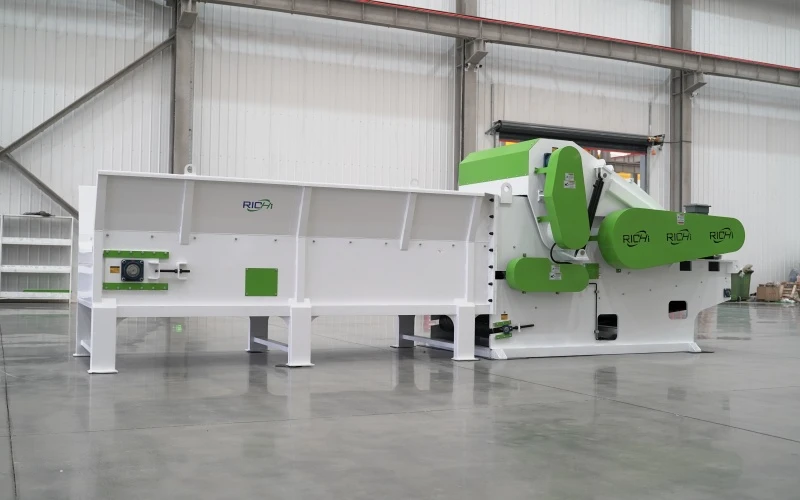
For a wood-based panel manufacturer, the value of recovered wood depends on more than how much material can be collected. The wood must be suitable for the production process, its dimensions must be manageable, and contaminants need to be controlled before the material reaches the next processing stage. A load of clean solid-wood offcuts is very different from a mixed load containing damaged pallets, painted boards, plastic fittings and old furniture components.
A Bulgarian wood-recycling operator serving industrial timber users planned to add a dedicated crushing stage for selected recovered wood. The objective was to reduce bulky wooden pieces into a more manageable intermediate material before further preparation. The buyer wanted a machine capable of handling demanding wood waste, together with a practical arrangement for feeding, discharge and routine maintenance.
Name:
MDF Crusher Machine for Chips
Country:
Bulgaria
Date:
2026
Capacity:
Flexible
Model:
RIBPC 1250×450
Power:
132 kW
Feeding motor power:
11 + 7.5 kW
Final product size:
2–4cm
The selected equipment was the RICHI RIBPC 1250×450 wood pallet shredder. In this project configuration, the machine serves as a preliminary size-reduction unit for suitable wood recovered from packaging operations and woodworking activities. The intended downstream route is MDF raw-material preparation, but the crusher itself is not a complete MDF production system. Additional cleaning, screening, metal removal and fibre preparation are required before the recovered wood can be accepted for MDF manufacture.
This distinction shaped the equipment selection. Rather than treating every discarded wooden product as acceptable MDF feedstock, the operator planned to separate reusable pallets, clean timber, engineered boards and contaminated furniture waste at the receiving stage. Only material meeting the receiving plant's requirements would enter the MDF-oriented recovery route.
Bulgaria has established woodworking, furniture manufacturing, packaging and construction-related industries. These activities generate different streams of wood residues, including solid-wood offcuts, damaged transport packaging, sawmill residues and timber pieces removed during refurbishment. The availability and quality of these materials vary by supplier, so a recovery business needs to understand the origin of each incoming load before deciding how it should be processed.
For an operator supplying industrial customers, one practical opportunity is to collect suitable timber from several sources and prepare it to a more consistent intermediate size. Woodworking shops may generate offcuts that are relatively clean and predictable. Packaging operations can supply pallet boards and blocks, while building and renovation contractors may produce a much more variable mixture requiring careful inspection.
These streams should not automatically be combined. Clean untreated solid wood may be suitable for further MDF raw-material preparation after the required processing steps. By contrast, painted timber, chemically treated wood and furniture components containing laminates, adhesives or other non-wood materials may be unsuitable for that route.
The Bulgarian project therefore focuses on selective recovery rather than unrestricted mixed-waste crushing. The business needs to reduce the size of acceptable wood pieces while retaining control over the material's origin, cleanliness and intended destination.
This approach also allows the operator to keep different grades separate. A clean stream can be prepared for an industrial wood-processing customer, while unsuitable materials can be directed to an appropriate alternative recovery or disposal route. That separation is important when the buyer wants to supply MDF manufacturers, whose raw-material requirements are more specific than those of a general wood-waste recycler.
The buyer's requirement was not simply to purchase a powerful crusher. The equipment had to accommodate irregular wood pieces, reduce their size and provide a manageable discharge stream without making downstream preparation unnecessarily difficult.
Incoming material can include solid-wood offcuts from joinery and furniture production, clean pallet boards, timber blocks and selected packaging components. These materials are often too large or irregular to transfer directly into subsequent processing equipment. Preliminary crushing reduces their dimensions and makes storage, inspection and further handling more practical.
The proposed wood chip machine for MDF is therefore positioned at the beginning of a multi-stage preparation route. Its job is to break suitable wood into coarse pieces. Subsequent equipment must determine whether those pieces meet the requirements for further chipping, screening and fibre production.
In particular, MDF production generally relies on wood fibres rather than simply coarse wood chips. A 2–4 cm output from a preliminary crusher is an intermediate material, not a finished MDF ingredient. The downstream process needs to reduce the wood further and prepare fibres with the appropriate characteristics for the panel manufacturer's process.
By defining this boundary clearly, the operator can choose the crushing machine according to its actual duty rather than expecting one machine to perform every stage of MDF raw-material preparation.
The selected machine is the RICHI RIBPC 1250×450 heavy-duty wood crusher. Its feed opening measures 1250 × 450 mm, and the main motor is rated at 132 kW. The configuration is intended for preliminary crushing of suitable bulky wood waste, including boards, pallet components and other prepared timber pieces.
The feeding system uses an 11 kW motor and a 7.5 kW motor. The hydraulic pump motor is rated at 2.2 kW, while the discharge conveyor motor is rated at 1.5 kW. The crushing assembly contains 24 hammers. These specifications define the selected machine configuration, but they do not establish a guaranteed hourly throughput for every wood type or operating condition.
The machine's normal output target is approximately 2–4 cm wood chips, with the internal screen configuration selected according to the actual material and downstream requirements. The appropriate screen and operating arrangement should be confirmed during technical review because particle size, material dimensions and wood characteristics affect the finished output.
For this application, the machine is intended to process pre-sorted wood. Although the crusher is designed for demanding wood waste and can handle suitable timber containing nails, metal removal remains necessary when the output is intended for MDF raw-material preparation. A machine's ability to crush nailed timber does not mean that the resulting chips are automatically free of metal.
| Parameter | Specification |
|---|---|
| Machine model | RIBPC 1250×450 |
| Feed opening | 1250 × 450 mm |
| Main motor power | 132 kW |
| Feeding motor power | 11 + 7.5 kW |
| Hydraulic pump motor power | 2.2 kW |
| Discharge conveyor motor power | 1.5 kW |
| Hammer quantity | 24 |
| Typical preliminary output target | Approximately 2–4 cm wood chips |
| Primary function | Preliminary crushing of suitable recovered wood |
| Intended downstream route | Further preparation for potential MDF raw-material use |
The supplied machine specifications do not state a verified hourly capacity for the RIBPC 1250×450 under this particular feedstock mix. The actual processing rate depends on wood dimensions, moisture, density, feed consistency, contamination controls, screen selection and operating conditions. A capacity commitment should be established through technical assessment and, where necessary, representative material testing.
For this Bulgarian project, the preferred feedstock is clean, untreated wood from identifiable industrial sources. This can include solid-wood offcuts from joinery shops, suitable sawmill residues, clean timber blocks and selected wooden packaging components. The material must be assessed against the receiving MDF plant's acceptance criteria before being included in the production stream.
Clean solid-wood offcuts are particularly useful as a defined feedstock because their origin and composition can often be documented. The operator can establish basic acceptance rules for dimensions, moisture, contamination and storage conditions. This helps prevent unsuitable materials from being mixed with the cleaner stream.
Recovered pallets require closer inspection. Pallet boards and blocks may contain nails, staples or metal fasteners, and some pallets may have been exposed to chemicals or other contaminants during use. Suitable pallets can be dismantled or prepared before crushing, with metal removal and further inspection incorporated into the downstream process.
Old furniture needs an even more selective approach. Solid-wood frames may be recoverable after dismantling, but finished furniture frequently includes painted surfaces, laminates, adhesives, MDF or particleboard panels, plastic fittings, glass and metal hardware. Such material should not be treated as equivalent to clean virgin wood.
The project therefore separates incoming materials into suitable categories rather than assigning all recovered wood to the MDF route. The following handling principles are central to the operating plan:
These measures improve the consistency of the recovered material and reduce the risk of sending unsuitable wood into a process that requires controlled raw materials.
The RIBPC 1250×450 MDF crusher machine performs the preliminary size-reduction stage. Before feeding, incoming wood is inspected and sorted, with reusable products removed and unsuitable components separated. Prepared material is then delivered to the crusher under controlled operating conditions.
Inside the machine, the hammer assembly breaks the wood into smaller pieces. The selected screen arrangement determines the approximate size of the discharged chips, with 2–4 cm serving as the target range for this application. Actual particle distribution must be checked against the downstream process rather than assumed from the nominal screen size alone.
After crushing, the material requires further preparation before it can be used to produce MDF fibres. Depending on the receiving plant's process, the next stages may include magnetic separation, screening to remove fines and oversized pieces, secondary chipping and fibre refining. The specific sequence must be agreed with the MDF manufacturer.
Metal control is particularly important where recovered pallets are included. A magnetic separator or other suitable metal-removal arrangement may be required after crushing, along with inspection and maintenance procedures. The precise arrangement depends on the fasteners present, the crusher configuration and the downstream equipment's protection requirements.
Fibre refining is a separate operation. MDF production requires a controlled fibre preparation process, which commonly involves specialized refining equipment and appropriate conditioning. The RIBPC crusher cannot replace that stage, and the coarse chips it produces should not be described as finished MDF fibres.
This staged arrangement allows the operator to use the crusher for the work it is designed to do while leaving fine preparation to equipment specifically intended for that duty.
Reducing bulky timber to approximately 2–4 cm chips makes the material easier to collect, store and transfer than intact boards or irregular wood blocks. It also creates an intermediate feedstock that can be evaluated for subsequent processing.
However, chip size alone does not determine whether wood is suitable for MDF manufacture. The receiving plant may also impose requirements concerning species mix, moisture, bark content, metal contamination, coatings and other impurities. A nominally correct chip size cannot compensate for an unsuitable material composition.
For that reason, the project should define two separate quality checkpoints. The first is the crusher's output size and consistency. The second is the suitability of the prepared wood for the receiving MDF process after metal removal, screening and further size reduction.
If the downstream customer requires a different intermediate size, the screen and any additional processing equipment should be reviewed before commissioning. This is more reliable than assuming that one standard setting will meet every MDF plant's requirements.
Recovered wood is not always as predictable as freshly prepared timber. Nail positions, varying board thicknesses, knots and differences in wood density can affect the crushing duty. The RIBPC series is designed for demanding wood-waste applications, with construction features intended to support routine industrial operation.
The crusher uses high-strength alloy-steel hammers that undergo quenching treatment to improve wear resistance. The hammers are detachable, allowing worn components to be inspected and replaced without treating the entire hammer assembly as a single permanent part.
The machine body uses a heavy-duty housing with carbon dioxide gas-shielded welding and overall annealing, as specified for the model range. These construction measures are intended to support structural stability and reduce residual stresses associated with fabrication.
Sealed bearings and the specified dust- and water-resistant design features help protect critical components during operation. Automatic overload protection is also provided. This can help protect the machine when abnormal loading occurs, although operators must still investigate recurring overloads and correct the underlying cause.
Routine maintenance should cover hammer wear, fasteners, screen condition, bearings, hydraulic components, conveyor alignment and unusual noise or vibration. The inspection interval should reflect the actual operating hours and material characteristics. Maintenance must be performed only after the equipment has been safely isolated in accordance with the operating instructions.
For an MDF-oriented application, wear and maintenance records also help the operator identify changes in particle size or output consistency. These records provide useful information when reviewing the relationship between incoming material quality, crusher settings and downstream acceptance requirements.
Dust control needs attention from the start of the project. Crushing wood creates airborne particles, while material falling from conveyors can release additional dust at transfer points. The layout should provide suitable extraction around the crushing and discharge areas, with the final arrangement based on the equipment layout and the dust collector's operating requirements.
Wood dust can create occupational and combustible-dust hazards. A suitable system should therefore be assessed for extraction performance, filter maintenance, safe cleaning and the risks associated with dust accumulation. The dust collection equipment must be properly sized and installed; simply adding a collector does not guarantee that all airborne dust will be captured.
Metal contamination requires a separate control strategy. Nails and fasteners may be present in pallet wood, but the crusher's ability to process suitable nailed timber does not remove those metals from the output. Magnetic separation, inspection and other appropriate controls should be included wherever the downstream MDF process requires metal-free material.
These safeguards protect equipment and help maintain the quality of the recovered feedstock. They also make the system easier to operate consistently across different batches of incoming wood.
The equipment selection was based on the intended operating duty: reducing suitable recovered wood to a coarse intermediate size before further MDF preparation. The RIBPC 1250×450 provides a heavy-duty crushing stage, while its screen configuration can be reviewed against the intended chip-size target.
Technical support is valuable in this application because the suitability of the feedstock affects the complete process. RICHI can review the types of wood to be processed, representative material dimensions, the proportion of pallet wood, the presence of fasteners and the required output size. These details help establish whether the selected model is appropriate and whether additional separation or conveying equipment should be considered.
Before finalizing the installation, the buyer should also confirm the receiving MDF plant's raw-material specification. This prevents a mismatch between the crusher's output and the material actually accepted by the downstream customer. Where the feedstock is variable, representative material testing can help determine the practical operating conditions.
RICHI's role is to support machine selection and the technical arrangement of the crushing stage, not to imply that a single crusher replaces the full MDF preparation process. Clear definition of equipment boundaries helps the buyer plan the necessary downstream machinery and make a more informed investment decision.
For a project of this type, the most useful feedback comes from reviewing the machine against the actual feedstock after commissioning. The operator needs to check whether prepared timber can be fed consistently, whether the crusher produces the intended intermediate size, how often the screen and hammers require inspection, and whether the discharge arrangement keeps the working area organized.
The downstream MDF customer also needs to assess the prepared material after the required separation and further processing. Relevant checks include particle-size distribution, residual metal, moisture and the presence of unacceptable coatings or other contaminants. These measurements are more informative than a general statement that the machine produces good chips.
No verified customer quotation, measured throughput or documented commissioning report has been supplied for this project. Accordingly, this case does not attribute invented statements or quantified performance results to a named customer. Before publication as a completed installation, the operator's actual feedback and any performance figures should be confirmed from project records.
The equipment is planned for sea shipment from Qingdao Port in China. The Port of Varna is a potential maritime destination for the Bulgarian project, subject to confirmation by the freight forwarder of the available route and shipping arrangements.
Because the machine is intended for industrial installation, the shipment documentation should identify the RIBPC 1250×450 crusher and its associated components. The buyer should check the packing list against the confirmed order before dispatch and arrange the necessary site access, lifting equipment and electrical infrastructure before the machinery arrives.
Site preparation should also account for the material receiving area, the discharge and collection zone, maintenance access and the proposed location of dust extraction equipment. The layout must allow workers to inspect and prepare incoming wood without obstructing the crusher or the movement of finished chips.
The wood chip machine for MDF in Bulgaria is intended to solve a specific problem: reducing suitable recovered timber to a manageable intermediate size before further preparation. The RICHI RIBPC 1250×450 provides the preliminary crushing stage, with a 132 kW main motor, 11 + 7.5 kW feeding motors, a 2.2 kW hydraulic pump motor, a 1.5 kW discharge conveyor motor and 24 hammers.
The target output is approximately 2–4 cm wood chips, subject to confirmation of the screen arrangement and actual feedstock. The crusher is not a complete MDF fibre-preparation system. Additional cleaning, metal removal, screening and fibre refining must be designed around the requirements of the receiving manufacturer.
For a wood-recycling business, the benefit of this arrangement lies in establishing a defined first processing stage. Clean timber can be separated from unsuitable furniture waste, the crushing operation can be maintained within a known scope, and the intermediate material can be assessed before it moves to the next stage.
RICHI Machinery can help review the proposed feedstock, required chip size, equipment configuration and downstream process requirements. With those details established in advance, the buyer can make a more informed decision about the crusher and any additional machinery needed to prepare suitable wood for MDF production.
Having the right mix of reliable, high-quality pellet machine and pelletizing systems and expert support is essential to your success. Watch how our end-to-end feed pellet plant solutions have helped our customers optimize their performance.
Our customized and future-proofed turnkey pellet plant solutions is designed with you at the core. From vision to reality and beyond, our team stays connected with yours. Giving you peace-of-mind with an expert at your side.
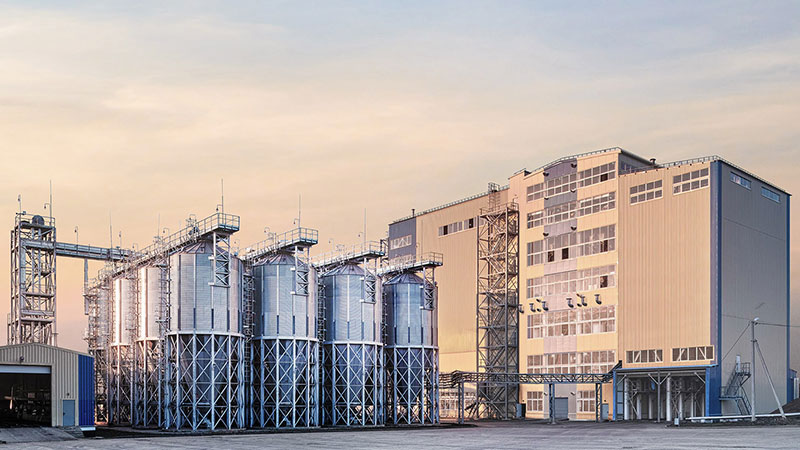
At RICHI, we go beyond project completion. With RICHI Servicee, we’re your dedicated partners in success. Count on us for expert guidance, minimal downtime, and optimized productivity. Choose RICHI for unmatched service and support.
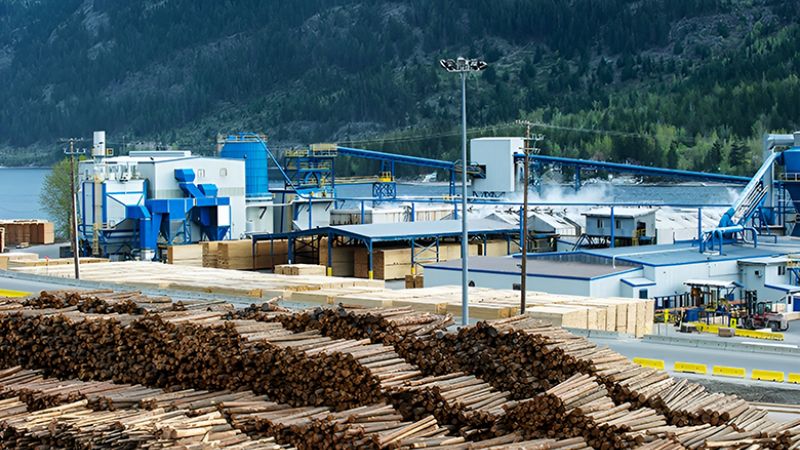


Meet global product demands and quality standards with industry-leading pellet plant design, engineering, equipment, and construction services for pellet processors.


Your Partner Beyond Project Completion
2000+ cases
RICHI is the leading designer, manufacturer and builder of pellet plants in the world, completing over 2000 projects in 140 countries across 6 continents.
Read More
Increase plant productivity, profitability, and safety by integrating high quality equipment into your pellet production line. Over the years, RICHI has become China's top pellet equipment manufacturer. At the same time, RICHI has established valuable partnerships with the world's leading component and raw material manufacturers to bring you the best there is in technology, automation, and efficiency in pelleting plant machinery.

For nearly 30 years, RICHI has been providing best-in-class pellet plant equipment and services to clients across a variety of industries, sizes, and needs. We pride ourselves on the knowledge and skill that each team member possesses – from our technical sales team to our process design engineers. You can count on RICHI Machinery to take your operation to the next level of innovation, quality, and success.
Need help with your pellet manufacturing plant project? Contact us today.
ANIMAL FEED
BIOMASS
WOOD
ORGANIC FERTILIZER
AQUA FEED
CAT LITTER
MUNICIPAL WASTE RECYCLING
SPECIAL PELLET PRODUCTION
RICHI Machinery continues to deliver world class pellet mill equipment, pellet plant engineering and project solutions that add value to our customers in the animal feed, wood waste, agriculture waste, organic fertilizer, cat litter and special pellet products industries. Throughout the years, we RICHI Machinery have built strong brand, becoming industry-leading pellet machine manufacturer. We value integrity, promise quality, and prioritize your success.
Learn MoreWith our expert team, we precisely implement your process engineering requirements in pellet mill and pelletizing plant systems. No matter which industry you’re in – we understand your needs and deliver solutions that meet the highest standards.
At RICHI, quality comes first. Our pellet making machine and related pellet line equipment undergo rigorous quality controls to ensure they meet the highest standards. Rely on products that are durable, safe, and efficient.
With decades of experience in pellet machine and pellet production line production, we have earned a reputation as a trusted partner in various industries. Our expertise allows us to cover a wide range of applications.
Not only do we offer premium pelleting equipment, but we are also experts at designing, building, installing, and maintaining facilities from the ground up. Our expertise is within pellt plant process design, discovering the most efficient, productive, and profitable way to handle your materials in an end-to-end cycle.
○ RICHI MACHINERY
Keeping in touch with us is an effective way to solve all your problems. If you have any needs or questions, please leave your contact information, then RICHI technical consultants will send design, quotation, videos to your mailbox. You can also contact us directly via WhatsApp: +86 13838389622
Copyright©2015-2026 by HENAN RICHI MACHINERY CO., LTD. All rights reserved.