
This is a project regarding a vegetable mesh belt drying machine in Poland. A food processing company in western Poland, near Poznan, was producing dehydrated vegetable mixes for instant soup manufacturers across Europe. Their product contained carrots, cabbage, leeks, celery, and spring onions – each with different moisture contents and drying characteristics.
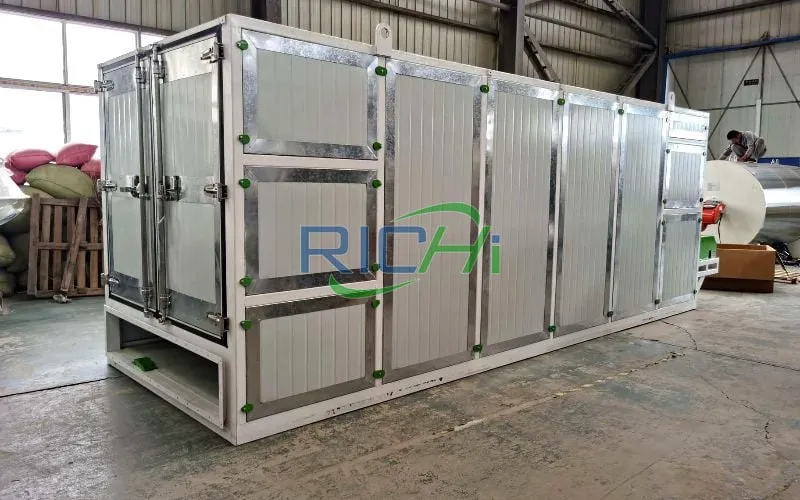
This is a project regarding a vegetable mesh belt drying machine in Poland. A food processing company in western Poland, near Poznan, was producing dehydrated vegetable mixes for instant soup manufacturers across Europe. Their product contained carrots, cabbage, leeks, celery, and spring onions – each with different moisture contents and drying characteristics. Carrots (85-90% moisture) took longer to dry than cabbage (92-94% moisture but thinner leaves). Their existing batch dryer couldn't handle multiple vegetables simultaneously without over-drying some and under-drying others.
The production manager (let's call him Tomasz) explained the challenge: "Instant soup mixes need all vegetables dried to the same final moisture (8-10%). But carrots are dense and hold water longer. Cabbage dries quickly. Our batch dryer forced us to dry each vegetable separately – inefficient and time-consuming. We needed a continuous dryer that could handle mixed vegetables with uniform results."
The company processes about 8,000 tons of fresh vegetables annually, producing about 1,200 tons of dried mixes for soup manufacturers in Germany, France, and the UK.
Tomasz looked for a continuous drying system that could handle multiple vegetable types simultaneously. He found the DHG-1000 belt dryer from RICHI.
Name:
Vegetable dryer
Country:
Poland
Date:
2025
Capacity:
0.6-0.8 tons/hour
Model:
DHG-1000
drying time:
125 minutes
Raw Materials:
Carrots, Cabbage, Leeks
drying area:
43 m²
From the belt dryer table, the DHG-1000 (electrically heated) was selected. Why this model?
Tomasz chose the electric model because their facility had no steam boiler. The DHG-1000 runs on electricity only.
Poland is a major vegetable producer. Tomasz's company processes:
Target final moisture: 8-10% for all vegetables. Challenge: Carrots and celery are dense and dry slowly. Cabbage and leeks are thin and dry quickly.
The DHG-1000 arrived at the Port of Gdansk – Poland's largest port on the Baltic Sea.
Shipping time from Qingdao to Gdansk is about 30-35 days. The machine was packed in a 40-foot container with:
Customs clearance in Gdansk took about 4 days. Total landed cost was about 22% higher than the FOB price.
Installation took three weeks. Tomasz's team prepared a concrete foundation – the DHG-1000 is about 12 meters long. They poured a 200mm reinforced slab.
The electrical hookup required 400V, 50Hz three-phase (Polish standard). The 70kW heater required a 160-amp breaker.
The first test run was with a mixed vegetable load (carrots, cabbage, leeks, celery, spring onions). The vegetables were spread on the belt (layer thickness 30mm). Belt speed was set to 25 minutes per layer – total drying time 125 minutes across 5 layers. Temperature gradient: 80°C top layer decreasing to 60°C bottom layer. Output moisture: Carrots 9%, Cabbage 8%, Leeks 9%, Celery 9%, Spring onions 8%. Uniform.
After six months of operation, Tomasz documented the following results:
Before (batch dryer – separate batches):
After (DHG-1000 belt dryer – continuous mixed load):
Production output:
Quality improvements:
The belt dryer machine cost delivered approximately €75,000. Payback period was about 10-12 months based on increased throughput and energy savings.
Here's what Tomasz said after six months (paraphrased from a conversation, translated from Polish):
"Drying mixed vegetables was a nightmare. Each vegetable has different drying characteristics. Carrots are dense. Cabbage is thin. Our batch dryer forced us to dry each one separately. It took 18 hours to produce one mixed batch.
The DHG-1000 changed that. The continuous belt allows us to layer all vegetables together. The 5-layer design gives 125 minutes of drying time – enough for the carrots to dry without over-drying the cabbage. The temperature gradient (80°C down to 60°C) prevents burning.
The vegetables come out uniform – all at 8-10% moisture. The color is excellent. The German soup manufacturers love it.
A few operational notes: The layer thickness is critical – 30mm maximum. Thicker layers trap moisture in the carrots. The belt speed needs adjustment based on the vegetable mix ratio. We have a chart for different recipes. The belts need daily cleaning – vegetable residue builds up.
Would I recommend this machine? Yes. For any vegetable processor making dried mixes, the belt dryer is the only solution for uniform results. The DHG-1000 paid for itself in less than a year."
Mixed vegetables have different drying characteristics. Here's why belt drying works:
| Vegetable | Structure | Drying Challenge | Belt Dryer Solution |
|---|---|---|---|
| Carrots | Dense | Slow moisture release | Extended time (125 min) |
| Cabbage | Thin leaves | Dries too fast, can burn | Lower temperature (60-80°C) |
| Leeks | Layered | Traps moisture between layers | Gentle airflow prevents trapping |
| Celery | Fibrous | Stringy when over-dried | Lower final temperature |
| Spring onions | Thin rings | Dries very fast | Position in middle layers |
The DHG-1000 balances all these requirements.
The DHG-1000 has five independent temperature zones:
This gradient prevents over-drying of thin vegetables while ensuring dense vegetables reach target moisture.
For mixed vegetables, layer thickness affects drying uniformity:
Tomasz's team measures layer thickness every hour. They adjust the spreading gate as needed.
Soup manufacturers demand bright vegetable colors. The DHG-1000 preserves color by:
Tomasz's carrots remained bright orange. Cabbage stayed green.
The DHG-1000 shipped from Qingdao to Port of Gdansk, Poland.
Shipping time from Qingdao to Gdansk is about 30-35 days. The route goes through the South China Sea, past Singapore, across the Indian Ocean, through the Suez Canal, across the Mediterranean, and through the Baltic Sea.
The machine was packed in a 40-foot container. Customs clearance in Gdansk took about 4 days. Total landed cost was about 22% higher than the FOB price.
The truck transport from Gdansk to Poznan was about 300km – roughly 3.5 hours.
After six months of running the DHG-1000, Tomasz shared several observations:
Lesson 1: Temperature gradient prevents over-drying. Start at 80°C for carrots, finish at 60°C for cabbage. Constant temperature would burn thin vegetables.
Lesson 2: Layer thickness must be uniform. 30mm maximum for mixed loads. Thicker layers trap moisture.
Lesson 3: Different vegetable ratios need different settings. Tomasz has charts for 40/30/15/10/5 mixes vs 30/30/20/10/10 mixes. Belt speed and temperature adjust accordingly.
Lesson 4: Clean belts daily. Vegetable residue builds up and can cause sticking. Tomasz's team uses compressed air and water spray every evening. Takes 45 minutes.
Lesson 5: Monitor moisture of each vegetable separately. Tomasz's QC team samples carrots, cabbage, and leeks from the output. The DHG-1000 consistently delivers uniform moisture across all types.
RICHI provided several services that helped Tomasz get the DHG-1000 operational:
For a vegetable processor producing dried mixes for instant soups, continuous belt drying is the standard.
Consider the DHG-1000 if:
Consider a larger model (DHG-2000) if:
For Tomasz's vegetable processing plant, the DHG-1000 was the right investment. It increased throughput by 133%, reduced energy consumption by 32%, achieved uniform moisture across all vegetables, and paid for itself in 10-12 months.
If you're a vegetable processor drying mixed vegetables for instant soups or other applications, don't dry each vegetable separately. It's inefficient and time-consuming.
The DHG-1000 vegetable mesh belt drying machine handles mixed loads continuously. The 5-layer design provides 125 minutes of drying time – enough for dense carrots without over-drying thin cabbage. The temperature gradient (80°C to 60°C) preserves color and shape. The result is uniform, high-quality dried vegetables for demanding customers.
For mixed vegetable drying, the math is simple: continuous belt drying = higher throughput = lower energy = uniform quality = faster payback.
RICHI offers documentation in Polish, temperature gradient guidance, spare parts kits, and remote support. Contact RICHI Machinery through the website with your vegetable types, mix ratios, and capacity for a recommendation. Tell them about your mixed vegetable application – they can help you select the right dryer and temperature settings for uniform results.
Having the right mix of reliable, high-quality pellet machine and pelletizing systems and expert support is essential to your success. Watch how our end-to-end feed pellet plant solutions have helped our customers optimize their performance.
Our customized and future-proofed turnkey pellet plant solutions is designed with you at the core. From vision to reality and beyond, our team stays connected with yours. Giving you peace-of-mind with an expert at your side.
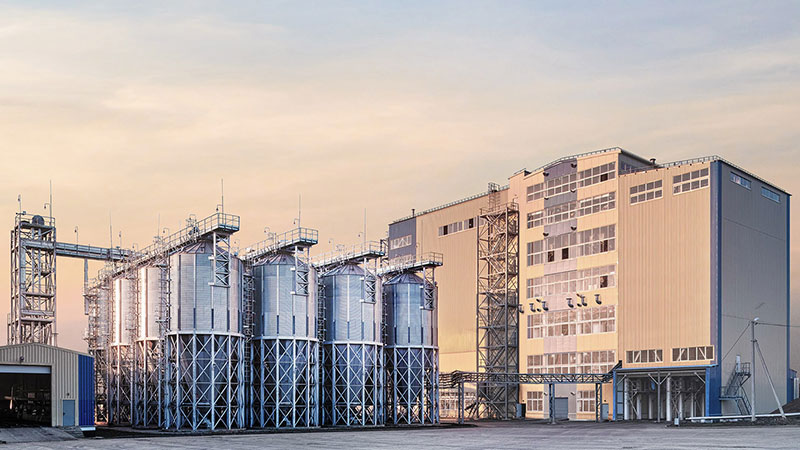
At RICHI, we go beyond project completion. With RICHI Servicee, we’re your dedicated partners in success. Count on us for expert guidance, minimal downtime, and optimized productivity. Choose RICHI for unmatched service and support.
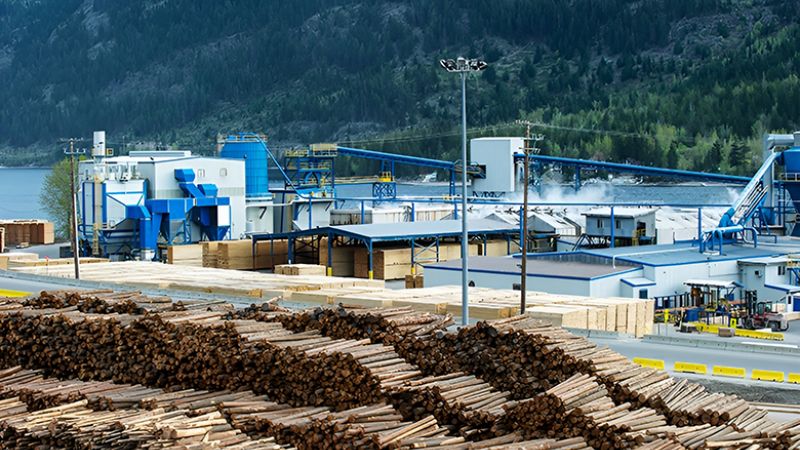


Meet global product demands and quality standards with industry-leading pellet plant design, engineering, equipment, and construction services for pellet processors.

Your Partner Beyond Project Completion
2000+ cases
RICHI is the leading designer, manufacturer and builder of pellet plants in the world, completing over 2000 projects in 140 countries across 6 continents.
Read More
Increase plant productivity, profitability, and safety by integrating high quality equipment into your pellet production line. Over the years, RICHI has become China's top pellet equipment manufacturer. At the same time, RICHI has established valuable partnerships with the world's leading component and raw material manufacturers to bring you the best there is in technology, automation, and efficiency in pelleting plant machinery.

For nearly 30 years, RICHI has been providing best-in-class pellet plant equipment and services to clients across a variety of industries, sizes, and needs. We pride ourselves on the knowledge and skill that each team member possesses – from our technical sales team to our process design engineers. You can count on RICHI Machinery to take your operation to the next level of innovation, quality, and success.
Need help with your pellet manufacturing plant project? Contact us today.
ANIMAL FEED
BIOMASS
WOOD
ORGANIC FERTILIZER
AQUA FEED
CAT LITTER
MUNICIPAL WASTE RECYCLING
SPECIAL PELLET PRODUCTION
RICHI Machinery continues to deliver world class pellet mill equipment, pellet plant engineering and project solutions that add value to our customers in the animal feed, wood waste, agriculture waste, organic fertilizer, cat litter and special pellet products industries. Throughout the years, we RICHI Machinery have built strong brand, becoming industry-leading pellet machine manufacturer. We value integrity, promise quality, and prioritize your success.
Learn MoreWith our expert team, we precisely implement your process engineering requirements in pellet mill and pelletizing plant systems. No matter which industry you’re in – we understand your needs and deliver solutions that meet the highest standards.
At RICHI, quality comes first. Our pellet making machine and related pellet line equipment undergo rigorous quality controls to ensure they meet the highest standards. Rely on products that are durable, safe, and efficient.
With decades of experience in pellet machine and pellet production line production, we have earned a reputation as a trusted partner in various industries. Our expertise allows us to cover a wide range of applications.
Not only do we offer premium pelleting equipment, but we are also experts at designing, building, installing, and maintaining facilities from the ground up. Our expertise is within pellt plant process design, discovering the most efficient, productive, and profitable way to handle your materials in an end-to-end cycle.
○ RICHI MACHINERY
Keeping in touch with us is an effective way to solve all your problems. If you have any needs or questions, please leave your contact information, then RICHI technical consultants will send design, quotation, videos to your mailbox. You can also contact us directly via WhatsApp: +86 13838389622
Copyright©2015-2026 by HENAN RICHI MACHINERY CO., LTD. All rights reserved.