
RICHI supplied a 6–8 T/H SKLF17×17 Pine Wood Pellet Cooler in Sweden for a 6 T/H line producing 8 mm residential heating pellets in Värmland.
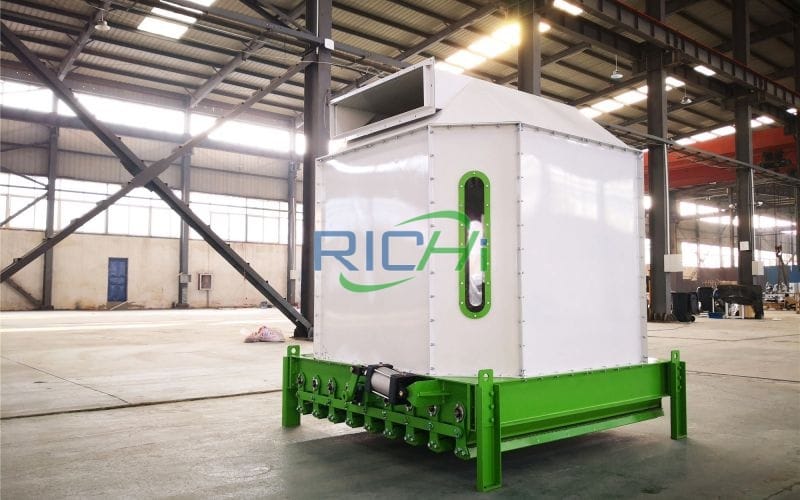
A wood pellet manufacturer in Värmland selected one RICHI SKLF17×17 Pine Wood Pellet Cooler in Sweden to remove a cooling bottleneck from an existing 6 T/H residential fuel-pellet line. The plant processes clean conifer sawdust, including Scots pine material from regional wood-processing operations, and produces approximately 8 mm pellets for residential heating. Its previous cooler could not consistently handle the full pellet-mill output, leaving the factory with limited operating margin before screening and bagging.
The SKLF17×17 is a counterflow pellet cooler with a reference capacity of approximately 6–8 T/H and a 1.5 kW discharge motor. Hot 8 mm pellets entering from the pelletizing section can be approximately 85–90°C under this project's operating conditions. Cooling time is adjustable within approximately 6–15 minutes, while the practical discharge target is close to ambient temperature, typically around ambient +3–5°C when airflow and environmental conditions are suitable.
Name:
Counterflow wood pellet cooler
Country:
Sweden
Date:
2026
Capacity:
6–8 T/H
Model:
SKLF17×17
Discharge Motor:
1.5 kW
Inlet Temperature:
85–90°C
Cooling Time:
6–15 minutes
The upstream pelletizing section operates at approximately 6 T/H, so the cooling stage needs to accept that flow continuously without forcing the pellet mill to slow down. A cooler rated only around 3–5 T/H would remain a bottleneck whenever the pellet mill approached normal operating capacity.
The SKLF17×17 provides approximately 6–8 T/H of reference capacity, giving the plant operating margin around its normal 6 T/H production point. This margin also helps accommodate changes in pellet bulk density, inlet temperature, airflow and ambient conditions.
If the plant operates one effective eight-hour shift, 6 T/H corresponds to approximately 48 tonnes of pellets per day. At 300 operating days, that would represent around 14,400 tonnes of theoretical annual cooling demand. Actual annual production depends on the factory's real shift pattern and maintenance schedule.
| Project Parameter | Specification |
|---|---|
| Equipment | Counterflow wood pellet cooler |
| Model | SKLF17×17 |
| Reference Capacity | Approximately 6–8 T/H |
| Existing Pellet Line | Approximately 6 T/H |
| Discharge Motor | 1.5 kW |
| Project Pellet Diameter | Approximately 8 mm |
| Project Inlet Temperature | Approximately 85–90°C |
| Reference Cooling Time | Approximately 6–15 minutes, adjustable |
| Discharge Temperature Target | Approximately ambient +3–5°C under suitable conditions |
| Main Product | Pine-based residential heating pellets |
| Installation Position | After pelletizing and before screening and bagging |
The 6–8 T/H range depends on pellet size, bulk density, inlet temperature, ambient air, airflow and pellet-bed condition. The 1.5 kW specification refers to the discharge mechanism and should not be interpreted as the complete thermal cooling power of the system. The actual cooling effect comes from the counterflow air system.
Fresh pine pellets leave the ring die at elevated temperature because of friction and compression during pelletizing. Sending these pellets directly into sealed finished-product bags is not good process practice. Residual heat can influence moisture redistribution, condensation risk and storage conditions, while warm freshly manufactured wood pellets can also have higher off-gassing rates than material stored under cooler conditions.
The SKLF17×17 therefore sits between pellet production and final product handling. Hot pellets enter from above while cooling air moves through the pellet bed in the opposite direction. Product temperature decreases progressively as pellets move toward discharge.
The objective is to stabilize the pellet before screening and packaging, not to claim that cooling completely stops every chemical reaction occurring in wood during storage.
Scots pine pellets contain wood extractives, and freshly manufactured wood pellets can release gases during storage. Research on wood pellets has documented carbon monoxide, carbon dioxide and several volatile compounds, with emission behavior influenced by wood species, extractives, storage temperature, moisture and time.
Lower pellet temperature is therefore useful because elevated storage temperature can accelerate off-gassing. However, there is no universal threshold at 25°C or 30°C below which emissions suddenly become zero.
For the Värmland plant, cooler performance is evaluated by pellet temperature and finished-product condition rather than by promising a fixed percentage reduction in VOC concentration. Warehouse ventilation and appropriate storage safety practices remain separate requirements even after pellets have been properly cooled.
Counterflow cooling brings the coolest incoming air into contact with pellets close to the discharge zone, while warmer air encounters hotter material higher in the chamber. This creates progressive heat exchange through the pellet bed instead of exposing the hottest pellets immediately to the coldest air.
For 8 mm wood pellets, the required residence time is adjusted according to inlet temperature, pellet bed depth, airflow and ambient temperature. Although the SKLF17×17 provides an approximately 6–15 minute operating range, the project does not treat 12 minutes as a universal optimum for pine.
Operators monitor actual discharge temperature and adjust bed level, discharge frequency and airflow accordingly.
The cooler can remove some residual heat and moisture, but it is not a substitute for correct sawdust drying and pellet-mill moisture preparation. Pine sawdust needs to enter the pelletizing section within the required process moisture range before compression.
If feedstock enters the pellet mill excessively wet, expecting a cooler to remove that moisture afterward creates unstable operation and inconsistent finished pellets. Conversely, excessively dry material can also increase friction during pellet formation.
The plant therefore checks finished-pellet moisture as part of product quality control. Where pellets are manufactured to a defined residential fuel standard, moisture, dimensions, fines, durability, ash and other properties are verified independently rather than assumed from the presence of a cooler.
After cooling, the pellets pass through the existing screening section before packaging. Screening removes loose fines created during pelletizing, cooling and conveying so that the bagging system receives a cleaner finished product.
The process sequence for this project is therefore sawdust preparation → pelletizing → SKLF17×17 counterflow cooling → screening → finished-product storage or bagging.
This arrangement also makes troubleshooting easier. If the plant sees excessive fines, samples can be taken after the pellet mill, cooler, screen and major conveying points to determine where mechanical damage actually occurs.
Värmland experiences major seasonal changes in ambient temperature, which directly affect a cooler that relies on surrounding air. Colder winter air can increase the temperature difference available for heat transfer, while warm summer conditions reduce it.
This does not mean winter air should simply be introduced without control. Very cold air meeting warm pellets can create large temperature gradients, and intake-air condition, condensation, ducting and plant ventilation still need to be considered.
The ambient +3–5°C figure is therefore a reference target under suitable conditions, not a promise that the outlet will always be 25°C or another fixed number throughout the Swedish year.
Wood pellet cooling moves significant quantities of air through the product bed, so fines can enter the exhaust stream. The cooler should therefore be connected to an appropriately designed air and dust-management system rather than simply exhausting dusty air into the workshop.
Storage safety is also separate from cooling performance. Fresh wood pellets can continue to release gases during storage, particularly in poorly ventilated enclosed spaces. The customer's warehouse and bulk-storage procedures therefore need suitable ventilation and gas-safety controls independently of the cooler settings.
The SKLF17×17 Pine Wood Pellet Cooler in Sweden is prepared for export from Qingdao, China, with the Port of Gothenburg serving as the container gateway before inland delivery toward Värmland.
Before shipment, RICHI Machinery reviews the customer's pellet-mill output, installation height, inlet and discharge position, pellet screen, air ducting, fan arrangement, dust collection, maintenance access and downstream bagging capacity. These interface checks allow the new cooler to remove the production bottleneck without unnecessarily rebuilding the rest of the 6 T/H pellet plant.
This Pine Wood Pellet Cooler in Sweden project uses one RICHI SKLF17×17 with a 1.5 kW discharge motor to serve an existing approximately 6 T/H pine pellet line in Värmland. The plant produces approximately 8 mm residential heating pellets, which enter the cooling section at elevated temperature and are cooled toward approximately ambient +3–5°C under suitable operating conditions before screening and packaging.
For another wood pellet producer selecting a counterflow cooler, RICHI needs the wood pellet mill T/H, pellet diameter, actual inlet temperature and moisture, bulk density, ambient temperature range, available installation height, fan and duct configuration, screening capacity and packaging method. These parameters provide a more reliable basis for cooler selection than specifying one fixed cooling time or outlet temperature for every wood pellet plant.
Having the right mix of reliable, high-quality pellet machine and pelletizing systems and expert support is essential to your success. Watch how our end-to-end feed pellet plant solutions have helped our customers optimize their performance.
Our customized and future-proofed turnkey pellet plant solutions is designed with you at the core. From vision to reality and beyond, our team stays connected with yours. Giving you peace-of-mind with an expert at your side.
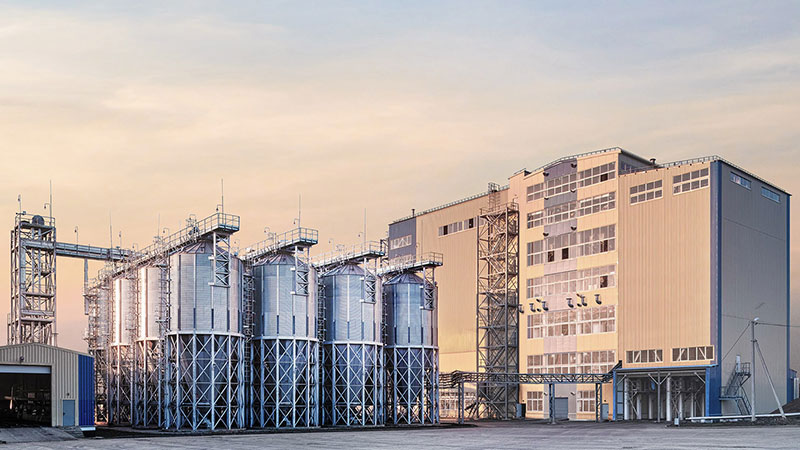
At RICHI, we go beyond project completion. With RICHI Servicee, we’re your dedicated partners in success. Count on us for expert guidance, minimal downtime, and optimized productivity. Choose RICHI for unmatched service and support.
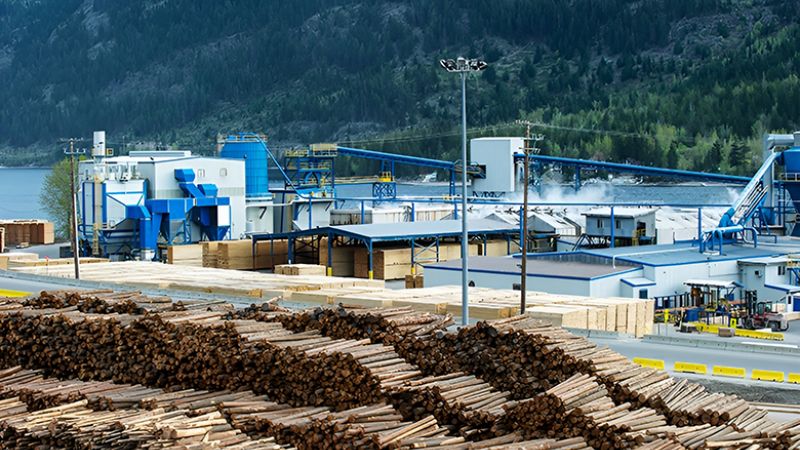


Meet global product demands and quality standards with industry-leading pellet plant design, engineering, equipment, and construction services for pellet processors.


Your Partner Beyond Project Completion
2000+ cases
RICHI is the leading designer, manufacturer and builder of pellet plants in the world, completing over 2000 projects in 140 countries across 6 continents.
Read More
Increase plant productivity, profitability, and safety by integrating high quality equipment into your pellet production line. Over the years, RICHI has become China's top pellet equipment manufacturer. At the same time, RICHI has established valuable partnerships with the world's leading component and raw material manufacturers to bring you the best there is in technology, automation, and efficiency in pelleting plant machinery.

For nearly 30 years, RICHI has been providing best-in-class pellet plant equipment and services to clients across a variety of industries, sizes, and needs. We pride ourselves on the knowledge and skill that each team member possesses – from our technical sales team to our process design engineers. You can count on RICHI Machinery to take your operation to the next level of innovation, quality, and success.
Need help with your pellet manufacturing plant project? Contact us today.
ANIMAL FEED
BIOMASS
WOOD
ORGANIC FERTILIZER
AQUA FEED
CAT LITTER
MUNICIPAL WASTE RECYCLING
SPECIAL PELLET PRODUCTION
RICHI Machinery continues to deliver world class pellet mill equipment, pellet plant engineering and project solutions that add value to our customers in the animal feed, wood waste, agriculture waste, organic fertilizer, cat litter and special pellet products industries. Throughout the years, we RICHI Machinery have built strong brand, becoming industry-leading pellet machine manufacturer. We value integrity, promise quality, and prioritize your success.
Learn MoreWith our expert team, we precisely implement your process engineering requirements in pellet mill and pelletizing plant systems. No matter which industry you’re in – we understand your needs and deliver solutions that meet the highest standards.
At RICHI, quality comes first. Our pellet making machine and related pellet line equipment undergo rigorous quality controls to ensure they meet the highest standards. Rely on products that are durable, safe, and efficient.
With decades of experience in pellet machine and pellet production line production, we have earned a reputation as a trusted partner in various industries. Our expertise allows us to cover a wide range of applications.
Not only do we offer premium pelleting equipment, but we are also experts at designing, building, installing, and maintaining facilities from the ground up. Our expertise is within pellt plant process design, discovering the most efficient, productive, and profitable way to handle your materials in an end-to-end cycle.
○ RICHI MACHINERY
Keeping in touch with us is an effective way to solve all your problems. If you have any needs or questions, please leave your contact information, then RICHI technical consultants will send design, quotation, videos to your mailbox. You can also contact us directly via WhatsApp: +86 13838389622
Copyright©2015-2026 by HENAN RICHI MACHINERY CO., LTD. All rights reserved.