
A cattle farm near Dodoma uses one CZLH350 pellet machine to prepare 6 mm forage-grain pellets from dry grass, crop residues, maize ingredients and sunflower cake.
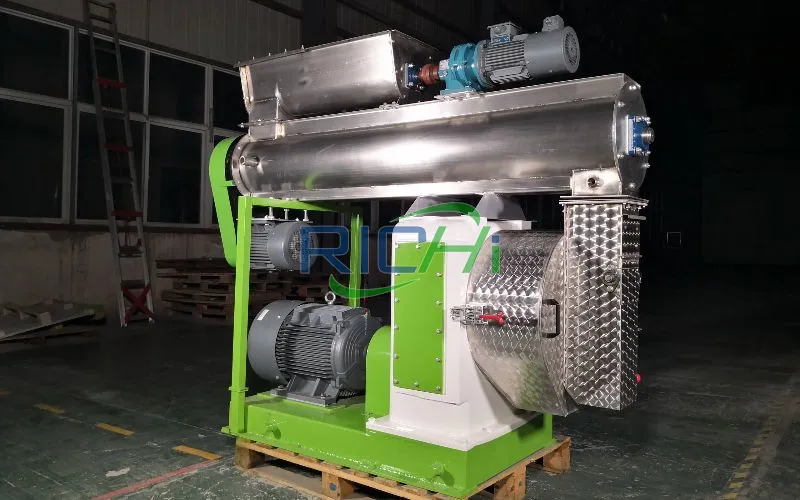
A mixed beef-and-dairy farm near Dodoma selected one CZLH350 Pellet Machine for Cow in Tanzania to prepare its own formulated cattle pellets from dry forage, maize ingredients, sunflower cake and mineral additions. The farm already had basic forage cutting, grain grinding and batch mixing equipment, so the investment focused on one ring-die pelletizer instead of a complete commercial feed plant.
The herd includes about 300 beef cattle and 50 dairy cows, so the machine had to suit short on-farm production campaigns rather than continuous industrial operation. A CZLH350 gives about 1.0–1.2 T/H reference capacity on suitably prepared forage-rich material, which is more proportionate to this herd and utility level than a 90 kW CZLH420 rated around 1.8–2.0 T/H.
Name:
Forage-grain cattle feed pellet machine
Country:
Tanzania
Date:
2026
Capacity:
1.0–1.2 T/H
Model:
CZLH350
Main Motor Power:
37 kW
Raw Materials:
grass, maize
Pellet diameter:
6mm
The cattle operation uses pellets as one controlled part of its feeding programme, especially when dry-season forage quality becomes less predictable. It does not need enough capacity to supply a regional feed market. The machine therefore has to cover farm demand in short batches, work with fibrous ingredients and remain compatible with modest upstream equipment instead of being sized around maximum hourly output.
A grain-focused pellet mill was not the first choice because the planned recipes can contain a meaningful share of dry forage and crop-residue fibre. At the same time, a CZLH420 would place a heavier demand on electrical supply, prepared-material inventory and downstream cooling. The CZLH350 gives the farm more practical utilization without requiring a larger processing section around one machine.
The farm still keeps purchased concentrates available for periods when home-grown ingredients are short or when a specialized dairy formula is needed. On-farm pelleting is therefore used to stabilize part of the feed supply, not to claim complete independence from commercial feed. This makes the machine useful even when seasonal forage supply or sunflower-cake availability varies.
| Project Parameter | Configuration |
|---|---|
| Equipment | Forage-grain cattle feed pellet machine |
| Model | CZLH350 |
| Quantity | 1 unit |
| Main Motor Power | 37 kW |
| Arch-Breaking Feeder Power | 2.2 kW |
| Forced Feeder Power | 0.75 kW |
| Ring Die Inner Diameter | 350 mm |
| Available Pellet Diameter | 4–12 mm |
| Main Project Pellet Diameter | Approximately 6 mm |
| Reference Capacity | Approximately 1.0–1.2 T/H under suitable prepared-material conditions |
| Main Materials | Dry grass, prepared maize or sorghum residues, maize ingredients, sunflower cake and mineral additions |
| Installation Type | Standalone pelletizing upgrade for on-farm feed production |
The 1.0–1.2 T/H figure is a forage-duty reference rather than a permanent result for every cattle formula. More fibrous material, larger particles, higher moisture, a smaller die opening or unstable feeding can reduce usable output. The farm therefore tracks tonnes per hour by recipe and watches feeder behaviour, motor load and pellet quality together instead of treating the maximum figure as a daily guarantee.
The arch-breaking and forced-feeding arrangement matters because ground hay and crop residues have lower bulk density and poorer gravity flow than maize meal. These devices help move prepared fibre toward the ring die, but they do not make long stalks acceptable. Coarse residues still need cutting and secondary size reduction so the CZLH350 receives a reasonably uniform mixture rather than tangled forage.
Maize grain and maize bran can supply energy, while sunflower cake is a practical protein material in central Tanzania when quality and formulation support its use. Dry grass, maize stover and sorghum residues can contribute fibre, but they are not nutritionally equivalent. The farm therefore selects ingredients from ration requirements and seasonal availability instead of using one fixed percentage recipe throughout the year.
Long maize or sorghum stalks pass through forage cutting before any finer grinding step. Grain is ground separately, while already-fine sunflower cake and mineral ingredients normally bypass unnecessary size reduction. This prevents the hammer mill from being used as a universal machine for every input and helps the batch mixer receive materials with a more controlled particle distribution.
Moisture is checked before pelletizing because the CZLH350 is not a rotary dryer. Wet forage or freshly cut grass should not be sent directly into the ring die, while extremely dry material can create more dust and poor binding. The useful operating point depends on the forage type, grain share, ambient conditions and die load, so the farm adjusts preparation from actual pellet formation rather than one permanent moisture number.
The Pellet Machine for Cow in Tanzania performs the forming stage only. It does not formulate the ration, improve poor-quality straw nutritionally or replace moisture control. The farm still needs accurate ingredient weighing and mixing before pelletizing, while the downstream cooler must remove process heat before pellets are stored. Keeping these duties separate makes the single-machine project technically workable.
The customer's small hammer mill is suitable for grain and properly pre-cut dry fibre, but whole stalks and long hay should not be pushed directly through a fine screen. A forage cutter handles the first size-reduction step, followed by grinding only where the recipe needs a finer fraction. This arrangement also reduces surging at the forced feeder and gives the ring die a more stable material load.
The farm uses the pellets as a formulated supplement for beef and dairy cattle, not as the animals' only roughage. Long forage, hay, silage or grazed material remains important for physically effective fibre and rumen function. Pelletizing can make selected ingredients easier to meter and store, but compressing straw and grain into a 6 mm pellet does not make a complete cattle feeding programme by itself.
Beef and dairy batches can use the same pelletizer while carrying different nutrition targets. A beef supplement may emphasize energy and protein for the farm's finishing plan, while a dairy supplement is balanced around milk-stage requirements and the quality of forage being fed alongside it. Pellet diameter remains a physical specification; it does not independently determine milk yield, weight gain or feed efficiency.
The farm also avoids assigning a fixed claim for feed-waste reduction. Pellets can reduce ingredient separation and wind loss compared with loose mixed meals, but actual waste depends on trough design, feeding rate, animal behaviour and storage. The useful benefit is greater physical consistency of the formulated supplement, while biological and economic results still have to be measured under the farm's own management.
The 37 kW main motor is more manageable for this customer than a 90 kW alternative, but the site still needs a verified three-phase supply, suitable protection, cable sizing and a starting arrangement matched to the local electrical system. The arch-breaking feeder, forced feeder, conveyors and cooling equipment add their own loads, so the installation is checked as a complete operating section rather than by main-motor power alone.
Pellets leave the die warm and need cooling before they are bagged or moved into storage. A compact cooler sized around the CZLH350's instantaneous output prevents hot product from being trapped in sacks, while screening removes loose fines. The farm keeps finished feed under a roof, off the ground and protected from seasonal rain, because dry Dodoma conditions do not eliminate storage risks during wetter periods.
For equipment moving inland to Dodoma, Dar es Salaam provides the most practical import gateway before road or rail transport to the farm area. Final freight arrangements depend on package dimensions, carrier availability and the customer's forwarding plan, so no fixed transit period is used. Installation drawings are prepared around the inlet height, discharge point, motor access and service clearance available at the farm.
The farm does not need to operate the CZLH350 continuously. Short production campaigns can build several days of pellet inventory, which is more realistic for an on-farm unit than running a high-capacity machine under light load every day. Operating hours are set from herd demand, storage capacity and ingredient freshness, while excessive inventory is avoided when seasonal heat or moisture could reduce storage stability.
If feed demand grows, the first expansion step is not automatically a second pelletizer. The farm should first review forage cutting, grinding, batch mixing, cooling, electrical capacity and storage, because one of those sections may become restrictive before the CZLH350. More pelletizing capacity becomes useful only when prepared feed regularly waits ahead of the machine and downstream handling can accept the extra tonnes.
For another buyer evaluating a Pellet Machine for Cow in Tanzania, RICHI Machinery would review herd size, cattle category, daily pellet inclusion, forage type, crop-residue form, moisture, existing cutter and grinder, mixer batch size, target pellet diameter, required operating hours, power supply, cooling method and finished-feed storage before confirming whether CZLH350 or another model is the better fit.
Having the right mix of reliable, high-quality pellet machine and pelletizing systems and expert support is essential to your success. Watch how our end-to-end feed pellet plant solutions have helped our customers optimize their performance.
Our customized and future-proofed turnkey pellet plant solutions is designed with you at the core. From vision to reality and beyond, our team stays connected with yours. Giving you peace-of-mind with an expert at your side.
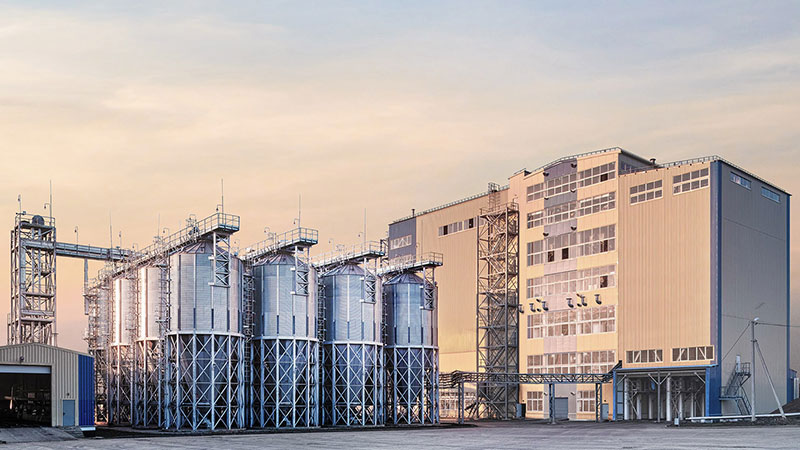
At RICHI, we go beyond project completion. With RICHI Servicee, we’re your dedicated partners in success. Count on us for expert guidance, minimal downtime, and optimized productivity. Choose RICHI for unmatched service and support.
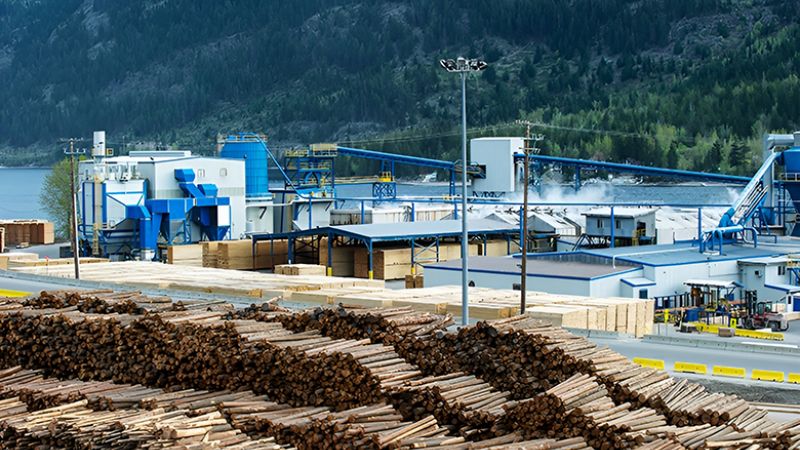


Meet global product demands and quality standards with industry-leading pellet plant design, engineering, equipment, and construction services for pellet processors.


Your Partner Beyond Project Completion
2000+ cases
RICHI is the leading designer, manufacturer and builder of pellet plants in the world, completing over 2000 projects in 140 countries across 6 continents.
Read More
Increase plant productivity, profitability, and safety by integrating high quality equipment into your pellet production line. Over the years, RICHI has become China's top pellet equipment manufacturer. At the same time, RICHI has established valuable partnerships with the world's leading component and raw material manufacturers to bring you the best there is in technology, automation, and efficiency in pelleting plant machinery.

For nearly 30 years, RICHI has been providing best-in-class pellet plant equipment and services to clients across a variety of industries, sizes, and needs. We pride ourselves on the knowledge and skill that each team member possesses – from our technical sales team to our process design engineers. You can count on RICHI Machinery to take your operation to the next level of innovation, quality, and success.
Need help with your pellet manufacturing plant project? Contact us today.
ANIMAL FEED
BIOMASS
WOOD
ORGANIC FERTILIZER
AQUA FEED
CAT LITTER
MUNICIPAL WASTE RECYCLING
SPECIAL PELLET PRODUCTION
RICHI Machinery continues to deliver world class pellet mill equipment, pellet plant engineering and project solutions that add value to our customers in the animal feed, wood waste, agriculture waste, organic fertilizer, cat litter and special pellet products industries. Throughout the years, we RICHI Machinery have built strong brand, becoming industry-leading pellet machine manufacturer. We value integrity, promise quality, and prioritize your success.
Learn MoreWith our expert team, we precisely implement your process engineering requirements in pellet mill and pelletizing plant systems. No matter which industry you’re in – we understand your needs and deliver solutions that meet the highest standards.
At RICHI, quality comes first. Our pellet making machine and related pellet line equipment undergo rigorous quality controls to ensure they meet the highest standards. Rely on products that are durable, safe, and efficient.
With decades of experience in pellet machine and pellet production line production, we have earned a reputation as a trusted partner in various industries. Our expertise allows us to cover a wide range of applications.
Not only do we offer premium pelleting equipment, but we are also experts at designing, building, installing, and maintaining facilities from the ground up. Our expertise is within pellt plant process design, discovering the most efficient, productive, and profitable way to handle your materials in an end-to-end cycle.
○ RICHI MACHINERY
Keeping in touch with us is an effective way to solve all your problems. If you have any needs or questions, please leave your contact information, then RICHI technical consultants will send design, quotation, videos to your mailbox. You can also contact us directly via WhatsApp: +86 13838389622
Copyright©2015-2026 by HENAN RICHI MACHINERY CO., LTD. All rights reserved.