
A cattle operation in northern Japan added an SFSP66×60b machine for grinding cattle feed to process corn, barley and selected prepared feed ingredients before mixing and pelleting.
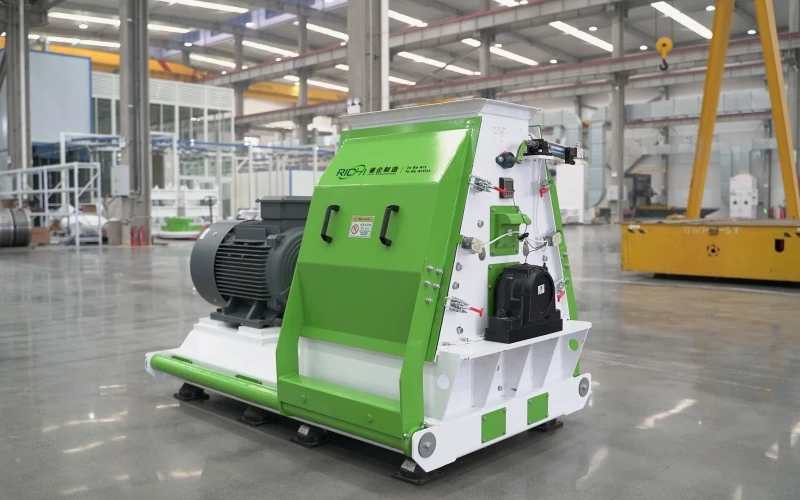
A cattle operation in Japan's Tohoku region added one SFSP66×60b machine for grinding cattle feed to improve the grain-preparation stage of its existing feed system. The farm prepares part of its own cattle concentrate and pelletized supplemental feed, while long roughage such as rice straw continues to be managed separately according to the feeding program.
The grinding section had become the weak point. Corn and barley could not be reduced consistently at the required rate, while an aging grinder required increasing attention during production. The customer therefore focused the investment on one standalone hammer mill rather than replacing mixing, pelleting and storage equipment that was still suitable for use.
The selected SFSP66×60b uses a 75 kW main motor and provides a reference capacity of 6–9 T/H for suitable feed materials. For this project, the machine is used mainly for grain and other ingredients that genuinely require size reduction before batching, mixing and pelletizing.
Name:
Cattle feed hammer mill
Country:
Japan
Date:
2026
Capacity:
6–9 T/H
Model:
SFSP66×60b
Main Motor Power:
75 kW
Raw Materials:
Corn, barley and selected feed ingredients
Quantity:
1 unit
A cattle ration contains materials with very different physical functions. Treating all of them as hammer-mill feed would make the process less efficient and could also produce an unsuitable ration structure.
The Japanese customer therefore separates the ingredients according to what actually needs grinding.
This keeps the machine focused on size reduction that creates real processing value.
Rice straw is a familiar roughage resource in Japanese cattle feeding, especially in beef production systems. Its role is different from that of a cereal energy ingredient.
The farm therefore does not grind all rice straw into fine meal simply because a hammer mill is available. Long or coarser roughage remains part of the feeding system where physically effective fibre is required.
When a limited amount of rice straw or other dry forage is intended for a pelletized supplemental feed, it is prepared through a separate coarse-reduction stage before entering the hammer mill. Long stalks cannot be fed directly into the high-speed grinding chamber as intact bundles.
This distinction allows one feed operation to use both concentrate grinding and roughage feeding without forcing the same particle-size specification onto both materials.
| Project Parameter | Configuration |
|---|---|
| Equipment | Cattle feed hammer mill |
| Model | SFSP66×60b |
| Quantity | 1 unit |
| Main Motor Power | 75 kW |
| Rotor Diameter | 660 mm |
| Grinding Chamber Width | 600 mm |
| Rotating Speed | Approximately 2980 rpm |
| Hammer Tip Speed | Approximately 103 m/s |
| Reference Capacity | 6–9 T/H for suitable feed materials |
| Main Materials | Corn, barley and selected prepared feed ingredients |
| Primary Application | Grinding before cattle feed mixing and pelleting |
| Installation Type | Standalone grinder connected to an existing feed preparation system |
The 6–9 T/H figure is a machine reference rather than a fixed output for every ingredient. Corn, barley and pre-cut fibrous material do not pass through the screen at the same rate.
Actual throughput changes with raw-material hardness, moisture, screen opening, feed rate, hammer condition and required particle-size distribution. The farm therefore plans grinding by material and production batch rather than treating maximum catalogue capacity as constant daily output.
A cattle farm does not have to operate the hammer mill continuously for eight hours simply because the machine can process several tonnes per hour.
For this customer, grain grinding is organized in batches. A relatively high grinding rate allows corn or barley required for the next production period to be prepared within a shorter operating window and transferred into intermediate storage ahead of mixing.
The mixer machine and cattle feed pellet machine can then operate according to their own production cycle.
This arrangement means the hammer mill does not need to have exactly the same instantaneous capacity as every downstream machine. Buffer bins separate the grinding schedule from batching and pelleting while still requiring the daily capacities of all sections to remain properly balanced.
Cattle-feed grinding requires control rather than maximum fineness.
If cereal grain is ground too aggressively, the proportion of fine material increases. For cattle diets with significant concentrate inclusion, the physical form of starch-containing ingredients has to be considered together with the complete ration and feeding management.
At the other extreme, large unbroken kernels can reduce mixing uniformity and may be unsuitable for downstream pellet production.
The farm therefore selects the hammer-mill screen according to the finished-feed process and checks the actual particle distribution instead of specifying one universal micron target for all cattle feed.
Screen opening and finished particle size are also not the same measurement. A 4 mm screen, for example, produces a distribution of particles rather than perfectly uniform 4 mm material.
The SFSP66×60b animal feed hammer mill allows the customer to change screens when the production requirement changes.
For cereal ingredients entering compound or pelletized cattle feed, a relatively smaller screen can provide the material uniformity required by the downstream mixer and pellet mill.
When properly pre-cut fibrous material is processed for a specific pellet formulation, a larger screen may be preferable. Fibres behave differently from grain kernels, and forcing them through an unnecessarily small opening can reduce throughput and increase fines.
The customer therefore does not define one screen as the permanent setting for corn, barley, alfalfa and rice straw.
When alfalfa is included in a pelletized supplemental feed, its physical condition before grinding becomes important.
Compressed hay bales are opened first. Twine, wire and visible foreign material are removed, and long stems are reduced to a manageable length before secondary grinding.
The SFSP66×60b then performs controlled size reduction. It is not used simultaneously as a bale breaker and fine grinder.
This separation helps prevent bridging above the inlet and sudden variations in rotor load. It also allows the farm to retain long hay separately when the feeding program requires structural forage rather than finely ground material.
Japan relies heavily on imported feed grain, while cattle farms also make use of domestic forage and agricultural resources where practical.
This gives the customer a mixed raw-material environment. Corn can be sourced through commercial grain channels, while barley, wheat-derived ingredients, soybean meal and other concentrate components are purchased according to formulation and availability. Rice straw and forage follow a different sourcing and storage route.
The hammer mill therefore helps standardize selected ingredients after they reach the farm, but it does not eliminate variation in incoming raw-material quality.
Operators still inspect moisture, contamination and physical condition before deciding whether a material should be ground and which screen should be installed.
Material discharged from the hammer mill is not finished cattle feed.
Ground corn or barley is transferred into the existing batching and mixing section, where it is combined with protein ingredients, minerals, vitamins and other components according to the cattle feeding program.
Part of the formulated mixture can then enter the existing pelletizing section when a dense supplemental pellet is required.
This distinction is particularly important for Wagyu-oriented feeding. The pellet mill and hammer mill control physical processing, but neither machine independently determines the nutritional program, growth performance or carcass characteristics.
Those outcomes depend on formulation, feeding stage, forage supply, animal management and the complete production system.
Size reduction can make selected fibrous ingredients easier to meter, mix and pellet, but the hammer mill does not improve poor-quality forage by itself.
Low-quality rice straw remains low-quality roughage after grinding. Mature hay with low leaf retention does not acquire additional protein simply because its stems have been reduced to smaller pieces.
The farm therefore evaluates roughage by nutritional quality first and processing behavior second.
Grinding is used where smaller and more uniform material improves mechanical handling. It is not presented as a substitute for forage quality or ration formulation.
A 75 kW motor can only be used effectively when raw material enters the grinding chamber at a controlled rate.
The feed inlet is therefore connected to a regulated feeding system rather than allowing grain to surge unpredictably into the rotor.
This helps stabilize motor load and allows the operator to make better use of the available screen area. If the upstream feeder supplies material irregularly, installing a larger motor would not solve the underlying flow problem.
Magnetic protection ahead of the hammer mill is also useful for reducing the risk of ferrous foreign material entering the high-speed grinding chamber.
Dry grain grinding generates dust, especially when smaller screens are used. The installation therefore needs controlled airflow and an appropriate aspiration arrangement.
Enclosed transfer points help prevent fine material from spreading through the feed room, while the aspiration system also supports stable discharge from the grinding chamber.
Housekeeping remains important even with dust collection. Accumulated organic dust around motors, electrical equipment and building surfaces should not be treated as a normal consequence of feed production.
For a Japanese farm operating within a compact and well-managed facility, dust control and equipment cleanliness are part of routine grinding-section management rather than optional accessories.
The cattle feed hammer mill crusher machine can grind faster than the mixer consumes material during part of the production schedule. That does not make the machine unsuitable.
The relevant engineering question is whether the farm has enough intermediate storage to hold prepared grain and whether daily grinding capacity matches the total feed requirement.
If the hammer mill prepares several tonnes of grain during a shorter campaign, the mixer can draw from the buffer bin over the following production period.
This also prevents the grinding section from stopping and starting every time the batch mixer begins a new cycle.
Some cattle supplemental pellets contain fibrous ingredients, but that does not mean the farm's complete roughage program has to pass through the pellet mill.
The customer separates the forage that needs to remain physically effective from the fraction required for manufactured feed.
Only material intended for mixing and subsequent pelleting is reduced to a particle size compatible with the ring die. Long rice straw or hay used elsewhere in the ration remains outside this fine-grinding route.
This allows the feed system to support pellet production without compromising the role of structural roughage in the overall cattle feeding program.
The farm monitors hammers, screens, rotor condition, bearings and feeder performance during routine operation.
Wear does not occur at one fixed rate. Clean cereal grain creates a different wear pattern from fibrous material containing soil or mineral contamination.
Operators therefore inspect the machine according to tonnes processed, motor behavior and the condition of the ground product rather than replacing every component after an arbitrary number of hours.
Screen condition is especially important because worn or damaged openings can change the particle distribution even when motor load appears normal.
This was an equipment replacement and grinding-section upgrade rather than construction of a complete cattle feed factory.
The installation review therefore focused on the actual interfaces around the machine:
These details determine whether a standalone hammer mill can operate efficiently inside an existing workshop. Nameplate capacity alone is not enough to confirm a successful retrofit.
The SFSP66×60b was prepared for ocean transport from Qingdao, China, to the Sendai-Shiogama port area before inland delivery to the customer's site in the Tohoku region.
The port provides an established international logistics gateway for northeastern Japan, including container services connecting the region with overseas markets.
Before shipment, RICHI supplied equipment dimensions, electrical data, foundation information and installation-interface requirements so the customer could prepare the grinding area in advance.
Final sailing, customs and inland delivery schedules are coordinated according to the actual shipment rather than treated as fixed equipment parameters.
After the grinding section entered regular operation, the farm gained more control over how cereal ingredients are prepared before mixing.
The operator can select a screen according to the production duty, monitor the amount of fines and prepare grain in scheduled batches instead of depending on inconsistent material from an aging grinder.
The value of this change is primarily operational. It improves predictability in the grinding and mixing process without making unsupported claims that one hammer mill automatically improves feed conversion, beef quality or farm profitability by a fixed percentage.
A Machine for Grinding Cattle Feed in Japan should be selected from the actual materials and downstream process rather than from cattle numbers alone. Whole corn, barley, soybean meal, rice straw and alfalfa hay have very different grinding requirements, and some of them may not need hammer milling at all.
For another Japanese cattle farm or feed processor, RICHI Machinery would first review the main grain types, whether forage will enter the grinder, bale or pre-cut condition, incoming moisture, required screen sizes, hourly grinding volume, daily operating hours, mixer capacity, pellet mill capacity, buffer-bin volume, aspiration system, electrical supply and available maintenance space.
These details determine whether the SFSP66×60b provides the right balance or whether a smaller or larger feed hammer mill would be more appropriate. For a standalone retrofit, the best machine is the one that fits the existing feed system and the actual grinding duty rather than the model with the highest theoretical output.
Having the right mix of reliable, high-quality pellet machine and pelletizing systems and expert support is essential to your success. Watch how our end-to-end feed pellet plant solutions have helped our customers optimize their performance.
Our customized and future-proofed turnkey pellet plant solutions is designed with you at the core. From vision to reality and beyond, our team stays connected with yours. Giving you peace-of-mind with an expert at your side.
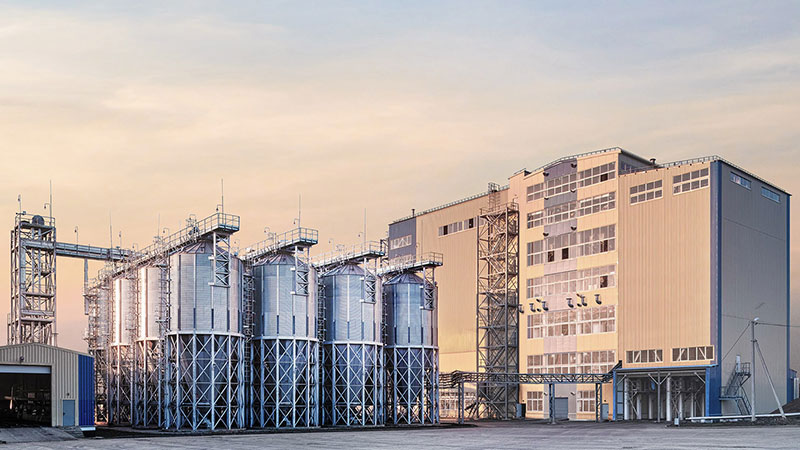
At RICHI, we go beyond project completion. With RICHI Servicee, we’re your dedicated partners in success. Count on us for expert guidance, minimal downtime, and optimized productivity. Choose RICHI for unmatched service and support.
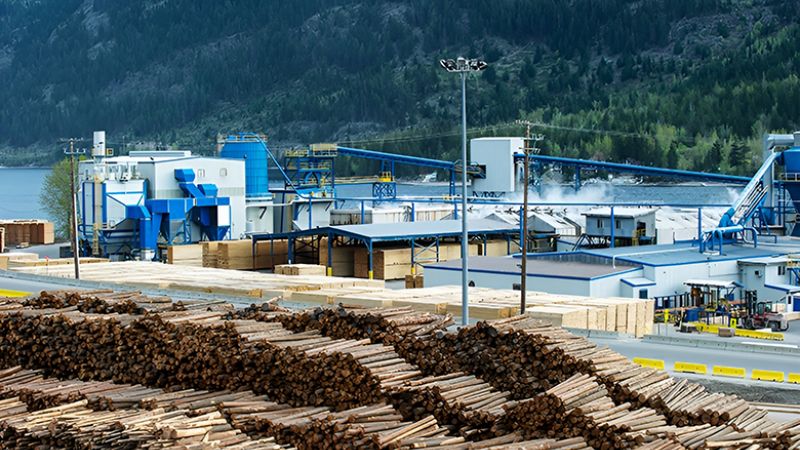


Meet global product demands and quality standards with industry-leading pellet plant design, engineering, equipment, and construction services for pellet processors.

Your Partner Beyond Project Completion
2000+ cases
RICHI is the leading designer, manufacturer and builder of pellet plants in the world, completing over 2000 projects in 140 countries across 6 continents.
Read More
Increase plant productivity, profitability, and safety by integrating high quality equipment into your pellet production line. Over the years, RICHI has become China's top pellet equipment manufacturer. At the same time, RICHI has established valuable partnerships with the world's leading component and raw material manufacturers to bring you the best there is in technology, automation, and efficiency in pelleting plant machinery.

For nearly 30 years, RICHI has been providing best-in-class pellet plant equipment and services to clients across a variety of industries, sizes, and needs. We pride ourselves on the knowledge and skill that each team member possesses – from our technical sales team to our process design engineers. You can count on RICHI Machinery to take your operation to the next level of innovation, quality, and success.
Need help with your pellet manufacturing plant project? Contact us today.
ANIMAL FEED
BIOMASS
WOOD
ORGANIC FERTILIZER
AQUA FEED
CAT LITTER
MUNICIPAL WASTE RECYCLING
SPECIAL PELLET PRODUCTION
RICHI Machinery continues to deliver world class pellet mill equipment, pellet plant engineering and project solutions that add value to our customers in the animal feed, wood waste, agriculture waste, organic fertilizer, cat litter and special pellet products industries. Throughout the years, we RICHI Machinery have built strong brand, becoming industry-leading pellet machine manufacturer. We value integrity, promise quality, and prioritize your success.
Learn MoreWith our expert team, we precisely implement your process engineering requirements in pellet mill and pelletizing plant systems. No matter which industry you’re in – we understand your needs and deliver solutions that meet the highest standards.
At RICHI, quality comes first. Our pellet making machine and related pellet line equipment undergo rigorous quality controls to ensure they meet the highest standards. Rely on products that are durable, safe, and efficient.
With decades of experience in pellet machine and pellet production line production, we have earned a reputation as a trusted partner in various industries. Our expertise allows us to cover a wide range of applications.
Not only do we offer premium pelleting equipment, but we are also experts at designing, building, installing, and maintaining facilities from the ground up. Our expertise is within pellt plant process design, discovering the most efficient, productive, and profitable way to handle your materials in an end-to-end cycle.
○ RICHI MACHINERY
Keeping in touch with us is an effective way to solve all your problems. If you have any needs or questions, please leave your contact information, then RICHI technical consultants will send design, quotation, videos to your mailbox. You can also contact us directly via WhatsApp: +86 13838389622
Copyright©2015-2026 by HENAN RICHI MACHINERY CO., LTD. All rights reserved.