
Hammer Mill for Beef Cattle Hay in Argentina for grinding alfalfa and Rhodes grass with an SFSP66×80, 75 kW motor and 8 mm screens for consistent forage preparation.
A beef cattle operation in Argentina needed a better way to use the hay it produced for its own livestock. The farm finished approximately 3,500 head of cattle annually and managed a substantial forage supply, including alfalfa and Rhodes grass. Although both materials were valuable components of the feeding program, distributing them as long hay created a persistent problem. Cattle selectively consumed the more palatable portions, leaving stems and other uneaten material in the feed bunks.
Alfalfa losses were estimated at around 20%, while the coarser Rhodes grass had a reported waste rate of approximately 25%. For a business purchasing or producing thousands of tonnes of forage each year, those losses represented more than untidy feeding areas. They also meant that part of the farm's land, harvesting work, baling costs and storage capacity was not being converted into usable feed.
Name:
Hay Hammer Mill for Beef Cattle
Country:
Argentina
Date:
2026
Capacity:
1.8–2.2 T/H
Model:
SFSP66×80
Main Motor Power:
75 kW
Screen options supplied:
6 /8 /10mm
Dust collection:
Cyclone and fabric filter bag
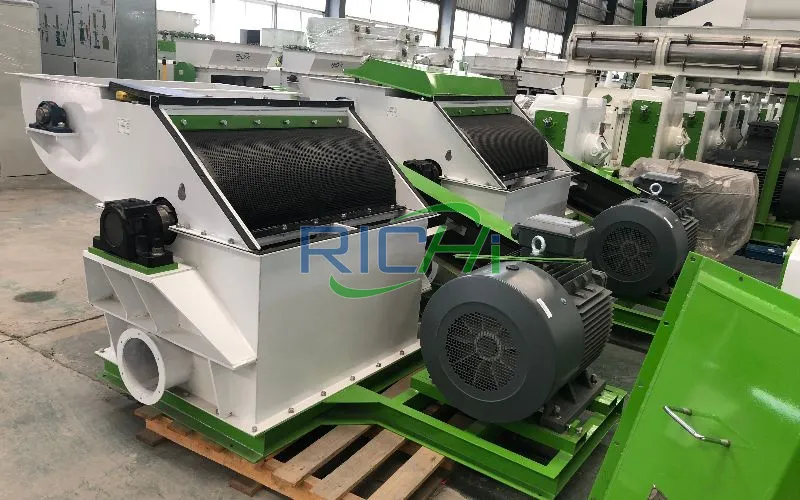
The manager decided to install a dedicated hammer mill for beef cattle hay rather than invest immediately in a complete feed processing line. After discussing the differences between leafy alfalfa and stemmier grass, the customer selected the RICHI SFSP66×80 hammer mill with a 75 kW main motor. The order included 6 mm, 8 mm and 10 mm screens, allowing the farm to test different particle sizes and establish a practical setting for each forage.
Alfalfa and Rhodes grass behave differently during grinding. Alfalfa contains relatively delicate leaves and stems, so it can be reduced in size quickly but may generate fine particles if processed too aggressively. Rhodes grass has tougher, more fibrous stems that generally require more grinding work to achieve a similar size distribution.
The customer wanted one machine capable of processing both materials without maintaining separate grinding equipment. The important selection criteria were therefore not just nominal capacity, but also the ability to change screens, maintain a consistent feed supply and collect dust from dry forage.
The SFSP66×80 Grass Crusher Machine was selected to handle the farm's planned grinding volume of approximately 3,000 tonnes of hay per year. Its 660 mm rotor and 800 mm crushing chamber provided the working capacity required for the project, while interchangeable screens allowed the operator to adjust the process to suit the incoming material.
| Parameter | Specification |
|---|---|
| Machine model | SFSP66×80 |
| Equipment type | Water-drop type hammer mill |
| Rotor diameter | 660 mm |
| Crushing chamber width | 800 mm |
| Main motor power | 75 kW |
| Screen options supplied | 6 mm, 8 mm and 10 mm |
| Alfalfa throughput with 8 mm screen | Approximately 2.2 T/H |
| Rhodes grass throughput with 8 mm screen | Approximately 1.9 T/H |
| Dust collection | Cyclone and fabric filter bag |
| Primary application | Grinding dry hay for beef cattle feed |
The stated production rates are based on the reported project trials. Actual capacity depends on forage moisture, stem thickness, feeding consistency, screen condition and the desired particle-size distribution. A 75 kW motor also requires an appropriately sized electrical supply and motor protection, with the final installation designed around the farm's local power infrastructure.
Rather than selecting a screen based on assumptions alone, the customer tested all three supplied options on both types of hay. The results showed that the finest screen was not automatically the best choice. For this farm, the objective was to reduce sorting and feed refusal without unnecessarily increasing grinding time or generating excessive fines.
The 8 mm screen became the farm's standard starting point for both materials. The manager could still switch to 10 mm when processing conditions or the intended ration justified a coarser grind, rather than treating one setting as suitable for every batch.
The hammer mill prepares forage for mixing; it does not formulate a complete cattle ration by itself. After grinding, the hay can be combined with grain, protein ingredients and mineral supplements according to the animals' production stage and the nutritionist's recommendations.
One forage-rich ration used as a project reference contained the following ingredients:
This is an illustrative ration for the operation, not a universal finishing formula. A diet containing 60% forage may suit particular growing or backgrounding objectives, but a high-concentrate finishing ration would normally require a different balance. Actual proportions must be adjusted for forage analysis, moisture, energy and protein requirements, mineral levels and cattle performance targets.
Grinding makes the forage easier to incorporate into a mixed ration and can help reduce selective feeding when particle size is properly controlled. However, the material should not be ground finer than necessary. Beef cattle still need adequate effective fiber to support rumination and normal rumen function, so particle size must be considered alongside the complete diet.
Dry hay generates airborne fines during hammer milling, particularly when leafy alfalfa is processed. The supplied system therefore included a cyclone and fabric filter bag to separate the ground material from the conveying air and reduce dust escaping into the work area.
During operation, the customer found that alfalfa produced more troublesome dust than Rhodes grass. An additional filter bag was subsequently introduced to improve dust collection. This experience reinforced the importance of sizing the extraction system for the actual material and throughput, rather than treating dust collection as an accessory to be considered after installation.
The farm also found that wire from baling operations could enter the grinder with the hay. A magnetic grate and appropriate foreign-object inspection were important safeguards. Before grinding, operators need to check bales for wire, twine, stones and other contaminants, and the equipment must be isolated before clearing blockages or carrying out maintenance. Dry forage dust also requires suitable housekeeping and combustible-dust risk controls.
The hammer mill was shipped from Qingdao, China, to the Port of Buenos Aires, followed by inland transport to the customer's facility. The reported sea transit was approximately 35 days, with the complete delivery process taking around 42 days, depending on shipping and customs arrangements.
Before installation, the customer needed to prepare a suitable foundation, electrical connection, material-feeding arrangement and discharge route. Space also had to be reserved for the cyclone, filter bag and maintenance access. The exact footprint depends on the final layout, particularly whether hay is fed manually, through a bale-breaking arrangement or by a mechanical conveyor.
For a single-machine installation, the main motor's 75 kW rating is only one part of the utility calculation. The farm also needed to account for auxiliary equipment, dust extraction, motor starting current and local electrical protection. A trained operator can supervise normal grinding, while additional help may be needed for bale handling and moving finished material if these tasks are not mechanized.
After approximately ten months of operation, the feedlot manager reported that the machine had accumulated around 1,500 operating hours. Alfalfa continued to grind faster than Rhodes grass, consistent with the initial tests. The farm used the 8 mm screen for routine production and retained the other screens for situations in which a different particle size was needed.
The first set of hammers was turned to use the unworn side after approximately 700 hours. The original 8 mm screen remained in service at the time of the reported follow-up. These intervals are specific to the customer's materials and operating conditions; inspection and replacement should be based on wear, vibration, output and particle-size checks rather than a fixed schedule alone.
The manager also reported that the forage-related waste rate fell from approximately 20–25% with long hay to below 5% after the feeding method changed. This was an operational estimate, not a guaranteed outcome of the grinder itself. Actual feed refusal depends on ration composition, feeding management, trough design, animal behavior and the quality of the ground material.
The customer considered the improvement worthwhile because it made better use of home-grown forage and reduced the amount of material left uneaten. For an operation processing thousands of tonnes of hay annually, even a modest reduction in avoidable losses can have a meaningful effect on feed costs.
Before the order was placed, RICHI reviewed the two forage types and recommended testing 6 mm, 8 mm and 10 mm screens. The customer supplied representative hay samples for grinding trials, allowing the team to compare throughput and particle size before settling on the preferred configuration.
The project also included a Spanish-language operation manual, guidance on screen selection and recommendations for handling dusty forage. The customer was able to add the hammer mill to its existing feeding operation without purchasing a complete feed production line.
This approach is useful for beef farms and feedlots that already have forage storage, mixing equipment or other feed-handling infrastructure. The key is to identify the process bottleneck and choose a machine that addresses it without creating unnecessary downstream capacity or utility requirements.
For Argentine cattle producers processing alfalfa, Rhodes grass or other dry forage, machine selection should begin with a representative material sample and a realistic hourly production target. Leafy hay and stem-heavy grass can produce different throughputs even when processed using the same motor and screen.
The SFSP66×80 was selected for this project because its capacity, interchangeable screens and dust-collection arrangement suited the farm's forage preparation requirements. The 8 mm screen became the preferred setting after testing, but the results should be verified for each new forage type and moisture condition.
RICHI Machinery supplies hammer mills and other feed processing equipment for farms and commercial feed operations. If you are planning to grind hay for beef cattle, provide your forage type, moisture content, required particle size and hourly output. These details help determine the appropriate machine configuration and whether additional bale breaking, conveying or dust-control equipment is required.
Having the right mix of reliable, high-quality pellet machine and pelletizing systems and expert support is essential to your success. Watch how our end-to-end feed pellet plant solutions have helped our customers optimize their performance.
Our customized and future-proofed turnkey pellet plant solutions is designed with you at the core. From vision to reality and beyond, our team stays connected with yours. Giving you peace-of-mind with an expert at your side.
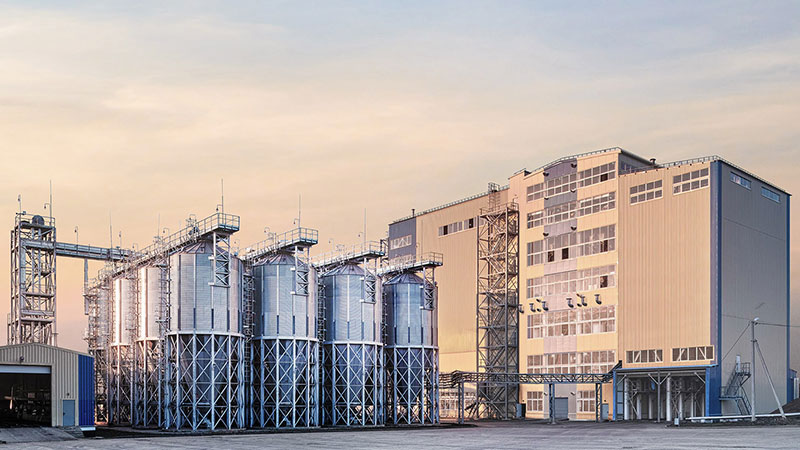
At RICHI, we go beyond project completion. With RICHI Servicee, we’re your dedicated partners in success. Count on us for expert guidance, minimal downtime, and optimized productivity. Choose RICHI for unmatched service and support.
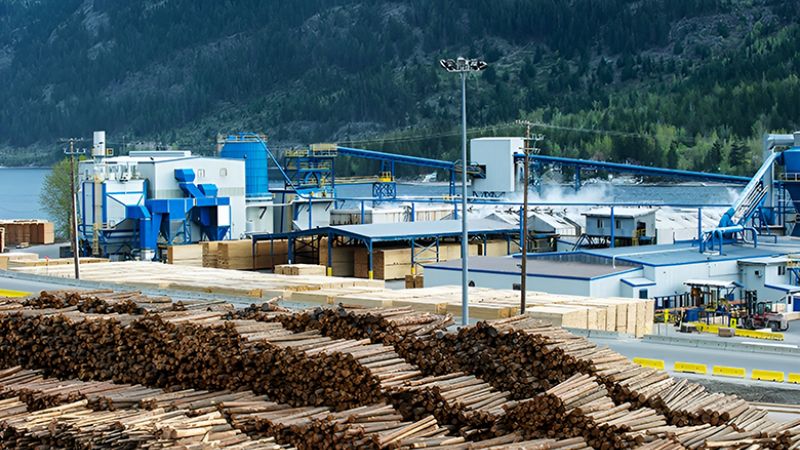


Meet global product demands and quality standards with industry-leading pellet plant design, engineering, equipment, and construction services for pellet processors.


Your Partner Beyond Project Completion
2000+ cases
RICHI is the leading designer, manufacturer and builder of pellet plants in the world, completing over 2000 projects in 140 countries across 6 continents.
Read More
Increase plant productivity, profitability, and safety by integrating high quality equipment into your pellet production line. Over the years, RICHI has become China's top pellet equipment manufacturer. At the same time, RICHI has established valuable partnerships with the world's leading component and raw material manufacturers to bring you the best there is in technology, automation, and efficiency in pelleting plant machinery.

For nearly 30 years, RICHI has been providing best-in-class pellet plant equipment and services to clients across a variety of industries, sizes, and needs. We pride ourselves on the knowledge and skill that each team member possesses – from our technical sales team to our process design engineers. You can count on RICHI Machinery to take your operation to the next level of innovation, quality, and success.
Need help with your pellet manufacturing plant project? Contact us today.
ANIMAL FEED
BIOMASS
WOOD
ORGANIC FERTILIZER
AQUA FEED
CAT LITTER
MUNICIPAL WASTE RECYCLING
SPECIAL PELLET PRODUCTION
RICHI Machinery continues to deliver world class pellet mill equipment, pellet plant engineering and project solutions that add value to our customers in the animal feed, wood waste, agriculture waste, organic fertilizer, cat litter and special pellet products industries. Throughout the years, we RICHI Machinery have built strong brand, becoming industry-leading pellet machine manufacturer. We value integrity, promise quality, and prioritize your success.
Learn MoreWith our expert team, we precisely implement your process engineering requirements in pellet mill and pelletizing plant systems. No matter which industry you’re in – we understand your needs and deliver solutions that meet the highest standards.
At RICHI, quality comes first. Our pellet making machine and related pellet line equipment undergo rigorous quality controls to ensure they meet the highest standards. Rely on products that are durable, safe, and efficient.
With decades of experience in pellet machine and pellet production line production, we have earned a reputation as a trusted partner in various industries. Our expertise allows us to cover a wide range of applications.
Not only do we offer premium pelleting equipment, but we are also experts at designing, building, installing, and maintaining facilities from the ground up. Our expertise is within pellt plant process design, discovering the most efficient, productive, and profitable way to handle your materials in an end-to-end cycle.
○ RICHI MACHINERY
Keeping in touch with us is an effective way to solve all your problems. If you have any needs or questions, please leave your contact information, then RICHI technical consultants will send design, quotation, videos to your mailbox. You can also contact us directly via WhatsApp: +86 13838389622
Copyright©2015-2026 by HENAN RICHI MACHINERY CO., LTD. All rights reserved.