
Equipment for drying fruits and vegetables in Thailand with a 43 m² belt dryer. Explore fruit preparation, drying loads and export packing needs.
A mango slice can feel dry at the edge while retaining moisture in its thickest section. For an exporter, that difference matters after the packet has been sealed. Consistency has to extend across the slice, across the conveyor and through the production run.
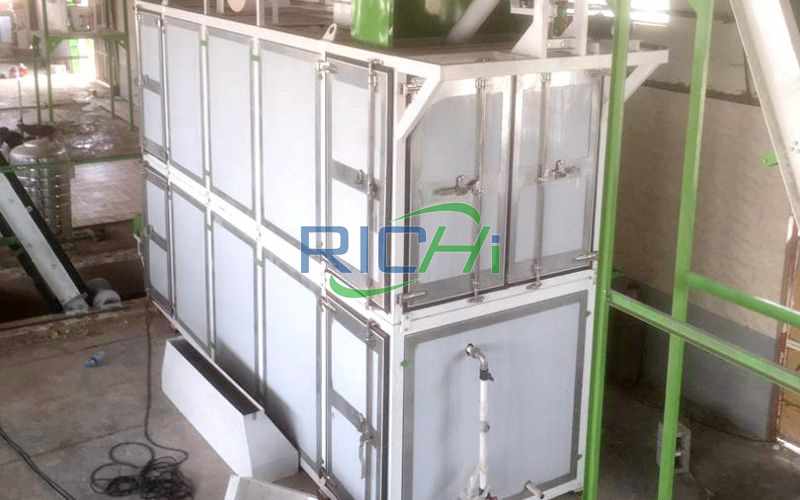
That concern sits at the centre of this equipment for drying fruits and vegetables in Thailand project. A family-owned dried fruit processor in Chanthaburi selected a RICHI DHG-1000 belt dryer to develop continuous drying within its existing preparation and packing operation.
The purchase covers one electric drying module with 43 m² of drying area. Mango, pineapple and banana are the principal materials. Vegetable ingredients provide a further development opportunity, with their own preparation methods and product trials.
Name:
Fruit and vegetable belt dryer
Country:
Thailand
Date:
2024
Capacity:
Flexible
Model:
DHG-1000
Drying area:
43 m²
Raw Materials:
Mango pineapple banana
Heating:
70 kW electric
The processor's starting point was a group of batch tray dryers. Operators spread fruit by hand, moved trays through the ovens and handled each batch again at discharge. As export work increased, this handling sequence made production planning difficult.
Chanthaburi gives the project a credible fruit-processing setting. The eastern Thai province has established fruit growers and processors, including businesses producing dehydrated mango and pineapple. Receiving fruit, preparing it and protecting the dried product belong to the same operating plan.
The company's fresh-fruit intake of 5–6 tonnes a day describes the receiving operation. Peeling, stone removal, trimming and product allocation determine the prepared material available for drying. Each of those weights needs a separate entry in the production record.
For this fruit drying machine in Thailand application, the investment focuses on the drying stage. Washing, peeling, cutting and packing remain distinct operations. Their release rates must match the dryer schedule so prepared slices do not accumulate while waiting for belt space.
The export programme includes mango and banana products for Japan. That makes the buyer's approved sample especially useful: colour, chewiness, piece dimensions and permitted ingredients can be agreed before a production recipe is developed around them.
Mango maturity affects firmness, sweetness and cutting behaviour. A soft, ripe slice can spread or adhere during loading, while a firmer slice may retain its shape more readily. Incoming checks therefore record variety, maturity and preparation condition alongside batch weight.
When specifying mango drying equipment in Thailand, slice thickness deserves as much attention as air temperature. An initial cutting range of 4–6 mm gives the trial team a defined starting point. Thick shoulders and folded slices need to be identified before the fruit reaches the belt.
Syrup-treated mango requires a separate recipe record. Sugar uptake changes the solids content, surface condition and drying behaviour. A consistent draining step helps distinguish water inside the fruit from excess liquid carried onto the dryer after pretreatment.
Pineapple presents another loading problem. Pieces containing a thick section near the core dry differently from thin edges. Cutting to a defined section, removing unwanted core material and draining free juice make the feed more consistent before airflow settings are adjusted.
The specification for a banana drying machine in Thailand starts with the intended snack texture. This project's hot-air route concerns dried banana slices. A fried banana chip requires a frying process; its oil content and texture cannot be reproduced merely by selecting a higher drying temperature.
| Material | Trial cut | Loading priority |
|---|---|---|
| Mango | 4–6 mm slices | Separate pieces and control thick edges |
| Pineapple | 6–8 mm sections | Consistent geometry and juice drainage |
| Banana | 4–5 mm slices | Control maturity and surface adhesion |
These dimensions are preparation targets for testing. Final settings depend on the actual fruit and the approved finished sample. The three materials should be assessed in separate runs so a change in product does not obscure the reason for a change in drying performance.
The DHG-1000 uses five mesh-belt layers and electric heating. Fruit travels through the drying chamber while moving air carries away evaporated moisture. Belt loading, residence time and air exchange have to work together throughout the material's passage.
| Equipment item | DHG-1000 configuration |
|---|---|
| Dryer type | Multi-layer mesh-belt dryer |
| Heat source | Electric |
| Listed heating power | 70 kW |
| Other listed drives | 2.2 kW × 3 + 1.5 kW |
| Sum of listed electrical loads | 78.1 kW |
| Belt layers | 5 |
| Belt width | 1.2 m |
| Total drying area | 43 m² |
| Fruit throughput | Established by material and drying trials |
The 43 m² figure is the combined drying area across the belts. Workshop planning also needs the machine's external dimensions, access for cleaning, conveyor connections and maintenance clearance. Those requirements are established from the installation drawing.
A continuous belt dryer in Thailand also needs careful evaluation at each transfer between layers. Sticky mango can adhere, and delicate pieces can fold or break. Trials should inspect those transfer points as well as the final discharge, using the intended fruit preparation.
Food-contact surfaces, belt material, cleaning access and the permitted cleaning chemicals belong in the purchase specification. Their suitability must cover acidic fruit, sugar deposits and the operating temperature. A material description alone does not establish a complete hygienic design.
Equipment for drying fruits and vegetables in Thailand is sized around the moisture that must leave the product. Prepared fruit entering the chamber, water evaporated and dried fruit leaving it are three different quantities. The DHG-1000 model name does not establish a fresh-fruit hourly capacity.
A simple reference calculation makes the distinction visible. Consider 100 kg of prepared fruit at 80% moisture, with a development target of 15% final moisture. Both percentages are on a wet basis, and the calculation assumes no solids loss or addition during drying.
The incoming material contains 20 kg of dry solids. At 15% final moisture, those solids would be contained in approximately 23.53 kg of dried product. About 76.47 kg of water must therefore be removed. These figures illustrate the sizing calculation; actual yield requires a product trial.
Syrup treatment, trimming losses and the actual fruit composition change that balance. Sampling the prepared slices after draining gives a more useful sizing basis than weighing whole fruit before peeling. Finished weight is then checked again after sorting and quality release.
The thermal calculation must also account for warming the fruit, heating replacement air and heat losses. Available belt area and the residence time needed for acceptable texture may impose a further limit. Increasing feed rate is useful only while the required final condition remains achievable.
The listed electrical loads total 78.1 kW; this is an installed-load figure. Metered consumption varies with heater demand and operation. A purchasing comparison should record electricity per kilogram of water removed and per kilogram of accepted product under defined test conditions.
Chanthaburi's humidity affects the drying room throughout the year. Thai Meteorological Department normals show mean relative humidity of 83–86% from May through September. Wet-season commissioning conditions therefore deserve attention when agreeing a production rate.
Heating incoming air increases its drying potential, while evaporation progressively adds moisture to the circulating air. Exhaust and replacement-air settings must allow that moisture to leave. Recirculation can conserve heat, but its setting must still support the required water removal.
Recipe development should document feed loading, belt speed, drying-air temperature and exhaust conditions. A trial around 60°C air temperature is a reasonable starting point for thin mango slices, followed by product checks. Air temperature and the temperature inside a slice are separate measurements.
The ventilation layout needs attention outside the chamber too. Moist exhaust should discharge away from the fresh-air intake and the packing area. Duct arrangements must manage condensation so water cannot drain back towards exposed food or electrical equipment.
Operators also need access to remove fruit fragments and sugar deposits from belts, transfer points and collection areas. Cleaning instructions should include inspection before restart. Heater operation must be coordinated with the specified airflow, belt-motion and overtemperature protections.
A surface that feels dry is an incomplete release check. Moisture content and water activity answer different questions: one measures water quantity, while the other describes its availability. Sugar concentration helps explain why two dried fruits with similar moisture can behave differently in storage.
The quality plan should sample across the belt width and through the run, including startup and product changes. Water-activity measurements require an appropriate method and temperature control. Each recipe needs agreed acceptance limits, supported by the product's food-safety assessment.
Cooling and packing must protect the work already done in the dryer. Dried fruit exposed to humid room air can regain moisture. The handover to packing should provide controlled holding conditions, suitable moisture-barrier packaging and checks on seal integrity.
A shelf-life claim needs evidence from the actual recipe, package and storage conditions. The dryer contributes to that result alongside ingredient control, sanitation and the rest of the process. Drying temperatures should not be presented as a validated microbial reduction step without supporting validation.
Vegetable drying equipment in Thailand can serve ingredients as well as snack products. For this processor, pumpkin pieces and cut okra are possible trial materials. Their preparation, desired texture and customer specification need to be settled before a drying programme is transferred into production.
Some vegetable products benefit from a blanching step to control enzymes and colour changes. Whether that step is needed depends on the vegetable and the finished-product requirement. Blanching also introduces another temperature and moisture history that the dryer trial must account for.
Fruit-tea pieces offer another potential outlet for suitable pineapple material. A powder ingredient would require additional milling and its own moisture and handling specification. These are separate product-development routes, with the necessary downstream equipment assessed individually.
Longan and coconut would likewise need their own trials and procurement plans. Different origins, seasonal availability, piece geometry and oil content can change the process. A multi-product business gains useful flexibility when it keeps those differences visible in its production records.
The most useful enquiry package contains prepared fruit samples, slice dimensions, measured incoming moisture, pretreatment details and the buyer's finished sample. Required operating hours and the available electrical supply complete the initial brief for RICHI's equipment review.
For a commercial food dehydrator in Thailand, installation planning should include supply voltage, frequency, feeder capacity, protective devices and cable sizing. The plant's qualified electrical contractor checks these against the approved equipment drawings and local installation requirements.
Factory layout review should follow the food itself: wet preparation, belt loading, dry discharge, protected cooling and packing. Access for cleaning and maintenance must remain available after installation. The existing slicer and packing machine can be retained where their performance and connections suit the agreed process.
Thailand's GMP requirements address production premises, equipment, process control, sanitation and personnel hygiene. The processor remains responsible for its food operation and applicable export requirements. RICHI's role is equipment manufacture and the technical information needed to integrate the dryer into that operation.
During commissioning, the handover should establish usable product recipes and a repeatable sampling procedure. Training covers loading consistency, routine cleaning, inspection and response to process interruptions. Performance acceptance is tied to the agreed fruit condition and finished-product limits.
When evaluating a fruit and vegetable dryer for sale in Thailand, request a quotation that identifies the dryer, controls, connections, commissioning support and initial spare parts. Freight, electrical installation and changes to the surrounding process should be identified separately.
Discuss equipment for drying fruits and vegetables in Thailand with RICHI Machinery using your actual product samples and packing requirements. The starting point is a drying test that connects the selected belt dryer to the fruit you receive and the product your buyer will accept.
Having the right mix of reliable, high-quality pellet machine and pelletizing systems and expert support is essential to your success. Watch how our end-to-end feed pellet plant solutions have helped our customers optimize their performance.
Our customized and future-proofed turnkey pellet plant solutions is designed with you at the core. From vision to reality and beyond, our team stays connected with yours. Giving you peace-of-mind with an expert at your side.
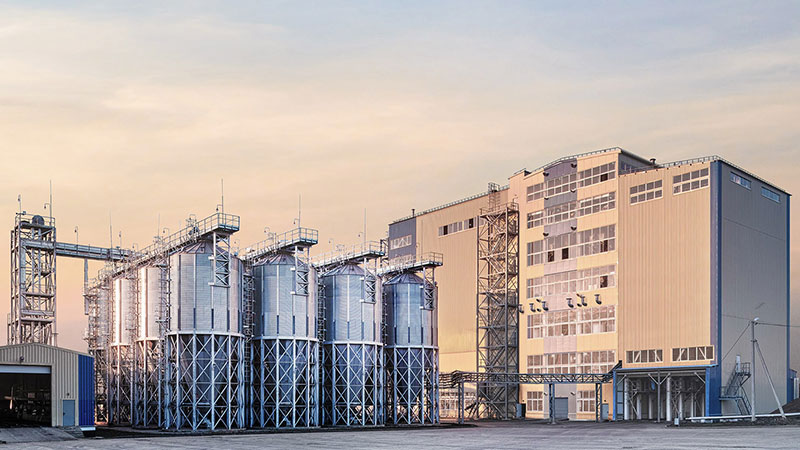
At RICHI, we go beyond project completion. With RICHI Servicee, we’re your dedicated partners in success. Count on us for expert guidance, minimal downtime, and optimized productivity. Choose RICHI for unmatched service and support.
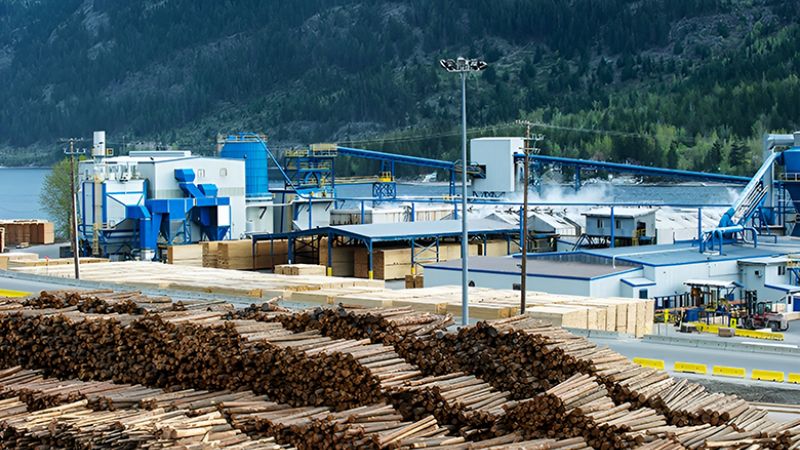


Meet global product demands and quality standards with industry-leading pellet plant design, engineering, equipment, and construction services for pellet processors.


Your Partner Beyond Project Completion
2000+ cases
RICHI is the leading designer, manufacturer and builder of pellet plants in the world, completing over 2000 projects in 140 countries across 6 continents.
Read More
Increase plant productivity, profitability, and safety by integrating high quality equipment into your pellet production line. Over the years, RICHI has become China's top pellet equipment manufacturer. At the same time, RICHI has established valuable partnerships with the world's leading component and raw material manufacturers to bring you the best there is in technology, automation, and efficiency in pelleting plant machinery.

For nearly 30 years, RICHI has been providing best-in-class pellet plant equipment and services to clients across a variety of industries, sizes, and needs. We pride ourselves on the knowledge and skill that each team member possesses – from our technical sales team to our process design engineers. You can count on RICHI Machinery to take your operation to the next level of innovation, quality, and success.
Need help with your pellet manufacturing plant project? Contact us today.
ANIMAL FEED
BIOMASS
WOOD
ORGANIC FERTILIZER
AQUA FEED
CAT LITTER
MUNICIPAL WASTE RECYCLING
SPECIAL PELLET PRODUCTION
RICHI Machinery continues to deliver world class pellet mill equipment, pellet plant engineering and project solutions that add value to our customers in the animal feed, wood waste, agriculture waste, organic fertilizer, cat litter and special pellet products industries. Throughout the years, we RICHI Machinery have built strong brand, becoming industry-leading pellet machine manufacturer. We value integrity, promise quality, and prioritize your success.
Learn MoreWith our expert team, we precisely implement your process engineering requirements in pellet mill and pelletizing plant systems. No matter which industry you’re in – we understand your needs and deliver solutions that meet the highest standards.
At RICHI, quality comes first. Our pellet making machine and related pellet line equipment undergo rigorous quality controls to ensure they meet the highest standards. Rely on products that are durable, safe, and efficient.
With decades of experience in pellet machine and pellet production line production, we have earned a reputation as a trusted partner in various industries. Our expertise allows us to cover a wide range of applications.
Not only do we offer premium pelleting equipment, but we are also experts at designing, building, installing, and maintaining facilities from the ground up. Our expertise is within pellt plant process design, discovering the most efficient, productive, and profitable way to handle your materials in an end-to-end cycle.
○ RICHI MACHINERY
Keeping in touch with us is an effective way to solve all your problems. If you have any needs or questions, please leave your contact information, then RICHI technical consultants will send design, quotation, videos to your mailbox. You can also contact us directly via WhatsApp: +86 13838389622
Copyright©2015-2026 by HENAN RICHI MACHINERY CO., LTD. All rights reserved.