
Corn Starch Cat Litter Pellet Machine in China for processing corn starch residue and corn fiber into plant-based cat litter, with customized pelletizing, drying and cooling solutions.
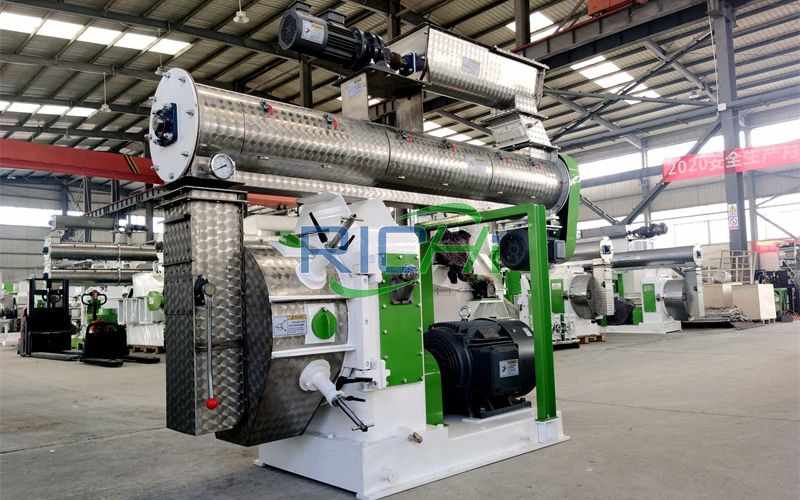
A corn starch processing facility in Shandong, China, was looking for a higher-value use for the byproducts generated by its wet-milling operation. The plant processed corn starch at an annual scale of approximately 200,000 tons, generating starch residue and corn fiber that had traditionally been sold to animal feed buyers at relatively low prices.
The management team began evaluating whether these materials could be converted into plant-based cat litter for the domestic pet care market and selected export markets.
Rather than building an entirely new factory, the company planned to reuse its existing drying and size-reduction equipment.
The main investment requirement was a dedicated corn starch cat litter pellet machine in China that could form a consistent product from a starch-rich, moisture-sensitive material blend. The project therefore focused on pellet formation, temperature management, moisture control and the finishing steps needed to prepare the product for packaging.
Name:
Cat Litter Pellet Machine
Country:
China
Date:
2026
Capacity:
2–3 T/H
Model:
MSZLH508
Main Motor Power:
160 kW
Raw Materials:
Starch residue and corn fiber
Pellet diameter:
3mm & 5mm
The proposed feedstock consisted of corn starch residue, corn fiber and a binder. These materials have different functions: the starch-rich fraction contributes to water absorption and pellet binding, the fiber affects structure and porosity, and the binder helps control pellet integrity. Their proportions and processing conditions must be established through material trials rather than copied directly from an animal feed or biomass pellet formulation.
The facility previously sold its wet starch residue and corn fiber into lower-value outlets. Developing a plant-based cat litter product offered another potential route for using these materials, but it also introduced requirements that differ from conventional feed or biomass processing.
| Project Item | Planning Details |
|---|---|
| Location | Shandong Province, China |
| Customer type | Corn starch processing facility |
| Existing raw materials | Starch residue and corn fiber |
| Incoming material moisture | Approximately 35–40% for the wet byproduct stream |
| Existing equipment | Drying and grinding equipment |
| New equipment | MSZLH508 ring-die pellet machine with conditioner |
| Target product | Plant-based cat litter pellets |
| Product diameter options | 3 mm and 5 mm, subject to product testing |
| Indicative production planning basis | Approximately 2–3 T/H for an annual output target near 8,000 tons, depending on operating days and hours |
The production planning figure is based on the proposed annual output, not a verified maximum capacity of the machine. Actual throughput must be confirmed using the final formulation, target pellet dimensions, incoming moisture, required product strength and downstream drying capacity.
Corn wet-milling byproducts cannot always be sent directly to a pellet machine. Their moisture, particle size and composition vary with the starch extraction process. A suitable preparation route helps stabilize feeding and reduces the risk of inconsistent pellets or excessive drying costs.
The proposed blend uses three functional components:
The initial formulation concept allocated 70% to starch residue and 20% to corn fiber, with a binder added to complete the blend. The final binder dosage should be determined through trials. A fixed 10% guar gum inclusion should not be adopted without checking its effect on material cost, extrusion or pelletizing behavior, moisture sensitivity and finished-product performance.
Drying the blend to a nominal 18% moisture, as initially proposed, should be treated as a trial condition rather than a universal operating requirement. A wetter mixture may behave differently during conditioning and pellet formation, while excessive drying can increase energy demand and affect binding. The appropriate moisture window must be confirmed for the actual machine and formulation.
The project selected an MSZLH508 ring-die cat litter pellet machine equipped with a conditioner. The intended role of the machine was to form the prepared starch-fiber blend into uniform cylindrical pellets. Temperature and moisture control were important because starch-rich materials can soften, become sticky or change their binding behavior when exposed to heat and moisture.
| Equipment Parameter | Selected Configuration |
|---|---|
| Model | MSZLH508 |
| Machine type | Ring-die pellet machine |
| Main motor | 160 kW, subject to confirmation against the supplied machine specification |
| Conditioner motor | 7.5 kW |
| Feeder motor | 1.5 kW |
| Ring die inner diameter | 508 mm |
| Target pellet diameters | 3 mm and 5 mm |
| Die configuration | Selected according to material trials and required pellet properties |
The machine configuration must be considered together with the entire material-handling system. A pellet machine's nominal capacity alone does not establish the production rate of the finished cat litter. If the dryer, feeder, mixer or packaging system cannot maintain the required flow, these stages can become the actual production bottleneck.
Starch-based materials require a different process assessment from conventional wood or straw pellets. Temperature, moisture and mechanical pressure influence starch behavior, while excessive sticking can affect material flow, die performance and product consistency.
For this project, the operating team evaluated a lower-temperature conditioning approach, beginning with a conditioner temperature around 65–70°C and monitoring the material during trials. This is a starting point for process development, not a guaranteed universal setting. Starch gelatinization depends on the starch source, water availability, temperature and residence time; some formulations may benefit from controlled gelatinization rather than avoiding it altogether.
The initial process concept included a low-compression die and additional temperature monitoring. These features should be finalized after testing the actual blend. A compression ratio of 1:2.5, for example, should be treated as a proposed trial specification rather than a confirmed optimum for every starch-based cat litter formulation.
Forming the pellets is only one stage of manufacturing. The finished product must also meet requirements for moisture stability, handling strength, water absorption, clumping, dust generation and storage performance.
The proposed production sequence is as follows:
The plant already had drying and grinding equipment, creating an opportunity to reuse part of its existing infrastructure. However, the suitability of the original dryers for the finished pellets must be checked. A dryer designed for wet starch residue may not provide the same product handling, residence time or temperature control needed for fragile cat litter pellets.
Before committing to a new product line, a corn processor needs evidence that its own material can be formed into a saleable pellet. Testing is especially important when the feedstock contains both starch-rich residue and fibrous material.
The equipment evaluation should cover the following points:
Because starch residues can become sticky under certain moisture and temperature conditions, daily cleaning and inspection are particularly important. Operators should follow the supplied machine instructions for clearing the die, isolating electrical power and preventing accidental startup during maintenance.
With the customer located in Shandong Province, the equipment could be transported domestically by road rather than shipped through an international seaport. The installation plan needed to account for the machine's weight, lifting access, foundation requirements, electrical connections and material-transfer interfaces.
Before commissioning, the project team should confirm the foundation design, motor power supply, protective devices, dust management and the connection between the pellet machine and downstream cooling or drying equipment. The commissioning process should begin with checks under safe operating conditions before progressing to material trials and production optimization.
Remote or on-site engineering support can assist with setup and troubleshooting, but final installation and safety verification must follow the equipment documentation and applicable Chinese industrial safety requirements.
Starch and plant-fiber materials can be evaluated for other molded or pelletized products, but each application requires its own formulation and performance testing. A successful cat litter formulation does not automatically translate into a suitable packaging or horticultural product.
For the initial investment, the most practical approach is to focus on one target product, validate its performance and establish repeatable production before introducing additional product categories.
The economic case for converting corn-processing byproducts into cat litter depends on more than the difference between the selling price of wet residue and the price of finished litter. The plant must account for material yield, drying energy, binder consumption, labor, packaging, quality testing, maintenance, depreciation, logistics and the cost of developing a stable customer base.
| Cost or Revenue Factor | What the Plant Should Evaluate |
|---|---|
| Raw-material opportunity cost | Compare the current byproduct sales value with the cost of diverting material into cat litter production. |
| Drying and utilities | Calculate energy and operating costs for removing moisture from both the incoming material and finished pellets. |
| Binder consumption | Measure the amount required to achieve acceptable pellet strength and clumping without unnecessary formulation cost. |
| Product yield | Account for moisture loss, fines, rejected material and any recycling limitations. |
| Packaging and distribution | Include bags, palletizing, warehousing, domestic delivery and export freight where applicable. |
| Quality and compliance | Budget for product testing, market-specific requirements and any certification needed for the intended claims. |
| Sales realization | Use confirmed customer specifications and realistic selling prices rather than assuming premium export prices for all output. |
An investment payback period should be calculated only after the plant has established its actual production rate, saleable yield, operating costs and customer demand. A high theoretical selling price does not by itself demonstrate profitability, and a short payback period should not be promised without supporting operating and sales data.
Japan, South Korea and other markets may offer opportunities for plant-based cat litter, but the finished product must meet the expectations of the intended buyers. Pellet appearance and plant-based composition alone do not establish export suitability.
Before making product claims, the manufacturer should evaluate:
Plant-based composition does not automatically mean that cat litter is suitable for flushing. Any flushability claim must be supported by appropriate testing and must account for local wastewater systems and disposal guidance. Unless these requirements have been verified, the product should be marketed as plant-based or biodegradable only to the extent supported by the relevant evidence.
This Shandong project illustrates a potential way to develop a higher-value product from corn starch residue and corn fiber while making use of existing drying and grinding equipment. The key investment decision is not simply which pellet machine to purchase, but whether the complete process can produce a consistent, commercially acceptable product at a viable operating cost.
For a corn starch plant considering a similar project, the next step is to assess the actual byproduct composition, moisture range, required pellet dimensions and target market. Material testing can then help determine the appropriate formulation, die configuration, conditioning conditions and finishing equipment.
RICHI Machinery supplies pelletizing equipment and supporting machinery for customized material-processing applications. By evaluating the raw material and existing plant facilities before selecting equipment, manufacturers can develop a more realistic production plan for plant-based cat litter and other suitable products derived from agricultural processing byproducts.
Having the right mix of reliable, high-quality pellet machine and pelletizing systems and expert support is essential to your success. Watch how our end-to-end feed pellet plant solutions have helped our customers optimize their performance.
Our customized and future-proofed turnkey pellet plant solutions is designed with you at the core. From vision to reality and beyond, our team stays connected with yours. Giving you peace-of-mind with an expert at your side.
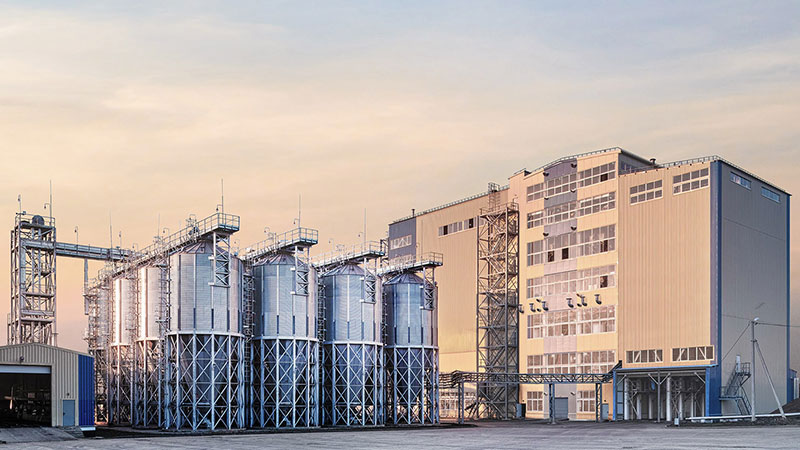
At RICHI, we go beyond project completion. With RICHI Servicee, we’re your dedicated partners in success. Count on us for expert guidance, minimal downtime, and optimized productivity. Choose RICHI for unmatched service and support.
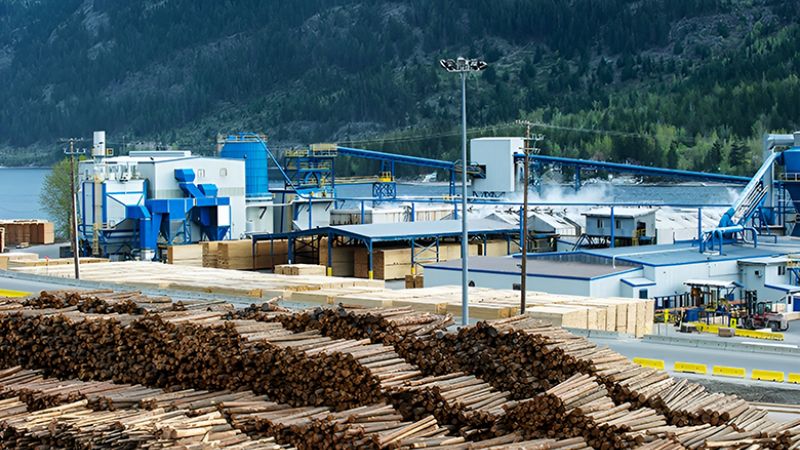


Meet global product demands and quality standards with industry-leading pellet plant design, engineering, equipment, and construction services for pellet processors.


Your Partner Beyond Project Completion
2000+ cases
RICHI is the leading designer, manufacturer and builder of pellet plants in the world, completing over 2000 projects in 140 countries across 6 continents.
Read More
Increase plant productivity, profitability, and safety by integrating high quality equipment into your pellet production line. Over the years, RICHI has become China's top pellet equipment manufacturer. At the same time, RICHI has established valuable partnerships with the world's leading component and raw material manufacturers to bring you the best there is in technology, automation, and efficiency in pelleting plant machinery.

For nearly 30 years, RICHI has been providing best-in-class pellet plant equipment and services to clients across a variety of industries, sizes, and needs. We pride ourselves on the knowledge and skill that each team member possesses – from our technical sales team to our process design engineers. You can count on RICHI Machinery to take your operation to the next level of innovation, quality, and success.
Need help with your pellet manufacturing plant project? Contact us today.
ANIMAL FEED
BIOMASS
WOOD
ORGANIC FERTILIZER
AQUA FEED
CAT LITTER
MUNICIPAL WASTE RECYCLING
SPECIAL PELLET PRODUCTION
RICHI Machinery continues to deliver world class pellet mill equipment, pellet plant engineering and project solutions that add value to our customers in the animal feed, wood waste, agriculture waste, organic fertilizer, cat litter and special pellet products industries. Throughout the years, we RICHI Machinery have built strong brand, becoming industry-leading pellet machine manufacturer. We value integrity, promise quality, and prioritize your success.
Learn MoreWith our expert team, we precisely implement your process engineering requirements in pellet mill and pelletizing plant systems. No matter which industry you’re in – we understand your needs and deliver solutions that meet the highest standards.
At RICHI, quality comes first. Our pellet making machine and related pellet line equipment undergo rigorous quality controls to ensure they meet the highest standards. Rely on products that are durable, safe, and efficient.
With decades of experience in pellet machine and pellet production line production, we have earned a reputation as a trusted partner in various industries. Our expertise allows us to cover a wide range of applications.
Not only do we offer premium pelleting equipment, but we are also experts at designing, building, installing, and maintaining facilities from the ground up. Our expertise is within pellt plant process design, discovering the most efficient, productive, and profitable way to handle your materials in an end-to-end cycle.
○ RICHI MACHINERY
Keeping in touch with us is an effective way to solve all your problems. If you have any needs or questions, please leave your contact information, then RICHI technical consultants will send design, quotation, videos to your mailbox. You can also contact us directly via WhatsApp: +86 13838389622
Copyright©2015-2026 by HENAN RICHI MACHINERY CO., LTD. All rights reserved.