
A beet pulp dehydration machine in Latvia was recently installed at a grain and sugar processing facility in the Jelgava region, about 40 kilometers southwest of Riga.
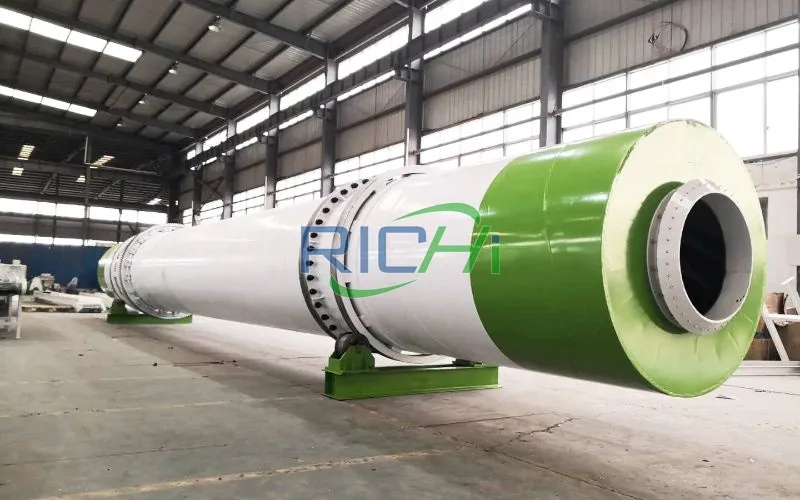
A Beet Pulp Dehydration Machine in Latvia was selected for a sugar beet processing project where the customer needed to reduce the large amount of water carried by fresh pressed pulp before thermal drying. The customer operates a beet processing facility in the Jelgava area and wanted to turn wet beet pulp from seasonal sugar processing into a more stable material for feed production instead of handling it only as a high-moisture byproduct.
The new dehydration section was installed between the customer's existing beet pulp handling equipment and the drying section. By mechanically removing part of the water before the material enters the dryer, the customer can reduce the evaporation load of the thermal system, improve overall processing efficiency and prepare the beet pulp for subsequent drying, storage and feed utilization.
Name:
Beet Pulp Drying Machine
Country:
Latvia
Date:
2025
Capacity:
4 to 6 tons per hour
Model:
φ1.8*18
Main Power:
30 kW
Initial moisture content:
20%
Target moisture content:
12%
Sugar beet processing generates a large amount of fibrous pulp after sugar-bearing juice has been extracted from sliced beet material. This pulp still contains considerable water. From a feed perspective, beet pulp is valuable, but its high moisture content creates an immediate handling problem.
The customer in this project is involved in agricultural raw-material processing in central Latvia. During the beet processing season, wet pulp is generated continuously. Some fresh pulp can be utilized relatively quickly by livestock operations, but relying entirely on nearby users creates limitations because wet material is bulky, expensive to move over longer distances and unsuitable for extended storage without proper treatment.
The company therefore wanted to process a larger proportion of its beet pulp into a stable feed material. Drying was already part of the proposed solution, but sending very wet pulp directly into a thermal dryer would require the dryer to evaporate water that could first be removed mechanically.
This became the main reason for adding a Beet Pulp Dehydration Machine in Latvia.
The machine does not replace the dryer. Its role is different. Mechanical dehydration removes free water from the fibrous pulp first, while the downstream drying system deals with the remaining moisture and brings the product to the level required for storage and further processing.
The project started with a practical problem rather than a plan to build an unnecessarily complicated production line.
Wet beet pulp has a relatively low value if the processor has no economical way to preserve it. During the processing season, production can be concentrated into a limited period, while demand from nearby livestock users does not always correspond exactly with the daily volume leaving the factory.
Storage is equally difficult. Fresh high-moisture beet pulp cannot simply be piled up for long periods without considering deterioration and fermentation. Transporting large quantities of water together with the fiber also reduces the economic radius within which the material can be sold.
The Latvian customer therefore wanted to change the physical condition of the pulp before considering longer storage or wider distribution.
The first step was not extreme thermal drying. It was mechanical dewatering.
RICHI evaluated the customer's wet material characteristics, expected throughput and downstream process before recommending the dehydration section. This allowed the Beet Pulp Dehydration Machine in Latvia to become part of a continuous process rather than an isolated piece of equipment.
The raw material is wet sugar beet pulp generated after extraction in the customer's beet processing operation. It is a soft, fibrous material containing residual beet fiber and a large amount of water.
This physical structure is important when selecting dehydration equipment. Beet pulp cannot be treated in the same way as free-flowing grain or a liquid slurry. Mechanical pressure has to remove water while allowing the fibrous solids to continue through the equipment at a reasonably stable rate.
The customer wanted the dewatered pulp to serve primarily as feed material. After mechanical dehydration and subsequent drying, the product can be stored more conveniently and supplied to feed-related users according to the customer's product specification.
The project therefore focuses on one clear material route:
This arrangement is considerably more practical than the original concept of mixing unrelated byproducts simply to justify a complicated two-stage drying process.
The most important function of the Beet Pulp Dehydration Machine in Latvia is to reduce the amount of water that has to be removed thermally.
Mechanical dehydration and thermal drying consume energy in very different ways. If water can be physically separated from the pulp before the dryer, there is normally little reason to use thermal energy to evaporate that same removable water.
The wet pulp is therefore fed continuously into the dehydration equipment. Mechanical pressure acts on the fibrous material, separating part of the liquid phase from the solids. The discharged pulp remains moist, but its condition is more suitable for the next processing stage.
The separated liquid and the dewatered solids leave through different routes. The customer's plant can then manage the liquid according to its own process and environmental requirements, while the solids continue toward drying.
For this customer, the machine is not intended to produce the final dried product by itself. This distinction is important when customers search for a beet pulp dehydration machine, beet pulp dewatering machine or beet pulp dryer. Dewatering and drying are related processes, but they are not interchangeable.
The customer's original concern was the operating load of the drying section. Beet pulp contains a large amount of moisture, and evaporating water requires heat. If the material enters a dryer at unnecessarily high moisture, more thermal energy is spent simply removing water.
By placing the dehydration equipment upstream, the customer reduces the amount of water entering the thermal section.
This brings several practical benefits. The dryer has less moisture to evaporate, the thermal load becomes easier to manage, and the complete beet pulp processing system can operate more efficiently. It can also reduce the amount of fuel required per ton of finished dried material, although actual savings depend on incoming moisture, dehydration performance, dryer design, heat source and operating conditions.
RICHI did not give the customer a fixed percentage and claim that every plant would save exactly the same amount of energy. The project was evaluated according to the actual moisture balance of the customer's beet pulp.
This is particularly important for a Beet Pulp Dehydration Machine in Latvia because beet processing is seasonal and raw-material conditions are not necessarily identical throughout an entire campaign. Equipment needs enough operating flexibility to accommodate normal changes in pulp condition.
After mechanical dewatering, the pulp still contains moisture and requires further treatment if the customer wants a dried, storable product.
For this project, the dewatered material is transferred to the thermal drying section. A rotary dryer can be used downstream to continue reducing moisture to the target level required for subsequent storage or processing.
The relationship between these two machines is straightforward. The dehydration machine performs the economical first-stage removal of mechanically separable water, while the dryer completes the moisture reduction that cannot be achieved through mechanical pressing alone.
This combination is particularly suitable for wet fibrous agricultural byproducts. Instead of asking one machine to perform the entire moisture reduction task, each process stage handles the part for which it is better suited.
The customer did not need every component in the factory replaced. Existing beet handling and processing equipment remained part of the operation, so the project concentrated on adding the dehydration and downstream material transfer functions required for the new process.
Before equipment selection, RICHI discussed the customer's hourly wet-pulp volume, material condition, operating schedule and the configuration of the existing workshop. Particular attention was paid to how continuously generated pulp would reach the dehydration machine and how dewatered material would be discharged toward the next stage.
This integration work matters because a Beet Pulp Dehydration Machine in Latvia cannot be selected only according to a theoretical hourly number. Feeding consistency, moisture fluctuation, fiber characteristics and the capacity of the downstream dryer all influence the actual project configuration.
For example, installing an oversized dehydration machine would provide little benefit if the dryer downstream could process only a much smaller amount of material. Conversely, insufficient dewatering capacity could become a bottleneck during peak beet processing periods.
RICHI therefore considered the dehydration section as part of the complete material balance.
The most visible change is the condition of the material entering the drying stage.
Previously, very wet pulp represented a difficult thermal load. After mechanical dehydration, part of the water has already been separated before heating begins. The dryer can therefore concentrate on reducing the remaining moisture instead of using a large portion of its energy on water that could have been mechanically removed.
The dewatered material is also easier to manage than the original wet pulp. Although it is not yet a final dry product, reducing free water improves handling and creates a more controlled feed condition for the next processing stage.
This makes the Beet Pulp Dehydration Machine in Latvia important even though it does not produce the final product independently. Its value comes from improving the efficiency and practicality of everything downstream.
Beet pulp should not be viewed simply as a disposal problem. It is a fibrous agricultural byproduct with established use in animal feeding when it is processed and managed appropriately.
For a sugar beet processor, this creates an opportunity to turn a high-moisture byproduct into a more manageable feed material. The challenge is that fresh pulp and preserved pulp are very different products from a logistics perspective.
Fresh pulp has a high water content and is most practical when there is a nearby outlet and rapid consumption. Once moisture is reduced and the material is appropriately processed, the customer gains greater flexibility in storage, transportation and further manufacturing.
The dried beet pulp can be supplied as a feed material or can move into additional processing depending on the customer's business model. Where pellet production is required, dried material may subsequently enter grinding, conditioning and pelletizing processes designed around the required final feed specification.
For the Latvian customer, this flexibility was one of the reasons to invest in dehydration. The equipment is not simply solving a wet-waste problem; it is helping convert an existing byproduct into a material with more practical commercial options.
A beet pulp dewatering machine has to work continuously with a material that is wet, fibrous and physically very different from ordinary granular feed ingredients.
Stable feeding is therefore important. Irregular material supply can reduce dehydration efficiency and create unnecessary fluctuations in the downstream process. The equipment configuration needs to maintain appropriate pressure while allowing dewatered solids to discharge continuously.
Wear resistance and accessibility also matter because the machine operates in direct contact with wet agricultural material. Components requiring routine inspection should be accessible to the maintenance team without turning every service operation into a lengthy shutdown.
RICHI also considered corrosion protection, transmission stability and the relationship between feed rate and discharge condition during equipment configuration.
The objective was not to obtain the lowest possible moisture number from mechanical pressing at any cost. Excessive pressure or an unsuitable operating condition can create other problems. The goal is stable, economical removal of free water so that the pulp reaches the next process in the required condition.
Latvia's sugar beet processing follows an agricultural production cycle, so the customer does not treat the Beet Pulp Dehydration Machine in Latvia like equipment processing an identical industrial raw material 365 days a year.
During the active beet campaign, pulp can be generated continuously for extended operating periods. Reliability and ease of maintenance are therefore especially important because an unexpected bottleneck in byproduct handling can affect the wider processing operation.
Outside the peak processing period, the customer has more time for inspection and scheduled maintenance. RICHI discussed wear-part checks, lubrication, cleaning and preparation for the next production season as part of the equipment operation plan.
This seasonal working pattern also influenced capacity selection. The equipment has to handle peak campaign conditions rather than only the annual average quantity of beet pulp.
The equipment for the project was arranged for ocean shipment from Qingdao Port in China to the Port of Riga in Latvia.
Before shipment, RICHI prepared the equipment for long-distance sea transportation and supplied the required technical documents, equipment drawings and installation information. Because the machine had to connect with an existing processing system, interface information was discussed before dispatch.
This allowed the customer to prepare the installation area, electrical connections and surrounding conveying arrangement while the equipment was in transit.
For RICHI, delivering a Beet Pulp Dehydration Machine in Latvia involves more than placing a machine into a shipping container. A standalone machine has to work with equipment that may have been supplied by different manufacturers, so dimensions, inlet and outlet positions, capacity matching and electrical requirements need to be clarified before installation.
During startup, attention was given to the relationship between feed rate, incoming pulp condition and the moisture level of the discharged material.
This is important because wet beet pulp does not remain completely unchanged throughout the processing season. Differences in upstream extraction conditions and raw-material characteristics can influence how the pulp behaves during mechanical dewatering.
The operating team therefore learned to evaluate the discharged pulp rather than relying on one fixed machine setting under every condition.
RICHI provided guidance covering startup, operating adjustment, routine inspection and the coordination of the dehydration machine with downstream drying equipment. The objective was to help the customer's operators understand why settings may need adjustment instead of simply providing a list of operating numbers.
The customer reported that the most useful improvement was the reduction in the amount of water being sent to the drying section. The production team could see a clear difference between handling the original wet pulp and feeding mechanically dewatered pulp into the next process.
The operators initially spent time adjusting the feed rate because the physical condition of the pulp changed slightly during production. Once they became familiar with the relationship between material condition and machine settings, operation became more stable.
The customer also appreciated that the new equipment could be integrated into the existing beet processing system rather than requiring a complete rebuild of the byproduct section. This kept the project focused on the actual bottleneck: excessive moisture before drying.
Although this project is centered on sugar beet pulp, mechanical dehydration principles can also be relevant to other high-moisture fibrous materials. The suitability of the machine, however, needs to be evaluated according to the structure and water-holding characteristics of each raw material.
A machine selected for beet pulp should not automatically be presented as suitable for every agricultural residue without testing or technical evaluation. Different materials behave differently under mechanical pressure.
This is why RICHI asks customers to provide information about the raw material before recommending a dehydration solution. Moisture content, fiber structure, hourly quantity, downstream process and required discharge condition all influence equipment selection.
The Beet Pulp Dehydration Machine in Latvia may occupy only one section of the customer's processing system, but it has a direct influence on the economics of the downstream operation.
The project addresses a simple engineering principle: when part of the water can be removed mechanically, it makes sense to do so before relying on thermal evaporation.
For this Latvian sugar beet processor, that means less water entering the drying section, a more manageable pulp condition and a better foundation for producing a stable beet pulp feed material.
The project also demonstrates why dehydration equipment should not be selected independently of the dryer. Capacity, incoming moisture, target condition after pressing, dryer evaporation demand, operating hours and final product requirements all need to work together.
Companies searching for a Beet Pulp Dehydration Machine in Latvia may have very different starting conditions. Some already operate a dryer and need to reduce its thermal load. Others are planning a new beet pulp drying project and need both mechanical dehydration and thermal drying. A third group may intend to continue from drying into beet pulp pellet production.
RICHI Machinery can configure the project around those actual conditions rather than forcing every customer into the same standard process. The technical team can evaluate wet material characteristics, processing capacity, existing equipment, available workshop space and the intended final product before determining what equipment is genuinely necessary.
For a Beet Pulp Dehydration Machine in Latvia, this kind of process matching is ultimately more important than looking at one machine in isolation. When mechanical dehydration, conveying and drying are properly coordinated, a difficult high-moisture byproduct can become a much more practical raw material for feed production, storage and further processing.
Having the right mix of reliable, high-quality pellet machine and pelletizing systems and expert support is essential to your success. Watch how our end-to-end feed pellet plant solutions have helped our customers optimize their performance.
Our customized and future-proofed turnkey pellet plant solutions is designed with you at the core. From vision to reality and beyond, our team stays connected with yours. Giving you peace-of-mind with an expert at your side.
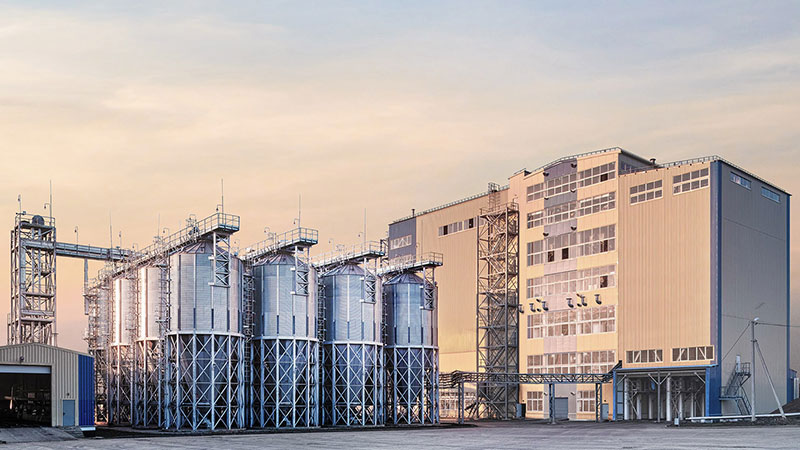
At RICHI, we go beyond project completion. With RICHI Servicee, we’re your dedicated partners in success. Count on us for expert guidance, minimal downtime, and optimized productivity. Choose RICHI for unmatched service and support.
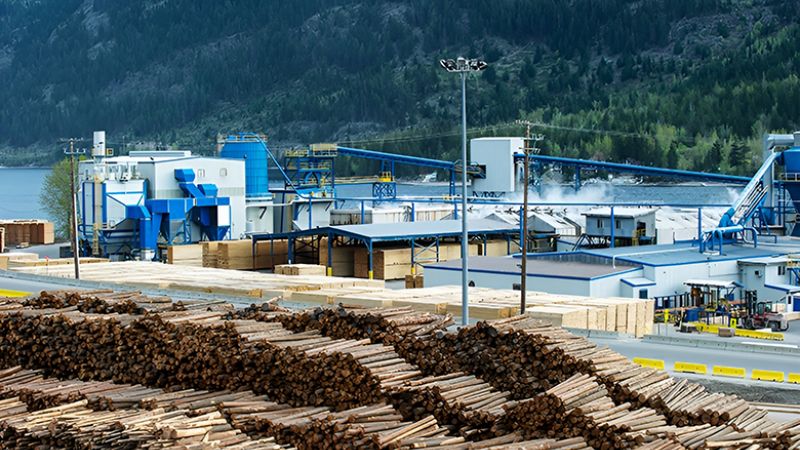


Meet global product demands and quality standards with industry-leading pellet plant design, engineering, equipment, and construction services for pellet processors.


Your Partner Beyond Project Completion
2000+ cases
RICHI is the leading designer, manufacturer and builder of pellet plants in the world, completing over 2000 projects in 140 countries across 6 continents.
Read More
Increase plant productivity, profitability, and safety by integrating high quality equipment into your pellet production line. Over the years, RICHI has become China's top pellet equipment manufacturer. At the same time, RICHI has established valuable partnerships with the world's leading component and raw material manufacturers to bring you the best there is in technology, automation, and efficiency in pelleting plant machinery.

For nearly 30 years, RICHI has been providing best-in-class pellet plant equipment and services to clients across a variety of industries, sizes, and needs. We pride ourselves on the knowledge and skill that each team member possesses – from our technical sales team to our process design engineers. You can count on RICHI Machinery to take your operation to the next level of innovation, quality, and success.
Need help with your pellet manufacturing plant project? Contact us today.
ANIMAL FEED
BIOMASS
WOOD
ORGANIC FERTILIZER
AQUA FEED
CAT LITTER
MUNICIPAL WASTE RECYCLING
SPECIAL PELLET PRODUCTION
RICHI Machinery continues to deliver world class pellet mill equipment, pellet plant engineering and project solutions that add value to our customers in the animal feed, wood waste, agriculture waste, organic fertilizer, cat litter and special pellet products industries. Throughout the years, we RICHI Machinery have built strong brand, becoming industry-leading pellet machine manufacturer. We value integrity, promise quality, and prioritize your success.
Learn MoreWith our expert team, we precisely implement your process engineering requirements in pellet mill and pelletizing plant systems. No matter which industry you’re in – we understand your needs and deliver solutions that meet the highest standards.
At RICHI, quality comes first. Our pellet making machine and related pellet line equipment undergo rigorous quality controls to ensure they meet the highest standards. Rely on products that are durable, safe, and efficient.
With decades of experience in pellet machine and pellet production line production, we have earned a reputation as a trusted partner in various industries. Our expertise allows us to cover a wide range of applications.
Not only do we offer premium pelleting equipment, but we are also experts at designing, building, installing, and maintaining facilities from the ground up. Our expertise is within pellt plant process design, discovering the most efficient, productive, and profitable way to handle your materials in an end-to-end cycle.
○ RICHI MACHINERY
Keeping in touch with us is an effective way to solve all your problems. If you have any needs or questions, please leave your contact information, then RICHI technical consultants will send design, quotation, videos to your mailbox. You can also contact us directly via WhatsApp: +86 13838389622
Copyright©2015-2026 by HENAN RICHI MACHINERY CO., LTD. All rights reserved.