Automatic packing machine turns 5–50 kg bagging into a controlled, repeatable process—from accurate weighing and filling to bag handling and sealing. Built for feed, biomass pellets, fertilizer, grain and other qualified bulk materials.
An automatic packing machine is only as effective as its match with the product being handled. RICHI selects the feeding and weighing arrangement according to flowability, bulk density and dust characteristics: material is metered to the target weight, discharged into the bag, then transferred for the specified closing process. Drawing on packaging experience within feed, biomass, fertilizer and other processing projects worldwide, we can supply the packing unit alone or engineer it as part of your production line.
○ RICHI MACHINERY
The right packing setup starts with the product, not the industry label. Particle form, flowability, bulk density, dust level, bag specification and required output all influence how an automatic packing machine should be configured. RICHI uses these conditions to match the packing method to the actual job.
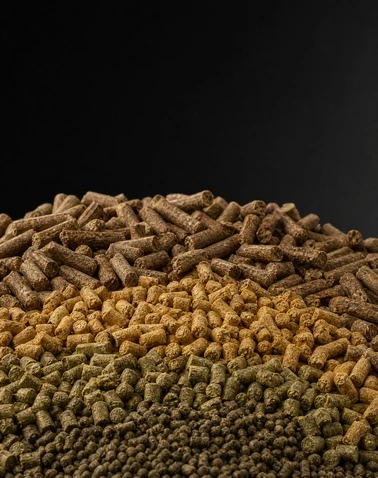
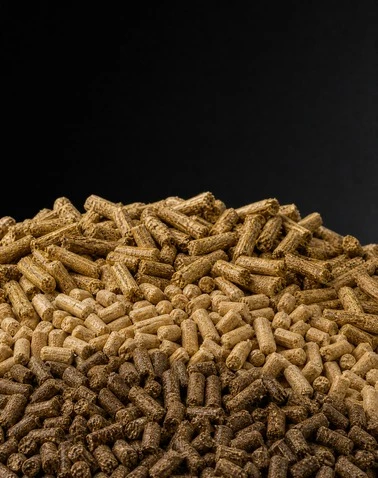
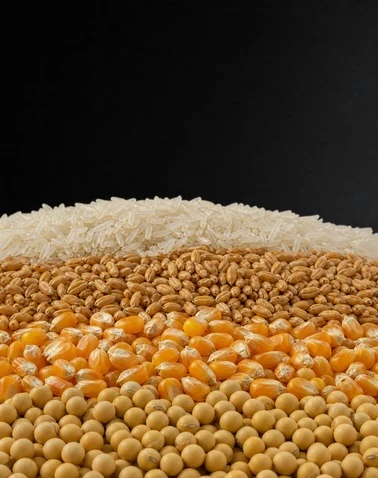
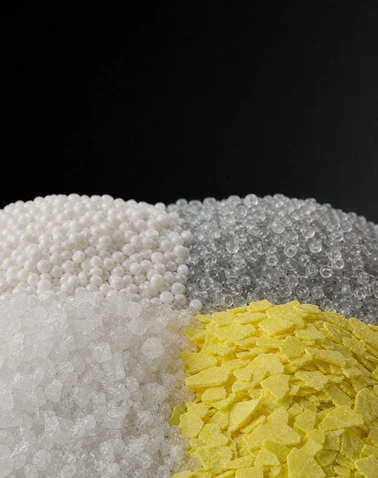
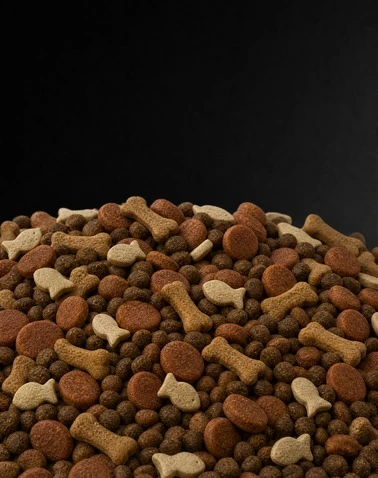
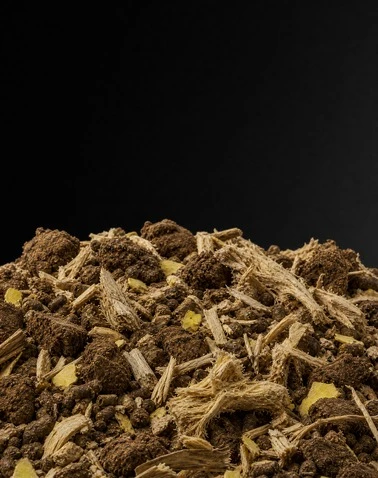
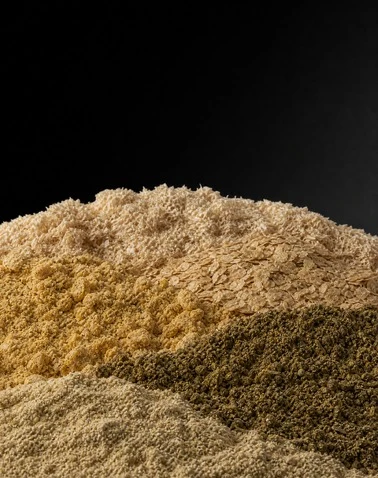
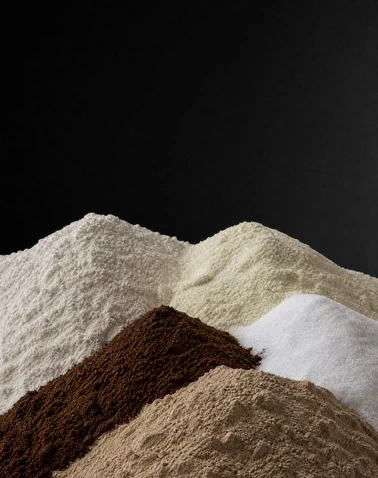
The DCS series covers free-flowing pellets and grains, powders, premixes, meals and other suitable bulk products. Typical materials include animal and aqua feed, biomass pellets, fertilizer, rice and grain, pet food, chemical powders or granules, plastic pellets, bran, soybean meal and similar products.
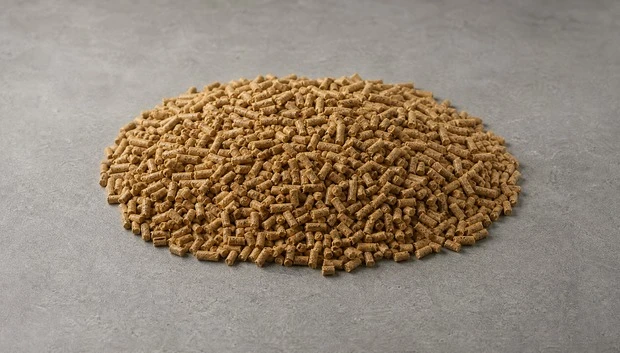
Animal Feed Products
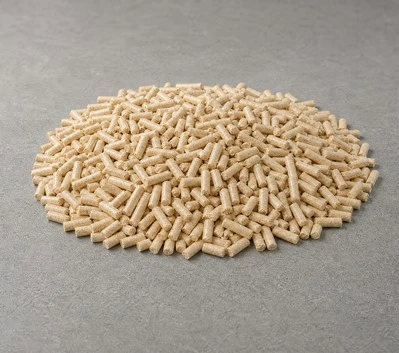
Biomass Pellets
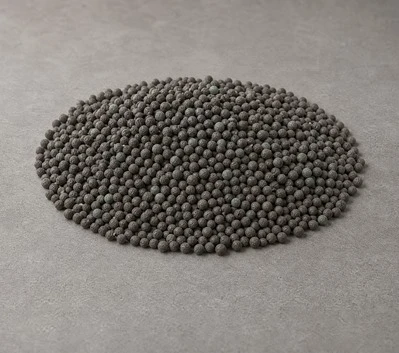
Fertilizer Products
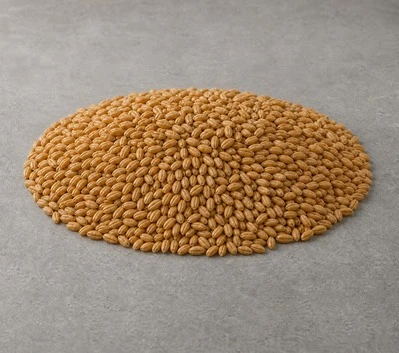
Grain & Cereal Products

Chemical Raw Materials
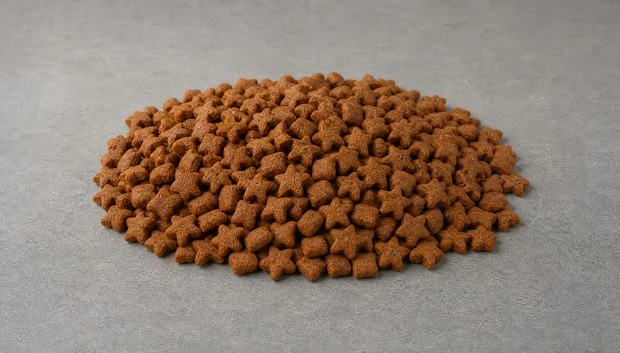
Pet Food Products
Our systems are intended for feed mills, biomass pellet plants, fertilizer producers, grain and seed processors, pet food factories, and suitable chemical or plastics operations that need repeatable 5–50 kg bagging before storage, distribution, wholesale or export.
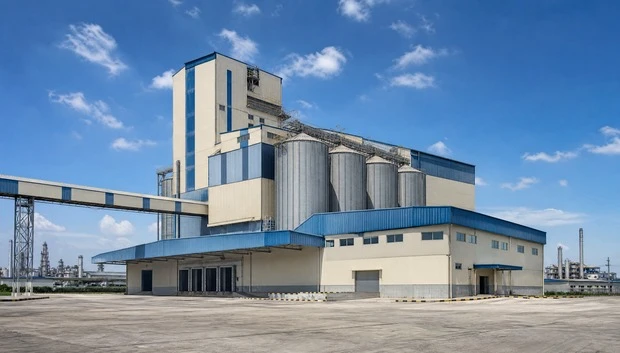
Animal Feed Processing Plants
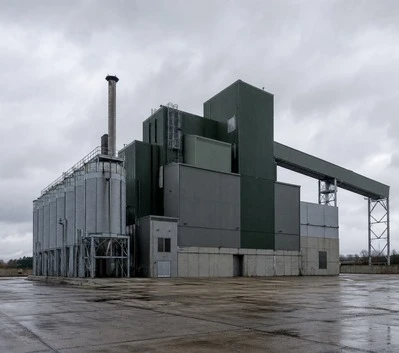
Biomass Pellet Production Plants
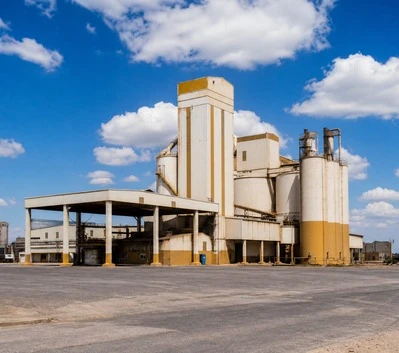
Fertilizer Production Plants
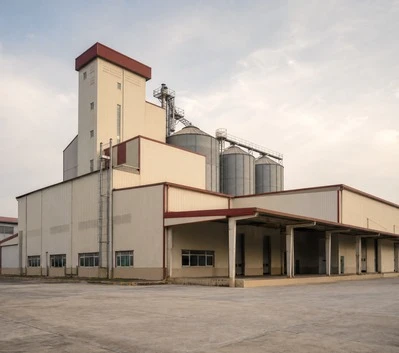
Grain & Cereal Processing Plants

Pet Food Production Plants
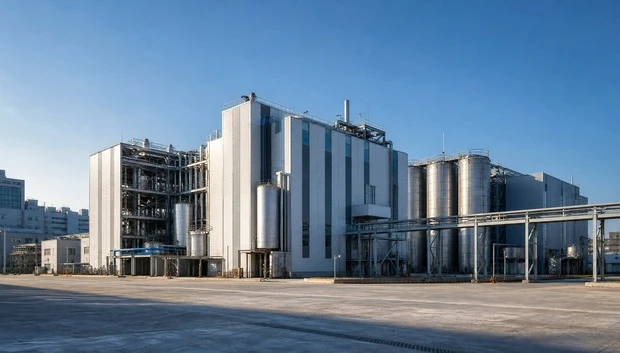
Chemical & Plastic Processing Plants
○ RICHI MACHINERY
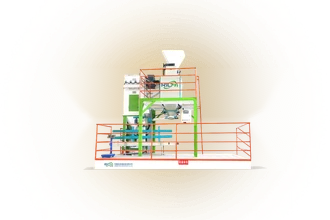
The weighing section combines a dedicated weighing hopper, load cells, and vibration-control design to reduce interference during measurement. This provides the mechanical basis for repeatable dosing, particularly when the machine operates continuously beside other production equipment.
Load cells continuously detect the material weight and send the measurement signal to the control system. The DCS series is specified at static accuracy of ±0.1% and dynamic accuracy of ±0.2%, with 10 g display resolution, providing clear feedback for weight setting and production monitoring.
Feeding, weighing, bag handling, material discharge, conveying, pneumatic actuation, and bag closing work as connected stages rather than isolated mechanisms. This coordinated arrangement allows the automatic packing machine to move each bag through the required sequence with fewer manual interventions.
The control section combines an intelligent weighing instrument with PLC program control. Operators can set target bag weight and manage the packaging sequence through the control system, while weighing signals and machine actions are coordinated to maintain an orderly operating cycle.
The feeding device is selected according to how the product behaves before weighing. Gravity feeding suits suitable free-flowing pellets, screw feeding provides controlled delivery of powders and premixes, while belt feeding can accommodate selected granular and powder products requiring a different feeding approach.
The closing section can be configured around the selected packaging material. Automatic sewing is commonly used for suitable woven bags; heat sealing serves compatible PE and plastic-based bags; combined closing arrangements can be engineered where the packaging specification requires more than one sealing process.
○ RICHI MACHINERY
Packing conditions change sharply from one finished product to another. These project videos show RICHI equipment installed in operating pellet and processing lines, giving buyers a direct look at how automatic packing is applied to products with different densities, sizes, flow characteristics, and handling requirements.
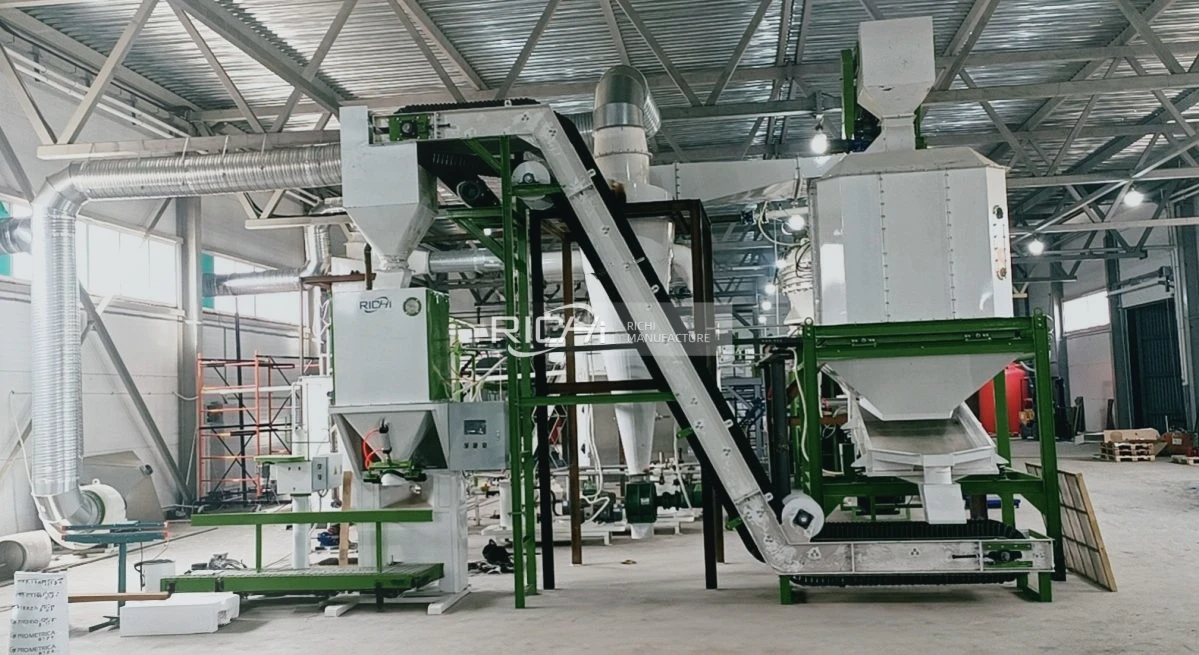
The Russian line packs extruded fish feed after production. Its packing section is matched to a finished pellet that requires controlled handling to limit unnecessary breakage.

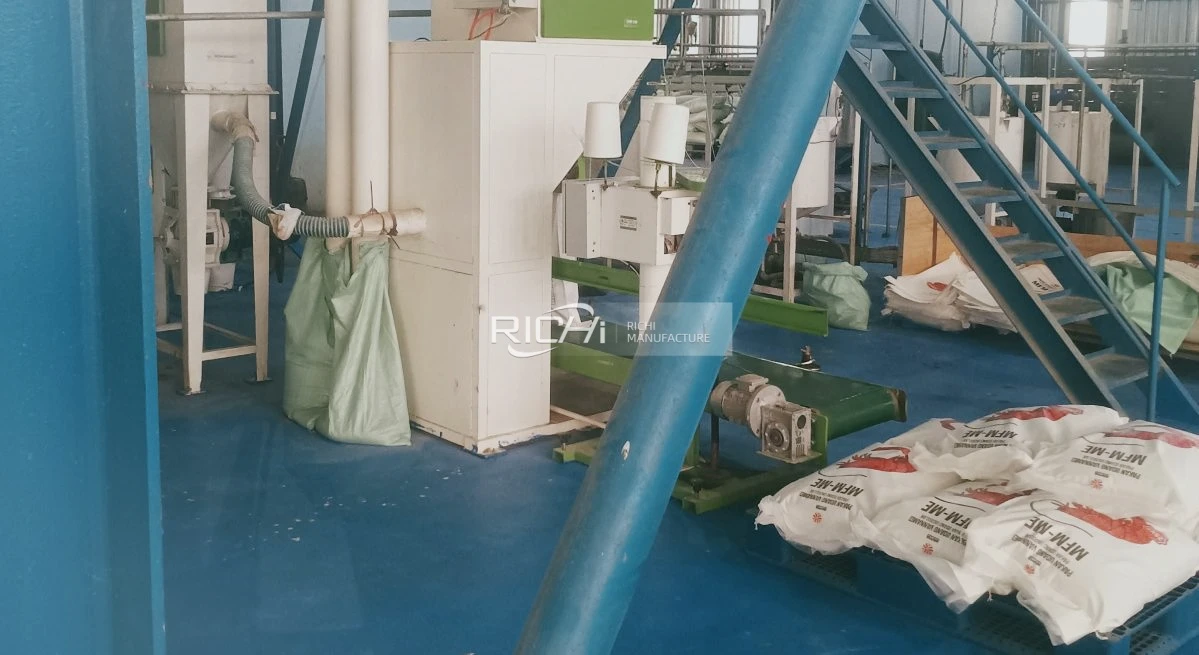
Part of an Indonesian shrimp feed line, the packing equipment handles finished aquafeed pellets at the final production stage before warehousing and market delivery.
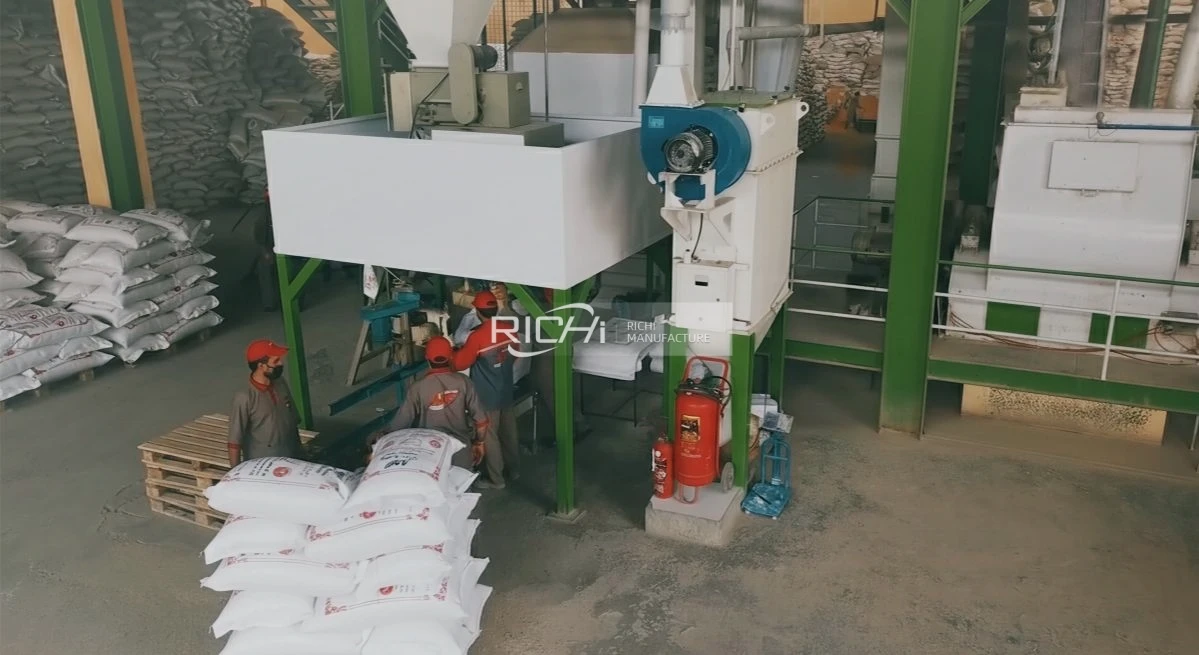
This Afghanistan poultry feed project handles both chicken feed pellets and mash feed, showing why the packing setup must account for products with different flow characteristics.
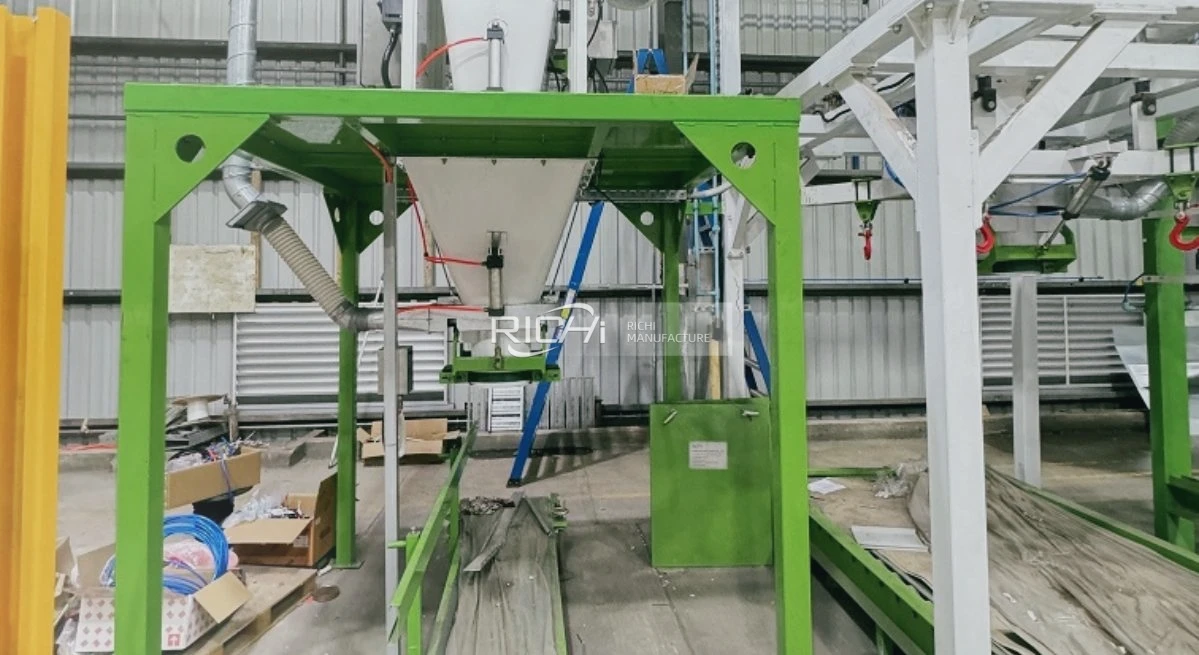
Built into an Australian rodenticide pellet line, the automatic packing machine handles finished pest-control products at the packing stage before storage and distribution.
This Malaysian project packs finished tofu cat litter granules. The video shows the packing section working with a lightweight, dust-sensitive pet litter product.
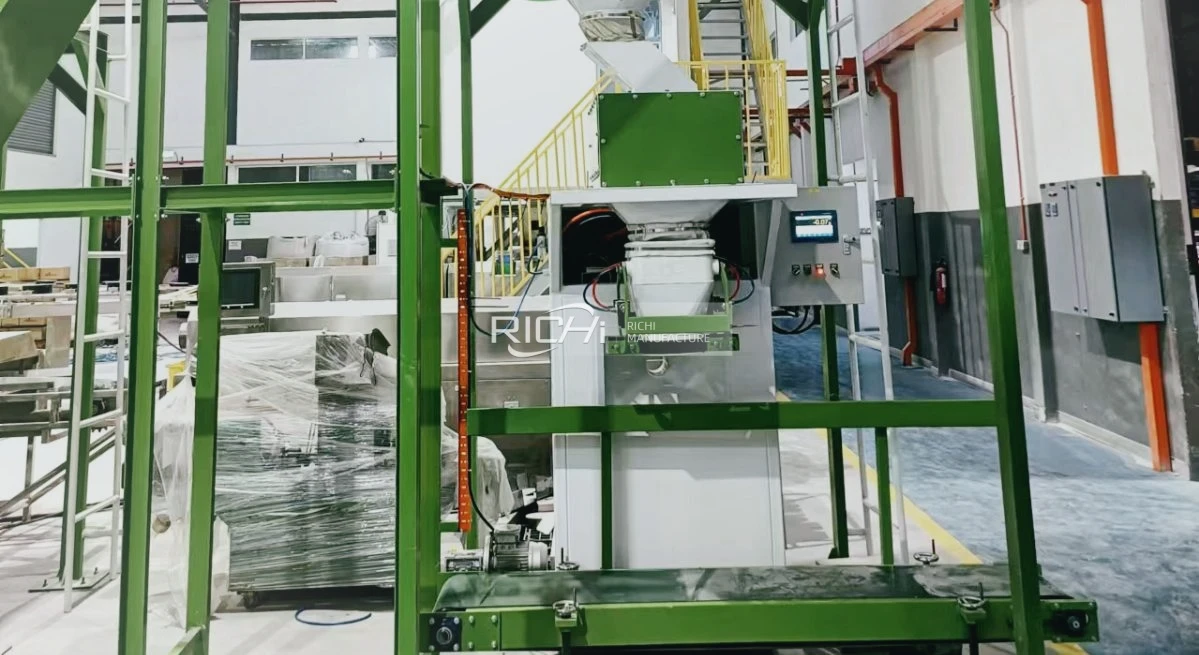
Installed after an Argentine alfalfa pellet line, the packing unit handles finished forage pellets for bagged storage, transport, and commercial distribution.
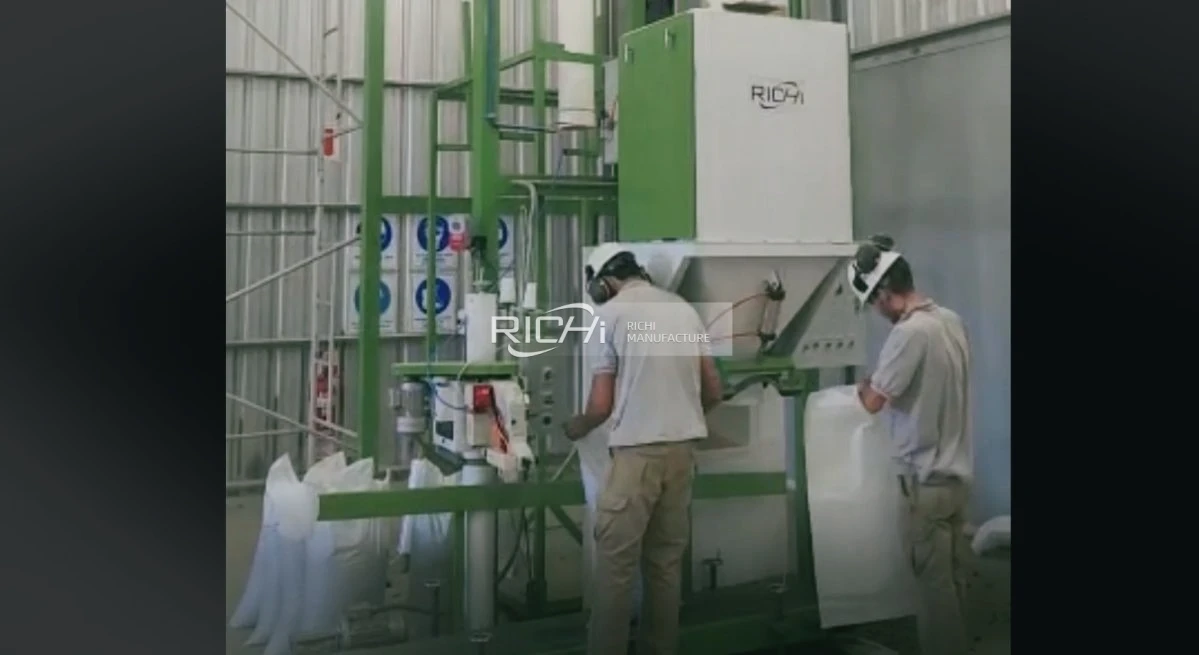
This Uganda feed project uses automatic bagging for finished livestock pellets, moving the product from bulk production into measured bags ready for handling and sale.
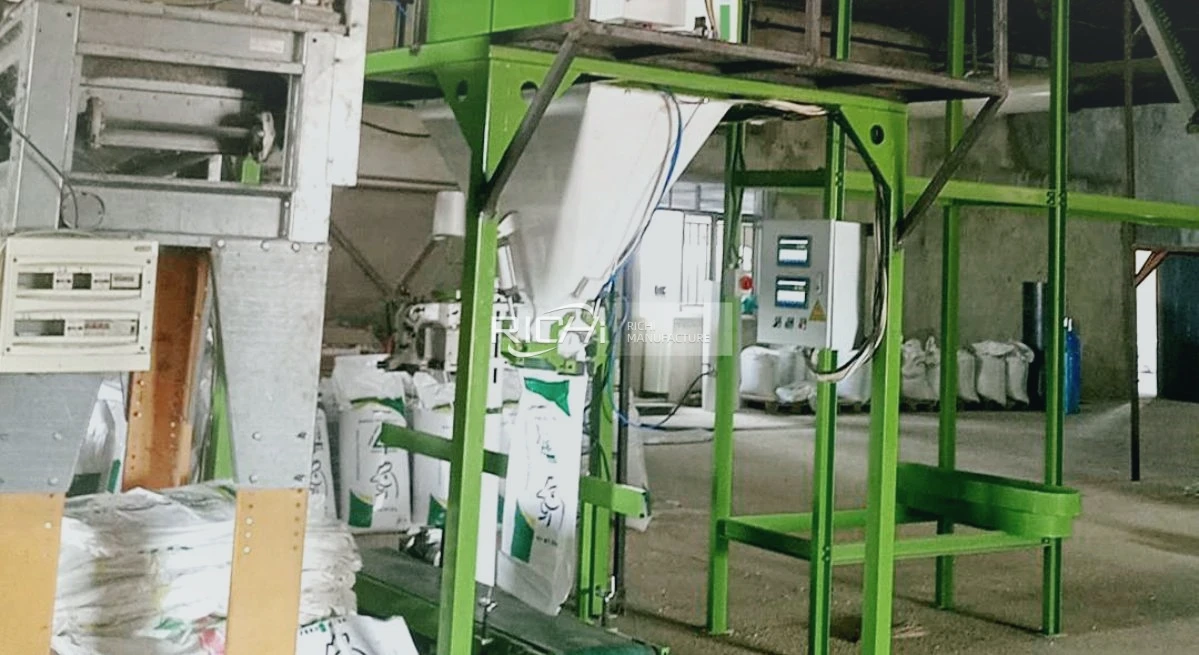
○ RICHI MACHINERY

Pellets, powders and premixes do not behave alike during packing. We assess bulk density, flowability, dust, fragility and bag weight first, then configure the machine around the product instead of forcing one standard setup onto every project.

A fast packer has little value if it starves for material or creates a downstream queue. We match bagging capacity with actual line output, bag weight and handling speed so the packing section works at the pace the plant requires.

Bagging should not undo the work completed upstream. For fragile feed or biomass pellets, dusty meal, premix and other products, the handling arrangement can be adapted to reduce unnecessary impact, spillage and product loss during packing.

Not every customer is building a new factory. RICHI can engineer the packing section around existing discharge heights, available floor space, conveyors and utilities, making an automatic packing machine practical for both new lines and equipment upgrades.

A packing station can be planned with future conveying, bag handling, dust collection and palletizing in mind. This gives growing plants a clearer route from a single packing unit toward a more integrated automatic packaging system.

RICHI works with the processes that produce the material before it reaches the bag. Experience across feed, biomass, fertilizer and specialty pellet lines helps our engineers consider the packing machine as the final production stage—not an isolated accessory.
The last few meters of a production line can determine whether finished product leaves the factory efficiently or becomes a bottleneck. RICHI approaches each automatic packing machine from the actual packing task—product behavior, bag specification, hourly output, upstream flow, and what must happen to the bag after filling.
○ RICHI MACHINERY
Choose the machine by what happens inside the bagging process—not simply by bag weight. RICHI’s DCS series uses gravity, screw, or belt feeding to suit different material behavior, with models rated from 2–3 to 10–12 bags/min. The automatic packing machine can also be configured around your product, bag type, closing method, and required packing output.
| Model | Application | Feeding Method | Packing Speed (bags/min) | Power (kW) | Packing Accuracy | Air Supply |
|---|---|---|---|---|---|---|
| DCS-50W | Pellets | Gravity Feeding | 2–3 | 0.55 + 0.37 | Static ±0.1%; Dynamic ±0.2% | 0.4–0.6 MPa, 1.5 m³/h |
| DCS-50K | Pellets | Gravity Feeding | 5–6 | 0.55 + 0.37 | Static ±0.1%; Dynamic ±0.2% | 0.4–0.6 MPa, 1.5 m³/h |
| DCS-50F | Powders | Screw Feeding | 6–8 | 1.5 + 0.55 + 0.37 | Static ±0.1%; Dynamic ±0.2% | 0.4–0.6 MPa, 1.5 m³/h |
| DCS-50P | Pellets & Powders | Belt Feeding | 6–8 | 1.5 + 0.55 + 0.37 | Static ±0.1%; Dynamic ±0.2% | 0.4–0.6 MPa, 1.5 m³/h |
| DCS-50P*2 | Pellets & Powders | Belt Feeding | 10–12 | 1.5 × 2 + 0.55 + 0.37 | Static ±0.1%; Dynamic ±0.2% | 0.4–0.6 MPa, 1.5 m³/h |
| DCS-50FB | Premixes | Screw Feeding | 6–8 | 1.5 + 0.55 + 0.37 | Static ±0.1%; Dynamic ±0.2% | 0.4–0.6 MPa, 1.5 m³/h |
○ RICHI MACHINERY
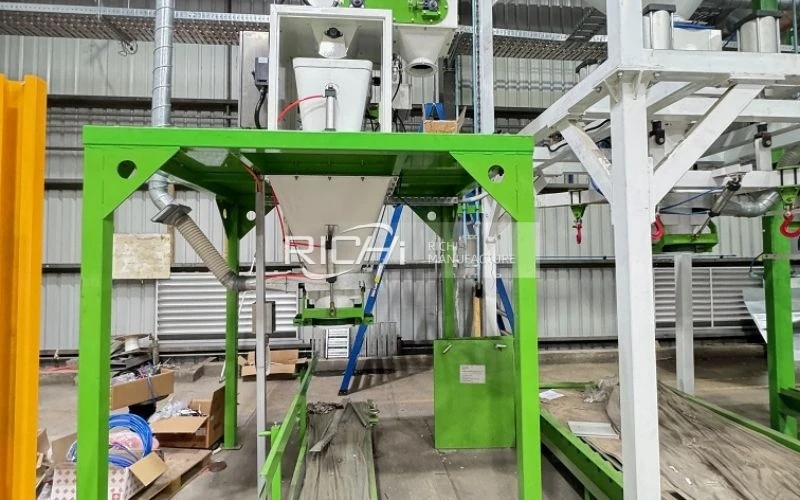
A commercial poultry feed producer uses the packing section for finished broiler pellets from a 10 t/h feed line. With 25 kg bags, the required flow is approximately 6.7 bags/min, making continuous bag handling important for daily dispatch.

“The packing section keeps pace with our feed production without making operators rush at the end of each batch. Changeovers and daily operation have also been straightforward for our team.”
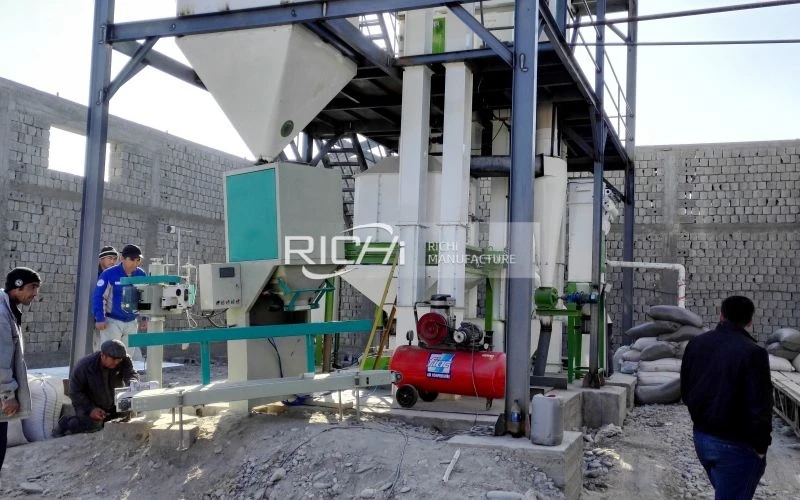
This compound feed project handles cattle and other livestock feed for regional farm customers. The automatic packing machine receives finished pellets for 40 kg bags, with the packing duty matched to an approximately 8 t/h production line.
“We needed the packing equipment to fit the output of the feed plant rather than become another bottleneck. The complete line works as one process, which was important for us.”
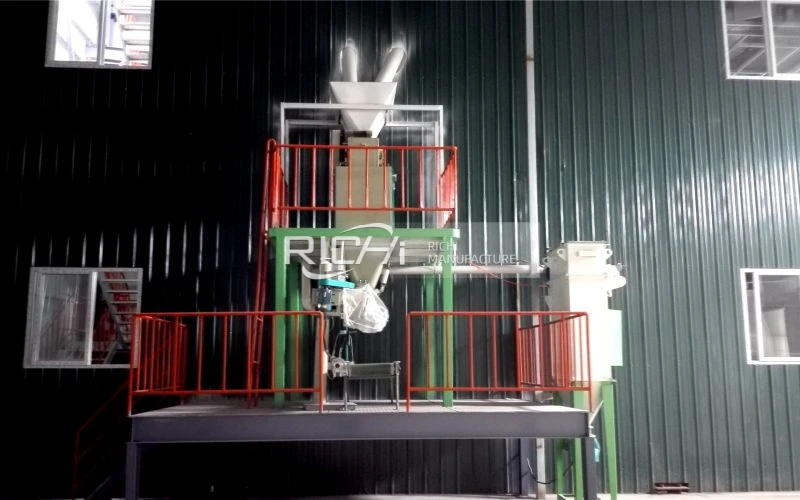
A feed producer added automatic bagging for compound dairy feed sold to commercial farms. The project uses 50 kg bags, a practical format for bulk feed distribution, with the packing section integrated directly after finished-product handling.
“Our main concern was reliable operation during long production shifts. RICHI considered the packing section together with the rest of the feed line, and that made commissioning much easier.”
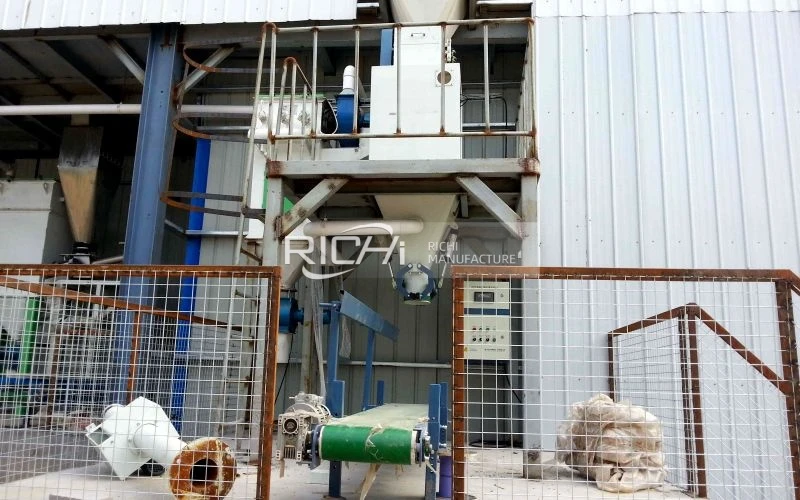
Fine shrimp feed pellets require more careful handling than ordinary livestock pellets. This Thai project packs the finished product in 20 kg bags, with the discharge and packing arrangement selected to limit unnecessary pellet damage and fines.
“The finished shrimp feed has to reach our customers in good condition, not just at the correct weight. The packing section handles the product much better than our previous manual process.”
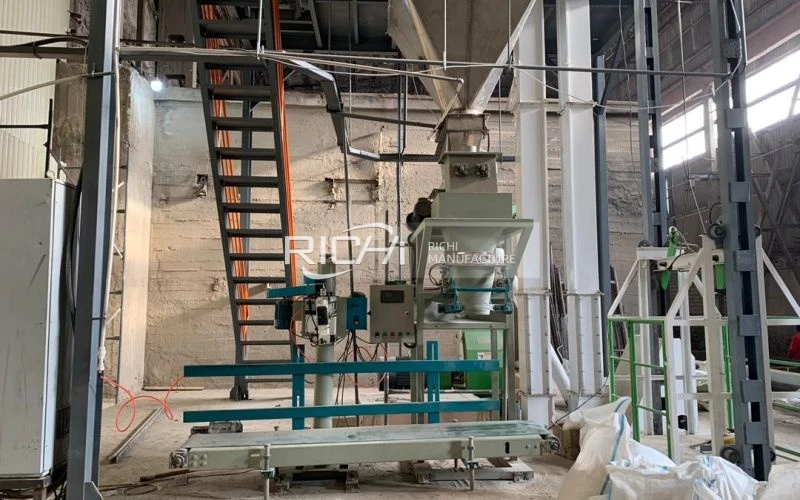
A South African livestock feed producer required bagged cattle pellets for dealers and farm customers. The packing section handles 50 kg bags from a medium-scale feed line, balancing practical bagging speed with the plant’s actual daily production.
“We did not want to oversize the packing equipment just to get a bigger number on the specification sheet. The system was selected around our real output and has been practical to operate.”
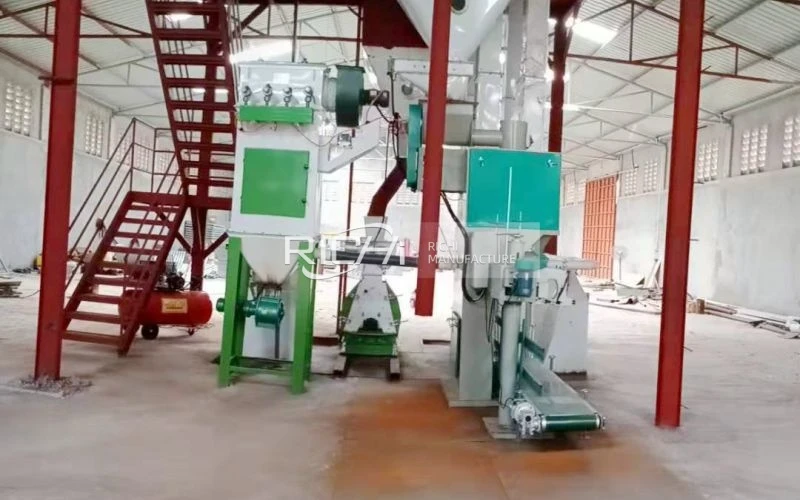
This poultry feed project supplies bagged feed to a growing local market. Finished chicken feed is packed mainly in 25 kg and 50 kg formats, giving the producer flexibility to serve different distributors and farm customers.
“Having two commercial bag sizes gives us more flexibility in the market. RICHI helped us consider that requirement when the packing section was planned.”
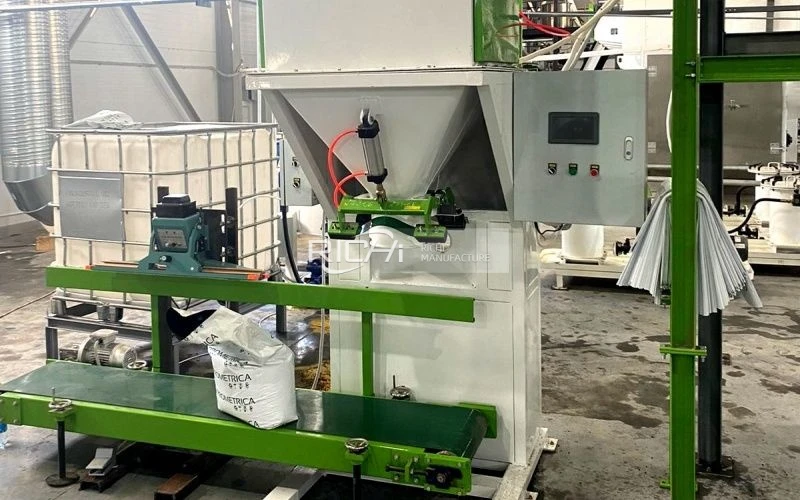
For this French feed project, finished dairy pellets move from production into closed bags for storage and distribution. The packing section was selected to support regular production while maintaining orderly material transfer at the end of the line.
“The equipment feels like part of the production line rather than an add-on installed afterward. That was one of the things we noticed once the complete system was running.”
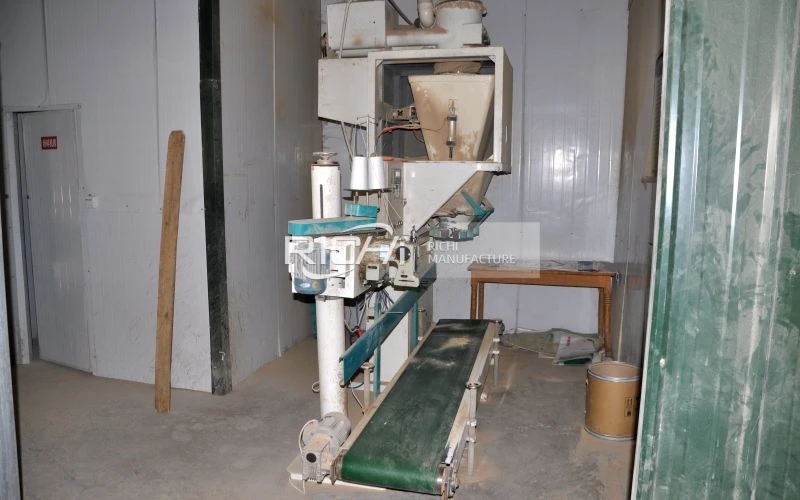
An Iraqi feed producer uses the equipment for commercial poultry feed supplied to local farms and distributors. The project handles high-volume bagged product, with 50 kg bags reducing the number of bags required per tonne of finished feed.
“We process a large amount of feed every working day, so the packing stage cannot slow production. The system has given us a much more organized finished-product section.”
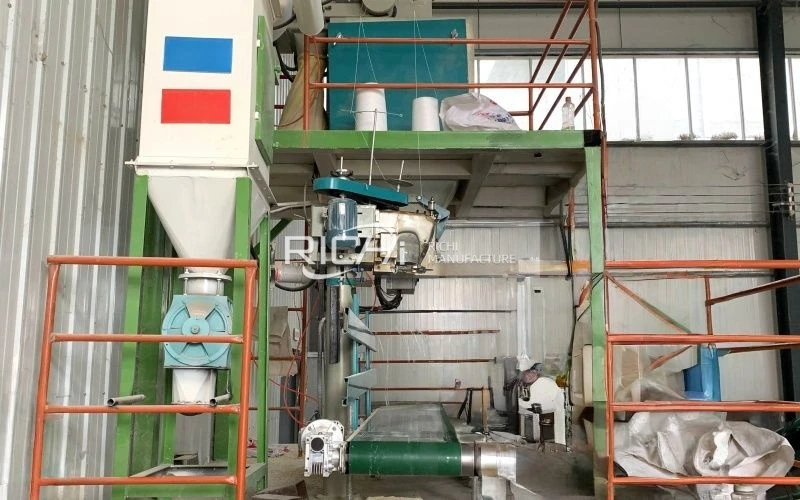
This livestock feed line produces bagged compound feed for cattle and mixed-farm customers. The automatic bag filling machine handles finished feed after cooling and screening, preparing it for warehouse storage and regional distribution.
“The packing process is now much more consistent from one production run to the next. We also appreciated having one supplier understand both the feed process and the final packing stage.”
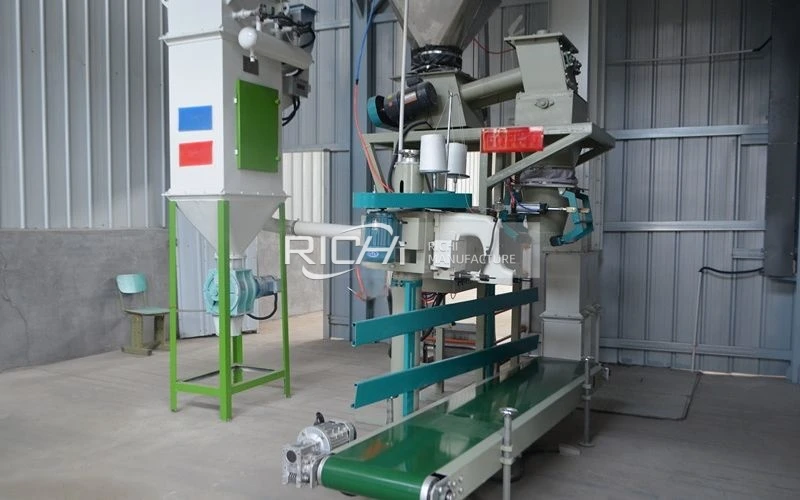
A Mexican compound feed producer packs finished pig feed pellets for commercial swine farms. At 25 kg per bag, an 8 t/h production rate requires roughly 5.3 bags/min, providing a useful basis for matching the bagging station to line output.
“The capacity calculation was clear from the beginning, so we knew why the proposed packing setup suited our line. That made equipment selection much easier for us.”
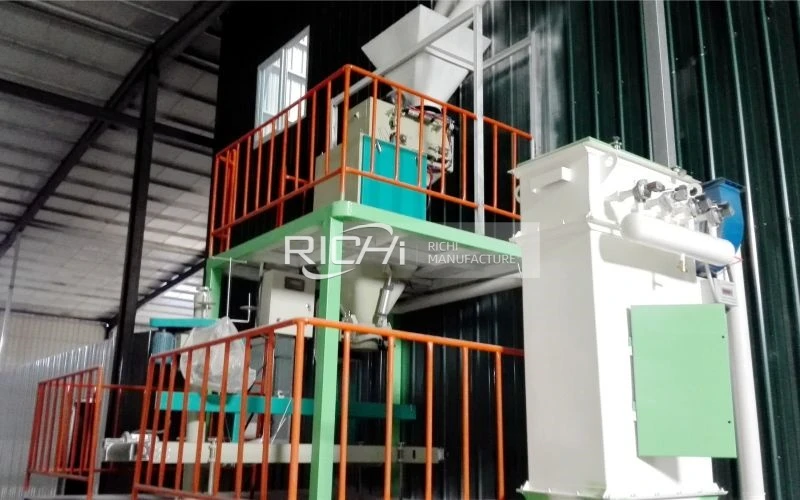
This aquafeed producer packs floating extruded fish feed for farm distribution. The product’s lower bulk density and susceptibility to breakage make controlled handling more important than simply maximizing the speed of the automated packaging machine.
“Our floating feed needs careful handling because too many broken pellets affect the finished product. The packing arrangement was clearly designed with that in mind.”
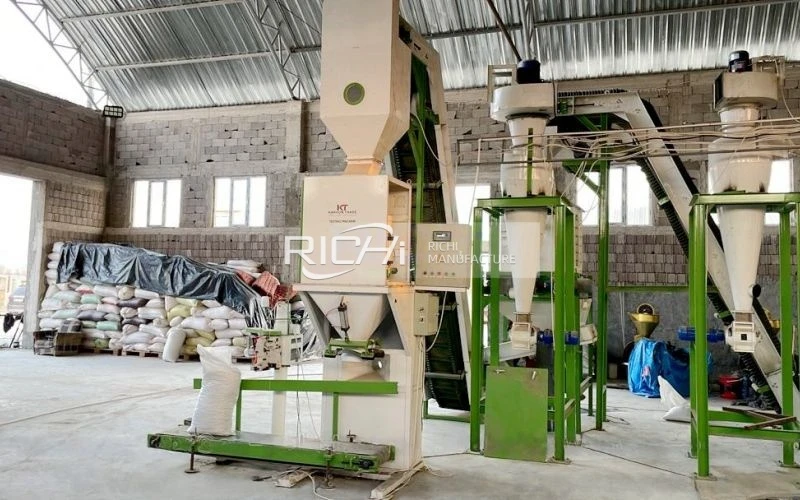
A cattle feed producer uses the packing unit for compound dairy feed distributed through dealers and farm networks. Both pellet and suitable meal products can be considered when the feeding configuration is selected around the finished feed form.
“We wanted equipment that matched the products we actually manufacture rather than a generic packing machine. The technical discussions before production were useful and specific.”
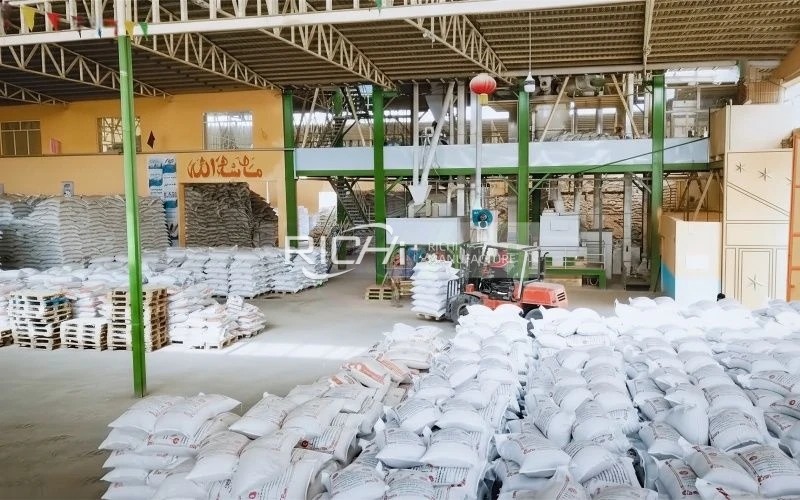
This project packs finished ruminant feed for cattle, sheep and camel feeding applications. Larger commercial bags suit bulk farm use, while the packing section is sized around the production line rather than retail-style small packs.
“Our business is focused on farm-scale feed supply, so we needed industrial bagging rather than small retail packaging. RICHI understood that distinction from the start.”
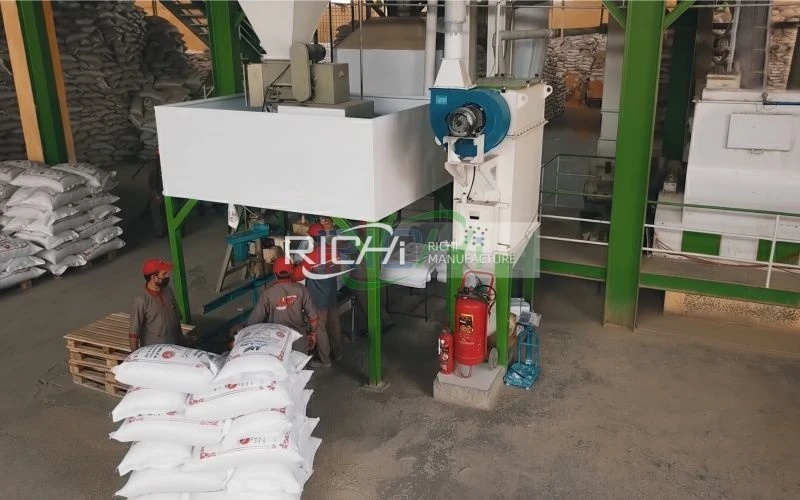
An Egyptian aquafeed project uses automatic weighing and bagging for finished fish feed pellets. The equipment works at the final stage after product cooling and screening, preparing uniform commercial bags for farms and distributors.
“Fish feed quality was already our priority upstream, and we wanted the same attention at packing. The completed section gives us a cleaner and more controlled dispatch process.”
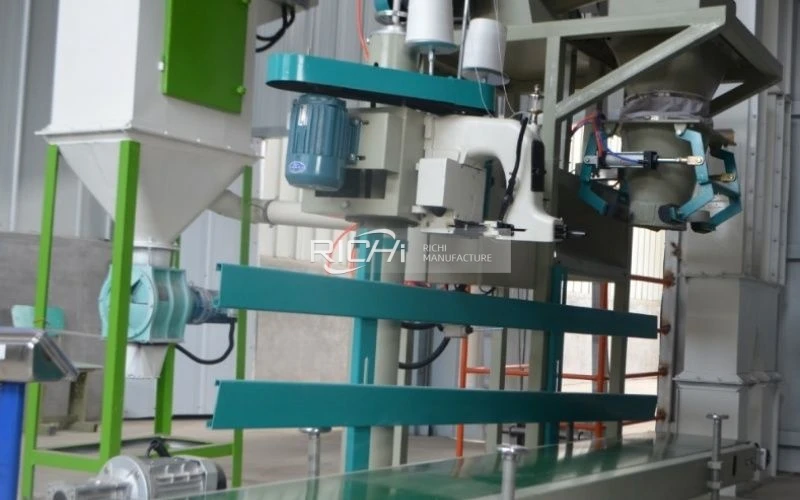
A poultry feed mill uses automatic bagging to handle broiler feed for commercial farm customers. The packing duty is based on daily tonnage and selected bag weight, allowing the machine to operate in step with the feed production schedule.
“Our previous packing arrangement required too much attention from operators during busy production periods. The new setup has made the end of the line easier to manage.”
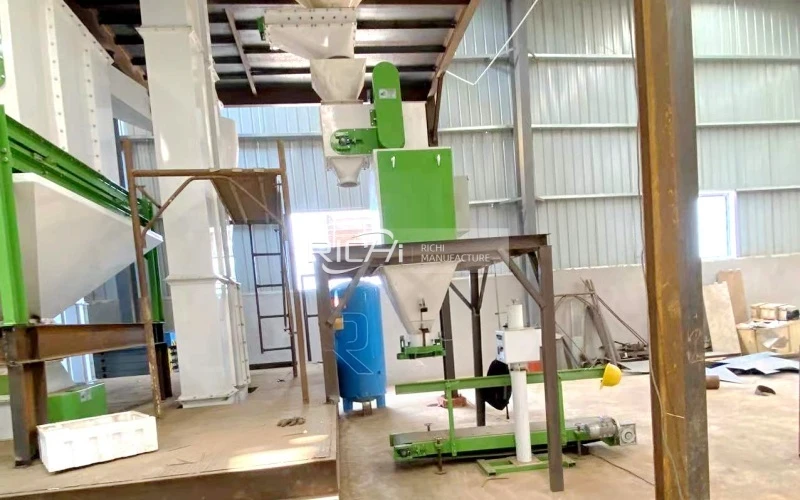
This Romanian biomass producer packs finished fuel pellets for commercial distribution. The system handles dense wood pellets after cooling and screening, with bagging capacity selected according to production output and the required sales format.
“The machine was integrated with the pellet line instead of being treated as a separate purchase. Material transfer into the packing section has been stable and easy for our operators to follow.”
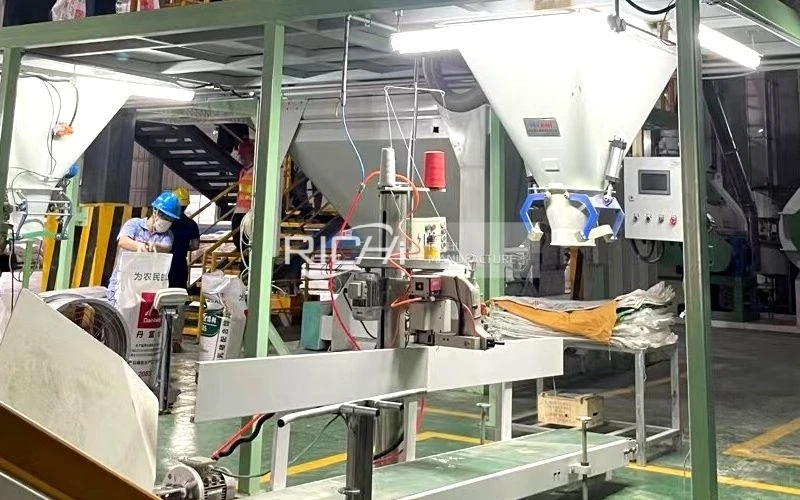
An Argentine forage processor uses automatic bagging for finished alfalfa pellets intended for livestock feeding. The packing section follows pellet cooling and screening, preparing the product for storage, transport and commercial sale.
“We needed bags that were consistent and easy to handle in the warehouse. The packing equipment has made the final stage of our alfalfa pellet operation much more organized.”
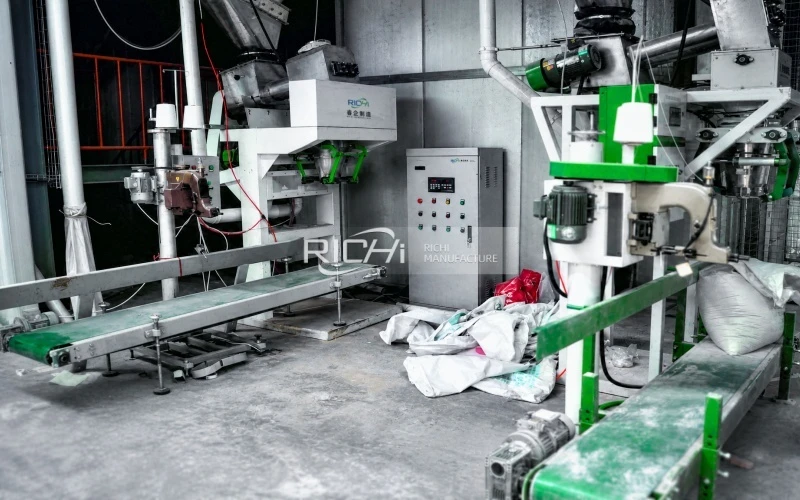
A wood-processing project converts residues into fuel pellets and packs the finished product for distribution. The packing unit is matched to the pellet line output so product does not accumulate unnecessarily between production and bagging.
“RICHI considered the packing capacity together with the pellet plant capacity. That sounds simple, but it made a noticeable difference once we began continuous production.”
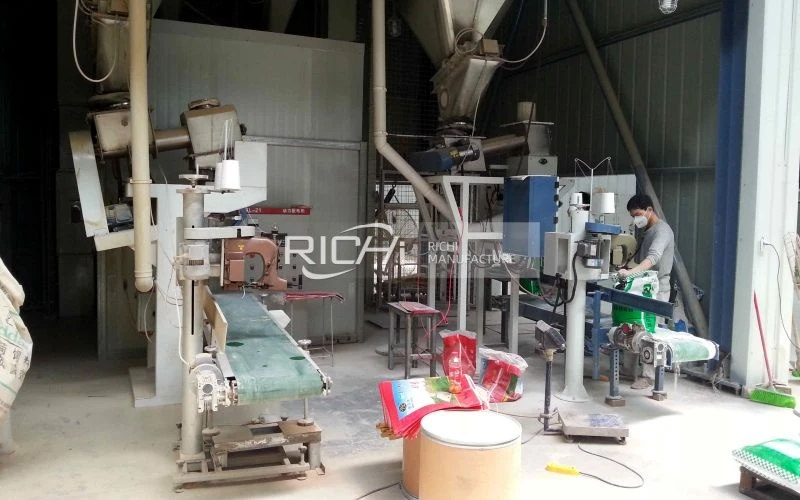
This pet-products project packs tofu cat litter granules after cooling and screening. Because the product is lighter and more fragile than many industrial pellets, the packing arrangement must consider bulk density, dust and granule integrity.
“We were concerned about broken litter and dust during final handling. The packing section is much better suited to the product than using a general-purpose manual arrangement.”
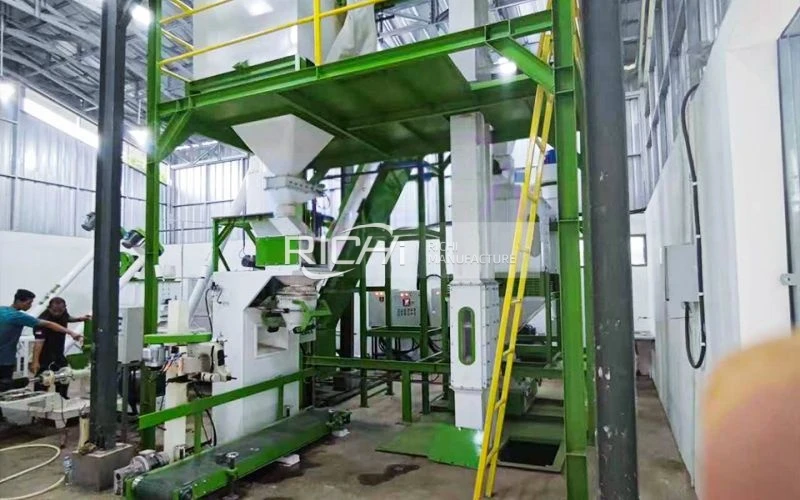
An Indonesian biomass project uses the automatic packing machine for finished agricultural and woody biomass pellets. Bagging follows cooling and screening, giving the producer a consistent format for warehousing and commercial shipment.
“Our plant needs to move finished pellets out efficiently during continuous production. The packing section has made material handling from the line to the warehouse much smoother.”
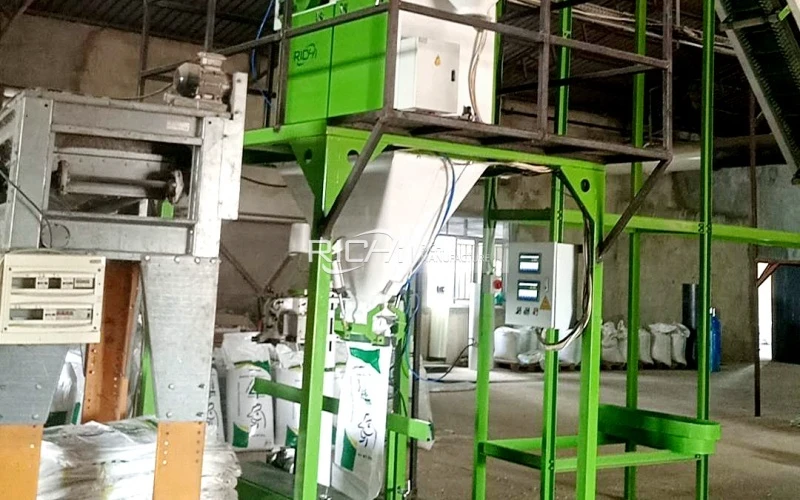
A Colombian biomass processor turns coffee-processing residues into fuel pellets and packs the finished product for sale. The bagging equipment handles the pelletized product rather than loose coffee husk, providing controlled weighing at the end of the line.
“The project gave us a practical route from an agricultural residue to a bagged commercial fuel. The packing stage fits naturally with the rest of the pellet process.”
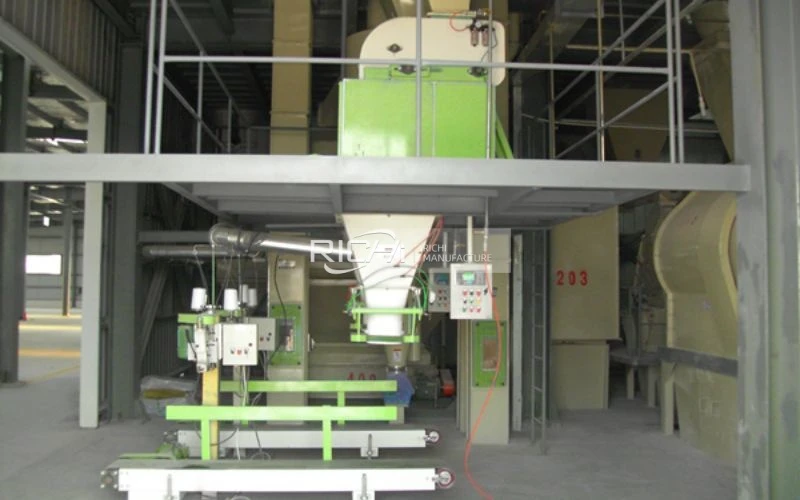
This project packs finished biomass pellets produced from locally available wood-processing residues. The packing section is configured for the pellet product and required bag format, supporting easier storage and regional distribution.
“We wanted a straightforward system that our operators could understand and maintain. The equipment layout and training made the transition into production easier than expected.”
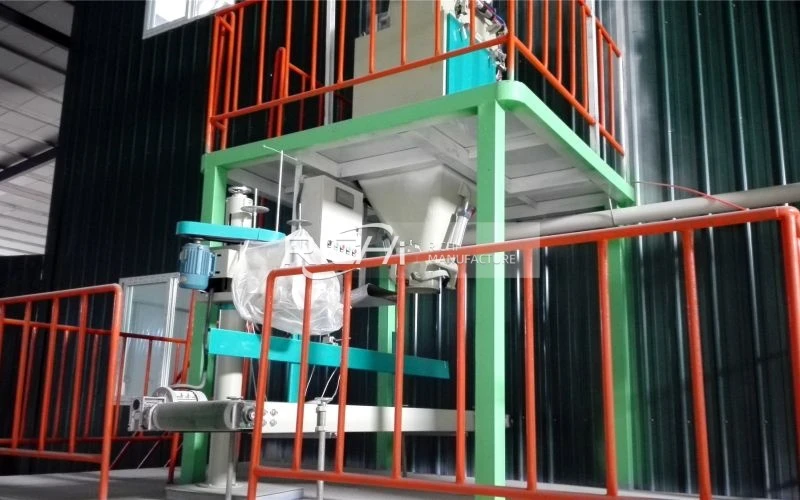
A fertilizer producer packs screened organic fertilizer granules for agricultural distribution. Unlike dusty fertilizer powder, the product can be handled with a packing configuration selected for its particle form and flow characteristics.
“We discussed the finished fertilizer before the machine was selected, which gave us confidence in the proposal. The packing stage now fits the way we actually sell the product.”
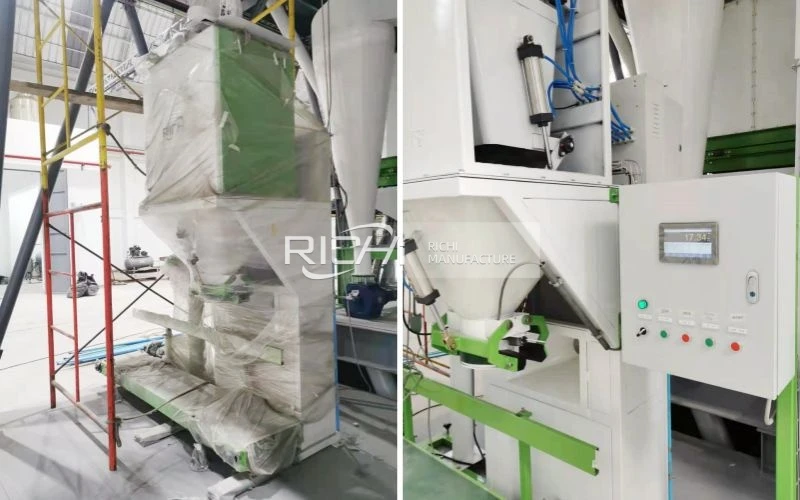
This organic fertilizer project converts poultry manure-based material into marketable granules before packing. Finished fertilizer is weighed into commercial bags for storage, dealer distribution and agricultural use.
“Our old process required too much manual handling after granulation. Integrating packing into the fertilizer line has given us a much clearer workflow from finished granules to warehouse.”
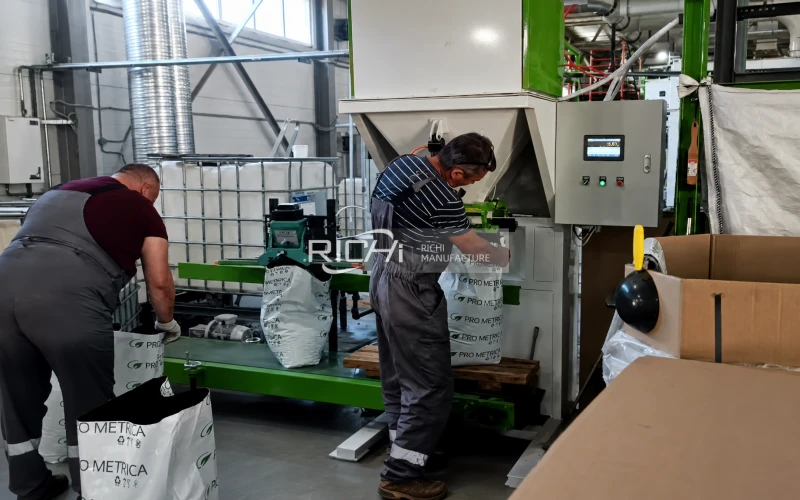
A Kazakhstan biomass project packs straw pellets produced from agricultural residues. Finished pellets are handled after cooling and screening, with the packing rate coordinated with the upstream pellet output and selected bag size.
“We needed equipment suited to an agricultural biomass product, not just a generic bag filler. RICHI understood the pellet process and how the packing section needed to connect.”
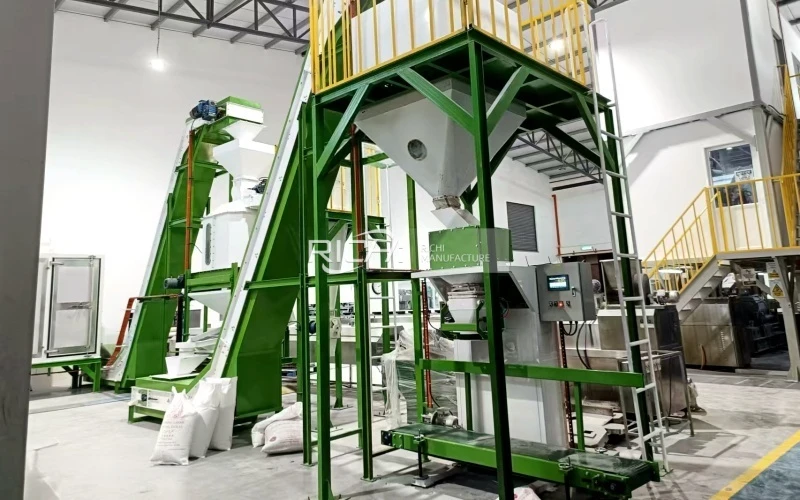
This specialty pellet project uses automatic packing for finished rodenticide and pest-control products. The packing arrangement is specified around the actual product and project safety requirements rather than treated like ordinary feed bagging.
“This was not a standard feed application, so technical communication mattered to us. RICHI took the product requirements seriously and worked through the packing stage with our team.”
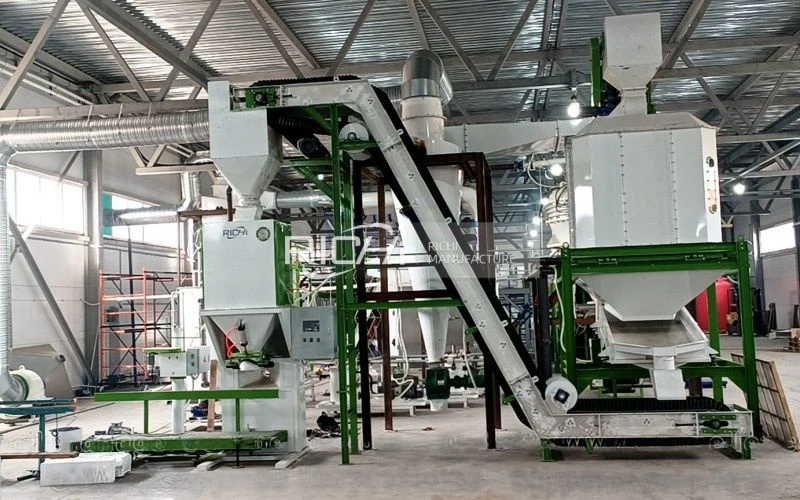
A pet food producer uses automated bag filling for finished dry pet food intended for commercial distribution. Product-contact requirements, kibble integrity and the selected bag specification are considered when configuring the packing section.
“We wanted the finished pet food to be handled as carefully at packing as it is during production. The system gives us a much more controlled final stage before warehousing.”
○ RICHI MACHINERY
Once production reaches the packing stage, the job is no longer limited to filling a bag. A complete automatic packing system can bring together product buffering and transfer, weighing, bag handling, closing, conveying, dust collection, inspection, and bulk bag weighing in one coordinated end-of-line section. RICHI designs these systems as standalone packing modules or as extensions of existing plants. The layout and automation level are worked out from product behavior, bag weight and material, closing method, required bags per minute, bulk bag requirements, available space, and the interfaces already present in your factory.
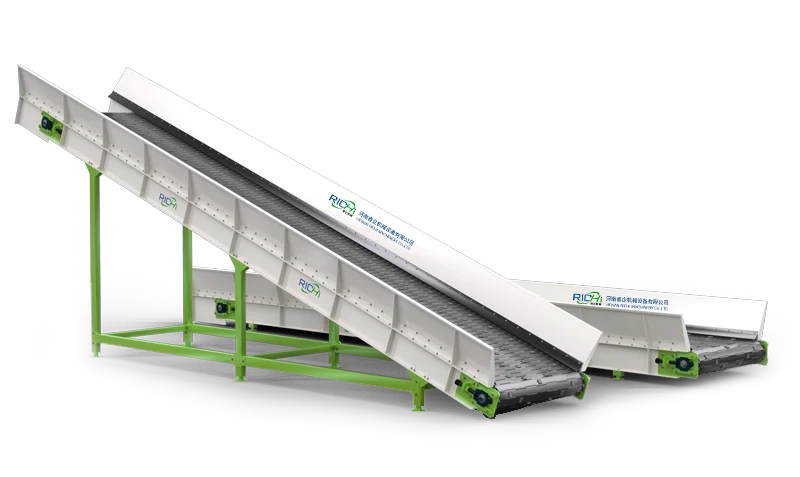
Belt, screw and other suitable conveyors move bulk product or filled bags between storage, packing and downstream handling stages.
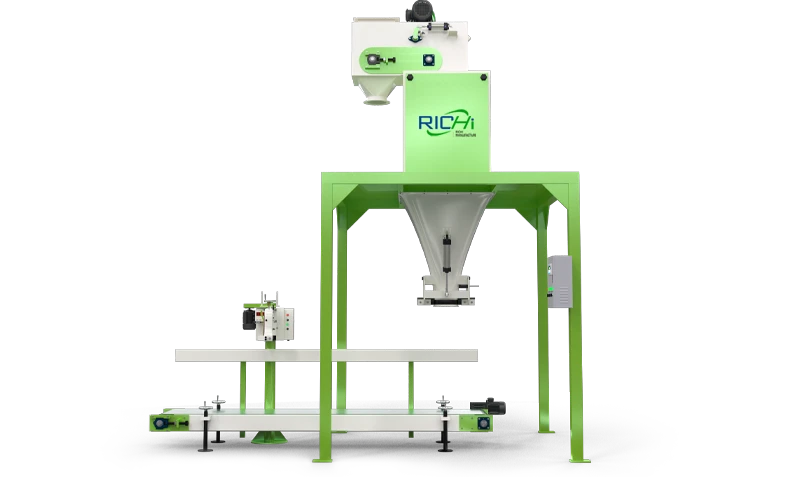
For customers who also handle large-volume packaging, a ton bag weighing system can be configured alongside the standard bagging section. It weighs and fills bulk bags according to the required package weight, product flow characteristics and handling method, giving the plant a separate packing route for bulk orders.
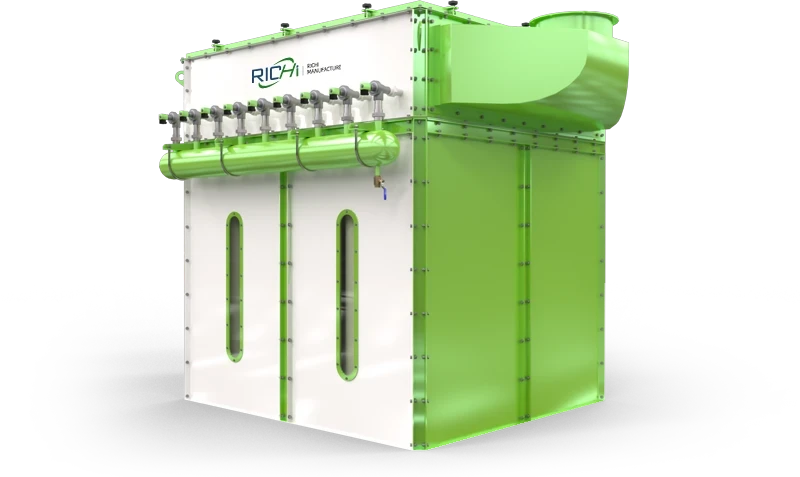
Extraction hoods, ducting and filtration can control dust released at filling and transfer points when the packed product requires it.
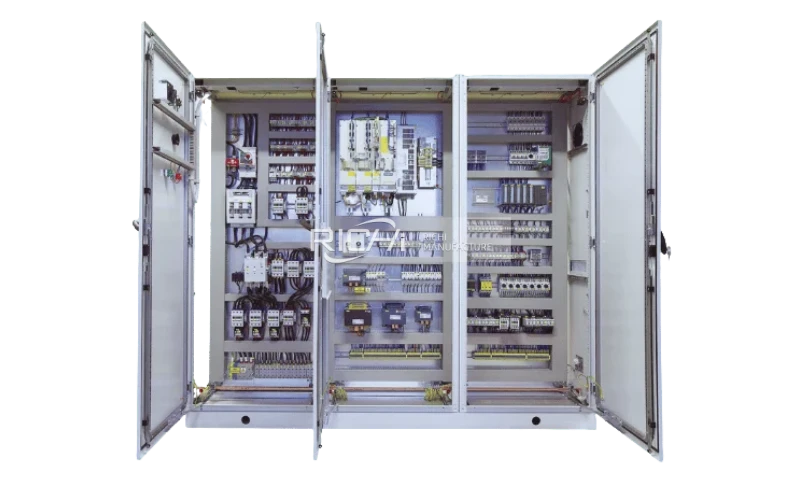
Coordinates connected packing-line equipment, operating sequences, interlocks and status signals from one integrated control architecture.
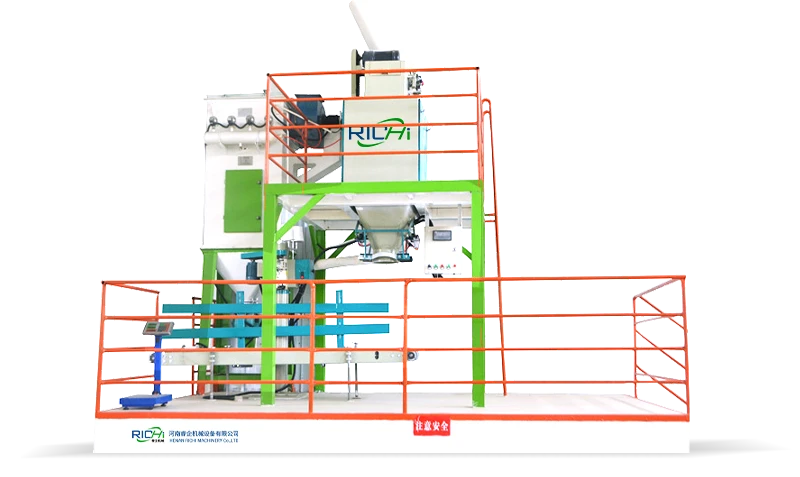
The automatic packing machine sits at the point where bulk production becomes a saleable bagged product. Its capacity cannot be considered alone: upstream product supply must keep it fed, while weighing, closing, conveying and bulk-bag handling must match the plant's required packing schedule. RICHI engineers these interfaces together so the packing section is sized as one working process rather than several independently purchased machines.
Design My Automatic Packing System○ RICHI MACHINERY
RICHI automatic packing systems are configured around the flowability, particle size, density, shape, and packaging requirements of different products. From feed pellets and biomass fuel to fertilizers, grains, powders, pet food, and irregular fibrous materials, we combine weighing, bagging, sealing, conveying, and related equipment into complete automated packaging solutions.
Poultry, livestock, aquatic, and other feed products in pellet or powder form can be automatically weighed, bagged, and sealed. The system is configured according to feed density, particle size, flowability, and target bag weight for stable packaging after feed production.
Resin pellets, plastic granules, crystals, powders, and other suitable chemical products can be automatically weighed and bagged. RICHI considers product flowability, bulk density, particle characteristics, dust generation, and material compatibility when configuring the system.
Fibrous biomass, chopped plant residues, lightweight fibers, and other irregular materials can be packed with customized feeding equipment. RICHI designs the system around bulk density, bridging tendency, material shape, and flowability to maintain stable bag filling.
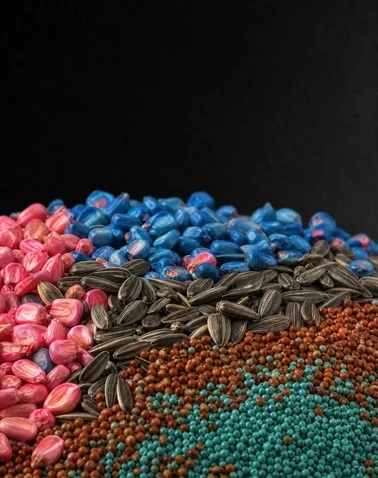
Agricultural seeds, treated seeds, granular agrochemicals, and suitable powdered products can be automatically weighed and packed. RICHI configures feeding, weighing, and bagging equipment according to product characteristics, formulation, bag specification, and handling requirements.
○ RICHI MACHINERY
As a practical planning reference, an industrial 5–50 kg automatic packing machine can typically be budgeted at approximately USD 5,000–30,000 for the main weighing and bagging equipment, while a more complete automatic packaging system can reach roughly USD 30,000–150,000+ as automation and auxiliary equipment increase. The final automatic packing machine price depends on weighing capacity, bags/min, feeding method, bag type, sealing or sewing equipment, material-contact construction and system scope.
At 10 t/h, you need approximately 16.7 bags/min at 10 kg, 6.7 bags/min at 25 kg, or 3.3 bags/min at 50 kg. An automatic weighing and packing machine should be selected above the calculated sustained demand rather than exactly on it, leaving operating margin for product-flow variation and bag handling.
Yes. The RICHI DCS range can be configured around an adjustable 10–50 kg/bag working range, so one automatic bag filling machine can serve both sizes when the required bags/min remain within the selected model's capability. Remember that 25 kg bags require twice as many filling cycles as 50 kg bags at the same t/h.
A 100 g giveaway equals 0.4% of a 25 kg bag. At 10,000 bags, that becomes approximately 1 tonne of additional product. For this reason, the performance of an automatic weighing packing machine affects product giveaway as well as labor efficiency; feeding cut-off, calibration, vibration and product flow should all be checked when overweight bags become systematic.
As a mathematical reference, ±0.2% corresponds to approximately ±50 g at 25 kg and ±100 g at 50 kg. The figure should be treated as the specified reference for the weighing and filling machine rather than a guarantee independent of product flow, installation, vibration and operating conditions.
No. Bridging is normally a feeding problem rather than a lack of nominal packing capacity. For cohesive mash, an automatic powder packing machine needs a feeding arrangement suited to its flowability, moisture and bulk density; simply installing a faster auto packing machine may make weight stability worse.
Yes, provided the feeding and weighing arrangement is selected for both products. Pellets usually flow more freely, while mash can produce more dust and less stable dosing. An automatic bag packing machine used for both should therefore be configured around the more difficult regular product, not only the easiest pellet.
Usually not. Low-density floating feed occupies more volume per kilogram, so the bag or filling volume can become the limit before weighing capacity does. Give us the product bulk density as well as kg/bag when selecting an automated bag filling machine for floating aquafeed.
Reduce unnecessary drop height and hard impact points throughout the packing route. Pellet breakage can occur between the finished-product bin, weighing packaging machine, filling spout, conveyor and bag handling stages, so RICHI evaluates the transfer path rather than treating the automatic packing machine as an isolated unit.
Choose product-contact geometry and feeding equipment that can be accessed and cleaned effectively, then establish an appropriate production sequence. For premix, an automated packing machine must be considered together with residue in the feeder, weighing hopper and discharge path, especially where cross-contamination limits are strict.
No. A machine specified for 10–50 kg bags should not be sold as the correct solution for regular 5 kg retail packages. A small automatic pouch packing machine or another dedicated small-package system should be evaluated instead; forcing a 10–50 kg industrial bagger outside its intended range is not good engineering.
No. An automatic pouch packing machine commonly refers to equipment for smaller pre-made or formed packages, while the RICHI DCS equipment discussed here is an industrial automatic bagging and sealing machine solution centered on approximately 10–50 kg weighing and filling duties. The two should not be compared from the word “automatic” alone.
No. An automatic sachet packing machine is intended for much smaller package formats and is a different equipment category. For 25 kg feed, grain, fertilizer or pellet products, an industrial automatic weighing and packing machine is the appropriate type to evaluate.
Compare the usable weight range, actual bags/min, weighing accuracy reference, feeder type, product-contact material, closing equipment, electrical components, controls and after-sales support. An automatic packing machine low price offer can become expensive if the machine cannot maintain output or requires major modification to fit the production line.
A 10–50 kg automatic bag filling machine with a feeding and weighing arrangement suitable for free-flowing grain is the relevant equipment category. When comparing automatic rice packing machine price, also compare bags/min, weighing requirements, sewing arrangement and the conveyors needed before and after filling.
Woven polypropylene bags are commonly sewn when their construction is designed for sewing. An automatic bag sealing machine using heat is more appropriate for compatible thermoplastic structures. Laminated or lined woven bags should be checked from an actual sample because bag material and mouth construction determine the correct closing method.
It can be engineered for both, but the closing section must be planned for the two bag structures. A combined weighing and sealing machine may require different bag-mouth handling and separate sewing/heat-sealing functions rather than one closing device being expected to handle every bag.
It can. Bags with the same nominal capacity can differ in width, length, stiffness, liner arrangement and mouth construction. Send representative production samples from each regular supplier before the automatic filling and sealing machine or closing section is finalized.
Yes, and for non-standard bags we recommend it. Send representative bags together with target kg/bag, dimensions, construction and closing method. Actual samples allow RICHI to check the interface instead of configuring an automatic packaging machine only from a nominal bag size.
Design the packing section around the confirmed expansion if the 12 t/h upgrade is already planned. At 12 t/h, a 50 kg package requires about 4 bags/min, while a 25 kg package requires about 8 bags/min. Buying an auto packaging machine only for today's 8 t/h can create a new bottleneck after expansion.
No. For three-shift production, sustained duty, feeding stability, closing capacity, downstream conveying and maintenance access matter as much as peak speed. A fully automatic packing machine that fills faster than bags can be closed or removed will simply move the bottleneck downstream.
Fix the downstream bottleneck before buying a faster packer. Check the takeaway conveyor, coding or inspection station, bag turning and manual handling. Increasing the speed of an automatic bag packing machine will make accumulation worse if downstream equipment cannot clear finished bags.
It can be workable for a relatively compact weighing, filling and closing section, but 18 m² alone is not enough to approve the layout. Send usable length × width × height, columns, product inlet position and conveyor direction so the automatic packing system can be arranged around the actual building.
Provide the clear vertical height together with the finished-product discharge elevation. The buffer, feeder, weighing hopper and filling position create a vertical material route, so an automatic packaging system that fits on the floor may still be impossible to install at the required elevation.
Often yes. Send the bin outlet height, existing platform, available L × W × H, conveyor positions and photos or drawings. RICHI can evaluate an automatic bag filling machine retrofit around usable existing equipment instead of assuming the whole packing area must be rebuilt.
Not necessarily. Calculate where the bottleneck occurs first: weighing, filling, bag closing or takeaway. If only the weighing/filling stage is undersized, the existing sewing machine or conveyors may remain usable. A retrofit should replace the limiting equipment, not automatically discard the whole section.
Yes, if their speed, working height, dimensions and control interfaces match the new packer. RICHI checks these interfaces before integrating an auto bag filling machine so serviceable existing equipment can remain in the line where practical.
A fully automatic packaging machine can extend automation beyond weighing into functions such as bag handling, filling, closing and downstream transfer, depending on the selected system. The correct automation level should be based on bags/hour, labor cost and existing plant arrangement rather than buying automation that the production rate does not justify.
Not automatically. At 3–4 bags/min, the economics depend on bag weight, labor availability, operating hours and how bags are handled after filling. An automated packaging machine should reduce a real labor or production constraint; higher automation is not automatically the best investment for every plant.
Abrasive fertilizer needs separate evaluation. Tell us particle size, bulk density, dust level, moisture, corrosiveness and daily operating hours so product-contact and feeding components can be selected accordingly. An automatic weighing packing machine for fertilizer should not be configured as though it were handling smooth feed pellets.
Potentially, but the two products may need different feeding behavior and dust control. Free-flowing granules and cohesive fertilizer powder should be tested against the same required kg/bag and bags/min before one automatic packing machine is selected for both production campaigns.
Not necessarily. Carbon steel can be suitable for many dry, non-corrosive duties, while stainless-steel product-contact parts are more appropriate where moisture, corrosiveness, hygiene or cleaning requirements justify them. Full stainless construction should be specified from the product condition rather than added automatically.
No. Dust extraction should be sized from the actual filling and transfer duty. Fine feed, premix and powder fertilizer can require extraction around the filling point, whereas clean screened pellets may generate much less airborne dust. RICHI can integrate dust handling into the automatic packing system where the product requires it.
For the DCS configuration covered by the current specification, use approximately 0.4–0.6 MPa and 1.5 m³/h as a machine reference. A complete automated packing machine section may require additional air for pneumatic bag handling or other actuators, so compressor sizing should use the final equipment list.
Yes. The electrical configuration can be matched to the confirmed project power supply. Tell RICHI the site voltage, frequency and phase before manufacture so the automatic packaging system, motors and control components are configured for the destination plant rather than modified after delivery.
Usually yes. Standard 25 kg bagging and ton-bag weighing involve different bag support, filling and handling requirements. A ton bag weighing system can be arranged alongside the automatic bag packing machine so the plant can switch between retail/industrial bags and bulk orders without pretending one filling station is ideal for both.
Not automatically. An automatic packing machine for food products must be evaluated against the required hygiene standard, product-contact materials, cleaning requirements and package format. If the project actually needs an automatic plastic packing machine, automatic poly bag packing machine or food-grade pouch system, that should be specified separately from a standard industrial 10–50 kg DCS bagger.
No. An automatic vertical packing machine, automatic pouch filling machine and fully automatic pouch packing machine belong to a different packaging format from the 10–50 kg DCS industrial bagging equipment. The same distinction applies when comparing an automatic pouch packing machine price or automatic pouch sealing machine price with an industrial bagging quotation.
The product is probably limiting the cycle rather than the drive itself. Bulk density, flowability, bridging, aeration and final cut-off behavior affect how quickly each target weight can be reached. This is why a microcomputer automatic packing machine or other electronic weighing packaging machine still has to be selected around the physical product it is dosing.
Send the same project basis to every automatic pouch packing machine manufacturer or industrial bagging supplier you evaluate: product, bulk density, particle form, kg/bag, required t/h or bags/min, bag sample, closing method, operating hours, available L × W × H, power supply and required automation. Then compare the complete scope—not only the price of automatic packing machine, auto packing machine price, automatic packing machine cost or a headline packing machine automatic price that may exclude feeding, sealing, conveying or controls.
○ RICHI MACHINERY
As a global leader in pelletizing solutions, RICHI represents a fully integrated technology partner that masters every dimension of modern production systems. From pioneering research in material science to precision engineering and industrial-scale manufacturing, we build complete production ecosystems that transform raw materials into high-value pellets. Our holistic approach ensures each project is founded on three pillars: engineering precision that guarantees operational efficiency, continuous innovation that adapts to evolving market demands, and uncompromising reliability that sustains production for decades. With vertically controlled manufacturing and end-to-end project management, we deliver not just equipment, but fully optimized production assets that drive profitability across industries worldwide.

Engineering & Manufacturing
Research & Development

Technical Services

Patents & Certifications
Global Partnerships

Global Headquarters
○ RICHI MACHINERY
Founded in 1995, RICHI Machinery has evolved from a specialized manufacturer into a global engineering provider for complete pelletizing systems. With two major manufacturing bases spanning over 60,000 m², we control every step from design to delivery, ensuring unmatched quality and depth of production. Our commitment to excellence is reflected in our global impact, serving clients in over 140 countries with more than 2,000 successful projects and 10,000+ equipment units delivered worldwide.
Production Area
Countries Served
Global Projects
Equipment Delivered
○ RICHI MACHINERY
For nearly three decades, RICHI has mastered the complexities of diverse materials across global industries. We provide end-to-end pelletizing systems, delivering the complete technological and engineering support needed to transform raw materials into high-value products. From initial concept to operational plant, we are your single partner for launching and scaling a successful pellet processing business.
○ RICHI MACHINERY
○ RICHI MACHINERY
Keeping in touch with us is an effective way to solve all your problems. If you have any needs or questions, please leave your contact information, then RICHI technical consultants will send design, quotation, videos to your mailbox. You can also contact us directly via WhatsApp: +86 13838389622
Copyright©2015-2026 by HENAN RICHI MACHINERY CO., LTD. All rights reserved.