
By investing in a modern 10–12t/h cow dung compost powder production line in Poland, the client aimed to convert raw cow dung and supplementary organic materials into high-quality organic fertilizer, supplying local farms and agricultural cooperatives.
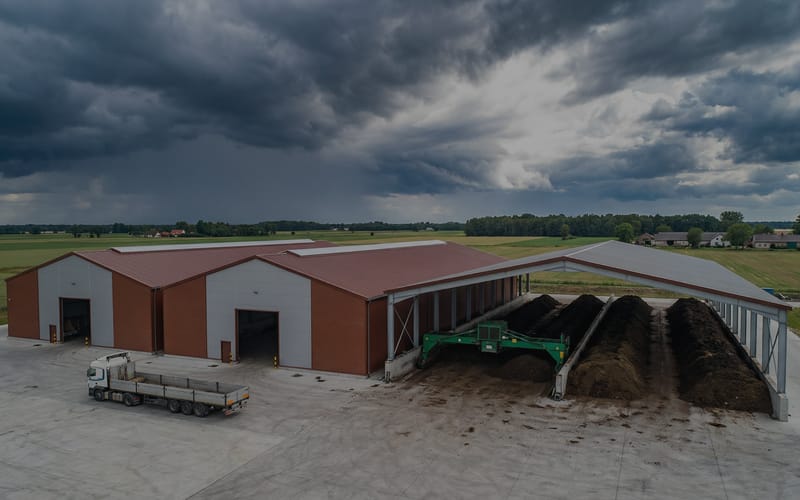
The 10–12t/h cow dung compost powder production line in Poland was initiated to address two pressing issues: efficient utilization of livestock manure and the reduction of environmental pollution from animal husbandry. The client, a medium-sized dairy farming cooperative in central Poland, faced challenges with the accumulation of large volumes of cow manure, which posed odor and environmental risks.
By investing in a modern compost powder production line, the client aimed to convert raw cow dung and supplementary organic materials into high-quality organic fertilizer, supplying local farms and agricultural cooperatives.
The project was designed for an annual output of 30,000 tons of organic fertilizer. It incorporates a full cycle from raw material collection and storage, through fermentation, mixing, and drying, to final packaging.
From the outset, the client wanted a robust solution capable of handling varying moisture content in the cow dung and consistent output throughout the year. RICHI Machinery engineers provided a customized workflow that optimized the use of locally available raw materials while meeting EU environmental regulations.
Name:
cow dung powder fertilizer factory
Country:
Poland
Date:
2025
Capacity:
10–12 tons per hour
Product Type:
Organic Fertilizer
Fertilizer Form:
Powder
Raw Materials:
cow dung, Sawdust
Annual Output:
20000 Tons
The client approached RICHI Machinery in early 2023 with a clear set of objectives:
After initial consultations, our team conducted a site survey, analyzed raw material properties, and recommended a layout that allowed smooth material flow, minimized cross-contamination, and simplified maintenance. The production line had to be flexible, as seasonal variations in manure moisture content required adjustable fermentation and drying processes.
The production line occupies a total area of 6,666.7 m², with a total building footprint of 4,640 m². The main plant structures and auxiliary facilities are distributed as follows:
| Facility | Location | Structure | Area (m²) |
|---|---|---|---|
| Raw Material Warehouse | North | Steel frame, 1 floor | 800 |
| Material Mixing Workshop | North | Steel frame, 1 floor | 300 |
| Packaging Workshop | West | Steel frame, 1 floor | 1,300 |
| Fermentation Workshop | East | Steel frame, 1 floor | 1,600 |
| Administrative & Utility Building | South | 1 floor | 50 |
The organic fertilizer production project includes basic utilities: municipal water supply, electricity from the local grid, and wastewater treated on-site for agricultural reuse.
The 10–12t/h cow dung compost powder production line in Poland primarily utilizes cow manure sourced from local dairy farms, complemented by small quantities of sawdust and other organic additives to optimize C:N ratio during fermentation. This approach ensures nutrient-rich, well-textured compost powder suitable for Polish agricultural soils.
| Raw Material | Annual Usage (tons) | Notes |
|---|---|---|
| Cow dung | 15,000 | Fresh manure collected from local dairy farms |
| Sawdust | 5,000 | Sourced from nearby sawmills, helps regulate moisture |
| Fermentation inoculant | 20 | Microbial culture to accelerate composting |
| Tobacco dust | 100 | Added in small quantities to enhance microbial activity |
During production, moisture content is regularly monitored. The first few tons were sometimes too wet or too dry, but the fermentation process was adjusted accordingly. Maintaining uniform moisture was essential to avoid uneven decomposition and odor issues.
The production line was equipped with a combination of automated and semi-automated machinery to ensure smooth operation at 10–12t/h. The client preferred equipment with reliable performance, low maintenance, and the ability to operate in a compact footprint.
| Equipment | Quantity | Notes |
|---|---|---|
| Turning Compost Machine | 1 | For bulk fermentation and moisture mixing |
| Material Transfer Vehicle | 1 | Moves material between workshops |
| Quality Inspection Laboratory | 1 set | For routine testing of compost powder |
| Electrical Control Cabinet | 1 set | Centralized process control |
| Packaging Machine | 1 set | Adjustable bag sizes for different clients |
RICHI engineers installed the turning compost machine in the fermentation workshop, allowing precise control over aeration and mixing. The packaging machine was placed near the exit point of the drying system, reducing handling time.
The workflow for the 10–12t/h cow dung compost powder production line in Poland integrates several core steps. Below is the detailed process flow based on actual operation:
During process commissioning, adjustments were made for moisture variability and particle size uniformity. Operators reported that early batches required minor corrections in aeration frequency and drying temperature to achieve consistent quality.
Environmental considerations were key to the project’s planning and execution. The 10–12t/h cow dung compost powder production line in Poland incorporates measures for odor control, dust management, wastewater treatment, and noise reduction.
| Environmental Aspect | Control Measure | Investment (USD) |
|---|---|---|
| Odor | Workshop enclosure + biofilter + greenery | 5,000 |
| Dust | Bag filter system | 16,000 |
| Wastewater | Septic tank treatment | 3,000 |
| Solid Waste | Packaging bags sold externally, minor organic residues reused | 2,000 |
| Greenery | Planting around workshops for odor buffer | 5,000 |
The plant employs 5 full-time staff, including operators, a process engineer, and quality control personnel. The production schedule runs 300 days per year. Operators handle the fermentation, drying, and packaging operations, while the process engineer monitors quality and efficiency.
The total investment for the 10–12t/h cow dung compost powder production line in Poland is approximately USD 600,000, with environmental protection measures accounting for USD 30,000. The equipment cost falls within industry standards, offering an efficient, cost-effective solution for medium-scale manure composting.
All equipment and spare parts were shipped from Qingdao Port, China. The destination port for Poland was the Port of Gdańsk, facilitating inland transport to the client’s facility. This route minimized transit time and cost, ensuring timely commissioning of the production line.
Poland has a well-developed dairy and livestock sector, with increasing emphasis on sustainable agriculture and organic farming. The 10–12t/h cow dung compost powder organic fertilizer production line aligns with government incentives for manure recycling and soil improvement. Demand for organic fertilizers is rising among crop farmers seeking nutrient-rich, chemical-free alternatives.
Investors and cooperatives can achieve steady returns by supplying local farms and regional distributors. RICHI Machinery’s turnkey solutions, including process design, equipment supply, and installation support, ensure rapid startup and reliable operation.
This case illustrates how the 10–12t/h cow dung compost powder production line in Poland converts livestock waste into valuable fertilizer, supports environmental protection, and delivers consistent production for the agricultural market.
Having the right mix of reliable, high-quality pellet machine and pelletizing systems and expert support is essential to your success. Watch how our end-to-end feed pellet plant solutions have helped our customers optimize their performance.
Our customized and future-proofed turnkey pellet plant solutions is designed with you at the core. From vision to reality and beyond, our team stays connected with yours. Giving you peace-of-mind with an expert at your side.
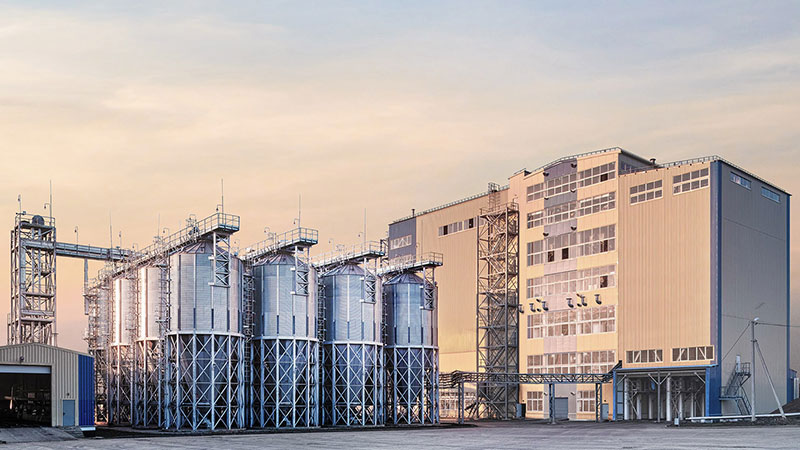
At RICHI, we go beyond project completion. With RICHI Servicee, we’re your dedicated partners in success. Count on us for expert guidance, minimal downtime, and optimized productivity. Choose RICHI for unmatched service and support.
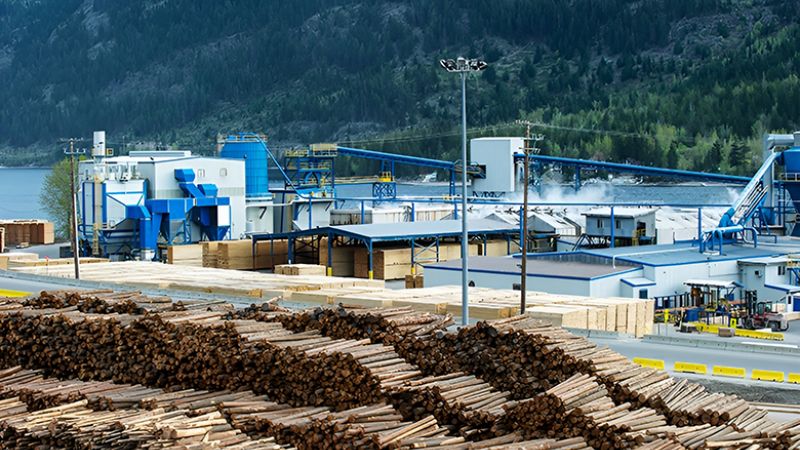


Meet global product demands and quality standards with industry-leading pellet plant design, engineering, equipment, and construction services for pellet processors.

Your Partner Beyond Project Completion
2000+ cases
RICHI is the leading designer, manufacturer and builder of pellet plants in the world, completing over 2000 projects in 140 countries across 6 continents.
Read More
Increase plant productivity, profitability, and safety by integrating high quality equipment into your pellet production line. Over the years, RICHI has become China's top pellet equipment manufacturer. At the same time, RICHI has established valuable partnerships with the world's leading component and raw material manufacturers to bring you the best there is in technology, automation, and efficiency in pelleting plant machinery.

For nearly 30 years, RICHI has been providing best-in-class pellet plant equipment and services to clients across a variety of industries, sizes, and needs. We pride ourselves on the knowledge and skill that each team member possesses – from our technical sales team to our process design engineers. You can count on RICHI Machinery to take your operation to the next level of innovation, quality, and success.
Need help with your pellet manufacturing plant project? Contact us today.
ANIMAL FEED
BIOMASS
WOOD
ORGANIC FERTILIZER
AQUA FEED
CAT LITTER
MUNICIPAL WASTE RECYCLING
SPECIAL PELLET PRODUCTION
RICHI Machinery continues to deliver world class pellet mill equipment, pellet plant engineering and project solutions that add value to our customers in the animal feed, wood waste, agriculture waste, organic fertilizer, cat litter and special pellet products industries. Throughout the years, we RICHI Machinery have built strong brand, becoming industry-leading pellet machine manufacturer. We value integrity, promise quality, and prioritize your success.
Learn MoreWith our expert team, we precisely implement your process engineering requirements in pellet mill and pelletizing plant systems. No matter which industry you’re in – we understand your needs and deliver solutions that meet the highest standards.
At RICHI, quality comes first. Our pellet making machine and related pellet line equipment undergo rigorous quality controls to ensure they meet the highest standards. Rely on products that are durable, safe, and efficient.
With decades of experience in pellet machine and pellet production line production, we have earned a reputation as a trusted partner in various industries. Our expertise allows us to cover a wide range of applications.
Not only do we offer premium pelleting equipment, but we are also experts at designing, building, installing, and maintaining facilities from the ground up. Our expertise is within pellt plant process design, discovering the most efficient, productive, and profitable way to handle your materials in an end-to-end cycle.
○ RICHI MACHINERY
Keeping in touch with us is an effective way to solve all your problems. If you have any needs or questions, please leave your contact information, then RICHI technical consultants will send design, quotation, videos to your mailbox. You can also contact us directly via WhatsApp: +86 13838389622
Copyright©2015-2026 by HENAN RICHI MACHINERY CO., LTD. All rights reserved.