

This is where you find all our press releases and news articles.
A 2 T/H animal feed pellet production line supplied by RICHI Machinery in Cape Verde has reached an important transition point: the main installation work has been completed and the project has moved into equipment testing and complete-line checks. The customer reviewed the project at this stage, when the machinery was already positioned and connected closely enough for the team to begin verifying whether the installed system could operate according to the designed material flow.
For a feed mill project, this stage is more important than simply confirming that all equipment has arrived at the site. Installation turns individual machines into a physical production system; testing then begins to show whether those machines, conveyors, controls and processing sections can actually work together. The next objective for the Cape Verde project is therefore not simply to start the feed pellet machine, but to prepare the complete 2 T/H line for stable feed production.
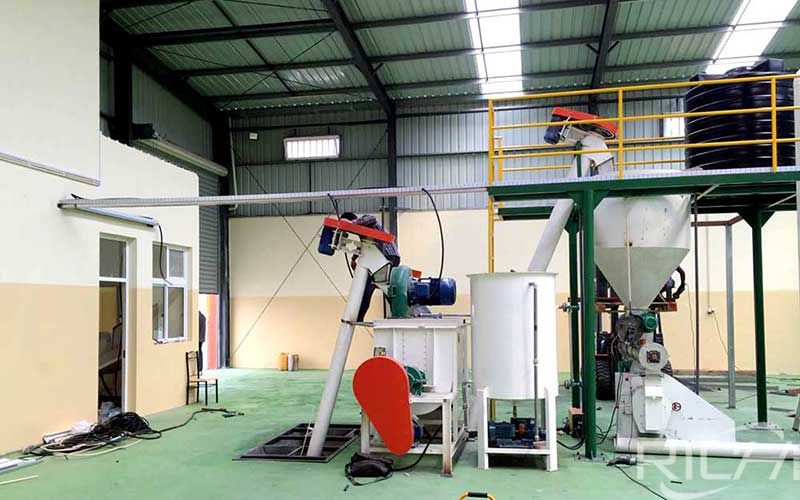
A project-site review gives the customer a different perspective from inspecting feed equipment before shipment. At the factory, individual machines can be checked for manufacturing and mechanical quality. Once the equipment is installed, the customer can see how the complete process has been translated into the actual workshop: where raw materials enter, how equipment is connected, how material moves vertically and horizontally, and whether operators have sufficient access around important production and maintenance points.
That is particularly relevant to a compact 2 T/H feed mill. Smaller capacity does not mean that process relationships disappear. Grinding, mixing, pelletizing, cooling, screening and material conveying still need to be coordinated. The main difference is that the equipment arrangement can be simplified around the customer's production scale, available building and required level of automation.
After mechanical installation, a feed production line still needs to pass through several checks before routine production begins. Motors and rotating equipment need to operate in the correct direction. Conveyors need to transfer material to the intended destination. Gates, feeders and other control points need to respond correctly. Empty-running checks can identify abnormal vibration, interference, unusual noise or installation problems before raw material is introduced.
The project then progresses toward material testing and complete-line operation. At this point, the concern changes from whether one machine can run to whether upstream and downstream sections remain balanced. A hammer mill producing material faster than the next section can receive it creates accumulation. A pelletizing section cannot maintain the expected output if mixing or feeding is inconsistent. Likewise, insufficient cooling or conveying capacity can restrict production even when the feed pellet mill itself is operating normally.
The 2 T/H target provides a practical reference for evaluating the whole system. At nominal output, a six-hour production period corresponds to approximately 12 tons of finished feed, while an eight-hour shift corresponds to approximately 16 tons. If the customer later operates two eight-hour shifts, theoretical daily production can reach approximately 32 tons. Actual output will vary with formula, pellet specifications, production scheduling, changeovers, equipment utilization and maintenance, but these figures show the material volume that the installed line needs to handle.
This throughput also affects decisions outside the pelletizing section. The customer needs enough raw materials available before production begins, sufficient space or bins for ingredient handling, and an appropriate method for receiving finished feed after cooling and screening. If feed is bagged, packing capacity needs to keep pace with production. If it moves into bulk storage or directly supports the customer's own livestock operation, the downstream arrangement changes accordingly.
RICHI approaches the test stage according to the movement of material through the plant. That allows problems at interfaces between machines to be identified instead of checking each piece of equipment in isolation.
This sequence is one reason a feed mill test run should not be judged only by whether finished pellets appear at the end of the line. Stable material flow, controllability and repeatable operation are more important indicators of whether the plant is ready for daily production.
For an island market such as Cape Verde, project preparation and commissioning deserve particular attention. Replacement components, specialist services and international logistics can require more planning than they would for a plant located close to a major machinery manufacturing center. Preventable installation or configuration issues are therefore better identified while the project is still moving through testing rather than after the customer has established a full production schedule.
This makes commissioning preparation part of long-term operating risk control. The customer needs to understand routine inspection points, lubrication, wear-part replacement and basic troubleshooting. Critical spare and wear parts should also be considered according to the equipment configuration and expected operating schedule. These are practical issues for any overseas feed mill, but geographic logistics make them especially relevant to island projects.
The animal feed pellet production line is built around a 2 T/H production objective, but actual operating performance also depends on the feed being processed. Different proportions of grain, bran, protein meals, fibrous ingredients, oil, minerals and premixes change the characteristics of the material entering the pelletizing section.
Raw material particle size, moisture, fiber content and formula composition can influence feeding stability, pellet formation and actual throughput. This is why meaningful commissioning should progressively move from mechanical testing toward production conditions that reflect the customer's intended feed products. The final operating parameters should serve the feed formula rather than forcing every formula through one unchanged setting.
A feed mill can be technically capable of producing pellets while still being inconvenient to operate. The site-review stage is therefore useful for checking practical details around the installed equipment. Operators need reasonable access to feeding and control points. Wear components need enough clearance for inspection and replacement. Areas requiring routine cleaning should not become inaccessible after conveyors and supporting structures are installed.
Material handling also needs to make sense from the operator's perspective. Excessive manual transfer increases labor demand and the possibility of material loss or feeding errors. At the same time, a 2 T/H project does not automatically need the automation complexity of a large commercial feed factory. The right balance is to automate the points where it improves consistency and labor efficiency while keeping the plant appropriate for its actual production scale.
As the Cape Verde project moves through testing, the important question is not whether each machine looks complete, but whether the complete system is ready to support repeatable production.
| Check Point | Focus During Testing | Impact on Future Operation |
|---|---|---|
| Mechanical Equipment | Rotation, vibration, running condition and installation | Reduces avoidable mechanical problems after startup |
| Material Transfer | Conveyor direction, discharge and flow continuity | Prevents blockages and incorrect material routing |
| Grinding and Mixing | Throughput and material preparation | Supports consistent material entering pellet production |
| Pelletizing | Feeding stability and operating adjustment | Affects actual output and finished pellet condition |
| Cooling and Screening | Downstream capacity and finished-feed handling | Prevents the downstream section from limiting the line |
| Control System | Start-stop logic and equipment coordination | Supports safer and more orderly plant operation |
| Operator Access | Cleaning, inspection and maintenance space | Influences long-term maintenance efficiency |
A successful test run is an important project milestone, but the real objective is to move from temporary testing into repeatable daily operation. Once material is introduced, operating conditions can be adjusted according to the customer's actual formula and finished-feed requirements. Operators also need time to understand normal equipment behavior so they can distinguish routine variations from conditions that require attention.
Production records become useful during this period. Recording actual hourly output, formula changes, downtime, pelletizing adjustments and maintenance observations gives the customer a clearer picture of how the 2 T/H line performs under real working conditions. These records can also reveal whether future changes in storage, conveying, packing or automation would improve the plant as production develops.
For customers evaluating a similar feed mill, a project at the testing stage can sometimes be more informative than visiting a plant that has already been operating for years. The installation is still clearly visible, making it easier to understand equipment connections, process layout, conveying routes and the relationship between individual machines.
Buyers can use this type of visit to compare the proposed project with their own conditions: available workshop dimensions, daily feed requirement, raw material varieties, required feed products, labor availability and planned operating hours. The purpose is not to copy another customer's configuration machine for machine, but to understand why each processing section exists and determine whether the same logic applies to a different feed business.
The Cape Verde 2 T/H feed mill has now progressed beyond basic equipment installation and into the stage where the complete system is being checked before regular production. For the customer, this is the point at which drawings, equipment specifications and installed machinery begin to become an operating feed plant.
RICHI Machinery will continue to focus on complete-line coordination and production readiness as the project moves forward. For feed manufacturers, farms and agricultural investors considering a similar 1-2 T/H or 2 T/H project, an operating plan should begin with the feed products and daily production requirement rather than a generic machine package. Raw materials, formulas, required pellet specifications, workshop conditions, operating hours and finished-feed handling all need to be defined before the most suitable configuration can be determined.
Having the right mix of reliable, high-quality pellet machine and pelletizing systems and expert support is essential to your success. Watch how our end-to-end feed pellet plant solutions have helped our customers optimize their performance.
Our customized and future-proofed turnkey pellet plant solutions is designed with you at the core. From vision to reality and beyond, our team stays connected with yours. Giving you peace-of-mind with an expert at your side.
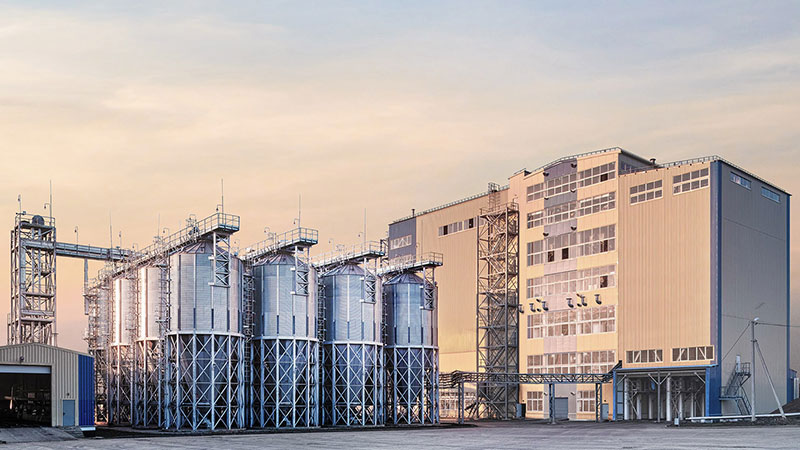
At RICHI, we go beyond project completion. With RICHI Servicee, we’re your dedicated partners in success. Count on us for expert guidance, minimal downtime, and optimized productivity. Choose RICHI for unmatched service and support.
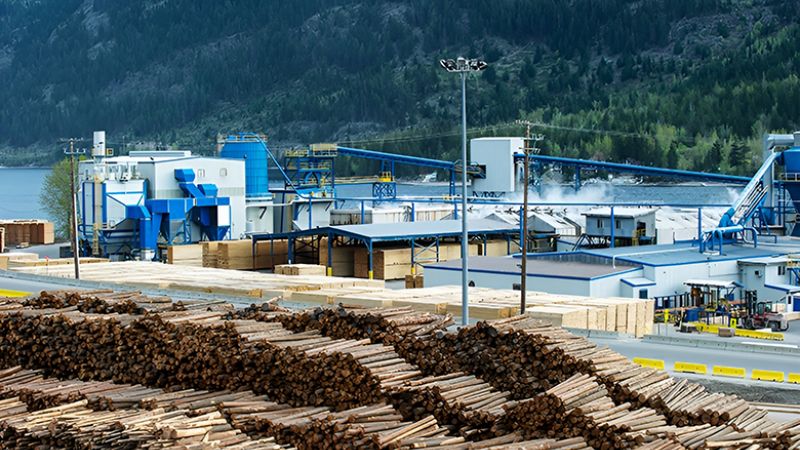


Meet global product demands and quality standards with industry-leading pellet plant design, engineering, equipment, and construction services for pellet processors.


Your Partner Beyond Project Completion
2000+ cases
RICHI is the leading designer, manufacturer and builder of pellet plants in the world, completing over 2000 projects in 140 countries across 6 continents.
Read More
Increase plant productivity, profitability, and safety by integrating high quality equipment into your pellet production line. Over the years, RICHI has become China's top pellet equipment manufacturer. At the same time, RICHI has established valuable partnerships with the world's leading component and raw material manufacturers to bring you the best there is in technology, automation, and efficiency in pelleting plant machinery.

For nearly 30 years, RICHI has been providing best-in-class pellet plant equipment and services to clients across a variety of industries, sizes, and needs. We pride ourselves on the knowledge and skill that each team member possesses – from our technical sales team to our process design engineers. You can count on RICHI Machinery to take your operation to the next level of innovation, quality, and success.
Need help with your pellet manufacturing plant project? Contact us today.
ANIMAL FEED
BIOMASS
WOOD
ORGANIC FERTILIZER
AQUA FEED
CAT LITTER
MUNICIPAL WASTE RECYCLING
SPECIAL PELLET PRODUCTION
RICHI Machinery continues to deliver world class pellet mill equipment, pellet plant engineering and project solutions that add value to our customers in the animal feed, wood waste, agriculture waste, organic fertilizer, cat litter and special pellet products industries. Throughout the years, we RICHI Machinery have built strong brand, becoming industry-leading pellet machine manufacturer. We value integrity, promise quality, and prioritize your success.
Learn MoreWith our expert team, we precisely implement your process engineering requirements in pellet mill and pelletizing plant systems. No matter which industry you’re in – we understand your needs and deliver solutions that meet the highest standards.
At RICHI, quality comes first. Our pellet making machine and related pellet line equipment undergo rigorous quality controls to ensure they meet the highest standards. Rely on products that are durable, safe, and efficient.
With decades of experience in pellet machine and pellet production line production, we have earned a reputation as a trusted partner in various industries. Our expertise allows us to cover a wide range of applications.
Not only do we offer premium pelleting equipment, but we are also experts at designing, building, installing, and maintaining facilities from the ground up. Our expertise is within pellt plant process design, discovering the most efficient, productive, and profitable way to handle your materials in an end-to-end cycle.
○ RICHI MACHINERY
Keeping in touch with us is an effective way to solve all your problems. If you have any needs or questions, please leave your contact information, then RICHI technical consultants will send design, quotation, videos to your mailbox. You can also contact us directly via WhatsApp: +86 13838389622
Copyright©2015-2026 by HENAN RICHI MACHINERY CO., LTD. All rights reserved.