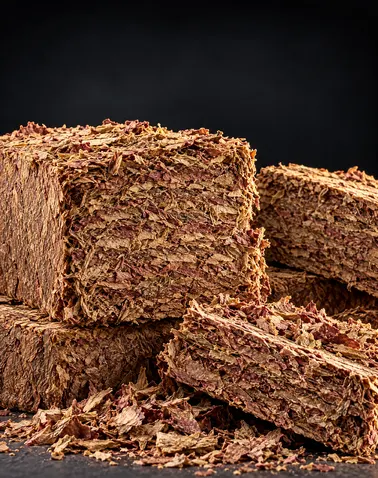
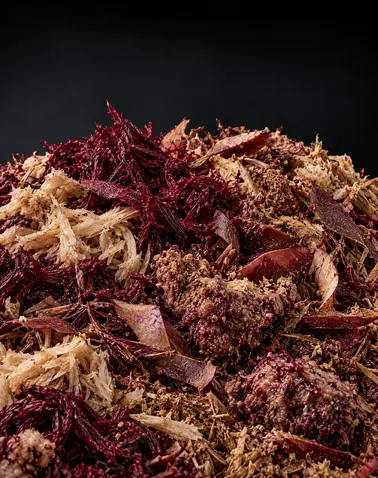
Our beet pulp dryer prepares pressed sugar beet pulp for feed blending or pelletizing. RICHI sizes the drum, feeders and heat supply for your moisture, molasses content and dry output, with dried beet pulp cooling and storage planned downstream.
Mechanical pressing reduces the water entering our beet pulp dryer. Inside the turning drum, flights lift the fibres through hot air so moisture leaves with the exhaust. With projects overseas, RICHI engineers beet pulp drying lines that link press discharge to dried shreds, feed meal or pellet feedstock. We assess existing equipment for reuse and coordinate the required finishing stages, installation and operator training.
○ RICHI MACHINERY
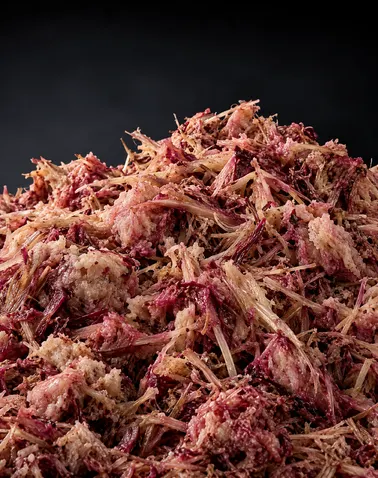
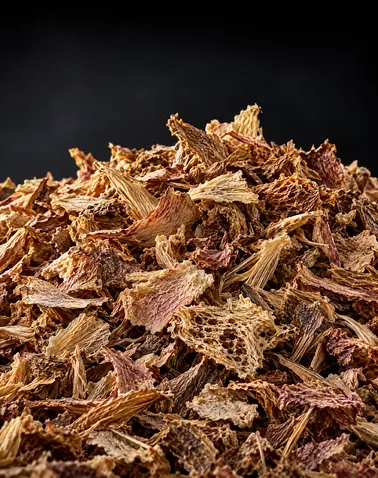
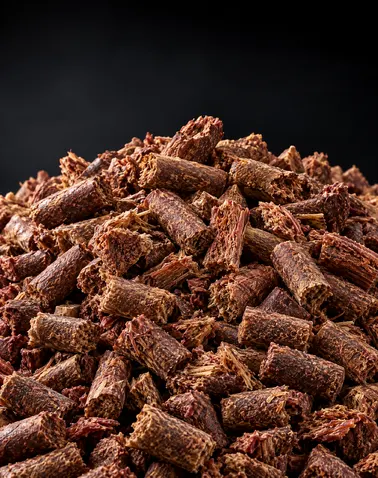
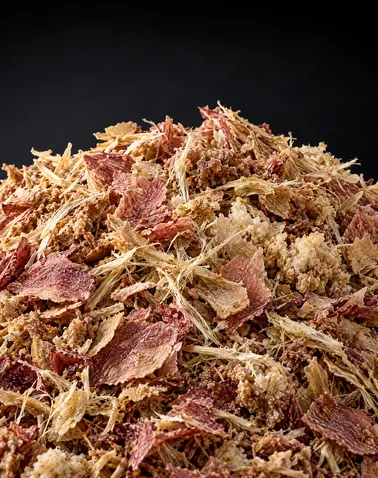
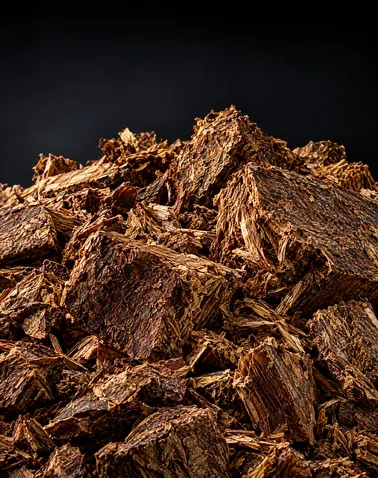
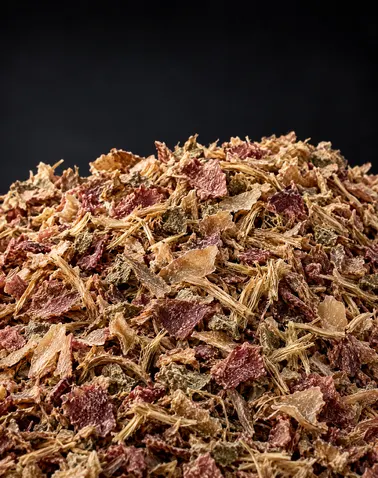
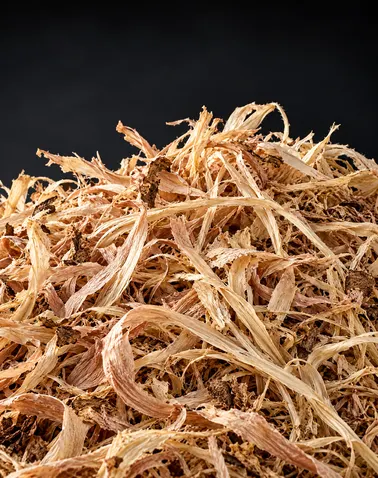
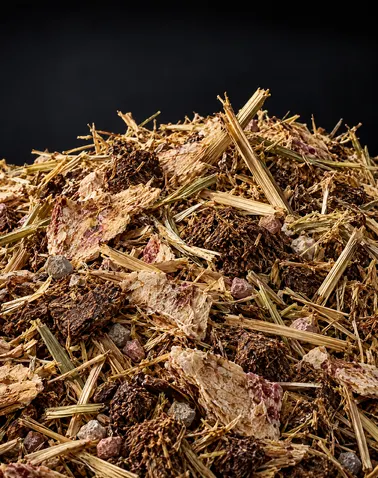
For beet pulp cake drying, moisture and clump size guide preparation. Wet extraction pulp may need pressing; molassed or unmolassed fibres and fines need suitable feeding. Prepared tails and cuttings require cleaning and size checks. Dry pulp meeting the next-stage specification can bypass drying.
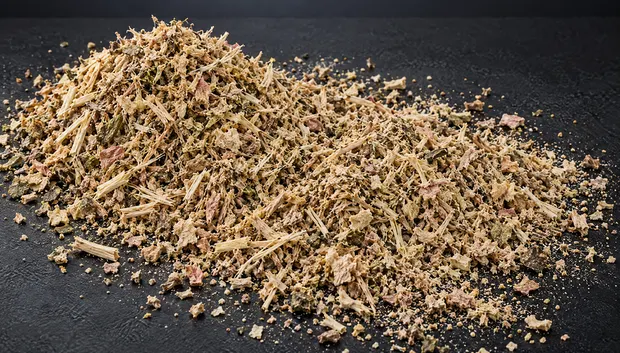
Beet Pulp Fibres and Fines
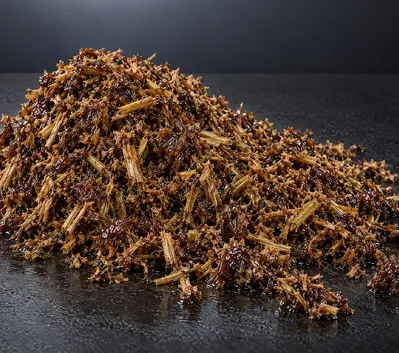
Molassed Beet Pulp
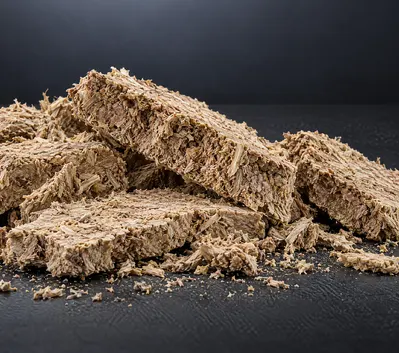
Mechanically Pressed Beet Pulp
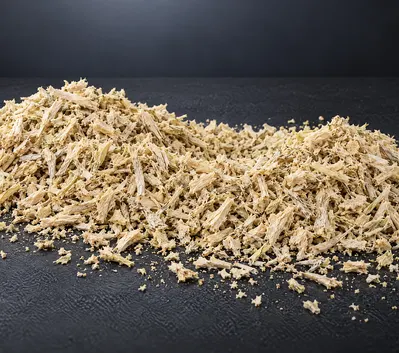
Unmolassed Beet Pulp
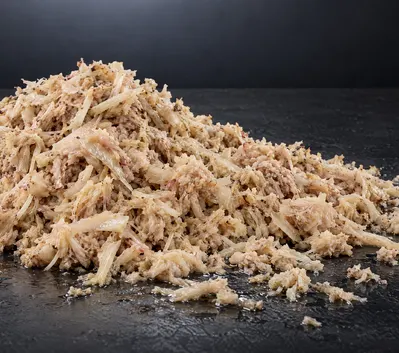
Wet Sugar Beet Pulp
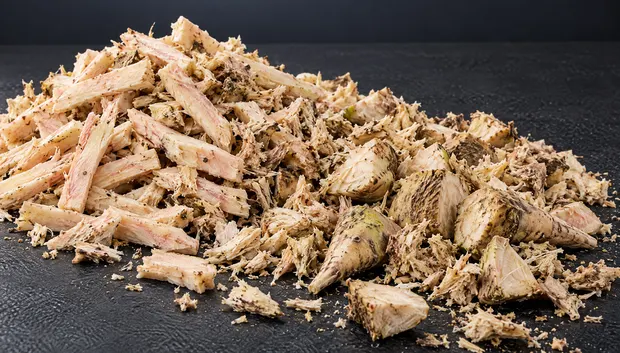
Prepared Beet Tails and Cuttings
We supply beet sugar factories, dedicated pulp processors, pellet plants and ruminant feed mills. Dairy and beef farms need reliable pulp supplies and suitable heat. For traders and exporters with processing sites, intake, operating hours and the required dried product guide equipment selection.
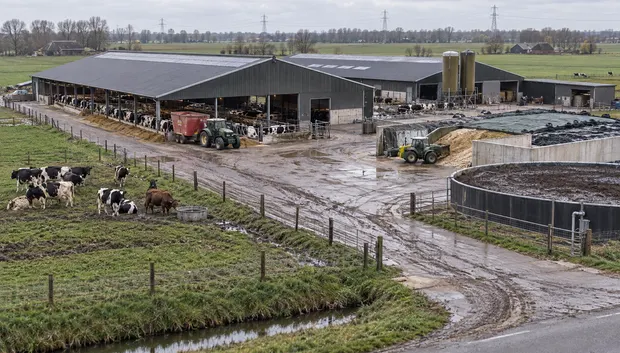
Commercial Dairy and Beef Farms
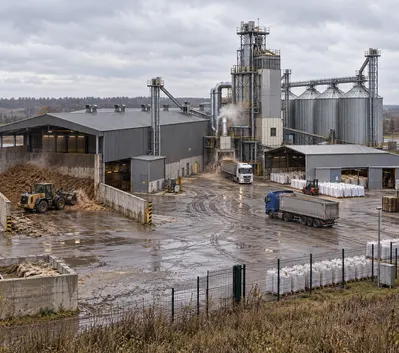
Beet Pulp Pellet Producers

Ruminant Feed Manufacturers
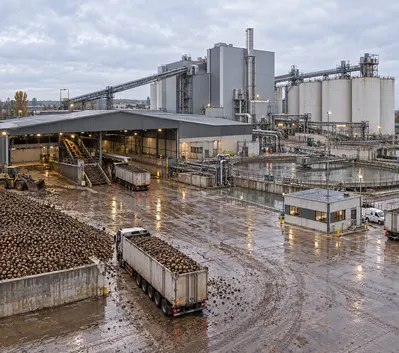
Dedicated Beet Pulp Processing Sites

Beet Sugar Extraction Plants

Feed Ingredient Traders and Exporters
○ RICHI MACHINERY
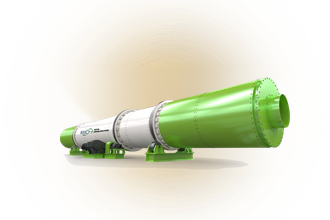
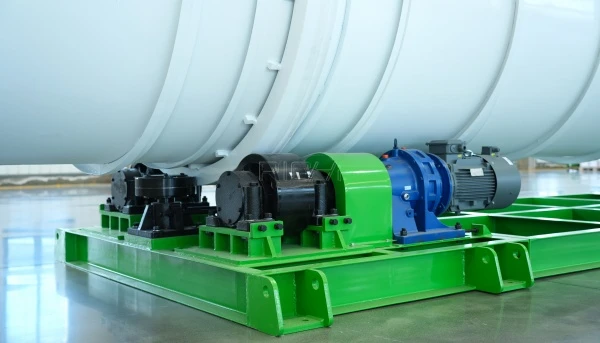
A frequency converter gives the beet pulp dryer drive transmission a 3–12 rpm drum-speed range. This lets the operator trim bed turnover when press discharge or molasses addition changes. Beet pulp feed rate adjustment is coordinated with speed, airflow and heat; outlet moisture checks establish the working setting for each accepted pulp blend.
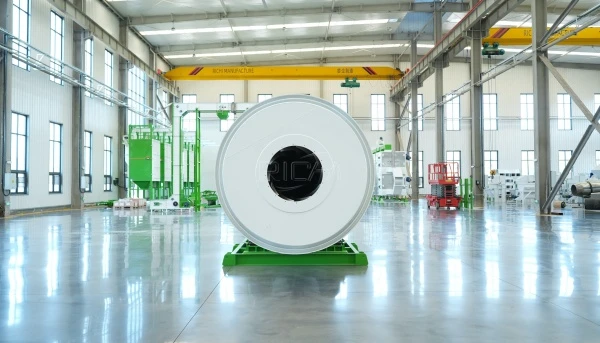
Spark detection for beet pulp drying uses sensors linked to a controller, with water sprays, equipment interlocks and audible and visual alarms. The detector-to-nozzle distance reflects particle travel and system response time. For dried pulp fines, circuit checks include sensor condition, spray-water availability and the defined response before normal running.

Beet pulp dryer feed screw design considers fibre length, wet bulk density and pressed clumps when setting pitch and inlet clearance. For clumped beet pulp feeding, we coordinate the hopper outlet with the screw and drum throat. Cleaning access is retained at the transfer so sugar-bearing deposits can be removed during planned stops.
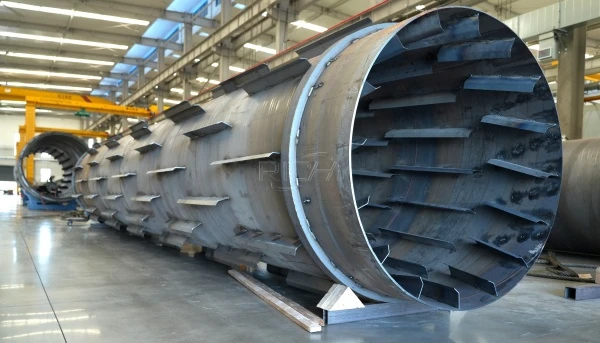
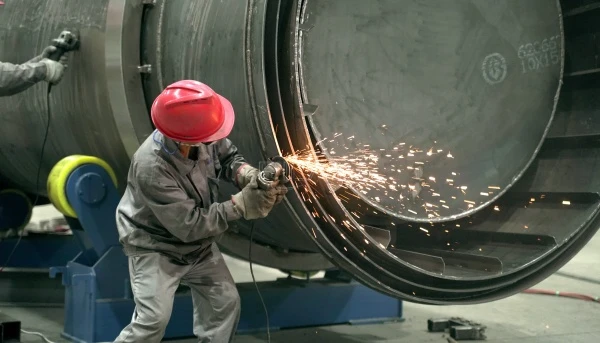
One-piece cast-steel riding rings and thrust-roller supports form the drum's load-bearing arrangement. Carrying rollers bear the rotating load; thrust rollers limit lengthwise drift. The beet pulp dryer support roller assembly is aligned for the shell and retained wet pulp, with contact checked across roller faces to limit concentrated wear.
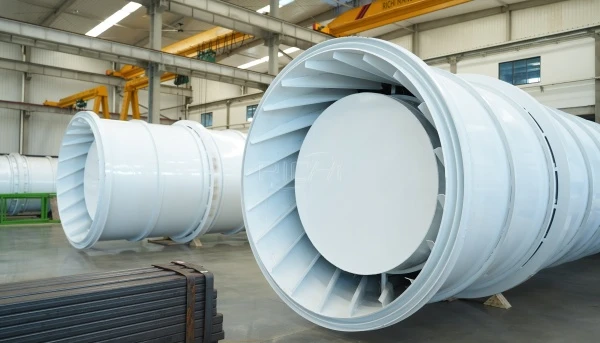
Flexible, wear-resistant steel leaves close the inlet and outlet gaps between the rotating shell and stationary hoods. As the drum warms, the leaves accommodate normal movement while limiting unwanted air entry. In beet pulp drying temperature control, seal contact helps keep the chosen gas conditions repeatable; wearing strips remain accessible for replacement.
Flight depth and spacing regulate beet pulp feed distribution in rotary drum operation. Fibre bundles and molasses-related adhesion guide the profiles, which repeatedly expose the bed to drying gas. The inlet-transfer and lifting zones are arranged to limit areas where wet pulp can lodge while allowing inspection of deposits and wearing surfaces.
○ RICHI MACHINERY
RICHI supplies beet pulp dryers with feeding, heat supply and downstream equipment matched to the processing route. These three videos come from our wider portfolio of overseas installations.
This Russian beet pulp dryer installation handles sugar-extraction residue. Beet pulp inlet moisture monitoring helps coordinate feed and heat as press discharge varies during the campaign.

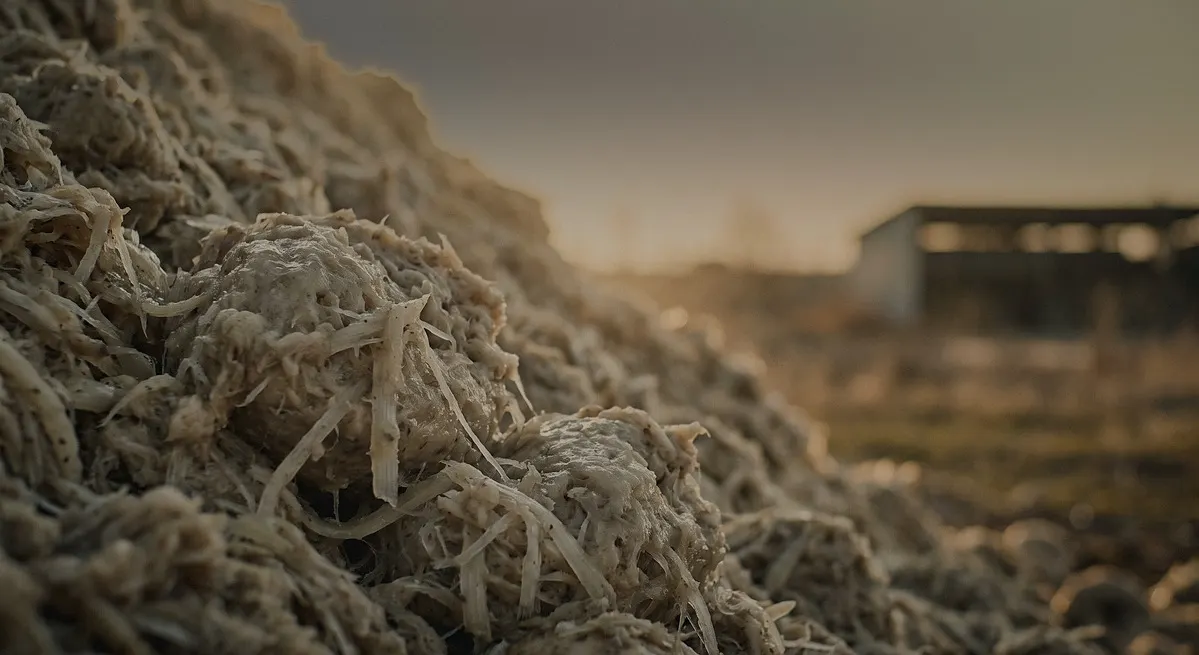
Our sugar beet pulp dryer projects include this German installation. When molasses is added before drying, include its water and solids when calculating the drum's evaporation load.
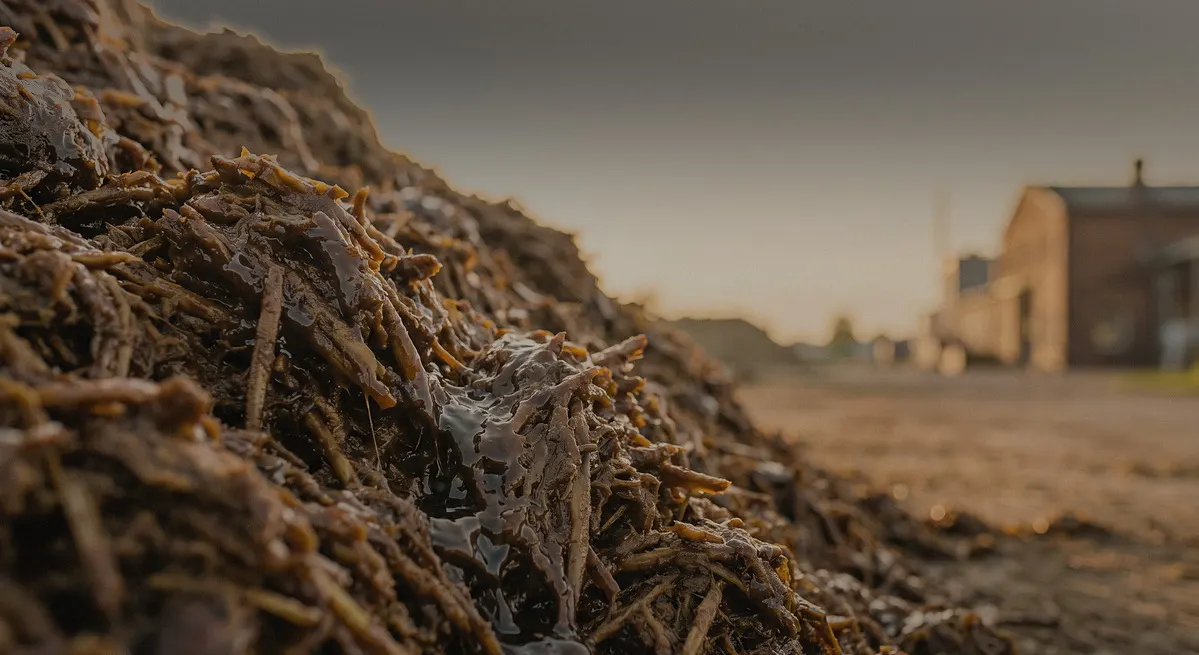
See the RICHI beet pulp drum dryer installed in Moldova. For dried pulp going into bulk storage, check outlet moisture and cool the product before transfer to limit condensation.
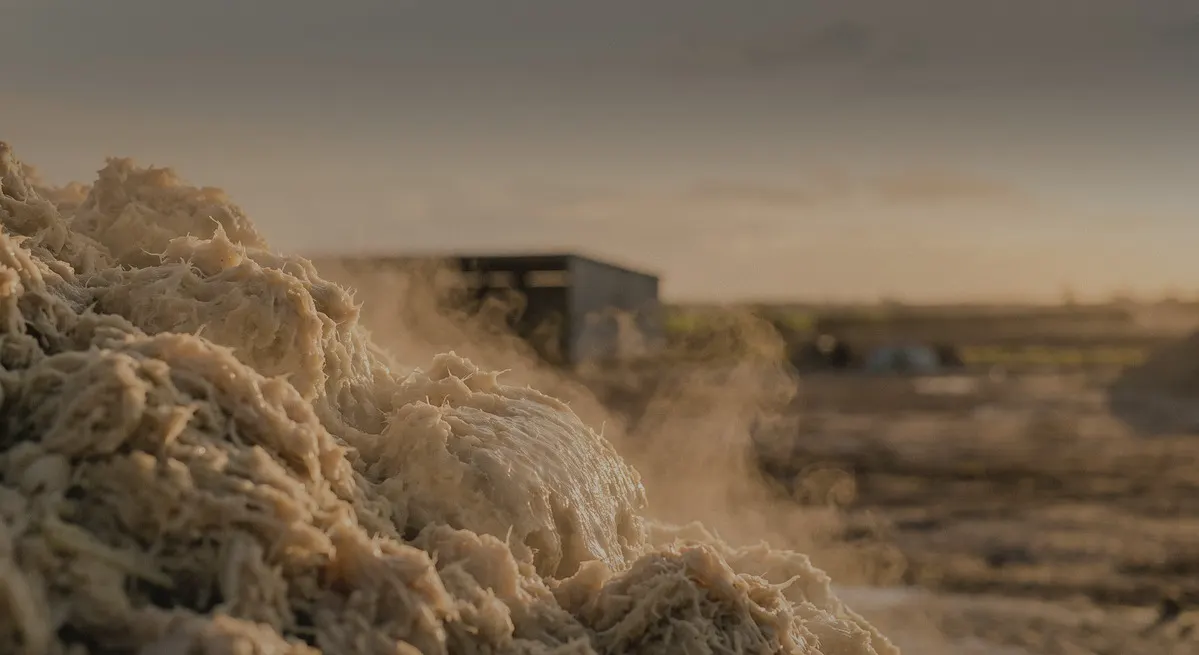
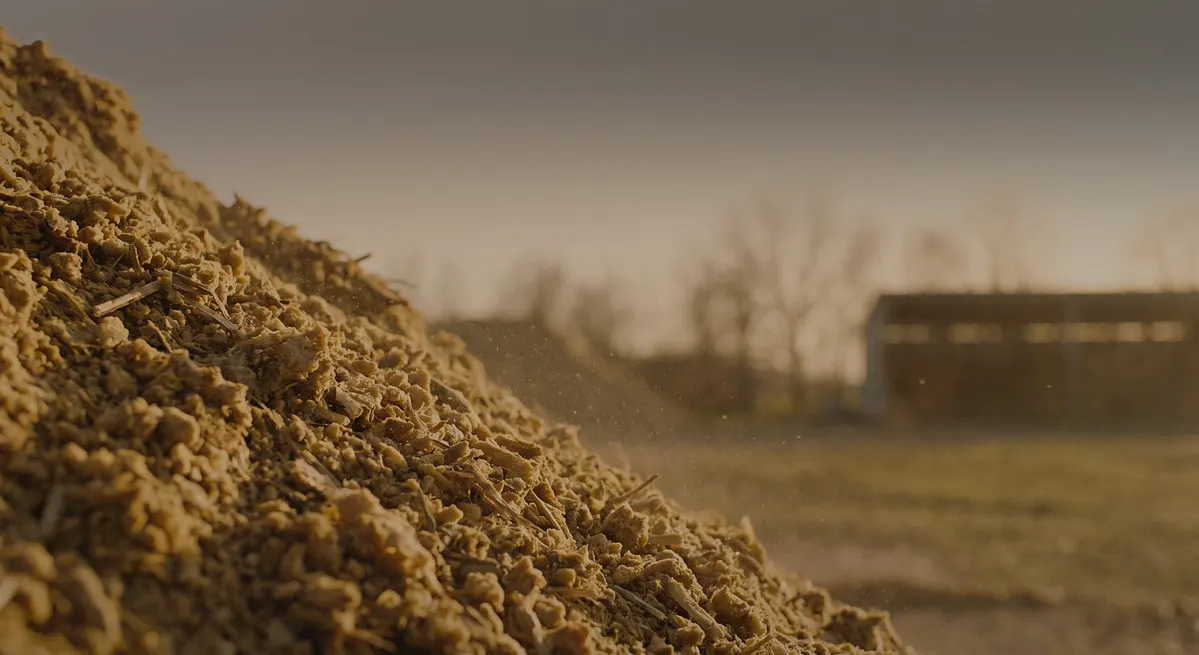
Wet beet pulp can retain excessive moisture after sugar processing. RICHI uses a beet pulp dryer machine to stabilize moisture before the material enters storage or livestock feed production.
○ RICHI MACHINERY

At the wettest agreed press discharge, we check the beet pulp moisture removal rate and corresponding dried output. Your production plan then reflects the extra water entering the drum.

For beet pulp drying before pelletizing, we agree the moisture accepted by your pellet press. If you sell shreds or feed meal, we plan the required cooling, size reduction and transfer equipment.

We use fuel moisture, heating value and heater losses in a beet pulp fuel requirement calculation. Gas, oil and suitable biomass packages are compared at the same specified drying duty.

RICHI customizes feed reception, drum connections and controls for your site. For a beet pulp dryer retrofit, our layout also checks press discharge height, buffer space and maintenance access.

Campaign shutdown and restart procedures are included in the handover. For beet pulp dryer seasonal operation, training covers retained pulp removal, inspection and checks before heat is applied.

Beet pulp outlet moisture control is tied to a defined sampling point and pulp grade. Any molasses added later is included when agreeing the moisture of the product you will store, blend or sell.
RICHI manufactures each beet pulp dryer in China and plans the equipment around your pulp supply and finished feed. Your proposal defines the drying duty, heat package and connection to the next process.
○ RICHI MACHINERY
Pressed pulp dry matter helps define the duty of your beet pulp dryer. RICHI offers nine configurations for smaller processors and industrial drying sections. We calculate beet pulp water evaporation load using the full feed blend, target moisture and hourly dried output. Any molasses added before drying is included. Inlets and flights can be customized for clumps and your feeding arrangement.
| Model | Diameter (m) | Drum Length (m) | Drum Layers | Drum Speed (rpm) | Inlet Air (°C) | Outlet Air (°C) |
|---|---|---|---|---|---|---|
| φ0.6×6 | 0.6 | 6 | 1 | 3–12 | 400–500 | 70–80 |
| φ0.8×8 | 0.8 | 8 | 1 | 3–12 | 400–500 | 70–80 |
| φ1.2×12 | 1.2 | 12 | 1 | 3–12 | 400–500 | 70–80 |
| φ1.5×15 | 1.5 | 15 | 1 | 3–12 | 400–500 | 70–80 |
| φ1.8×18 | 1.8 | 18 | 1 | 3–12 | 400–500 | 70–80 |
| φ1.8×20 | 1.8 | 20 | 1 | 3–12 | 400–500 | 70–80 |
| φ1.8×36 | 1.8 | 36 | 1 | 3–12 | 400–500 | 70–80 |
| φ1.8×12×3C | 1.8 | 12 | 3 | 3–12 | 400–500 | 70–80 |
| φ1.8×24×3C | 1.8 | 24 | 3 | 3–12 | 400–500 | 70–80 |
○ RICHI MACHINERY
These six countries are part of RICHI's wider beet pulp dryer project portfolio. Our supply can include pulp preparation, heating, conveying and finishing equipment to connect drying with the required feed product.
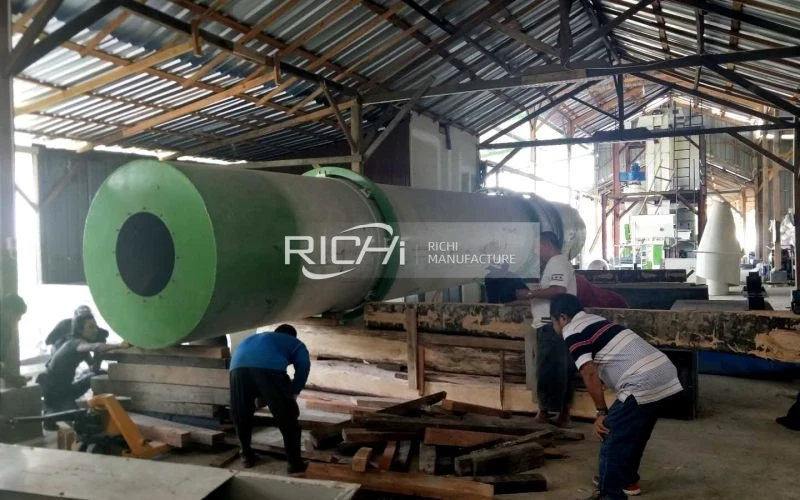
Loose dried shreds were the product a French beet-growing cooperative wanted to sell to feed customers. Its beet pulp fiber drying duty was 12 t/h of unmolassed pressed pulp at 70% moisture to 4 t/h at 10%. Cooling and bulk transfer were included, while pelletizing was outside the required processing route.

We are pleased with the drying arrangement; it fits the way we prepare and sell our pulp to feed customers.
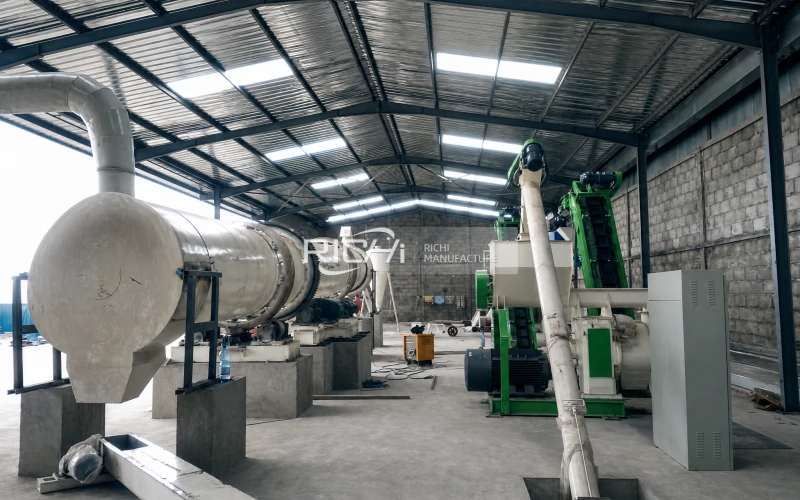
For an independent U.S. feed mill, buying pressed pulp locally only worked if it could become a predictable dry ingredient. The 6 t/h feed at 70% moisture gave 2 t/h at 10% before milling. Beet pulp drying before feed blending was linked to the existing grinder and mixer for dairy and beef feed.
We're happy with how the dryer fits our ingredient preparation and the feed products we make at the mill.
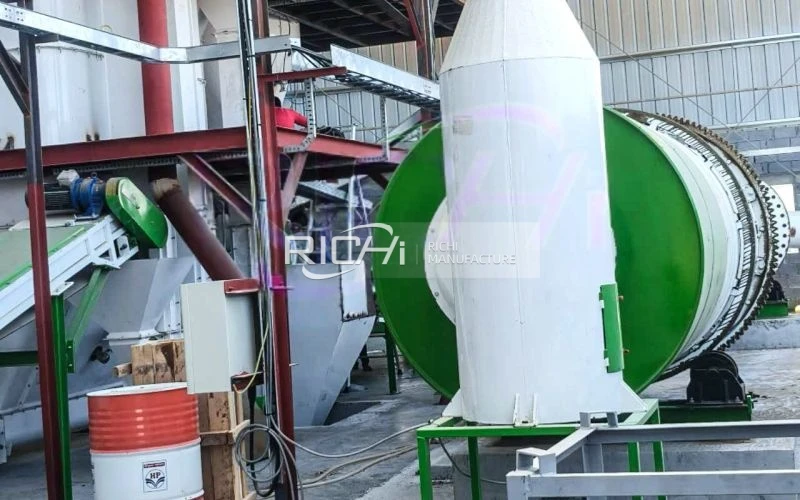
Export preparation set the requirements for an Egyptian pulp processor using an existing pellet line. Its drying section took 11 t/h of unmolassed fibre at 76% moisture to 3 t/h at 12%, before pelletizing. Beet pulp drying for feed export centred on moisture sampling, fines handling and the separate pellet cooler.
The drying stage fits our product route, and we are satisfied with the equipment selected for our processing site.
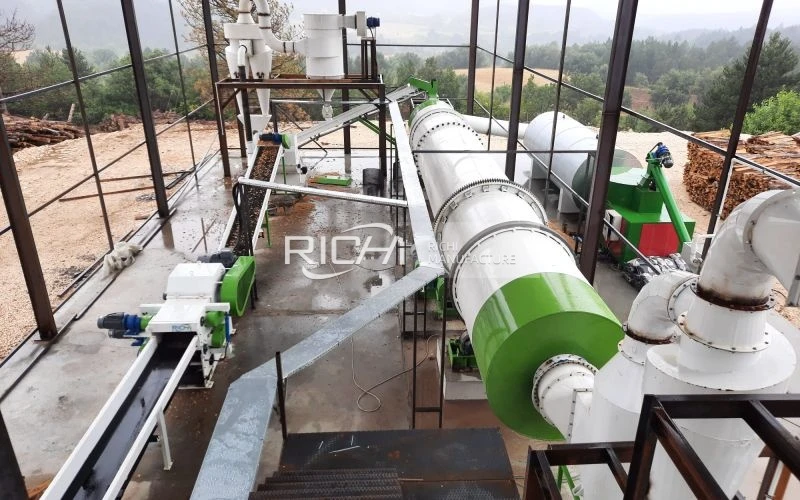
Retaining the pulp press and pellet section shaped a Ukrainian sugar processor's dryer upgrade. For 18 t/h of pressed fibre at 75% moisture, the design output was 5 t/h at 10%. The work concentrated on transfer levels and controls, with the installation scope agreed around the equipment that remained in service.
Keeping the useful parts of our line made this drying upgrade a sensible choice for our plant and operating team.
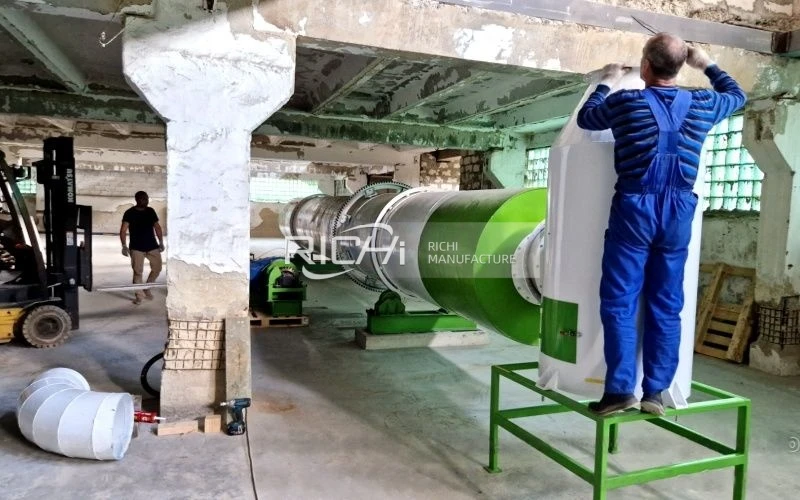
Molasses was already mixed into the pressed pulp at a Turkish feed producer's intake. That made the combined 10 t/h stream at 73% moisture the dryer design basis, giving 3 t/h at 10% before pelletizing. Access for deposit removal and the pellet press requirements shaped this molassed beet pulp drying arrangement.
For our mill, this is a practical arrangement for the molassed pulp we handle and the feed pellets we produce.
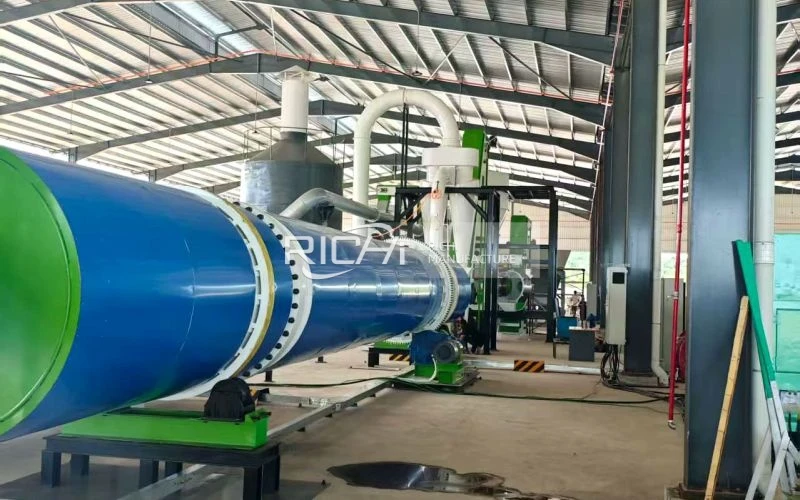
Pressing came first for an Iranian processor handling wet sugar-extraction pulp. The route reduced 12 t/h at 85% moisture to 6 t/h of pressed pulp at 70%, then 2 t/h at 10%. High-moisture beet pulp drying covered only the pressed stream, with the dry fibre prepared for milling and later blending with other feed ingredients.
We appreciate having pressing and drying considered together; the equipment arrangement suits our processing needs.
○ RICHI MACHINERY
A sugar factory can feed the beet pulp dryer from its press. For pulp delivered by truck, we size the receiving hopper around the delivery schedule. RICHI designs and builds a standalone system or connects the drum, heater, exhaust fan, ductwork, dust collector and controls to your existing line. Our beet pulp drying mass balance uses wet feed rate, inlet moisture and target moisture to calculate hourly water removal and dried pulp output.
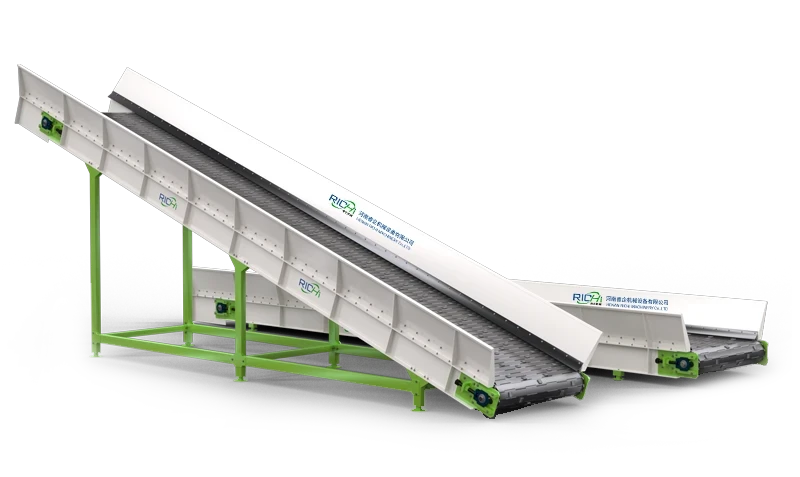
A belt handles the longer run from the press. A metering screw draws from the hopper to feed the drum evenly.
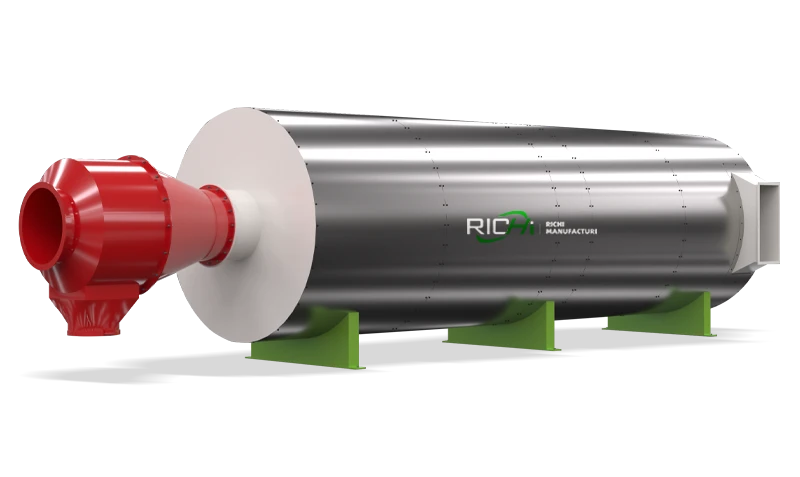
Choose gas, oil or biomass firing. If you make wood fuel pellets on site, we can size a separate biomass pellet machine.
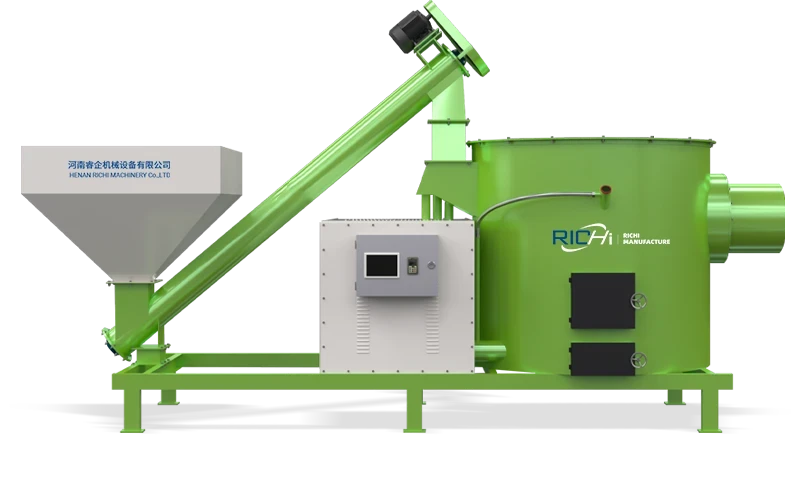
We size the burner for the wettest full load and check how far it can turn down when the press delivers less pulp.
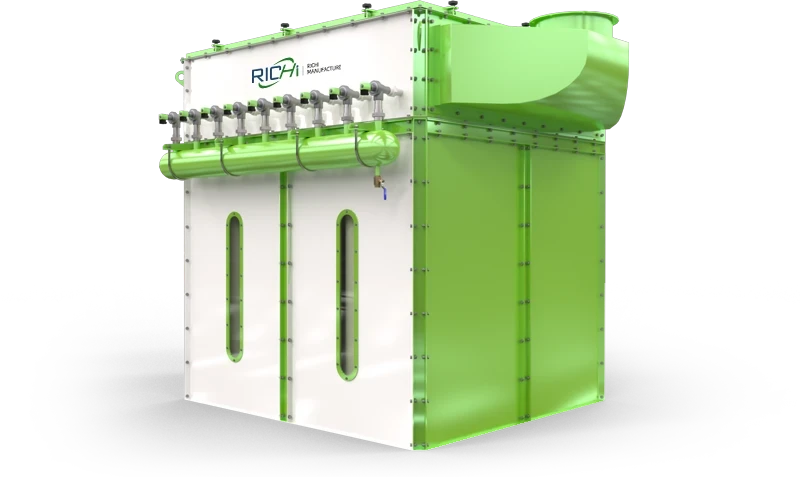
We check exhaust temperature and condensation risk before adding a bag filter.
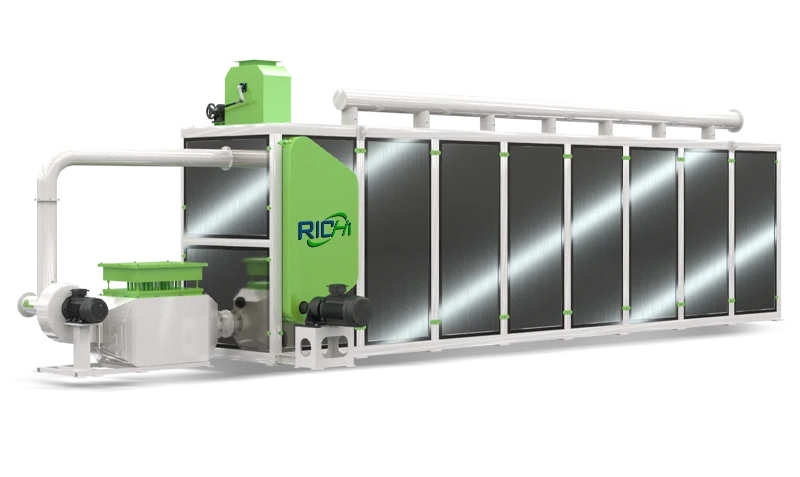
Warm condenser water can heat the drying air through a coil. A belt also limits tumbling for sugar mills selling loose shreds. We check how clumps affect airflow through the bed, whether fines stay on the mesh and how to clean it after a run of molassed pulp. Share your floor plan and the water temperature and flow available during the campaign. We can then assess whether the belt can reach your target moisture at the required rate or pre-dry pulp for your drum.
○ RICHI MACHINERY
A sample from the press or receiving hopper shows us the length of the shreds and how readily they break apart. Tell us the incoming moisture range, the grade your buyer orders and the tonnes of dried pulp you need per hour. RICHI designs and builds the rotary drying system for your material, installs it on site and trains your operators to adjust the feed rate as pulp moisture changes.
○ RICHI MACHINERY
US$10,000–50,000 is a preliminary budget for the dryer unit, based on advertised export offers from China. A quoted sugar beet pulp drying machine price may cover the drum alone. Send RICHI your press output and moisture range. We’ll itemise the drum, heater, fan and dust collection so you can budget separately for freight, foundations and installation.
At 6 t/h of wet feed, allow about 4.53 t/h of evaporation for pulp at 22% dry matter or 4.13 t/h at 28%. Both assume a 10% finished moisture target. The beet pulp dry matter balance gives 1.47 or 1.87 t/h of dried product before solids losses. Size a pressed beet pulp dryer for the wetter load.
Yes, if the old drum can handle the new evaporation duty. At 3 t/h of dry solids and 10% finished moisture, raising press cake from 25% to 30% dry matter cuts evaporation from 8.67 to 6.67 t/h. Use that beet pulp water removal calculation to compare beet pulp mechanical pressing and drying options with the duty your drum already sustains.
Test clean, cut tails separately first. Sugar extraction pulp residue drying normally handles spent strips from the diffuser. Tails come from washing whole roots and can carry grit and more sugar. Beet pulp pre-drying preparation for this stream includes removing stones and sizing thick pieces. A trial shows whether they stick or leave the drum wet in the centre.
Yes. Dry the plain shreds and dose only the pellet branch. With molasses addition after pulp drying, include the syrup water when calculating cooled pellet moisture. Molasses addition before pulp drying also suits dedicated runs. Trial your maximum syrup dose to check sticky beet pulp handling during drying before committing to that route.
A wheel loader can fill an above-ground live-bottom hopper. Size the beet pulp dryer anti-bridging hopper for the largest slabs in a tipped load. A metering conveyor feeds the drum through a beet pulp dryer anti-clogging inlet with room for cleaning. Send the loading height and drum inlet elevation so we can check the incline.
We’d set a fines limit from a run on your shreds. For beet pulp fiber drying, we compare a gently dried inlet sample with samples from drum discharge and the bagger, all at comparable moisture. Running them over the buyer’s sieve shows where the shreds break and whether different lifting flights would help.
A single-pass or three-pass beet pulp rotary drum dryer can fit if the largest shipped section clears the hatch and the crane can lift it at working reach. Give us the opening dimensions and the crane load chart. We’ll also check clearance to withdraw the feed screw after installation.
A trial gives you a saleable recovery figure. For beet pulp fines drying, weigh the dry solids fed, the dry solids discharged and the fines caught by beet pulp dryer cyclone dust separation. Count the catch only if your buyer accepts it. We size the beet pulp dryer induced draft fan to maintain the tested airflow through the drum.
Try opening the cake before you replace the drum. A dry skin can hide a wet centre. This simple beet pulp conditioning before thermal drying keeps sugar beet pulp shreds drying at a more even rate. To check beet pulp drying uniformity, test the large and small fractions separately.
Yes, if the dryer delivers about 2.11 t/h of dried pulp over eight net hours and your grinder and screen recover 95% as saleable meal. A beet pulp dryer for feed mills can discharge through a cooler to your grinder. Beet pulp drying for feed meal can share that cooler with a loose-shred line. Put the take-off ahead of grinding.
It can stay online if the burner and drum both run steadily at the lower load. Specify beet pulp dryer burner modulation for one-press and two-press operation. For beet pulp moisture variation control, allow for the measured beet pulp drying residence time and take successive discharge samples before accepting the new setting.
About 400 Nm³/h if you evaporate 4 t/h of water, the dryer uses 3.6 MJ of fuel per kg evaporated and your gas supplies 36 MJ/Nm³. For the beet pulp heat consumption calculation, use the net calorific value and reference conditions on your gas bill. Compare beet pulp specific heat consumption at the same inlet and outlet moisture.
Yes, with an indirect air heater sized for your fuel and drying duty. To select a biomass-fired furnace for beet pulp drying, we need the stones’ size, moisture, ash and lower heating value as delivered. Beet pulp thermal load estimation gives the heat the exchanger must deliver as clean hot air.
Yes. At 30 m³/h, water cooling from 80°C to 65°C releases about 0.52 MW before exchanger losses. An air preheater can use part of that heat. For beet pulp drying using waste heat, we check that this flow is available while the drum runs. Beet pulp dryer heat recovery from humid exhaust would need a separate exchanger assessment.
A cyclone alone may leave too much fine dust. Send the numerical limit, its wet- or dry-gas basis and the sampling point. We size beet pulp dryer exhaust gas cleaning to those conditions. A beet pulp dryer baghouse filter can follow the cyclone if gas stays above its dew point and within the fabric rating. A wet scrubber needs a water supply and an effluent connection.
Size the drum for the surplus. If your press delivers 144 wet tonnes a day and farms collect 48, the sugar factory pulp by-product drying line has 96 tonnes to clear. Over 16 net hours that is 6 t/h of wet feed. For sugar beet pulp campaign processing, plot pickup times against press output to see how much wet pulp the hopper must hold.
Agree on drum discharge for the dryer and a separate sampling point on the cooled pellet line for the shipment. A beet pulp dryer moisture sampling plan combines increments from the moving stream. Syrup or steam added downstream changes the result. Beet pulp cooling before storage limits condensation. For beet pulp storage moisture control, compare sealed samples from bin entry and loading.
Measure pulp temperature at discharge and log it with feed rate and syrup dose. Beet pulp exhaust gas temperature monitoring can show a rise as the feed thins out. In molassed beet pulp drying, match those readings to the affected sample. Specify separate gas and product readings on the beet pulp dryer temperature monitoring system.
We can check the installation, drives and controls and rehearse beet pulp dryer startup and shutdown with both shifts before the campaign. Final moisture and throughput need a loaded run with representative pulp. During that run, we record each beet pulp dryer operating parameter adjustment against discharge moisture and dried tonnes per hour, giving your crew settings for its own material.
○ RICHI MACHINERY
As a global leader in pelletizing solutions, RICHI represents a fully integrated technology partner that masters every dimension of modern production systems. From pioneering research in material science to precision engineering and industrial-scale manufacturing, we build complete production ecosystems that transform raw materials into high-value pellets. Our holistic approach ensures each project is founded on three pillars: engineering precision that guarantees operational efficiency, continuous innovation that adapts to evolving market demands, and uncompromising reliability that sustains production for decades. With vertically controlled manufacturing and end-to-end project management, we deliver not just equipment, but fully optimized production assets that drive profitability across industries worldwide.

Engineering & Manufacturing
Research & Development

Technical Services

Patents & Certifications

Global Partnerships

Global Headquarters
○ RICHI MACHINERY
Founded in 1995, RICHI Machinery has evolved from a specialized manufacturer into a global engineering provider for complete pelletizing systems. With two major manufacturing bases spanning over 60,000 m², we control every step from design to delivery, ensuring unmatched quality and depth of production. Our commitment to excellence is reflected in our global impact, serving clients in over 140 countries with more than 2,000 successful projects and 10,000+ equipment units delivered worldwide.
Production Area
Countries Served
Global Projects
Equipment Delivered
○ RICHI MACHINERY
For nearly three decades, RICHI has mastered the complexities of diverse materials across global industries. We provide end-to-end pelletizing systems, delivering the complete technological and engineering support needed to transform raw materials into high-value products. From initial concept to operational plant, we are your single partner for launching and scaling a successful pellet processing business.
○ RICHI MACHINERY
○ RICHI MACHINERY
Keeping in touch with us is an effective way to solve all your problems. If you have any needs or questions, please leave your contact information, then RICHI technical consultants will send design, quotation, videos to your mailbox. You can also contact us directly via WhatsApp: +86 13838389622
Copyright©2015-2026 by HENAN RICHI MACHINERY CO., LTD. All rights reserved.