A double shaft shredder machinetakes on bulky, irregular and mixed waste that is difficult to handle as-is. Low-speed, high-torque shredding prepares plastics, wood, RDF materials, rubber, textile, municipal solid waste, light metals, industrial garbage and other suitable waste for recycling or further processing.
This low-speed, high-torque approach is well suited to primary size reduction where controlled material intake and resistance to difficult loading conditions matter more than high-speed impact. Cutter arrangement, blade thickness and drive configuration can be adapted to the waste characteristics and the size required by the next processing stage. RICHI supplies more than the shredder itself. We can configure the machine as a standalone waste-reduction unit or engineer it into a larger recycling, RDF/SRF, waste wood or other material-processing system, with the surrounding conveying, separation, screening and downstream equipment selected around the actual process.
○ RICHI MACHINERY
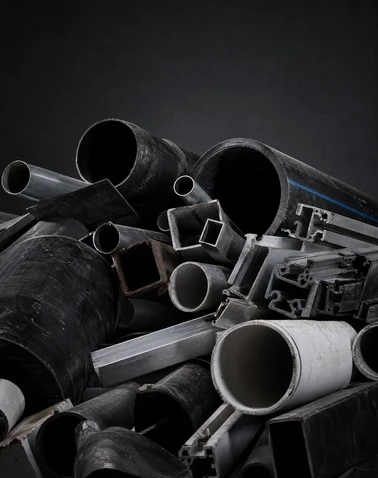
A dual shaft shredder can process a broad range of suitable bulky, flexible and mixed waste. Typical materials include waste plastics, films and woven bags, waste wood and pallets, paper and cardboard, textiles, rubber products and tires, biomass residues, RDF/SRF feedstock, municipal and industrial solid waste, electronic waste components and suitable light metal scrap.
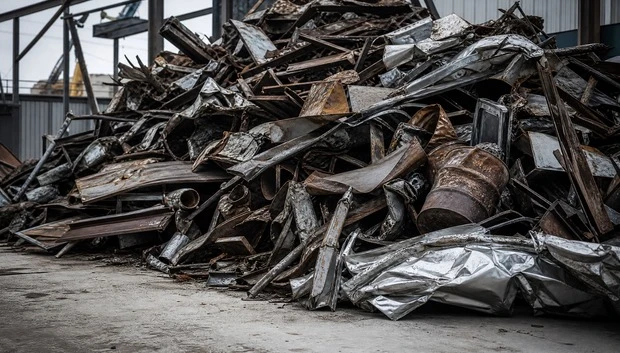
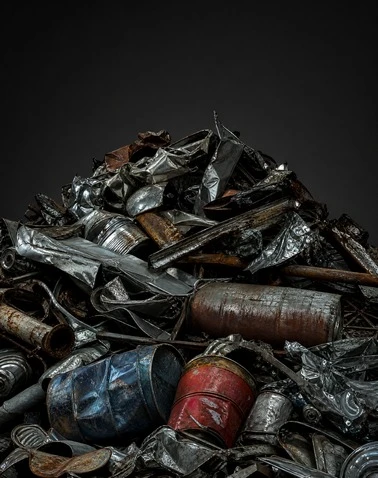
Scrap Metal Waste
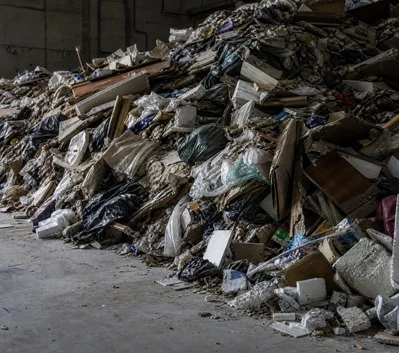
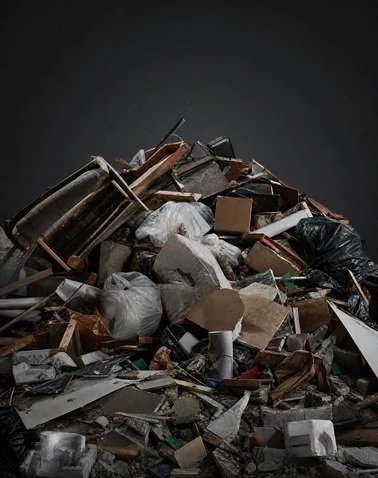
Municipal & Industrial Waste
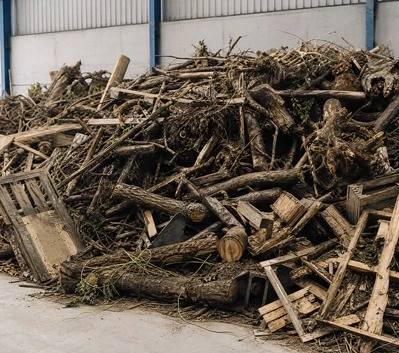
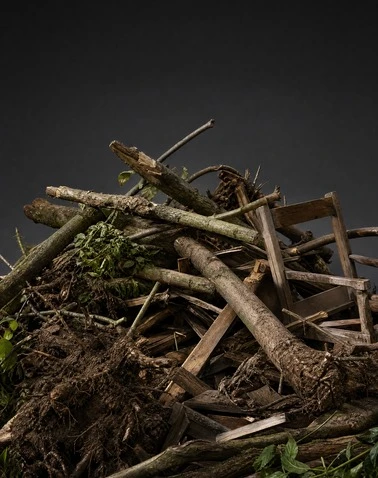
Waste Wood & Yard Waste
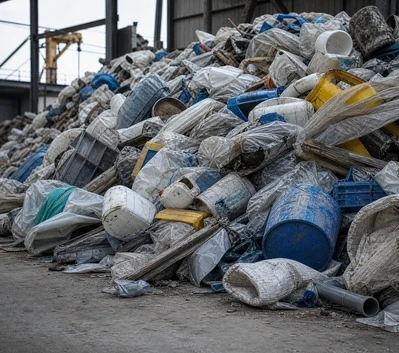
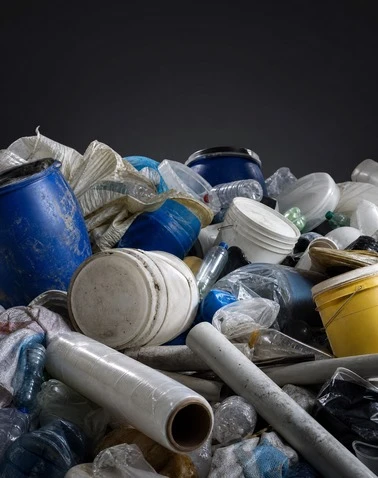
Waste Plastic Materials

Electronic Waste Materials
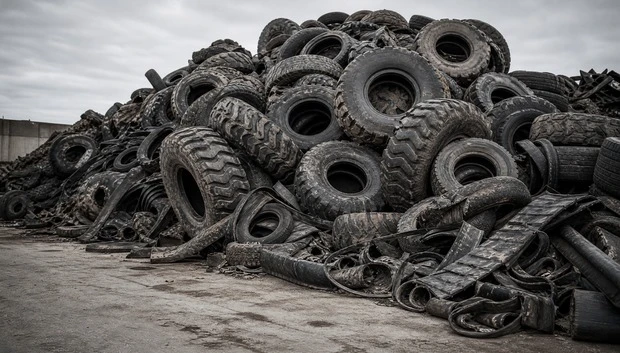
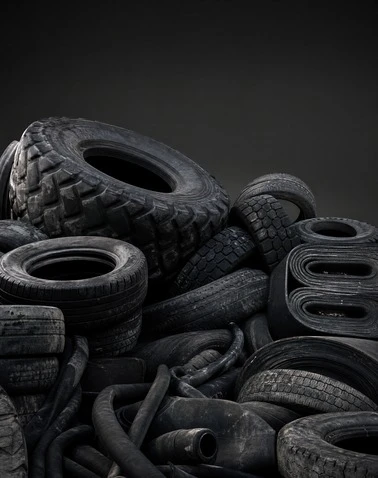
Waste Tires & Rubber
RICHI works with recycling companies, RDF/SRF producers, fuel projects,etc.For these customers, the double shaft shredder machine is typically the front end of a larger process: reducing volume, opening bulky waste, preparing material for sorting, removing recoverable fractions, feeding a secondary crusher, or producing a more manageable feedstock for subsequent recycling and pelletizing.
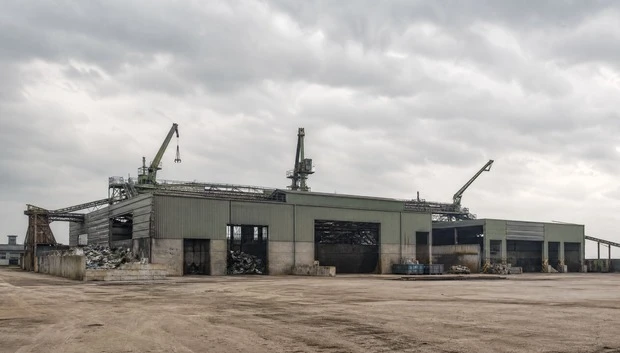
Scrap Metal Recycling Plants
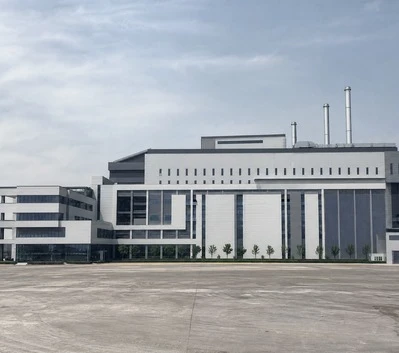
Solid Waste Treatment Plants
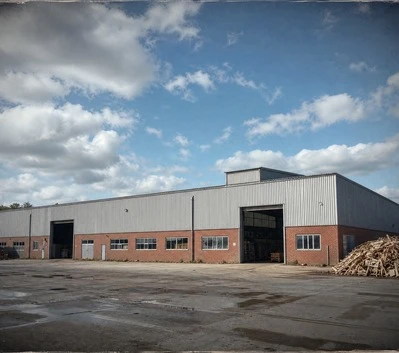
Wood Processing & Panel Plants
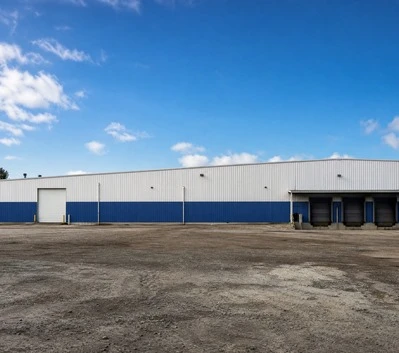
Plastic Recycling Plants
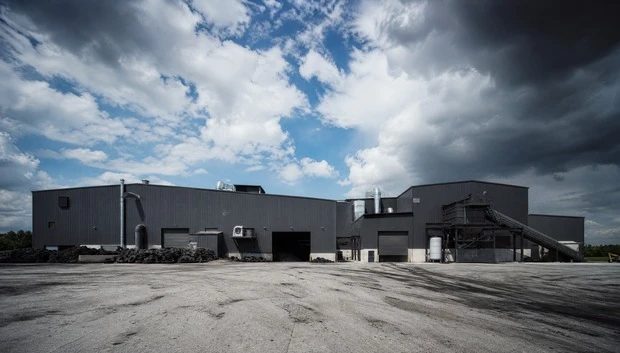
Tire & Rubber Recycling Plants

Electronic Waste Recycling Plants
○ RICHI MACHINERY
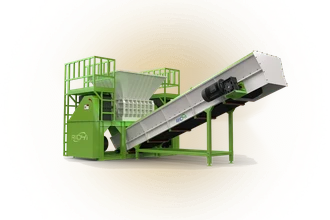
The main housing uses a reinforced, thick-section welded structure to support the cutting shafts and transmission under changing loads. Controlled welding and stress-relief treatment help reduce residual fabrication stress, giving the cutter assembly a more stable structural base during long-term operation.
The cutter discs are mounted on a hexagonal shaft that transmits torque through broad mechanical contact rather than relying on a simple round-shaft interface. Individual cutters can be removed during servicing, allowing worn or damaged components to be replaced without treating the complete shaft assembly as one disposable part.
SSJ cutter discs are made from 55CrSi alloy steel and precision-machined to form the working cutting geometry. This material provides a practical balance of toughness and wear resistance for general shredding duties, while the cutter arrangement is selected according to the actual waste being processed.
The number of cutter discs and their tooth configuration are not fixed across every application. They can be selected around material thickness, toughness, shape and the required shredding effect, helping the same SSJ platform address very different duties such as plastics, textiles, wood or mixed combustible waste.
Sealed bearings help isolate the shaft-supporting components from dust, fines and incidental moisture generated around the shredding chamber. Keeping contamination away from the bearing area supports more stable shaft rotation and reduces the risk of premature damage caused by dirty operating conditions.
When the cutting shafts encounter an abnormal load or material that temporarily stalls the chamber, the control system can stop and reverse the shafts to release the load before attempting to resume shredding. This protects the drive train from continuing to force against a severe blockage.
○ RICHI MACHINERY
RICHI has built and supplied double shaft shredder equipment for RDF, biomass, recycling and material-preparation projects, backed by extensive factory testing across very different feedstocks. These videos show more than a finished machine—they let buyers see how mixed waste, fibrous biomass, wood and bulky materials actually behave during shredding.
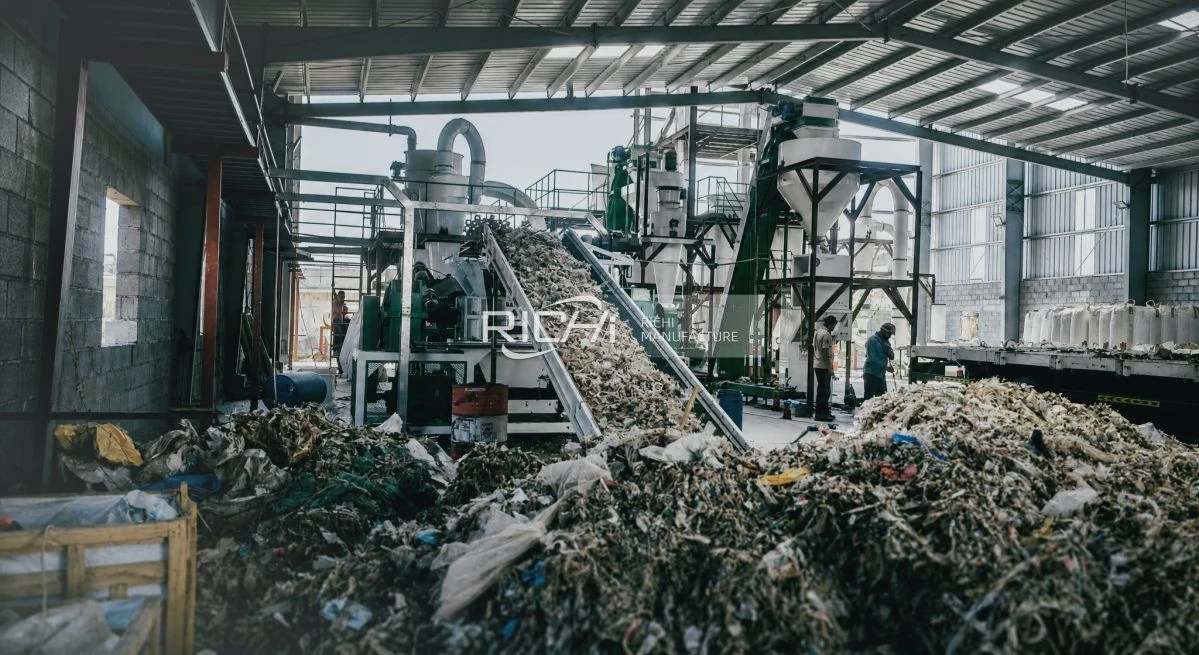
This double shaft shredder machine serves a 2–2.5 t/h RDF pellet plant in India. It pre-shreds waste wood, paper, discarded textiles and plastics for downstream fuel preparation.

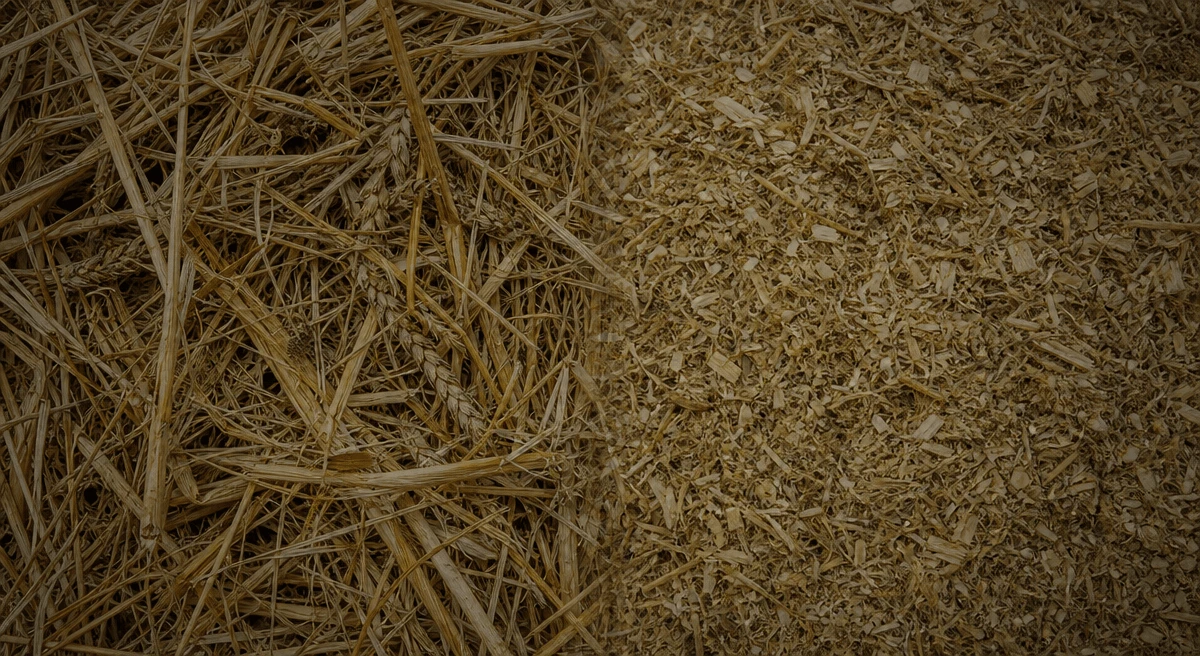
Watch dry, fibrous grass and hay being opened and reduced during a factory test. The trial helps us evaluate material engagement and discharge before final process matching.
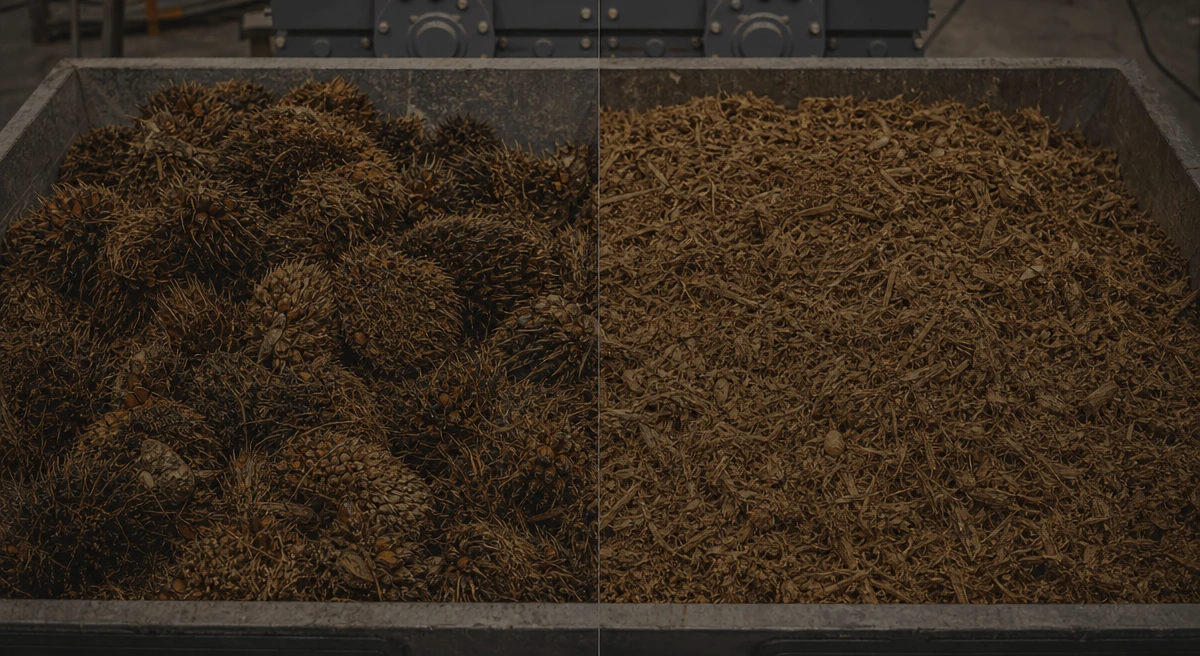
EFB is bulky and highly fibrous, making feeding and tearing behavior important. This test shows the two shaft shredder opening and reducing palm fiber material for further processing.
Loose straw is light, long and prone to irregular feeding. This test demonstrates how the twin-shaft cutting action grips and reduces fibrous crop residue during continuous operation.
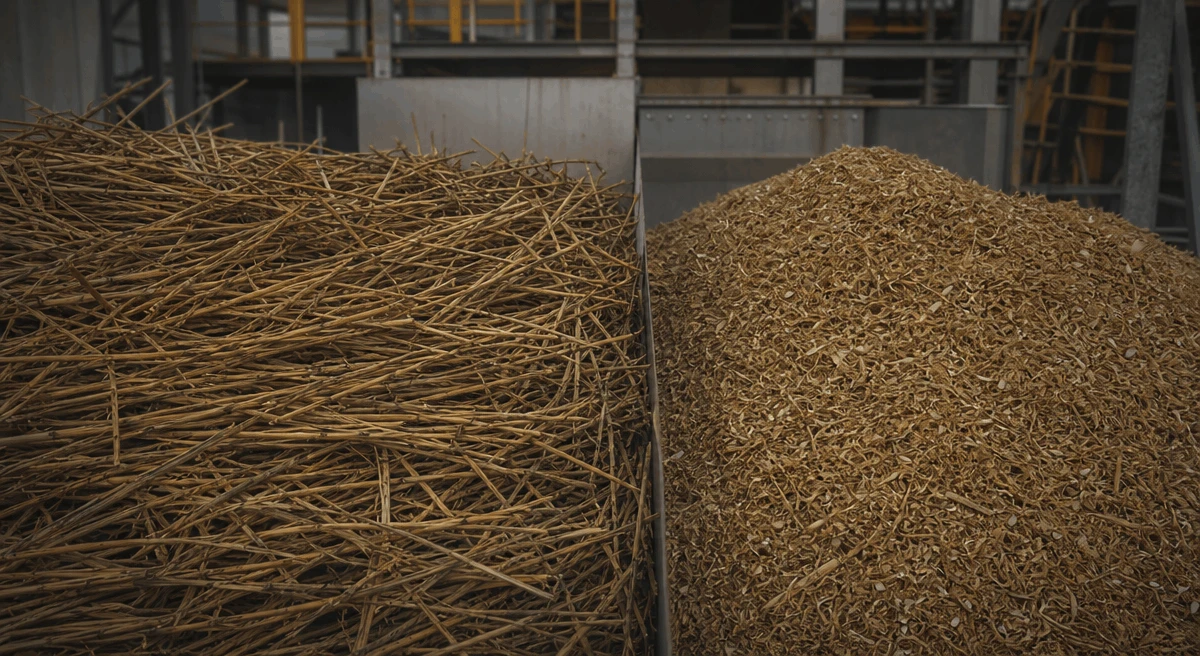
Wood waste places a different load on the cutter system than flexible biomass. This factory trial checks the shredder's cutting response and material flow with prepared wood pieces.
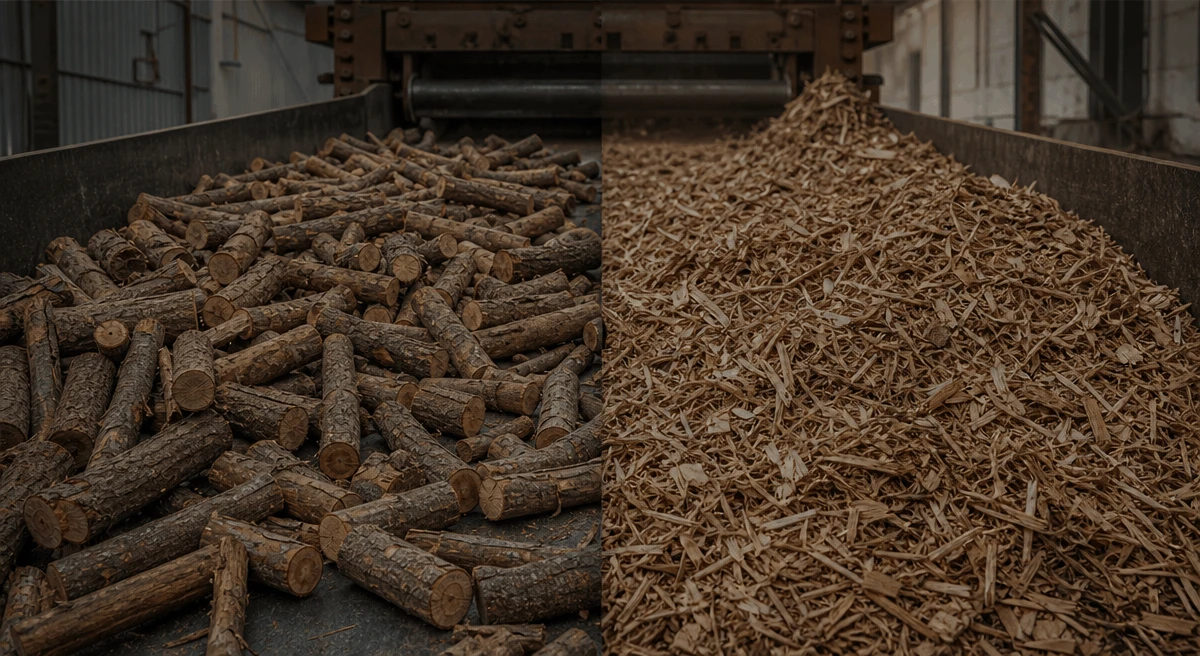
Coconut shells are hard, irregular biomass residues rather than soft fiber. This test shows how the double shaft shredder machine performs coarse size reduction before downstream processing.
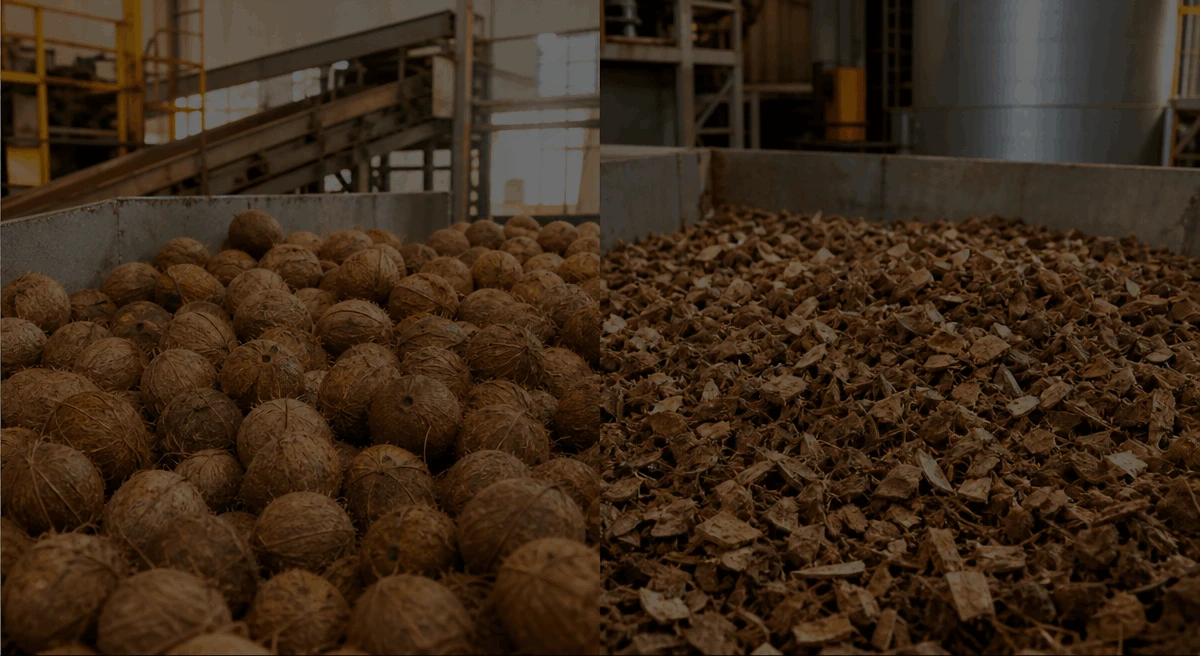
Flat waste boards behave differently from loose wood pieces during feeding. This test shows how prepared boards are gripped and broken down for subsequent recycling or biomass processing.
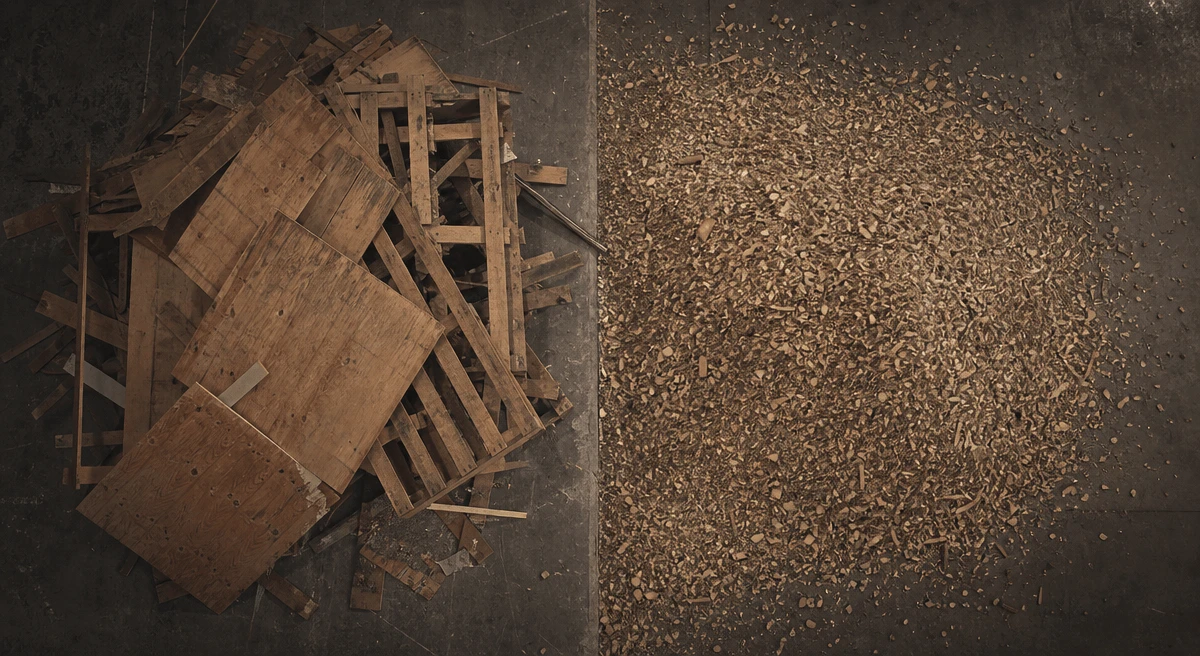
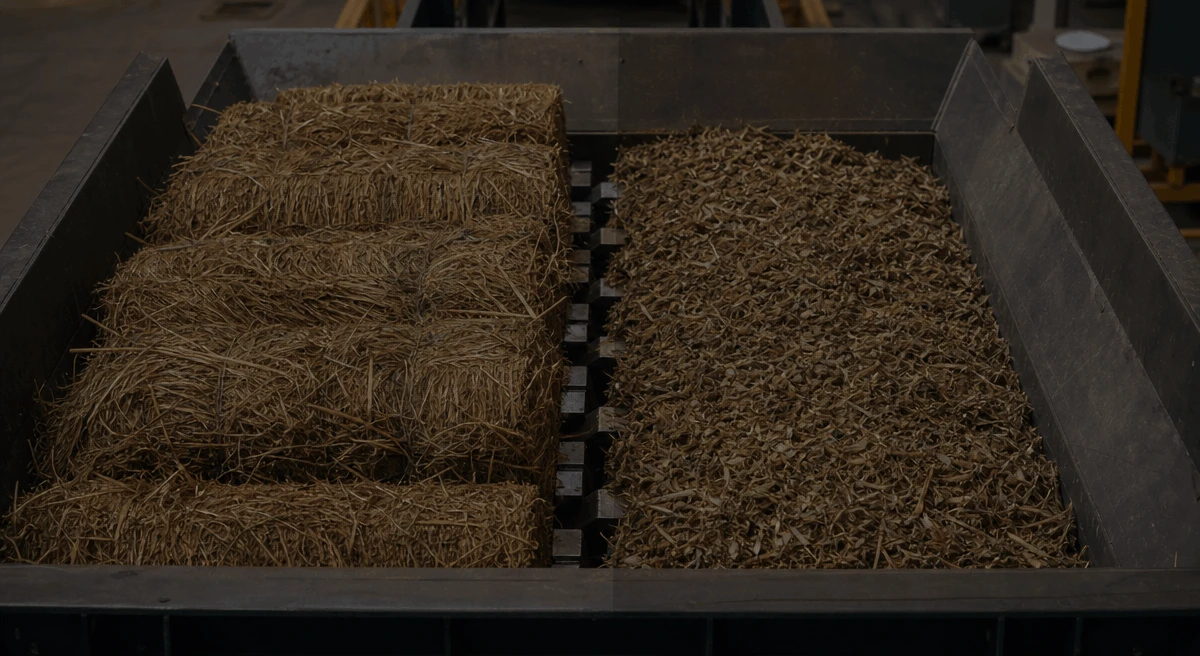
Compressed hay creates a denser feeding duty than loose forage. This test shows the dual shaft shredder machine opening and reducing baled fibrous material under factory conditions.
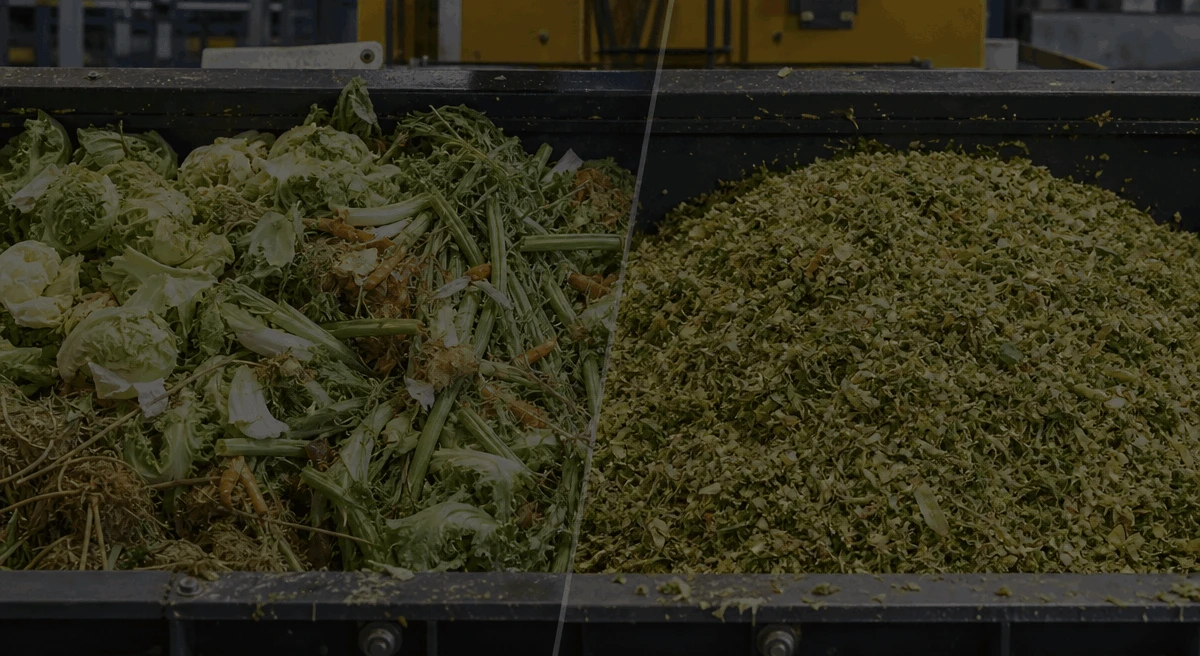
Bulky vegetable residues can be wet, soft and irregular in shape. This test demonstrates actual feeding and size reduction rather than assuming dry-waste shredding conditions.
○ RICHI MACHINERY

Mixed waste rarely has a perfectly stable composition. We evaluate the normal feedstock together with harder, bulkier or more difficult fractions, then configure the shredder around the operating range the plant is realistically expected to handle.

“30 mm output” is not enough to design a shredding process. We first determine whether you need bale opening, volume reduction, sorting preparation, RDF feedstock or material for secondary crushing, then set the size-reduction strategy around that downstream requirement.

Primary shredding is often enough when the goal is opening or coarse size reduction. Where a smaller, more controlled fraction is required, RICHI can combine the twin shaft shredder with screening and secondary size reduction instead of forcing one machine to perform two different jobs.

A new shredder does not always require a new plant. For retrofit projects, we assess the existing feeding route, available space, downstream capacity and discharge arrangement, then configure the new shredding section around equipment worth retaining.

Shredding is only one step. RICHI’s experience in RDF/SRF, biomass and pellet processing allows us to consider separation, secondary size reduction and downstream material preparation when the shredded waste is intended for fuel or pellet production.

Send representative material details, photos or videos before final selection. For unusual waste, the most useful information includes maximum piece size, composition, hard contaminants, required output and hourly volume. We use these conditions to reduce guesswork before manufacturing.
A double shaft shredder machine is rarely selected from motor power alone. Feed shape, toughness, contaminants, bulk density and the next processing step can change the entire shredding duty. RICHI turns these variables into a machine and system configuration built around what actually arrives at your plant.
○ RICHI MACHINERY
The SSJ double shaft shredder machine range extends from the compact SSJ600 to the larger SSJ1600, with dual-motor power from 2 × 15 kW to 2 × 75 kW. Model selection is based on the waste dimensions, composition, required throughput and downstream size target, while cutter quantity and tooth configuration can be adapted to the actual shredding duty. Do not size a two shaft shredder from motor power alone. Send us the material, maximum piece dimensions, approximate bulk density or daily volume, required output size and downstream use. These details determine the SSJ model and cutter configuration far more reliably than a single t/h figure.
| Model | Motor Power | Cutter Disc Diameter | Cutter Disc Material | Cutter Quantity & Teeth | Machine Dimensions |
|---|---|---|---|---|---|
| SSJ600 | 2 × 15 kW | 220 mm | 55CrSi | Customized to material and shredding requirement | 2500 × 1250 × 1700 mm |
| SSJ800 | 2 × 22 kW | 260 mm | 55CrSi | Customized to material and shredding requirement | 3000 × 1800 × 1900 mm |
| SSJ1000 | 2 × 37 kW | 400 mm | 55CrSi | Customized to material and shredding requirement | 3900 × 1800 × 2200 mm |
| SSJ1200 | 2 × 45 kW | 400 mm | 55CrSi | Customized to material and shredding requirement | 4200 × 1800 × 2300 mm |
| SSJ1400 | 2 × 55 kW | 500 mm | 55CrSi | Customized to material and shredding requirement | 5000 × 2100 × 2500 mm |
| SSJ1600 | 2 × 75 kW | 520 mm | 55CrSi | Customized to material and shredding requirement | 5450 × 2400 × 3200 mm |
○ RICHI MACHINERY
RICHI builds modular shredding systems around the double shaft shredder machine, connecting waste reception, controlled feeding, primary size reduction, separation, screening and further processing into one workable flow. The configuration changes with the waste stream: a plastic recycling plant does not need the same system as an RDF facility or a waste wood processor. Systems can be designed for new plants or inserted into existing facilities.
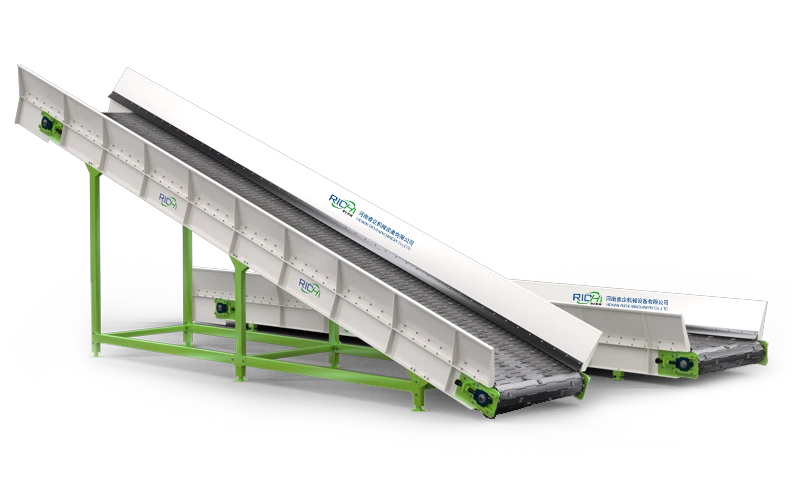
Heavy-duty belt, chain or other suitable conveyors move bulky waste into and out of the shredding section, with dimensions selected around feed form and plant layout.
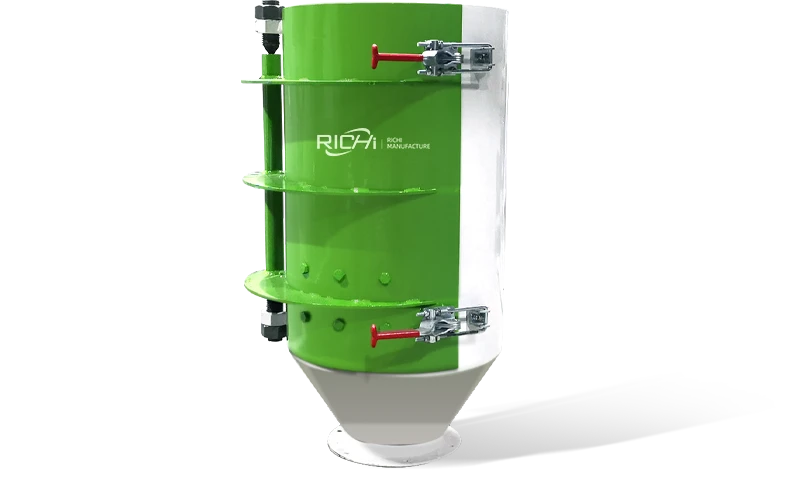
Overband or other suitable magnetic separators can remove recoverable ferrous metals after shredding, protecting downstream equipment and improving material separation where required.
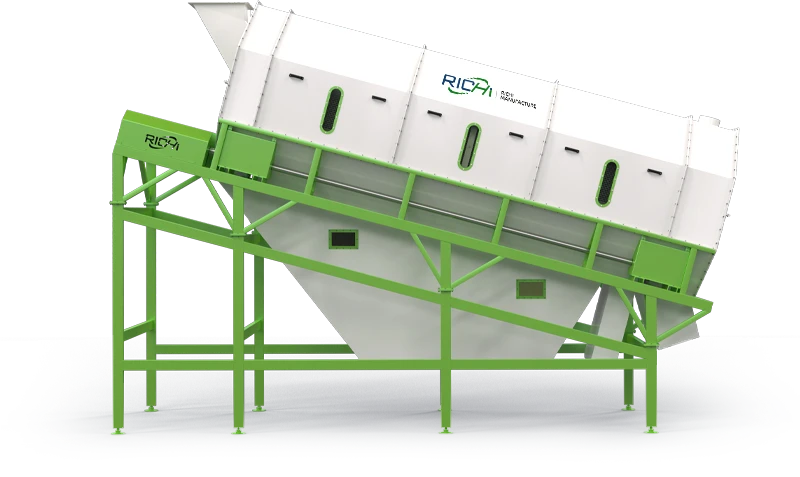
Screens separate material by the required process fraction. Oversized pieces can be directed to further size reduction instead of forcing the primary shredder to deliver the final size alone.
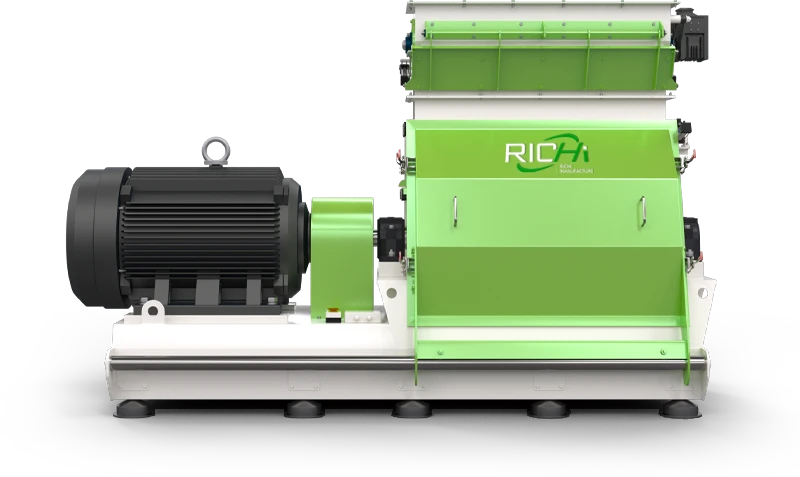
When coarse primary shredding is not the final step, a secondary crusher or shredder further reduces the prepared material for recycling, RDF/SRF processing or other downstream requirements.
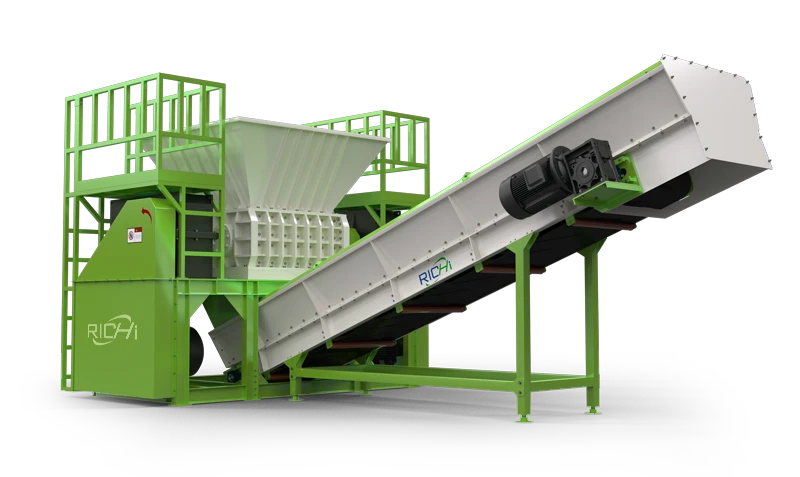
At the center of the system, the double shaft shredder machine does more than make waste smaller. Its job is to turn bulky, tangled or irregular feedstock into a condition that the next operation can handle more consistently. RICHI selects the SSJ model and cutter arrangement around that next operation—not around the shredder in isolation.
Design My Waste Shredding System○ RICHI MACHINERY
○ RICHI MACHINERY
No. A primary double shaft shredder should not be expected to guarantee that every irregular piece is below 30 mm. Cutter geometry influences the discharged fraction, but flexible and mixed waste produces a size distribution. If 30 mm is a strict downstream maximum, screening and secondary size reduction should be included in the process evaluation.
Select around the normal waste mix plus the most difficult material that appears regularly—not the easiest or average material alone. Give us approximate percentages of plastic, paper, textiles, wood and other fractions, together with maximum piece size, bulk density, contamination and required t/h.
A properly configured double shaft shredder machine can improve the handling of film and other flexible waste, but the cutter configuration matters. Loose film, compressed film bales, woven bags and mixed rigid/flexible plastics do not create the same shredding duty. Send the material form and bale condition before selecting cutters.
Yes. HDPE drums and crates can potentially share one appropriately selected shredding section when their maximum dimensions and required output are compatible. Tell us the largest drum, crate dimensions, approximate material ratio and whether metal fittings or contaminants are present.
Possibly, but only if the bale dimensions, density and binding condition fit the selected feeding opening and shredding duty. A 500–700 kg densely compressed bale should not be assumed equivalent to loose plastic. Send bale L × W × H, weight, material composition and binding method before the feed system is designed.
Occasional nails and screws in pallet waste can be considered during system design, but heavy metal contamination should not be treated as normal feedstock. A downstream magnetic separator can remove liberated ferrous metal, while larger metal pieces should be controlled before they create unnecessary cutter loading or damage elsewhere in the line.
Not reliably from those two numbers alone. For a 3 t/h pallet project, we would also check pallet thickness and construction, nails or fittings, stacking/feed method and the size required after shredding. Those conditions determine whether the selected cutting chamber and drive are appropriate.
Yes, a double shaft shredder machine can be used for coarse opening and size reduction in suitable mixed-waste systems, but wet MSW requires the entire feeding and separation route to be considered. Provide moisture range, bagged fraction, composition and hard contaminants so the machine is not selected as though it were processing dry industrial waste.
Mattresses require specific evaluation before whole-unit feeding because they can combine foam, textile, long fibers and steel springs in one item. Send mattress dimensions and construction. Do not treat them as ordinary textile waste simply because most of the visible surface is fabric.
Steel reinforcement is inherent to normal tire construction, so the shredder must be selected with that structure in mind. Give us the largest tire diameter and width, tire types, required t/h and desired output. Coarse tire pre-shredding and producing a small rubber fraction are different processes and usually require different downstream stages.
Start from operating hours. 20 t/day requires an average of 2.5 t/h over 8 operating hours, 1.67 t/h over 12 hours, or 1.25 t/h over 16 hours. Then add suitable operating margin and evaluate the material's bulk density, maximum feed size and cutting difficulty before choosing the SSJ model.
Because volumetric loading can become the limit before weight does. A tonne of loose film, textile or bulky packaging occupies far more feeding volume than a tonne of dense material. For low-bulk-density waste, chamber opening, feeding continuity and m³/h can be just as important as nominal t/h.
No. Do not design the primary shredder permanently at its theoretical limit when the downstream RDF line requires a stable 5 t/h supply. Waste composition, feeding interruptions, contaminants and separation losses affect real operation. Model selection should start from the incoming waste mix and required continuous downstream flow.
Probably not if the objective is bag opening and coarse liberation rather than producing a controlled particle size. Screening becomes more relevant when downstream equipment needs a defined fraction or when oversized material must be recirculated for further size reduction.
For a large reduction from bulky mixed waste to a much smaller controlled fraction, two-stage size reduction is usually the more practical route to evaluate. Primary shredding handles bulky feed; separation can remove metal or unsuitable contaminants before secondary reduction. Do not force the entire size reduction duty onto the first machine merely by choosing thinner cutters.
The recurring abrasive stream cannot be ignored just because it represents fewer operating hours. Tell us both duties, their annual tonnage and switching frequency. Cutter selection should provide an acceptable compromise across the actual production schedule rather than being optimized only for clean plastic.
Not necessarily. First check whether the waste stream has changed. More sand, glass, metal contamination or other abrasive material can shorten cutter life even when machine settings are unchanged. Compare processed tonnage and incoming composition before assuming cutter material itself is the problem.
The SSJ double shaft shredder machine control system can stop and reverse the shafts under abnormal overload to help release a temporary blockage. This is a protection function, not permission to feed unrestricted steel, stones or other unsuitable objects. Persistent contaminants should be controlled upstream.
Yes. Existing conveyors and separators can be retained when their capacity, geometry and controls are compatible with the new SSJ section. Send conveyor width, speed, elevation, motor data, discharge height and separator arrangement so we can design the interfaces instead of automatically replacing usable equipment.
The shredder itself may fit within a 6 × 8 m area, but the complete answer depends on feeding, discharge and maintenance clearance. The SSJ machine footprints range approximately from 2.5 × 1.25 m to 5.45 × 2.4 m across the six models; conveyors, hoppers and safe service access require additional room.
Send the clear platform height, available L × W, column positions, feeding elevation and required discharge direction. This is different from a normal floor-space question: the limiting dimension may be the hopper, inclined conveyor or maintenance access rather than the shredder body itself.
The SSJ600 is still an industrial double shaft shredder machine, although it is the smallest model in the current RICHI SSJ range. It uses 2 × 15 kW drive power and a 220 mm cutter-disc diameter. It should be selected for an actual production duty rather than compared with tabletop or light-duty workshop shredders.
Not automatically. Timber offcuts, upholstery foam, textiles, metal furniture fittings and packaging have very different cutting behavior. If the streams are mixed before shredding, provide their proportions and largest items; separating some fractions upstream may give a more stable process than forcing every factory waste into one machine.
Suitable dismantled fractions may be pre-shredded, but batteries and hazardous components should be removed before mechanical shredding according to the applicable process and local requirements. E-waste preparation should be designed around controlled dismantling and separation, not unrestricted feeding of complete discarded electronics.
This is a realistic double shaft shredding application to evaluate because paper-mill rejects can contain mixed flexible and fibrous fractions. The key information is moisture, rope/string content, plastic fraction, metal contamination, maximum lump size and required downstream fraction. Wet rejects should be evaluated differently from dry paper/cardboard waste.
As a practical global market reference, an industrial double shaft shredder machine typically costs about USD 15,000–150,000 for the main machine, while a complete shredding or RDF preparation system can cost substantially more. Machine size, drive power, cutter configuration, feeding equipment, conveyors, separation, controls and secondary size reduction determine where a project falls within that range.
Not before identifying why output fell by roughly 37.5%. Check cutter wear, cutter clearance, feeding stability, waste composition, contamination and discharge conditions first. If the machine originally achieved 4 t/h on comparable material, restoring the cutting or feeding condition may cost much less than replacing the entire shredder.
Choose a bale breaker first for normal hay, alfalfa or straw bale opening in a conventional feed or biomass pellet process. A double shaft shredder machine is more appropriate when the material is difficult, contaminated, mixed or requires heavier coarse size reduction. Buying a shredder simply because it looks more powerful can add unnecessary investment and energy use.
Usually no. Primary shredded waste may still require sorting, magnetic separation, secondary size reduction, moisture adjustment and homogenization before pelletizing. The pellet mill needs a controlled feedstock; it should not be expected to correct inconsistent material coming directly from coarse shredding.
Not necessarily—the primary shredding and separation stages may be the real problem. Check the oversized fraction leaving the double shaft shredder machine, screen/recirculation arrangement and whether unsuitable contaminants are reaching the secondary machine. Increasing downstream power without controlling the incoming fraction can simply move the bottleneck.
○ RICHI MACHINERY
As a global leader in pelletizing solutions, RICHI represents a fully integrated technology partner that masters every dimension of modern production systems. From pioneering research in material science to precision engineering and industrial-scale manufacturing, we build complete production ecosystems that transform raw materials into high-value pellets. Our holistic approach ensures each project is founded on three pillars: engineering precision that guarantees operational efficiency, continuous innovation that adapts to evolving market demands, and uncompromising reliability that sustains production for decades. With vertically controlled manufacturing and end-to-end project management, we deliver not just equipment, but fully optimized production assets that drive profitability across industries worldwide.
Engineering & Manufacturing
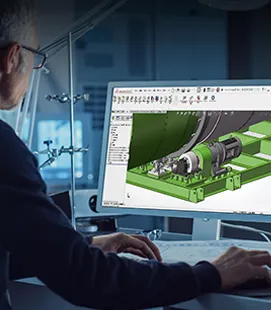
Research & Development

Technical Services

Patents & Certifications

Global Partnerships
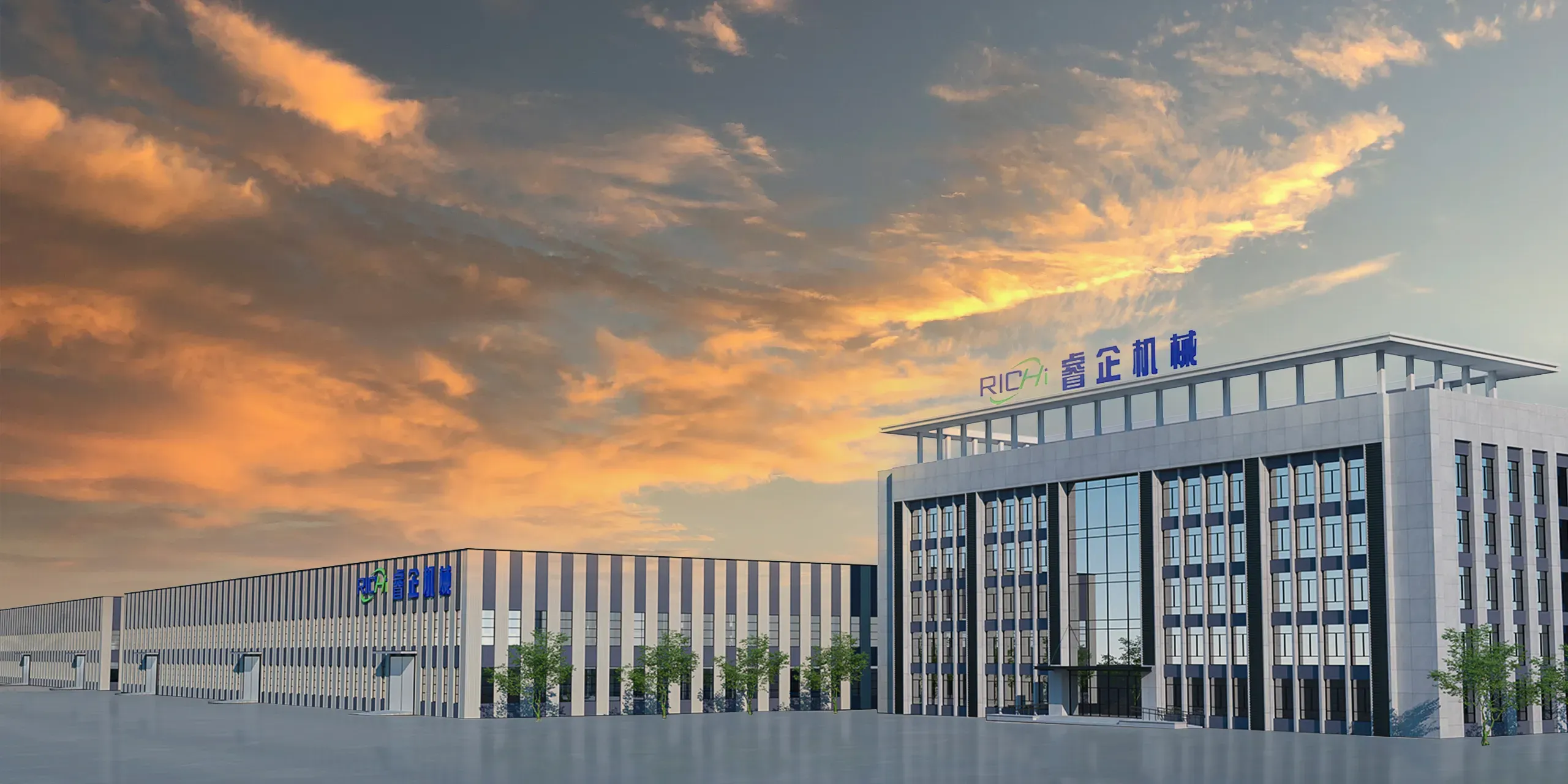
Global Headquarters
○ RICHI MACHINERY
Founded in 1995, RICHI Machinery has evolved from a specialized manufacturer into a global engineering provider for complete pelletizing systems. With two major manufacturing bases spanning over 60,000 m², we control every step from design to delivery, ensuring unmatched quality and depth of production. Our commitment to excellence is reflected in our global impact, serving clients in over 140 countries with more than 2,000 successful projects and 10,000+ equipment units delivered worldwide.
Production Area
Countries Served
Global Projects
Equipment Delivered
○ RICHI MACHINERY
For nearly three decades, RICHI has mastered the complexities of diverse materials across global industries. We provide end-to-end pelletizing systems, delivering the complete technological and engineering support needed to transform raw materials into high-value products. From initial concept to operational plant, we are your single partner for launching and scaling a successful pellet processing business.
○ RICHI MACHINERY
○ RICHI MACHINERY
Keeping in touch with us is an effective way to solve all your problems. If you have any needs or questions, please leave your contact information, then RICHI technical consultants will send design, quotation, videos to your mailbox. You can also contact us directly via WhatsApp: +86 13838389622
Copyright©2015-2026 by HENAN RICHI MACHINERY CO., LTD. All rights reserved.