
Explore a wheat puffing extruder in Bulgaria for processing local wheat into expanded feed ingredients. Learn about the RICHI RCYP160G dry extrusion machine, its technical configuration, applications and single-machine investment advantages.
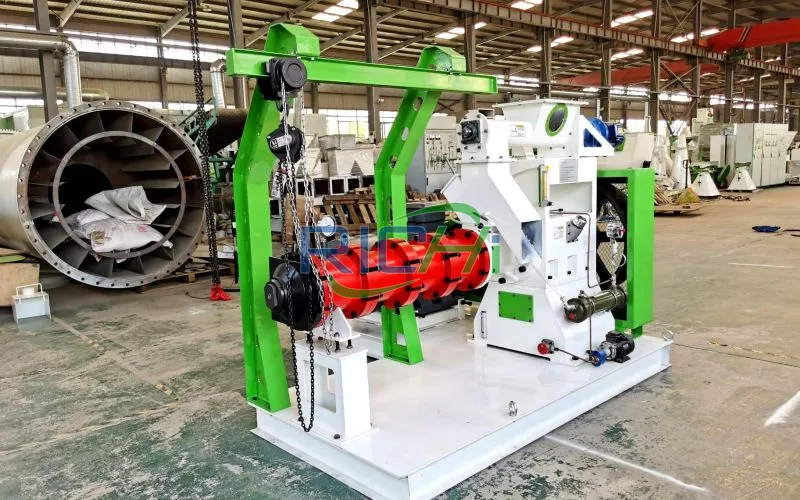
A wheat puffing extruder in Bulgaria was selected for a grain-processing business looking to add value to locally sourced wheat without investing in a complete feed manufacturing plant. The customer already had grain receiving, storage, cleaning and basic size-reduction facilities, but needed a dedicated machine to process wheat into a heat-treated, expanded ingredient for downstream feed formulations.
Instead of replacing the existing equipment or purchasing an entire production line, the business chose one RICHI RCYP160G dry-type raw grain extruder as an additional processing unit.
The purpose of the investment was to create a more versatile product from ordinary grain and offer feed manufacturers an ingredient with different physical and processing characteristics from untreated wheat.
The new machine was intended to complement the customer's existing grain-handling operations, allowing the business to evaluate expanded wheat in selected feed formulations and develop an additional product for its commercial customers. The project therefore centers on one grain puffing machine, not a complete feed mill or an integrated extrusion line.
Name:
Wheat Puffing Extruder
Country:
Bulgaria
Date:
2026
Capacity:
1 T/H
Model:
RCYP160G
Power:
75 kW
Processing type:
Dry-type
Primary raw material :
Cleaned wheat grain
Bulgaria has an established cereal-growing sector, and wheat is an important crop in its agricultural economy. Grain trading, storage, flour milling and animal feed production provide several possible markets for processed cereals. For a grain processor already purchasing wheat from agricultural suppliers, selling only conventional grain may limit the range of products it can offer to industrial customers.
The customer in this project is a medium-scale grain and feed ingredient processor serving regional livestock feed manufacturers. Its business model is based on buying suitable grain lots, checking quality, storing raw materials and supplying ingredients according to customer specifications. Some customers purchase untreated grain or conventional milled ingredients, while others require materials that have undergone additional processing.
The company wanted to explore the second market without committing to a large new factory. A dry-type grain extruder was considered a practical way to introduce thermal and mechanical processing into the existing operation. The intention was to process selected wheat batches, evaluate the resulting material and determine which customers could use it in compound feed formulations.
Purchasing one machine also gave the business more control over investment timing. The existing grain storage and handling infrastructure could remain in use, while the new extrusion stage could be installed as a separate processing unit. Conveyors, collection bins and downstream equipment would be connected or adapted according to the final layout, but they were not part of the single-machine purchase described here.
Wheat was selected because it is widely grown and commercially traded in Bulgaria, making it a realistic raw material for a local grain processor. Depending on the season, procurement source and grade, the factory may receive milling-quality wheat, feed-grade wheat or lots that meet the processor's specifications for industrial feed ingredient production.
Not every batch is automatically suitable for extrusion. Before processing, the operator needs to check moisture content, grain cleanliness, foreign material, kernel condition and the presence of mold or other quality problems. Wheat with excessive moisture, contamination or unsuitable storage history should not be treated as acceptable simply because an extruder is available.
For this project, the intended raw material is cleaned wheat grain. The grain is inspected and prepared using the customer's existing receiving and cleaning facilities before being delivered to the extruder. The actual grinding or particle-size preparation requirement depends on the machine's feeding characteristics and the desired finished product. It should be confirmed during process planning rather than assumed to be identical for every wheat variety or grain lot.
The project does not require a fixed wheat-to-corn or wheat-to-soy ratio because the machine is being used to process wheat as a separate ingredient. If the customer later chooses to process blended cereal materials, each formulation will need its own process assessment. Different grains can behave differently under heat, pressure, moisture and mechanical shear, so a configuration that works for one raw material should not automatically be applied to another.
The customer selected one RCYP160G dry-type raw grain extruder. The model is part of RICHI's RCYP series, designed for the puffing and extrusion of raw materials. For this project, the dry-processing configuration was chosen because the intended operation is to process prepared wheat without making a wet-conditioning system the central part of the equipment package.
| Technical Item | Selected Configuration |
|---|---|
| Equipment name | Wheat puffing extruder |
| Manufacturer | RICHI Machinery |
| Model | RCYP160G |
| Processing type | Dry-type raw grain extrusion |
| Main motor power | 75 kW |
| Screw diameter | 140 mm |
| Feeder motor power | 1.5 kW |
| Feeder specification | WLQ200-1200 |
| Purchase quantity | One unit |
| Primary raw material | Cleaned wheat grain |
| Project scope | Single-machine addition to an existing grain-processing operation |
The RCYP160G is being added to an existing operation rather than purchased as part of a turnkey feed plant. The customer's grain receiving, storage and cleaning systems remain in service. The new extruder creates an additional processing stage between raw-material preparation and the collection or transfer of the finished expanded ingredient.
Before installation, the plant needs to confirm how cleaned wheat will reach the feeder, where the machine will stand, how the processed material will be collected and what equipment is required afterward. The layout should leave enough room for routine inspection, opening the machine for maintenance and replacing wear components when necessary.
Material flow deserves particular attention. If wheat is fed inconsistently, the extruder may experience unstable loading, affecting the processing conditions and the uniformity of the output. A suitable feeding arrangement helps maintain a more consistent material supply, although feed rate must still be adjusted to match the behavior of the actual raw material.
Downstream handling is equally important. Depending on the process settings and final application, the extruded wheat may require cooling, screening or further size reduction before it is blended into a feed formula. Those requirements depend on the finished ingredient and are not automatically included in the purchase of the RCYP160G itself.
Raw wheat contains starch, protein, fiber and other naturally occurring components. During extrusion, mechanical energy and heat affect the structure of the material. Under suitable processing conditions, starch can undergo gelatinization and other structural changes that influence water absorption, bulk density, texture and subsequent handling.
The extent of these changes depends on the moisture level, temperature, mechanical energy input, residence time and machine configuration. It is therefore not accurate to assume that every extruded wheat product will have the same expansion ratio or nutritional effect. The process needs to be matched to the desired ingredient characteristics.
For the Bulgarian processor, the immediate objective is to create a processed wheat ingredient that can be evaluated by feed manufacturers. The ingredient may be considered for selected compound feed formulations where the processor and feed formulator determine that the physical properties and processing behavior are appropriate.
Extrusion can also expose material to conditions that reduce certain microbial risks when the process is correctly designed and controlled. However, a machine alone does not guarantee sterilization, detoxification or a specified reduction in microorganisms. Those claims require validated operating conditions and appropriate testing, especially when the finished product is intended for animal feed.
Wheat is a versatile cereal ingredient, but its suitability for a finished feed depends on the target species, formula, processing method and nutritional specifications. The extruded material from this project is intended for evaluation as a processed feed ingredient rather than as a complete feed product in its own right.
For cattle and other ruminant feeds, processed cereal ingredients may be considered as part of a balanced ration where the feed formulator determines the appropriate inclusion rate. For poultry and pig feed, wheat-based ingredients may also be used in formulated products, subject to the nutritional and processing requirements of the particular feed. The appropriate inclusion level should be established by the feed manufacturer or nutrition specialist rather than set by the extruder supplier alone.
The customer can also discuss whether the same machine configuration may be suitable for other cereal materials, including corn or selected grain blends. The RCYP series is designed for multi-material use, and RICHI's supplied specifications describe the possibility of processing expanded soybeans, expanded corn and certain flaked piglet feed materials by changing selected components. Nevertheless, each additional material must be checked for compatibility, and the output rates may differ significantly.
That flexibility was one of the reasons for choosing a grain extruder instead of investing in equipment dedicated exclusively to one finished ingredient. It provides a route to future product development while allowing the company to begin with a clearly defined wheat-processing application.
The RCYP series is available in dry-type and wet-type configurations. A wet-type grain extruder incorporates a conditioner that adds a controlled conditioning stage before the material enters the extrusion section. The dry-type configuration uses a different process arrangement and does not rely on the same integrated conditioning stage.
For this customer, the dry-type configuration was selected to keep the initial project focused on a single machine and avoid expanding the scope into a larger conditioning package. This is a project-specific choice, not a claim that dry extrusion is always preferable for wheat. The best configuration depends on the raw material, target product, desired degree of processing and the operating conditions required to achieve it.
Before finalizing the equipment, the customer's wheat moisture and target finished-product characteristics should be reviewed to confirm that the dry-type model is suitable. If the process requires controlled moisture addition or a different conditioning profile, the wet-type alternative should also be evaluated. A technically appropriate selection at the beginning is more valuable than choosing a configuration based only on its nominal motor power.
The RCYP series uses a dedicated transmission design intended to provide stable power transfer without requiring an external cooling system for the gearbox under its specified operating conditions. The transmission, bearings and drive components must still be operated within the manufacturer's recommended limits, with routine inspection and lubrication carried out according to the equipment manual.
Wear components are particularly important in grain extrusion because the screw and other material-contacting parts are exposed to repeated mechanical loading. The supplied equipment information identifies special alloy steel for selected wear parts, with the aim of extending service life and reducing replacement costs. Actual service intervals depend on the raw material, operating conditions and maintenance practices.
The machine also uses a three-bearing arrangement and circulating thin-oil lubrication to support stable operation and bearing life. These design elements matter because extrusion places sustained loads on the drive system. Correct installation, alignment and maintenance are necessary to obtain the intended benefit from the mechanical design.
RICHI's stated series-level performance advantage is a productivity increase of approximately 15–20% compared with general similar models. That figure should be treated as a manufacturer claim rather than a guaranteed improvement for this wheat project. A direct comparison would require equivalent raw materials, product specifications, operating conditions and a clearly defined measurement method.
For a new wheat extrusion application, the first production runs should be treated as a process-validation stage. The plant should record the incoming grain condition, feeder setting, operating parameters, motor load, finished-product appearance and any downstream handling issues. These observations help establish a repeatable operating window for commercial production.
The customer should also assess whether the finished ingredient meets the intended feed manufacturer's requirements. Depending on the application, this may involve checking particle size, bulk density, moisture, expansion characteristics and relevant nutritional or microbiological indicators. The exact test list should be agreed with the buyer of the ingredient.
If the factory intends to switch between wheat, corn and soybean, the changeover procedure needs to be documented. Raw materials can differ in flow behavior, moisture requirements and processing response. Cleaning and line-clearance procedures are also necessary to reduce unwanted carryover between products and help maintain traceability.
Since the customer is buying one machine, engineering support should focus on making that machine work reliably within the existing plant. Before shipment, RICHI can review the installation footprint, raw-material feed arrangement, discharge position, electrical requirements and maintenance access. These details help avoid unnecessary modifications after the equipment arrives.
The installation plan should identify the required foundation or support structure, lifting points, electrical connection and the interfaces with existing conveyors or collection equipment. The customer's maintenance team should have access to the drive system and wear components without dismantling unrelated equipment.
During commissioning, the operating team should verify the feeder operation, inspect mechanical connections, confirm the machine's operating condition and introduce wheat gradually according to the agreed startup procedure. The initial settings should be adjusted based on actual material behavior, rather than copied directly from another grain-processing application.
RICHI can also provide operating and maintenance guidance covering safe startup and shutdown, routine inspection, lubrication requirements and wear-part replacement. For a business adding extrusion to an established grain operation, this practical support helps staff understand the new process and establish a maintenance routine from the beginning.
The equipment is planned for shipment from Qingdao Port in China to the Port of Varna, Bulgaria, subject to the final shipping route and freight arrangement. The port and transport schedule should be confirmed by the logistics provider before dispatch.
Before shipment, the receiving facility should prepare the installation area, check the access route for moving the equipment into position and confirm that the required electrical and material-handling connections are ready. Advance preparation reduces the risk of the machine remaining idle after arrival while the factory completes basic installation work.
The main criteria for evaluating this investment are whether the RCYP160G can process the customer's wheat consistently, whether the resulting ingredient meets the intended buyer's specifications and whether the machine can be operated and maintained within the existing plant's resources.
No verified customer quotation, signed acceptance record or measured wheat-processing trial results have been supplied for this project profile. For that reason, an invented first-person testimonial is not presented as an authentic customer statement. Once commissioning is completed, the project record can be strengthened with verified operating data and feedback from the customer's technical team.
The most useful feedback would cover the stability of feeding, the ease of adjusting operating conditions, the consistency of the finished wheat ingredient and the accessibility of wear parts during maintenance. Recording these points makes the case more informative for other grain processors considering a similar single-machine investment.
The wheat puffing extruder in Bulgaria represents a focused investment by a grain and feed ingredient processor seeking to expand its product range without replacing its existing infrastructure. One RICHI RCYP160G dry-type extruder, configured with a 75 kW main motor, a 140 mm screw and a 1.5 kW feeder, provides the proposed processing unit for the project.
The machine is intended to process cleaned wheat into an expanded ingredient for evaluation in selected feed formulations. Its multi-material design also provides a potential route to other suitable grain-processing applications, subject to raw-material trials and the appropriate equipment configuration.
For businesses considering a similar project, the key step is to confirm the actual material, finished-product requirements and target throughput before finalizing the machine selection. RICHI Machinery can review those details, assess the dry-type and wet-type alternatives, and help determine how a grain puffing extruder can fit into an existing operation. This approach allows the customer to invest in the processing stage it needs now while keeping future product development open.
Having the right mix of reliable, high-quality pellet machine and pelletizing systems and expert support is essential to your success. Watch how our end-to-end feed pellet plant solutions have helped our customers optimize their performance.
Our customized and future-proofed turnkey pellet plant solutions is designed with you at the core. From vision to reality and beyond, our team stays connected with yours. Giving you peace-of-mind with an expert at your side.
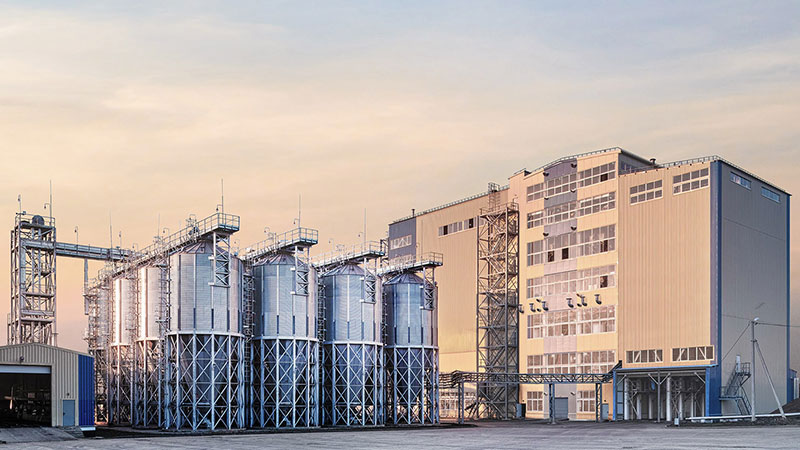
At RICHI, we go beyond project completion. With RICHI Servicee, we’re your dedicated partners in success. Count on us for expert guidance, minimal downtime, and optimized productivity. Choose RICHI for unmatched service and support.
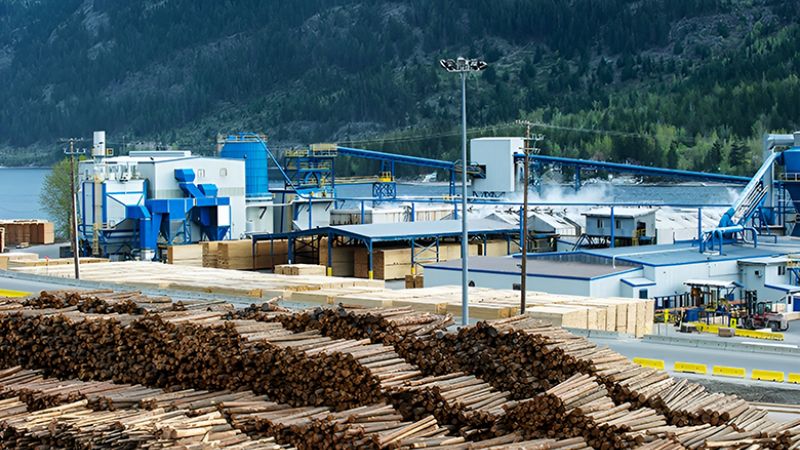


Meet global product demands and quality standards with industry-leading pellet plant design, engineering, equipment, and construction services for pellet processors.


Your Partner Beyond Project Completion
2000+ cases
RICHI is the leading designer, manufacturer and builder of pellet plants in the world, completing over 2000 projects in 140 countries across 6 continents.
Read More
Increase plant productivity, profitability, and safety by integrating high quality equipment into your pellet production line. Over the years, RICHI has become China's top pellet equipment manufacturer. At the same time, RICHI has established valuable partnerships with the world's leading component and raw material manufacturers to bring you the best there is in technology, automation, and efficiency in pelleting plant machinery.

For nearly 30 years, RICHI has been providing best-in-class pellet plant equipment and services to clients across a variety of industries, sizes, and needs. We pride ourselves on the knowledge and skill that each team member possesses – from our technical sales team to our process design engineers. You can count on RICHI Machinery to take your operation to the next level of innovation, quality, and success.
Need help with your pellet manufacturing plant project? Contact us today.
ANIMAL FEED
BIOMASS
WOOD
ORGANIC FERTILIZER
AQUA FEED
CAT LITTER
MUNICIPAL WASTE RECYCLING
SPECIAL PELLET PRODUCTION
RICHI Machinery continues to deliver world class pellet mill equipment, pellet plant engineering and project solutions that add value to our customers in the animal feed, wood waste, agriculture waste, organic fertilizer, cat litter and special pellet products industries. Throughout the years, we RICHI Machinery have built strong brand, becoming industry-leading pellet machine manufacturer. We value integrity, promise quality, and prioritize your success.
Learn MoreWith our expert team, we precisely implement your process engineering requirements in pellet mill and pelletizing plant systems. No matter which industry you’re in – we understand your needs and deliver solutions that meet the highest standards.
At RICHI, quality comes first. Our pellet making machine and related pellet line equipment undergo rigorous quality controls to ensure they meet the highest standards. Rely on products that are durable, safe, and efficient.
With decades of experience in pellet machine and pellet production line production, we have earned a reputation as a trusted partner in various industries. Our expertise allows us to cover a wide range of applications.
Not only do we offer premium pelleting equipment, but we are also experts at designing, building, installing, and maintaining facilities from the ground up. Our expertise is within pellt plant process design, discovering the most efficient, productive, and profitable way to handle your materials in an end-to-end cycle.
○ RICHI MACHINERY
Keeping in touch with us is an effective way to solve all your problems. If you have any needs or questions, please leave your contact information, then RICHI technical consultants will send design, quotation, videos to your mailbox. You can also contact us directly via WhatsApp: +86 13838389622
Copyright©2015-2026 by HENAN RICHI MACHINERY CO., LTD. All rights reserved.