
Explore a switchgrass bedding pellet machine in the USA for producing animal bedding pellets from dried switchgrass. Learn about the RICHI MZLH350, raw material preparation, machine specifications and biomass pellet applications.
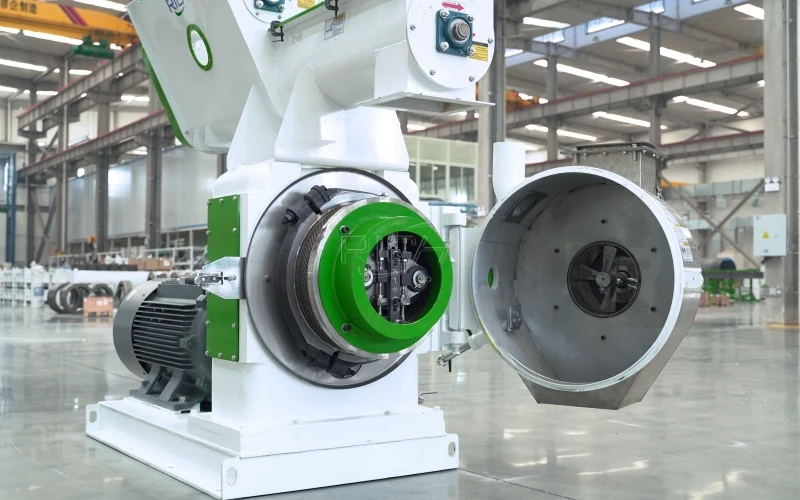
Switchgrass Bedding Pellet Machine in the USA was selected for a small agricultural materials business seeking to process locally available switchgrass into compact animal bedding pellets. The customer is an equine bedding supplier working with regional forage growers and horse facilities.
Its business already involves handling baled grass and supplying loose bedding materials, but bulky storage and inconsistent product handling have made a more standardized format worth investigating. Rather than investing immediately in a complete pellet production line, the customer chose one RICHI MZLH350 ring die pellet machine with a reference capacity of 0.3–0.5 T/H.
The project focuses on switchgrass bedding pellets measuring approximately 6–8 mm in diameter for evaluation in horse stalls and other suitable animal housing applications. The pelletizer will be added to an existing material preparation workshop, where suitable bale-breaking and grinding equipment can be retained after inspection.
Name:
Switchgrass Bedding Pellet Machine
Country:
USA
Date:
2026
Capacity:
0.3–0.5 T/H
Model:
MZLH350
Power:
37 kW
Raw Materials:
switchgrass
Pellet diameter:
6–8mm
The selected model has no conditioner, so the process is intended for properly prepared biomass rather than feed production. This staged approach allows the customer to assess pellet quality, dust generation, moisture behavior and practical handling before deciding whether additional cooling, screening, packaging or upstream equipment is required.
Switchgrass is a perennial grass native to North America and is cultivated in parts of the United States for forage, conservation, biomass and other agricultural purposes. Its availability varies by region, farm management and intended use, so a bedding pellet project needs a dependable supply rather than relying on the general presence of the crop.
For this project, the proposed customer is a regional equine bedding supplier with access to dry switchgrass bales from nearby growers. Some of the material is assumed to come from dedicated grass production, while suitable surplus or lower-grade lots may be considered if they are clean and meet the required quality standard. Grass intended for bedding still needs to be inspected carefully; soil contamination, mold, excessive dust and foreign matter can make a batch unsuitable for the intended market.
The purchase is not a replacement for an existing pelletizer. The business has been handling loose agricultural materials and wants to add a new product format without immediately committing to a larger industrial installation. A single biomass pellet machine offers a way to evaluate the process on a manageable scale and establish a practical operating routine.
The commercial question is not simply whether switchgrass can be compressed. The customer needs to determine whether the finished pellets can be stored, transported, distributed and used consistently. Horse owners may value bedding that is convenient to handle and spread, but their expectations also include low dust, acceptable texture, moisture management and suitability for the animals and stable conditions.
These requirements shape the project more than the nominal machine capacity. The MZLH350 provides a starting point for trial production, while the final bedding specification will depend on material testing and feedback from intended users.
Unlike sawdust, switchgrass arrives as long stems, leaves and fibrous plant material, often compressed into rectangular or round bales. Feeding intact bales directly into a ring die pelletizer is not an appropriate preparation method. The material needs to be opened, reduced in size and delivered at a reasonably consistent rate.
The planned process uses a bale breaker or suitable grass-cutting machine to separate the compressed material. A hammer mill then reduces the chopped grass to a preliminary particle-size target of approximately 2–3 mm for testing. This target should be adjusted according to the grass's fiber structure, the required pellet durability and the machine's operating results. The objective is to produce a consistent feedstock, not to impose one particle size on every switchgrass source.
Moisture control is equally important. For initial trials, the customer plans to use switchgrass dried to approximately 10–15% moisture, with the actual target confirmed through testing. Material arriving above 20% moisture would require suitable drying before pelletizing. The proposed project does not assume that fresh-cut grass can be fed directly into the pellet machine without preparation.
The customer expects to use covered storage to protect prepared grass from rain and ground moisture. Switchgrass can absorb moisture during storage, and wet or mold-damaged material should not be mixed indiscriminately with clean, dry feedstock. Regular moisture checks will help maintain consistent feeding and reduce avoidable variation between batches.
The initial formulation is 100% switchgrass. No sawdust, wood chips, straw or binder is assumed in the base design. If the customer later wants to test a blended formulation, that material should be evaluated separately because a change in fiber structure, moisture or bulk density can affect feeding behavior, pellet formation and finished-product properties.
The selected MZLH350 is a ring die biomass pellet mill machine designed for suitable materials such as grass, straw, husks and other biomass residues. Its configuration includes an anti-bridging feeder and a forced feeder, both relevant to handling fibrous material that may otherwise feed unevenly.
| Specification | RICHI MZLH350 |
|---|---|
| Machine type | Ring die |
| Purchase quantity | 1 unit |
| Main motor power | 37 kW |
| Anti-bridging feeder motor power | 2.2 kW |
| Forced feeder motor power | 0.75 kW |
| Ring die inner diameter | 350 mm |
| Reference capacity | 0.3–0.5 T/H |
| Available pellet diameter range | 4–12 mm |
| Initial target pellet diameter | 6–8 mm |
The proposed 6–8 mm diameter falls within the machine's stated 4–12 mm range. The finished specification should also define pellet length, breakage, dust generation, moisture and how the pellets behave when distributed over stable floors. A suitable diameter alone does not establish bedding quality.
The listed 0.3–0.5 T/H capacity is a reference range, not a guaranteed output for every grass variety or moisture condition. Switchgrass has a fibrous structure, and the actual throughput may vary with particle preparation, feeding consistency, die configuration, operating conditions and the durability required of the finished pellets.
For that reason, representative switchgrass should be tested before commercial production targets are finalized. The customer should also confirm the required electrical supply, foundation, lifting access and maintenance clearance before the machine is installed.
The customer is not planning to replace its entire material handling operation. The purchase is intended to add pelletizing to a workshop that already handles baled grass. Suitable existing equipment may be retained, provided it can prepare the switchgrass consistently and supply the pelletizer at the required rate.
This approach avoids purchasing a complete line before the bedding product has been evaluated. It also makes it easier to identify which part of the process requires improvement. If the prepared grass feeds unevenly, the problem may lie in grinding or conveying rather than in the pelletizer itself.
Downstream equipment remains important. Freshly produced pellets should be cooled before bulk storage or packaging, and screening may be needed to remove loose fines and broken material. A packaging system can be selected according to whether the customer plans to supply bulk users, distribute smaller bags or serve equine retailers.
Those components do not automatically come with the purchase of a single pellet machine. Their selection should reflect the intended production schedule, finished-product handling requirements and available workshop space.
RICHI supplies both individual biomass pellet machines and complete pellet production line equipment. For this project, the immediate requirement is one MZLH350. If the customer later needs a fully integrated system, the process can be customized around bale handling, grass preparation, drying where necessary, conveying, pelletizing, cooling, screening and packaging.
Switchgrass bedding pellets are intended to provide a more compact form of a locally available grass material. Compared with loose, unprocessed grass, pellets can be measured, packed and handled in a more standardized format. Whether that format performs well in a stable depends on the characteristics of the finished product and the way it is used.
For equine applications, the customer needs to evaluate the amount of dust released during handling, the ease of spreading the material, its behavior when exposed to moisture and whether it creates an acceptable surface for the animals. Some bedding products are used intact, while others are moistened or broken down before use. The intended handling method should be established before the product specification is finalized.
Absorbency should not be assumed from the fact that the material is grass or that it has been pelletized. The moisture behavior of switchgrass depends on its preparation, the condition of the pellets and the environment in which they are used. Small-scale bedding trials are therefore important before making claims about absorption, odor control or stable maintenance.
The product should also be inspected for sharp fragments, contamination and excessive fines. Material that is acceptable for one animal housing system may not be suitable for another. The customer's first target is equine bedding, but other livestock applications should be evaluated separately against their own management requirements.
Storage and packaging also influence product condition. Pellets need protection from rain and prolonged exposure to humid conditions. Excessive mechanical handling can create broken pellets and fines, so the cooling, screening and conveying arrangement should be designed with the intended distribution method in mind.
The same general biomass pelletizing process may support additional non-feed products if the customer has suitable material and a genuine market for them. These applications would require separate product specifications and trials rather than simply using the bedding pellet specification unchanged.
Fuel production requires particular care. Switchgrass combustion properties can differ from those of wood pellets, and ash behavior, mineral content and combustion conditions need to be considered. A bedding pellet should not automatically be marketed as a fuel pellet without appropriate testing.
The same limitation applies to other uses. The machine provides a compression stage, but it does not make every raw material suitable for every finished product. Product claims should follow actual testing and the requirements of the relevant market.
The MZLH350 configuration described here is intended for non-feed biomass applications. It does not include a conditioner and should not be presented as an animal feed pellet production solution. Any change in application requires a separate technical review.
For a fibrous raw material such as switchgrass, equipment selection needs to consider more than the ring die diameter and motor power. Bale condition, grass particle size, moisture, feeding behavior and the required finished-pellet quality all influence the process.
RICHI can help assess the customer's material requirements and discuss a suitable equipment arrangement. This may include reviewing the existing bale breaker and hammer mill, identifying whether drying is necessary, estimating the requirements for conveying and checking the proposed cooling and screening stages.
Before commissioning, the customer should verify the foundation, electrical connections, access for maintenance, dust extraction and material flow through the workshop. Switchgrass grinding can release airborne particles, so suitable dust management and housekeeping are important parts of the installation plan.
Operating records should capture the material's moisture, particle size, feeding conditions, production rate and finished-pellet quality. Those records make it easier to identify the source of inconsistencies and determine whether changes are needed in preparation or machine operation.
For a business entering bedding pellet production, a controlled trial is more useful than relying on a theoretical capacity figure alone. The objective is to establish a repeatable process that matches the available switchgrass and the requirements of the intended customers.
No verified post-installation testimonial or operating report has been supplied for this project. The following summarizes the practical concerns that define the proposed purchase; it is not a direct customer quotation or a claim of proven operating results.
The buyer's main priority is to determine whether the existing grass preparation equipment can supply a consistent feedstock to the pelletizer. This is particularly important because the raw material arrives as bales rather than as uniform sawdust or another finely divided material.
The second priority is the finished product. The customer needs to know whether 6–8 mm pellets can be produced consistently and whether they remain in acceptable condition after cooling, screening, packing and transport. Dust and breakage are important concerns because they affect the product's presentation and handling at the point of use.
Maintenance is another practical consideration. The buyer needs clear operating instructions, access to appropriate replacement parts and a maintenance routine covering lubrication, inspection of the ring die and rollers, and monitoring of wear. These requirements are especially relevant when processing abrasive or fibrous biomass materials.
These points provide a sensible basis for technical discussions with RICHI before the final process is confirmed. They also help distinguish what the single pelletizer can accomplish from what depends on the preparation and downstream equipment.
The proposed shipment route is from Qingdao Port in China to the Port of Savannah, Georgia, USA. The actual route, transit schedule and cargo arrangements should be confirmed with the shipping provider before dispatch.
Before shipment, the customer should confirm the installation space, foundation, electrical requirements and lifting arrangements. Existing preparation equipment should be inspected to ensure that it can produce suitably sized and dried switchgrass at a rate compatible with the pelletizer.
During commissioning, the operating team should focus on stable feeding and repeatable pellet formation. Recording moisture, particle size, production rate and finished-pellet condition will provide a useful basis for process adjustments. Routine maintenance should follow the machine documentation, with attention to lubrication and wear-part inspection.
The Switchgrass Bedding Pellet Machine in the USA project is designed around a specific material and a defined non-feed application. The RICHI MZLH350 has a 37 kW main motor, a 350 mm ring die and a listed reference capacity of 0.3–0.5 T/H. Its configuration without a conditioner is intended for properly prepared biomass materials such as switchgrass.
The proposed starting specification is 6–8 mm bedding pellets made from a single principal raw material. Achieving a consistent product depends on bale opening, size reduction, moisture control, feeding stability and suitable downstream cooling and screening. The finished pellets must then be evaluated under the conditions in which they will actually be used.
The same machine may also be considered for suitable biomass fuel or other non-feed pellet applications, but each requires a separate technical assessment. A successful project begins with representative material testing, a clear product specification and an equipment arrangement suited to the customer's real operating conditions.
RICHI Machinery can supply an individual biomass pellet machine or design a complete biomass pellet production line with a customized process. For this project, the single MZLH350 provides a practical starting point for evaluating switchgrass bedding pellets without assuming that a full automated plant is required from the outset.
Having the right mix of reliable, high-quality pellet machine and pelletizing systems and expert support is essential to your success. Watch how our end-to-end feed pellet plant solutions have helped our customers optimize their performance.
Our customized and future-proofed turnkey pellet plant solutions is designed with you at the core. From vision to reality and beyond, our team stays connected with yours. Giving you peace-of-mind with an expert at your side.
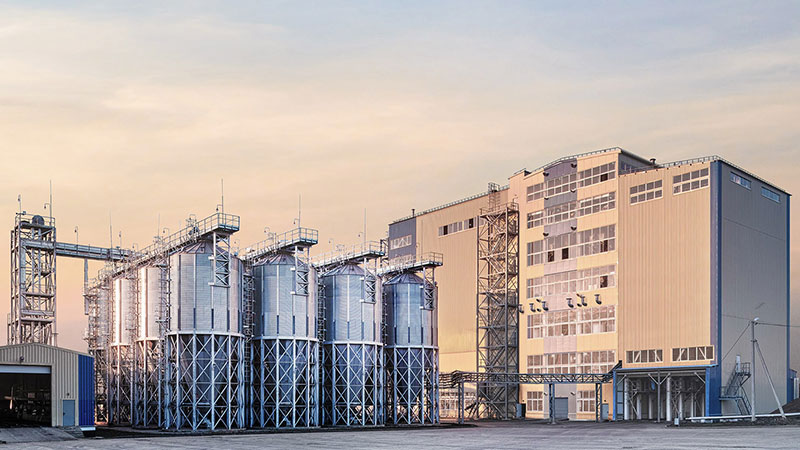
At RICHI, we go beyond project completion. With RICHI Servicee, we’re your dedicated partners in success. Count on us for expert guidance, minimal downtime, and optimized productivity. Choose RICHI for unmatched service and support.
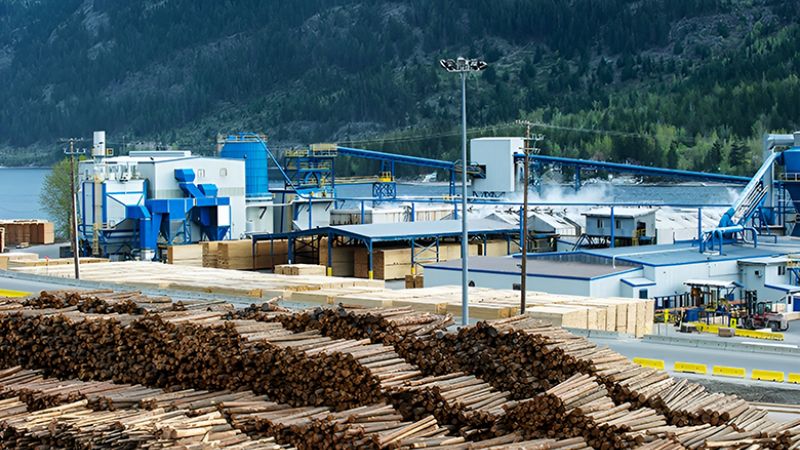


Meet global product demands and quality standards with industry-leading pellet plant design, engineering, equipment, and construction services for pellet processors.


Your Partner Beyond Project Completion
2000+ cases
RICHI is the leading designer, manufacturer and builder of pellet plants in the world, completing over 2000 projects in 140 countries across 6 continents.
Read More
Increase plant productivity, profitability, and safety by integrating high quality equipment into your pellet production line. Over the years, RICHI has become China's top pellet equipment manufacturer. At the same time, RICHI has established valuable partnerships with the world's leading component and raw material manufacturers to bring you the best there is in technology, automation, and efficiency in pelleting plant machinery.

For nearly 30 years, RICHI has been providing best-in-class pellet plant equipment and services to clients across a variety of industries, sizes, and needs. We pride ourselves on the knowledge and skill that each team member possesses – from our technical sales team to our process design engineers. You can count on RICHI Machinery to take your operation to the next level of innovation, quality, and success.
Need help with your pellet manufacturing plant project? Contact us today.
ANIMAL FEED
BIOMASS
WOOD
ORGANIC FERTILIZER
AQUA FEED
CAT LITTER
MUNICIPAL WASTE RECYCLING
SPECIAL PELLET PRODUCTION
RICHI Machinery continues to deliver world class pellet mill equipment, pellet plant engineering and project solutions that add value to our customers in the animal feed, wood waste, agriculture waste, organic fertilizer, cat litter and special pellet products industries. Throughout the years, we RICHI Machinery have built strong brand, becoming industry-leading pellet machine manufacturer. We value integrity, promise quality, and prioritize your success.
Learn MoreWith our expert team, we precisely implement your process engineering requirements in pellet mill and pelletizing plant systems. No matter which industry you’re in – we understand your needs and deliver solutions that meet the highest standards.
At RICHI, quality comes first. Our pellet making machine and related pellet line equipment undergo rigorous quality controls to ensure they meet the highest standards. Rely on products that are durable, safe, and efficient.
With decades of experience in pellet machine and pellet production line production, we have earned a reputation as a trusted partner in various industries. Our expertise allows us to cover a wide range of applications.
Not only do we offer premium pelleting equipment, but we are also experts at designing, building, installing, and maintaining facilities from the ground up. Our expertise is within pellt plant process design, discovering the most efficient, productive, and profitable way to handle your materials in an end-to-end cycle.
○ RICHI MACHINERY
Keeping in touch with us is an effective way to solve all your problems. If you have any needs or questions, please leave your contact information, then RICHI technical consultants will send design, quotation, videos to your mailbox. You can also contact us directly via WhatsApp: +86 13838389622
Copyright©2015-2026 by HENAN RICHI MACHINERY CO., LTD. All rights reserved.