
Sunflower Stalk Hammer Mill in Bulgaria, sunflower stalk grinder, sunflower residue hammer mill, SFSP66×100 hammer mill, 2-3 T/H biomass grinder, sunflower stalk crushing machine, sheep bedding grinder Bulgaria
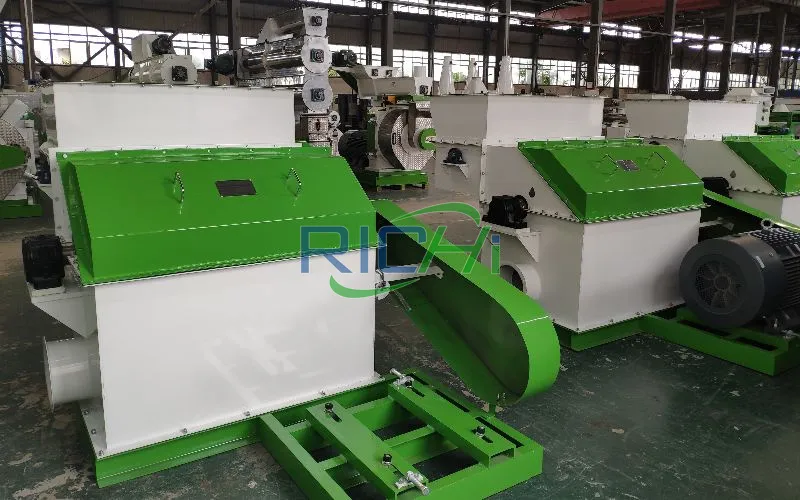
A sheep operation near Shumen in northeastern Bulgaria selected one RICHI SFSP66×100 Sunflower Stalk Hammer Mill in Bulgaria to process locally collected sunflower stalks into fibrous bedding material. The farm keeps approximately 1,500 sheep and had previously relied heavily on purchased bedding materials. With sunflower grown extensively across Bulgaria, the customer wanted to make better use of dry stalk residues available after seed harvest instead of depending entirely on externally purchased bedding.
The selected SFSP66×100 uses a 110 kW main motor and provides an approximately 2–3 T/H project grinding capacity on properly dried and pre-chopped sunflower stalks. Whole stalks are not fed directly into the hammer mill. They first pass through coarse size reduction to approximately 20–40 mm, after which the hammer mill reduces them to an approximately 5–10 mm fibrous material suitable for the customer's sheep-bedding system.
Name:
Sunflower Stalk Crusher
Country:
Bulgaria
Date:
2026
Capacity:
2–3 T/H
Model:
SFSP66×100
Main Motor Power:
110 kW
Target Size:
5–10 mm
Main Application:
Sunflower stalk bedding for sheep
Sunflower stalk is more difficult to process than ordinary dry grass. Mature stalks can be thick, relatively woody on the outside and much lighter in the pithy center. When long stalks are fed directly toward a fine hammer-mill screen, they can bridge above the grinding chamber, enter unevenly and create large fluctuations in motor load.
The customer therefore uses a coarse-preparation stage ahead of the SFSP66×100. Loose stalks are inspected and unwanted material is removed before they are chopped to approximately 20–40 mm. These shorter pieces can be metered much more consistently into the hammer mill.
The hammer mill then performs the second-stage reduction. For this project, the customer does not need a very fine biomass-pellet powder. The target is an approximately 5–10 mm fibrous bedding material that can still retain useful structure while being much easier to distribute through the sheep pens than long stalk sections.
| Project Parameter | Specification |
|---|---|
| Equipment | Sunflower stalk hammer mill |
| Model | SFSP66×100 |
| Main Motor Power | 110 kW |
| Rotor Diameter | 660 mm |
| Grinding Chamber Width | 1,000 mm |
| Reference Rotor Speed | Approximately 2,980 rpm |
| Reference Hammer Tip Speed | Approximately 103 m/s |
| Project Grinding Capacity | Approximately 2–3 T/H |
| Input Size to Hammer Mill | Approximately 20–40 mm |
| Target Ground Size | Approximately 5–10 mm |
| Typical Feed Moisture | Approximately 10–15% |
| Main Application | Sunflower stalk bedding for sheep |
The 2–3 T/H figure is the working capacity range used for this Bulgarian project. Actual output changes with stalk moisture, stem diameter, field contamination, screen opening, hammer condition and feeding continuity. A batch of clean, uniformly pre-chopped stalk can move toward the upper end of the range, while tougher material or a finer product requirement can reduce hourly throughput.
Bulgaria remains one of the important sunflower-producing countries in the European Union, so locating this project in northeastern Bulgaria gives the customer access to a realistic agricultural residue stream. The farm does not assume that every sunflower field around Shumen is available for collection. Residue supply is arranged with growers according to harvesting method, collection cost, storage space and the condition of the stalks after field drying.
This distinction matters because theoretical stalk production is always much greater than the quantity that can be collected economically. Some stalks remain in the field, while material heavily contaminated with soil or moisture may not be suitable for this bedding-processing route.
The SFSP66×100 processes dried sunflower stalk rather than freshly cut green stems. For this project, approximately 10–15% moisture is used as the normal grinding condition. Drier, properly stored stalk fractures more predictably, while wet fibrous material can become more difficult to pass through the screen and may create buildup inside the grinding section.
Field contamination is another important factor. Soil and sand attached to stalk bases are abrasive and can accelerate hammer and screen wear. Wire, stones and metal fragments are also unsuitable for the grinding chamber. The customer therefore includes cleaning and magnetic protection before the hammer mill rather than relying on stronger hammers to compensate for poor raw-material preparation.
Wear-resistant hammer options can be evaluated where abrasive contamination is difficult to eliminate, but carbide-faced hammers are not treated as universally mandatory. Their economic value depends on the actual stalk cleanliness and annual operating hours.
The most important processing specification in this project is the size change across the hammer mill. After coarse chopping, sunflower stalk enters at approximately 20–40 mm. The SFSP66×100 crusher machine then reduces the material into an approximately 5–10 mm fibrous fraction.
The final product is not perfectly uniform. Hammer milling produces a particle distribution rather than identical pieces, and the soft internal pith can create more fines than the woody outer stalk. Screen opening therefore controls the upper end of the material more directly than it controls every individual particle.
The customer selected this moderately coarse target because the material is used as bedding rather than as pellet-mill feed. Grinding it unnecessarily to 3–5 mm would increase energy use and fines without providing a clear benefit for this application.
Dry sunflower stalk produces fibrous dust during grinding, and the soft pith inside the stem can break into particularly fine particles. The processing section therefore includes aspiration and dust separation after the hammer mill.
A cyclone can separate much of the conveyed material from the air stream, while an appropriate filter handles the finer dust according to the actual airflow and emission-control design. RICHI does not assign a fixed 99% collection figure without knowing the filter area, media, air volume and dust loading.
Good aspiration also supports grinding capacity by helping material move through the screen instead of repeatedly circulating inside the chamber. Dust control and hammer-mill output therefore need to be considered together.
The farm does not need to run the SFSP66×100 continuously every day. Sunflower stalk availability is seasonal, while bedding is consumed gradually throughout the year. The customer's operating strategy is therefore to grind residue in concentrated production batches and build a covered inventory of prepared bedding material.
At approximately 2–3 T/H, a six-hour grinding shift can process about 12–18 tonnes of prepared stalk. The farm can schedule these runs when dry residue is available rather than operating a small grinder for many hours every week. This batch-processing logic explains why a machine with relatively high hourly capacity can still be reasonable for an operation with around 1,500 sheep.
The hammer mill changes the physical form of the stalk; it does not by itself prove that the resulting material will always outperform straw or wood shavings. Bedding performance also depends on moisture, fines level, pen conditions, stocking density and how frequently material is added or removed.
The customer therefore checks the ground stalk before use and avoids material that is moldy, excessively dusty or contaminated. The 5–10 mm target gives the farm a practical starting point for distribution in the pens, while actual bedding management remains an operational decision for the livestock facility.
This avoids unsupported claims such as a fixed 25% longer bedding life or 40% cost reduction. Those figures would vary substantially between farms and require actual controlled operating records.
The SFSP66×100 Sunflower Stalk Hammer Mill in Bulgaria is prepared for export from Qingdao, China, with the Port of Varna used as the Bulgarian entry point before inland transport to the Shumen area. Varna is particularly suitable for this project because Shumen is only around 80 km inland and the port handles containers, general cargo and industrial project cargo.
Before shipment, RICHI reviews the grinder foundation, electrical load, feeding elevation, pre-chopper discharge, magnetic protection, aspiration connection and finished-material conveying arrangement. This allows the hammer mill to be integrated with the customer's residue-processing equipment without replacing unnecessary parts of the system.
This Sunflower Stalk Hammer Mill in Bulgaria project uses one RICHI SFSP66×100 with a 110 kW main motor to process dry sunflower residue near Shumen. Whole stalks are cleaned and pre-chopped to approximately 20–40 mm before entering the grinder. The hammer mill then produces approximately 5–10 mm bedding material at a working capacity of around 2–3 T/H.
For another Bulgarian farm or agricultural residue processor, RICHI Machinery needs representative stalk photos, maximum stem diameter, moisture, contamination level, pre-chopped size, required final size, target T/H and existing upstream and dust-control equipment. These parameters allow the hammer mill, screen and feeding arrangement to be selected around the actual sunflower stalk rather than a generic biomass-grinding specification.
Having the right mix of reliable, high-quality pellet machine and pelletizing systems and expert support is essential to your success. Watch how our end-to-end feed pellet plant solutions have helped our customers optimize their performance.
Our customized and future-proofed turnkey pellet plant solutions is designed with you at the core. From vision to reality and beyond, our team stays connected with yours. Giving you peace-of-mind with an expert at your side.
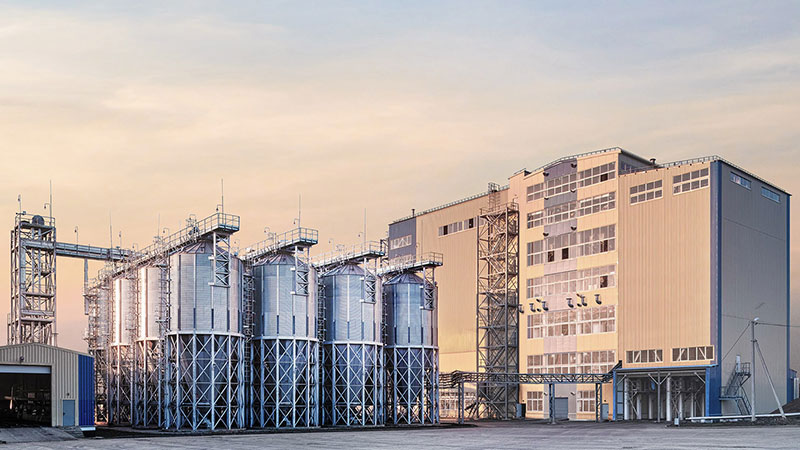
At RICHI, we go beyond project completion. With RICHI Servicee, we’re your dedicated partners in success. Count on us for expert guidance, minimal downtime, and optimized productivity. Choose RICHI for unmatched service and support.
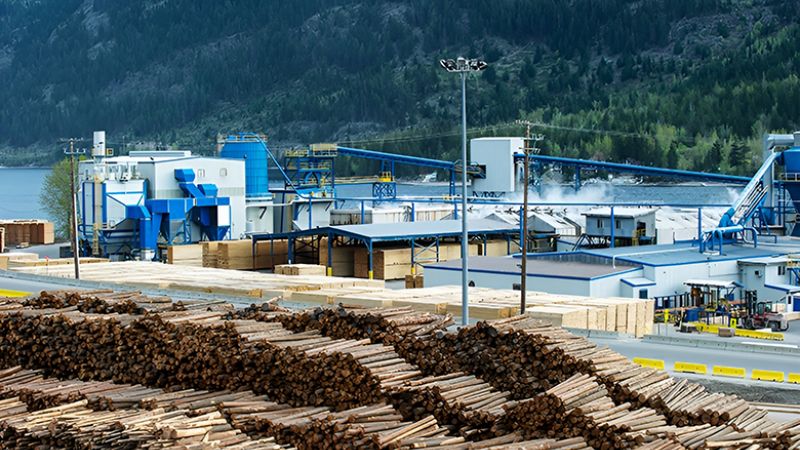


Meet global product demands and quality standards with industry-leading pellet plant design, engineering, equipment, and construction services for pellet processors.


Your Partner Beyond Project Completion
2000+ cases
RICHI is the leading designer, manufacturer and builder of pellet plants in the world, completing over 2000 projects in 140 countries across 6 continents.
Read More
Increase plant productivity, profitability, and safety by integrating high quality equipment into your pellet production line. Over the years, RICHI has become China's top pellet equipment manufacturer. At the same time, RICHI has established valuable partnerships with the world's leading component and raw material manufacturers to bring you the best there is in technology, automation, and efficiency in pelleting plant machinery.

For nearly 30 years, RICHI has been providing best-in-class pellet plant equipment and services to clients across a variety of industries, sizes, and needs. We pride ourselves on the knowledge and skill that each team member possesses – from our technical sales team to our process design engineers. You can count on RICHI Machinery to take your operation to the next level of innovation, quality, and success.
Need help with your pellet manufacturing plant project? Contact us today.
ANIMAL FEED
BIOMASS
WOOD
ORGANIC FERTILIZER
AQUA FEED
CAT LITTER
MUNICIPAL WASTE RECYCLING
SPECIAL PELLET PRODUCTION
RICHI Machinery continues to deliver world class pellet mill equipment, pellet plant engineering and project solutions that add value to our customers in the animal feed, wood waste, agriculture waste, organic fertilizer, cat litter and special pellet products industries. Throughout the years, we RICHI Machinery have built strong brand, becoming industry-leading pellet machine manufacturer. We value integrity, promise quality, and prioritize your success.
Learn MoreWith our expert team, we precisely implement your process engineering requirements in pellet mill and pelletizing plant systems. No matter which industry you’re in – we understand your needs and deliver solutions that meet the highest standards.
At RICHI, quality comes first. Our pellet making machine and related pellet line equipment undergo rigorous quality controls to ensure they meet the highest standards. Rely on products that are durable, safe, and efficient.
With decades of experience in pellet machine and pellet production line production, we have earned a reputation as a trusted partner in various industries. Our expertise allows us to cover a wide range of applications.
Not only do we offer premium pelleting equipment, but we are also experts at designing, building, installing, and maintaining facilities from the ground up. Our expertise is within pellt plant process design, discovering the most efficient, productive, and profitable way to handle your materials in an end-to-end cycle.
○ RICHI MACHINERY
Keeping in touch with us is an effective way to solve all your problems. If you have any needs or questions, please leave your contact information, then RICHI technical consultants will send design, quotation, videos to your mailbox. You can also contact us directly via WhatsApp: +86 13838389622
Copyright©2015-2026 by HENAN RICHI MACHINERY CO., LTD. All rights reserved.