
Explore a salmon feed extruder machine in Iceland featuring the RICHI SPHS75x2 twin-screw wet extruder for salmon fry and smolt feed, with equipment specifications, ingredient planning, and process integration.
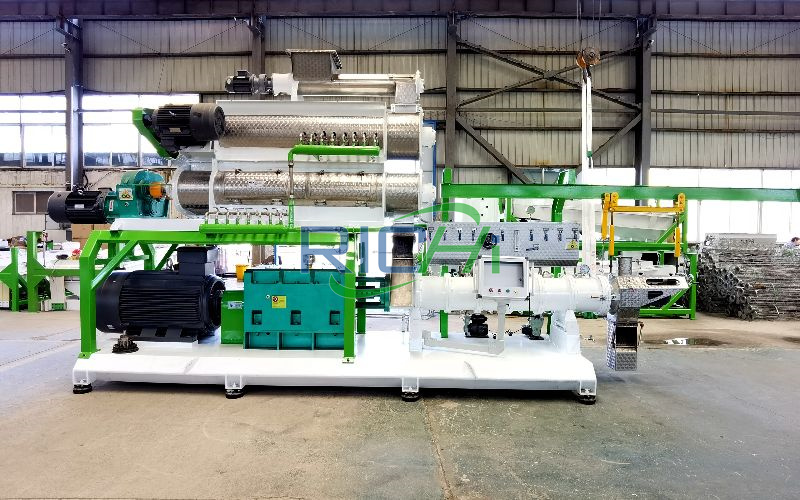
Salmon feed extruder machine in Iceland was selected for a specialist aquaculture feed facility looking to develop a more flexible supply of small-diameter extruded feed for Atlantic salmon hatcheries and land-based fish farms.
Rather than investing in a complete new feed manufacturing line, the customer planned to add one RICHI SPHS75x2 twin-screw wet extruder to an existing pilot-scale processing setup. The new machine would handle the extrusion stage, while the facility continued using its available raw-material preparation, mixing, drying, and finished-feed handling equipment where suitable.
Name:
Salmon Feed Extruder
Country:
Iceland
Date:
2026
Capacity:
500-1000 KG/H
Model:
SPHS75x2
Main Motor Power:
55 kW
Extrusion system:
Twin-screw
Pellet diameter:
1.5–2.5mm
The project focused on salmon fry and smolt feed, with preliminary pellet diameters of approximately 1.5–2.5 mm, depending on fish size and the feeding program. The customer needed more control over pellet formation, water stability, and the physical characteristics of small aquafeed products.
A twin-screw wet extrusion system was chosen because the planned formulations included protein-rich ingredients, starch sources, and added oils that required careful conditioning and extrusion. The machine was intended for controlled production runs and product development, not as a replacement for the customer's entire aquafeed operation.
Iceland has a substantial and growing aquaculture sector, supported by cold-water conditions, established fisheries expertise, and investment in salmon farming. According to Statistics Iceland, national aquaculture production reached 64,417 tonnes in 2025, including 58,717 tonnes of Atlantic salmon. This provides a genuine industrial context for specialist salmon feed applications, although the project described here represents a smaller, dedicated processing facility rather than a national-scale feed mill.
Salmon production depends on feed that matches the fish's development stage, feeding behavior, and production environment. Hatcheries and land-based recirculating aquaculture systems (RAS) may require different feed sizes and physical properties from those used for larger salmon in grow-out operations. In the early stages, small pellets must be easy for the fish to consume and should retain their structure long enough for the intended feeding method.
The customer in this fish feed mill project was defined as a specialist aquaculture feed producer working with salmon hatcheries and technical fish-farming customers. Its existing production capability was adequate for basic ingredient preparation and small-batch feed handling, but its extrusion capacity needed upgrading to support additional formulations. The purchase was therefore driven by a specific process requirement rather than a plan to manufacture every type of salmon feed at industrial scale.
For a smaller Icelandic operation, this approach offers a practical way to evaluate formulations, supply selected customers, and improve process control without duplicating every stage of a large commercial feed mill. The final production volume would remain dependent on the agreed operating conditions, recipe characteristics, and the capacity of the existing downstream equipment.
Salmon feed is different from conventional livestock feed in both formulation and processing requirements. It commonly combines concentrated protein ingredients, starch sources, oils, vitamins, minerals, and other functional ingredients. Depending on the intended product, the feed may need to achieve a specific density, pellet durability, water stability, and oil content while maintaining the nutritional characteristics established by the formulation team.
Wet extrusion introduces moisture and heat through conditioning before the material passes through the extruder. Mechanical energy and controlled thermal conditions help develop the structure required for the selected feed. After extrusion, the product normally proceeds through cutting, drying, cooling, and, where required, oil coating and screening. The exact sequence depends on the formulation and the desired finished-feed properties.
A twin-screw extruder was selected because the project required flexibility when working with different salmon feed recipes and small pellet sizes. Twin-screw systems can provide controlled conveying and mixing of conditioned material, making them suitable for demanding aquafeed applications. Actual performance still depends on the formulation, moisture level, screw configuration, temperature profile, and operating settings.
The customer did not need another pellet mill for conventional ring-die feed production. The required equipment was a wet extrusion machine capable of forming the selected aquafeed products. This distinction determined the equipment choice: the investment had to improve the extrusion stage without unnecessarily expanding the rest of the facility.
RICHI supplied the SPHS75x2 fish feed extruder configuration for this project. The model belongs to the twin-screw wet extrusion range and has a listed production capacity of 0.5–1.0 T/H. It was selected as a compact production option for a specialist facility that needed controlled batches of salmon fry and smolt feed rather than the output of a large commercial aquafeed plant.
| Equipment parameter | Selected specification |
|---|---|
| Equipment name | Salmon feed extruder machine |
| Model | SPHS75x2 |
| Extrusion system | Twin-screw, wet process |
| Main motor power | 55 kW |
| Screw diameter | 75 mm |
| Feeder power | 1.5 kW |
| Conditioner power | 7.5 kW |
| Conditioner specification | DC400-244 |
| Differential conditioner power | 11 kW |
| Differential conditioner specification | DC400*300-244 |
| Listed capacity | 0.5–1.0 T/H |
| Primary application | Salmon fry and smolt feed |
| Preliminary pellet diameter | Approximately 1.5–2.5 mm, subject to product trials |
| Shipping origin | Qingdao Port, China |
| Destination port | Port of Reykjavík, Iceland |
The SPHS75x2 was selected to match the intended scale of the project. Its listed capacity provides a reference for equipment selection, but actual throughput must be assessed against the specific formulation, pellet diameter, moisture content, and required finished-feed quality. Small-diameter salmon feed can require different operating conditions from larger aquafeed products, so rated capacity alone should not be treated as a guarantee for every recipe.
Before the equipment configuration is finalized, the customer should also confirm the existing facility's steam supply, water connections, electrical system, ventilation, and downstream drying and coating capacity. These interfaces determine whether the new extruder can operate efficiently as part of the existing process.
The project formulation was planned around ingredients commonly considered in salmon aquafeed production. The exact recipe would be established by the customer's nutritionist according to fish size, growth objectives, ingredient availability, digestibility, and the required nutrient profile.
Potential ingredients include fishmeal, fish protein concentrates, soybean protein concentrate, wheat gluten, pea protein concentrate, selected cereal starches, rapeseed-derived protein ingredients, fish oil, vegetable oils, and vitamin and mineral premixes. Their inclusion levels should be determined through formulation work rather than copied directly from another farm or feed manufacturer.
Fishmeal and other marine protein ingredients can contribute highly digestible protein and essential nutrients. Concentrated plant proteins may help balance protein supply and ingredient cost, while wheat starch and other suitable carbohydrate sources can contribute to the physical structure of the extruded pellet. Oils provide energy and essential fatty acids, with the quantity and point of addition depending on the recipe and processing strategy.
An illustrative trial blend might allocate approximately 25% to fishmeal, 20% to soybean protein concentrate, 10% to wheat gluten, 10% to pea protein concentrate, 10% to wheat starch, and 8% to rapeseed protein concentrate. The remaining 17% would need to be allocated across suitable additional protein ingredients, oils, premixes, minerals, and other formula components. This is only an example for process discussion, not a nutritionally validated salmon feed recipe. The final formulation must be balanced by a qualified aquafeed nutritionist and checked for the target fish stage.
Ingredient selection also affects extrusion behavior. Protein sources differ in water absorption and functional properties, while starch sources vary in their response to heat, moisture, and mechanical energy. Oil content can influence processing behavior and pellet structure. For this reason, representative ingredient samples and small-batch trials are valuable when establishing the operating window for a new salmon feed formula.
The main product planned for the new machine was extruded feed for Atlantic salmon fry and smolt. A preliminary diameter range of approximately 1.5–2.5 mm was selected for discussion, with the final size determined by fish size, feeding practice, and the customer's product specification. A hatchery serving very small fry may require a finer feed, while larger smolt can accept different pellet dimensions.
Pellet diameter is only one part of finished-feed quality. Pellet length, density, durability, water stability, sinking behavior, and the rate at which the pellet releases nutrients into the water may also affect suitability. The desired characteristics depend on the production stage and feeding system. In RAS facilities, water quality and the ability to remove uneaten feed are particularly important considerations.
The wet extrusion process begins with a properly prepared and mixed ingredient blend. The material is fed into the conditioner, where moisture and heat are introduced under controlled conditions. The conditioned mixture then enters the twin-screw extrusion section, where conveying, mixing, pressure, and temperature contribute to the development of the extrudate.
At the die, the material forms continuous strands that are cut into pellets. The resulting product is then dried to the required moisture level and cooled before further handling. If the formulation and product specification call for higher oil content, a coating system may be used after drying and cooling. Screening can remove unsuitable particles and help the plant maintain the required finished-product size distribution.
Each stage has a separate role. The extruder forms the pellet structure, the cutter establishes pellet length, the dryer reduces moisture, and the cooler prepares the product for downstream handling. A well-designed process treats these operations as connected stages rather than expecting the extruder alone to determine every finished-feed characteristic.
The customer already had selected equipment for raw-material handling, weighing, mixing, and finished-product handling. The investment priority was the extrusion stage. Purchasing a standalone salmon feed extruder allowed the facility to focus its budget on the missing process capability while assessing which existing machines could be retained.
This approach can be useful for specialist aquafeed producers, hatchery feed suppliers, technical centers, and smaller feed manufacturers developing new products. It also provides flexibility when production demand is still being established. A complete new line may be justified when the upstream and downstream equipment cannot meet the required throughput or when the facility needs an entirely independent production process, but it is not automatically necessary for every extrusion project.
Before installation, the technical team should check the layout around the extruder, the material transfer route, access for screw and die maintenance, and the capacity of the drying system. If the existing dryer cannot accept the expected output or handle the required pellet size, it may become the limiting stage even when the extruder itself is suitable.
Electrical and utility requirements also need attention. The main motor is rated at 55 kW, in addition to the feeder, conditioner, and differential conditioner drives. The final electrical design should account for all supplied motors and auxiliary equipment, starting requirements, protective devices, and local installation standards. Steam and water arrangements must be assessed against the actual equipment configuration and recipe requirements.
For aquafeed projects, selecting a machine model is only the first step. RICHI Machinery can review the intended fish species, product size, formulation characteristics, target throughput, and available plant equipment before confirming a configuration. This helps the buyer evaluate the complete process instead of choosing an extruder based only on motor power or nominal capacity.
Useful information for the initial technical review includes the current ingredient list, target pellet diameter and length, required production rate, expected moisture conditions, existing conditioner and dryer specifications, and the intended pellet properties. Photographs or drawings of the production area can also help identify installation constraints.
Where representative ingredients are available, trial processing can help determine whether the selected recipe and pellet dimensions are suitable for the proposed machine. Test results can be used to discuss feed rate, moisture addition, conditioning, die selection, cutting, drying, and the finished-product requirements. The final operating parameters should be established from the actual material rather than assumed from a general product description.
RICHI's support can also cover equipment interface planning, installation guidance, operating instructions, and maintenance recommendations. For a customer adding one machine to an existing facility, these details are especially important because the new equipment must work with the installed process and the operator's established production procedures.
RICHI Machinery supplies feed processing equipment for different applications, including aquafeed, livestock feed, poultry feed, and pet food production. Although the raw materials and finished products differ, successful equipment selection follows the same practical principle: match the machine configuration to the material, required product characteristics, production volume, and downstream process.
Salmon feed extrusion requires particular attention to formulation and physical pellet properties. The equipment must be selected in relation to the intended fish stage, pellet size, ingredient functionality, moisture and thermal conditions, and post-extrusion processing. A model that suits a large pellet or a different species should not automatically be assumed to deliver the same results for small-diameter salmon feed.
For this Icelandic project, the proposed SPHS75x2 twin-screw wet type extruder was selected around a specialist production requirement. Its 0.5–1.0 T/H listed capacity is appropriate as a starting point for discussing a small production setup, while the actual throughput and finished-feed properties would be confirmed against the customer's recipe and operating conditions.
The planned shipping route is from Qingdao Port, China, to the Port of Reykjavík, Iceland. The final shipping schedule, freight arrangement, packaging details, and delivery terms should be confirmed with the freight forwarder once the equipment configuration and order details are finalized.
Before dispatch, the model designation, main motor power, feeder and conditioner specifications, supplied accessories, and packing list should be checked against the order. Proper identification and packing of the machine components help the receiving team conduct an arrival inspection and prepare the installation area.
Iceland has several designated customs ports, including Reykjavík, as listed by Iceland Revenue and Customs. The Port of Reykjavík is therefore a suitable named destination for this project scenario, although the actual port used should be confirmed against the selected shipping service and delivery arrangement.
The key decision was whether one new extrusion machine could provide the processing flexibility required for additional salmon feed products without forcing a major redesign of the existing facility. The customer therefore needed to assess the product specification, operating range, utility requirements, and connection to the downstream drying and cooling stages before commissioning.
The most important acceptance criteria were the ability to produce the agreed pellet diameter and length, stable feeding and extrusion, an appropriate finished-pellet structure, and compatibility with the existing downstream equipment. The final evaluation would also consider moisture after drying, pellet durability, water stability where relevant, and the amount of material meeting the required size range.
For the facility, the value of the SPHS75x2 was its role as a dedicated wet extrusion machine within a larger process. It could support controlled salmon feed production and product development while the customer continued using suitable existing equipment. The purchase did not require the customer to replace every part of its feed manufacturing setup.
For similar buyers, this project illustrates why aquafeed equipment selection should begin with the fish, formulation, and finished product. A clear definition of the required feed size and physical characteristics makes it easier to select the extruder, evaluate the downstream equipment, and establish a practical commissioning plan.
For hatcheries, RAS operators, and specialist aquafeed manufacturers considering a salmon feed extruder machine in Iceland or another salmon-producing market, the first step is to define the product rather than start with the machine model. The intended fish stage, pellet dimensions, formula, target hourly output, and required water stability all influence the final configuration.
RICHI Machinery can help review these requirements and discuss suitable single-screw or twin-screw extrusion options. Dry single-screw extrusion, wet single-screw extrusion, and twin-screw wet extrusion are different processing configurations; the appropriate choice depends on the product and process requirements rather than a general assumption that one type is suitable for every application.
With the SPHS75x2 twin-screw wet extruder, this project is centered on a defined production need: small-diameter extruded salmon feed in a specialist facility that already has part of the required processing infrastructure. Providing the ingredient profile, target pellet size, expected output, and existing equipment details allows the technical discussion to move from a general equipment inquiry toward a configuration that fits the actual production process.
Having the right mix of reliable, high-quality pellet machine and pelletizing systems and expert support is essential to your success. Watch how our end-to-end feed pellet plant solutions have helped our customers optimize their performance.
Our customized and future-proofed turnkey pellet plant solutions is designed with you at the core. From vision to reality and beyond, our team stays connected with yours. Giving you peace-of-mind with an expert at your side.
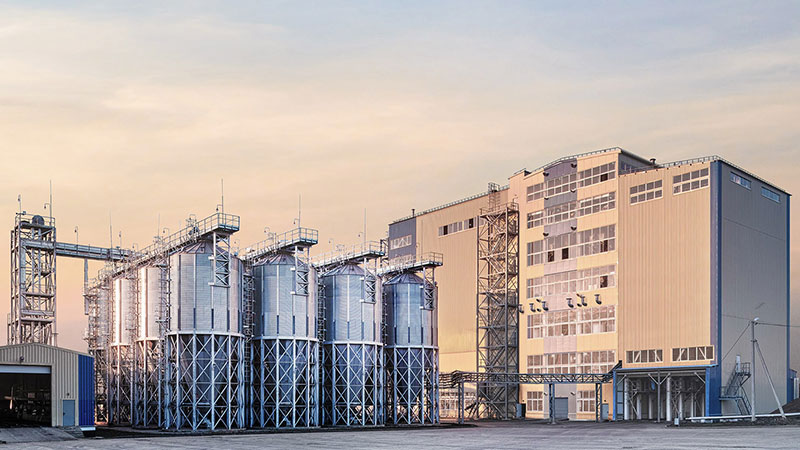
At RICHI, we go beyond project completion. With RICHI Servicee, we’re your dedicated partners in success. Count on us for expert guidance, minimal downtime, and optimized productivity. Choose RICHI for unmatched service and support.
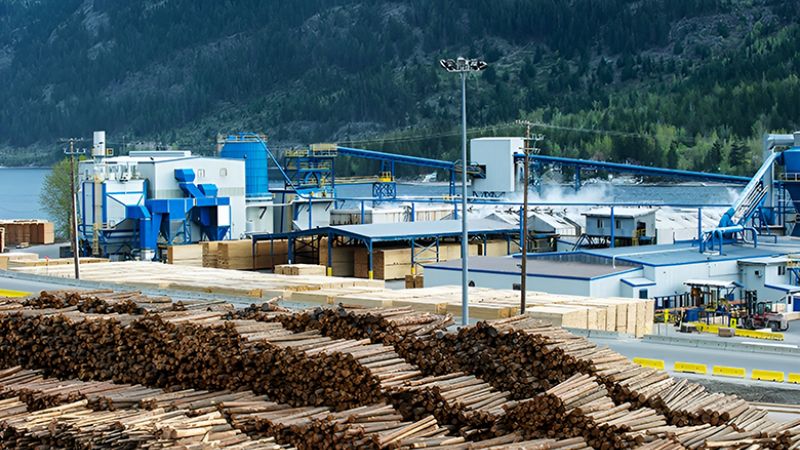


Meet global product demands and quality standards with industry-leading pellet plant design, engineering, equipment, and construction services for pellet processors.


Your Partner Beyond Project Completion
2000+ cases
RICHI is the leading designer, manufacturer and builder of pellet plants in the world, completing over 2000 projects in 140 countries across 6 continents.
Read More
Increase plant productivity, profitability, and safety by integrating high quality equipment into your pellet production line. Over the years, RICHI has become China's top pellet equipment manufacturer. At the same time, RICHI has established valuable partnerships with the world's leading component and raw material manufacturers to bring you the best there is in technology, automation, and efficiency in pelleting plant machinery.

For nearly 30 years, RICHI has been providing best-in-class pellet plant equipment and services to clients across a variety of industries, sizes, and needs. We pride ourselves on the knowledge and skill that each team member possesses – from our technical sales team to our process design engineers. You can count on RICHI Machinery to take your operation to the next level of innovation, quality, and success.
Need help with your pellet manufacturing plant project? Contact us today.
ANIMAL FEED
BIOMASS
WOOD
ORGANIC FERTILIZER
AQUA FEED
CAT LITTER
MUNICIPAL WASTE RECYCLING
SPECIAL PELLET PRODUCTION
RICHI Machinery continues to deliver world class pellet mill equipment, pellet plant engineering and project solutions that add value to our customers in the animal feed, wood waste, agriculture waste, organic fertilizer, cat litter and special pellet products industries. Throughout the years, we RICHI Machinery have built strong brand, becoming industry-leading pellet machine manufacturer. We value integrity, promise quality, and prioritize your success.
Learn MoreWith our expert team, we precisely implement your process engineering requirements in pellet mill and pelletizing plant systems. No matter which industry you’re in – we understand your needs and deliver solutions that meet the highest standards.
At RICHI, quality comes first. Our pellet making machine and related pellet line equipment undergo rigorous quality controls to ensure they meet the highest standards. Rely on products that are durable, safe, and efficient.
With decades of experience in pellet machine and pellet production line production, we have earned a reputation as a trusted partner in various industries. Our expertise allows us to cover a wide range of applications.
Not only do we offer premium pelleting equipment, but we are also experts at designing, building, installing, and maintaining facilities from the ground up. Our expertise is within pellt plant process design, discovering the most efficient, productive, and profitable way to handle your materials in an end-to-end cycle.
○ RICHI MACHINERY
Keeping in touch with us is an effective way to solve all your problems. If you have any needs or questions, please leave your contact information, then RICHI technical consultants will send design, quotation, videos to your mailbox. You can also contact us directly via WhatsApp: +86 13838389622
Copyright©2015-2026 by HENAN RICHI MACHINERY CO., LTD. All rights reserved.