
This is a project regarding a rice straw bale chopper in Vietnam. A medium-sized agricultural cooperative located near the city of Can Tho, in southern Vietnam, recently purchased two units of the YPPK-2600 rice straw bale chopper to solve a specific problem: processing high-moisture rice straw bales into consistent 20-30mm particles for mushroom cultivation and as a roughage supplement for beef cattle. The cooperative serves approximately 200 small-scale rice farmers across 1,200 hectares of paddy fields.
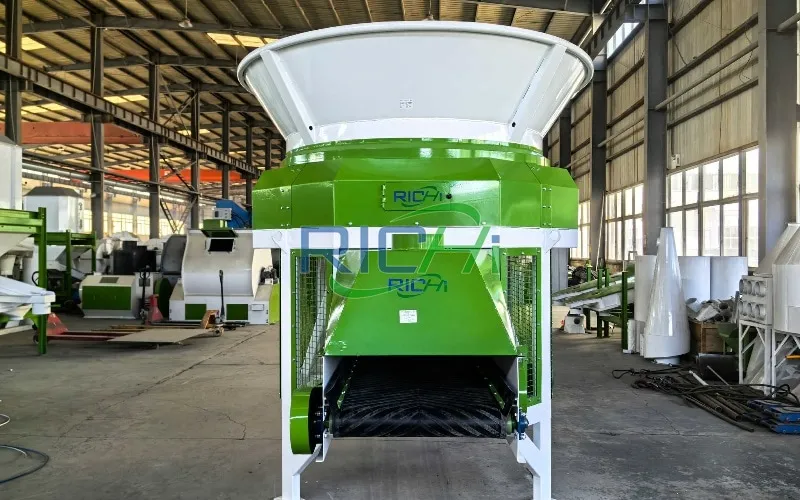
Rice straw bale chopper in Vietnam has become an essential piece of equipment for farmers in the Mekong Delta, where rice is grown on millions of hectares and straw burning has been strictly regulated.
A medium-sized agricultural cooperative located near the city of Can Tho, in southern Vietnam, recently purchased two units of the YPPK-2600 rice straw bale chopper to solve a specific problem: processing high-moisture rice straw bales into consistent 20-30mm particles for mushroom cultivation and as a roughage supplement for beef cattle. The cooperative serves approximately 200 small-scale rice farmers across 1,200 hectares of paddy fields.
After each rice harvest (there are three harvests per year in the Mekong Delta), the cooperative collects the rice straw and bales it into 1.4m diameter round bales at 25-35% moisture. The farm owner had been using an old Thai-made bale chopper for four years, but it struggled with the high-moisture straw—the machine would clog constantly, and the output was inconsistent, ranging from dust to long, uncut strands.
After months of frustration and lost productivity, he started searching for a rice straw bale chopper that could handle wet, sticky straw reliably. He found RICHI Machinery through a Vietnamese agricultural equipment distributor. He purchased two YPPK-2600 units as standalone replacements for his old machine—not as part of a full production line, but as dedicated choppers for two different product streams: mushroom substrate and cattle feed.
Name:
rice straw bale chopper
Country:
Vietnam
Date:
2025
Capacity:
Flexible
Model:
YPPK-2600 Value
Main Motor Power:
55 kW
Raw Materials:
Rice straw bales
Final product size:
25-30mm
Vietnam is one of the world's largest rice producers, with approximately 7.5 million hectares planted annually, producing over 40 million tons of rice grain and roughly 50 million tons of rice straw. The Mekong Delta alone produces about 55% of the country's rice. For decades, farmers burned rice straw in the fields after harvest—a practice that releases significant amounts of carbon dioxide, methane, and particulate matter into the atmosphere. In recent years, the Vietnamese government has strictly enforced anti-burning regulations, with fines of up to 5 million VND (about $200 USD) per incident. Farmers need alternative solutions for straw management.
The Can Tho cooperative saw an opportunity: instead of burning straw, they could process it into valuable products. Rice straw is an excellent substrate for mushroom cultivation (particularly for straw mushrooms, Volvariella volvacea) and can be used as a roughage supplement for beef cattle. The challenge was finding a machine that could handle high-moisture rice straw (25-35% moisture), which is sticky and tends to clog standard choppers.
The cooperative manager had been searching for a rice straw bale chopper that could process wet bales without constant jamming. He tested a Chinese machine from a different manufacturer (it jammed every 15 minutes), a Thai machine (expensive, 35,000 USD for a single unit, and struggled with wet material), and a Japanese machine (over 50,000 USD, out of budget). Then he found RICHI. The YPPK-2600, with its 55kW motor, 36 carbide-tipped hammers, and damping plate design, was priced at $16,800 USD per unit delivered. He ordered two YPPK-2600 units—one dedicated to rice straw for mushroom substrate, the other to rice straw for cattle feed.
| Specification | YPPK-2600 Value | How It Matches Vietnamese Needs |
|---|---|---|
| Power (kw) | 55 | Sufficient torque for wet, fibrous straw |
| Max processing diameter (mm) | 1800 | Fits the 1.4m round bales common in Mekong Delta |
| Number of hammers | 36 | Provides aggressive action for wet fibers |
| Overall dimensions (mm) | 3800*2600*2650 | Fits in the cooperative's covered processing area |
| Equipment weight (T) | 2.2 | Heavy enough for stable operation |
The primary materials processed daily at this Vietnamese cooperative include:
The 20-25mm chop for mushroom substrate is ideal because it provides enough structure for the mushroom mycelium to colonize while being small enough to pack evenly into growing beds. The 25-30mm chop for cattle feed provides the scratch factor needed for rumen health without being so long that cattle sort it out.
Wet rice straw is one of the most difficult materials to process in a bale chopper. The straw is fibrous but also slippery when wet. The high moisture content (25-35%) means the straw is heavy and tends to stick to metal surfaces. A standard bale chopper's hammers will often just slide over the wet straw without cutting it, or the straw will wrap around the rotor shaft.
The YPPK-2600 bale crusher machine solves this with the damping plate, which creates a fixed surface opposite the rotor. As the wet rice straw bale enters the chamber, the damping plate holds the material against the hammer tips just long enough for the hammers to penetrate the fibers. The plate is positioned at an angle that optimizes the dwell time of the material in the cutting zone—long enough to cut, but not so long that the wet straw smears.
The gear external chain rotary cutting at the feed intake pre-cuts the bale's outer layer before it reaches the hammer zone. For rice straw, this pre-cutting is essential because the straw is often baled in long, tangled lengths. The rotary cutters reduce these lengths to 50-100mm pieces, which the hammers can then process into the final 20-25mm particles.
For the Vietnamese cooperative, this combination means:
The thickened transmission chain is also critical for wet rice straw processing. Wet material is heavier than dry material, and the added weight puts more stress on the drive system. The heavy-duty chain on the YPPK-2600 has a safety factor of 8:1 and has required only one tensioning adjustment in 800 hours of operation.
Wet rice straw is challenging for standard hammers because the moisture acts as a lubricant, reducing the friction that normally helps cut fibers. Standard hammers can “smear” wet material rather than cutting it cleanly, leading to a pasty output that is unsuitable for mushroom cultivation.
The YPPK-2600 hammers are designed specifically for wet, fibrous materials:
The cooperative manager reported that after processing 800 tons of wet rice straw (approximately 1,000 bales), the hammers showed less than 2.5mm of wear. The carbide tips remained sharp, and no hammers had cracked or broken. On the old Thai machine, he would have gone through two complete sets of hammers in the same period.
Once the rice straw bale chopper reduces the material to the target size, the cooperative markets it for two distinct applications:
1. Mushroom substrate for straw mushroom cultivation: The chopped rice straw (20-25mm) is sold to mushroom farms throughout the Mekong Delta. Straw mushrooms (Volvariella volvacea) are a popular and profitable crop in Vietnam, with a growing cycle of only 10-14 days. The chopped straw is pasteurized, inoculated with mushroom spawn, and incubated in growing beds. The consistent particle size from the YPPK-2600 has increased mushroom yields by approximately 20% compared to hand-chopped straw or straw processed through the old machine. Mushroom farmers report that the 20-25mm particles pack evenly and provide optimal air spaces for mycelium colonization.
2. Cattle feed for small-scale beef operations: The chopped rice straw (25-30mm) is sold to small-scale beef cattle farmers in the region. Vietnam has approximately 5 million beef cattle, many of them raised on small farms that cannot afford imported alfalfa. The chopped rice straw is mixed with concentrate (rice bran, cassava meal, and minerals) to create a maintenance ration. Cattle farmers have reported feed cost savings of 25-30% compared to buying imported forages.
3. Organic compost for vegetable farms: The cooperative is experimenting with using a 30-40mm chop of rice straw as a carbon source for composting. Several organic vegetable farms in the region have expressed interest in purchasing the material for their composting operations.
The total transit time from factory gate to yard delivery was 25 days—much shorter than European shipments because of Vietnam's proximity to China. RICHI provided full documentation including commercial invoice, packing list, bill of lading, and a certificate of origin (for ASEAN tariff preferences).
The cooperative manager provided detailed feedback during a site visit (summarized from a recorded conversation in Vietnamese, translated):
“Before we bought the RICHI machines, rice straw was a problem. Burning was illegal. Burying was impractical. And my old Thai chopper could not handle the wet straw. Every 15 minutes, the machine would jam, and we would spend another 15 minutes cleaning it. We could only process about 30 bales per day, even though we had 200 bales waiting.
I looked at every rice straw bale chopper on the market. The Japanese machines were good but too expensive—over 50,000 USD. The Chinese machine from another manufacturer was cheap but jammed constantly. Then I found RICHI. The YPPK-2600 was priced at 16,800 USD delivered—half the price of the Thai machine and one-third the price of the Japanese machine.
The first wet rice straw bale we ran through the YPPK-2600, I stood there watching. The machine grabbed the bale and pulled it straight in. No jamming, no wrapping, no dust. After four hours of continuous running, I checked the screen. There was a thin film of wet straw residue, but the holes were completely open. I cleaned it in 10 minutes.
Now, we run the machine for 8 hours every day. We process about 80 bales per day per machine. That is 160 bales total—more than five times what we could do with the old machine.
The mushroom farmers love our chopped straw. One grower told me his yield increased by 25% because the particles are so consistent. He no longer has to pick out long strands by hand. The cattle farmers also prefer our chopped straw over the unchopped bales they used to buy. They say their cattle eat everything and waste less.
We have processed over 3,000 bales in the past year. The hammers on both machines are still the original sets. They show maybe 2.5mm of wear. On the old Thai machine, I would have replaced the hammers three times by now.
One suggestion for other buyers: if you are processing wet rice straw, get the optional stainless steel screen. The standard screen works fine, but the stainless steel is easier to clean. I added it as a retrofit on one machine, and it made cleaning even faster.
Would I buy from RICHI again? Yes. I have already recommended them to three other cooperatives in the Mekong Delta. The support has been good—they answer my questions within a day, and they helped me with the stainless steel screen retrofit.”
| Option | Price (USD) | Lead Time | Key Limitation |
|---|---|---|---|
| Used Vietnamese tub grinder | $8,000 | Immediate | Low capacity, worn hammers, no warranty |
| New Thai bale chopper | $35,000 | 6 weeks | Expensive, struggled with wet material in testing |
| New Japanese bale processor | $52,000 | 10 weeks | Excellent machine but 3x the price of RICHI |
| Two RICHI YPPK-2600 units | $33,600 total | 4 weeks | Two units, new, spare parts included |
For approximately the same price as a single new Thai chopper, the cooperative received two units. The ability to dedicate one machine to mushroom substrate and one to cattle feed has transformed their straw management operation into a profitable business.
The perceived risk of buying from China was addressed through:
The rice straw bale chopper in Vietnam represented by this Can Tho cooperative installation proves that heavy-duty Chinese equipment can handle the challenging high-moisture rice straw processing requirements of the Mekong Delta. The YPPK-2600 processes wet, sticky rice straw that defeats standard choppers, delivers consistent 20-25mm output for mushroom substrate and 25-30mm for cattle feed, and withstands daily use without excessive maintenance.
Contact RICHI Machinery for a site assessment, hammer samples for wet rice straw testing, or a conversation with the Can Tho cooperative manager. The return on investment is clear: turning rice straw into mushroom substrate revenue and cattle feed, lower operating costs, and machines built to last through many rice harvest seasons.
Having the right mix of reliable, high-quality pellet machine and pelletizing systems and expert support is essential to your success. Watch how our end-to-end feed pellet plant solutions have helped our customers optimize their performance.
Our customized and future-proofed turnkey pellet plant solutions is designed with you at the core. From vision to reality and beyond, our team stays connected with yours. Giving you peace-of-mind with an expert at your side.
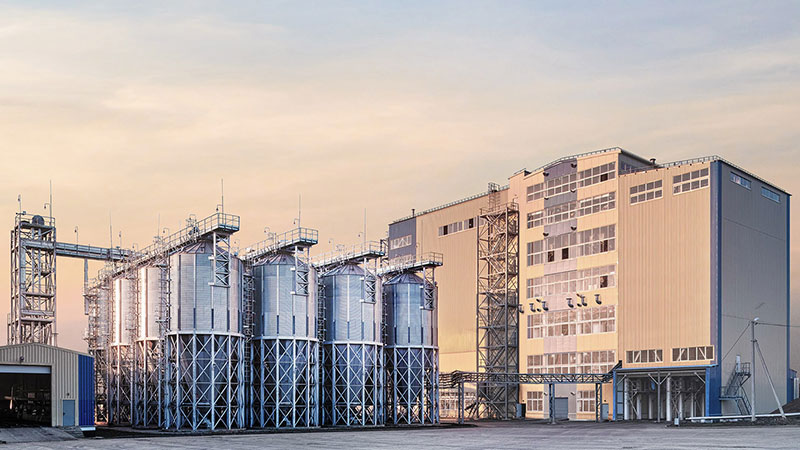
At RICHI, we go beyond project completion. With RICHI Servicee, we’re your dedicated partners in success. Count on us for expert guidance, minimal downtime, and optimized productivity. Choose RICHI for unmatched service and support.
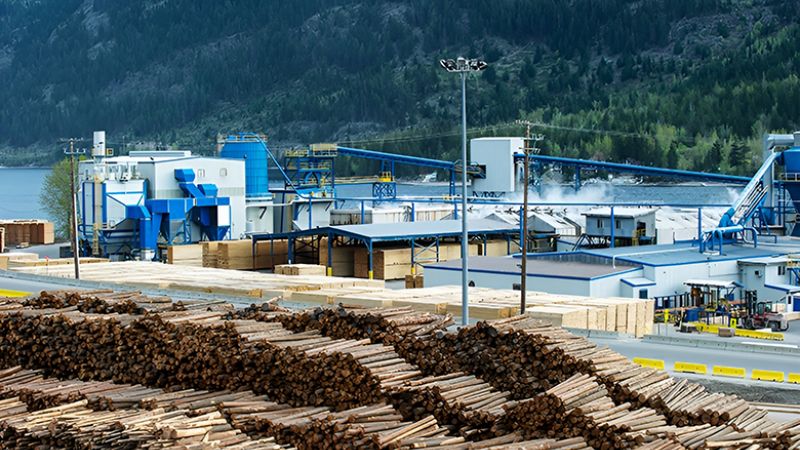


Meet global product demands and quality standards with industry-leading pellet plant design, engineering, equipment, and construction services for pellet processors.


Your Partner Beyond Project Completion
2000+ cases
RICHI is the leading designer, manufacturer and builder of pellet plants in the world, completing over 2000 projects in 140 countries across 6 continents.
Read More
Increase plant productivity, profitability, and safety by integrating high quality equipment into your pellet production line. Over the years, RICHI has become China's top pellet equipment manufacturer. At the same time, RICHI has established valuable partnerships with the world's leading component and raw material manufacturers to bring you the best there is in technology, automation, and efficiency in pelleting plant machinery.

For nearly 30 years, RICHI has been providing best-in-class pellet plant equipment and services to clients across a variety of industries, sizes, and needs. We pride ourselves on the knowledge and skill that each team member possesses – from our technical sales team to our process design engineers. You can count on RICHI Machinery to take your operation to the next level of innovation, quality, and success.
Need help with your pellet manufacturing plant project? Contact us today.
ANIMAL FEED
BIOMASS
WOOD
ORGANIC FERTILIZER
AQUA FEED
CAT LITTER
MUNICIPAL WASTE RECYCLING
SPECIAL PELLET PRODUCTION
RICHI Machinery continues to deliver world class pellet mill equipment, pellet plant engineering and project solutions that add value to our customers in the animal feed, wood waste, agriculture waste, organic fertilizer, cat litter and special pellet products industries. Throughout the years, we RICHI Machinery have built strong brand, becoming industry-leading pellet machine manufacturer. We value integrity, promise quality, and prioritize your success.
Learn MoreWith our expert team, we precisely implement your process engineering requirements in pellet mill and pelletizing plant systems. No matter which industry you’re in – we understand your needs and deliver solutions that meet the highest standards.
At RICHI, quality comes first. Our pellet making machine and related pellet line equipment undergo rigorous quality controls to ensure they meet the highest standards. Rely on products that are durable, safe, and efficient.
With decades of experience in pellet machine and pellet production line production, we have earned a reputation as a trusted partner in various industries. Our expertise allows us to cover a wide range of applications.
Not only do we offer premium pelleting equipment, but we are also experts at designing, building, installing, and maintaining facilities from the ground up. Our expertise is within pellt plant process design, discovering the most efficient, productive, and profitable way to handle your materials in an end-to-end cycle.
○ RICHI MACHINERY
Keeping in touch with us is an effective way to solve all your problems. If you have any needs or questions, please leave your contact information, then RICHI technical consultants will send design, quotation, videos to your mailbox. You can also contact us directly via WhatsApp: +86 13838389622
Copyright©2015-2026 by HENAN RICHI MACHINERY CO., LTD. All rights reserved.