
Poultry manure processing machine in Kazakhstan for 3–5 T/H compost pelleting. Explore a 37 kW cooperative upgrade with prepared manure and straw.
The cooperative's mixers, crushers and drying equipment were already in place. The investment decision concerned the next step: giving prepared poultry-manure compost a physical form that could be handled, packed and supplied more consistently to agricultural customers.
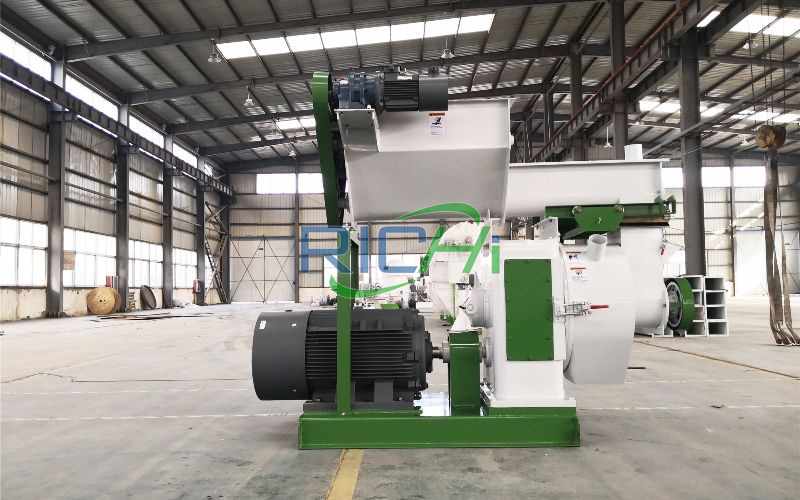
This poultry manure processing machine in Kazakhstan project centres on one RICHI FZLH350 ring die press. The customer, an agricultural cooperative in southern Kazakhstan, selected the machine for a pelleting brief approaching 5 T/H within the model's published 3–5 T/H range.
The principal product is poultry-manure-based fertilizer. RICHI can also assess mature cattle-manure, sheep-manure and crop-compost formulations for separate fertilizer batches. Each material requires its own preparation and pressing assessment, keeping the equipment's role focused on fertilizer manufacture.
Name:
Poultry manure pellet press
Country:
Kazakhstan
Date:
2024
Capacity:
3–5 T/H
Model:
FZLH350
Main Motor Power:
37 kW
Raw Materials:
Poultry and crop-residue compost
Pellet Diameter:
4–5mm
The cooperative collected poultry manure from local farms and organised preparation at its processing site. Existing machinery covered mixing, drying and size reduction. Purchasing the press completed a defined forming stage within that arrangement, while the condition of material entering it remained an upstream responsibility.
A single machine suited this purchasing scope. The customer retained usable preparation equipment instead of ordering another complete organic fertilizer production line. RICHI's equipment selection therefore had to account for the feedstock those existing machines could consistently deliver.
For a poultry manure pelletizer in Kazakhstan, that interface is commercially significant. A press needs a regular supply of prepared compost, while the packing section needs accepted pellets. Connecting those stages requires attention to material flow, product checks and the actual capacity of neighbouring equipment.
The cooperative's agricultural customers buy a fertilizer product rather than a manure-disposal service. The finished specification consequently covers both its physical form and its declared composition. Pelleting helps organise handling and distribution; laboratory analysis establishes what the material contains.
Fresh manure first belongs in the site's controlled treatment system. Composting, hygienic management and maturity assessment precede commercial pelleting. Drying and screening then help produce a manageable pressing material. The pellet die provides compaction and shape within this wider process.
Wheat or barley straw can enter the material programme as a managed composting ingredient. Its fibre length and decomposition condition matter. The pressing blend uses suitably treated, reduced material; adding a fixed straw percentage does not by itself establish compost maturity or a balanced nutrient analysis.
The customer's feed brief identifies poultry manure as approximately 80–90% of the prepared blend, with crop-residue material accounting for the balance. A reference batch at 85:15 makes the weighing and moisture calculation explicit without assigning that recipe to every incoming manure source.
| Prepared ingredient | Reference batch mass | Ingredient moisture |
|---|---|---|
| Poultry-manure compost | 850 kg | 20% wet basis |
| Prepared crop-residue compost | 150 kg | 12% wet basis |
| Combined pressing blend | 1,000 kg | 18.8% wet basis |
In this example, the ingredients contribute 170 kg and 18 kg of water respectively. The blend contains 188 kg of water and 812 kg of dry solids. These are weighing references; production batches use measured ingredient moisture and the approved product formulation.
The resulting 18.8% lies within the project's 18–20% pressing-moisture brief. That range concerns the material entering the press. Composting conditions and the final product's storage moisture are separate process decisions, each checked at its relevant stage.
The product assessment considers cylindrical pellets with 4 mm or 5 mm diameters and an initial cut-length target of 8–12 mm. These are engineering options for evaluation with the customer's handling and spreading equipment. The final dimensions are selected through material and application trials.
Each diameter requires the corresponding die bore. The machine does not change a pellet's diameter through a feed-rate adjustment. Cut length is established separately, and the accepted specification includes the amount of fines and broken material remaining after handling.
A chicken manure granulator in Kazakhstan needs to produce a form that the intended application equipment can distribute. Cylindrical organic pellets have different flow and breakage characteristics from mineral fertilizer granules. A spreading trial is useful before assigning an application setting.
For horticultural customers, practical product checks also include behaviour during storage and transport. The cooperative can sample pellets after screening and again after representative handling. That identifies damage occurring between the press and the customer's receiving point.
Pellet dimensions do not establish nutrient release, crop suitability or an application rate. Those decisions follow the fertilizer analysis, soil condition and crop programme. The physical product brief and agronomic recommendation therefore remain connected but distinct.
The selected chicken manure pellet machine belongs to RICHI's FZLH fertilizer equipment family. Its feed system combines an anti-bridging arrangement with forced feeding, supporting controlled delivery of suitably prepared organic material into the pressing chamber.
| Pressing-station item | FZLH350 reference |
|---|---|
| Equipment supplied | One ring die fertilizer press |
| Pellet-forming drive | 37 kW main motor |
| Feeding motor pair | 2.2 kW anti-bridging and 0.75 kW forced feeding |
| Internal die dimension | 350 mm inner diameter |
| Available bore range | 4–12 mm with the corresponding dies |
| Published throughput range | 3–5 T/H of prepared organic material |
The three listed motors total 39.95 kW of rated power. This figure identifies the pressing station's specified drives. The existing dryer, mixer, crusher, conveying and any collection equipment require their own electrical schedule; measured consumption depends on operating load.
An organic fertilizer pellet press in Kazakhstan still depends on consistent preparation. Feeders help manage delivery, but they cannot compensate for stones, oversized fibres or large moisture differences. Inspection and preparation protect the function of the ring die and rollers.
RICHI's selection task connects the die specification, feed condition and required product. Material trials establish suitable pressing conditions and reveal any preparation changes needed before installation. This keeps the poultry manure processing machine in Kazakhstan tied to the cooperative's actual compost stream.
The cooperative's approximately 5 T/H requirement sits at the upper end of the FZLH350 reference range. Demonstrating that duty requires the agreed compost blend and pellet specification. A published range alone does not establish continuous output for every manure composition.
At 5 T/H, the 85:15 reference blend requires 4,250 kg/h of prepared poultry-manure compost and 750 kg/h of prepared crop-residue compost. Availability is measured after treatment and preparation. Fresh collection weights cannot be substituted directly for those quantities.
For an illustrative six productive hours, the press receives 30 tonnes of prepared blend. Loading, maintenance, cleaning and interruptions take additional time. This planning calculation sets the quantity that the upstream preparation section must make available.
At the example blend moisture of 18.8%, five tonnes contain 4,060 kg of dry solids. If a finished-product assessment specifies 15% moisture, retaining those solids gives approximately 4,776 kg of material. About 224 kg of water must leave between the two measurement points.
That balance identifies a finishing requirement; it does not assume the press removes the water. Cooling and any necessary final drying must be evaluated against the product target. Screening losses and returned fines also affect the quantity accepted for packing.
For a manure pellet making machine in Kazakhstan, acceptance records should therefore separate press feed, screened pellets and material returned for reprocessing. These measurements show whether the installed pressing and finishing stages can support the cooperative's supply commitments.
A southern Kazakhstan location still calls for attention to winter freezing and summer heat. The site assessment identifies the actual storage conditions and operating temperatures. Regional climate extremes help explain the need for protection, but they are not a machine temperature rating.
Prepared compost needs protection from precipitation and moisture gradients within the stockpile. Frozen or caked material must return to an acceptable condition before feeding. Sending uneven lumps into the hopper undermines the purpose of a controlled moisture specification.
The discharge arrangement gives pellets time to cool before sealed packing. Product temperature, moisture and bag condition are checked together. Packing warm pellets into a cold storage environment can create condensation problems even where the average moisture result appears acceptable.
A compost pellet machine in Kazakhstan also benefits from accessible maintenance positions and an organised wear-parts supply. The equipment package should identify die and roller components, maintenance instructions and the parts needed for the agreed operation. Service access belongs in the installation drawing.
Southern Kazakhstan's crop production includes vegetable-growing areas that provide a relevant customer context for organic amendments. Fertilizer selection still follows field conditions. An organic-matter product must be assessed for the receiving crop, soil and nutrient programme.
The cooperative's product file can record moisture, organic matter, declared nutrients, electrical conductivity and the relevant hygiene and contaminant results. Test methods and reporting bases need consistency. Dry-basis and as-sold figures should be clearly distinguished on analysis documents.
Poultry-derived fertilizer can bring a substantial nutrient and salt load, so application rates need agronomic assessment. Pelleting does not increase the total nutrients in a retained quantity of dry solids. It changes the physical form in which those nutrients are handled and applied.
Suitability for certified organic crop production requires a separate check of ingredients, treatment and the applicable certification rules. The equipment model does not confer that status. The cooperative's sales description should match the product evidence and the requirements of its intended buyers.
Freight assessment can use Qingdao as a Chinese dispatch reference, with a rail route through Khorgos–Altynkol and onward inland delivery. The final offer identifies the actual departure terminal, border-handling arrangement and receiving point in southern Kazakhstan.
The packing list separates the press, feed components, electrical items and accompanying parts. Package dimensions and weights determine handling arrangements. Transit time and unloading requirements are confirmed against the booked service and the cooperative's access conditions.
Installation preparation covers foundations, connection heights and access around the press. The available electrical supply is checked against the equipment nameplates and control package. Existing conveyors and downstream handling are assessed for their material condition and capacity.
Operating documents, connection drawings and identified spare parts support commissioning. Training follows the agreed material, operating sequence and maintenance tasks. The supply scope specifies the working language, delivery format and responsibilities for commissioning support.
The value of this purchase lies in completing a usable fertilizer process around equipment the cooperative already owns. Assessment focuses on accepted pellet quality, dependable feeding and maintainable operation. Production records connect those outcomes with maintenance planning and the cost per accepted tonne.
When reviewing a poultry manure pellet machine for sale in Kazakhstan, compare offers against the same prepared blend and product dimensions. Define the required output, return-fines treatment, electrical scope and commissioning responsibilities. That makes the quotation relevant to the actual processing task.
RICHI's Organic Fertilizer Pellet Machine proposal can identify the press, feeders, selected die, initial wear parts and connection requirements. Additional cooling, screening or moisture-control equipment is included only where the existing plant cannot meet the agreed duty.
Start an enquiry for a poultry manure processing machine in Kazakhstan with one representative compost batch. Send its composition, measured moisture, particle condition and proposed pellet dimensions to RICHI Machinery, together with the current layout. These details establish a practical basis for material testing and a defined single-machine offer.
Having the right mix of reliable, high-quality pellet machine and pelletizing systems and expert support is essential to your success. Watch how our end-to-end feed pellet plant solutions have helped our customers optimize their performance.
Our customized and future-proofed turnkey pellet plant solutions is designed with you at the core. From vision to reality and beyond, our team stays connected with yours. Giving you peace-of-mind with an expert at your side.
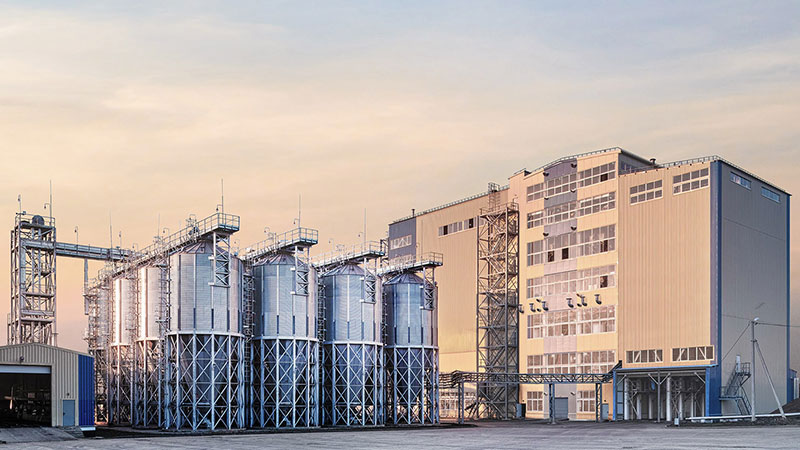
At RICHI, we go beyond project completion. With RICHI Servicee, we’re your dedicated partners in success. Count on us for expert guidance, minimal downtime, and optimized productivity. Choose RICHI for unmatched service and support.
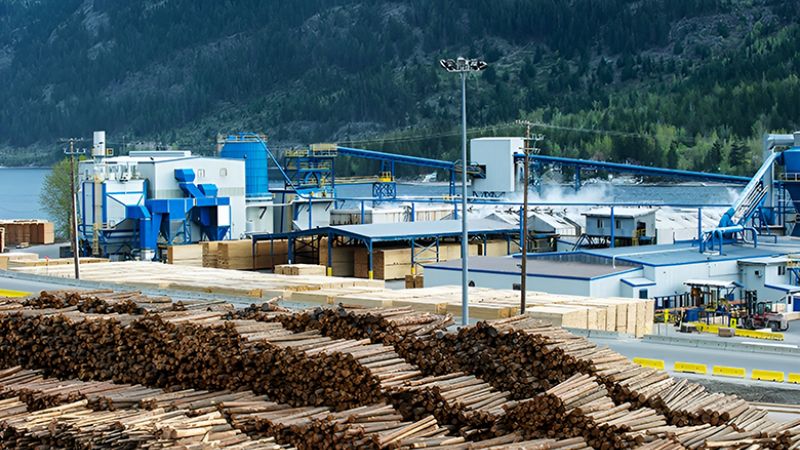


Meet global product demands and quality standards with industry-leading pellet plant design, engineering, equipment, and construction services for pellet processors.


Your Partner Beyond Project Completion
2000+ cases
RICHI is the leading designer, manufacturer and builder of pellet plants in the world, completing over 2000 projects in 140 countries across 6 continents.
Read More
Increase plant productivity, profitability, and safety by integrating high quality equipment into your pellet production line. Over the years, RICHI has become China's top pellet equipment manufacturer. At the same time, RICHI has established valuable partnerships with the world's leading component and raw material manufacturers to bring you the best there is in technology, automation, and efficiency in pelleting plant machinery.

For nearly 30 years, RICHI has been providing best-in-class pellet plant equipment and services to clients across a variety of industries, sizes, and needs. We pride ourselves on the knowledge and skill that each team member possesses – from our technical sales team to our process design engineers. You can count on RICHI Machinery to take your operation to the next level of innovation, quality, and success.
Need help with your pellet manufacturing plant project? Contact us today.
ANIMAL FEED
BIOMASS
WOOD
ORGANIC FERTILIZER
AQUA FEED
CAT LITTER
MUNICIPAL WASTE RECYCLING
SPECIAL PELLET PRODUCTION
RICHI Machinery continues to deliver world class pellet mill equipment, pellet plant engineering and project solutions that add value to our customers in the animal feed, wood waste, agriculture waste, organic fertilizer, cat litter and special pellet products industries. Throughout the years, we RICHI Machinery have built strong brand, becoming industry-leading pellet machine manufacturer. We value integrity, promise quality, and prioritize your success.
Learn MoreWith our expert team, we precisely implement your process engineering requirements in pellet mill and pelletizing plant systems. No matter which industry you’re in – we understand your needs and deliver solutions that meet the highest standards.
At RICHI, quality comes first. Our pellet making machine and related pellet line equipment undergo rigorous quality controls to ensure they meet the highest standards. Rely on products that are durable, safe, and efficient.
With decades of experience in pellet machine and pellet production line production, we have earned a reputation as a trusted partner in various industries. Our expertise allows us to cover a wide range of applications.
Not only do we offer premium pelleting equipment, but we are also experts at designing, building, installing, and maintaining facilities from the ground up. Our expertise is within pellt plant process design, discovering the most efficient, productive, and profitable way to handle your materials in an end-to-end cycle.
○ RICHI MACHINERY
Keeping in touch with us is an effective way to solve all your problems. If you have any needs or questions, please leave your contact information, then RICHI technical consultants will send design, quotation, videos to your mailbox. You can also contact us directly via WhatsApp: +86 13838389622
Copyright©2015-2026 by HENAN RICHI MACHINERY CO., LTD. All rights reserved.