
At a plastics recovery facility in British Columbia, the problem was not a shortage of recyclable material. The problem was volume. Empty milk jugs, detergent containers, juice bottles, and other rigid plastic containers occupied too much space and entered the washing section irregularly. Operators were spending unnecessary time manually compacting and breaking oversized containers before they could move through the rest of the recycling process.
At a plastics recovery facility in British Columbia, the problem was not a shortage of recyclable material. The problem was volume. Empty milk jugs, detergent containers, juice bottles, and other rigid plastic containers occupied too much space and entered the washing section irregularly. Operators were spending unnecessary time manually compacting and breaking oversized containers before they could move through the rest of the recycling process.
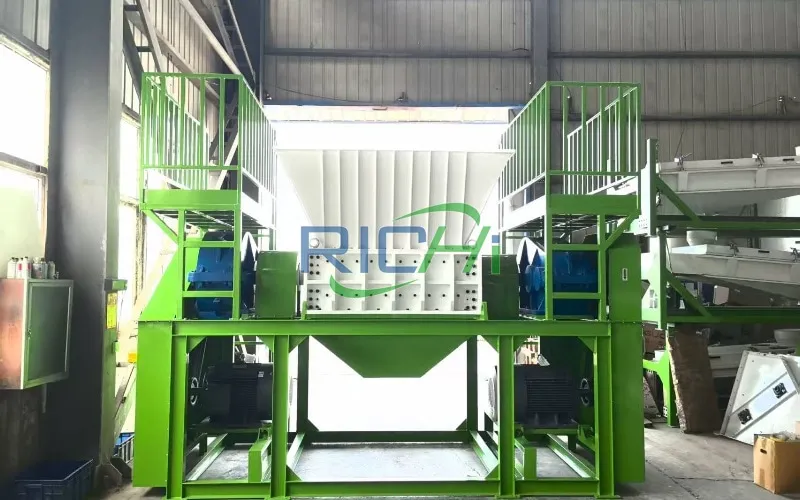
The company addressed this bottleneck by installing one RICHI SSJ800 plastic jug crusher in Canada as a dedicated primary size-reduction machine. Rather than rebuilding its existing washing and recycling system, the processor replaced the inefficient manual pre-crushing stage with a twin-shaft unit. The crusher now reduces bulky HDPE containers into manageable pieces before separation, washing, secondary size reduction, and subsequent recycling.
Name:
Plastic Jug Crusher
Country:
Canada
Date:
2025
Capacity:
Flexible
Model:
SSJ800
Main Motor Power:
22 kW × 2
Machine dimensions:
3000 × 1800 × 1900 mm
Final product size:
30 mm
The customer operates an established rigid-plastics recovery business serving commercial collection contractors and material recovery networks in British Columbia. Its incoming stream includes post-consumer milk jugs, household chemical containers, detergent bottles, larger HDPE containers, and other compatible rigid plastics.
The facility already had downstream equipment, so purchasing a complete recycling line would have duplicated machinery that was still operating effectively. The weak point was at the front of the process.
Whole plastic jugs are lightweight but bulky. Their irregular shapes make controlled feeding difficult, and closed or partially flattened containers can trap air. When large quantities arrive together, they occupy substantial hopper and conveyor volume while delivering relatively little mass to downstream equipment.
The SSJ800 was therefore purchased for one specific task: coarse crushing of bulky rigid plastic containers before further processing.
HDPE containers form the principal feedstock. Milk jugs are a typical example, but the customer's collection stream also contains detergent and household-product containers manufactured from compatible rigid polyethylene.
The facility does not simply feed an uncontrolled mixed-plastic waste stream into the crusher. Incoming materials are inspected and sorted according to the requirements of the recycling process. Obvious non-plastic contaminants and unsuitable items are removed before crushing.
Caps, labels, closures, residual liquids, and different polymer types require particular attention. Residual contents are drained where necessary, while downstream sorting and washing are configured according to the quality specification required for the recovered plastic.
PET containers are not treated as interchangeable with HDPE merely because both are plastics. When PET appears in the incoming stream, it is separated according to the customer's polymer-sorting requirements rather than deliberately blended into an HDPE recycling batch.
The customer did not need fine flakes directly from the first machine. At this stage, aggressive fine grinding would have added unnecessary power demand and increased the amount of small material entering the washing section. What the plant needed first was controlled coarse size reduction.
The SSJ800 configuration selected for the project uses two 22 kW drives and a low-speed twin-shaft crushing principle. Its cutters grip irregular containers, pull them into the crushing chamber, and shear them into substantially smaller pieces.
Knife arrangement and tooth geometry are selected according to the actual feedstock. This is important because thin-walled milk jugs, thicker detergent containers, and heavier industrial HDPE packaging do not impose exactly the same cutting load.
The customer requested material around 30 mm because this size substantially reduces bulk while remaining appropriate for subsequent handling. However, a coarse twin-shaft crusher does not produce every piece at exactly 30 × 30 mm.
Actual discharge contains a size distribution influenced by container wall thickness, shape, cutter width, hook geometry, shaft speed, and the way each jug enters the chamber. For this application, the objective is therefore approximately 30 mm coarse pieces rather than precision-sized flakes.
If a recycling process requires tightly controlled 10–15 mm washed flakes, a secondary granulator or crusher with screen-controlled sizing is a more appropriate downstream step. Keeping these two crushing duties separate improves equipment selection and avoids expecting one machine to perform incompatible coarse- and fine-grinding functions.
Incoming containers first pass through the facility's receiving and sorting area. Operators remove unsuitable materials and check containers that may still contain liquids or problematic contaminants. The accepted rigid plastics are then conveyed to the SSJ800.
Once a jug enters the cutting zone, the two shafts rotate toward each other. The cutter hooks capture the container rather than relying only on gravity to push a lightweight object downward. The walls collapse under the cutting force and are progressively sheared into smaller pieces.
After coarse crushing, the reduced material is easier to meter onto conveyors and through subsequent separation and washing equipment. Depending on the final recycled-product specification, it can then undergo additional sorting, washing, fine grinding, drying, and extrusion or pelletizing.
The SSJ800 therefore does not replace the washing line, fine granulator, dryer, or recycling extruder. Its value comes from making the bulky incoming containers easier for those downstream stages to handle.
Post-consumer plastic jugs rarely arrive in perfectly clean condition. Milk containers can contain organic residues, while detergent and household-product containers may retain small quantities of their original contents. This makes feedstock management just as important as crusher capacity.
The customer drains containers with significant remaining liquid before they reach the crusher. The machine can tolerate normal moisture associated with used packaging, but it is not intended to serve as a liquid-disposal system. Excessive liquid would increase housekeeping requirements and transfer unnecessary contamination into the downstream process.
Operators are also instructed to watch for hard foreign objects. Metal components, stones, and other unsuitable materials can accelerate cutter wear or trigger an overload. Proper receiving and sorting remain the first layer of protection for the crusher.
Unlike virgin plastic processing, post-consumer recycling involves feedstock that cannot be completely standardized. Container dimensions vary, wall thickness changes between products, and occasional foreign objects may escape initial inspection.
For this reason, overload protection is an important part of the SSJ800 configuration. If shaft resistance rises beyond the allowable operating condition, the control system can stop and reverse the cutting action to help release the obstruction rather than continuing to force the rotor against it.
This feature reduces the likelihood that an abnormal object or unusually difficult bundle will turn into a prolonged blockage. It does not eliminate the need for sorting, but it provides an additional layer of machine protection in a real recycling environment.
The customer initially evaluated capacity in tons per hour, but lightweight plastic jugs make volumetric feeding equally important. A conveyor may appear completely full while carrying relatively little mass because intact containers contain large amounts of air.
Consequently, the plant does not treat a single throughput figure as guaranteed for every type of container. Actual output changes with HDPE wall thickness, container size, feeding consistency, contamination level, cutter configuration, and whether incoming jugs have already been partially flattened.
For this installation, approximately 1.5–2.0 t/h is used as the project operating target under suitable feeding conditions. Final machine sizing was based not only on the desired tonnage but also on representative container dimensions and the rate at which the existing downstream system could accept crushed material.
The most noticeable improvement was not simply a higher nominal crushing capacity. Material flow through the front end became more predictable.
Previously, employees manually broke or compressed oversized containers when the receiving section became congested. That made the rate entering the washing process dependent on labor availability and on the particular mix of containers arriving during a shift.
With the SSJ800 operating as a dedicated coarse crusher, whole jugs are reduced before they become a downstream handling problem. The smaller pieces occupy less space, move more consistently on conveyors, and are easier to transfer into subsequent processing equipment.
The customer also gained better control over maintenance. The replaceable cutter arrangement allows worn components to be inspected and serviced without treating the entire rotor assembly as a disposable component. Cutter condition is checked periodically because worn edges reduce gripping performance and can increase energy consumption.
This project is a typical retrofit rather than a greenfield recycling plant. The customer already owned useful separation, washing, and material-handling equipment. Replacing those machines merely to improve the first crushing stage would have increased investment without addressing a corresponding technical need.
Installing one plastic jug crusher in Canada allowed the company to remove the specific bottleneck while retaining the rest of its production assets. Space was reserved around the crusher for maintenance access and for a possible future conveyor modification if incoming rigid-plastic volumes continue to increase.
The customer can also evaluate future expansion using actual operating records. If crushing becomes the limiting stage again, additional capacity can be considered. If washing or drying becomes the new bottleneck first, investment can instead be directed there.
The SSJ800 was prepared for export at RICHI Machinery's manufacturing facility and shipped from Qingdao, China, to the Port of Vancouver in British Columbia. Vancouver provided a practical entry point because the recycling operation is located in western Canada.
Before dispatch, the crusher was inspected and prepared for ocean transportation. Technical documents covering installation, electrical connection, routine inspection, cutter maintenance, and safe operation were supplied with the equipment.
After customs clearance, the machine was transported by truck to the recycling facility. Because this was a retrofit project, the customer prepared the receiving area, electrical supply, and conveyor interfaces in advance so installation would cause as little interruption as possible to normal recycling operations.
Training concentrated on the conditions that affect long-term reliability: even feeding, foreign-object inspection, overload response, cutter checks, bearing inspection, and lockout procedures before maintenance.
Operators were specifically instructed not to use their hands or improvised tools to push containers into the cutting chamber. Feeding is handled through the hopper and conveyor arrangement, while inspection or blockage removal is performed only after the machine has been isolated according to the required safety procedure.
The maintenance team also learned to monitor cutter edges and clearances. A crusher can continue operating with worn cutters, but gradually declining gripping and cutting performance may increase power consumption and reduce effective throughput long before a component fails completely.
“Our biggest problem was never the amount of plastic we could collect—it was getting bulky containers through the front end at a steady rate. The SSJ800 gave us a controlled coarse-crushing stage. We now send smaller, more manageable pieces into the rest of the recycling process instead of asking operators to deal with whole jugs whenever the conveyor backs up. It has made the material flow much more predictable.”
The customer also found that establishing a clear feed specification was important. Keeping HDPE streams properly sorted and removing inappropriate contaminants before crushing reduced unnecessary stops and made cutter inspection more predictable.
The purpose of this project is straightforward: turn bulky rigid containers into manageable pieces before further recycling. The SSJ800 does not attempt to replace every machine in the process, and the customer does not expect coarse-crushed material to be immediately ready for manufacturing new plastic products.
Instead, the plastic jug crusher in Canada provides the missing link between container collection and downstream recycling. Whole HDPE jugs that previously created feeding and handling problems are reduced to approximately 30 mm coarse pieces, after which the existing facility can perform the separation, washing, finer size reduction, drying, and recycling stages required for its finished material.
For this British Columbia operator, purchasing one SSJ800 was therefore a targeted equipment upgrade rather than a complete plant rebuild. It solved a specific front-end bottleneck, reduced dependence on manual container breaking, and gave the facility a more controlled foundation for processing increasing volumes of post-consumer rigid plastics.
Having the right mix of reliable, high-quality pellet machine and pelletizing systems and expert support is essential to your success. Watch how our end-to-end feed pellet plant solutions have helped our customers optimize their performance.
Our customized and future-proofed turnkey pellet plant solutions is designed with you at the core. From vision to reality and beyond, our team stays connected with yours. Giving you peace-of-mind with an expert at your side.
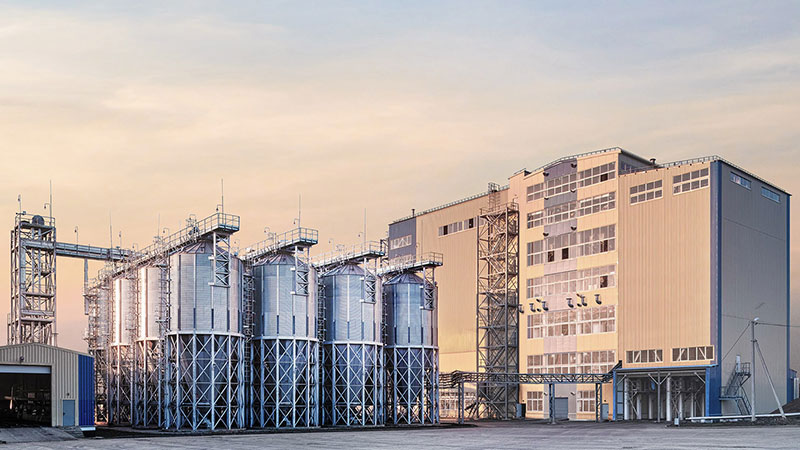
At RICHI, we go beyond project completion. With RICHI Servicee, we’re your dedicated partners in success. Count on us for expert guidance, minimal downtime, and optimized productivity. Choose RICHI for unmatched service and support.
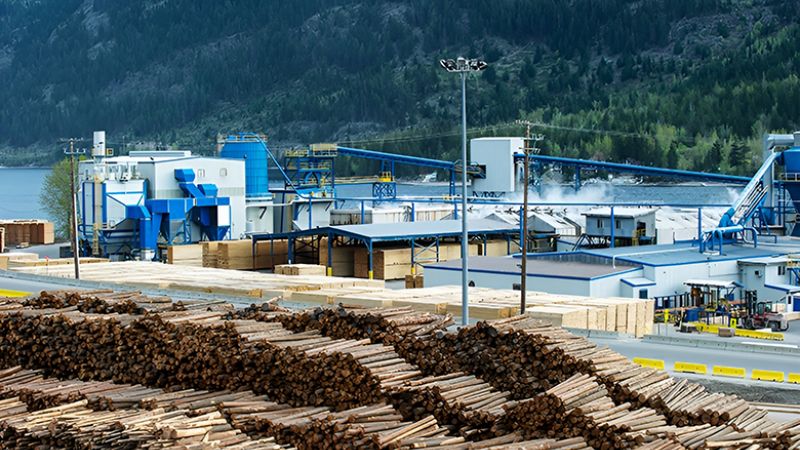


Meet global product demands and quality standards with industry-leading pellet plant design, engineering, equipment, and construction services for pellet processors.


Your Partner Beyond Project Completion
2000+ cases
RICHI is the leading designer, manufacturer and builder of pellet plants in the world, completing over 2000 projects in 140 countries across 6 continents.
Read More
Increase plant productivity, profitability, and safety by integrating high quality equipment into your pellet production line. Over the years, RICHI has become China's top pellet equipment manufacturer. At the same time, RICHI has established valuable partnerships with the world's leading component and raw material manufacturers to bring you the best there is in technology, automation, and efficiency in pelleting plant machinery.

For nearly 30 years, RICHI has been providing best-in-class pellet plant equipment and services to clients across a variety of industries, sizes, and needs. We pride ourselves on the knowledge and skill that each team member possesses – from our technical sales team to our process design engineers. You can count on RICHI Machinery to take your operation to the next level of innovation, quality, and success.
Need help with your pellet manufacturing plant project? Contact us today.
ANIMAL FEED
BIOMASS
WOOD
ORGANIC FERTILIZER
AQUA FEED
CAT LITTER
MUNICIPAL WASTE RECYCLING
SPECIAL PELLET PRODUCTION
RICHI Machinery continues to deliver world class pellet mill equipment, pellet plant engineering and project solutions that add value to our customers in the animal feed, wood waste, agriculture waste, organic fertilizer, cat litter and special pellet products industries. Throughout the years, we RICHI Machinery have built strong brand, becoming industry-leading pellet machine manufacturer. We value integrity, promise quality, and prioritize your success.
Learn MoreWith our expert team, we precisely implement your process engineering requirements in pellet mill and pelletizing plant systems. No matter which industry you’re in – we understand your needs and deliver solutions that meet the highest standards.
At RICHI, quality comes first. Our pellet making machine and related pellet line equipment undergo rigorous quality controls to ensure they meet the highest standards. Rely on products that are durable, safe, and efficient.
With decades of experience in pellet machine and pellet production line production, we have earned a reputation as a trusted partner in various industries. Our expertise allows us to cover a wide range of applications.
Not only do we offer premium pelleting equipment, but we are also experts at designing, building, installing, and maintaining facilities from the ground up. Our expertise is within pellt plant process design, discovering the most efficient, productive, and profitable way to handle your materials in an end-to-end cycle.
○ RICHI MACHINERY
Keeping in touch with us is an effective way to solve all your problems. If you have any needs or questions, please leave your contact information, then RICHI technical consultants will send design, quotation, videos to your mailbox. You can also contact us directly via WhatsApp: +86 13838389622
Copyright©2015-2026 by HENAN RICHI MACHINERY CO., LTD. All rights reserved.