
Paper and cardboard pellet machine in Ireland for producing recycled paper cat litter from selected waste paper and cardboard. Explore the RICHI MZLH350, raw material preparation, pellet specifications and single-machine investment.
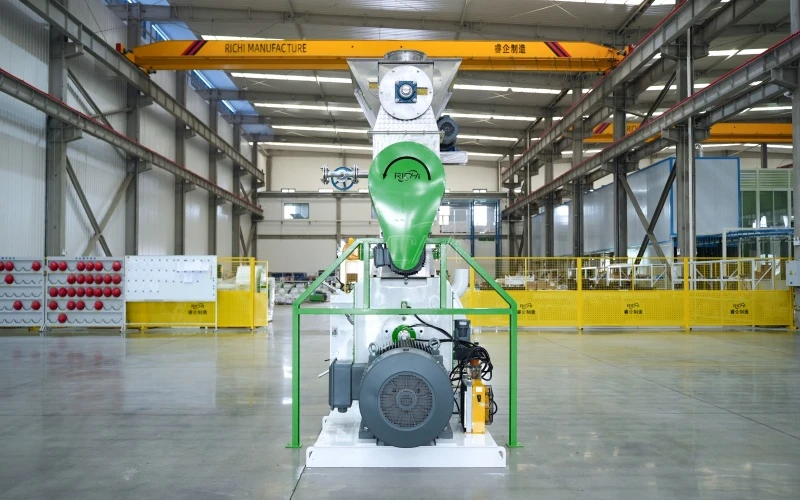
A paper and cardboard pellet machine in Ireland is being considered by a regional recycling business that wants to develop a value-added outlet for selected paper packaging waste.
Rather than expanding its existing recycling operation with a complete production line, the business plans to purchase one RICHI MZLH350 ring die pellet machine and use its current sorting and size-reduction equipment to prepare the feedstock. The intended finished product is recycled paper cat litter, with the first production runs focused on pellet consistency, absorbency and low dust generation.
The proposed installation is designed around an established source of recovered cardboard and clean paper offcuts from local commercial packaging activities. The buyer wants to evaluate a product that can be packed and sold through pet-product distributors and smaller retailers. This is a single-machine investment, not a new turnkey plant.
The MZLH350 will add the compression stage that the existing operation lacks, while material preparation, cooling, screening and packaging will be handled using available equipment or arranged separately according to the results of the initial trials.
Name:
Paper and Cardboard Pelletizer
Country:
Ireland
Date:
2026
Capacity:
0.3–0.5 T/H
Model:
MZLH350
Main Motor Power:
37 kW
Raw Materials:
cardboard, plain paper
Pellet diameter:
4–6 mm
The proposed customer is a regional paper recovery and packaging-materials processor serving commercial customers. Its regular activities include collecting and sorting corrugated cardboard, plain paper packaging and other recoverable paper grades.
Most material already has an established route into paper recycling, but the business is exploring whether a carefully selected fraction can be processed into a finished pet-care product instead of being sold only as recovered fiber.
Ireland is a plausible market for this type of project because businesses and households generate recoverable paper and cardboard, while pet owners purchase litter products through supermarkets, specialist shops and online channels.
That does not mean every recovered paper grade is suitable for cat litter, or that a new product will automatically find buyers. The commercial opportunity depends on securing clean feedstock, producing a reliable pellet and demonstrating that the finished product meets customer expectations.
The buyer's priority is to establish a controlled production process before committing to a larger investment. A complete plant would require additional capital and could duplicate existing preparation equipment. By purchasing a standalone paper pelletizer, the business can use its current sorting and shredding arrangements, run manageable batches and evaluate the product without immediately expanding every stage of production.
The planned product is non-clumping paper cat litter intended to absorb moisture and make routine litter-tray maintenance convenient. The initial development work will focus on how the pellets take up liquid, whether they break down at a useful rate, how much dust is released during pouring and scooping, and whether the packaged product retains its properties during storage. Claims about odor control, biodegradability or disposal suitability will need to be supported by the actual formulation and relevant testing.
The business already has access to paper sorting and size-reduction equipment, so the missing operation is pellet formation. The MZLH350 paper pellet machine provides a reference capacity of 0.3–0.5 T/H, placing it above the smallest model in the supplied equipment range while remaining suitable for a staged market-entry project. The nominal capacity is a selection reference; actual output with paper and cardboard fibers must be established through material trials.
The ring die pellet machine compresses prepared fibers into cylindrical pellets. For this application, stable feeding is particularly important because loose paper fibers can have a low bulk density and may bridge above the feeder if their size, moisture or texture varies too much. The machine's anti-bridging feeder helps maintain material flow, while the forced feeder supports a more consistent supply into the pelletizing chamber.
The MZLH350 is being considered as an addition to the buyer's existing operation, not as a replacement for the whole recycling process. The business can continue to use its current equipment to sort and prepare paper, then direct the selected fraction to the pelletizer. If the trial product proves commercially viable, separate investment decisions can be made for improved conveying, cooling, screening or automatic bagging.
| Technical Item | Specification |
|---|---|
| Model | MZLH350 |
| Equipment type | Ring die paper and cardboard pellet machine |
| Purchase quantity | 1 unit |
| Main motor power | 37 kW |
| Anti-bridging feeder power | 2.2 kW |
| Forced feeder power | 0.75 kW |
| Ring die inner diameter | 350 mm |
| Reference capacity | 0.3–0.5 T/H |
| Available pellet diameter range | 4–12 mm |
| Initial product trial diameter | 4–6 mm, subject to testing |
| Conditioning system | No conditioner included |
The listed capacity is the machine's reference range, not a guaranteed production rate for every paper formulation. Waste paper fibers do not necessarily behave like wood particles or agricultural residues. Fiber length, moisture, bulk density, compression behavior and the proportion of fine material can all affect feeding stability and pellet formation.
The proposed 4–6 mm pellet diameter is an initial trial target rather than a confirmed final specification. Smaller pellets may be convenient to handle, but diameter alone does not establish litter quality.
The buyer must also examine the pellets' absorption behavior, resistance to handling, dust content and tendency to disintegrate when exposed to liquid. RICHI should confirm the appropriate die configuration after reviewing representative samples and the product requirements.
The proposed raw material is a controlled blend of clean corrugated cardboard fibers and selected plain paper packaging offcuts. The proportions will be established through trials rather than fixed in advance. Corrugated cardboard can provide a useful source of recovered fiber, while selected plain paper can help adjust the texture and processing characteristics of the mixture. Both materials must be checked for suitability before entering the production process.
The feedstock is expected to come from commercial packaging recovery, including clean boxes and paper offcuts collected from distribution, retail and light commercial activities. Paper that has contacted oils, chemicals or other contaminants should be excluded. Waxed or laminated stock, plastic-coated packaging, adhesive-rich labels and material with an unknown composition should not be included unless its suitability has been independently established.
Before pelletizing, the cardboard must be broken down and the paper reduced to a more uniform fiber structure. The existing shredder or size-reduction equipment can perform this work if it produces material that feeds reliably. The objective is not simply to grind everything as finely as possible. Excessive fines may increase dust, change the pellet texture and influence how the finished litter absorbs moisture.
Moisture control is another important part of the preparation stage. A preliminary inlet range of approximately 10–15% moisture can be evaluated during trials, but the appropriate level must be determined from the selected paper blend and the performance of the finished pellets. Damp material may need drying before pelletizing, and paper showing mold growth or deterioration should be rejected rather than processed into an animal-use product.
Consistent feedstock specifications make the results easier to interpret. If a batch suddenly produces weaker pellets or more dust, the operator should be able to check its paper grade, fiber size and moisture history. Keeping different paper grades separate until they have been approved also helps prevent an unsuitable material from entering the product simply because it is available in large quantities.
After sorting and size reduction, the prepared fibers are fed into the MZLH350. The ring die compresses the material into pellets, which then require cooling and screening before packaging. As this machine configuration does not include a conditioner, the consistency of the incoming material and the feeding arrangement deserve particular attention during the first production runs.
Fresh pellets should be cooled before being bagged. Screening helps remove loose fines and undersized fragments that could otherwise accumulate at the bottom of the package or create dust when the litter is poured. The operator should record the proportion of fines and inspect the finished product from different batches, rather than judging quality from the appearance of a single sample.
Product trials should use representative litter trays and realistic handling conditions. The buyer needs to observe how quickly the pellets absorb liquid, whether they remain intact or break apart, how easy the used material is to remove and how much dust appears during filling and cleaning. These tests will help establish whether the selected fiber blend is suitable for the intended customers.
Paper cat litter has different characteristics from conventional bentonite clay litter and wood-based litter. Its behavior depends on the fibers, pellet structure and any additives used. Packaging instructions should explain how the product is intended to be used, how frequently it should be replaced and how it should be disposed of in accordance with local requirements. Suitability for flushing or home composting should not be assumed without appropriate evidence.
Finished-product storage also needs attention. Paper-based pellets can absorb moisture from the surrounding air, potentially changing their texture and mechanical strength. Bags should protect the product from humidity, while storage areas should remain dry and clean. Checks for abnormal odor, visible contamination, excessive dust and changes in pellet condition should form part of routine quality control.
For the recycling business, the attraction is the possibility of developing a second outlet for selected paper fibers. Pelletizing gives the material a defined shape and makes it easier to portion, package and distribute as a consumer product. Whether this creates a worthwhile business depends on the cost of feedstock preparation, the amount of material rejected, the quality of the finished litter and the price customers are prepared to pay.
Potential sales channels include independent pet shops, online retailers and distributors that already handle cat-care products. These customers will expect consistent bag weights, convenient handling, limited dust and reliable performance from one purchase to the next. Small-scale trials with prospective buyers can help identify the most important product requirements before the business commits to higher production volumes.
The cost assessment should include more than the pelletizer itself. Paper collection, sorting, shredding, drying where necessary, electricity, labor, packaging, storage and distribution all contribute to the cost of each saleable bag. Rejected paper and fines also matter because they reduce the proportion of the incoming material that becomes a marketable product.
The MZLH350 allows the buyer to test this route while using existing preparation equipment. Once the process has been measured, the business can decide whether to retain the current arrangement or invest in additional cooling, screening and packaging equipment. Any expansion should be based on actual operating hours, accepted product output, repeat customer orders and the availability of qualified paper fibers.
For a single-machine project, the most useful technical work begins before the order is finalized. RICHI can review the paper grades, moisture range, fiber dimensions, expected pellet diameter and intended litter performance to help determine whether the MZLH350 is an appropriate candidate. Representative material samples provide a stronger basis for the decision than relying on nominal capacity alone.
The equipment review can also cover the existing shredder, material transfer arrangements, installation space, electrical requirements and access for maintenance. Because the buyer already has part of the preparation process in place, the aim is to integrate the pelletizer into that workflow rather than unnecessarily duplicate equipment.
Where sample testing is available, the results can help identify the material preparation requirements and determine whether the pellets meet the buyer's initial acceptance criteria. These findings can then guide decisions about the die configuration, feeding conditions and any additional equipment needed for cooling or screening. Final recommendations should be tied to the actual material and test results.
RICHI supplies pelletizing equipment for different raw materials and production applications. That range of equipment experience is useful when a customer needs to evaluate a less conventional feedstock such as recovered paper fibers. However, paper cat litter requires its own material assessment; capacity figures from wood or agricultural residue projects should not be treated as direct proof of performance with cardboard and paper.
The proposed shipment is by sea from Qingdao Port in China to the Port of Dublin in Ireland. The final shipping arrangement should be confirmed against the packed machine dimensions, gross weight, shipping schedule and required documentation before dispatch.
Before the equipment arrives, the buyer should prepare an appropriate installation area and verify the electrical supply for the 37 kW main motor and auxiliary feeder motors. The operating area should provide safe access for routine inspection and maintenance, along with suitable arrangements for collecting paper dust around the preparation and pelletizing stages.
The buyer should also confirm that the existing size-reduction equipment can provide prepared fibers at a reasonably steady rate. Loose paper material can behave differently from denser feedstocks, so the connection between preparation and pelletizing needs to be considered as part of the operating arrangement even though the purchase itself is limited to one machine.
No verified post-installation report or customer quotation has been supplied for this project. For that reason, a direct customer testimonial should not be presented as an established fact. During the equipment-selection stage, the key evaluation points are the practicality of adding one pelletizer to the existing operation, the consistency of paper feeding and the ability to produce pellets that meet the proposed cat litter requirements.
After commissioning and trial production, the buyer can provide meaningful feedback on actual output, the preparation needed for different paper grades, pellet quality, dust levels and the technical support received. Recording these observations across several batches would create a much stronger case study than a general statement that the machine performed well.
A paper and cardboard pellet machine in Ireland can be a practical option for a recycling business with a reliable supply of clean, suitable paper fibers and a clear plan for developing recycled paper cat litter. The RICHI MZLH350 has a reference capacity of 0.3–0.5 T/H, while the actual production rate and final pellet specification must be established through material testing.
For businesses considering a similar project, RICHI Machinery can review the raw material, existing preparation equipment and intended product before recommending a configuration. Starting with a single machine and a defined trial plan gives the buyer a practical way to assess process stability, finished-product quality and commercial demand before making a larger investment.
Having the right mix of reliable, high-quality pellet machine and pelletizing systems and expert support is essential to your success. Watch how our end-to-end feed pellet plant solutions have helped our customers optimize their performance.
Our customized and future-proofed turnkey pellet plant solutions is designed with you at the core. From vision to reality and beyond, our team stays connected with yours. Giving you peace-of-mind with an expert at your side.

At RICHI, we go beyond project completion. With RICHI Servicee, we’re your dedicated partners in success. Count on us for expert guidance, minimal downtime, and optimized productivity. Choose RICHI for unmatched service and support.



Meet global product demands and quality standards with industry-leading pellet plant design, engineering, equipment, and construction services for pellet processors.


Your Partner Beyond Project Completion
2000+ cases
RICHI is the leading designer, manufacturer and builder of pellet plants in the world, completing over 2000 projects in 140 countries across 6 continents.
Read More
Increase plant productivity, profitability, and safety by integrating high quality equipment into your pellet production line. Over the years, RICHI has become China's top pellet equipment manufacturer. At the same time, RICHI has established valuable partnerships with the world's leading component and raw material manufacturers to bring you the best there is in technology, automation, and efficiency in pelleting plant machinery.

For nearly 30 years, RICHI has been providing best-in-class pellet plant equipment and services to clients across a variety of industries, sizes, and needs. We pride ourselves on the knowledge and skill that each team member possesses – from our technical sales team to our process design engineers. You can count on RICHI Machinery to take your operation to the next level of innovation, quality, and success.
Need help with your pellet manufacturing plant project? Contact us today.
ANIMAL FEED
BIOMASS
WOOD
ORGANIC FERTILIZER
AQUA FEED
CAT LITTER
MUNICIPAL WASTE RECYCLING
SPECIAL PELLET PRODUCTION
RICHI Machinery continues to deliver world class pellet mill equipment, pellet plant engineering and project solutions that add value to our customers in the animal feed, wood waste, agriculture waste, organic fertilizer, cat litter and special pellet products industries. Throughout the years, we RICHI Machinery have built strong brand, becoming industry-leading pellet machine manufacturer. We value integrity, promise quality, and prioritize your success.
Learn MoreWith our expert team, we precisely implement your process engineering requirements in pellet mill and pelletizing plant systems. No matter which industry you’re in – we understand your needs and deliver solutions that meet the highest standards.
At RICHI, quality comes first. Our pellet making machine and related pellet line equipment undergo rigorous quality controls to ensure they meet the highest standards. Rely on products that are durable, safe, and efficient.
With decades of experience in pellet machine and pellet production line production, we have earned a reputation as a trusted partner in various industries. Our expertise allows us to cover a wide range of applications.
Not only do we offer premium pelleting equipment, but we are also experts at designing, building, installing, and maintaining facilities from the ground up. Our expertise is within pellt plant process design, discovering the most efficient, productive, and profitable way to handle your materials in an end-to-end cycle.
○ RICHI MACHINERY
Keeping in touch with us is an effective way to solve all your problems. If you have any needs or questions, please leave your contact information, then RICHI technical consultants will send design, quotation, videos to your mailbox. You can also contact us directly via WhatsApp: +86 13838389622
Copyright©2015-2026 by HENAN RICHI MACHINERY CO., LTD. All rights reserved.