
Organic fertilizer pellet making machine in Canada: FZLH350 for hog and cattle compost with 4–6 mm die options and a 4 T/H design feed rate.
The first destination for this Saskatchewan farm's fertilizer was its own cropland. The owner combined hog and beef production with grain farming and wanted a more manageable product for moving recovered nutrients between livestock facilities, storage and the fields included in the crop plan.
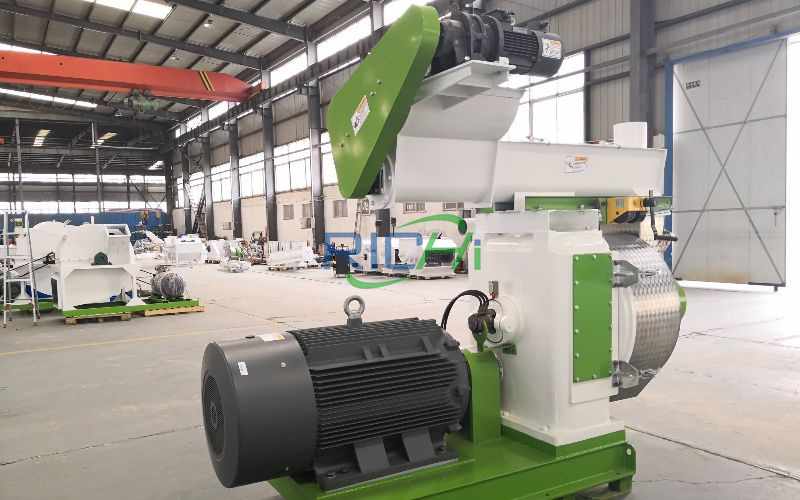
The organic fertilizer pellet making machine in Canada project uses one RICHI FZLH350 with a 37 kW main motor. The purchase added a defined pressing stage for treated manure and crop-residue compost. Its design brief sets a prepared-feed rate of 4 T/H, with product dimensions assessed against the intended application equipment.
The owner selected the organic fertilizer pellet machine as a standalone investment within the farm's material-handling system. On-farm nutrient use provided the initial purpose, while commercial sales required a separate product specification, analysis and market-access assessment.
Name:
Manure compost pellet press
Country:
Canada
Date:
2024
Capacity:
4 T/H
Model:
FZLH350
Main Motor Power:
37 kW
Raw Materials:
Hog and cattle compost
Pellet diameter:
4–6mm
Saskatchewan's crop economy includes spring wheat, durum, canola, barley and pulses. For this mixed operation, cereal straw provides a relevant local residue alongside manure. The amount available for composting depends on crop production, bedding demand and the farm's other uses for straw.
The nutrient plan starts with soil tests and the actual manure-derived product. Total nitrogen in an analysis is only part of the information needed for crop planning. Its availability depends on the manure source, treatment and subsequent mineralization under field conditions.
Hog and cattle manure can have different nitrogen-release patterns. Bedding and the degree of decomposition further influence the cattle fraction. These differences matter when determining how much additional fertilizer a cereal or canola crop may require.
Phosphorus also belongs in the field budget. Repeated applications should be reviewed against soil results, crop removal and previous manure use. Pelletization changes handling and distribution; the application programme must still account for the nutrients and organic matter being delivered.
Where the pig unit collects liquid manure, separation or another suitable recovery process provides solids for composting. The liquid fraction remains part of the farm's manure-management responsibilities. Its storage and use continue alongside the treatment route for the recovered solids.
For a manure pellet machine in Canada, the relevant feed description begins after that recovery step. The trial sample needs a known treatment history, moisture and physical condition. Fresh slurry and prepared compost require different equipment duties and should be identified accordingly.
Cattle-yard manure may already contain substantial wheat or barley straw. Its composition changes with bedding use, weather and collection methods. Separating stones, metal and unsuitable debris protects the downstream preparation stage, while persistent straw fibres require appropriate size reduction.
Any extra sawdust must be suitable untreated material from an identified source. Its inclusion follows composting and product requirements. The recipe record also needs to account for plant material already present in the recovered cattle manure.
RICHI's FZLH350 fertilizer granulator machine uses rollers and a ring die to form the prepared material. The feeding arrangement combines an arch-breaking mechanism with forced delivery into the pressing section, supporting a controlled supply of organic feedstock.
| Selected equipment detail | Project basis |
|---|---|
| Pelleting unit | One FZLH350 |
| Main motor | 37 kW |
| Arch-breaking feeder | 2.2 kW |
| Forced feeder | 0.75 kW |
| Ring die internal dimension | 350 mm diameter |
| Published model output range | 3–5 T/H; dependent on material and configuration |
| Design feed duty | 4 T/H of prepared compost, subject to material-trial acceptance |
| Project die-selection window | 4–6 mm nominal pellet diameters, using corresponding dies |
| Initial product-development profile | 4 mm diameter × approximately 6–12 mm length |
| Combined rating of the listed drives | 39.95 kW; ancillary equipment additional |
The 4 T/H figure establishes the design target for this organic fertilizer pellet making machine in Canada. A representative run must verify throughput and pellet condition with the actual compost recipe and selected die. Accepted product weight is recorded separately from the feed entering the press.
Selecting an organic fertilizer granulator in Canada also involves the equipment around it. Grinding and mixing capacity, feed-bin discharge and the finishing arrangement need to support the pressing duty. Reusable equipment is assessed by its interfaces and condition as well as its nominal capacity.
The three listed motors total 39.95 kW. Conveyors, cooling, extraction and packaging add their own loads. The electrical specification must match the Canadian site's supply voltage and frequency, with starting arrangements and protection reviewed by the installation specialist.
Maintenance access belongs in the layout before the machine is positioned. The operator needs room for die and roller service, component handling and feeder inspection. The equipment contract should identify service instructions, wear parts and the support arrangements included with the supplied unit.
Saskatchewan's cold season makes material staging a practical part of the process. Frozen lumps and ice change hopper flow and the water introduced as material warms. Prepared feed needs a controlled, suitable condition before it is admitted to the pressing section.
A protected staging area allows inspection and preparation ahead of a production run. Its capacity follows the quantity available and the intended operating period. Storage of raw manure, treated compost and finished pellets needs an arrangement that maintains their separate identities.
Compost maturation also needs evidence through the colder period. Treatment records and appropriate release checks establish readiness for preparation. A calendar interval alone cannot demonstrate that material has reached the stable condition required for the intended fertilizer product.
For a compost pellet mill in Canada, winter suitability is an installation question as well as a machine-selection question. Workshop temperature, material handling, lubrication and the operating procedure must suit the supplied equipment. The proposal needs to define those site conditions clearly.
A preparation example uses 25 tonnes of mature compost at 32% moisture, containing 17 tonnes of dry solids. Reducing moisture to 15% leaves 20 tonnes of prepared feed and removes five tonnes of water. At the 4 T/H design rate, that quantity represents five productive pressing hours.
This example holds dry solids constant and excludes handling losses. The moisture values are engineering reference conditions, with the operating window established by trials. Drying duty and heat supply are assessed upstream, while finishing losses affect the final quantity accepted for dispatch.
Producing stock during winter gives the farm flexibility to wait for suitable application conditions. Field use follows the nutrient plan and measures to protect water resources. Production capacity and the seasonal opportunity to apply the product remain separate parts of the operating schedule.
The project's 4–6 mm die-selection window describes alternative nominal diameters. Each requires a matching ring die. The initial 4 mm development profile has an approximate 6–12 mm length target, checked after cooling and screening rather than only at the press discharge.
The field assessment uses the intended spreader and the actual product. Diameter, length, bulk density and fines influence metering and distribution. Trial settings should follow the finished pellets and be checked again if the recipe or physical specification changes.
A smaller pellet does not establish seed-placement safety. The agronomic review needs to consider salts, nutrient concentration, crop sensitivity and the application method. Soil-applied use before seeding provides a route to assess alongside other agronomist-approved placement options.
A fertilizer pellet press in Canada therefore needs an acceptance brief covering both production and handling. Durability for conveying and transport is assessed together with the product's behaviour after soil application. Maximum hardness alone is an incomplete quality target.
After cooling, the product is screened and checked for the agreed storage condition. Temperature changes during handling can affect condensation, so packaging and warehouse procedures need to protect accepted pellets from moisture uptake. Lot identification follows the material into storage.
Commercial sale brings the product under the applicable Fertilizers Act and Fertilizers Regulations requirements. Registration status depends on the actual ingredients, treatment, intended use and claims. A product that qualifies for an exemption still has to meet prescribed safety and labelling requirements.
CFIA's List of Primary Fertilizer and Supplement Materials includes manure or composted manure under a defined description. The product file needs to demonstrate whether the actual material fits that description or another applicable exemption. Where no exemption applies, registration is required before sale or import.
Required information on bagged-product labels is provided in English and French. It includes the applicable identity, net quantity, lot information, guarantees and directions. Bulk dispatch documentation is assessed against the corresponding guidance and current transition arrangements for bulk fertilizers.
The nutrient declaration must use the appropriate analytical basis. Canada's grade designation refers to total nitrogen, available phosphoric acid and soluble potash. The laboratory report and label review need to distinguish those guarantees from results expressed as elemental phosphorus or potassium.
An organic manure pelletizer in Canada can be evaluated for other suitably prepared manure-and-plant-residue blends. Each new ingredient needs an identified source and a review of its effect on processing, analysis and product status. Mechanical pellet formation is one part of that assessment.
Where turkey or layer manure from neighbouring farms is proposed, its origin, treatment history and analysis are reviewed before inclusion. A new source can alter pellet formation and the product declaration, making a fresh trial and label assessment useful.
Any proposal to add active microorganisms or make additional functional claims requires its own regulatory review. Eligibility for use on certified organic farms is also assessed separately. The equipment supplier provides process information, while the product operator supports the declarations made to buyers.
For machinery delivery, Qingdao to Prince Rupert offers a transpacific routing option to assess, followed by rail and final road transport into Saskatchewan. Fairview Container Terminal has on-dock rail connections through CN. The freight forwarder confirms the booked services and inland handling arrangement.
Crate dimensions, lifting information and site access establish the unloading plan. The installation review also covers feed and discharge connections, electrical documentation and maintenance clearance. These details allow the farm to prepare the working area before the equipment arrives.
For buyers comparing an organic fertilizer pellet making machine for sale in Canada, the quotation should follow a defined compost sample and production duty. It should identify the press package, required site work, finishing equipment and commissioning responsibilities, with freight and installation costs stated on their respective bases.
RICHI supplies the pelleting equipment and configures the processing interfaces. The farm can retain suitable facilities or define additional modules for an organic fertilizer production line. Each added module needs a stated function and a capacity that matches the material passing through it.
This organic fertilizer production project connects livestock nutrient recovery with the owner's crop-management programme. Its practical value is assessed through usable prepared stock, accepted pellet quality and field application, with commercial product qualification supporting any subsequent sales.
Request an organic fertilizer pellet making machine in Canada proposal from RICHI MACHINERY. Share the compost recipe, material condition through winter, quantity available for pressing and proposed application method to obtain a material-trial plan and an itemised equipment quotation.
Having the right mix of reliable, high-quality pellet machine and pelletizing systems and expert support is essential to your success. Watch how our end-to-end feed pellet plant solutions have helped our customers optimize their performance.
Our customized and future-proofed turnkey pellet plant solutions is designed with you at the core. From vision to reality and beyond, our team stays connected with yours. Giving you peace-of-mind with an expert at your side.
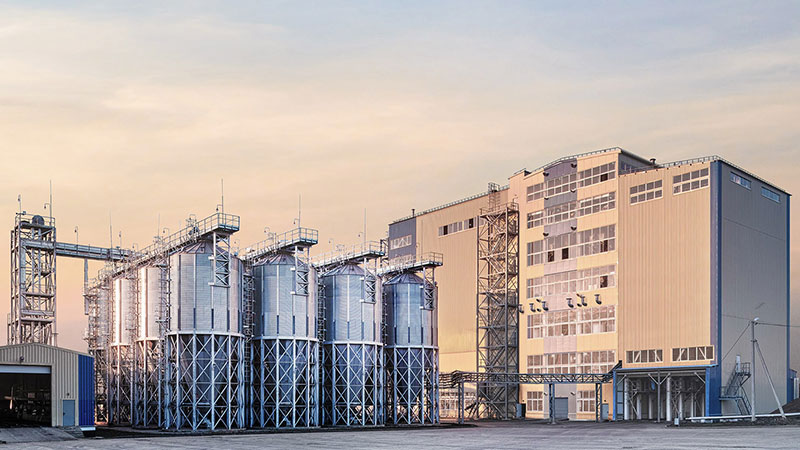
At RICHI, we go beyond project completion. With RICHI Servicee, we’re your dedicated partners in success. Count on us for expert guidance, minimal downtime, and optimized productivity. Choose RICHI for unmatched service and support.
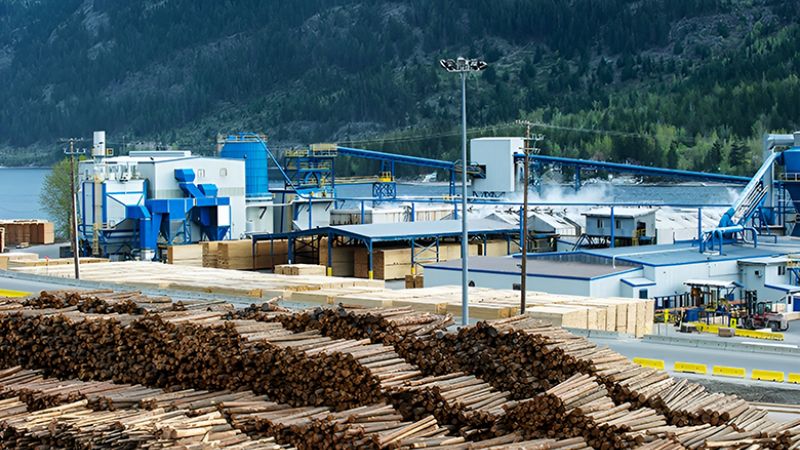


Meet global product demands and quality standards with industry-leading pellet plant design, engineering, equipment, and construction services for pellet processors.


Your Partner Beyond Project Completion
2000+ cases
RICHI is the leading designer, manufacturer and builder of pellet plants in the world, completing over 2000 projects in 140 countries across 6 continents.
Read More
Increase plant productivity, profitability, and safety by integrating high quality equipment into your pellet production line. Over the years, RICHI has become China's top pellet equipment manufacturer. At the same time, RICHI has established valuable partnerships with the world's leading component and raw material manufacturers to bring you the best there is in technology, automation, and efficiency in pelleting plant machinery.

For nearly 30 years, RICHI has been providing best-in-class pellet plant equipment and services to clients across a variety of industries, sizes, and needs. We pride ourselves on the knowledge and skill that each team member possesses – from our technical sales team to our process design engineers. You can count on RICHI Machinery to take your operation to the next level of innovation, quality, and success.
Need help with your pellet manufacturing plant project? Contact us today.
ANIMAL FEED
BIOMASS
WOOD
ORGANIC FERTILIZER
AQUA FEED
CAT LITTER
MUNICIPAL WASTE RECYCLING
SPECIAL PELLET PRODUCTION
RICHI Machinery continues to deliver world class pellet mill equipment, pellet plant engineering and project solutions that add value to our customers in the animal feed, wood waste, agriculture waste, organic fertilizer, cat litter and special pellet products industries. Throughout the years, we RICHI Machinery have built strong brand, becoming industry-leading pellet machine manufacturer. We value integrity, promise quality, and prioritize your success.
Learn MoreWith our expert team, we precisely implement your process engineering requirements in pellet mill and pelletizing plant systems. No matter which industry you’re in – we understand your needs and deliver solutions that meet the highest standards.
At RICHI, quality comes first. Our pellet making machine and related pellet line equipment undergo rigorous quality controls to ensure they meet the highest standards. Rely on products that are durable, safe, and efficient.
With decades of experience in pellet machine and pellet production line production, we have earned a reputation as a trusted partner in various industries. Our expertise allows us to cover a wide range of applications.
Not only do we offer premium pelleting equipment, but we are also experts at designing, building, installing, and maintaining facilities from the ground up. Our expertise is within pellt plant process design, discovering the most efficient, productive, and profitable way to handle your materials in an end-to-end cycle.
○ RICHI MACHINERY
Keeping in touch with us is an effective way to solve all your problems. If you have any needs or questions, please leave your contact information, then RICHI technical consultants will send design, quotation, videos to your mailbox. You can also contact us directly via WhatsApp: +86 13838389622
Copyright©2015-2026 by HENAN RICHI MACHINERY CO., LTD. All rights reserved.