
Organic fertilizer granules manufacturing machine for sale Iraq: FZLH320, 2–3 T/H rated capacity, 6 mm compost pellets and a single-machine farm purchase.
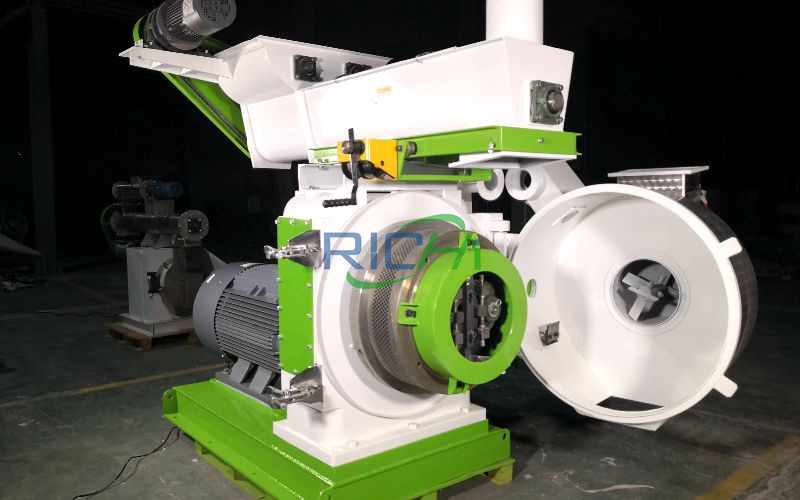
On this Maysan farm, the manure collection yard was the starting point for a new product. The owner kept about 120 beef cattle and 40 cows, alongside roughly 30 hectares of wheat and alfalfa. He wanted to turn prepared manure compost into something that could be weighed, packed and delivered to neighbouring growers.
The organic fertilizer granules manufacturing machine for sale Iraq project centres on one FZLH320 ring die press. Its published capacity is 2–3 tonnes per hour. The farm's planning reference is 2 tonnes per hour of prepared compost, with production arranged around available batches and customer orders.
Maysan, also written Missan, lies in southeastern Iraq. Here, a manure-based fertilizer business needs to pay attention to irrigation water, soil salinity and the condition of the collected manure. Those details influence the product growers can use, the preparation work required and the running cost of the press.
Name:
manure processing machine
Country:
Iraq
Date:
2025
Capacity:
2-3T/H
Model:
FZLH320
Main Power:
22KW
Raw Materials:
Manure and straw compost
Pellet diameter:
6mm
The owner has two potential outlets: his own cropped land and nearby agricultural buyers. The wheat and alfalfa fields offer a practical setting for evaluating application methods. Commercial sales would require consistent batches, useful analysis and packaging that survives loading and local delivery.
A defined pellet shape helps with those handling tasks. The proposed main product is a cylindrical pellet measuring 6 mm in diameter and approximately 10–15 mm long. Length is set through cutter adjustment and checked after cooling, when broken pieces and loose fines can be separated.
Application equipment still needs a spreading trial. Pellet size, bulk density and durability all affect how material travels through a spreader. The farm can check coverage on a measured area before recommending settings to buyers, using the actual bagged product rather than loose compost.
The commercial proposition rests on a traceable cattle-manure compost product. Its nutrient content comes from the materials and treatment process. Pressing gives that material a manageable form; the label and application guidance should follow laboratory results and local crop requirements.
Cattle manure is the main resource already under the owner's control. Wheat straw is another material the farm can supply through its cropping operation. Chopped straw can enter the composting mixture to improve structure and aeration, with the amount adjusted to the condition of each manure batch.
Collection practice deserves attention before any recipe is fixed. Scraping a yard can introduce sand, stones, wire and other debris. A clean collection surface, a screening step and suitable metal removal protect the die and rollers while keeping unwanted material out of the fertilizer.
The pressing feed is screened, mature manure-and-straw compost. Straw added during composting is already part of that material, so it should be included when calculating the final composition. This avoids counting the same agricultural residue twice in the batch record.
There is no need to build the initial product around purchased charcoal, ash or mineral fillers. Any later additive should have a defined purpose, a reliable supply and its own analysis. Ash and biochar have different properties, and their effects on pH, salts and pellet formation need separate evaluation.
For a cow dung pellet making machine in Iraq, the useful sample is the compost that will actually enter the hopper. A sample taken from fresh manure cannot establish the press settings for material that has subsequently been composted, dried, screened and mixed.
Managed composting comes first. The farm needs an aerated process, suitable moisture, turning or other aeration arrangements, and sufficient curing. Treatment records and maturity checks establish when a batch is ready for further preparation. A dry surface alone gives little information about the inside of a pile.
Compost moisture and pressing moisture serve different purposes. FAO guidance gives 50–60% as a practical starting moisture range for composting. The much drier material needed at the pellet press is prepared after composting and curing, once the biological treatment stage is complete.
Feed moisture is agreed after pressing samples of the farm's compost. Tests should record feeder behaviour, motor load, pellet integrity and die condition at several moisture settings. The sizing example below assumes 16% moisture on a wet basis to illustrate the preparation load.
Drying needs to reach the whole batch. Turning material during covered preparation and sampling several locations help identify wet pockets beneath a dry crust. If natural drying cannot deliver the agreed feed condition, the preparation plan needs additional drying capacity before pressing begins.
The next step is size reduction. An initial trial target is material predominantly below 3 mm, with long, stringy pieces removed or reground. This is a feed preparation target for the proposed 6 mm product. Screen selection and the resulting particle distribution should be checked using the actual compost.
Prepared material should flow evenly into the hopper. A bridging test is useful because fibrous compost can hang above an outlet even when the hopper appears full. Stable delivery allows the operator to adjust the feed rate against motor load without repeatedly starving or overloading the pressing chamber.
The FZLH320 fertilizer granulator machine brings a 320 mm ring die and two feeding stages to this duty. The anti-bridging feeder helps move material towards the outlet, while the forced feeder supplies the pressing section. Their performance depends on the consistency of the prepared compost entering the machine.
| Equipment item | Specification for selection |
|---|---|
| Model and quantity | FZLH320 ring die fertilizer pellet mill; one unit |
| Main drive motor | 22 kW |
| Anti-bridging feed drive | 2.2 kW |
| Forced feed drive | 0.75 kW |
| Ring die inner diameter | 320 mm |
| Published capacity range | 2–3 tonnes/hour; dependent on material and configuration |
| Project sizing reference | 2 tonnes/hour of prepared compost entering the press |
| Proposed finished dimensions | 6 mm diameter; approximately 10–15 mm length |
| Published diameter options | 4–12 mm, using the appropriate ring die |
| Combined listed motor ratings | 24.95 kW; additional equipment assessed separately |
The organic fertilizer granules manufacturing machine for sale Iraq quotation should identify the FZLH320, its feeders and the selected die separately. A representative material trial establishes accepted output, with feed weight, operating time and screened product weight recorded for the same run.
Pellet diameter is determined by the die holes. The cutter controls length within the limits of pellet formation and breakage. An 8 mm product would require its own die and trial settings, so the initial purchasing specification can stay focused on the proposed 6 mm fertilizer.
This manure granulator in Iraq purchase covers the pressing stage. Feed preparation, cooling, screening and weighing need their own arrangements in the farm layout. RICHI can assess those interfaces and quote the required equipment individually, allowing the owner to see exactly what the investment covers.
A six-tonne prepared batch makes the operating plan easy to examine. At the 2 tonne/hour design feed rate, it represents three productive pressing hours. Loading, start-up, cooling, screening, packing and cleaning take additional time. The farm can schedule these tasks around its livestock work.
The moisture balance also shows why preparation deserves its own capacity check. As a sizing example, 8,000 kg of mature compost at 37% moisture contains 5,040 kg of dry solids. Bringing that material to 16% moisture leaves 6,000 kg for pressing and removes 2,000 kg of water.
That calculation holds dry solids constant during moisture removal. It starts with mature compost, after composting losses have occurred. Stones removed during cleaning, rejected contaminants and other solids losses must be measured separately when establishing the actual batch yield.
Gross material passing through the press is also different from saleable fertilizer. Cooling changes water content, screening separates fines, and handling may cause breakage. The packing scale provides the final accepted weight. Reusable fines returned to preparation remain within the same material balance.
Annual production should follow measured compost availability and confirmed orders. Cattle numbers alone cannot establish that figure: collection efficiency, bedding, water content and treatment losses all matter. A short campaign schedule lets the owner build those records before extending working hours or purchasing outside manure.
Salinity is an established agricultural concern in central and southern Iraq. Manure compost can itself contain soluble salts, making electrical conductivity an important product test. The laboratory should identify the extraction method, because results from different methods cannot be compared as though they were identical.
The farm's own 30 hectares need a nutrient and soil management plan. Application rates should consider soil results, crop requirements, the compost's nutrient analysis and irrigation water. Pelletizing creates a convenient delivery form; application decisions still depend on what the fields can use.
For prospective date-palm and vegetable customers, a useful product sheet would report moisture, organic matter, nitrogen, phosphorus, potassium, pH and electrical conductivity. Relevant contaminant and hygiene testing belongs alongside those measurements. Nutrient values should state whether they are reported on an as-sold or dry-matter basis.
A small, documented field evaluation can compare an agreed application with the grower's normal practice. Recording the product batch, rate, irrigation conditions and crop response produces evidence the seller can use responsibly. Claimed yield increases or fixed fertilizer replacement rates need that evidence first.
For short campaigns, a ventilated batch cooling arrangement can be assessed alongside a compact mechanical cooler. The holding capacity must match the amount pressed before packing. Product temperature and moisture need checking across the batch, including material below the surface.
Ambient air sets the practical reference for air cooling in Maysan. Summer operation therefore requires attention to shaded air intake, ventilation and the temperature limits of motors and controls. Packing should follow measured product condition and storage trials, with the accepted cooling time included in the work schedule.
The proposed 25 kg bag is a handling choice for local distribution. Filling, weight checking and closure need enough time and labour in the campaign plan. Bags should be stored on pallets in a dry, covered space, separated from fresh manure and protected against contamination.
The electrical schedule for fertilizer pelletizing equipment for Iraq starts with 24.95 kW of listed motor ratings. It must also cover conveyors, ventilation, starting requirements and protection settings. A site electrician should assess the full load before specifying a supply connection or generator.
Maintenance planning starts with the ring die, roller shells, lubrication points and access around the press. A spare-parts list tied to the supplied machine is more useful than a general promise of long service life. Clean feed and consistent preparation help the owner control wear from the outset.
Buying an organic fertilizer pellet machine in Iraq calls for a written scope covering the press, feeders, selected die, controls, installation interfaces and commissioning responsibilities. Freight, unloading, local electrical work and preparation equipment should be identified clearly when comparing quotations.
Within this organic fertilizer production project, RICHI's role is equipment manufacture and process integration support. The farm manages compost treatment and fertilizer quality. A cow dung pellet making machine specification becomes valuable when those responsibilities connect through a practical acceptance test.
For an organic fertilizer granules manufacturing machine for sale Iraq enquiry, send the prepared compost analysis, expected batch size, available power and a sketch of the working area. Photos of the collection and preparation stages help identify where existing farm arrangements can support the proposed press.
Ask RICHI MACHINERY for an FZLH320 selection based on that information, including the proposed 6 mm die, trial conditions and supply boundary. The aim is an organic fertilizer pellet machine matched to the compost the farm can prepare and the fertilizer its buyers can handle.
Having the right mix of reliable, high-quality pellet machine and pelletizing systems and expert support is essential to your success. Watch how our end-to-end feed pellet plant solutions have helped our customers optimize their performance.
Our customized and future-proofed turnkey pellet plant solutions is designed with you at the core. From vision to reality and beyond, our team stays connected with yours. Giving you peace-of-mind with an expert at your side.
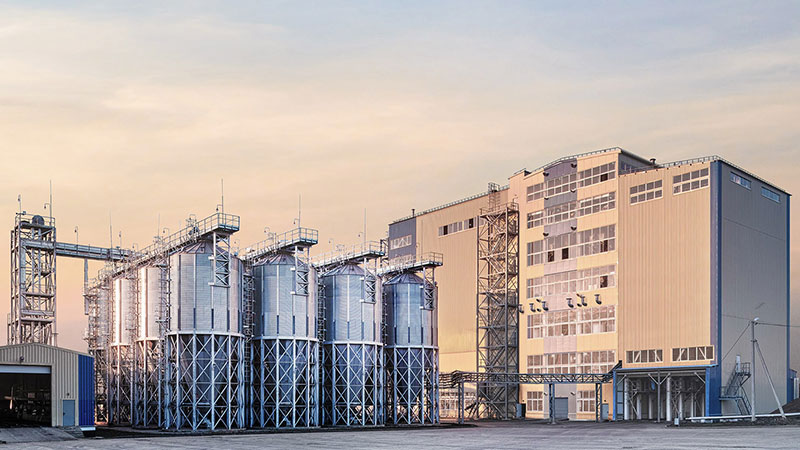
At RICHI, we go beyond project completion. With RICHI Servicee, we’re your dedicated partners in success. Count on us for expert guidance, minimal downtime, and optimized productivity. Choose RICHI for unmatched service and support.
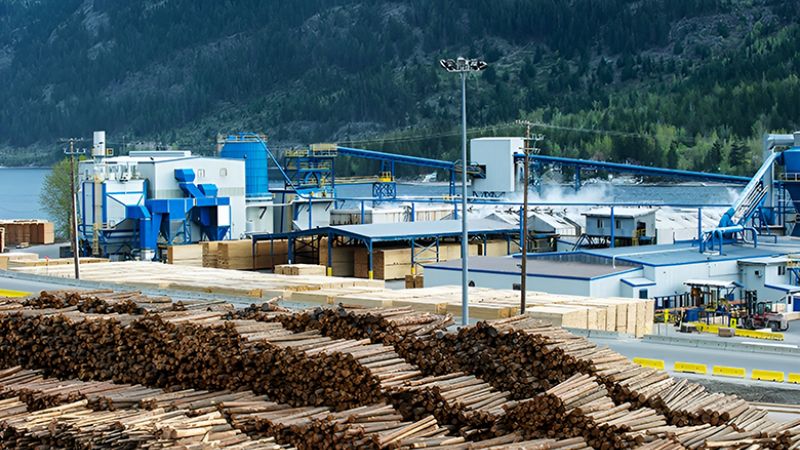


Meet global product demands and quality standards with industry-leading pellet plant design, engineering, equipment, and construction services for pellet processors.


Your Partner Beyond Project Completion
2000+ cases
RICHI is the leading designer, manufacturer and builder of pellet plants in the world, completing over 2000 projects in 140 countries across 6 continents.
Read More
Increase plant productivity, profitability, and safety by integrating high quality equipment into your pellet production line. Over the years, RICHI has become China's top pellet equipment manufacturer. At the same time, RICHI has established valuable partnerships with the world's leading component and raw material manufacturers to bring you the best there is in technology, automation, and efficiency in pelleting plant machinery.

For nearly 30 years, RICHI has been providing best-in-class pellet plant equipment and services to clients across a variety of industries, sizes, and needs. We pride ourselves on the knowledge and skill that each team member possesses – from our technical sales team to our process design engineers. You can count on RICHI Machinery to take your operation to the next level of innovation, quality, and success.
Need help with your pellet manufacturing plant project? Contact us today.
ANIMAL FEED
BIOMASS
WOOD
ORGANIC FERTILIZER
AQUA FEED
CAT LITTER
MUNICIPAL WASTE RECYCLING
SPECIAL PELLET PRODUCTION
RICHI Machinery continues to deliver world class pellet mill equipment, pellet plant engineering and project solutions that add value to our customers in the animal feed, wood waste, agriculture waste, organic fertilizer, cat litter and special pellet products industries. Throughout the years, we RICHI Machinery have built strong brand, becoming industry-leading pellet machine manufacturer. We value integrity, promise quality, and prioritize your success.
Learn MoreWith our expert team, we precisely implement your process engineering requirements in pellet mill and pelletizing plant systems. No matter which industry you’re in – we understand your needs and deliver solutions that meet the highest standards.
At RICHI, quality comes first. Our pellet making machine and related pellet line equipment undergo rigorous quality controls to ensure they meet the highest standards. Rely on products that are durable, safe, and efficient.
With decades of experience in pellet machine and pellet production line production, we have earned a reputation as a trusted partner in various industries. Our expertise allows us to cover a wide range of applications.
Not only do we offer premium pelleting equipment, but we are also experts at designing, building, installing, and maintaining facilities from the ground up. Our expertise is within pellt plant process design, discovering the most efficient, productive, and profitable way to handle your materials in an end-to-end cycle.
○ RICHI MACHINERY
Keeping in touch with us is an effective way to solve all your problems. If you have any needs or questions, please leave your contact information, then RICHI technical consultants will send design, quotation, videos to your mailbox. You can also contact us directly via WhatsApp: +86 13838389622
Copyright©2015-2026 by HENAN RICHI MACHINERY CO., LTD. All rights reserved.