
Organic Fertilizer Granules Making Machine in Afghanistan: FZLH250 for prepared chicken manure compost, 6 mm pellets and practical farm batch production.
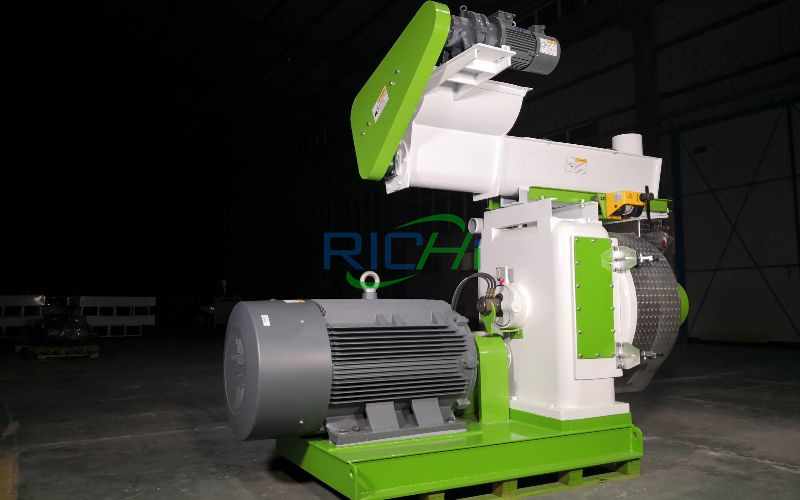
A ready batch of compost sets the pace for this project. The poultry farmer needs a manageable routine: prepare the material properly, make a consistent pellet and pack it after cooling. A few scheduled pressing hours suit that approach, with the rest of the week available for livestock work, compost management and deliveries.
The owner selected an FZLH250 organic fertilizer granules making machine in Afghanistan for a farm with approximately 15,000 poultry places in Herat Province, in the country's west. His intended buyers are nearby fruit and vegetable growers. The purchase is a single ring-die press, incorporated into a practical farm processing arrangement.
Name:
chicken manure machine
Country:
Afghanistan
Date:
2024
Capacity:
1 T/H
Model:
FZLH250
Main Power:
22KW
Raw Materials:
Manure and straw compost
Pellet diameter:
6mm
A 15,000-bird flock gives the business a manure source, but bird numbers alone cannot establish pellet production. Collection losses, bedding, water content and decomposition all affect how much prepared compost reaches the machine. The production plan therefore starts with weighed, released compost batches.
The reference schedule uses a 2,000 kg prepared batch and a design feed rate of 1,000 kg/h. That represents two productive pressing hours. At one campaign per week over 48 weeks, the annual prepared-feed quantity is 96 tonnes. These are planning assumptions for sizing the operation, rather than a report of measured annual sales.
Startup, cleaning, cooling, screening and packing require additional time. This gives the owner a useful distinction between machine throughput and the full working day. Pressing can proceed only when enough acceptable material and downstream handling space are available.
The selected chicken manure pellet machine leaves room for longer campaigns if prepared-compost supply grows. Additional operating hours would first require checks on labour, cooling capacity, storage and actual customer orders.
The main material is chicken manure compost made with chopped cereal straw as a bulking material. Straw contributes structure during composting and becomes part of the treated mixture. The initial product uses this screened compost as its feedstock, with no unverified mineral or microbial claims attached to the recipe.
Active composting and pellet preparation need different moisture conditions. FAO guidance describes approximately 50–60% moisture as a practical starting condition for aerobic composting. Aeration, pile management and curing then determine the progress of decomposition. Drying fresh manure immediately to pellet moisture would interrupt that biological treatment.
Batch release covers the treatment history, maturity assessment and appropriate hygiene checks. A dry surface or a weak smell is insufficient evidence of a completed process. The farmer's composting arrangement must also keep incoming manure separate from cured material and the clean packing area.
For this chicken manure granulator in Afghanistan, the forming stage starts with material already accepted for further processing. Pressure and friction create the pellet shape. Any sanitation claim needs evidence from the treatment process and relevant testing.
New ingredients are introduced through a separate trial batch. Ash, other manures and purchased organic residues can change pH, salt content, nutrient composition and die behaviour. Their availability at low cost is only one consideration in deciding whether they belong in a commercial fertilizer.
The preparation window for development trials is 14–18% moisture, with 16% used as the reference condition. Samples are taken from several parts of the prepared material. Moisture testing is particularly useful when a pile has a dry exterior and a wetter interior.
The batch-record format includes the compost source, preparation date, moisture result and a retained sample. If a buyer reports caking or excessive fines, those records help the owner investigate a specific production run and check the relevant storage conditions.
A simple mass balance shows the preparation duty. At 30% moisture, 2,400 kg of mature compost contains 1,680 kg of dry solids. With those solids retained, removing 400 kg of water produces a 2,000 kg batch at 16% moisture. Screening rejects and other dry-solids losses are recorded separately.
Covered drying and storage arrangements are assessed against local weather and the required production schedule. Where natural drying cannot achieve the specified batch condition reliably, an appropriately sized drying stage is evaluated. That equipment is a separate scope item.
Crushing breaks up hardened compost, while screening removes long fibres and oversize pieces. Stones, metal, plastic and twine are kept out of the press. Consistent preparation helps the feeder maintain flow and reduces avoidable variation in motor load.
The duty for this organic fertilizer granules making machine in Afghanistan is based on prepared compost. RICHI publishes an FZLH250 capacity range of 1–1.5 t/h, with a 22 kW main motor. The project's 1 t/h design feed rate remains subject to material trials with the selected die.
| Specification | Machine data or project requirement |
|---|---|
| Press model | FZLH250; one ring-die unit |
| Ring die bore | 250 mm inner diameter |
| Main drive rating | 22 kW |
| Arch-breaking feed drive | 2.2 kW |
| Forced-feeding drive | 0.75 kW |
| Listed motor total | 24.95 kW for the press and its two feeders |
| Published machine capacity | 1–1.5 t/h; material-dependent |
| Design batch feed rate | 1 t/h at the reference preparation condition |
| Reference campaign size | 2 tonnes of prepared compost |
| Target fertilizer dimensions | 6 mm diameter; 8–12 mm length |
The feeding arrangement addresses the tendency of prepared compost to bridge above the press. Feeder adjustment, die selection and material condition are assessed together during the trial. The cutting arrangement sets the target pellet length after the material passes through the ring die.
The purchase scope distinguishes the organic fertilizer pellet machine and agreed controls from preparation, cooling and packaging equipment. Each interface is identified even when the surrounding work is handled in small batches.
The 6 mm pellet is a proposed product specification for the farmer's initial market. Samples are assessed for breakage during handling and for disintegration under the intended soil-use conditions. Diameter alone does not establish a suitable application rate or spreading pattern.
Freshly pressed pellets need controlled handling while they lose heat. The operating arrangement includes a clean, ventilated cooling area or a suitably sized batch-cooling module. Its capacity must accommodate the campaign without forcing hot pellets into bags.
In this batch arrangement, the collection and cooling area acts as the main buffer. The operator checks available space before starting, allowing the planned run to finish with the product accessible for cooling, inspection and weighing.
Screening follows cooling. Acceptable fines can return through a controlled preparation route; material removed for contamination remains segregated. The production sheet keeps gross press output, recycled material and accepted packed weight separate.
For 25 kg packaging, 2,000 kg represents 80 bag equivalents before losses or changes in moisture. Final dispatch quantities come from weighing the accepted product. Bags remain identified by batch, and storage protects them from rainfall, damp floors and contact with raw manure.
A small fertilizer granulator machine in Afghanistan still needs a properly engineered electrical connection. RICHI and the site electrician confirm the available supply, motor voltage, frequency, protection and starting arrangement. Generator selection, if required, uses the complete load list and motor-starting requirements.
The 24.95 kW listed motor total covers the press and its two feeders. Crushing, ventilation, cooling and packaging loads are additional. Keeping those boundaries clear helps the farmer assess both electrical capacity and operating expenses.
The preliminary staffing allowance is one trained press operator and one material-handling worker during the campaign. The final arrangement depends on how feeding, cooling and bagging are organized. Guards, safe isolation and lifting access are included in the installation review.
Material reception and movement are arranged separately from the poultry houses. Raw-compost handling, finished-product access and cleaning follow the farm's biosecurity procedures. These arrangements need review if the owner later purchases compost or manure from neighbouring farms.
Maintenance instructions identify lubrication points, cleaning steps and inspections of the die and roller assembly. A starter-parts discussion concentrates on components used by the supplied machine. The owner needs clear part identification and an agreed ordering route.
The commercial objective is to supply nearby growers with a product that is easier to measure, transport and store. Laboratory analysis establishes nutrient declarations, organic matter and relevant quality indicators. Compost maturity, pH and electrical conductivity are important when assessing suitability for the intended crops and soils.
The farmer's label and application instructions follow the product's measured composition and the requirements confirmed with the responsible local authorities. Organic fertilizer terminology is kept separate from certification for organic farming. Field observations can guide product development, while yield or fertilizer-replacement claims require properly documented trials.
The economics of an organic fertilizer pellet machine in Afghanistan also include compost handling, preparation, electricity or generator fuel, wear parts, bags and delivery. A small operation benefits from costing each accepted tonne and matching production to orders. A higher selling price than loose manure does not establish profitability by itself.
This organic fertilizer production project keeps the first equipment purchase focused. The farmer selected a press instead of immediately committing to a complete organic fertilizer production line. Essential preparation and post-treatment tasks still have assigned equipment or handling arrangements.
For a compost pellet machine in Afghanistan, RICHI's work centres on the forming duty, feed arrangement and equipment interfaces. Commissioning checks use representative material and record feeder settings, current, pellet dimensions and screened product. Operator guidance covers startup, controlled shutdown and routine servicing.
A supervised trial also checks the prepared quantity entering the hopper against material remaining in the system and product collected. This gives the owner a repeatable weighing method and makes startup material visible when calculating the campaign's accepted output.
Freight planning begins with dispatch from Qingdao and includes inland delivery to Herat. Afghanistan is landlocked, so the forwarder confirms the ocean gateway and transit arrangements before shipment. Packing lists, cargo dimensions, lifting instructions and unloading access are prepared for the agreed route.
To evaluate an organic fertilizer granules making machine in Afghanistan, contact RICHI MACHINERY with the quantity of mature compost available per batch, moisture results, material photographs and the proposed electrical supply. Those details help us recommend a press package and identify the preparation or handling work needed around it.
Having the right mix of reliable, high-quality pellet machine and pelletizing systems and expert support is essential to your success. Watch how our end-to-end feed pellet plant solutions have helped our customers optimize their performance.
Our customized and future-proofed turnkey pellet plant solutions is designed with you at the core. From vision to reality and beyond, our team stays connected with yours. Giving you peace-of-mind with an expert at your side.
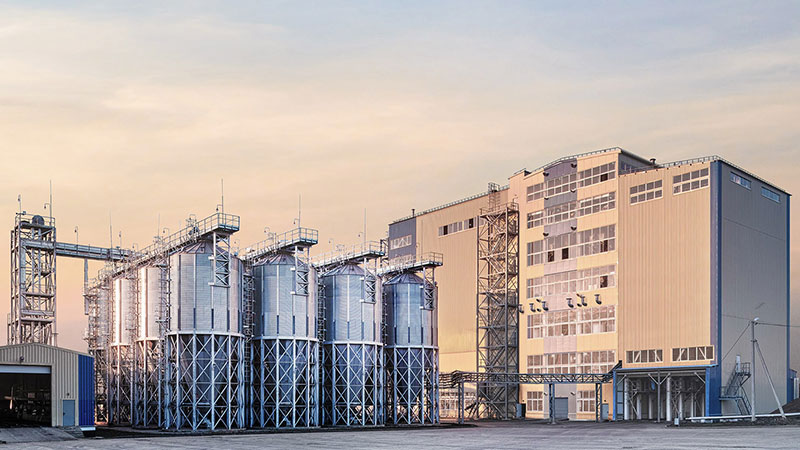
At RICHI, we go beyond project completion. With RICHI Servicee, we’re your dedicated partners in success. Count on us for expert guidance, minimal downtime, and optimized productivity. Choose RICHI for unmatched service and support.
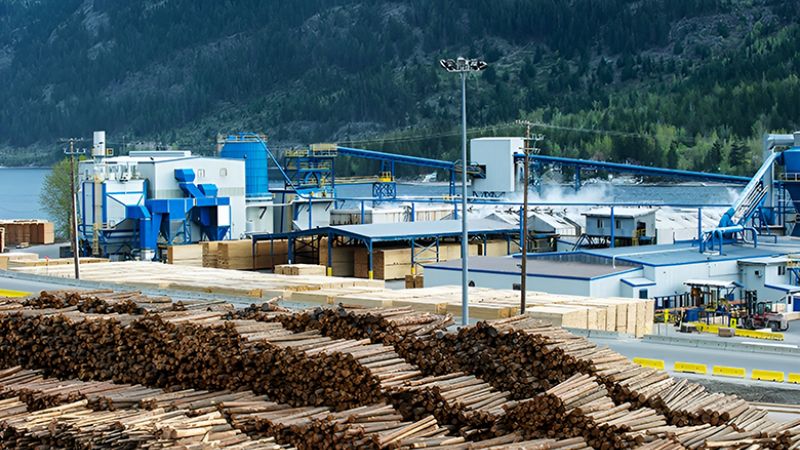


Meet global product demands and quality standards with industry-leading pellet plant design, engineering, equipment, and construction services for pellet processors.


Your Partner Beyond Project Completion
2000+ cases
RICHI is the leading designer, manufacturer and builder of pellet plants in the world, completing over 2000 projects in 140 countries across 6 continents.
Read More
Increase plant productivity, profitability, and safety by integrating high quality equipment into your pellet production line. Over the years, RICHI has become China's top pellet equipment manufacturer. At the same time, RICHI has established valuable partnerships with the world's leading component and raw material manufacturers to bring you the best there is in technology, automation, and efficiency in pelleting plant machinery.

For nearly 30 years, RICHI has been providing best-in-class pellet plant equipment and services to clients across a variety of industries, sizes, and needs. We pride ourselves on the knowledge and skill that each team member possesses – from our technical sales team to our process design engineers. You can count on RICHI Machinery to take your operation to the next level of innovation, quality, and success.
Need help with your pellet manufacturing plant project? Contact us today.
ANIMAL FEED
BIOMASS
WOOD
ORGANIC FERTILIZER
AQUA FEED
CAT LITTER
MUNICIPAL WASTE RECYCLING
SPECIAL PELLET PRODUCTION
RICHI Machinery continues to deliver world class pellet mill equipment, pellet plant engineering and project solutions that add value to our customers in the animal feed, wood waste, agriculture waste, organic fertilizer, cat litter and special pellet products industries. Throughout the years, we RICHI Machinery have built strong brand, becoming industry-leading pellet machine manufacturer. We value integrity, promise quality, and prioritize your success.
Learn MoreWith our expert team, we precisely implement your process engineering requirements in pellet mill and pelletizing plant systems. No matter which industry you’re in – we understand your needs and deliver solutions that meet the highest standards.
At RICHI, quality comes first. Our pellet making machine and related pellet line equipment undergo rigorous quality controls to ensure they meet the highest standards. Rely on products that are durable, safe, and efficient.
With decades of experience in pellet machine and pellet production line production, we have earned a reputation as a trusted partner in various industries. Our expertise allows us to cover a wide range of applications.
Not only do we offer premium pelleting equipment, but we are also experts at designing, building, installing, and maintaining facilities from the ground up. Our expertise is within pellt plant process design, discovering the most efficient, productive, and profitable way to handle your materials in an end-to-end cycle.
○ RICHI MACHINERY
Keeping in touch with us is an effective way to solve all your problems. If you have any needs or questions, please leave your contact information, then RICHI technical consultants will send design, quotation, videos to your mailbox. You can also contact us directly via WhatsApp: +86 13838389622
Copyright©2015-2026 by HENAN RICHI MACHINERY CO., LTD. All rights reserved.