
NPK compound fertilizer granulation equipment in Ecuador: FZLH350 for 4 T/H project duty with mineral blends and 4 mm soil-application pellets.
A fertilizer distributor in Guayas knew the questions waiting at the end of a delivery: what was in the bag, which crop programme it matched and when the next batch could arrive. The company already supplied growers. Its investment added a manufacturing step to that established agricultural inputs business.
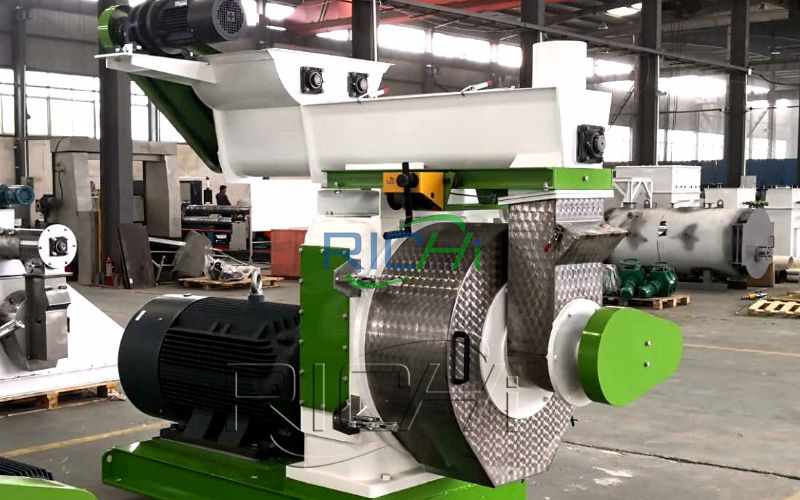
This NPK compound fertilizer granulation equipment in Ecuador project involved a single RICHI FZLH350. The machine was selected for a 4 T/H design duty at the granulation stage, processing prepared mineral fertilizer mixtures into cylindrical pellets for soil application.
Name:
Compound fertilizer pelletizer
Country:
Ecuador
Date:
2024
Capacity:
4T/H
Model:
FZLH350
Main Power:
37kw
Raw Materials:
Mineral NPK salts
Pellet diameter:
4mm
The company's customers included fruit growers and agricultural cooperatives in coastal Ecuador. Guayas is an important banana-producing province and also has a mango industry. Those markets gave the distributor a practical reason to develop locally prepared grades linked to growers' purchasing schedules.
Crop names alone cannot define a fertilizer recipe. Soil and leaf analysis, crop stage, irrigation water and the wider fertilization programme all affect nutrient selection. The company's agronomic work establishes the required grade; the manufacturing operation then has to reproduce that specification consistently.
The raw-material route uses purchased fertilizer salts. Suitable nitrogen, phosphate and potash products can be obtained through fertilizer importers and distributors serving Ecuador. Local granulation gives the business control over batching and product form while retaining the need to manage imported nutrient costs and availability.
Ammonium sulfate, monoammonium phosphate and potassium chloride provide a straightforward basis for a formulation calculation. Each delivery needs its supplier's composition certificate, moisture information and safety data. Differences in assay or physical condition have to be reflected in the batch instructions.
For an NPK fertilizer granulator in Ecuador, that incoming-material file is an important part of machine selection. A powder that feeds freely during a short trial may behave differently after humid storage. The complete mixture needs checking for chemical compatibility, handling behaviour and caking tendency.
NPK grades conventionally express nitrogen as N, phosphate as P2O5 and potash as K2O. A 12-12-18 formulation therefore represents 12% N, 12% P2O5 and 18% K2O on the stated product basis. All three quantities must be traced through the ingredients and final product weight.
The following one-tonne example illustrates the calculation using ammonium sulfate at 21% N, MAP at 11% N and 52% P2O5, and potassium chloride at 60% K2O. It is a formulation reference for evaluating the process, with the binder and pressing conditions established through material trials.
| Reference ingredient | Quantity in a 1,000 kg batch | Nutrient basis used |
|---|---|---|
| Ammonium sulfate | 450.55 kg | 21% N |
| Monoammonium phosphate | 230.77 kg | 11% N and 52% P2O5 |
| Potassium chloride | 300.00 kg | 60% K2O |
| Binder/carrier allowance for trials | 18.68 kg | No NPK contribution credited in this calculation |
| Total | 1,000.00 kg | Approximately 120 kg N, 120 kg P2O5 and 180 kg K2O |
MAP contributes nitrogen as well as phosphate. Counting that nitrogen before calculating the ammonium sulfate quantity keeps the recipe balanced. The binder or carrier also occupies part of the batch weight, so its inclusion affects how much nutrient material can fit within one tonne.
Ammonium sulfate supplies sulfur too. Its contribution belongs in the agronomic assessment even when the headline grade lists only N, P2O5 and K2O. Potassium chloride introduces chloride, another factor to consider when selecting a grade for a particular crop and field.
Any conditioning water, additional binder or coating must enter the final mass and nutrient balance. Laboratory analysis of the finished product supports the guaranteed composition. This calculation demonstrates the bookkeeping required; a commercial grade also needs pressing, storage and application evaluation.
The company selected the FZLH350 as its compound fertilizer pellet machine in Ecuador. The ring die press brings the prepared mixture into contact with the rollers, compresses it through the die holes and cuts the extruded material into pellets.
The project specification uses a 4 mm pellet diameter and a target length of approximately 5–8 mm. That gives buyers a defined cylindrical product to assess for handling and soil application. A spreading trial with the intended application equipment remains part of product development.
| Selected equipment detail | Rating or project requirement | Selection significance |
|---|---|---|
| Granulator | One FZLH350 ring die unit | Single-machine purchase |
| Primary motor rating | 37 kW | Press drive |
| Arch-breaking feed system | 2.2 kW | Material movement above the pressing section |
| Forced feeding system | 0.75 kW | Controlled delivery into the press |
| Die internal diameter | 350 mm | FZLH350 configuration |
| Published FZLH350 series capacity | 3–5 T/H | Series reference; NPK performance is formulation-specific |
| Project design throughput | 4 T/H entering the granulator | Includes circulating material where used |
| Pellet specification | 4 mm diameter × approximately 5–8 mm length | Soil-application product |
| Sum of listed motor ratings | 39.95 kW | Auxiliary equipment assessed separately |
For NPK compound fertilizer granulation equipment in Ecuador, the material trial connects those mechanical ratings with the actual recipe. Feed rate, motor current, product temperature, pellet condition and screened output need recording together. A capacity result is meaningful when the tested mixture and product specification are identified.
Die hole diameter determines pellet diameter. Nutrient proportions are controlled upstream by weighing and mixing. Die geometry, roller setting and feed condition are selected to obtain acceptable forming behaviour and durability from that prepared blend.
Preparation begins with separate, identified raw-material lots. Lumps need breaking down before controlled dosing, and unwanted metal must be removed. The initial size-reduction brief can assess powder predominantly below 2 mm for the proposed 4 mm pellets, with the final screen selected through testing.
Calibrated weighing is especially important for ingredients added in small quantities. The batch sheet should identify the salt grades, their quantities and the permitted additions. Changing a nutrient supplier can require a fresh calculation even when the ingredient has the same common name.
Mixing has to produce a consistent feed throughout discharge. Sampling at several points helps assess that consistency. Short, enclosed transfers and a suitable holding hopper limit exposure to moisture and reduce opportunities for the mixture to segregate before it reaches the feeders.
Moisture control is specific to the mineral blend. The trial establishes how much conditioning the mixture needs, how it behaves inside the die and whether the resulting pellets require further drying. Those decisions also determine the duties of the downstream equipment and the final nutrient calculation.
After pressing, product finishing includes controlled cooling, screening and weighing. Oversized pieces and fines require defined handling routes. Returned material stays with the matching grade and is weighed, allowing operators to see how much new mixture and recycled material enter the machine.
Cleaning between grades protects the next formulation. Residues in the mixer, hopper, feeders and collection points need accounting for during changeover. The cleaning method should suit the fertilizer salts and the equipment, with the system returned to the required condition before the next batch starts.
The 4 T/H project figure refers to material entering the granulator. Screen returns occupy part of that flow. A useful acceptance record therefore separates fresh feed, circulating material and accepted product, making the production result understandable to both the distributor and its equipment supplier.
Consider a simplified steady-state example with 4,000 kg/hour through the press and a 10% screen return. The input consists of 3,600 kg/hour of fresh mixture plus 400 kg/hour of matching recycle. The output divides into 3,600 kg/hour of accepted pellets and 400 kg/hour returning for reprocessing.
This example assumes no moisture change, dust loss or accumulation within the system. Actual measurements must include those effects. Recycle is counted within the circulation loop, while saleable output is recorded once at the finished-product weighing point.
At 3,600 kg/hour of accepted product, 50 kg packaging represents 72 bags per hour. That is a planning example for checking the packing arrangement. Bag presentation, filling, closure, pallet handling and weight checks all need sufficient capacity to support the measured finished output.
The operating cost calculation should use accepted tonnes too. Electricity, binder, replacement parts, labour and packaging are charged against product available for sale. Recording these items by grade helps the business judge which formulations fit its equipment and customer demand.
Fertilizer mixtures can absorb moisture and cake during storage, with behaviour influenced by composition, temperature and relative humidity. The distributor's product evaluation needs to cover the whole mixture under its intended storage conditions, including the effect of any binder or surface treatment.
Packaging development can assess lined 50 kg bags, secure closure and pallet storage under cover. The stacking arrangement should follow the bag and product requirements. Retained samples and checks after a representative storage period help reveal hardening, moisture uptake or increasing fines before a grade is supplied widely.
Incoming and finished-product checks have different purposes. Raw-material analysis supports formulation; finished analysis confirms the product being sold. Agrocalidad's fertilizer registration and quality-control framework is relevant to the Ecuadorian producer, including its operator activity, product composition and labelling responsibilities.
The intended use here is granular soil application. Use instructions need to reflect the crop programme, measured nutrient content and product properties. Fully water-soluble products for irrigation systems require separate formulation and insoluble-residue assessment, especially where a mineral carrier or binder is included.
For the agricultural inputs company, customer confidence depends on that consistency. A clear grade, a traceable batch and a product that remains manageable through storage give its sales team useful information to discuss with growers. Claims about crop performance require corresponding agronomic evidence.
Evaluating an NPK granulation machine for sale in Ecuador calls for a written equipment scope. The granulator, feeders, die, controls and installation interfaces need identifying, alongside the responsibilities for dosing, mixing, dust collection, cooling, screening and packing.
The electrical schedule starts with the listed 39.95 kW of press and feeder motor ratings, then includes the supporting equipment and starting requirements. Site voltage, frequency, protection and available supply capacity belong in the engineering review. Metered consumption per accepted tonne is established during operation.
Mineral salts also influence wear and corrosion. The agreed material of construction, die specification, lubrication requirements and cleaning procedure should follow the selected recipes. Access around the pressing section allows inspection and replacement of wear parts without dismantling unrelated equipment.
For procurement planning, the delivery route can be quoted from Qingdao Port to an agreed Guayaquil-area terminal, followed by inland transport to the Guayas site. The forwarding quotation needs packaged dimensions, weights, lifting arrangements and unloading responsibilities. Booking conditions determine the actual route and schedule.
The business case for fertilizer manufacturing equipment in Ecuador rests on landed nutrient costs, workable batch sizes, quality control and orders the company can serve. Recipe flexibility has value when the preparation and release procedures can support each grade consistently.
RICHI supplies the fertilizer granulator machine and engineering input for its integration. The Ecuadorian operator remains responsible for fertilizer formulation, product registration and commercial release. A documented trial and an agreed supply boundary connect those responsibilities.
To discuss NPK compound fertilizer granulation equipment in Ecuador with RICHI MACHINERY, send the intended grade, raw-material certificates, expected batch size and required finished-pellet specification. Include the site layout and power details so the proposal can address the mixture, production duty and supporting equipment together.
Having the right mix of reliable, high-quality pellet machine and pelletizing systems and expert support is essential to your success. Watch how our end-to-end feed pellet plant solutions have helped our customers optimize their performance.
Our customized and future-proofed turnkey pellet plant solutions is designed with you at the core. From vision to reality and beyond, our team stays connected with yours. Giving you peace-of-mind with an expert at your side.
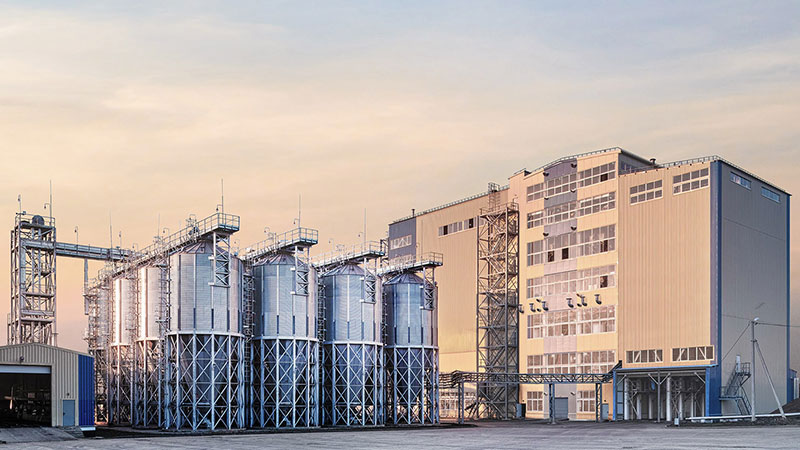
At RICHI, we go beyond project completion. With RICHI Servicee, we’re your dedicated partners in success. Count on us for expert guidance, minimal downtime, and optimized productivity. Choose RICHI for unmatched service and support.
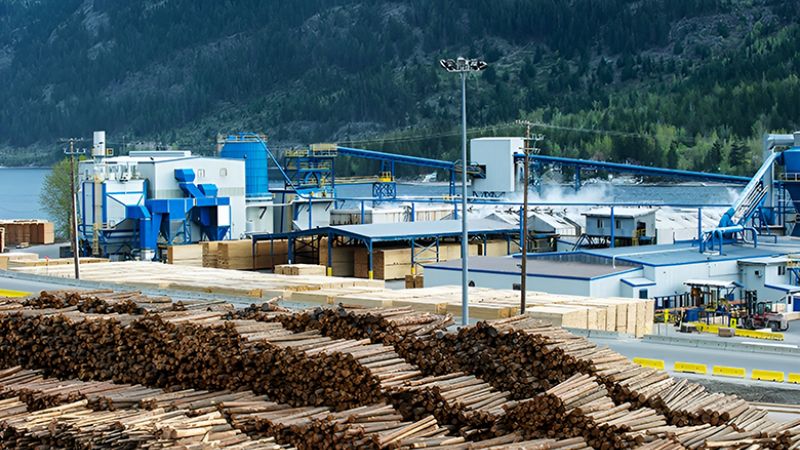


Meet global product demands and quality standards with industry-leading pellet plant design, engineering, equipment, and construction services for pellet processors.


Your Partner Beyond Project Completion
2000+ cases
RICHI is the leading designer, manufacturer and builder of pellet plants in the world, completing over 2000 projects in 140 countries across 6 continents.
Read More
Increase plant productivity, profitability, and safety by integrating high quality equipment into your pellet production line. Over the years, RICHI has become China's top pellet equipment manufacturer. At the same time, RICHI has established valuable partnerships with the world's leading component and raw material manufacturers to bring you the best there is in technology, automation, and efficiency in pelleting plant machinery.

For nearly 30 years, RICHI has been providing best-in-class pellet plant equipment and services to clients across a variety of industries, sizes, and needs. We pride ourselves on the knowledge and skill that each team member possesses – from our technical sales team to our process design engineers. You can count on RICHI Machinery to take your operation to the next level of innovation, quality, and success.
Need help with your pellet manufacturing plant project? Contact us today.
ANIMAL FEED
BIOMASS
WOOD
ORGANIC FERTILIZER
AQUA FEED
CAT LITTER
MUNICIPAL WASTE RECYCLING
SPECIAL PELLET PRODUCTION
RICHI Machinery continues to deliver world class pellet mill equipment, pellet plant engineering and project solutions that add value to our customers in the animal feed, wood waste, agriculture waste, organic fertilizer, cat litter and special pellet products industries. Throughout the years, we RICHI Machinery have built strong brand, becoming industry-leading pellet machine manufacturer. We value integrity, promise quality, and prioritize your success.
Learn MoreWith our expert team, we precisely implement your process engineering requirements in pellet mill and pelletizing plant systems. No matter which industry you’re in – we understand your needs and deliver solutions that meet the highest standards.
At RICHI, quality comes first. Our pellet making machine and related pellet line equipment undergo rigorous quality controls to ensure they meet the highest standards. Rely on products that are durable, safe, and efficient.
With decades of experience in pellet machine and pellet production line production, we have earned a reputation as a trusted partner in various industries. Our expertise allows us to cover a wide range of applications.
Not only do we offer premium pelleting equipment, but we are also experts at designing, building, installing, and maintaining facilities from the ground up. Our expertise is within pellt plant process design, discovering the most efficient, productive, and profitable way to handle your materials in an end-to-end cycle.
○ RICHI MACHINERY
Keeping in touch with us is an effective way to solve all your problems. If you have any needs or questions, please leave your contact information, then RICHI technical consultants will send design, quotation, videos to your mailbox. You can also contact us directly via WhatsApp: +86 13838389622
Copyright©2015-2026 by HENAN RICHI MACHINERY CO., LTD. All rights reserved.