
Manure mixing machine in Bangladesh with a 1500 kg nominal batch. Explore the 30 kW SLHY3.5L ribbon mixer for prepared compost and pellet-line integration.
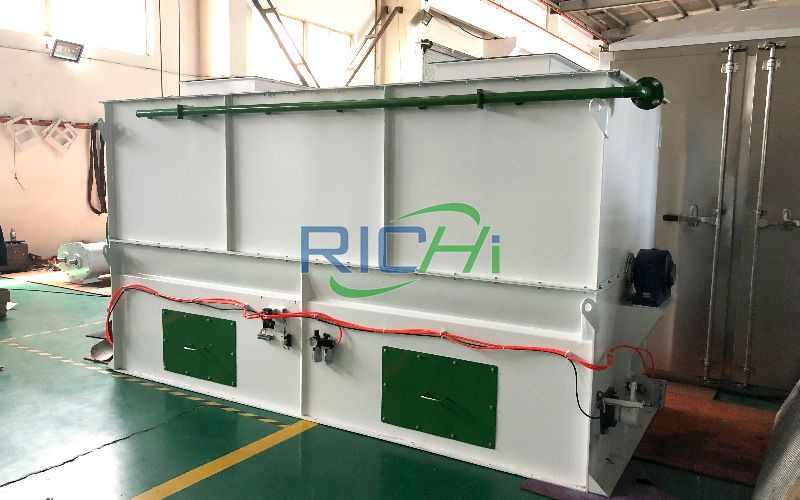
A fertilizer batch needs to be consistent from the first bag to the last. For a producer in central Bangladesh, that requirement brought attention to a stage still dependent on manual and semi-mechanized work: combining prepared cattle manure, poultry litter and crop residues before pelleting.
The customer purchased one SLHY3.5L manure mixing machine in Bangladesh to improve that blending stage. With a 30 kW drive, a listed effective volume of 3.5 m³ and a nominal batch rating of 1500 kg, the selected ribbon mixer gave the investment a defined scope within the existing factory.
The business already operated an organic fertilizer production line with drying and pelleting equipment. RICHI's supply focused on the mixer and its installation interfaces. The same prepared compost blends can also serve powder-product routes when their analysis, handling and packaging meet the intended product specification.
Name:
Compost ribbon mixer
Country:
Bangladesh
Date:
2024
Capacity:
1500 kg/batch
Model:
SLHY3.5L
Main Motor Power:
30 kW
Effective volume:
3.5 m³
Main materials:
Cattle and poultry compost
The client manufactures organic fertilizer pellets from livestock manure and agricultural residues. Its earlier mixing arrangements restricted the amount that could be handled in a repeatable batch. Workers had to combine materials with different textures and weights, then move the mixture toward the next production stage.
The immediate requirement was more control over ingredient distribution. Cattle-manure compost, poultry-litter compost and prepared plant residues do not flow or compact alike. A batch may contain the correct total weights while individual portions still differ. Mechanical blending addresses that distribution problem after accurate weighing.
For an organic fertilizer mixing machine in Bangladesh, the useful purchasing question is how it fits the available materials and factory sequence. This customer already had the downstream processing assets. A batch mixer allowed the blending operation to become a defined step between preparation and the existing pelleting route.
The plant's organic fertilizer pellet machine receives material from that preparation sequence. More consistent mixing can reduce variation presented to the press, but pellet strength also depends on moisture, particle size and die conditions. The mixer contributes to the process through ingredient distribution.
That distinction kept the equipment selection focused. The job called for a horizontal batch blender handling prepared solids. Pumping dilute manure, turning an active compost pile and pressing fertilizer pellets involve other equipment. The material entering this mixer therefore needs a clear acceptance specification.
The customer's blending plan uses cattle-manure compost, poultry-litter compost and prepared crop-residue material in a 50:30:20 reference proportion. Each fraction is weighed after preparation, so the batch calculation follows the material entering the mixer machine.
A cow dung mixer in Bangladesh must be selected around the manure's condition at loading. In this application, the required material is composted, screened and sufficiently friable for ribbon mixing. Wet lumps, stones and long bedding fibres need attention during preparation before they enter the chamber.
Poultry litter brings another variable: the bedding mixed with the manure. Its proportion, particle size and moisture vary between suppliers and clean-out batches. Those differences affect the blend's bulk density and nutrient analysis. Receiving records should identify the material source and the treatment already completed.
Rice residues give this project a relevant Bangladeshi material base. Rice straw needs cutting or grinding as appropriate before composting and final preparation. Rice husk behaves differently from straw, so a supplier changing between them should trigger a review of particle size, ash contribution and mixing behaviour.
The following 1500 kg reference batch illustrates the weighing arrangement using separately prepared materials. The proportions describe this loading example rather than a universal fertilizer formula. Nutrient claims and application rates require analysis of the actual ingredients and finished product.
| Prepared ingredient | Batch share | Loading weight | Example moisture |
|---|---|---|---|
| Cattle-manure compost | 50% | 750 kg | 20% wet basis |
| Poultry-litter compost | 30% | 450 kg | 16% wet basis |
| Composted rice-residue material | 20% | 300 kg | 12% wet basis |
| Total | 100% | 1500 kg | 17.2% calculated blend moisture |
This example contains 258 kg of water and 1242 kg of dry matter. Mixing redistributes that water through the batch; it does not provide a drying duty. Any required moisture correction belongs in the agreed preparation process, with the final setting established for the customer's pelleting material.
The selected SLHY3.5L uses one shaft with inner and outer helical ribbons. Their opposing axial movement circulates material through the mixing chamber. This brings together portions that entered at different loading points and helps distribute the prepared manure and residue fractions throughout the batch.
A compost ribbon mixer in Bangladesh needs an approved working load as well as adequate drive power. The chamber must contain enough material for effective ribbon action while remaining within the manufacturer's loading and torque limits. Both overfilling and an unsuitable minimum load can impair the intended mixing pattern.
| Equipment item | Selection data |
|---|---|
| Model | SLHY3.5L |
| Mixing arrangement | Horizontal single-shaft double-ribbon |
| Main drive rating | 30 kW |
| Listed effective volume | 3.5 m³ |
| Nominal batch rating | 1500 kg subject to material and load approval |
| Discharge arrangement | Pneumatically operated bottom gate |
| Supply scope | One mixer for an existing fertilizer operation |
The pneumatic arrangement operates the discharge gate. Ingredient delivery still needs its own suitable hopper or conveyor connection. The compressed-air supply must match the gate actuator, while the material inlet must accommodate the actual flow of prepared compost into the mixer.
Below the gate, a receiving hopper separates batch discharge from the steadier flow needed downstream. Its usable capacity and outlet arrangement should accept the approved batch without backing material into the mixer. This connection deserves attention when a single machine is added to an established plant.
Material compatibility also affects construction details. Contact surfaces, shaft seals and access covers should be specified for the blend's abrasiveness, moisture and cleaning requirements. Stainless steel can be considered where justified; a material choice should follow the application rather than a general promise of corrosion resistance.
The 30 kW figure identifies the mixer drive. Feeding conveyors, extraction and the compressor add separate electrical requirements where included. Site electrical drawings need to establish the available supply, motor-starting arrangement and protection before the mixer is connected.
The 1500 kg rating is a nominal batch reference. Actual manure blends must also fit the working volume and mechanical loading limits. Prepared compost containing a larger proportion of light fibres can occupy more space than a denser material of the same weight.
For a volume check, 1500 kg at an assumed bulk density of 500 kg/m³ occupies 3 m³. At 350 kg/m³, the same weight occupies about 4.3 m³, exceeding the listed effective volume. These examples show why a sample and bulk-density measurement matter before the working batch is approved.
Hourly output follows the complete cycle: loading, mixing, discharge and any waiting between batches. A reference cycle of 15 minutes permits four batches per hour. At 1500 kg per approved batch, that equals 6 T/H of mixed material under those stated assumptions.
This 6 T/H figure is a planning calculation rather than a measured production result for the manure mixing machine in Bangladesh. Loading delays, a reduced batch mass or a longer validated mixing time will change it. It also describes mixed material, rather than finished fertilizer pellets.
The downstream plant determines how much of that potential can be used. A buffer hopper can absorb a batch and feed the next stage at its required rate. Comparing hopper capacity, conveyor delivery and press demand prevents the mixer from becoming either a waiting point or a source of uncontrolled accumulation.
For a poultry manure mixer in Bangladesh, the most useful trial records include ingredient weights, moisture, bulk density and the full cycle time. Those records let the supplier recommend a practical working batch and let the customer relate mixing capacity to its existing production schedule.
Mixing performance should be checked through the discharge stream. Samples taken only from the top of a stationary batch can miss differences elsewhere. A suitable assessment collects separate samples across unloading and uses a validated indicator or laboratory method relevant to the fertilizer formulation.
Where a tracer method is appropriate, its sampling plan and acceptance limit should be agreed before testing. Results depend on sample size, analytical precision and the indicator's distribution. A published feed-mixing figure cannot automatically establish the performance of a different manure blend.
Small additions require a controlled dosing method. An approved additive may need preliminary blending with a portion of the base material before entering the main batch. Addition order and mixing time should follow the formulation trial, particularly when an ingredient is present at a low inclusion rate.
Transfer after mixing matters too. Long drops or inappropriate conveying can encourage ingredients with different particle sizes and densities to separate again. The discharge hopper and onward conveyor should preserve the blend as far as practical while maintaining the required flow into the next stage.
For fertilizer blending equipment in Bangladesh, these checks connect the machine to the product the client sells. Reliable weighing, a suitable mixing cycle and controlled discharge support repeatable manufacturing. Finished nutrient analysis remains necessary because uniform mixing cannot correct an unsuitable or incorrectly weighed formula.
Bangladesh's humid monsoon creates a practical storage constraint for prepared fertilizer materials. Rain ingress and moisture uptake can turn a previously friable stock into a difficult batch. Covered receiving, sound roofing and separation from wet floors help protect the condition established during preparation.
Stock inspection should therefore continue through the season. A new moisture reading and a check for caking are useful when storage conditions change. Operators need a procedure for holding or reprocessing unsuitable material, rather than compensating for wet lumps by extending the mixing timer indefinitely.
The weighing area also needs protection from weather and material buildup. Residue around a scale can interfere with stable readings or free movement. Clean weighing points and identifiable ingredient bins make batch records more useful when the factory handles several suppliers or changes formulations.
Routine service covers ribbon condition, seals, the drive and gate movement. Dust collection at loading and transfer points should suit the actual material. Cleaning and inspection access must allow safe isolation of electrical and pneumatic energy before anyone works around moving parts or enters the mixing chamber.
For a shipment from Qingdao, Chattogram is a practical destination-port option for onward transport to central Bangladesh. The booked route, clearance arrangements and inland vehicle depend on the final packing dimensions and shipping agreement. They should be settled with the customer's receiving and lifting plan.
Protection during transport should cover exposed machined surfaces, electrical items and openings vulnerable to water ingress. The packing list should identify loose accessories and components removed for shipment. Inspection on arrival then has a clear basis before the mixer is placed on its support structure.
Installation drawings need to show the loaded equipment weight, support requirements and discharge clearance. Space below the mixer is particularly important because a receiving hopper and its conveyor occupy part of the installation height. Top access and drive maintenance also need to remain practical within the existing building.
During commissioning, checks should cover shaft rotation, gate operation, load behaviour and discharge into the receiving system. Operator training should connect the timer settings to the approved recipe and batch size. A run record is more useful than relying on the appearance of material inside the chamber.
This purchase addressed a specific need within an operating fertilizer business: a repeatable mechanical blending stage for prepared manure and crop-residue ingredients. Its value depends on the complete batching arrangement, from weighing and loading to controlled release toward the existing pelleting equipment.
If you are evaluating a manure mixer for sale in Bangladesh, send representative material information with the enquiry. Include measured moisture and bulk density, the intended batch composition and the required hourly delivery. Workshop height and the existing receiving-hopper arrangement help define the installation scope.
Request the working-load recommendation, discharge arrangement and material-test conditions together with the equipment quotation. This gives both the buyer and manufacturer a concrete basis for assessing capacity, mixing performance and the connections required around the machine.
For a manure mixing machine in Bangladesh, contact RICHI Machinery with your prepared compost samples and current process layout. We can assess the SLHY3.5L against your blending duty and specify the equipment package around the batches your factory needs to produce.
Having the right mix of reliable, high-quality pellet machine and pelletizing systems and expert support is essential to your success. Watch how our end-to-end feed pellet plant solutions have helped our customers optimize their performance.
Our customized and future-proofed turnkey pellet plant solutions is designed with you at the core. From vision to reality and beyond, our team stays connected with yours. Giving you peace-of-mind with an expert at your side.
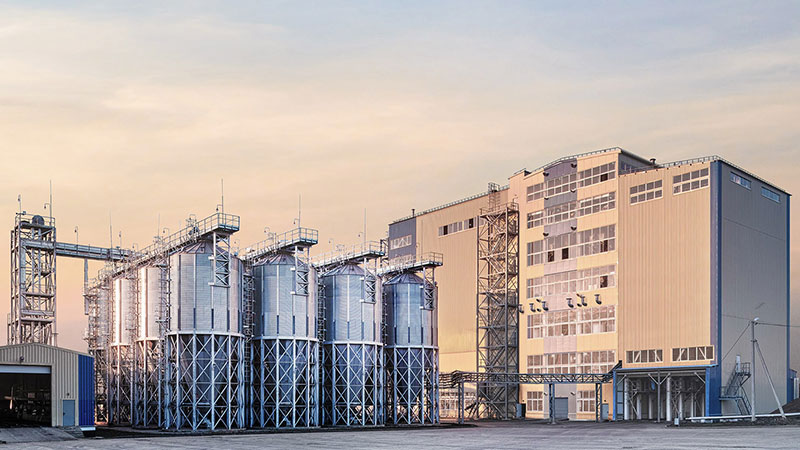
At RICHI, we go beyond project completion. With RICHI Servicee, we’re your dedicated partners in success. Count on us for expert guidance, minimal downtime, and optimized productivity. Choose RICHI for unmatched service and support.
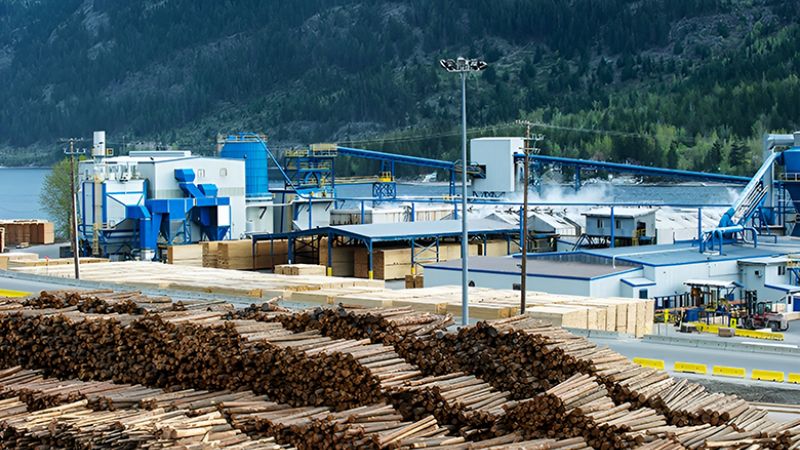


Meet global product demands and quality standards with industry-leading pellet plant design, engineering, equipment, and construction services for pellet processors.


Your Partner Beyond Project Completion
2000+ cases
RICHI is the leading designer, manufacturer and builder of pellet plants in the world, completing over 2000 projects in 140 countries across 6 continents.
Read More
Increase plant productivity, profitability, and safety by integrating high quality equipment into your pellet production line. Over the years, RICHI has become China's top pellet equipment manufacturer. At the same time, RICHI has established valuable partnerships with the world's leading component and raw material manufacturers to bring you the best there is in technology, automation, and efficiency in pelleting plant machinery.

For nearly 30 years, RICHI has been providing best-in-class pellet plant equipment and services to clients across a variety of industries, sizes, and needs. We pride ourselves on the knowledge and skill that each team member possesses – from our technical sales team to our process design engineers. You can count on RICHI Machinery to take your operation to the next level of innovation, quality, and success.
Need help with your pellet manufacturing plant project? Contact us today.
ANIMAL FEED
BIOMASS
WOOD
ORGANIC FERTILIZER
AQUA FEED
CAT LITTER
MUNICIPAL WASTE RECYCLING
SPECIAL PELLET PRODUCTION
RICHI Machinery continues to deliver world class pellet mill equipment, pellet plant engineering and project solutions that add value to our customers in the animal feed, wood waste, agriculture waste, organic fertilizer, cat litter and special pellet products industries. Throughout the years, we RICHI Machinery have built strong brand, becoming industry-leading pellet machine manufacturer. We value integrity, promise quality, and prioritize your success.
Learn MoreWith our expert team, we precisely implement your process engineering requirements in pellet mill and pelletizing plant systems. No matter which industry you’re in – we understand your needs and deliver solutions that meet the highest standards.
At RICHI, quality comes first. Our pellet making machine and related pellet line equipment undergo rigorous quality controls to ensure they meet the highest standards. Rely on products that are durable, safe, and efficient.
With decades of experience in pellet machine and pellet production line production, we have earned a reputation as a trusted partner in various industries. Our expertise allows us to cover a wide range of applications.
Not only do we offer premium pelleting equipment, but we are also experts at designing, building, installing, and maintaining facilities from the ground up. Our expertise is within pellt plant process design, discovering the most efficient, productive, and profitable way to handle your materials in an end-to-end cycle.
○ RICHI MACHINERY
Keeping in touch with us is an effective way to solve all your problems. If you have any needs or questions, please leave your contact information, then RICHI technical consultants will send design, quotation, videos to your mailbox. You can also contact us directly via WhatsApp: +86 13838389622
Copyright©2015-2026 by HENAN RICHI MACHINERY CO., LTD. All rights reserved.