
The Al Ain customer was not trying to grind whatever forage happened to be available locally. Its feeding program depended on a controlled mix of imported hay, purchased forage and selected locally available roughage, and the farm already had separate equipment for grain preparation. What it lacked was a dedicated machine for reducing baled forage to a consistent size before mixing.
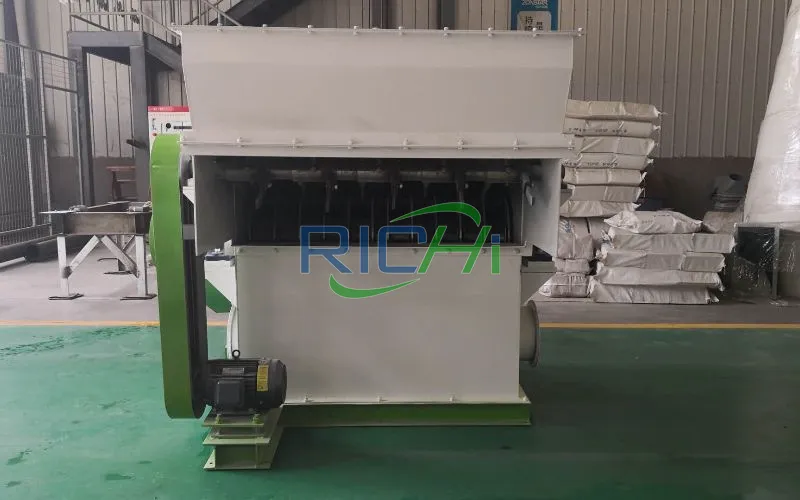
The Al Ain customer was not trying to grind whatever forage happened to be available locally. Its feeding program depended on a controlled mix of imported hay, purchased forage and selected locally available roughage, and the farm already had separate equipment for grain preparation. What it lacked was a dedicated machine for reducing baled forage to a consistent size before mixing.
The farm therefore installed one SFSP66×80 hay hammer mill in UAE as a standalone upgrade. The machine sits downstream of the bale-opening and coarse-cutting section and is used mainly for prepared alfalfa hay, Rhodes grass hay where available, and suitable straw fractions. Its role is not to replace the farm’s entire feed system, but to make the forage portion easier to meter and blend into camel and sheep rations.
Name:
Hay grinder
Country:
UAE
Date:
2026
Capacity:
2.0–2.5 T/H
Model:
SFSP66×80
Main Motor Power:
75 kW
Rotating Speed:
Approximately 2980 rpm
Hammer Line Speed:
Approximately 103 m/s
Al Ain and the wider Abu Dhabi livestock sector support significant camel, sheep and goat production. At the same time, the UAE has long faced a structural shortage of water for forage cultivation, which means livestock producers cannot assume that all roughage will be grown locally.
This is particularly important for Rhodes grass. Although it has historically been used as forage in the UAE, Abu Dhabi sharply reduced local cultivation because of its very high irrigation demand. Imported fodder therefore remains an important part of livestock feeding in the region.
The customer in this project buys forage from several sources rather than relying on one locally grown crop.
The farm’s actual roughage supply is mixed. Imported alfalfa hay is an important component, while Rhodes grass hay can still be used when commercially available. Barley straw and other suitable dry roughages are incorporated according to price, nutrient specification and seasonal supply.
That makes the hay hammer mill valuable because the machine is selected around the physical form of dry forage, not around one specific grass species.
The farm already owned a smaller grain grinder for barley and other concentrate ingredients.
Using the same machine for both cereal grain and long fibrous hay created unnecessary compromises.
Grain flows relatively easily and breaks under impact. Hay is much lighter, longer and more prone to bridging and wrapping.
The SFSP66×80 was therefore installed as a dedicated forage-grinding machine so the grain section could remain optimized for dense feed ingredients.
The farm receives forage in compressed bales.
Those bales are first opened mechanically. Long hay is then coarsely reduced before it reaches the hammer mill.
This pre-processing stage is essential.
If long stems are fed directly into the SFSP66×80, they can bridge above the inlet, wrap around feeding components and create unstable loading inside the grinding chamber.
The hammer mill therefore performs secondary size reduction rather than acting as both bale breaker and fine grinder.
| Project Parameter | Configuration |
|---|---|
| Equipment | Hay hammer mill |
| Model | SFSP66×80 |
| Quantity | 1 unit |
| Rotor Diameter | 660 mm |
| Crushing Chamber Width | 800 mm |
| Main Motor Power | 75 kW |
| Rotating Speed | Approximately 2980 rpm |
| Hammer Line Speed | Approximately 103 m/s |
| Reference Forage Capacity | Approximately 2.0–2.5 T/H under suitable pre-cut material conditions |
| Main Materials | Alfalfa hay, Rhodes grass hay, barley straw and similar dry forage |
The 2.0–2.5 T/H figure is treated as a reference rather than a fixed guarantee.
Actual throughput changes with forage density, stem length, moisture, screen size, pre-cut quality and hammer condition.
Grinding hay to 3–5 mm is too fine to present as a universal roughage target for direct camel and sheep feeding.
Camel and sheep rations still require adequate physically effective fibre. Grinding all forage to a very fine meal would reduce the structural function of the roughage and increase dust.
The customer therefore adjusts screen size according to how the ground forage will be used.
For mixed concentrate or pellet production, a finer grind can be appropriate. For direct inclusion in a roughage-rich mixed ration, a coarser cut is normally retained.
The farm uses the ground forage in more than one feed-preparation scenario.
For certain mixed rations, the objective is simply to shorten long stems so that animals cannot sort the forage easily and the mixer can distribute it more consistently.
For feed that will be further pelletized, the material needs to be finer so it can enter the ring-die process without long fibres.
This is why the SFSP66×80 is supplied with interchangeable screens rather than one permanent 3 mm specification.
Rhodes grass has a long history in UAE livestock feeding, and UAE research has used Rhodes grass hay in sheep and goat diets. However, water conservation policies in Abu Dhabi substantially reduced its cultivation because of the crop’s irrigation demand.
For a current Al Ain feeding project, Rhodes grass is therefore one possible purchased forage rather than the farm’s dominant locally grown feed.
Imported alfalfa and other purchased roughages play an important role in the supply chain.
The UAE has deliberately shifted part of its fodder supply away from water-intensive domestic production.
Abu Dhabi authorities have previously approved large-scale fodder imports specifically to reduce groundwater consumption, and industry reporting has repeatedly described imported fodder as a structural reality for UAE livestock production.
This makes an on-farm hay hammer mill useful even when the farm does not grow the forage itself.
The machine creates value by standardizing purchased hay after it arrives, regardless of whether the bale originated in the UAE or overseas.
Sudan grass can be used as forage in arid and semi-arid livestock systems, but it is not a dominant Al Ain raw material for this project.
The customer focuses on alfalfa hay, Rhodes grass hay where available, barley straw and other dry roughage purchased through commercial feed channels.
The farm sometimes adds barley or other energy ingredients to camel and sheep rations.
Those grains do not need to pass through the hay hammer mill.
The existing grain grinder continues to handle dense cereal ingredients, while the SFSP66×80 processes the low-density fibrous portion.
This separation helps keep both machines working closer to the conditions they were designed for.
Date-processing residues can be used in livestock feed under the right formulation and processing conditions, but date seed meal is not automatically added at 10–15% simply because the farm is in the UAE.
If the customer uses date by-products, their inclusion is determined by nutrient analysis, processing quality and ration formulation.
The hay hammer mill itself is not selected around date seeds.
The UAE is arid, but forage moisture cannot be assumed from outdoor weather alone.
Imported hay may arrive with different moisture depending on production, storage and sea transport conditions.
The farm therefore inspects bales before grinding.
Excessively damp forage can reduce hammer-mill throughput and increase screen loading, while extremely dry material can create more dust.
The machine performs best when the incoming forage is dry enough to fracture cleanly but not so dusty that handling becomes difficult.
Dry alfalfa and grass hay can generate substantial fine dust during grinding.
The SFSP66×80 is therefore connected to an aspiration and dust-control system.
Air extraction assists material movement through the grinding chamber while helping control airborne particulate around the machine.
The farm also maintains good housekeeping because settled forage dust can accumulate around motors, bearings and structural surfaces.
The machine operates indoors, but the farm environment is still hot and dusty for much of the year.
Maintenance therefore focuses on keeping cooling surfaces, motors, bearings and aspiration ducts clean.
Electrical cabinets are protected from excessive dust, and ventilation around the motor is kept unobstructed.
This is a practical response to Middle Eastern operating conditions.
Reducing forage size can improve mixing consistency and reduce selective feeding, but the farm does not claim that hammer milling alone creates a specific increase in digestibility or animal performance.
Camel and sheep performance depends on forage quality, total ration composition, nutrient balance, health and management.
The measurable function of the machine is physical preparation: making bales easier to mix and process in a repeatable way.
After grinding, the forage moves to the existing mixing section.
Depending on the animal group, the farm combines it with concentrates, mineral supplements and other approved ingredients according to the nutrition program.
The forage fraction remains substantial enough to maintain its roughage role.
The hammer mill helps achieve a more consistent distribution of that forage through the batch rather than turning the ration into fine powder.
The farm keeps separate feeding programs for camels and sheep.
Growing sheep, breeding ewes and mature camels have different intake and nutrient requirements.
The same hay hammer mill can prepare forage for all of them, but screen selection and mixing ratios are adjusted according to the intended ration.
One 3–5 mm ground hay product is therefore not used as the standard for every animal on the farm.
The customer already had bale handling, grain grinding, feed mixing and internal distribution equipment.
Outsourcing the forage grinding step had become inconvenient, but the rest of the feed-preparation system still worked.
One SFSP66×80 therefore filled the missing process without forcing the farm to invest in a full factory.
The hay crusher machine was selected around the capacity of the existing mixer so that the new grinder would not overwhelm downstream equipment.
The SFSP66×80 was exported from Qingdao Port to Jebel Ali in Dubai and then transported by road to the Al Ain area.
Jebel Ali is a practical gateway for industrial equipment destined for the UAE interior.
Before shipment, RICHI supplied equipment dimensions, electrical information, foundation requirements, aspiration interfaces and maintenance-clearance recommendations so the customer could prepare the installation area in advance.
During commissioning, the operator initially believed that short periods of lower throughput indicated insufficient motor power.
The actual cause was inconsistent pre-cut length from the bale-opening section.
When long pieces entered the hammer mill, feeding became less stable and the chamber load fluctuated.
After the coarse-cutting stage was adjusted, throughput became more predictable without changing the 75 kW motor.
“The biggest improvement came from separating the forage process from the grain process. We now open and cut the hay first, then use the hammer mill only for the size reduction we actually need. When the incoming fibre length is consistent, the machine runs much more smoothly.”
The farm also stopped trying to use one screen for every ration.
Screen selection is now linked to whether the ground hay goes into a coarse mixed ration or a finer downstream feed process.
Hammers and screens are inspected according to wear rather than replaced after a fixed number of hours.
Forage contaminated with sand or soil can accelerate wear substantially, especially when bales have been stored directly on the ground.
The farm therefore gives as much attention to hay storage and cleanliness as it does to hammer material.
Motor current, throughput and particle distribution are monitored as indicators of changing machine condition.
This hay hammer mill in UAE project is a forage-processing retrofit for a large camel and sheep operation in Al Ain.
The customer uses one SFSP66×80 with a 660 mm rotor, 800 mm grinding-chamber width, 75 kW main motor and approximately 2.0–2.5 T/H reference forage capacity under suitable pre-cut conditions.
The main raw materials are imported or commercially purchased alfalfa hay, Rhodes grass hay where available, barley straw and similar dry roughage. Whole bales are opened and pre-cut first. Grain and other dense concentrate ingredients remain in a separate grinding system.
For another customer evaluating a hay hammer mill in UAE, RICHI Machinery would first review livestock type, daily forage requirement, bale dimensions and density, forage source, moisture, pre-cut equipment, target particle size, whether the material goes into TMR or pellet production, required tonnes per hour, mixer capacity, dust-control system, electrical supply and available installation space before selecting the grinder.
That approach is especially important in the UAE because forage supply is shaped as much by water policy and imported-feed logistics as by the livestock itself. The right grinder must therefore handle changing dry forage sources without depending on an unlimited local supply of Rhodes grass.
Having the right mix of reliable, high-quality pellet machine and pelletizing systems and expert support is essential to your success. Watch how our end-to-end feed pellet plant solutions have helped our customers optimize their performance.
Our customized and future-proofed turnkey pellet plant solutions is designed with you at the core. From vision to reality and beyond, our team stays connected with yours. Giving you peace-of-mind with an expert at your side.
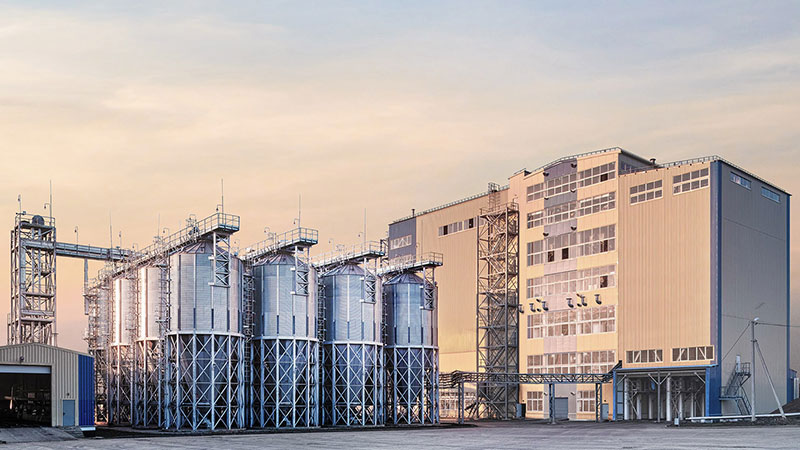
At RICHI, we go beyond project completion. With RICHI Servicee, we’re your dedicated partners in success. Count on us for expert guidance, minimal downtime, and optimized productivity. Choose RICHI for unmatched service and support.
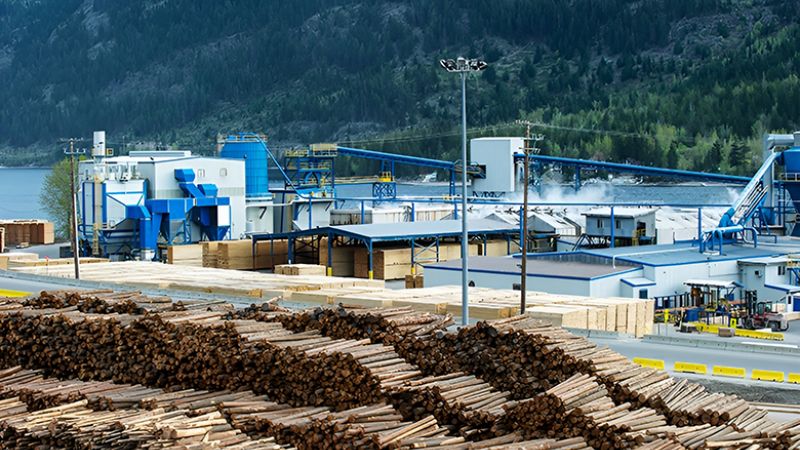


Meet global product demands and quality standards with industry-leading pellet plant design, engineering, equipment, and construction services for pellet processors.

Your Partner Beyond Project Completion
2000+ cases
RICHI is the leading designer, manufacturer and builder of pellet plants in the world, completing over 2000 projects in 140 countries across 6 continents.
Read More
Increase plant productivity, profitability, and safety by integrating high quality equipment into your pellet production line. Over the years, RICHI has become China's top pellet equipment manufacturer. At the same time, RICHI has established valuable partnerships with the world's leading component and raw material manufacturers to bring you the best there is in technology, automation, and efficiency in pelleting plant machinery.

For nearly 30 years, RICHI has been providing best-in-class pellet plant equipment and services to clients across a variety of industries, sizes, and needs. We pride ourselves on the knowledge and skill that each team member possesses – from our technical sales team to our process design engineers. You can count on RICHI Machinery to take your operation to the next level of innovation, quality, and success.
Need help with your pellet manufacturing plant project? Contact us today.
ANIMAL FEED
BIOMASS
WOOD
ORGANIC FERTILIZER
AQUA FEED
CAT LITTER
MUNICIPAL WASTE RECYCLING
SPECIAL PELLET PRODUCTION
RICHI Machinery continues to deliver world class pellet mill equipment, pellet plant engineering and project solutions that add value to our customers in the animal feed, wood waste, agriculture waste, organic fertilizer, cat litter and special pellet products industries. Throughout the years, we RICHI Machinery have built strong brand, becoming industry-leading pellet machine manufacturer. We value integrity, promise quality, and prioritize your success.
Learn MoreWith our expert team, we precisely implement your process engineering requirements in pellet mill and pelletizing plant systems. No matter which industry you’re in – we understand your needs and deliver solutions that meet the highest standards.
At RICHI, quality comes first. Our pellet making machine and related pellet line equipment undergo rigorous quality controls to ensure they meet the highest standards. Rely on products that are durable, safe, and efficient.
With decades of experience in pellet machine and pellet production line production, we have earned a reputation as a trusted partner in various industries. Our expertise allows us to cover a wide range of applications.
Not only do we offer premium pelleting equipment, but we are also experts at designing, building, installing, and maintaining facilities from the ground up. Our expertise is within pellt plant process design, discovering the most efficient, productive, and profitable way to handle your materials in an end-to-end cycle.
○ RICHI MACHINERY
Keeping in touch with us is an effective way to solve all your problems. If you have any needs or questions, please leave your contact information, then RICHI technical consultants will send design, quotation, videos to your mailbox. You can also contact us directly via WhatsApp: +86 13838389622
Copyright©2015-2026 by HENAN RICHI MACHINERY CO., LTD. All rights reserved.