
A Mymensingh aquafeed producer uses one SPHS120×2 twin-screw extruder to produce 2–5 mm floating feed for tilapia, pangasius and other freshwater fish.
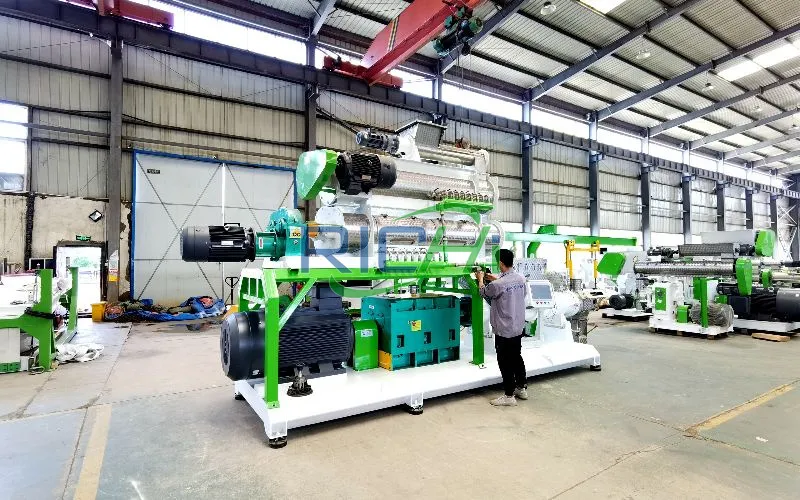
A regional aquafeed producer in Mymensingh selected one SPHS120×2 Freshwater Fish Feed Pellet Extruder in Bangladesh to move from feed trading and conventional mixing into local production of extruded floating feed.
The business serves freshwater aquaculture customers raising tilapia, pangasius and carp, and already had ingredient receiving, grinding and mixing capacity available at the site. The RICHI supply therefore focused on the twin-screw extrusion section rather than another complete fish feed production line, while the plant arranged the necessary downstream drying and finished-feed handling around the extruder.
The SPHS120×2 uses twin-screw extrusion with a 90 kW main-drive configuration and approximately 1.5–2.0 T/H working capacity depending on formula and product specification. This range suits a growing regional feed producer because the plant can manufacture several freshwater-feed sizes in scheduled campaigns without installing a much larger extrusion system that would also demand larger grinders, mixers, dryers, utilities and warehouses.
The customer uses steam and water pre-conditioning ahead of extrusion, while screw configuration, moisture, die restriction, cutter speed and drying conditions are coordinated with each commercial feed rather than treating all floating pellets as one identical product.
Name:
freshwater fish feed extruder
Country:
Bangladesh
Date:
2026
Capacity:
1.5–2.0 T/H
Model:
SPHS120×2
Main Motor Power:
90 kW
Extrusion Type:
Twin-screw
Pellet diameter:
2–5 mm
The investment decision was shaped by equipment that was already available at the Mymensingh site. Major ingredients could be ground, weighed and mixed before reaching the extrusion area, so duplicating those functions would have increased capital cost without solving the real production gap.
What the plant lacked was the ability to cook, expand and shape mixed aquafeed into a controlled floating product. The SPHS120×2 therefore became the central forming machine, while drying, coating, cooling, screening and packaging remain necessary downstream functions even though they are outside the core single-machine purchase.
This distinction keeps the project realistic: an extruder can create expanded wet pellets, but it cannot turn them into shelf-stable bagged feed without adequate post-extrusion moisture removal.
| Project Parameter | Configuration |
|---|---|
| Equipment | Twin-screw freshwater fish feed extruder |
| Model | SPHS120×2 |
| Quantity | 1 unit |
| Extrusion Type | Twin-screw |
| Main Motor | 90 kW project configuration |
| Pre-Conditioning | Steam and water addition according to formula |
| Feeding | Variable feeding matched to extrusion load |
| Reference Capacity | Approximately 1.5–2.0 T/H depending on formula and pellet specification |
| Main Feed Type | Extruded floating freshwater fish feed |
| Main Species | Tilapia, pangasius and selected carp production |
| Main Product Range | Approximately 2–5 mm for the commercial product portfolio |
| Installation Type | Standalone extrusion-machine integration |
The 1.5–2.0 T/H value is a practical extrusion range rather than an unconditional output for every recipe. Throughput can shift with starch type, protein level, fibre, pre-extrusion oil, mash moisture, screw arrangement, die opening, required bulk density and degree of expansion.
A 4 mm grow-out pellet with moderate expansion can place a different load on the machine from a smaller juvenile product even if both are sold as floating feed, so the customer evaluates tonnes per hour together with motor load, pressure, product density and drying behaviour instead of treating machine capacity as one permanent number.
Mymensingh sits within one of Bangladesh's most active freshwater aquaculture regions, where hatcheries, pond farming, seed distribution and commercial feed consumption create a concentrated market for manufactured aquafeed. Tilapia, pangasius and several carp species are all relevant to this business, but their feed requirements differ by species, fish size, farming intensity and target production economics.
The customer therefore does not manufacture one generic pellet for every pond. The commercial strategy is built around several product specifications that share one extrusion platform, allowing the plant to supply common grower feeds while adding smaller juvenile products when demand justifies the additional die, grinding and operating adjustments.
The project should not be presented as if most Bangladeshi fish farmers still depend only on crude homemade floating feed. Manufactured aquafeed has developed rapidly in Bangladesh for many years, alongside farm-made feed and direct ingredient feeding in less intensive systems.
A regional producer entering this market therefore competes on formula cost, physical pellet quality, reliable supply and dealer relationships rather than simply being the first business to offer floating feed.
Local manufacturing can still provide a commercial opportunity because transport, ingredient procurement, batch size and service to nearby farms influence delivered feed cost, but those advantages have to come from efficient production and an appropriate formula rather than from unsupported claims about imported feed being universally unsuitable.
Bangladesh aquafeed producers can work with rice by-products, wheat-derived ingredients, soybean meal, oilseed meals, fish meal or other approved animal-protein materials, oils, minerals, vitamins and functional additives according to species and feed grade.
The plant does not use one permanent formula such as 60% rice bran, 20% soybean meal and 15% fish meal because such percentages would have to satisfy both nutritional targets and extrusion behaviour for every life stage, which is unrealistic.
High-fibre rice by-products can limit expansion if inclusion becomes excessive, while starch-bearing ingredients support structure development during extrusion. The nutritionist therefore defines protein, energy, amino-acid and mineral targets first, after which the production team evaluates whether the selected ingredient matrix can achieve the required floating density and physical stability.
Rice bran and rice polish are commercially relevant ingredients in Bangladesh, but low purchasing cost does not make them unlimited inclusions in high-quality floating feed. Fibre, variable oil content, storage condition and particle characteristics can all affect extrusion. Excessive fibrous material can restrict expansion and increase product density, while bran containing degraded oil or mould damage creates a feed-quality problem that the extruder cannot repair.
The customer therefore buys ingredients against quality requirements and adjusts the formulation according to actual analysis rather than trying to maximize local by-product content simply to lower recipe cost. A floating pellet that looks acceptable at the die is still a poor feed if the ingredients entering the mixer do not meet nutritional and safety requirements.
Local manufacturing does not mean every ingredient has to originate inside Bangladesh. Soybean meal and other internationally traded protein materials can remain important components when their nutritional value and price fit the formula, while locally available oilseed meals and animal-protein materials may supplement them where quality is suitable.
The business advantage comes from manufacturing the finished aquafeed closer to its freshwater-farming market, not from claiming complete ingredient independence.
Procurement decisions therefore follow landed price, protein quality, digestibility, storage stability and formulation requirements. When one protein ingredient becomes expensive, the nutritionist can evaluate alternatives, but mechanical extrusion should never be used to justify a substitution that weakens amino-acid balance or fish performance.
Floating aquafeed generally needs a substantially finer and more uniform grind than ordinary livestock feed because large grain fragments and long fibre interfere with cooking, die flow and the structure of small expanded pellets. For the 2–5 mm product range in this project, the grinding system is adjusted so that the majority of the mash entering the conditioner is well below the final pellet diameter, with finer preparation required as product size decreases.
The plant does not rely on one hammer-mill screen number for every formula because rice bran, soybean meal, cereals and animal-protein meals fracture differently. Grinding performance is checked through particle distribution, extruder pressure, die stability, surface finish and the amount of fines rather than through screen opening alone.
The Freshwater Fish Feed Pellet Extruder in Bangladesh does not simply receive dry mixed meal and rely on the 90 kW drive to create expansion. Steam and water are introduced during pre-conditioning so the mash enters the twin screws with a more suitable temperature and moisture condition for cooking.
The useful setting depends on starch characteristics, protein, fibre, pre-extrusion fat and desired density, so one permanent 25–27% moisture figure should not be assigned to every tilapia or pangasius recipe. Too little conditioning can limit cooking and expansion, while excessive water can reduce mechanical energy input and create a wet product that places an unnecessarily heavy load on the dryer. Commissioning therefore establishes a processing window for each major SKU rather than one universal conditioner setting.
The twin screws provide positive conveying, mixing and shear through the barrel and are useful when the mill expects to work with formulas that differ in starch, protein, fibre and moisture behaviour. This gives operators more flexibility than assuming one mechanical setting will suit every freshwater feed, particularly when the business plans multiple pellet sizes and ingredient combinations.
However, twin-screw extrusion should not be promoted as automatically superior in every aquafeed factory or as a machine that compensates for poor raw materials. Single-screw systems can also manufacture many successful floating feeds when correctly designed. The SPHS120×2 is appropriate here because the customer values recipe flexibility and controlled commercial production at the 1.5–2.0 T/H scale.
A floating pellet needs a bulk structure that remains less dense than water, and that structure develops from the interaction of starch gelatinization, moisture, temperature, mechanical energy, screw geometry, die pressure and sudden expansion at discharge.
Adding extra wheat flour can sometimes influence binding and expansion, but there is no responsible reason to claim that adding exactly three percentage points will guarantee three minutes or five minutes of floating performance.
The customer instead tests each formula for bulk density, floatability and water stability after drying. A pellet can float well and still be nutritionally unsuitable, while a nutritious formula can require additional process adjustment before it develops the physical structure required for a commercial floating product.
The plant uses several die specifications because mouth size and feeding stage determine the practical pellet size. Products around 2 mm can serve relatively small juveniles, 3–4 mm sizes suit many grower tilapia and pangasius applications, and larger 4–5 mm products can be used for bigger fish when the farm's feeding program calls for them.
These are production-planning ranges rather than rigid biological standards, and true fry feeds can require much smaller particles or crumbs than this extruder project is designed to make directly. A 5 mm pellet also does not automatically float longer than a 3 mm pellet simply because its diameter is larger; density, internal porosity, formula, cutting, drying and expansion have a much stronger influence on actual floating behaviour.
The source material describes 2.5 mm product as fry feed, but that terminology is too broad for commercial aquaculture. Very small fry can require microfeed well below that diameter, and producing stable particles in the sub-millimetre range often involves a different finishing route, such as fine extrusion followed by crumbling and grading or dedicated micro-pellet technology.
The Bangladesh customer therefore positions the smallest direct extruded product for juvenile fish rather than claiming that one die covers hatchery fry through harvest size. This makes the product portfolio more technically credible and also prevents the sales team from promising a feed size that the machine and downstream dryer cannot handle consistently without dedicated trials.
The SPHS120×2 platform may be capable of developing additional extruded products, but this case is centered on freshwater floating feed rather than shrimp post-larval feed. Shrimp diets commonly require different sinking behaviour, water stability, particle dimensions, grinding fineness and formulation, and very small shrimp products should not be added to the project simply because another die can physically be fitted.
If the customer later enters shrimp feed, RICHI would evaluate the required product form, minimum particle size, conditioning, die, cutter, dryer and downstream grading as a separate engineering condition. Keeping that boundary clear makes the Bangladesh project stronger than presenting one machine as automatically suitable for every aquaculture species and feed size.
The product leaves the extruder with substantially more moisture than a bagged shelf-stable feed can tolerate, so downstream drying is essential. The dryer removes process moisture gradually while trying to preserve pellet shape and avoid excessive surface hardening, after which the product can be cooled and stabilised before storage.
This is why the phrase “just the extruder” describes the scope of the RICHI machine purchase rather than the complete physical process required to manufacture saleable floating feed.
If a producer owns a hammer mill and mixer but has no drying arrangement whatsoever, purchasing only an extruder would leave the process incomplete. Dryer capacity must also match the instantaneous 1.5–2.0 T/H extrusion rate rather than the customer's average weekly sales.
Freshwater feed may require additional oil for energy, palatability or formula balance, but high pre-extrusion fat can reduce friction and mechanical energy inside the barrel, which can interfere with expansion on certain recipes. The customer therefore keeps the option to apply part of the oil after drying through a suitable coating system instead of trying to place every percentage point into the mash before extrusion.
The exact amount depends on the feed specification and coating equipment, so values such as “6% now and 8–10% later” should not be treated as universal freshwater-feed requirements. A simple liquid coater may be sufficient for moderate surface addition, while a vacuum coater becomes relevant only when the formulation and targeted liquid loading justify the extra equipment.
A pellet can remain physically intact in water after it has already lost buoyancy, so the customer should not combine floating time and water stability into one number. Floating performance tells the farmer how the product behaves at the water surface, while water stability indicates how quickly the pellet breaks apart and releases fines or nutrients into the pond.
Both depend on formulation and processing, but neither should be promised as “three to four hours” without an agreed laboratory method and representative batch testing. The mill establishes its commercial acceptance criteria from the feeding behaviour required by tilapia and pangasius farms, then verifies finished product after extrusion, drying and coating rather than judging quality directly at the die face.
The 1.5–2.0 T/H extrusion platform gives the mill enough flexibility to manufacture separate juvenile and grower products without installing another extruder for each size. Product changeover involves more than replacing the die plate, however, because residual mash can remain in the feeder, conditioner, barrel, die, cutter, dryer, conveyors and coating system.
The customer therefore schedules compatible feeds in sensible sequences and establishes cleaning procedures according to its feed-safety program. Die replacement time is not published as a fixed forty-minute promise because actual changeover depends on machine temperature, operator experience, access, cleaning requirement and the extent of product segregation needed between formulas.
At approximately 1.5–2.0 T/H, ten effective extrusion hours represent a theoretical 15–20 tonnes of wet extruded product flow before allowances for startup, cleaning, die transitions and formula-related capacity variation. This means the machine has considerably more weekly potential than the 25 tonnes cited in the project material if it actually operates a full shift for six days.
A feed mill producing only 25 tonnes per week would have substantial unused extrusion time, which is not necessarily a problem if the business is entering the market gradually, but it should not be described as 60% machine utilisation. Sales planning, dryer scheduling and ingredient purchasing should use real production hours so capacity economics remain internally consistent.
The extruder main motor does not represent the complete electrical or utility demand of the fish-feed section. The plant also has to supply the feeder, conditioner, cutter, pumps, dryer, cooling and conveying equipment, while steam and process water are required according to the selected conditioning arrangement.
Motor starting must be matched to the factory electrical system through an appropriate starting method and protection design rather than assuming every installation needs the same locally purchased soft starter.
Water quality and flow are also important where the barrel or gearbox configuration requires cooling, and any cooling circuit has to be sized from actual heat load instead of relying on an unsupported story about overheating after a fixed number of operating hours.
Expanded floating pellets can be more fragile before drying and cooling than conventional livestock pellets, particularly at smaller diameters and higher expansion levels. The plant therefore checks drop heights and conveying methods between the extruder, dryer and subsequent handling equipment so product is not damaged mechanically after successful forming.
Pneumatic transport can be appropriate in some process designs, but high conveying velocity can also create breakage and fines, so there is no reason to claim that one belt conveyor automatically reduces breakage from 12% to 3% without measured project data. Conveyor selection is made from pellet density, temperature, moisture, distance, elevation and the layout of the downstream dryer.
Bangladesh's aquafeed market uses a combination of domestic agricultural by-products and internationally traded ingredients, which means the mill needs receiving standards rather than relying solely on supplier names. Rice bran can become rancid, soybean meal quality can vary, animal-protein meals can differ in ash and digestibility, and poorly stored ingredients may carry mould or mycotoxin risks.
The plant therefore checks moisture, smell, visible contamination and the analytical parameters required by its quality program before ingredients enter production. Extrusion can cook the mash and alter physical structure, but it cannot restore oxidised fat, remove excessive ash or make contaminated material suitable for fish simply through heat and pressure.
Commercial aquafeed manufacturing is not only an equipment problem. The producer needs to operate within the applicable Bangladesh fish-feed regulatory framework for manufacturing, quality control, labelling and market supply, while its formulas and ingredient specifications need to support the declared feed category. The machine therefore cannot be promoted as the factor that guarantees “high-quality feed” on its own.
Finished-product control should cover nutritional analysis together with moisture, size distribution, fines, bulk density, floating behaviour and water stability as appropriate for the SKU. Keeping production and quality documentation organised is particularly useful when the same extrusion platform manufactures several fish stages with different physical specifications.
The SPHS120×2 can be shipped from Qingdao to Chattogram before inland movement toward Mymensingh, using Bangladesh's principal container and general-cargo gateway. The project does not need fixed claims about 21 days at sea, 15 days of customs clearance, a 12% import duty or 15% VAT because vessel schedules, tariff treatment, customs classification and port storage can vary with the shipment and applicable rules.
The customer instead prepares the installation area from confirmed interface drawings while logistics are being arranged, including foundation condition, maintenance clearance, electrical connection, steam and water points, conditioner access, product discharge and the route toward the downstream dryer.
If regional fish-feed sales increase, the first expansion question is not automatically whether the customer needs a second SPHS120×2. The installed machine may still have unused production hours, while the grinder, mixer, steam system, dryer, coating section or packaging area could become restrictive as operating time increases.
A second extruder becomes useful only when prepared mash regularly waits ahead of the installed unit and the downstream system can accept another 1.5–2.0 T/H extrusion stream. This avoids the common mistake of increasing motor capacity while a slower dryer limits the tonnes of stable bagged feed that can actually leave the factory.
A Freshwater Fish Feed Pellet Extruder in Bangladesh should be selected from the feed products the factory intends to sell rather than from a single headline capacity.
For another Bangladeshi aquafeed producer, RICHI Machinery would first review tilapia, pangasius and carp product ratios, juvenile and grower pellet sizes, formula starch and protein ingredients, expected fibre and oil levels, grinding fineness, target floating density, hourly production, daily operating hours, steam and water availability, electrical capacity, dryer throughput, coating requirement, packaging format and available workshop space.
Those details determine whether the SPHS120×2 provides the right commercial scale and whether the surrounding equipment can convert its wet extruded output into stable finished floating feed.
Having the right mix of reliable, high-quality pellet machine and pelletizing systems and expert support is essential to your success. Watch how our end-to-end feed pellet plant solutions have helped our customers optimize their performance.
Our customized and future-proofed turnkey pellet plant solutions is designed with you at the core. From vision to reality and beyond, our team stays connected with yours. Giving you peace-of-mind with an expert at your side.
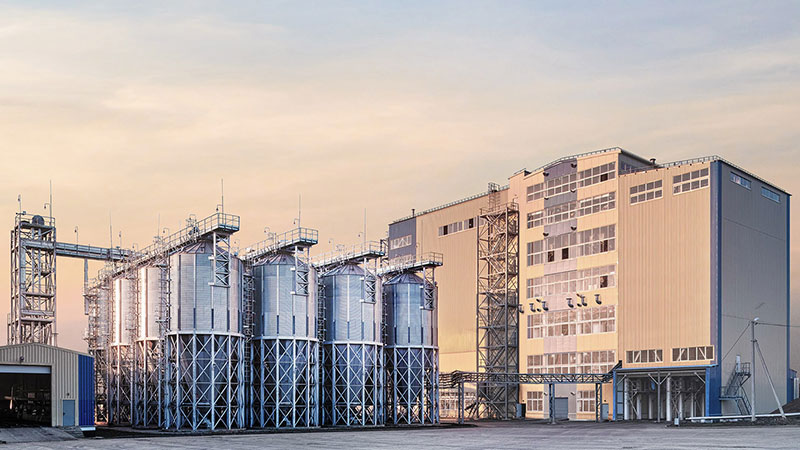
At RICHI, we go beyond project completion. With RICHI Servicee, we’re your dedicated partners in success. Count on us for expert guidance, minimal downtime, and optimized productivity. Choose RICHI for unmatched service and support.
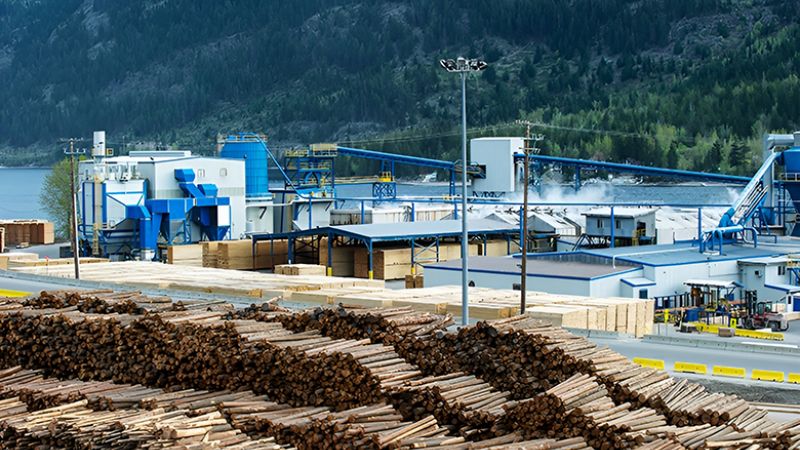


Meet global product demands and quality standards with industry-leading pellet plant design, engineering, equipment, and construction services for pellet processors.


Your Partner Beyond Project Completion
2000+ cases
RICHI is the leading designer, manufacturer and builder of pellet plants in the world, completing over 2000 projects in 140 countries across 6 continents.
Read More
Increase plant productivity, profitability, and safety by integrating high quality equipment into your pellet production line. Over the years, RICHI has become China's top pellet equipment manufacturer. At the same time, RICHI has established valuable partnerships with the world's leading component and raw material manufacturers to bring you the best there is in technology, automation, and efficiency in pelleting plant machinery.

For nearly 30 years, RICHI has been providing best-in-class pellet plant equipment and services to clients across a variety of industries, sizes, and needs. We pride ourselves on the knowledge and skill that each team member possesses – from our technical sales team to our process design engineers. You can count on RICHI Machinery to take your operation to the next level of innovation, quality, and success.
Need help with your pellet manufacturing plant project? Contact us today.
ANIMAL FEED
BIOMASS
WOOD
ORGANIC FERTILIZER
AQUA FEED
CAT LITTER
MUNICIPAL WASTE RECYCLING
SPECIAL PELLET PRODUCTION
RICHI Machinery continues to deliver world class pellet mill equipment, pellet plant engineering and project solutions that add value to our customers in the animal feed, wood waste, agriculture waste, organic fertilizer, cat litter and special pellet products industries. Throughout the years, we RICHI Machinery have built strong brand, becoming industry-leading pellet machine manufacturer. We value integrity, promise quality, and prioritize your success.
Learn MoreWith our expert team, we precisely implement your process engineering requirements in pellet mill and pelletizing plant systems. No matter which industry you’re in – we understand your needs and deliver solutions that meet the highest standards.
At RICHI, quality comes first. Our pellet making machine and related pellet line equipment undergo rigorous quality controls to ensure they meet the highest standards. Rely on products that are durable, safe, and efficient.
With decades of experience in pellet machine and pellet production line production, we have earned a reputation as a trusted partner in various industries. Our expertise allows us to cover a wide range of applications.
Not only do we offer premium pelleting equipment, but we are also experts at designing, building, installing, and maintaining facilities from the ground up. Our expertise is within pellt plant process design, discovering the most efficient, productive, and profitable way to handle your materials in an end-to-end cycle.
○ RICHI MACHINERY
Keeping in touch with us is an effective way to solve all your problems. If you have any needs or questions, please leave your contact information, then RICHI technical consultants will send design, quotation, videos to your mailbox. You can also contact us directly via WhatsApp: +86 13838389622
Copyright©2015-2026 by HENAN RICHI MACHINERY CO., LTD. All rights reserved.