
RICHI supplied a 1–1.5 T/H SFSP66×60 Fescue Hay Hammer Mill in Belgium to grind 20–50 mm prepared tall fescue into 5–10 mm cattle ration material.
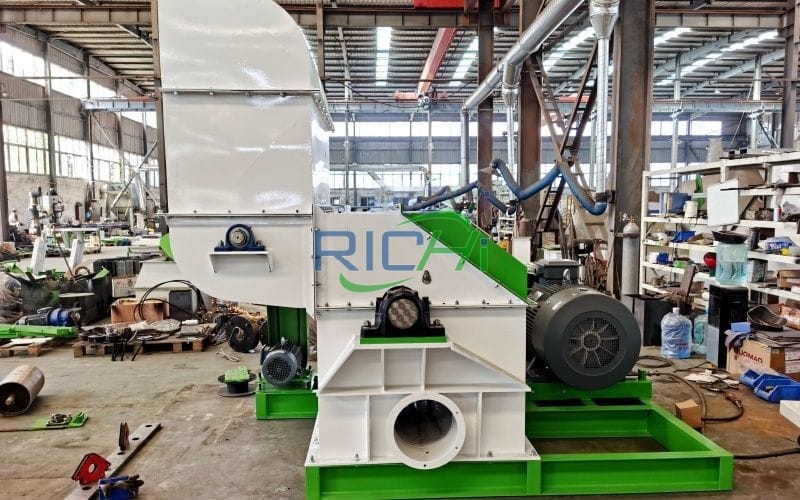
A beef cattle operation in the Liège area selected one RICHI SFSP66×60 Fescue Hay Hammer Mill in Belgium to prepare dry tall fescue for an existing mixed-ration system. The farm finishes approximately 500 beef cattle annually and manages around 150 hectares of forage land, with tall fescue forming part of its conserved forage supply. The customer already had bale handling, feed mixing and concentrate preparation equipment, so the project required a dedicated forage-grinding machine rather than a complete cattle feed production line.
The SFSP66×60 uses a 55 kW main motor. Because dry hay has much lower bulk density and more fibrous structure than maize or other grain, the project working capacity is approximately 1–1.5 T/H rather than the 5–6 T/H reference associated with easier-to-grind feed ingredients. Fescue bales are first opened and the long material is reduced to approximately 20–50 mm before entering the hammer mill. The customer then produces an approximately 5–10 mm ground forage fraction for incorporation into its beef finishing ration.
Name:
Fescue Hay Crusher
Country:
Belgiu
Date:
2026
Capacity:
1–1.5 T/H
Model:
SFSP66×60
Main Motor Power:
55 kW
Prepared Hay Size Before Grinding:
20–50 mm
Target Ground Forage Size:
5–10 mm
Tall fescue is a perennial forage grass with relatively coarse leaves and stems, particularly when harvested at a more mature stage. This makes it different from dense grain ingredients that can be metered directly into a conventional feed hammer mill. Long hay strands can bridge above the grinding chamber and create irregular loading if whole bales or long loose forage are pushed directly toward the rotor.
The farm therefore uses a bale breaker ahead of the SFSP66×60. Bales are opened, twine and foreign objects are removed, and the forage is reduced to approximately 20–50 mm. A controlled feeder then meters the prepared hay into the grinder. This two-stage size-reduction route gives the hammer mill a more uniform feed and prevents the 55 kW motor from repeatedly encountering large bundles of long fiber.
| Project Parameter | Specification |
|---|---|
| Equipment | Fescue hay hammer mill |
| Model | SFSP66×60 |
| Main Motor | 55 kW |
| Rotor Diameter | 660 mm |
| Grinding Chamber Width | 600 mm |
| Rotor Speed | Approximately 2,980 rpm |
| Hammer Tip Speed | Approximately 103 m/s |
| Project Hay Capacity | Approximately 1–1.5 T/H |
| Prepared Hay Size Before Grinding | Approximately 20–50 mm |
| Target Ground Forage Size | Approximately 5–10 mm |
| Typical Hay Moisture | Approximately 10–15% |
| Project Annual Grinding Volume | Approximately 500–700 tonnes |
| Main Application | Ground fescue component for beef cattle mixed ration |
The approximately 1–1.5 T/H project range reflects the physical behavior of dry fescue rather than the maximum grain-grinding capability of the SFSP66×60 crusher machine. Practical throughput depends on bale density, stem maturity, moisture, screen selection and feeder stability. More mature forage with coarse stems generally creates a greater grinding load than softer, earlier-cut material.
Tall fescue is a recognized forage grass in Belgium. It is suited to mowing and can be conserved as hay or silage, while its tolerance of both relatively wet and dry conditions makes it useful in European forage systems. For the Liège project, the customer uses forage-type tall fescue rather than assuming that every permanent pasture in Wallonia consists primarily of this species.
The harvested forage is dried and stored before grinding. Moisture is normally maintained around 10–15% for stable storage and hammer-mill operation. Wetter hay is more difficult to fracture and can reduce screen throughput, while excessively dry material can generate more fines and dust. Operators therefore check representative bales rather than relying on one fixed moisture value for an entire season.
The principal engineering change across the hammer mill is clearly defined. Bale-opened fescue reaches the machine at approximately 20–50 mm. After impact grinding and passage through the selected screen, the target ground fraction is approximately 5–10 mm.
The customer has multiple screen options available so the forage particle distribution can be adjusted during commissioning. A smaller screen opening generally produces finer material but also reduces practical throughput and increases the proportion of fines. A coarser screen improves capacity but may leave more long stem fragments.
For this reason, RICHI does not describe one 8 mm screen as universally optimal for all beef cattle. The appropriate screen is selected around the actual hay structure and the farm's ration design. Screen aperture is also not identical to final particle size; the hammer mill produces a distribution of particles rather than uniform cylinders of one diameter.
The farm combines the processed fescue with other ingredients in its existing mixer machine. The hammer mill's role is to improve physical size consistency and make the hay easier to meter and distribute through a mixed ration. It does not determine the nutritional balance of the finished cattle diet.
Grinding forage too finely can reduce the physically effective fiber available to cattle, so the farm does not automatically convert every roughage ingredient into fine meal. The 5–10 mm fescue fraction is used as one component of the ration, while the nutrition program determines whether longer forage or other roughage sources are also required.
The machine therefore should not be credited directly with improved digestibility, faster weight gain or reduced feed conversion ratio. Those results depend on forage quality, ration formulation, dry-matter intake, animal health and overall management.
Dry fescue generates fibrous dust and fine particles during hammer milling, particularly when smaller screen openings are used. The project therefore combines the grinder with aspiration and dust collection. A cyclone can separate the main product from the conveying air, while an appropriate filtration system handles finer suspended dust.
Foreign material is another practical concern with baled forage. Pieces of baling wire or other ferrous contaminants can damage the grinding chamber, so the customer removes twine during bale opening and installs magnetic protection before the hammer mill.
Hammer and screen wear is monitored according to actual processed tonnage and forage cleanliness. No fixed 450-hour hammer life or permanent screen-life claim is used because wear conditions vary significantly between farms.
The farm plans to grind approximately 500–700 tonnes of fescue hay per year rather than operating the hammer mill continuously. At 1–1.5 T/H, this represents roughly 330–700 effective grinding hours annually depending on the real average throughput.
This allows the farm to process hay in scheduled batches and build intermediate stocks of prepared forage ahead of feeding. The machine therefore has enough hourly capacity for a 500-head annual finishing operation without requiring unrealistic daily operation throughout the year.
If future forage processing increases substantially, the farm would need to review bale breaking, feeding, aspiration, storage and mixer capacity together rather than selecting a larger hammer mill in isolation.
The SFSP66×60 Fescue Hay Hammer Mill in Belgium is prepared for export from Qingdao, China, with Port of Antwerp-Bruges used as the Belgian container gateway before inland delivery to the Liège area. Antwerp-Bruges remains one of Europe's major container and general-cargo hubs, making it a practical entry point for imported industrial equipment.
Before shipment, RICHI reviews the customer's bale breaker discharge, feeder dimensions, grinder foundation, electrical load, aspiration system, cyclone or filter connection and discharge arrangement. Because the hammer mill is being added to an existing cattle-feed system, these interfaces are more important than supplying equipment the farm already owns.
This Fescue Hay Hammer Mill in Belgium project uses one RICHI SFSP66×60 with a 55 kW main motor to prepare dry tall fescue for a beef cattle feeding operation near Liège. Baled hay is opened and reduced to approximately 20–50 mm before entering the hammer mill, then ground to an approximately 5–10 mm forage fraction at a project working capacity of around 1–1.5 T/H.
For another cattle farm or forage processor, RICHI Machinery needs the hay species, bale dimensions, moisture, stem condition, pre-cut size, required final particle range, annual forage volume, T/H target and existing bale-handling and dust-control equipment. These parameters determine the correct screen and grinder configuration more reliably than choosing a hammer mill only from motor power.
Having the right mix of reliable, high-quality pellet machine and pelletizing systems and expert support is essential to your success. Watch how our end-to-end feed pellet plant solutions have helped our customers optimize their performance.
Our customized and future-proofed turnkey pellet plant solutions is designed with you at the core. From vision to reality and beyond, our team stays connected with yours. Giving you peace-of-mind with an expert at your side.
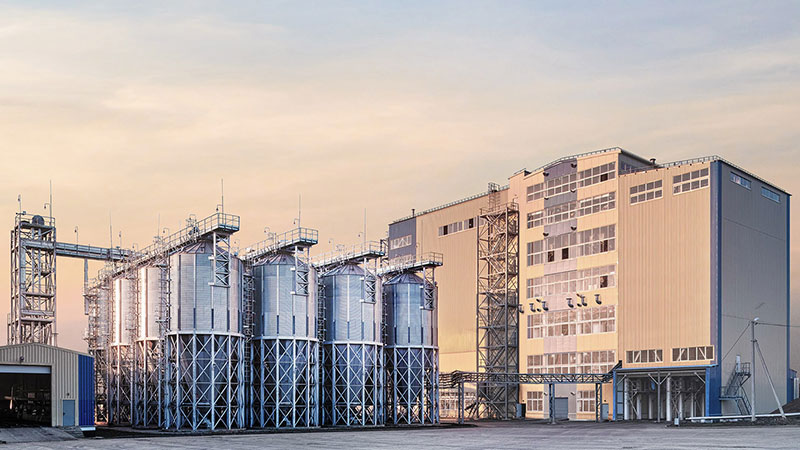
At RICHI, we go beyond project completion. With RICHI Servicee, we’re your dedicated partners in success. Count on us for expert guidance, minimal downtime, and optimized productivity. Choose RICHI for unmatched service and support.
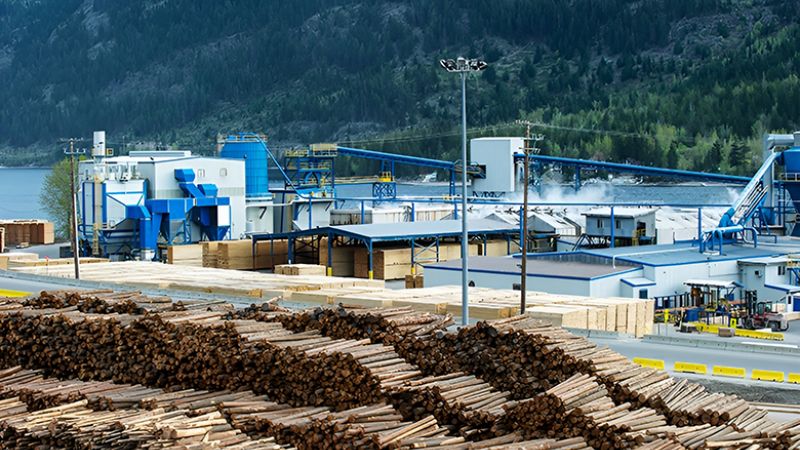


Meet global product demands and quality standards with industry-leading pellet plant design, engineering, equipment, and construction services for pellet processors.


Your Partner Beyond Project Completion
2000+ cases
RICHI is the leading designer, manufacturer and builder of pellet plants in the world, completing over 2000 projects in 140 countries across 6 continents.
Read More
Increase plant productivity, profitability, and safety by integrating high quality equipment into your pellet production line. Over the years, RICHI has become China's top pellet equipment manufacturer. At the same time, RICHI has established valuable partnerships with the world's leading component and raw material manufacturers to bring you the best there is in technology, automation, and efficiency in pelleting plant machinery.

For nearly 30 years, RICHI has been providing best-in-class pellet plant equipment and services to clients across a variety of industries, sizes, and needs. We pride ourselves on the knowledge and skill that each team member possesses – from our technical sales team to our process design engineers. You can count on RICHI Machinery to take your operation to the next level of innovation, quality, and success.
Need help with your pellet manufacturing plant project? Contact us today.
ANIMAL FEED
BIOMASS
WOOD
ORGANIC FERTILIZER
AQUA FEED
CAT LITTER
MUNICIPAL WASTE RECYCLING
SPECIAL PELLET PRODUCTION
RICHI Machinery continues to deliver world class pellet mill equipment, pellet plant engineering and project solutions that add value to our customers in the animal feed, wood waste, agriculture waste, organic fertilizer, cat litter and special pellet products industries. Throughout the years, we RICHI Machinery have built strong brand, becoming industry-leading pellet machine manufacturer. We value integrity, promise quality, and prioritize your success.
Learn MoreWith our expert team, we precisely implement your process engineering requirements in pellet mill and pelletizing plant systems. No matter which industry you’re in – we understand your needs and deliver solutions that meet the highest standards.
At RICHI, quality comes first. Our pellet making machine and related pellet line equipment undergo rigorous quality controls to ensure they meet the highest standards. Rely on products that are durable, safe, and efficient.
With decades of experience in pellet machine and pellet production line production, we have earned a reputation as a trusted partner in various industries. Our expertise allows us to cover a wide range of applications.
Not only do we offer premium pelleting equipment, but we are also experts at designing, building, installing, and maintaining facilities from the ground up. Our expertise is within pellt plant process design, discovering the most efficient, productive, and profitable way to handle your materials in an end-to-end cycle.
○ RICHI MACHINERY
Keeping in touch with us is an effective way to solve all your problems. If you have any needs or questions, please leave your contact information, then RICHI technical consultants will send design, quotation, videos to your mailbox. You can also contact us directly via WhatsApp: +86 13838389622
Copyright©2015-2026 by HENAN RICHI MACHINERY CO., LTD. All rights reserved.