
The decisive constraint in this Philippine project was not mixing capacity. It was floor space. A semi-commercial pig farm in Cavite already had a small feed-preparation room beside its ingredient store, but expanding the building would have interfered with vehicle access and required additional construction. The owner therefore wanted to improve feed uniformity without turning a relatively simple on-farm feed system into a new feed mill.
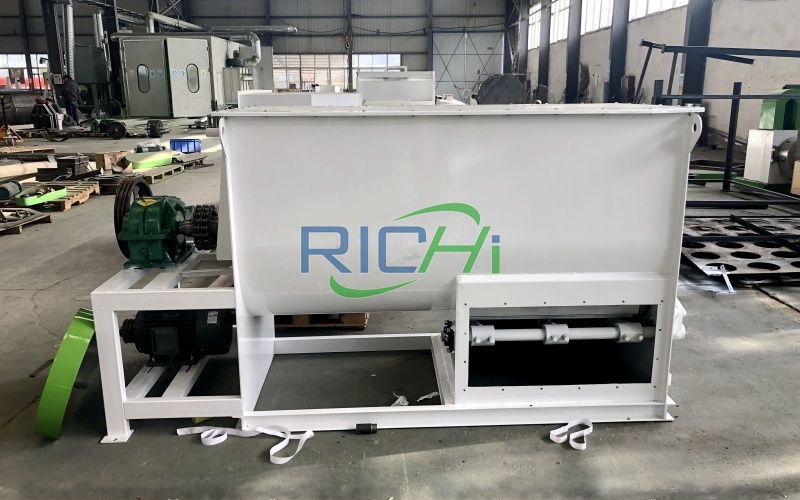
The decisive constraint in this Philippine project was not mixing capacity. It was floor space. A semi-commercial pig farm in Cavite already had a small feed-preparation room beside its ingredient store, but expanding the building would have interfered with vehicle access and required additional construction. The owner therefore wanted to improve feed uniformity without turning a relatively simple on-farm feed system into a new feed mill.
RICHI supplied one SLHY0.5A feed mixer machine with compact structure design in the Philippines for this retrofit. The mixer was installed after the farm’s existing maize grinding and ingredient-weighing section and is used to prepare approximately 250 kg batches of grower, finisher and sow concentrate.
The project was deliberately kept simple: one mixer, manual discharge, straightforward controls, and enough working clearance for loading, cleaning and maintenance inside the existing feed room.
Name:
Pig Feed Mixer Machine
Country:
the Philippines
Date:
2025
Capacity:
250 kg
Model:
SLHY0.5A
Main Motor Power:
4 kW
Mixing Type:
Horizontal ribbon mixing
Application:
pig feed concentrate mixing
The customer operates a semi-commercial swine farm in Cavite. Its herd is large enough that shovel mixing was no longer practical, but still too small to justify a multi-tonne automated feed plant.
This distinction is important in the Philippines. Under the Philippine Statistics Authority’s current farm definitions, swine operations with 11–50 sows are classified as semi-commercial, while farms with 51 or more sows fall into the commercial category. A compact 250 kg batch mixer therefore fits much more naturally into a farm in the semi-commercial range than into a 120-sow commercial operation.
The customer had expanded gradually rather than building all facilities at once. Feed storage, pig housing and equipment had been added around an existing layout, leaving no suitable area for a long horizontal mixer with complicated pneumatic discharge equipment.
When the herd was smaller, workers prepared feed by weighing ingredients and blending them manually on a concrete mixing area.
That approach became increasingly difficult as daily feed volume grew.
The problem was not simply labour. Small quantities of vitamin-mineral premix, salt, calcium sources and other micro-ingredients were much harder to distribute uniformly through several hundred kilograms of maize, soybean meal and rice bran by shovel.
Visible ingredients could appear mixed while nutrient distribution inside the batch was still inconsistent.
The owner therefore wanted mechanical mixing before spending money on additional pelletizing or automated feeding equipment.
The SLHY0.5A Ribbon Mixer Machine was selected because its batch scale was appropriate for on-farm production and because the installation could remain comparatively simple.
| Project Parameter | Configuration |
|---|---|
| Equipment | Compact animal feed mixer |
| Model | SLHY0.5A |
| Quantity | 1 unit |
| Batch Capacity | Approximately 250 kg |
| Main Motor | 4 kW |
| Mixing Type | Horizontal ribbon mixing |
| Discharge | Manual discharge configuration |
| Main Application | On-farm pig feed concentrate mixing |
The 250 kg batch size allows the farm to produce feed in several manageable batches rather than storing a large volume of finished feed for many days.
That matters in a warm, humid environment. Ingredients such as rice bran and mixed feed containing added fat can deteriorate more quickly when stored poorly, so producing smaller quantities more frequently can be preferable to mixing one very large batch and leaving it in storage.
The customer initially focused only on whether the mixer would physically fit into the available corner.
RICHI also reviewed the working area around it.
Operators still need room to weigh ingredients, load the mixer, open the discharge, collect finished feed, inspect bearings and transmission components, and clean residual material from the mixing chamber.
A machine that technically fits between two walls but leaves no maintenance access is not a practical compact installation.
The final position therefore preserved service clearance while keeping the mixer close to the ingredient weighing point and finished-feed collection area.
The farm did not already have a compressed-air network.
Adding a compressor purely to operate the mixer discharge would have increased cost, electrical demand and maintenance for little benefit at this production scale.
The customer therefore selected a manual discharge arrangement.
For an operator making several 250 kg batches rather than dozens of tonnes per shift, the simpler mechanism was considered more appropriate than adding pneumatic automation for its own sake.
The 4 kW mixer motor was not automatically specified as a 220 V single-phase motor.
At this power level, commercial three-phase supply is the more practical arrangement where available, particularly for repeated daily starts and continuous agricultural operation.
The Cavite farm had access to suitable 60 Hz three-phase power at the feed room, so the motor and electrical controls were configured to match the site supply.
This check was completed before manufacturing. Motor power, voltage, frequency, starter arrangement and cable requirements were treated as installation parameters rather than assumptions based only on the country.
The core formulation is based on ingredients commonly available through Philippine feed suppliers.
Ground maize provides much of the energy. Soybean meal is used as a major protein source, while rice bran or other suitable milling by-products can be incorporated according to nutrient specification and price.
Depending on the animal stage and the nutritionist’s formulation, small quantities of oil, amino acids, calcium and phosphorus sources, salt, vitamin-mineral premix and other approved additives are included.
Fishmeal may be used in selected piglet or higher-specification formulations, but the farm does not put 10% fishmeal into every grower-finisher batch simply because fishmeal is available in the Philippines.
The formula is adjusted according to pig stage rather than kept as one permanent recipe.
Micro-ingredients require precision precisely because their inclusion rates are relatively small.
A vitamin-mineral premix is normally used according to the supplier’s formulation specification, not automatically at 5% of the complete feed.
The same applies to limestone, salt, phosphate sources and amino acids. Their inclusion must correspond to actual nutritional requirements.
The mixer therefore solves distribution, but it does not determine the formulation.
The customer continues to use a livestock nutritionist or an established feed formulation to set ingredient percentages.
Installing a better mixer exposed another weakness in the old process.
Previously, workers occasionally estimated minor ingredient quantities using scoops or partially filled bags.
Once the SLHY0.5A was installed, the farm introduced more disciplined batch weighing.
Major ingredients are weighed before loading, while low-inclusion ingredients are measured separately and pre-blended where necessary before entering the main batch.
This prevents a technically good mixer from being used to mix an incorrectly weighed formulation.
The farm does not simply dump every ingredient into the mixer in whatever order workers happen to carry the bags.
A portion of the major ground ingredient is loaded first, followed by protein ingredients and fibrous materials. Pre-weighed micro-ingredients are introduced in a way that gives them enough bulk material to disperse through rather than remaining concentrated in one small area of the mixer.
Where very low inclusion rates are involved, the micro-ingredients are first diluted with a portion of ground maize or another carrier.
This is particularly useful in a 250 kg batch because a few hundred grams of additive represent a very small fraction of the total mass.
The farm did not permanently set the mixer to five minutes because five minutes sounds convenient.
During commissioning, several batches were evaluated to determine when adequate uniformity had been achieved.
Running a ribbon mixer longer than necessary wastes electricity and reduces daily batch capacity. Stopping too early creates poor distribution.
The practical operating time was therefore established from the actual formulation, filling level and mixer performance.
The same procedure can be repeated if the farm later changes significantly to a formulation with more fibrous ingredients or added liquid.
The mixer size was selected around batch frequency, not the assumption that 500 kg of feed could supply a semi-commercial breeding and grow-finish operation for several days.
Sows, boars, replacement animals, nursery pigs and grower-finishers collectively consume a substantial amount of feed.
The customer therefore runs multiple 250 kg batches according to the number and production stage of pigs present.
This makes the machine appropriate as a daily on-farm mixer rather than an occasional appliance used once every few days.
The customer prepares different diets for breeding stock and growing pigs.
A gestating sow does not have the same nutritional requirement as a lactating sow, newly weaned piglet or finishing pig.
Production is scheduled in batches so that one formulation is completed before the next begins.
Where necessary, a simple sequencing or flushing procedure is used before changing to a diet containing materially different additives.
This is more realistic than using one grower-finisher formula for every pig on the farm.
The manual bottom discharge was selected for simplicity, but operators initially positioned collection containers too far from the outlet.
The working arrangement was changed so mixed feed could discharge into a mobile bin or collection container immediately below the mixer.
This reduced spillage and avoided carrying buckets back and forth across the ingredient area.
The change did not involve any new machinery, but it made the compact installation noticeably easier to operate.
Cavite’s climate means residual feed should not be allowed to accumulate inside equipment or around the floor.
Fine feed mixed with humidity can cake on surfaces and attract insects or rodents.
The operator therefore removes visible residual material after production and periodically inspects areas that are not reached by normal discharge.
The mixer is kept dry rather than washed casually with large quantities of water after every batch, which could introduce corrosion and moisture into subsequent feed.
At this scale, storing hundreds of kilograms of finished feed in domestic plastic buckets would be inefficient.
The customer instead uses covered feed bins or suitable bags for short-term storage and daily movement to the pig houses.
Production is scheduled so finished feed does not remain in the feed room unnecessarily long.
This reduces moisture uptake, pest exposure and excessive handling.
The customer noticed that batches became more visually uniform and that fine ingredients were no longer concentrated in obvious patches.
Workers also spent substantially less time turning feed manually on the floor.
The farm did not attribute a precise improvement in growth rate, feed conversion or days to market solely to the mixer.
Pig performance also depends on genetics, health status, environment, feed formulation, ingredient quality and management.
The measurable process improvement was much simpler: ingredients could now be blended mechanically in repeatable batches.
The project scale is consistent with the structure of the Philippine swine industry.
Philippine Statistics Authority data show that a large share of the national swine population continues to be raised in smallhold farms, while semi-commercial and commercial farms form the rest of the sector. As of June 30, 2025, the country had about 9.01 million swine, with approximately 71.6% in smallhold farms.
PSA classifies operations with 1–10 sows as smallhold, 11–50 sows as semi-commercial and 51 or more sows as commercial.
This creates a genuine market between hand mixing and industrial feed mills: farms large enough to benefit from mechanized feed preparation but too small to justify multi-tonne mixers.
Cavite gives the farm relatively convenient access to the Greater Manila market and commercial feed ingredients while still supporting intensive livestock operations outside the most densely developed urban areas.
The project did not depend on locally grown maize, soybean meal and fishmeal all coming from the immediate farm area.
Ingredients can be purchased through commercial feed-material suppliers and stored on site in quantities appropriate to the farm’s production schedule.
This is a more realistic sourcing model for a compact Cavite pig operation.
The SLHY0.5A was exported from Qingdao Port in China to the Manila-area port system and then delivered to Cavite by road.
RICHI provided machine dimensions, electrical requirements, installation information and recommended maintenance clearance before shipment.
That allowed the customer to confirm the equipment location, power connection and material-handling space before the mixer arrived.
Actual sea-transit and customs-clearance time depends on the selected vessel, service route and port conditions.
“We originally measured only the empty floor area and thought that was enough. After installation we realized we also needed space to weigh bags, load ingredients, open the discharge and clean around the mixer. The machine is compact, but the working area around it matters just as much.”
This influenced the farm’s future equipment planning.
Instead of filling every remaining square metre with machinery, the owner now reserves access for feed movement and maintenance before approving additional equipment.
If pig numbers increase, the farm will first compare daily feed demand with the number of SLHY0.5A batches required.
When batch frequency becomes inefficient, moving to a larger mixer may be justified.
However, the customer will also need to check ingredient weighing, grinding capacity, feed storage and internal transport.
Installing a 500 kg or larger mixer would provide little benefit if the hammer mill and weighing system could not prepare ingredients fast enough to keep it supplied.
This feed mixer machine with compact structure design in the Philippines project is designed for a semi-commercial pig operation that has outgrown manual mixing while still working inside an existing, space-constrained farm building.
The customer uses one SLHY0.5A with a 4 kW main motor and approximately 250 kg batch capacity. Its manual discharge keeps the installation simple, while the horizontal ribbon system provides repeatable mechanical blending of maize, soybean meal, rice bran and properly dosed micro-ingredients for different swine diets.
The compact structure is only one part of the solution. Reliable results also depend on accurate weighing, correct loading sequence, validated mixing time, appropriate filling level, dry ingredient storage, electrical compatibility and enough clearance around the machine for operators to work safely.
For another Philippine customer evaluating a feed mixer machine with compact structure design, RICHI Machinery would first review daily feed requirement, livestock numbers, diet types, number of batches, ingredient bulk density, micro-ingredient inclusion, existing grinder, available floor area, ceiling height, discharge method, electrical voltage and frequency, and how finished feed will be moved from the mixer to the livestock houses.
That calculation determines whether a 250 kg mixer is genuinely compact and efficient for the farm or simply too small for its actual daily feed demand.
Having the right mix of reliable, high-quality pellet machine and pelletizing systems and expert support is essential to your success. Watch how our end-to-end feed pellet plant solutions have helped our customers optimize their performance.
Our customized and future-proofed turnkey pellet plant solutions is designed with you at the core. From vision to reality and beyond, our team stays connected with yours. Giving you peace-of-mind with an expert at your side.
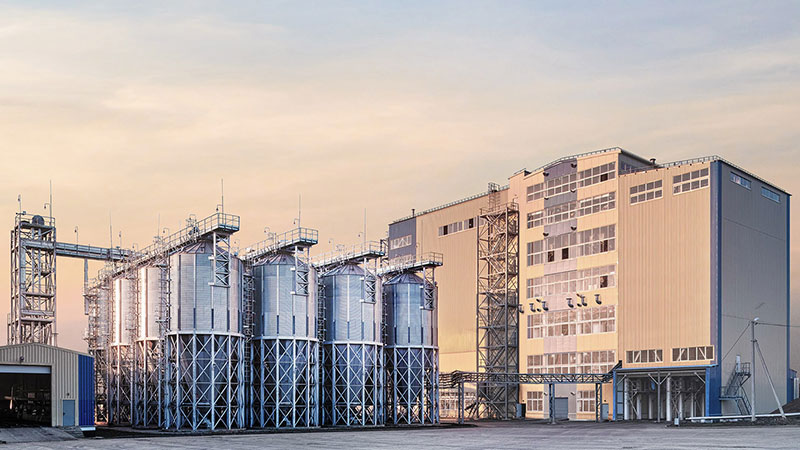
At RICHI, we go beyond project completion. With RICHI Servicee, we’re your dedicated partners in success. Count on us for expert guidance, minimal downtime, and optimized productivity. Choose RICHI for unmatched service and support.
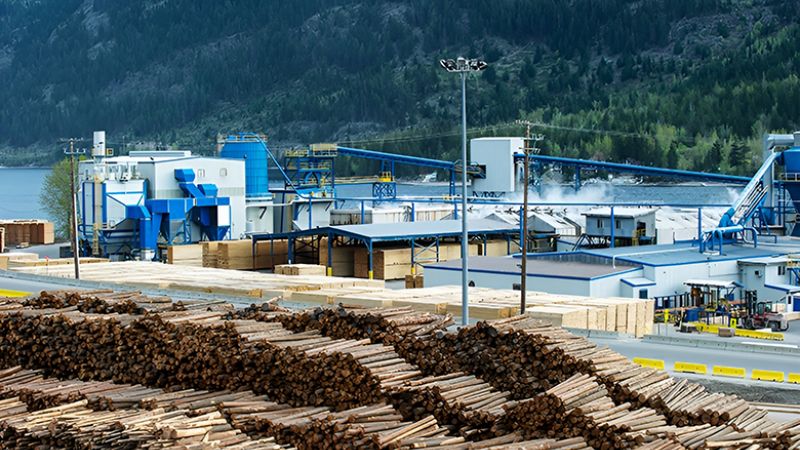


Meet global product demands and quality standards with industry-leading pellet plant design, engineering, equipment, and construction services for pellet processors.


Your Partner Beyond Project Completion
2000+ cases
RICHI is the leading designer, manufacturer and builder of pellet plants in the world, completing over 2000 projects in 140 countries across 6 continents.
Read More
Increase plant productivity, profitability, and safety by integrating high quality equipment into your pellet production line. Over the years, RICHI has become China's top pellet equipment manufacturer. At the same time, RICHI has established valuable partnerships with the world's leading component and raw material manufacturers to bring you the best there is in technology, automation, and efficiency in pelleting plant machinery.

For nearly 30 years, RICHI has been providing best-in-class pellet plant equipment and services to clients across a variety of industries, sizes, and needs. We pride ourselves on the knowledge and skill that each team member possesses – from our technical sales team to our process design engineers. You can count on RICHI Machinery to take your operation to the next level of innovation, quality, and success.
Need help with your pellet manufacturing plant project? Contact us today.
ANIMAL FEED
BIOMASS
WOOD
ORGANIC FERTILIZER
AQUA FEED
CAT LITTER
MUNICIPAL WASTE RECYCLING
SPECIAL PELLET PRODUCTION
RICHI Machinery continues to deliver world class pellet mill equipment, pellet plant engineering and project solutions that add value to our customers in the animal feed, wood waste, agriculture waste, organic fertilizer, cat litter and special pellet products industries. Throughout the years, we RICHI Machinery have built strong brand, becoming industry-leading pellet machine manufacturer. We value integrity, promise quality, and prioritize your success.
Learn MoreWith our expert team, we precisely implement your process engineering requirements in pellet mill and pelletizing plant systems. No matter which industry you’re in – we understand your needs and deliver solutions that meet the highest standards.
At RICHI, quality comes first. Our pellet making machine and related pellet line equipment undergo rigorous quality controls to ensure they meet the highest standards. Rely on products that are durable, safe, and efficient.
With decades of experience in pellet machine and pellet production line production, we have earned a reputation as a trusted partner in various industries. Our expertise allows us to cover a wide range of applications.
Not only do we offer premium pelleting equipment, but we are also experts at designing, building, installing, and maintaining facilities from the ground up. Our expertise is within pellt plant process design, discovering the most efficient, productive, and profitable way to handle your materials in an end-to-end cycle.
○ RICHI MACHINERY
Keeping in touch with us is an effective way to solve all your problems. If you have any needs or questions, please leave your contact information, then RICHI technical consultants will send design, quotation, videos to your mailbox. You can also contact us directly via WhatsApp: +86 13838389622
Copyright©2015-2026 by HENAN RICHI MACHINERY CO., LTD. All rights reserved.