
A feed mixer machine for improving feed digestibility in South Africa was the answer for a large beef feedlot in the North West Province, near the town of Klerksdorp. South Africa has a well-developed beef feedlot industry, with about 1.2 million head on feed at any given time.
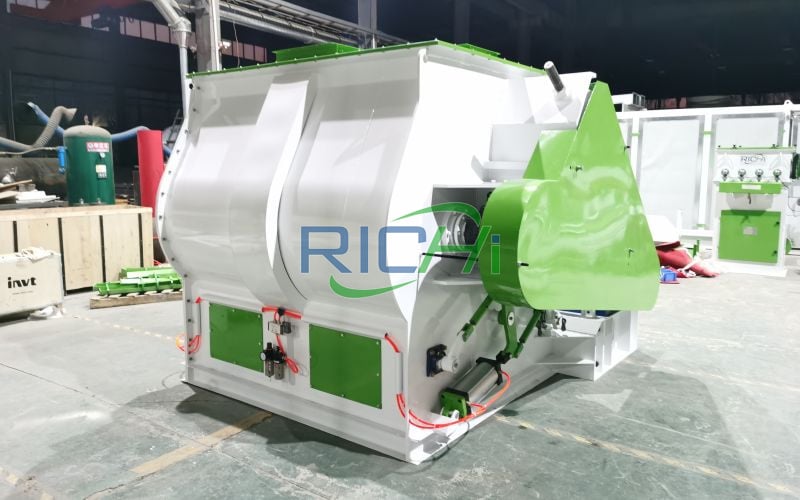
A feed mixer machine for improving feed digestibility in South Africa was the answer for a large beef feedlot in the North West Province, near the town of Klerksdorp. South Africa has a well-developed beef feedlot industry, with about 1.2 million head on feed at any given time.
The feedlot we worked with fattens approximately 8,000 head of crossbred cattle – Brahman, Angus, and Simmental crosses – on a grain-based finishing ration. However, the feedlot manager had been facing a persistent challenge: inconsistent mixing of their roughage and concentrate components was leading to poor feed digestibility, feed sorting by cattle, and variable weight gain across pens.
Some animals would receive a grain-heavy portion of the mix, leading to acidosis. Others would receive mostly roughage, slowing their growth. The nutritionist estimated that feed efficiency was 15% lower than it should be because of poor mixing uniformity.
Before contacting us, the feedlot used an older single-screw vertical mixer that could not adequately blend chopped buffalo grass hay (15mm length) with ground maize, protein meal, and liquid molasses. The vertical auger would leave pockets of unmixed hay in the corners of the tub, especially when the mixer was filled beyond 70% of its rated capacity.
The manager had been considering a European-made twin-shaft paddle mixer, but the price—over R1.2 million (approximately $65,000 USD)—was prohibitive. A consultant from the Agricultural Research Council suggested looking at RICHI as a more affordable alternative that still offered industrial-grade mixing performance.
Name:
feed mixer
Country:
South Africa
Date:
2025
Capacity:
1000 kg a batch
Model:
SLHSJ2.0A
Main Motor Power:
18.5kW
Mixing time:
3.5 minutes
Raw Material:
ground maize, chopped buffalo grass
The feedlot already had a hammer mill for grinding maize and a tub grinder for processing hay bales. What they lacked was a high-performance mixer capable of producing a uniform total mixed ration (TMR) where every mouthful had the same nutrient composition. They needed a machine that could handle light, fibrous hay particles and dense, heavy grain particles without separation, and that could incorporate 3% molasses without forming sticky clumps.
After analyzing samples of their diet components —ground maize (2.5mm particle size), chopped buffalo grass hay (15-20mm), cottonseed meal, and liquid molasses—we recommended the SLHSJ2.0A twin-shaft paddle mixer with an 18.5kW motor and a batch capacity of 1,000 kg. This model's dual opposing paddle shafts create a fluidized mixing zone that keeps even light hay particles suspended, preventing segregation. The feedlot purchased one unit as a standalone replacement for their old vertical mixer.
In a beef feedlot, feed digestibility starts with mixing. If the ration is not uniform, the rumen microbes cannot adapt to a consistent substrate. The feedlot nutritionist had conducted a particle size separation test on batches from their old mixer: the coefficient of variation (CV) was consistently above 15%, meaning that some animals were getting finishing rations while others were effectively getting maintenance rations. This variation also increased the risk of sub-acute ruminal acidosis (SARA) in cattle that received more grain than intended.
The SLHSJ series mixers achieve a CV of under 5% after three to four minutes of mixing time, which the nutritionist confirmed would be sufficient to stabilize rumen fermentation across the pen. The twin-shaft design also has a lower shaft speed (about 40 rpm) than competitor models, which reduces particle size degradation – important for maintaining the effective fiber length needed for rumen health.
The feedlot selected the SLHSJ2.0A from our SLHSJ series of twin-shaft paddle mixers. This model features chain drive (durable and easy to maintain in remote locations), carbon steel construction, and a batch capacity of 1,000 kg. The 18.5kW motor draws about 35 amps at 380V, which was within the capacity of their existing electrical supply. The mixer is equipped with a pneumatic drop-bottom discharge that opens in under five seconds, dumping the batch directly into a TMR feed wagon.
The mixing parameters that gave the best digestibility results were:
One critical adjustment was slowing down the addition of molasses. When they poured it too fast, the molasses would form sticky balls with the ground maize. By adding it through the spray nozzles over a 30-second period while the mixer was running, the molasses coated the particles evenly without clumping.
The feedlot produces a single finishing ration for all 8,000 head, but they adjust the feeding rate by pen based on average weight. The ration formula is:
The mixed feed is delivered to each pen by a TMR mixer wagon. The feedlot manager reported that the SLHSJ2.0A reduced batch-to-batch variation significantly. Before, samples taken from different parts of the old mixer showed crude protein differences of up to 3 percentage points.
After installing the twin-shaft mixer, the variation dropped to under 0.5 percentage points. This consistency allowed the nutritionist to lower the safety margin on protein inclusion, saving about R150,000 ($8,000 USD) per year in ingredient costs.
Average daily gain (ADG) across the feedlot increased from 1.4 kg per day to 1.62 kg per day – a 16% improvement – which the manager attributes primarily to more consistent energy intake. The incidence of SARA (diagnosed by fecal consistency scoring) dropped by 70% in the first six months after the mixer was installed.
The feedlot manager evaluated three options before selecting RICHI:
Beyond price, the deciding factor was the pre-sale material testing. RICHI engineers replicated the feedlot's exact ration in Qingdao, measured the mixing uniformity coefficient (CV of 3.2% after 3.5 minutes), and sent them a video of the mixing process. Seeing their own ingredients (samples they had air-freighted) being mixed to a uniform consistency built the trust that no brochure could provide.
We spoke with the feedlot manager about 14 months after installation. Here is what he told us:
"This feed mixer machine for improving feed digestibility has done exactly what we hoped. Before, we had trouble with cattle sorting through the feed – they would eat the maize and leave the hay.
The twin-shaft action keeps everything suspended. The hay particles are coated with molasses, so the cattle cannot separate them from the grain. The pen riders say the bunks are consistently cleaner after feeding, which means less waste and better intake.
The only maintenance issue we have seen is wear on the paddle tips after about 2,500 batches, which is reasonable given that we mix abrasive cottonseed meal and hay. The spare paddle set we ordered with the machine still sits in storage – we have not needed it yet. The chain drive has required tensioning once, which our mechanic did in 20 minutes."
The feedlot has since ordered a second SLHSJ mixer – a smaller SLHSJ1.0A – for mixing custom mineral blends and medicated premixes. The manager says having a dedicated mixer for additives prevents cross-contamination and allows tighter control of micronutrient inclusion rates.
The twin-shaft paddle mixer is highly versatile beyond beef feedlots. In Southern Africa, similar mixers are used for:
The feedlot manager also noted that they have used the mixer to blend salt licks (mixing salt with trace minerals) for their backgrounding cattle. The high shear action of the paddles breaks down any clumps in the salt, producing a free-flowing product.
The SLHSJ2.0A mixer machine was shipped from Qingdao to the Port of Durban – about 28 days at sea. Durban is South Africa's busiest container port and the primary gateway for the North West Province. From Durban, the customer arranged truck transport to Klerksdorp, approximately 600 kilometers inland.
The total transit time was about 38 days. The mixer was shipped in a single 40-foot high-cube container, fully assembled except for the motor and the pneumatic discharge gate, which were packed separately. The customer's team installed the motor and connected the electrical controls in less than a day.
Before the feedlot placed their order, we offered:
The feedlot manager later told us that the operator training video was particularly useful because they hired new staff three months after installation, and the video allowed them to train the new employees without waiting for a RICHI engineer to return to the site.
The feedlot is now planning to purchase a larger SLHSJ4.0A with a 2,000 kg batch capacity to handle increased production volume. The new mixer will be used for a different ration – a backgrounding diet for newly arrived calves that contains a higher proportion of roughage and lower energy.
The farm intends to dedicate the existing SLHSJ2.0A to the finishing ration, avoiding flavor carryover between the two diets. The feedlot manager estimates that having dedicated mixers will eliminate the need for a clean-out batch between ration changes, saving about 30 minutes of downtime per day.
Across South Africa, a feed mixer machine for improving feed digestibility is no longer just for large commercial feedlots. Smaller feedlots and mixed farms are discovering that uniform mixing pays for itself in lower feed costs and faster weight gain.
RICHI Machinery supplies the full range of SLHSJ twin-shaft mixers as well as SLHJ single-shaft paddle mixers and SLHY ribbon mixers to livestock operations throughout Africa. For more information or to schedule a material test at our Qingdao facility, contact RICHI Machinery today.
Having the right mix of reliable, high-quality pellet machine and pelletizing systems and expert support is essential to your success. Watch how our end-to-end feed pellet plant solutions have helped our customers optimize their performance.
Our customized and future-proofed turnkey pellet plant solutions is designed with you at the core. From vision to reality and beyond, our team stays connected with yours. Giving you peace-of-mind with an expert at your side.
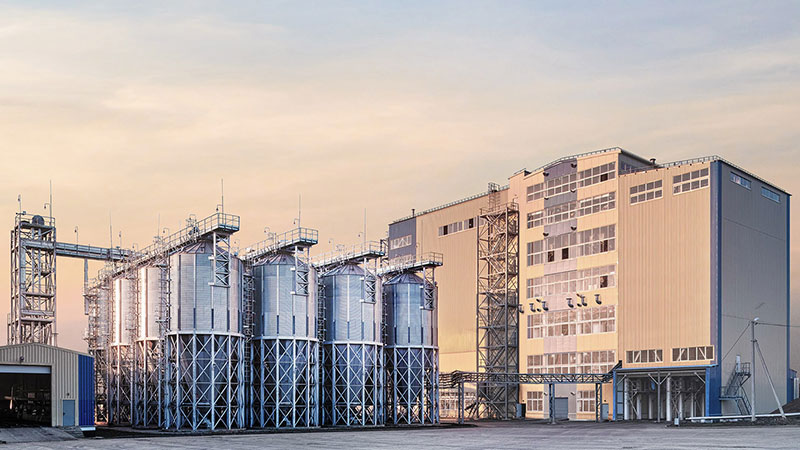
At RICHI, we go beyond project completion. With RICHI Servicee, we’re your dedicated partners in success. Count on us for expert guidance, minimal downtime, and optimized productivity. Choose RICHI for unmatched service and support.
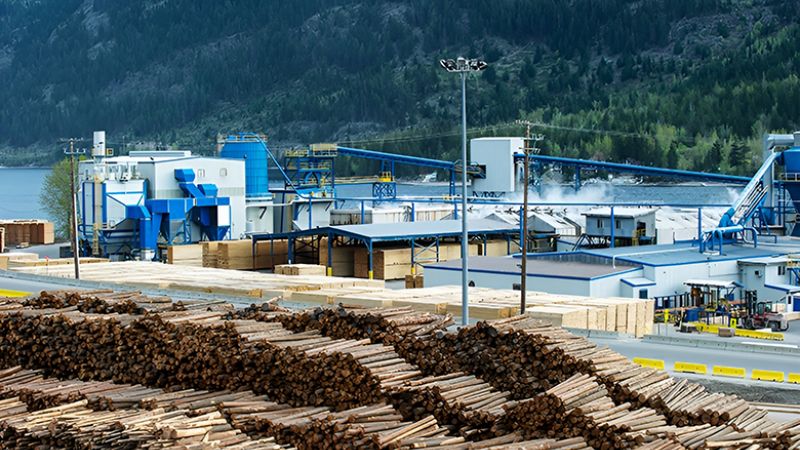


Meet global product demands and quality standards with industry-leading pellet plant design, engineering, equipment, and construction services for pellet processors.


Your Partner Beyond Project Completion
2000+ cases
RICHI is the leading designer, manufacturer and builder of pellet plants in the world, completing over 2000 projects in 140 countries across 6 continents.
Read More
Increase plant productivity, profitability, and safety by integrating high quality equipment into your pellet production line. Over the years, RICHI has become China's top pellet equipment manufacturer. At the same time, RICHI has established valuable partnerships with the world's leading component and raw material manufacturers to bring you the best there is in technology, automation, and efficiency in pelleting plant machinery.

For nearly 30 years, RICHI has been providing best-in-class pellet plant equipment and services to clients across a variety of industries, sizes, and needs. We pride ourselves on the knowledge and skill that each team member possesses – from our technical sales team to our process design engineers. You can count on RICHI Machinery to take your operation to the next level of innovation, quality, and success.
Need help with your pellet manufacturing plant project? Contact us today.
ANIMAL FEED
BIOMASS
WOOD
ORGANIC FERTILIZER
AQUA FEED
CAT LITTER
MUNICIPAL WASTE RECYCLING
SPECIAL PELLET PRODUCTION
RICHI Machinery continues to deliver world class pellet mill equipment, pellet plant engineering and project solutions that add value to our customers in the animal feed, wood waste, agriculture waste, organic fertilizer, cat litter and special pellet products industries. Throughout the years, we RICHI Machinery have built strong brand, becoming industry-leading pellet machine manufacturer. We value integrity, promise quality, and prioritize your success.
Learn MoreWith our expert team, we precisely implement your process engineering requirements in pellet mill and pelletizing plant systems. No matter which industry you’re in – we understand your needs and deliver solutions that meet the highest standards.
At RICHI, quality comes first. Our pellet making machine and related pellet line equipment undergo rigorous quality controls to ensure they meet the highest standards. Rely on products that are durable, safe, and efficient.
With decades of experience in pellet machine and pellet production line production, we have earned a reputation as a trusted partner in various industries. Our expertise allows us to cover a wide range of applications.
Not only do we offer premium pelleting equipment, but we are also experts at designing, building, installing, and maintaining facilities from the ground up. Our expertise is within pellt plant process design, discovering the most efficient, productive, and profitable way to handle your materials in an end-to-end cycle.
○ RICHI MACHINERY
Keeping in touch with us is an effective way to solve all your problems. If you have any needs or questions, please leave your contact information, then RICHI technical consultants will send design, quotation, videos to your mailbox. You can also contact us directly via WhatsApp: +86 13838389622
Copyright©2015-2026 by HENAN RICHI MACHINERY CO., LTD. All rights reserved.