
Compost pellet making machine in South Africa: FZLH520 with a 132 kW main drive for 4 mm cattle-manure pellets and defined preparation and dispatch duties.

At a cattle operation outside Bloemfontein, the commercial challenge extended beyond clearing manure from the yards. The owner wanted a compost product that could be weighed, transported and supplied to agricultural customers with a consistent specification. Pelleting became the link between manure management and that sales objective.
The compost pellet making machine in South Africa project uses one RICHI FZLH520 with a 132 kW main motor. Selected for prepared cattle-manure compost, the unit gives the ranch an industrial pressing stage within its wider treatment process. The working brief specifies 4 mm pellets and a 9 T/H design feed rate.
This organic fertilizer production project serves a business managing more than 3,000 dairy and beef cattle. Its equipment purchase focuses on pellet formation, with compost preparation and product finishing treated as separate duties that must keep pace with the press.
Name:
compost fertilizer machine
Country:
South Africa
Date:
2025
Capacity:
9 T/H
Model:
FZLH520
Main Power:
132KW
Raw Materials:
Cattle manure and straw
Pellet diameter:
4mm
The cattle business began in the 1980s and now has a second-generation owner, with a holding of more than 500 hectares in the Free State. Recoverable material from cattle yards and dairy facilities supplies the project. Collection records establish this usable quantity, alongside the wider nutrient cycle on the grazing land.
Dairy effluent brings water into the calculation. Where slurry is collected, separation produces a solid fraction for further treatment while leaving a liquid stream requiring its own management. The solid fraction still needs composting and moisture preparation before it meets the pellet press's feed specification.
Beef-yard collections require attention to soil and stones picked up during scraping. Excessive mineral contamination increases the mass handled without adding useful organic matter. Receiving inspection, suitable screening and careful collection help protect the preparation equipment and the eventual fertilizer specification.
Crop straw provides a third material stream when needed for compost structure. Its contribution depends on bedding already present, moisture and aeration. Persistent fibres are reduced after maturation so that the prepared feed can move through the hopper and form consistently in the selected die.
The dairy and beef fractions are recorded separately before blending. A wetter dairy collection can dominate fresh weight even when its dry-solids contribution is modest. Tracking both weight and moisture gives the owner a sounder production basis than assigning one permanent percentage to every incoming load.
For this manure pellet machine in South Africa, raw-material control is also a commercial decision. The organic matter, mineral fraction and nutrient content of each compost lot influence the product sold. Blending therefore follows measured material characteristics and the intended product declaration.
RICHI's supply centres on a single FZLH520 fertilizer granulator machine. The configuration combines the main pressing drive with arch-breaking and forced-feeding mechanisms. Prepared compost is supplied steadily to the ring-die working area, where rollers compact it through the forming holes.
| Selection detail | FZLH520 project specification |
|---|---|
| Pelleting machines supplied | One FZLH520 |
| Press drive rating | 132 kW |
| Arch-breaking feed drive | 3 kW |
| Forced-feed drive | 1.5 kW |
| Ring die internal diameter | 520 mm |
| Catalogue capacity reference | 9–12 T/H; dependent on material and configuration |
| Working design feed rate | 9 T/H of prepared compost |
| Proposed product dimensions | 4 mm diameter × approximately 8–14 mm length |
| Manufacturer's diameter options | 4–12 mm with corresponding ring dies |
| Sum of these three drive ratings | 136.5 kW; other connected loads additional |
The 9 T/H figure defines the design duty for this compost pellet making machine in South Africa. Performance acceptance requires a representative material trial with the proposed 4 mm die. Feed condition, motor loading, sustained operating time and accepted pellet quality belong in that assessment.
Fibre preparation becomes particularly important at the smaller diameter. A batch containing long straw fragments presents a different pressing duty from a finely prepared compost. Die geometry and feeding settings need to match the actual blend, with sufficient strength achieved for subsequent handling.
A large press can clear accumulated prepared compost during scheduled production runs. Its useful capacity depends on the quantity ready at the hopper and the downstream handling rate. The equipment timetable therefore follows mature stock availability and delivery commitments.
The motor schedule also sets the electrical boundary. The three listed drives total 136.5 kW before conveyors, dust extraction, finishing and packaging are added. Connection sizing and motor-starting arrangements require the complete load list and review by the site's electrical specialist.
During operation, feed adjustment should respond to the load and the condition of the pellets. Unusual current, noise or discharge behaviour warrants investigation. Consistent records help distinguish a change in compost preparation from wear or another mechanical issue needing maintenance.
The product-development brief uses a 4 mm ring die and an approximate length target of 8–14 mm. Four-millimetre dies are offered by South African pelleting-equipment manufacturers as well as within RICHI's range. Suitability for this cattle compost still depends on trial results and the receiving application equipment.
Diameter, length and fines are separate acceptance items. The cutter influences length, while cooling, screening and transport can change the distribution of broken pieces. A finished sample taken after these handling stages gives the customer useful evidence of what will arrive on the farm.
For agricultural customers buying larger quantities, bulk bags provide a delivery option to assess alongside bulk handling. Bag capacity, lifting arrangements and discharge behaviour require agreement with the receiving farm. Transport quotations then follow actual load weight and the packaging arrangement.
Irrigated growers need a solid-fertilizer application method matched to these pellets. Trials with the intended spreader or placement equipment check metering and distribution. The application programme also considers soil analysis, irrigation-water conditions and the nutrients already supplied through other inputs.
The retail brief retains 25 kg bags for smaller buyers and agricultural outlets. Each tonne of accepted product represents 40 such bags. Filling, closure, pallet handling and label control therefore form a separate packaging duty that needs capacity and labour appropriate to the sales mix.
Customers need more than uniform appearance. A product sheet should state the relevant nutrient and organic-matter results on their analytical basis, together with moisture and application guidance. Traceable lot identification connects those declarations to the compost actually used.
A compost pellet mill in South Africa earns its place when physical consistency supports that sales specification. Pelleting makes a prepared material easier to meter and package; the agricultural value continues to depend on the compost itself, its analysis and appropriate use.
Composting remains the biological treatment stage. Moisture, oxygen supply and temperature records guide management, followed by sufficient maturation and appropriate checks. The preparation area needs drainage and a controlled route for contaminated runoff, alongside separation of treated stock from incoming manure.
Mature compost is screened and reduced to the particle condition required for pressing. Moisture adjustment follows material testing. Where drying is necessary, its capacity is assessed from the incoming water load and target condition; already suitable material can proceed without an unnecessary drying pass.
Holding prepared material under cover gives the pelleting stage a steadier supply. The buffer is sized from the available stock and planned run duration. Its discharge arrangement must suit the compost's bulk density and flow characteristics, including its tendency to bridge.
A capacity-check example uses 54 tonnes of prepared feed at 15% moisture, containing 45.9 tonnes of dry solids. At 9 T/H, this represents six productive pressing hours. If subsequent finishing reduces moisture to 10%, the same solids give 51 tonnes before screening and handling losses.
Those reference conditions account for three tonnes of water removal. They are an engineering example, with actual moisture settings established through trials. Mature-stock availability and the weight accepted after finishing determine the saleable quantity for each production run.
Freshly pressed pellets need a cooling arrangement matched to the industrial flow. Screening then separates fines and unsuitable pieces, with controlled return where appropriate. Finished product is checked for its agreed storage condition before packaging and dispatch.
For the operator, the useful record follows the whole run: prepared feed consumed, accepted pellets, returned fines, electricity and productive time. This shows whether a restriction arises in preparation, pressing or finishing, and provides a credible basis for production costing.
Bloemfontein lies in South Africa's summer-rainfall interior. Covered prepared-stock and finished-product areas help protect the production schedule when rainfall changes incoming moisture. Dry weather also makes dust control important at transfer points and during material handling.
The workshop arrangement needs loader access without obstructing machine attendance or maintenance. Die and roller service requires suitable clearance and lifting provision. Composting, drying, machine operation and packaged storage each occupy their own part of the site layout.
Eight local recruits were trained for production duties including machine operation, packing and maintenance. Staffing at each station follows the handling arrangement and automation level. Moving compost and finished pellets at this scale requires suitable mechanical handling alongside the operators' work.
Training priorities include incoming-material checks, safe start-up, feeder adjustment, isolation for service and recognition of abnormal operation. Operators also need clear instructions for interruptions and restart, so accumulated material is handled in accordance with the machine's operating procedure.
The import-logistics assessment can use Qingdao as the origin and Durban as a destination port, followed by road delivery to the Free State. Crated dimensions, lifting points, unloading equipment and access to the ranch establish the handling requirements. Shipment documents determine the booked route and timing.
Maintenance planning starts with the supplied component list. The die and roller specification, service intervals and lubrication requirements need to be available to the local team. Agreed spare parts and remote technical support can then be included in the equipment contract.
The intended sale of a Group 2 fertilizer in South Africa requires registration with the Registrar under Act 36 of 1947. Government guidance calls for an accredited laboratory's certificate of analysis as part of the application. The actual product category and declaration follow its composition and claims.
For manure-derived compost pellets, the product file should address nutrient content, organic matter, moisture and relevant contaminant and hygiene requirements. Electrical conductivity and other suitable analyses inform agronomic advice. Product registration and eligibility for use in certified organic farming require their respective checks.
The ranch's commercial brief also identified Namibia and Botswana as potential markets. Cross-border sales need destination-specific assessment of the product, documentation and import conditions. The packaging specification and transport plan should follow the requirements agreed for each receiving market.
An organic fertilizer pellet machine in South Africa therefore needs two clear acceptance records: one for the equipment's pressing performance and one for the product released for sale. Laboratory evidence supports product declarations; the machinery trial establishes the performance of the selected configuration.
RICHI supplies the organic fertilizer pellet machine and configures its interfaces around the preparation and finishing duties. A useful proposal identifies the equipment supplied, required site work, electrical loads, trial conditions and commissioning responsibilities, allowing the owner to budget the complete installation.
For this cattle enterprise, the FZLH520 purchase connects recoverable manure resources with an assessed 4 mm product and an industrial dispatch plan. The owner can evaluate that investment through prepared-stock supply, accepted pellet quality and the cost of delivering a declared product to the grower.
Request a compost pellet making machine in South Africa proposal from RICHI MACHINERY using your mature compost sample, available prepared tonnage and preferred packaging format. Include a site drawing so the equipment selection, material trial and itemised supply scope address your actual operation.
Having the right mix of reliable, high-quality pellet machine and pelletizing systems and expert support is essential to your success. Watch how our end-to-end feed pellet plant solutions have helped our customers optimize their performance.
Our customized and future-proofed turnkey pellet plant solutions is designed with you at the core. From vision to reality and beyond, our team stays connected with yours. Giving you peace-of-mind with an expert at your side.
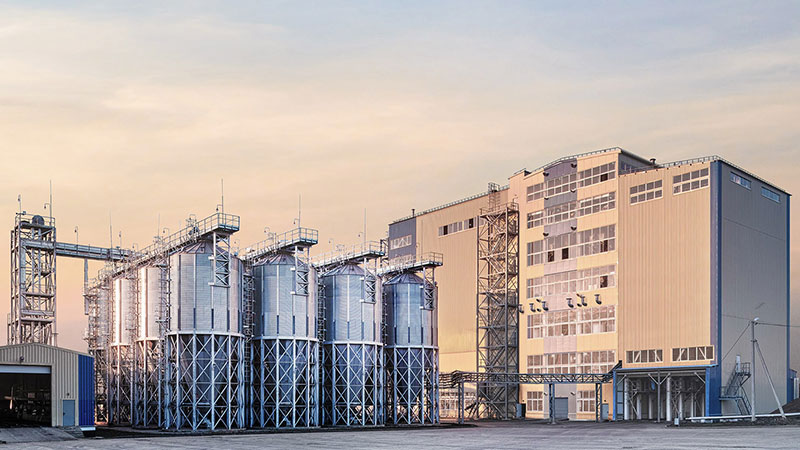
At RICHI, we go beyond project completion. With RICHI Servicee, we’re your dedicated partners in success. Count on us for expert guidance, minimal downtime, and optimized productivity. Choose RICHI for unmatched service and support.
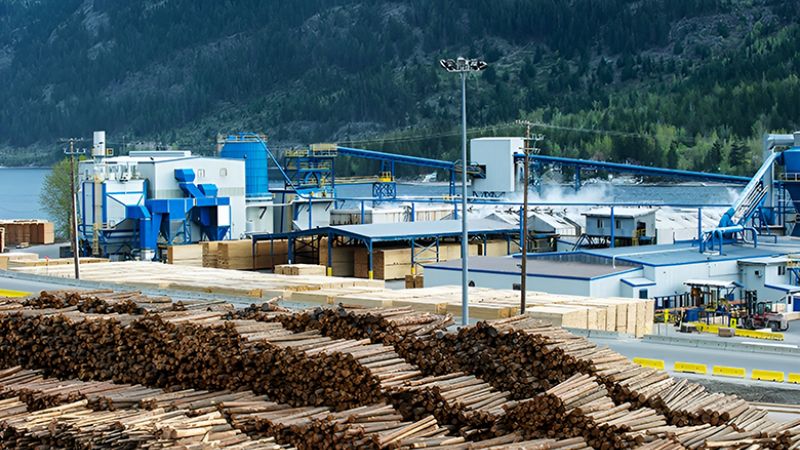


Meet global product demands and quality standards with industry-leading pellet plant design, engineering, equipment, and construction services for pellet processors.


Your Partner Beyond Project Completion
2000+ cases
RICHI is the leading designer, manufacturer and builder of pellet plants in the world, completing over 2000 projects in 140 countries across 6 continents.
Read More
Increase plant productivity, profitability, and safety by integrating high quality equipment into your pellet production line. Over the years, RICHI has become China's top pellet equipment manufacturer. At the same time, RICHI has established valuable partnerships with the world's leading component and raw material manufacturers to bring you the best there is in technology, automation, and efficiency in pelleting plant machinery.

For nearly 30 years, RICHI has been providing best-in-class pellet plant equipment and services to clients across a variety of industries, sizes, and needs. We pride ourselves on the knowledge and skill that each team member possesses – from our technical sales team to our process design engineers. You can count on RICHI Machinery to take your operation to the next level of innovation, quality, and success.
Need help with your pellet manufacturing plant project? Contact us today.
ANIMAL FEED
BIOMASS
WOOD
ORGANIC FERTILIZER
AQUA FEED
CAT LITTER
MUNICIPAL WASTE RECYCLING
SPECIAL PELLET PRODUCTION
RICHI Machinery continues to deliver world class pellet mill equipment, pellet plant engineering and project solutions that add value to our customers in the animal feed, wood waste, agriculture waste, organic fertilizer, cat litter and special pellet products industries. Throughout the years, we RICHI Machinery have built strong brand, becoming industry-leading pellet machine manufacturer. We value integrity, promise quality, and prioritize your success.
Learn MoreWith our expert team, we precisely implement your process engineering requirements in pellet mill and pelletizing plant systems. No matter which industry you’re in – we understand your needs and deliver solutions that meet the highest standards.
At RICHI, quality comes first. Our pellet making machine and related pellet line equipment undergo rigorous quality controls to ensure they meet the highest standards. Rely on products that are durable, safe, and efficient.
With decades of experience in pellet machine and pellet production line production, we have earned a reputation as a trusted partner in various industries. Our expertise allows us to cover a wide range of applications.
Not only do we offer premium pelleting equipment, but we are also experts at designing, building, installing, and maintaining facilities from the ground up. Our expertise is within pellt plant process design, discovering the most efficient, productive, and profitable way to handle your materials in an end-to-end cycle.
○ RICHI MACHINERY
Keeping in touch with us is an effective way to solve all your problems. If you have any needs or questions, please leave your contact information, then RICHI technical consultants will send design, quotation, videos to your mailbox. You can also contact us directly via WhatsApp: +86 13838389622
Copyright©2015-2026 by HENAN RICHI MACHINERY CO., LTD. All rights reserved.