
Compost granulating machine in the Netherlands: FZLH320 for 2 T/H batch duty, 6 mm manure-compost pellets and defined drying and finishing requirements.
For a family farm in Friesland, the first question was where each batch of fertilizer would go. The business combined about 85 hectares with more than 300 dairy sheep and 150 dairy cows. Some nutrients could return to its own land; material sold to other growers needed a clear specification and traceable records.
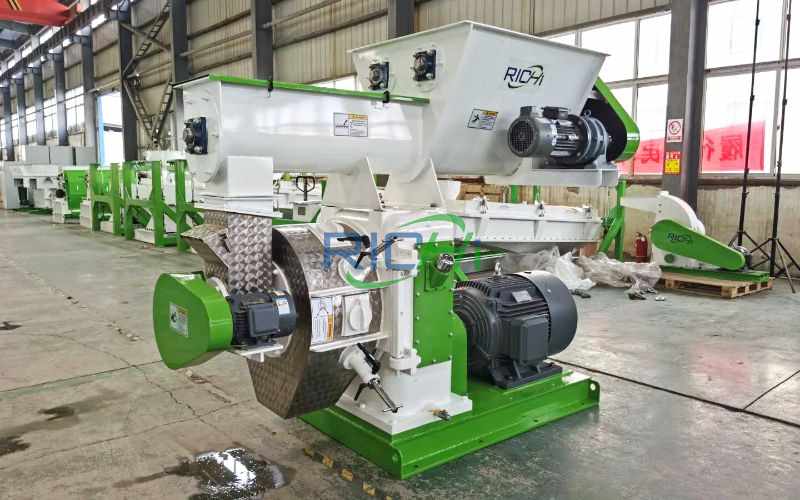
The third-generation farmer selected one RICHI FZLH320 for the pelleting stage. The compost granulating machine in the Netherlands project was specified around 2 tonnes per hour of prepared material, with production organised in campaigns alongside the farm's livestock and cropping work.
This organic fertilizer production project uses biologically treated manure solids and crop residues. The finished product specification calls for cylindrical pellets measuring 6 mm in diameter and approximately 10–15 mm long, intended for assessed soil-application uses.
Name:
compost fertilizer making machine
Country:
Netherlands
Date:
2024
Capacity:
2-3T/H
Model:
FZLH320
Main Power:
22KW
Raw Materials:
Manure and straw compost
Pellet diameter:
6mm
Sheep manure collected during housed periods can include straw bedding. Its moisture, bedding content and cleanliness vary between collections. Those differences influence compost preparation, the amount of drying required and the weight of material eventually available for the pellet press.
The cattle stream needs its own definition. Where dairy housing produces slurry, solid-liquid separation provides a solid fraction for further treatment. The liquid fraction remains a separate nutrient-management stream. The granulator's feed specification concerns the prepared solids that actually reach its hopper.
Wheat and rapeseed straw from the farm or identified neighbouring sources can contribute structure during compost preparation. Chopping helps distribute it through the manure. The amount is selected against moisture, aeration and the carbon balance of the starting mixture.
Each material is weighed on a defined basis. Fresh manure percentages are affected by water content, so they cannot be treated as equivalent to dry-matter proportions. The batch record needs to identify which basis was used and include bedding already present in the manure.
Wool remains a separately evaluated ingredient. Short fleece fractions require sorting and suitable fibre preparation, followed by assessment within the treatment process. Long, resilient strands can survive treatment and interfere with hopper flow or pressing, making their condition important at the final screening stage.
A wool-containing recipe also needs its animal-by-product handling and intended fertilizer route confirmed. Its inclusion is tied to material trials and product assessment. The routine production plan follows the manure-and-straw compost available for processing, without relying on a constant wool supply.
For a manure pellet machine in the Netherlands, this separation of material streams makes the quotation more useful. It identifies the feed the press must handle and the treatment duties upstream, allowing the owner to assess existing facilities and any additional preparation equipment.
A 6 mm diameter sits within the 5–6 mm range found in published Dutch commercial manure-pellet specifications. It is a sensible product-development choice for this project. The final application decision also depends on length, density, durability and the equipment used by the receiving grower.
The ring die establishes diameter, while cutter adjustment influences length. The project's 10–15 mm length target is checked after finishing, when broken pieces and fines can be measured. These are cylindrical pellets, with an appearance and handling behaviour that buyers can assess directly.
Spreader calibration uses the actual finished product. Pellet shape and bulk density affect discharge and distribution across the ground. A measured application trial helps establish working settings and whether the material suits the customer's intended spreader or placement method.
The initial sales specification can use 25 kg bags for local horticultural customers. Bag closure, moisture protection and handling trials belong in that assessment. Bulk delivery is a separate arrangement, with its own loading, weighing and transport-document requirements.
Nutrient analysis gives the pellet its agricultural meaning. The product sheet should identify nitrogen, phosphate, potash, organic matter and moisture on a stated analytical basis. Suitable hygiene and contaminant results support release, alongside the treatment history of the batch.
Wool contributes an organic nitrogen source, but nutrient availability develops through biological processes. The fertilizer programme needs to consider the actual compost, soil conditions and crop demand. A pellet's shape does not establish a fixed nutrient-release schedule.
The selected fertilizer granulator machine uses a ring die and rollers to compact the prepared material. Its feeding components move compost towards the pressing chamber, with the operating feed rate adjusted against motor load and pellet formation.
| Machine specification | Project selection |
|---|---|
| Press model | FZLH320; one unit |
| Main pelleting drive | 22 kW |
| Arch-breaking feed mechanism | 2.2 kW drive |
| Forced material feed | 0.75 kW drive |
| Internal ring die dimension | 320 mm |
| Published capacity reference | 2–3 T/H, dependent on feedstock and configuration |
| Planning throughput for this duty | 2 T/H of prepared material entering the press |
| Finished pellet target | 6 mm diameter × approximately 10–15 mm length |
| Listed drive ratings combined | 24.95 kW; supporting equipment additional |
The compost granulating machine in the Netherlands selection needs a trial using the farm's representative prepared material. A useful trial records moisture, fibre condition, feed weight, motor current, operating time and the weight accepted after finishing.
Those measurements distinguish the machine's reference capacity from the output of this particular mixture. Changes in bedding, grit or residual fibres can change pressing behaviour. Recipe identification on the trial record allows the owner to relate later production to the tested conditions.
Campaign production suits a farm that accumulates mature material between runs. A six-tonne prepared batch represents three productive pressing hours at the design feed rate. Preparation, finishing and packing require their own time allowance in the working schedule.
The staffing plan uses two part-time operators for the batch work. Feeding and machine attendance, finishing and bag handling are assigned clearly, with suitable mechanical assistance for moving material. Duties can be staged so the handling arrangement determines a realistic campaign schedule.
Composting requires controlled aeration, moisture and treatment management, followed by sufficient curing. Release checks establish whether the material is stable and suitable for the next stage. The process also needs to satisfy the applicable hygiene route for animal-derived material.
Preparation for pressing involves screening and appropriate size reduction of the matured solids. Stones, metal and persistent fibrous lumps need defined removal or reprocessing routes. A friable, consistently prepared feed gives the operator a more controllable pelleting duty.
Final drying is assessed as part of the finished-product specification. An 8–10% moisture target corresponds to 90–92% dry matter. The drying arrangement must deliver the required condition, followed by cooling and protection from moisture uptake before packaging.
A material-balance example shows the difference between pressing feed and finished weight. Six thousand kilograms of prepared feed at 16% moisture contains 5,040 kg of dry solids. At 10% final moisture, that becomes 5,600 kg of product, with 400 kg of water removed.
This calculation keeps dry solids constant and excludes screening rejects and handling losses. The 16% pressing-feed value is an engineering assumption for the example, with the operating setting established by material trials. The measured accepted weight governs the final number of bags.
NVWA identifies pellets with at least 90% dry matter from a recognised installation as one route within Dutch manure-processing rules. Hygienised manure has its own treatment and approval conditions. Meeting a moisture target therefore needs to sit within the correct recognised process and documented product route.
In this project, composting describes biological treatment of the feedstock. Dutch manure rules use a specific definition of compost that excludes animal manure. A manure-containing product needs the appropriate classification and records for its actual ingredients and processing route.
The family therefore needs a product file that follows the material through treatment, drying and dispatch. Relevant NVWA recognition, hygiene evidence and the final product status are part of that file. The granulator is one processing stage within those responsibilities.
For manure movements, the applicable Dutch transport, weighing, sampling and documentation requirements need identifying before delivery. Finished packaging carries the information required for its product category, together with a batch identity that links back to the production record.
The farm's own 85 hectares also remain part of a nutrient budget. Permitted application depends on the eligible land, crops, soil conditions and applicable nitrogen and phosphate limits. Drying changes the weight of water transported; the nutrients in the product still need accounting for.
For an organic fertilizer pellet machine in the Netherlands, the commercial benefit is a defined product that can be handled, analysed and supplied with supporting records. Organic-farming suitability and any certification are assessed separately, using the materials and production practices of the specific product.
The farm building layout needs space for prepared feed, the press and the finishing arrangement. Raw material and released product require separate, identifiable storage areas. Maintenance access and the route used to move bags or bulk containers should be considered before positioning the machine.
The FZLH320's listed drives total 24.95 kW. The electrical review adds conveyors, extraction, drying and finishing loads where included, together with starting and protection requirements. Site supply capacity is assessed against the complete equipment schedule.
Wear management starts with grit removal and consistent feed preparation. The die, roller surfaces, feed mechanisms and cutting arrangement need access for inspection. Spare-part identification and maintenance instructions should match the delivered machine and the mixture it is expected to process.
For transport planning, the equipment can be quoted from Qingdao Port to Rotterdam, followed by inland delivery to Friesland. Package weights, dimensions, lifting points and unloading responsibilities establish a usable freight scope. The agreed booking determines the actual routing and delivery schedule.
Assessing a compost pellet mill for sale in the Netherlands also means defining the supporting equipment. The single-machine purchase covers the specified press and feeders; treatment, drying, cooling, screening and packing duties need allocating within the project scope.
RICHI manufactures the organic fertilizer pellet machine and provides engineering input on its interfaces. The farm manages the feedstock and fertilizer release. An agreed test and acceptance record connect the machine selection with the product the business intends to supply.
To discuss a compost granulating machine in the Netherlands with RICHI MACHINERY, provide the manure-solid sources, bedding content, prepared-material analysis and tonnes available per campaign. Include the required 6 mm product specification, intended buyer and available drying arrangements so the recommendation addresses the complete pelleting duty.
Having the right mix of reliable, high-quality pellet machine and pelletizing systems and expert support is essential to your success. Watch how our end-to-end feed pellet plant solutions have helped our customers optimize their performance.
Our customized and future-proofed turnkey pellet plant solutions is designed with you at the core. From vision to reality and beyond, our team stays connected with yours. Giving you peace-of-mind with an expert at your side.
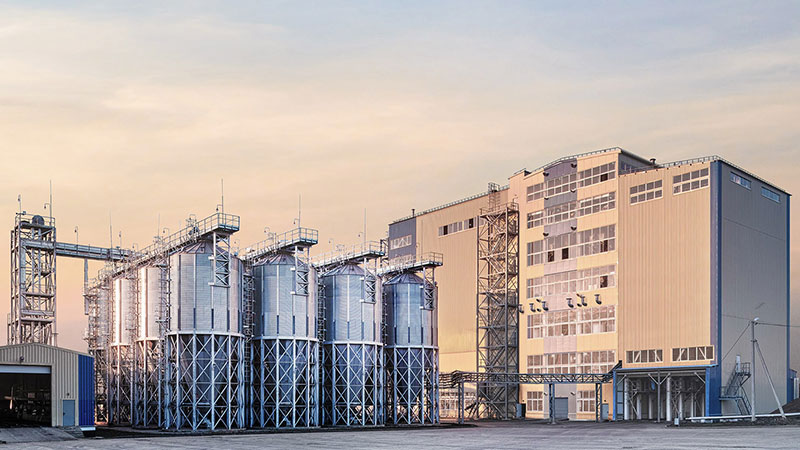
At RICHI, we go beyond project completion. With RICHI Servicee, we’re your dedicated partners in success. Count on us for expert guidance, minimal downtime, and optimized productivity. Choose RICHI for unmatched service and support.
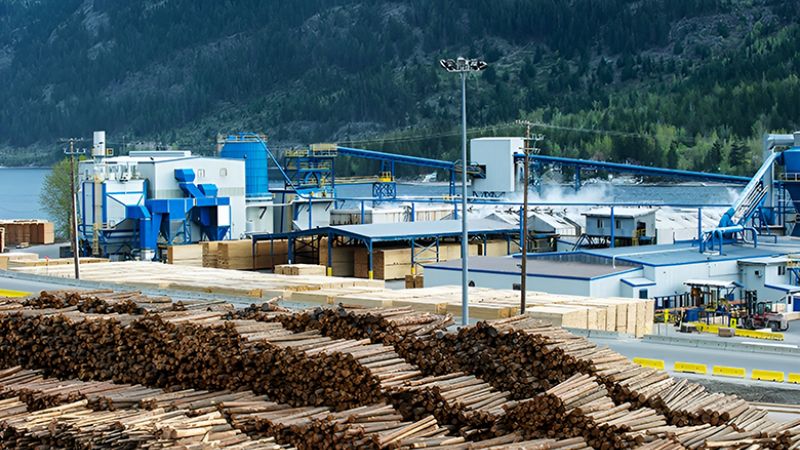


Meet global product demands and quality standards with industry-leading pellet plant design, engineering, equipment, and construction services for pellet processors.


Your Partner Beyond Project Completion
2000+ cases
RICHI is the leading designer, manufacturer and builder of pellet plants in the world, completing over 2000 projects in 140 countries across 6 continents.
Read More
Increase plant productivity, profitability, and safety by integrating high quality equipment into your pellet production line. Over the years, RICHI has become China's top pellet equipment manufacturer. At the same time, RICHI has established valuable partnerships with the world's leading component and raw material manufacturers to bring you the best there is in technology, automation, and efficiency in pelleting plant machinery.

For nearly 30 years, RICHI has been providing best-in-class pellet plant equipment and services to clients across a variety of industries, sizes, and needs. We pride ourselves on the knowledge and skill that each team member possesses – from our technical sales team to our process design engineers. You can count on RICHI Machinery to take your operation to the next level of innovation, quality, and success.
Need help with your pellet manufacturing plant project? Contact us today.
ANIMAL FEED
BIOMASS
WOOD
ORGANIC FERTILIZER
AQUA FEED
CAT LITTER
MUNICIPAL WASTE RECYCLING
SPECIAL PELLET PRODUCTION
RICHI Machinery continues to deliver world class pellet mill equipment, pellet plant engineering and project solutions that add value to our customers in the animal feed, wood waste, agriculture waste, organic fertilizer, cat litter and special pellet products industries. Throughout the years, we RICHI Machinery have built strong brand, becoming industry-leading pellet machine manufacturer. We value integrity, promise quality, and prioritize your success.
Learn MoreWith our expert team, we precisely implement your process engineering requirements in pellet mill and pelletizing plant systems. No matter which industry you’re in – we understand your needs and deliver solutions that meet the highest standards.
At RICHI, quality comes first. Our pellet making machine and related pellet line equipment undergo rigorous quality controls to ensure they meet the highest standards. Rely on products that are durable, safe, and efficient.
With decades of experience in pellet machine and pellet production line production, we have earned a reputation as a trusted partner in various industries. Our expertise allows us to cover a wide range of applications.
Not only do we offer premium pelleting equipment, but we are also experts at designing, building, installing, and maintaining facilities from the ground up. Our expertise is within pellt plant process design, discovering the most efficient, productive, and profitable way to handle your materials in an end-to-end cycle.
○ RICHI MACHINERY
Keeping in touch with us is an effective way to solve all your problems. If you have any needs or questions, please leave your contact information, then RICHI technical consultants will send design, quotation, videos to your mailbox. You can also contact us directly via WhatsApp: +86 13838389622
Copyright©2015-2026 by HENAN RICHI MACHINERY CO., LTD. All rights reserved.