
For this Norwegian fertilizer producer, the investment decision was not driven by a need to process raw poultry manure faster. The company already had access to stabilized poultry-manure material and basic preprocessing equipment, but the loose fertilizer was inconvenient to store, transport, meter, and sell through agricultural distribution channels. The missing step was a reliable pelletizing stage that could turn prepared organic material into a more standardized commercial product.
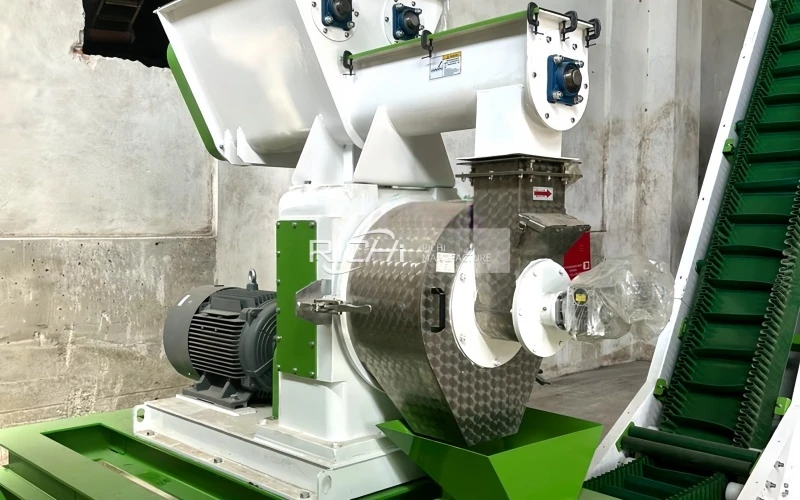
For this Norwegian fertilizer producer, the investment decision was not driven by a need to process raw poultry manure faster. The company already had access to stabilized poultry-manure material and basic preprocessing equipment, but the loose fertilizer was inconvenient to store, transport, meter, and sell through agricultural distribution channels. The missing step was a reliable pelletizing stage that could turn prepared organic material into a more standardized commercial product.
The customer therefore installed one FZLH350 chicken manure fertilizer pellet machine in Norway. The 37 kW ring-die machine was integrated with the producer’s existing composting, drying, crushing, mixing, cooling, and packing equipment rather than supplied as a complete new organic fertilizer production line. The project focuses exclusively on producing chicken-manure-based fertilizer pellets for horticultural and agricultural use, with the final pellet specification selected according to handling, spreading, and product-registration requirements.
Name:
fresh chicken manure pelletizer
Country:
Norway
Date:
2025
Capacity:
3–5 T/H
Model:
FZLH350
Main Motor Power:
37 kW
Raw Materials:
Fresh chicken manure, wood shavings
Pellet diameter:
2-5mm
The customer is a regional organic-fertilizer producer rather than a poultry farm with only 20,000 laying hens.
At the production level required to justify an FZLH350, manure from a single relatively small flock would not provide enough stable feedstock for regular commercial pelleting. The fertilizer producer instead receives poultry manure from several contracted egg and broiler operations and combines that supply with its own composting and material-preparation capacity.
This provides the plant with a more stable commercial raw-material supply.
The plant can maintain a sufficiently large inventory of stabilized material to operate the pelletizer in production campaigns, while individual poultry farms avoid having to invest in their own industrial fertilizer-processing equipment.
The FZLH350 fertilizer granulator machine does not receive fresh poultry manure directly.
Fresh chicken manure can contain high moisture, unstable organic matter, strong odor, pathogens, and inconsistent quantities of bedding. These characteristics make untreated material unsuitable for stable ring-die pelletizing and for direct commercialization as a standardized fertilizer product.
The customer first processes the manure through controlled stabilization and composting. Depending on the incoming material, this can include manure already mixed with bedding such as wood shavings or other plant-based litter.
After biological stabilization, the material is screened and crushed to remove oversized pieces and create a more uniform feedstock. Moisture is then reduced and adjusted before the mixture reaches the pelletizer.
For this project, the prepared fertilizer mixture is normally brought into approximately the low-to-mid teens in moisture before pelletizing, with the exact operating point adjusted according to fiber content, particle size, and pellet quality.
The fertilizer producer does not add large amounts of clean wood shavings and barley straw simply to make the pellets stronger.
Much of the poultry manure already contains bedding or other organic matter when it arrives. Adding another 50% fibrous material would dilute nutrient concentration substantially and could turn the product into a low-analysis soil conditioner rather than the fertilizer the customer intends to sell.
The actual blend is based on nutrient analysis, carbon content, moisture, pellet-forming behavior, and the target commercial specification.
Where extra structure is needed, limited amounts of dry plant-derived material can be incorporated. Possible additions include processed wood fiber, straw-derived material, or other permitted organic ingredients, but their percentage varies from batch to batch.
The principal ingredient remains processed poultry manure.
| Project Parameter | Configuration |
|---|---|
| Equipment | Chicken manure fertilizer pellet machine |
| Model | FZLH350 |
| Quantity | 1 unit |
| Main Motor Power | 37 kW |
| Anti-Bridging Feeder Power | 2.2 kW |
| Forced Feeder Power | 0.75 kW |
| Ring Die Inner Diameter | 350 mm |
| Available Pellet Diameter | 4–12 mm |
| Project Pellet Diameter | 2-5 mm |
| Application | Processed poultry-manure fertilizer pellets |
The customer selected 2-5 mm as the principal commercial range rather than fixing the product at exactly 5 mm. This gives the producer practical flexibility for different spreading, bagging, and market requirements without suggesting that one millimeter difference has a major agronomic effect.
The FZLH350 chicken manure pellet machine matched the production scale of this regional fertilizer operation without requiring a larger industrial model. The plant produces in campaigns based on prepared compost inventory rather than trying to operate at maximum capacity every day of the year.
Organic fertilizer does not behave like a uniform grain mash.
Even when two batches contain similar moisture, their bulk density and pelletizing performance can differ because of ash, bedding, fiber, compost maturity, and fine mineral content.
For that reason, the customer evaluates FZLH350 output from actual material trials rather than treating 3–5 T/H as an unconditional production guarantee.
The machine is suitable for commercial multi-ton-per-hour production under appropriate material conditions, but the plant's real operating rate is established from feed consistency, motor load, pellet strength, and the capacity of the surrounding drying, cooling, and packaging equipment.
Norwegian agriculture makes substantial use of animal manure and organic nutrient sources, while organic production places particular emphasis on nutrient recycling, soil fertility, and the use of permitted organic materials.
The finished pellets are targeted at agricultural and horticultural users that need a more concentrated and transportable organic fertilizer form than loose compost. Vegetable producers, fruit and berry growers, nurseries, and other crop enterprises can represent suitable customers depending on nutrient requirements and product approval.
The product is marketed according to its actual nutrient analysis rather than with generic claims such as “premium organic fertilizer” or “slow-release fertilizer.”
Norway regulates the production and sale of fertilizing products of organic origin. The regulatory framework covers product quality, labeling, internal control, marketing, and use, so the customer cannot rely only on pellet appearance when bringing the product to market.
This affects the project in several practical ways.
The fertilizer producer needs documented raw-material sources, controlled production, representative product analysis, and labeling that matches the material actually being sold.
Organic-origin fertilizers are defined in Norwegian guidance as products made from animal or plant materials, or mixtures of them, which fits a properly processed poultry-manure-based product.
The customer therefore treats pelletizing as one manufacturing step inside a regulated fertilizer-production process rather than as a shortcut that automatically makes manure marketable.
The customer supplies some growers interested in organic production, but the pellets are not automatically described as certified for every organic farm simply because they are made from chicken manure.
Norwegian organic-production rules contain specific restrictions on some manure sources. For example, poultry manure from cage systems and manure from poultry fed coccidiostats are not permitted for use in organic production.
This makes supplier documentation particularly important.
If the fertilizer is intended for certified organic agriculture, the processor needs to know how the poultry was managed and whether the raw material satisfies the applicable organic-production requirements.
This creates an additional quality-control requirement for fertilizer intended for organic-production markets.
The FZLH350 is not used as the plant's pathogen-control system.
Pellet formation generates heat through compression and friction, but that is not the same as a validated hygienization process for animal by-products.
The customer handles biological stabilization and any required hygienic treatment upstream according to the applicable rules for animal-origin fertilizer materials.
Norwegian guidance for animal-origin materials specifically refers to processed manure and hygienized organic materials when these are used in regulated fertilizer-related applications.
The role of the pelletizer begins after the material has been prepared to a suitable biological, physical, and moisture condition.
The largest operational advantage of the FZLH350 is physical rather than nutritional.
Loose compost has low bulk density, creates dust, and can be difficult to dose consistently into small bags or mechanical spreaders. Pelletizing produces a denser and more uniform product that flows more predictably through handling equipment.
That makes storage, bagging, palletizing, and delivery easier for the fertilizer producer.
Pellets also reduce the volume of fines that customers encounter compared with poorly screened loose material, provided that the product is cooled and screened properly after pelletization.
The nutrient content itself still comes from the formulation and raw material. The FZLH350 does not create nitrogen, phosphorus, or potassium during compression.
Fresh fertilizer pellets leave the die warm and should not be sent directly into sealed bags.
The customer therefore retains a cooling stage downstream of the FZLH350. This allows the pellets to stabilize before screening and packaging.
Screening removes broken material and loose fines. Suitable fines can be recycled to the pelleting section where the process permits.
This is particularly important in a Norwegian climate because warm pellets placed into cool storage can create condensation if temperature and moisture are not controlled properly.
The customer checks product condition before final packaging rather than assuming that pellets are storage-ready immediately after leaving the ring die.
The producer already owned most of the equipment required before and after pelletization.
Its composting and drying sections still had sufficient capacity. Crushing and mixing equipment could prepare material for the new pelletizer, and the customer already had space for cooling and packing.
The FZLH350 therefore addressed a specific missing process rather than triggering a complete factory replacement.
This also reduced installation complexity. RICHI focused on the pellet-mill foundation, feeder connection, material discharge, electrical load, maintenance access, and integration with the existing process.
Processed poultry manure can contain mineral material and fine abrasive particles. Bedding and external contamination also influence wear.
The customer therefore inspects ring-die and roller condition according to actual operation rather than replacing wear parts after a fixed tonnage.
Material cleanliness matters. Sand, stones, metal, and excessive ash increase both fertilizer impurity and equipment wear.
The feeding system is also checked regularly because fibrous compost mixtures can bridge in a hopper if particle size or moisture becomes inconsistent.
The anti-bridging and forced-feeding arrangement helps maintain stable material flow, but it does not eliminate the need for proper material preparation.
The FZLH350 organic fertilizer pellet machine was shipped by sea from Qingdao Port in China to the Port of Oslo.
Oslo is Norway's largest cargo port and a major national logistics hub, handling container traffic and a wide variety of industrial cargo. It serves as a gateway for machinery delivered to customers in southern or central Norway.
Before shipment, RICHI supplied machine dimensions, foundation requirements, electrical information, and installation documentation so the customer's existing fertilizer facility could be prepared in advance.
The project did not depend on a fixed ocean transit time because actual sailing schedules and feeder connections vary.
The commissioning team began with the customer's primary processed poultry-manure blend rather than testing the machine on an unrelated easy-to-pellet material.
Feed moisture was adjusted gradually while operators monitored main-motor load, pellet appearance, fines, and discharge stability.
They also tested how changes in fiber content affected feeding. Batches containing more bedding behaved differently from finer compost with lower structural fiber.
The final operating references were therefore developed around several recurring raw-material conditions rather than one permanent feeder setting.
“The biggest improvement is that we can now sell a much more consistent physical product. Before, the compost itself had value, but handling and packaging were difficult. With the FZLH350, once moisture and particle size are correct, we can produce pellets that move through cooling, screening, and packing much more predictably. The machine has also made it easier for us to separate fertilizer production from the manure-handling side of the business.”
The customer also found that raw-material documentation became more important as the fertilizer business developed. Different poultry-manure sources could no longer be treated as interchangeable when products were being sold to growers with specific regulatory or organic-production requirements.
An FZLH350 is unlikely to be justified by a small poultry farm processing only its own manure.
The machine is better suited to a regional fertilizer producer, poultry cooperative, manure-management company, or large integrated poultry business with access to a stable quantity of processed manure.
Before selecting the model, the useful figures are tonnes of fresh manure collected per day, compost or processed-manure output after moisture reduction, bedding content, target product analysis, operating hours, and the capacity of the existing drying and cooling sections.
The customer also needs to define the intended market. Fertilizer for conventional horticulture and fertilizer intended for certified organic production may require different raw-material documentation.
This chicken manure fertilizer pellet machine in Norway project adds pelletizing capacity to an existing regional fertilizer operation without requiring a completely new manure-processing factory.
The customer receives poultry manure from several farms, stabilizes and prepares the material, and uses one FZLH350 to convert the processed fertilizer mixture into 2-5 mm pellets. Cooling, screening, quality control, and labeling complete the product before commercial distribution.
For another Norwegian project, RICHI Machinery would first evaluate manure source, flock scale, bedding type, composting or hygienization method, moisture before pelleting, other formulation ingredients, desired pellet diameter, expected hourly output, and the existing equipment that will remain in use.
Regulatory destination also matters. If the product will be marketed to organic farms, the source of the poultry manure and compliance documentation need to be confirmed before the machine configuration is finalized.
The objective is not simply to compress chicken manure into pellets. It is to integrate the FZLH350 into a controlled fertilizer process that produces a legally marketable, physically consistent product from a raw material supply large enough to support commercial operation.
Having the right mix of reliable, high-quality pellet machine and pelletizing systems and expert support is essential to your success. Watch how our end-to-end feed pellet plant solutions have helped our customers optimize their performance.
Our customized and future-proofed turnkey pellet plant solutions is designed with you at the core. From vision to reality and beyond, our team stays connected with yours. Giving you peace-of-mind with an expert at your side.
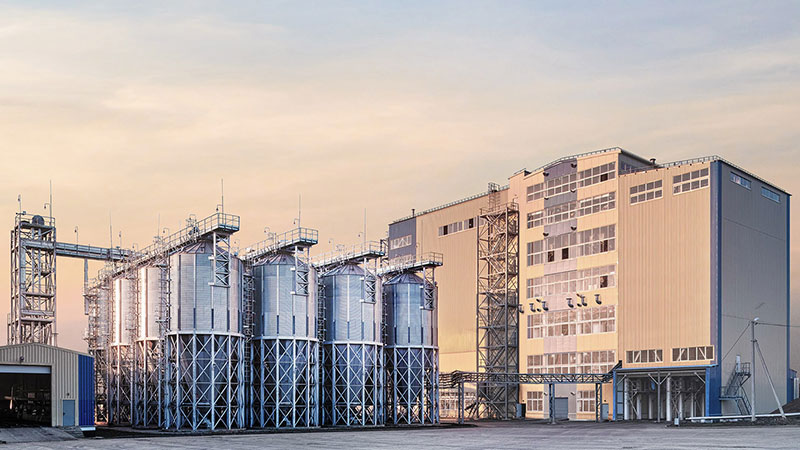
At RICHI, we go beyond project completion. With RICHI Servicee, we’re your dedicated partners in success. Count on us for expert guidance, minimal downtime, and optimized productivity. Choose RICHI for unmatched service and support.
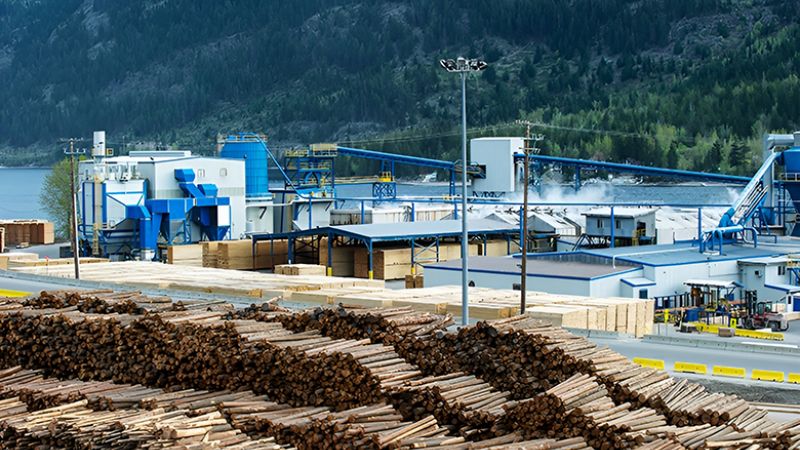


Meet global product demands and quality standards with industry-leading pellet plant design, engineering, equipment, and construction services for pellet processors.

Your Partner Beyond Project Completion
2000+ cases
RICHI is the leading designer, manufacturer and builder of pellet plants in the world, completing over 2000 projects in 140 countries across 6 continents.
Read More
Increase plant productivity, profitability, and safety by integrating high quality equipment into your pellet production line. Over the years, RICHI has become China's top pellet equipment manufacturer. At the same time, RICHI has established valuable partnerships with the world's leading component and raw material manufacturers to bring you the best there is in technology, automation, and efficiency in pelleting plant machinery.

For nearly 30 years, RICHI has been providing best-in-class pellet plant equipment and services to clients across a variety of industries, sizes, and needs. We pride ourselves on the knowledge and skill that each team member possesses – from our technical sales team to our process design engineers. You can count on RICHI Machinery to take your operation to the next level of innovation, quality, and success.
Need help with your pellet manufacturing plant project? Contact us today.
ANIMAL FEED
BIOMASS
WOOD
ORGANIC FERTILIZER
AQUA FEED
CAT LITTER
MUNICIPAL WASTE RECYCLING
SPECIAL PELLET PRODUCTION
RICHI Machinery continues to deliver world class pellet mill equipment, pellet plant engineering and project solutions that add value to our customers in the animal feed, wood waste, agriculture waste, organic fertilizer, cat litter and special pellet products industries. Throughout the years, we RICHI Machinery have built strong brand, becoming industry-leading pellet machine manufacturer. We value integrity, promise quality, and prioritize your success.
Learn MoreWith our expert team, we precisely implement your process engineering requirements in pellet mill and pelletizing plant systems. No matter which industry you’re in – we understand your needs and deliver solutions that meet the highest standards.
At RICHI, quality comes first. Our pellet making machine and related pellet line equipment undergo rigorous quality controls to ensure they meet the highest standards. Rely on products that are durable, safe, and efficient.
With decades of experience in pellet machine and pellet production line production, we have earned a reputation as a trusted partner in various industries. Our expertise allows us to cover a wide range of applications.
Not only do we offer premium pelleting equipment, but we are also experts at designing, building, installing, and maintaining facilities from the ground up. Our expertise is within pellt plant process design, discovering the most efficient, productive, and profitable way to handle your materials in an end-to-end cycle.
○ RICHI MACHINERY
Keeping in touch with us is an effective way to solve all your problems. If you have any needs or questions, please leave your contact information, then RICHI technical consultants will send design, quotation, videos to your mailbox. You can also contact us directly via WhatsApp: +86 13838389622
Copyright©2015-2026 by HENAN RICHI MACHINERY CO., LTD. All rights reserved.