
This is a project regarding cereal extrusion equipment in Germany. A breakfast cereal manufacturer in North Rhine-Westphalia, Germany, near the city of Cologne, was expanding their product line.They had been making traditional muesli and rolled oats for years. But the market was shifting toward extruded breakfast cereals – puffed rings, flakes, and balls that stay crunchy in milk. They needed extrusion equipment, but they had no experience with this technology.
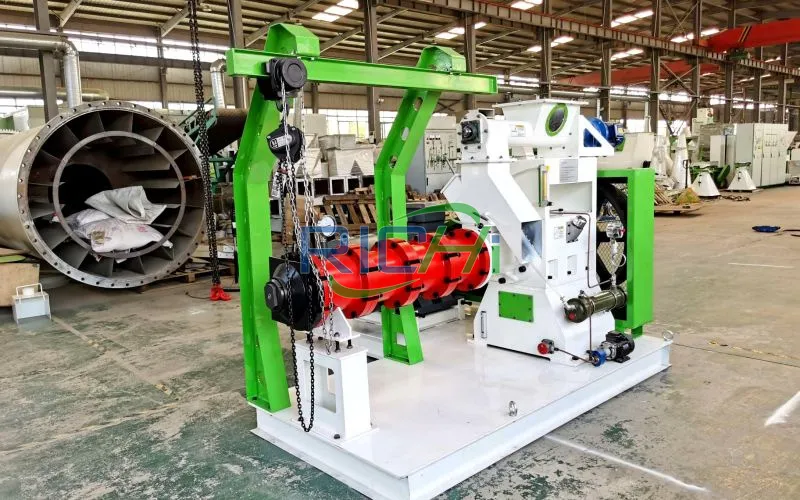
This is a project regarding cereal extrusion equipment in Germany. A breakfast cereal manufacturer in North Rhine-Westphalia, Germany, near the city of Cologne, was expanding their product line.
They had been making traditional muesli and rolled oats for years. But the market was shifting toward extruded breakfast cereals – puffed rings, flakes, and balls that stay crunchy in milk. They needed extrusion equipment, but they had no experience with this technology.
The production director (let's call him Klaus) explained the decision: "The breakfast cereal market in Germany is competitive. Consumers want variety – shapes, colors, textures. Extruded cereals offer all of that. We decided to bring production in-house rather than contract manufacturing. But we needed a machine that could handle different grains and produce consistent, high-quality expanded products."
Klaus looked at both dry and wet extrusion systems. For breakfast cereal, wet extrusion with a preconditioner is standard – it allows for better control of expansion, color, and texture. They had a boiler on site for other processes, so steam was available.
Name:
Cereal Extruder
Country:
Germany
Date:
2025
Capacity:
0.8-1.0 tons/hour
Model:
RCYP140G
Main Motor Power:
75kW
Color control:
Steam injection
Raw Material:
Corn, Rice, Wheat, Oats
From the wet extrusion table, the RCYP140G (75kW with preconditioner) was selected. Why this model?
Klaus chose the wet extruder because breakfast cereal requires precise control over expansion and texture. The preconditioner allows them to add steam, water, and colorants before extrusion.
Germany is a major grain producer. Klaus's company sources:
The raw grains are first milled into flour or semolina (500-800 microns). The flour is then fed into the preconditioner, where steam and water are added. The preconditioned mix (25-30% moisture) enters the extruder barrel.
The extrusion process for breakfast cereal:
The final product is light, crispy breakfast cereal with consistent shape and color.
The RCYP140G arrived at the Port of Hamburg – Germany's largest port, located about 350km north of Cologne.
Shipping time from Qingdao to Hamburg is about 30-35 days. The machine was packed in a 40-foot container with:
Customs clearance in Hamburg took about 3 days. Total landed cost was about 20% higher than the FOB price.
Installation took three weeks – longer than usual because of the steam integration. Klaus's team had a boiler on site (6 bar steam). They ran steam lines to the preconditioner, installed pressure regulators, and added a water treatment system for the injection water.
The electrical hookup required 400V, 50Hz three-phase (German standard). The 75kW motor required a 160-amp breaker – Klaus's electrician handled the installation.
The first test run was with a rice-corn blend (60% rice, 40% corn) for a gluten-free ring cereal. The preconditioner added steam to bring the moisture to 28%. The extruder ran smoothly. The die plate produced perfect rings. The cutter cut them to 8mm length. After drying, the rings were crispy and golden.
Klaus was impressed with the consistency.
After six months of operation, Klaus documented the following results:
Before (contract manufacturing):
After (in-house with RCYP140G):
Production output:
Quality improvements:
Here's what Klaus said after six months (paraphrased from a conversation):
"The contract manufacturer was reliable, but we had no control over quality. Some batches were darker than others. Some were less crunchy. We decided to bring extrusion in-house.
"The RCYP140G wet extruder with preconditioner gives us complete control. We adjust the steam to control expansion. We change die plates to make different shapes. We vary the toasting time for different colors. Our cereal is consistently high quality.
"The preconditioner is the key for breakfast cereal. It pre-cooks the starch, so the extrusion is consistent. Without it, dry extrusion would produce a harder, denser product. Wet extrusion gives us the light, crispy texture consumers want.
"A few operational notes: The die plates wear over time – the abrasive rice and corn gradually enlarge the holes. We bought 10 die plates with the machine. We expect each plate to last 300-400 hours of run time. The knives also need replacement every 200 hours – we keep spares.
"The steam system took time to dial in. We had to adjust the steam pressure and water flow to get the right moisture (26-30%) and temperature (80-90°C) in the preconditioner. Once we found the right settings, we documented them. Now it's repeatable.
"Would I recommend this machine? Yes. For any breakfast cereal manufacturer, wet extrusion with a preconditioner is the standard. The RCYP140G delivers consistent quality at a reasonable price."
Wet extrusion uses steam and water injection to precondition the material before extrusion. Here's why it was right for Klaus:
The preconditioner is what makes wet extrusion different from dry extrusion. Here's how it works:
The partial gelatinization that happens in the preconditioner makes the extrusion process more efficient and the final product lighter.
Klaus's team experimented with different preconditioning settings:
Each setting produces a different texture and color.
After extrusion, the cereal is still soft and has 20-25% moisture. It needs to be dried to 3-5% for shelf stability. Klaus installed a belt dryer (purchased separately – about €50,000) after the extruder.
The drying process:
The toasting happens in the first zone of the dryer – the high heat creates browning and flavor development.
Klaus said the dryer was essential. "The extruder makes the shape. The dryer makes the crunch. Without proper drying, the cereal is soft and chewy – not what consumers want."
The RCYP140G shipped from Qingdao to Port of Hamburg, Germany – Europe's second-largest port.
Shipping time from Qingdao to Hamburg is about 30-35 days. The route goes through the South China Sea, past Singapore, across the Indian Ocean, through the Suez Canal, and across the Mediterranean to Northern Europe.
The machine was packed in a 40-foot container. Customs clearance in Hamburg took about 3 days. Total landed cost was about 20% higher than the FOB price.
The truck transport from Hamburg to Cologne was about 350km – roughly 3.5 hours.
After six months of running the RCYP140G, Klaus shared several observations:
For a breakfast cereal manufacturer looking to bring production in-house, wet extrusion with a preconditioner is the standard.
Consider the RCYP140G (75kW with preconditioner) if:
Consider a larger model (RCYP160G or RCYP200G) if:
For Klaus's cereal plant, the RCYP140G was the right investment. It reduced ingredient costs by 44%, improved product consistency, and paid for itself in three months.
If you're a breakfast cereal manufacturer still relying on contract extrusion, consider bringing production in-house. The cost savings are significant – 40% or more. The quality control is better. And you can innovate faster with new shapes and recipes.
The RCYP140G wet cereal extrusion equipment with preconditioner produces light, crispy, consistently shaped breakfast cereals. It runs on steam and electricity. It's flexible, efficient, and built for food-grade production.
For breakfast cereal, the math is simple: in-house extrusion costs less than contract manufacturing, and the quality is better.
RICHI offers documentation in German, steam integration guidance, die plate samples, spare parts kits, and on-site training. Contact RICHI Machinery through the website with your daily cereal requirement, target shapes, and facility details for a recommendation. Tell them about your breakfast cereal application – they can help you choose the right die plates and preconditioner settings for your product.
Having the right mix of reliable, high-quality pellet machine and pelletizing systems and expert support is essential to your success. Watch how our end-to-end feed pellet plant solutions have helped our customers optimize their performance.
Our customized and future-proofed turnkey pellet plant solutions is designed with you at the core. From vision to reality and beyond, our team stays connected with yours. Giving you peace-of-mind with an expert at your side.
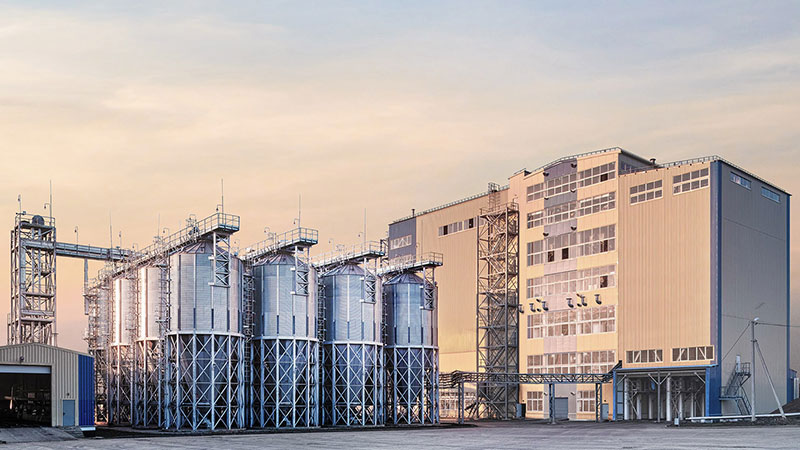
At RICHI, we go beyond project completion. With RICHI Servicee, we’re your dedicated partners in success. Count on us for expert guidance, minimal downtime, and optimized productivity. Choose RICHI for unmatched service and support.
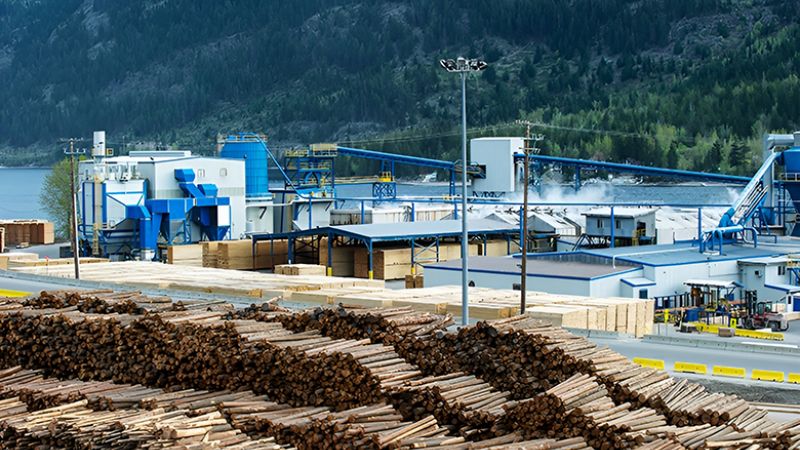


Meet global product demands and quality standards with industry-leading pellet plant design, engineering, equipment, and construction services for pellet processors.

Your Partner Beyond Project Completion
2000+ cases
RICHI is the leading designer, manufacturer and builder of pellet plants in the world, completing over 2000 projects in 140 countries across 6 continents.
Read More
Increase plant productivity, profitability, and safety by integrating high quality equipment into your pellet production line. Over the years, RICHI has become China's top pellet equipment manufacturer. At the same time, RICHI has established valuable partnerships with the world's leading component and raw material manufacturers to bring you the best there is in technology, automation, and efficiency in pelleting plant machinery.

For nearly 30 years, RICHI has been providing best-in-class pellet plant equipment and services to clients across a variety of industries, sizes, and needs. We pride ourselves on the knowledge and skill that each team member possesses – from our technical sales team to our process design engineers. You can count on RICHI Machinery to take your operation to the next level of innovation, quality, and success.
Need help with your pellet manufacturing plant project? Contact us today.
ANIMAL FEED
BIOMASS
WOOD
ORGANIC FERTILIZER
AQUA FEED
CAT LITTER
MUNICIPAL WASTE RECYCLING
SPECIAL PELLET PRODUCTION
RICHI Machinery continues to deliver world class pellet mill equipment, pellet plant engineering and project solutions that add value to our customers in the animal feed, wood waste, agriculture waste, organic fertilizer, cat litter and special pellet products industries. Throughout the years, we RICHI Machinery have built strong brand, becoming industry-leading pellet machine manufacturer. We value integrity, promise quality, and prioritize your success.
Learn MoreWith our expert team, we precisely implement your process engineering requirements in pellet mill and pelletizing plant systems. No matter which industry you’re in – we understand your needs and deliver solutions that meet the highest standards.
At RICHI, quality comes first. Our pellet making machine and related pellet line equipment undergo rigorous quality controls to ensure they meet the highest standards. Rely on products that are durable, safe, and efficient.
With decades of experience in pellet machine and pellet production line production, we have earned a reputation as a trusted partner in various industries. Our expertise allows us to cover a wide range of applications.
Not only do we offer premium pelleting equipment, but we are also experts at designing, building, installing, and maintaining facilities from the ground up. Our expertise is within pellt plant process design, discovering the most efficient, productive, and profitable way to handle your materials in an end-to-end cycle.
○ RICHI MACHINERY
Keeping in touch with us is an effective way to solve all your problems. If you have any needs or questions, please leave your contact information, then RICHI technical consultants will send design, quotation, videos to your mailbox. You can also contact us directly via WhatsApp: +86 13838389622
Copyright©2015-2026 by HENAN RICHI MACHINERY CO., LTD. All rights reserved.